
Your polo has a spec sheet now: inside golf's cooling arms race
A January 2026 LifeLabs study found 84 percent of golfers now put cooling technology first when they buy apparel — cooling is the new waterproofing. Here's how to decode the fabric weights, ventilation zones and wicking claims, and why the cheapest tricks in the bag still beat any polo at 95 degrees.
By Jordan Hale · Equipment Writer
 Explained
Eighty-four percent. That's the share of golfers who now prioritise cooling technology when choosing apparel, according to a January 2026 LifeLabs study — a number that explains why the humble golf polo suddenly reads like a graphics card. Fabric weights in grams per square metre. Laser-cut ventilation zones. Wicking claims with trademark symbols attached. Cooling has become the new waterproofing: the technical battleground every brand needs to win, and the first thing on the label. Some of it genuinely matters at 95 degrees. Some of it is marketing in a mesh panel. Here's how to tell the difference before you spend polo money on either.
The number on the label: fabric weight
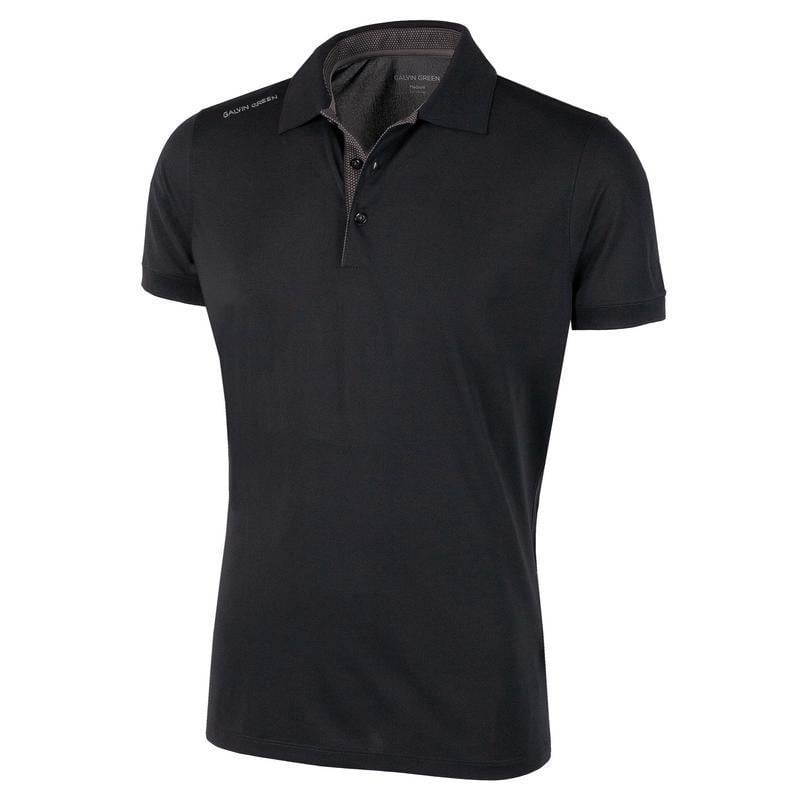
If you learn one spec, learn GSM — grams per square metre, the weight of the fabric itself. The 2026 hot-weather trend is the sub-200-GSM polo: shirts light enough that you barely register them, which matters because a heavy knit traps a layer of warm, damp air against your skin no matter how clever its wicking is. Lighter isn't automatically cooler — a flimsy shirt that clings when damp can feel worse than a slightly heavier one that stands off the skin — but weight is the honest first filter, and the fact that brands now print it at all tells you the arms race is real. The extreme end of the engineering is something like the Galvin Green Max VENTIL8 polo, a Scandinavian stretch knit built around airflow and fast drying rather than fashion, with sun protection baked in. On a muggy, sun-baked round it moves air the way most cotton-blend shirts simply don't. You pay properly for it, and the technical hand-feel isn't for everyone off the course — but as a pure cooling instrument, it's the benchmark.
Wicking is table stakes — airflow is the race
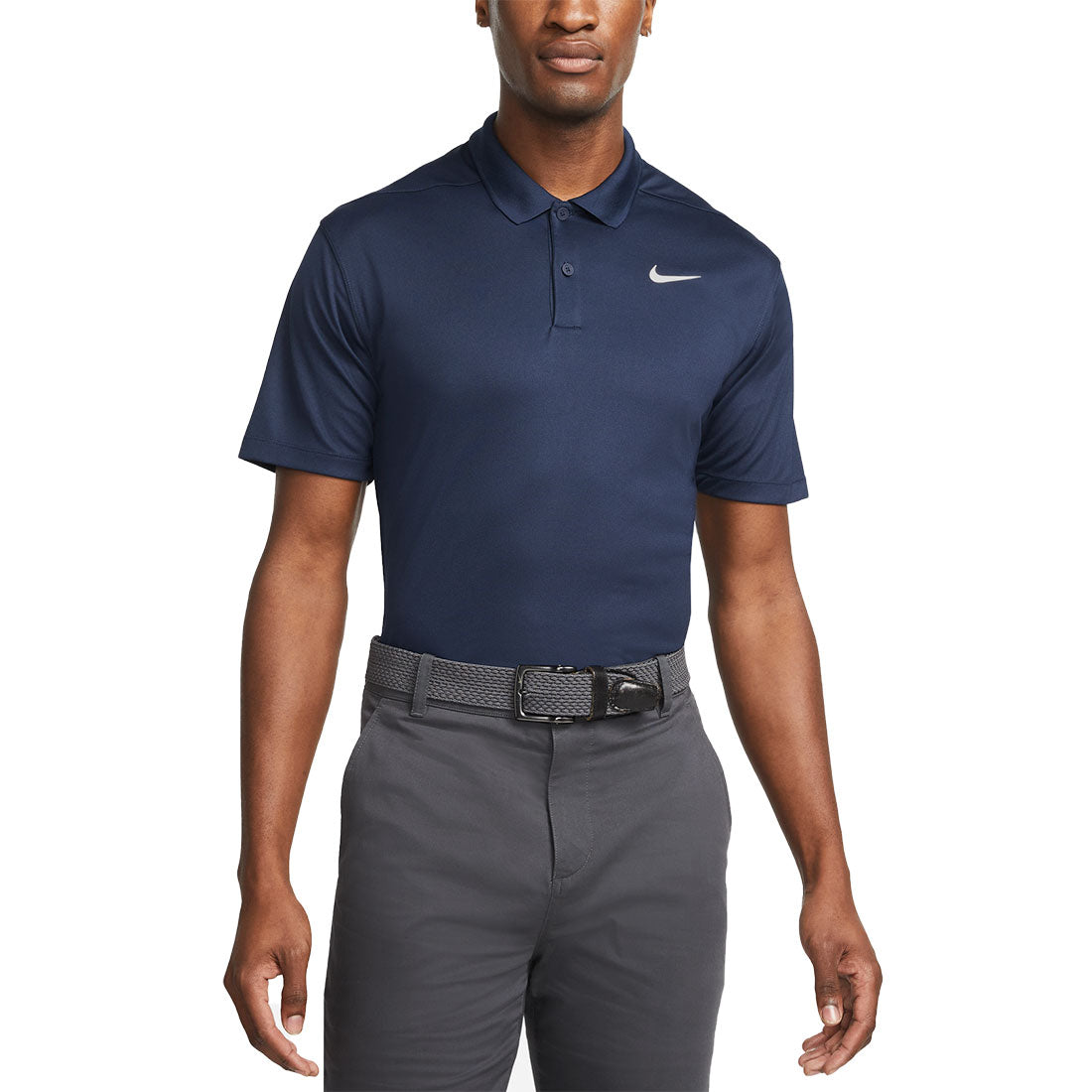
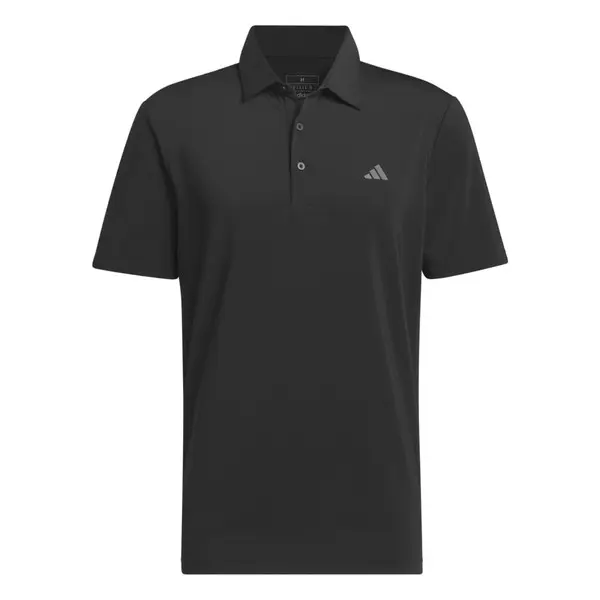
Every performance polo on the rack wicks sweat; that war ended years ago. Nike's Dri-FIT and adidas's AEROREADY both do exactly what they claim — pull moisture off the skin and spread it to evaporate — and both are on shirts costing a fraction of the premium players. The Nike Dri-FIT Victory polo is the case study: a plain, dependable shirt that moves sweat, holds its collar shape wash after wash, and quietly undercuts most rivals. The adidas Ultimate365 polo adds four-way stretch and a UV 50+ rating for similar money. What separates the 2026 crop is what happens after the wicking: ventilation. Look for where the airflow actually is — mesh or perforated zones at the back yoke and under the arms, where you sweat, rather than a token panel placed for looks. A shirt that breathes in the right places at 200 GSM will beat a heavier shirt with a trademark and no airflow every single time.
The 2026 silhouette: tailored, not baggy
Fit is the spec nobody prints, and it changes how every other spec performs. The 2026 silhouette is tailored-not-baggy: close enough to move air across your skin as you walk, loose enough that damp fabric never clings through the swing. A tent-sized polo doesn't ventilate, it just flaps; a compression-tight one defeats the mesh zones entirely. The practical wrinkle is that fit language varies wildly between brands. The adidas regular cut runs forgiving and slightly large — most golfers chasing the modern silhouette should size down — while Nike's standard fit reads a touch boxy on trimmer builds, same advice. The Galvin Green runs athletic and slim, so broader players go the other way and size up. It's tedious, but getting the fit right is worth more to your comfort at 95 degrees than any single fabric technology on this page. If you're between sizes, think about how you'll wear it: over a base layer or with sunscreen-slick skin, the slightly roomier cut breathes better; on its own, closer wins. And whatever the brand promises, hold the shirt up to the light before you buy — the sub-200-GSM knits in pale colours can run see-through, which is its own kind of exposure problem.
The unglamorous stuff that beats any polo
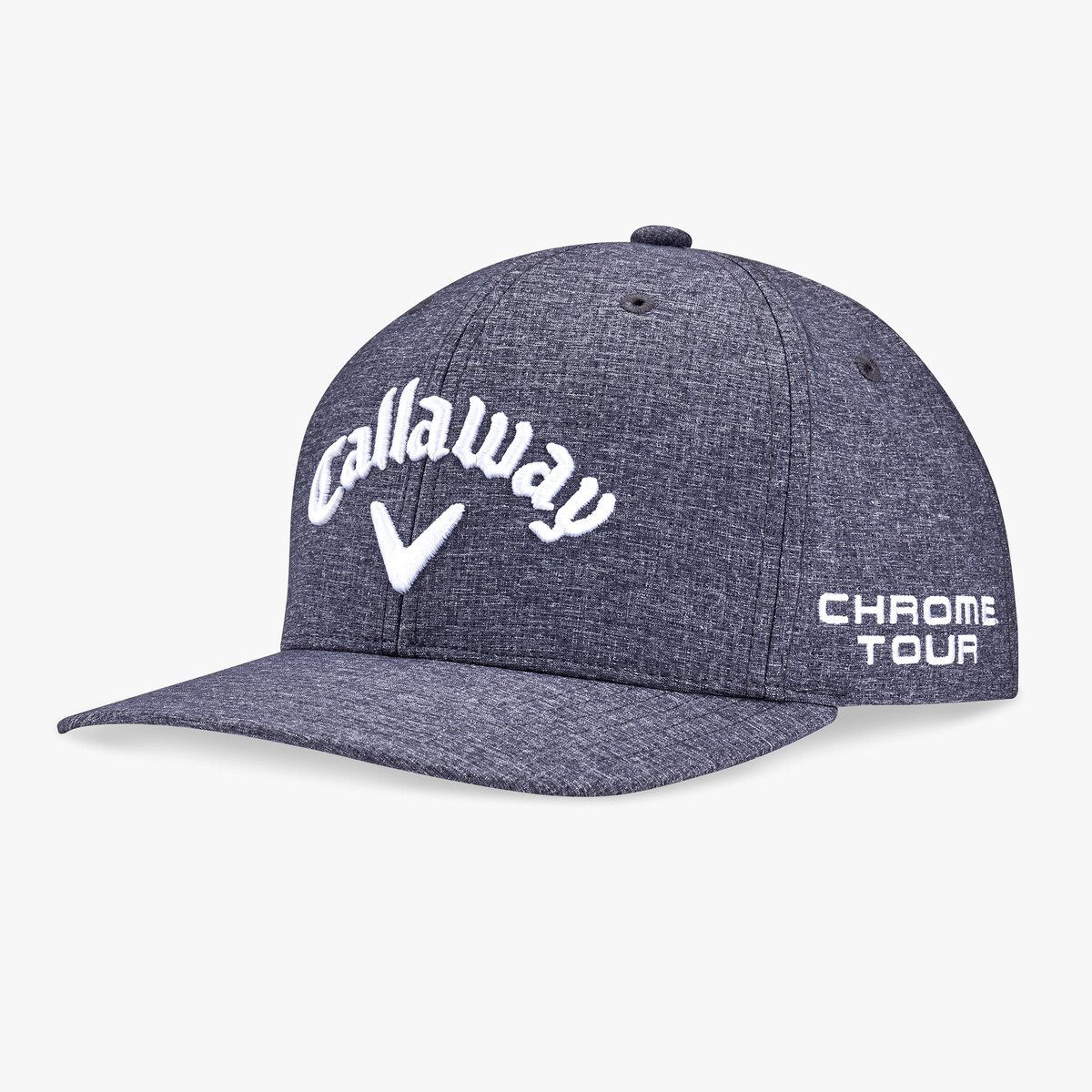
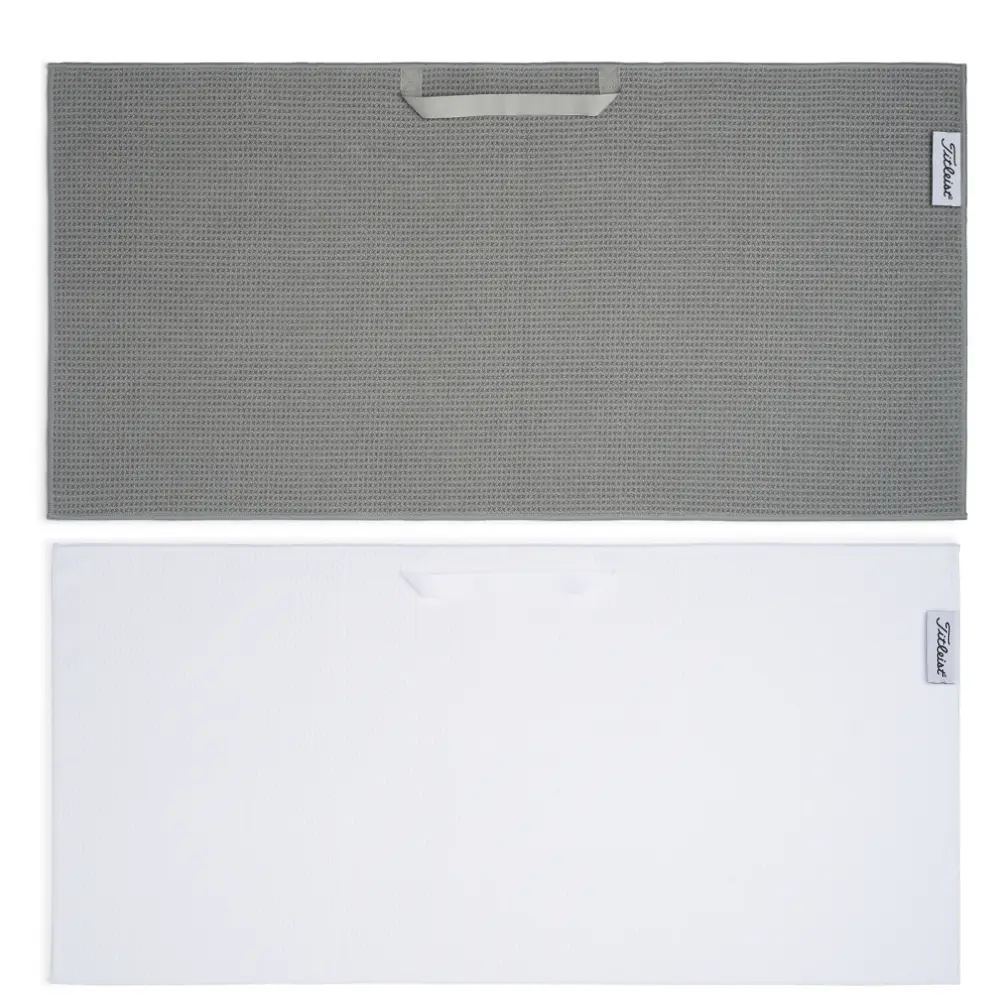
Now the part the spec sheets skip: the most effective cooling on a golf course costs less than any shirt. Shade for your head is first — a lightweight, breathable cap like the Callaway Tour Performance Pro with a wicking sweatband and UPF 50+ does more for how you feel on the 15th tee than any fabric innovation below the neck. Second, the oldest trick in sport: a wet towel on the back of your neck between shots. Soak a proper microfibre towel like the Titleist Players towel at the water station, wring it, drape it — the evaporative cooling across the blood vessels in your neck is immediate and free. And third, water, relentlessly: the sports-science consensus is that losing around two percent of your body mass to dehydration measurably impairs fine motor control and decision-making. Over a four-plus-hour summer round, that's not a hypothetical — that's your three-putt on 16.
How to actually spend the money
So decode the arms race like this. Check the fabric weight first — sub-200 GSM is the modern hot-weather standard. Check where the ventilation actually sits, not whether it exists. Get the fit tailored-not-baggy, sizing against each brand's quirks rather than the letter on the tag. Then spend whatever's left on the unglamorous stuff, because a cap, a wet towel and a water bottle will outperform an upgrade from a good polo to a great one. If you want the shortlist done for you, our best golf polos guide ranks the field, and there's plenty more in our golf clothing hub. Eighty-four percent of golfers are shopping for cooling now. The winners will be the ones who know which half of the spec sheet to ignore.
Products mentioned in this article
Galvin Green
Galvin Green Max VENTIL8 Polo
The spec-sheet flagship: genuinely cooling Scandinavian engineering that moves air and dries fast on the muggiest days.
adidas
adidas Ultimate365 Solid Polo
The value workhorse: four-way stretch, real wicking and UV 50+ for sensible money — size down for the 2026 fit.
Nike
Nike Dri-FIT Victory Golf Polo
The dependable everyday pick: does the boring things right, wash after wash, for less than most rivals.
Callaway
Callaway Tour Performance Pro Cap
The upgrade that outcools any polo: lightweight, breathable, UPF 50+ shade for your head all round long.
Titleist
Titleist Players Microfibre Golf Towel
The oldest trick in the book: soak it, wring it, drape it on your neck between shots.
ifrothgolf earns a commission on purchases made through these links, at no extra cost to you. It never changes what I recommend. Full disclosure.
Frequently asked
- What does GSM mean on a golf polo?
- GSM is grams per square metre — the weight of the fabric itself. Lighter fabrics trap less warm, damp air against your skin, and sub-200 GSM is the 2026 benchmark for a genuine hot-weather golf polo. Weight is a useful first filter, though ventilation placement and fit matter just as much.
- Does cooling golf apparel actually work?
- Yes, within limits. Lightweight, ventilated, moisture-wicking fabrics genuinely keep you drier and more comfortable than cotton blends in heat. But no shirt overcomes poor hydration or direct sun on your head — a breathable cap, a wet towel on the neck and regular water do more than any single garment.
- What should I look for in a hot-weather golf polo?
- Three things: a light fabric weight, ideally under 200 GSM; ventilation zones placed where you actually sweat, such as the back and underarms, rather than decorative mesh; and a tailored-not-baggy fit that lets air move without the fabric clinging when damp.
- How much does dehydration affect your golf game?
- Sports-science consensus holds that losing around two percent of body mass to dehydration measurably impairs fine motor control and decision-making. Over a four-plus-hour summer round that is a real effect on your putting and judgement, which is why steady drinking from the first tee matters more than any apparel choice.
- Are expensive golf polos worth it in summer?
- Sometimes. Premium technical polos genuinely move more air and dry faster than budget ones, and the difference shows on the hottest days. But a well-chosen budget performance polo covers most of the benefit, and the remaining comfort gap is closed more cheaply with a good cap, a wet towel and proper hydration.
Read next
Review
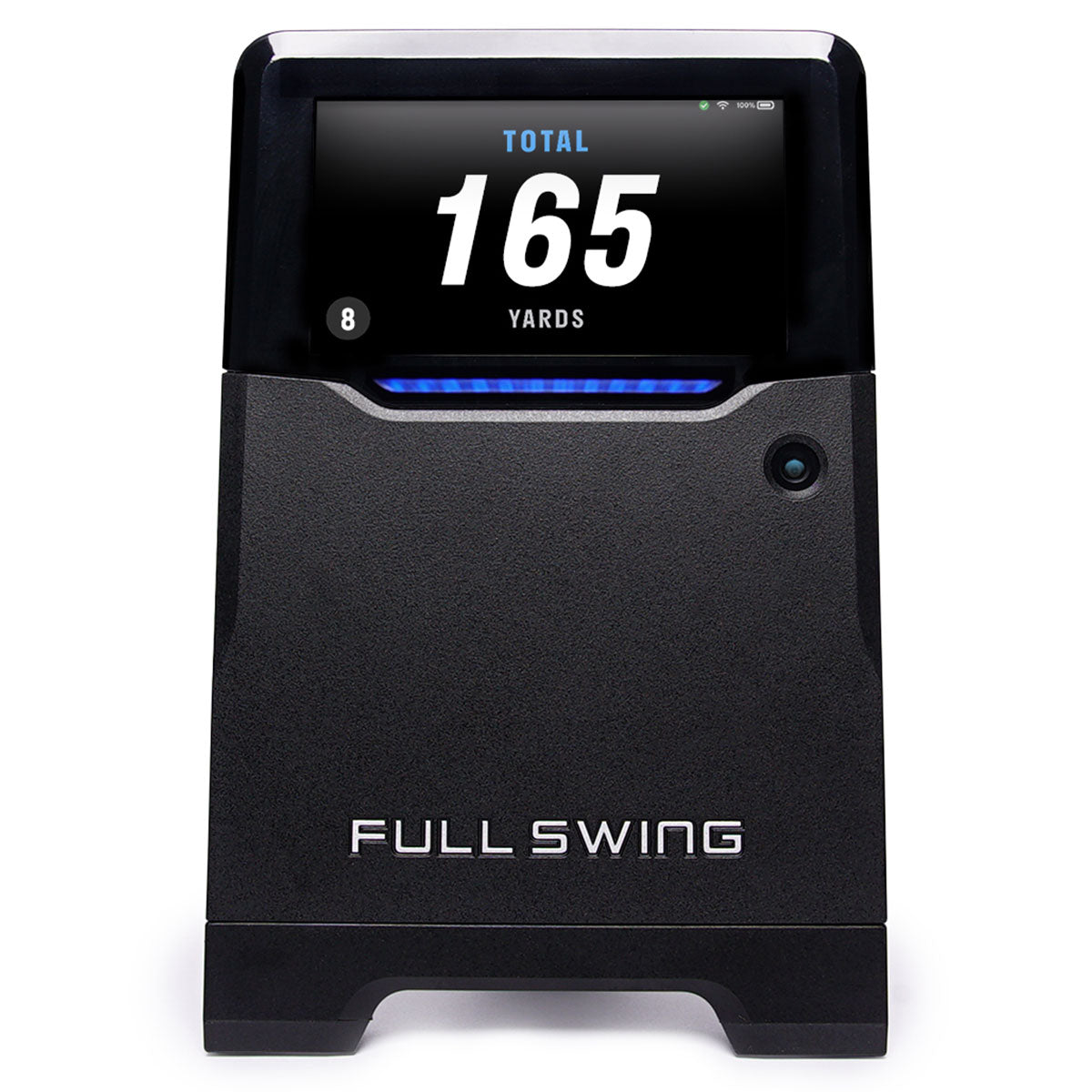
7.9/10Full Swing KIT review: the tape measure decides this, not Tiger
Tour pedigree, TGL on ESPN, and radar good enough to be checked against a Trackman outdoors. It also wants eighteen to twenty feet of room, which rules out most of the garages people buy it for.
Versus
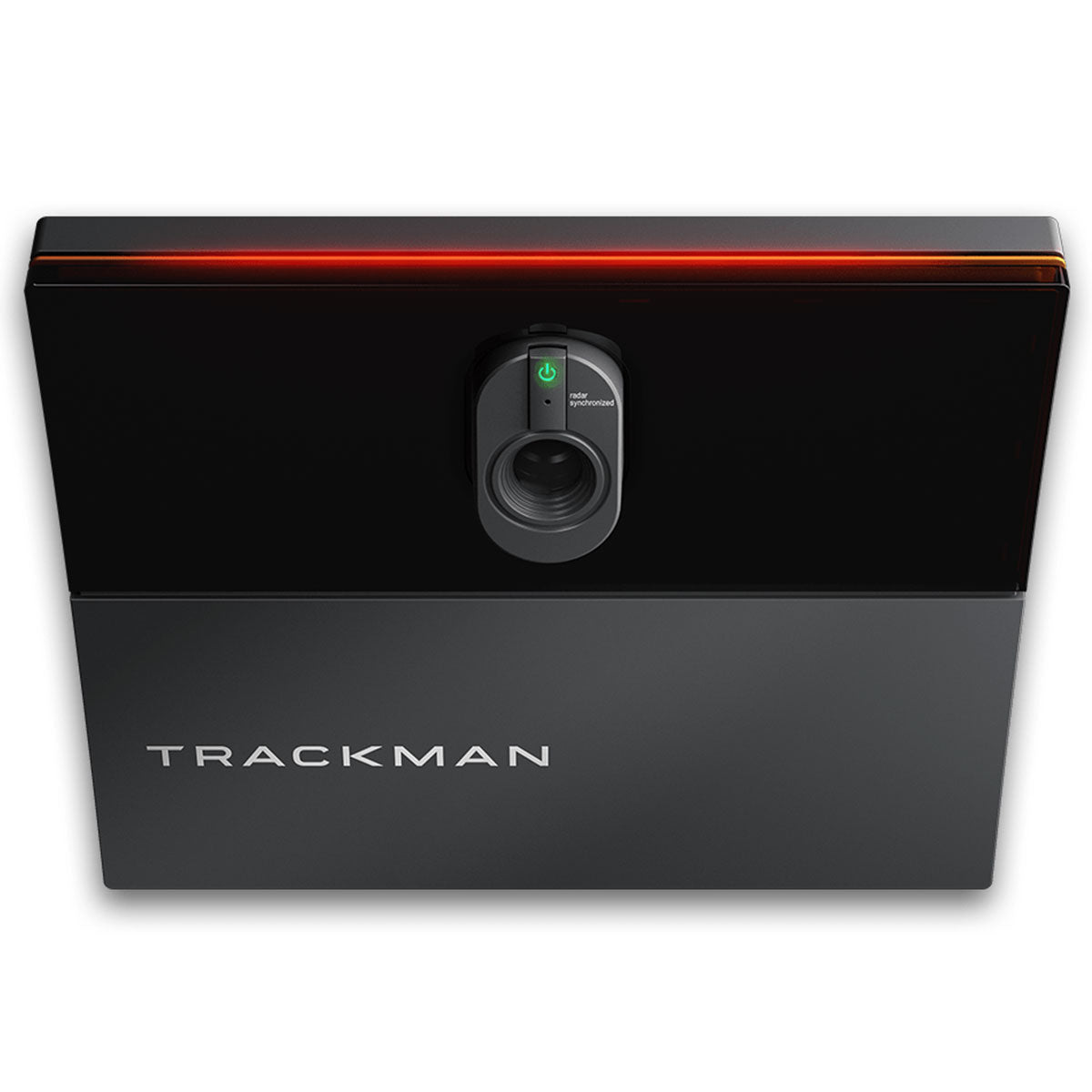
Trackman iO vs Uneekor EYE XO2: the year-one trap
Both mount overhead, both want ten feet of ceiling, and about $3,000 separates them on the shelf. Then Trackman's included first year runs out, and the gap starts growing by $1,100 a year.
Versus
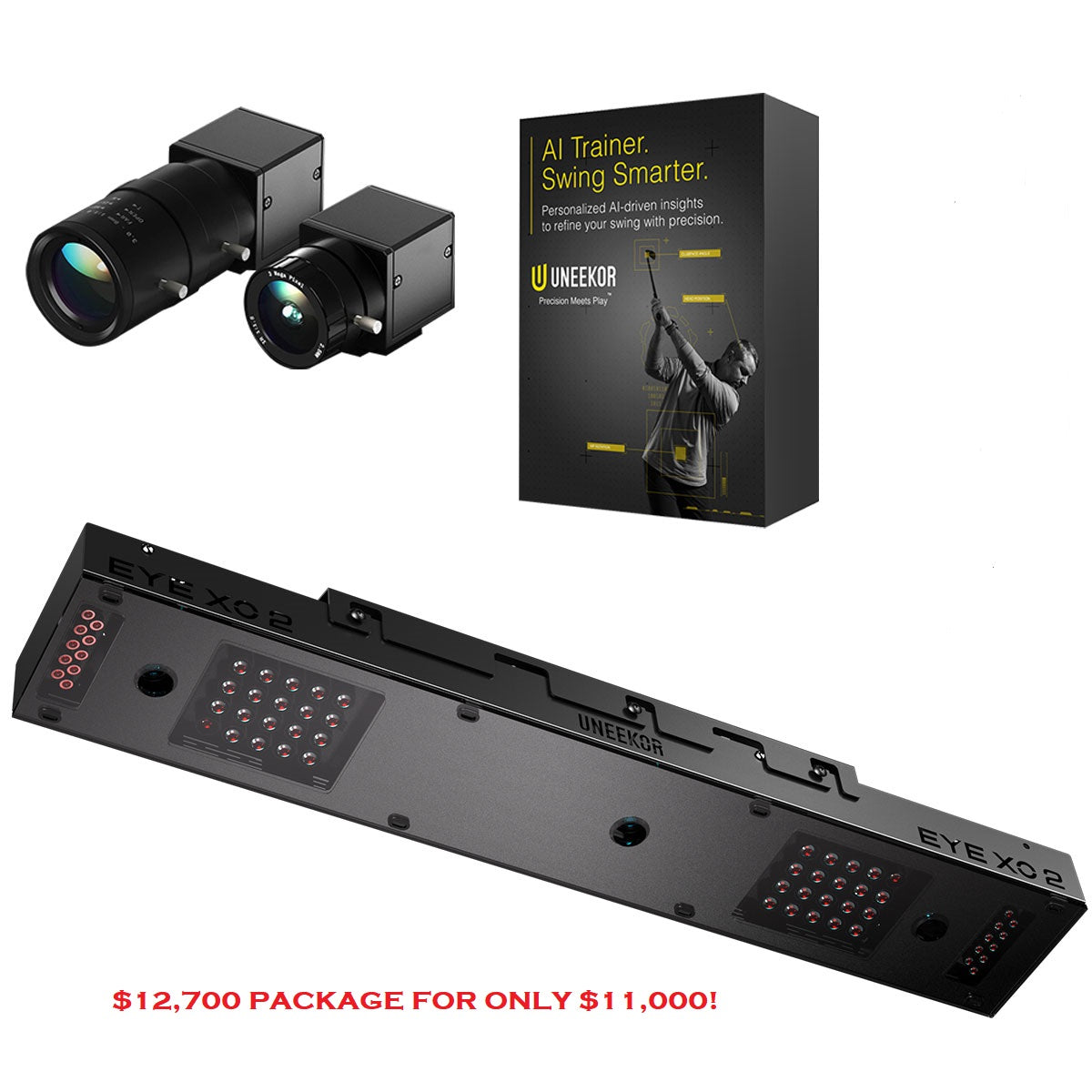
Uneekor EYE XO2 vs Foresight GC3: ceiling or floor?
About $4,000 separates them, but they're not really rivals — one lives in your ceiling forever, the other sits on the floor and travels. The cheaper one is also the one with no subscription.