
The 36-hole day: how to play (and survive) a marathon golf trip
Golf trips tempt you into dawn-till-dusk doubles. Done wrong, the second round falls apart and you're wrecked for the week. Here's how to last the distance.
By Ross Hamilton · Staff Writer
 Explained
The golf-trip temptation is real: you've travelled all this way, the course is right there, so why not play 36 in a day? Done well, a marathon day is a highlight. Done badly, your second round collapses by the 10th, your feet are ruined, and you're too sore to enjoy the rest of the trip. Lasting the distance is less about fitness than about pacing, fuelling and a few bits of kit — manage your body like an athlete managing a long event and the golf holds up.
There's a mental dimension to all this that golfers underrate. Concentration is a finite resource, and across eight or nine hours of golf it drains long before your body gives out — the sloppy double on the 28th is usually a focus failure, not a swing fault. The players who survive a marathon day don't try to grind over every shot; they pick their moments, switch off between holes, and accept that a stretch of autopilot golf in the middle is the price of having anything left for a strong finish. Treat your attention like your legs: ration it early, expect the wobble, and you'll still be playing actual golf when everyone else is just hacking it round.
Your feet decide the day
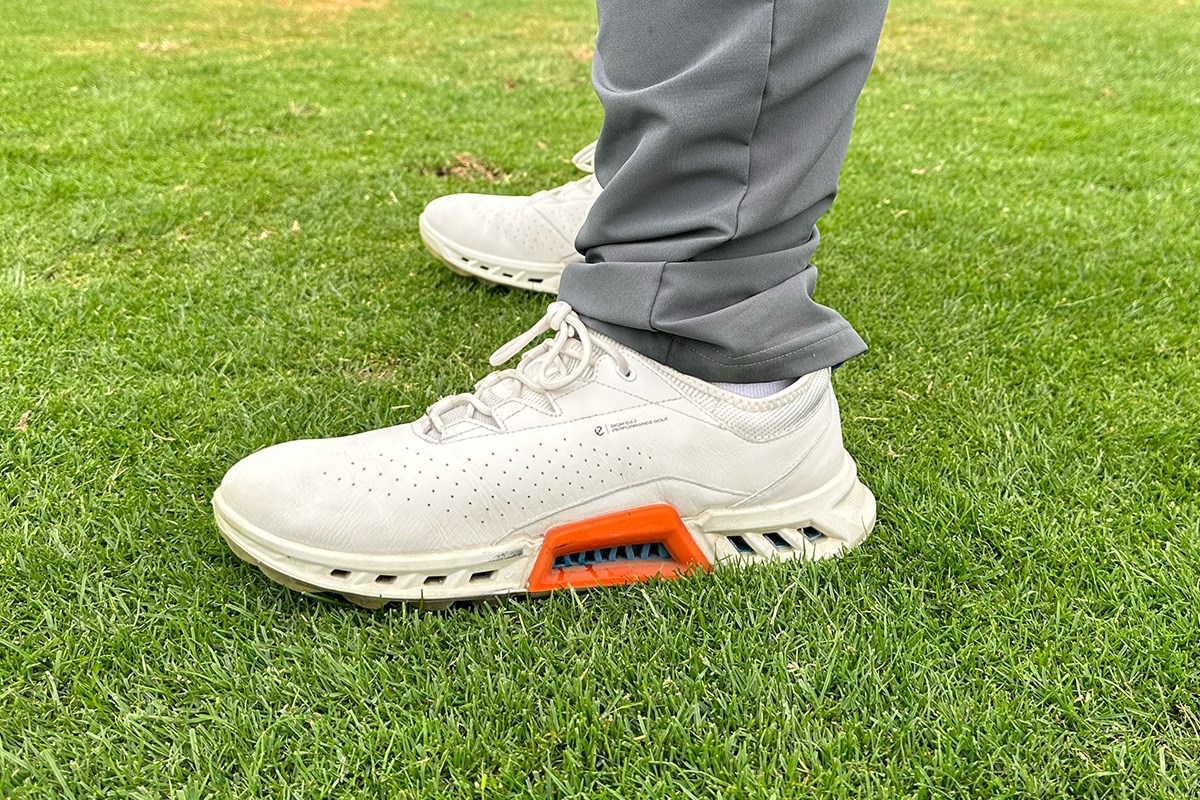
Nothing ends a 36-hole day faster than wrecked feet. You're walking 12-plus miles on hard ground, and shoes that are fine for one round become instruments of torture over two. This is the day comfortable, well-cushioned shoes like the ECCO BIOM C5 earn their price — and the day to break out a fresh pair of socks at the turn between rounds. Blister plasters in the bag are cheap insurance. If your feet survive, the day survives.
Fuel and hydrate like it's an event
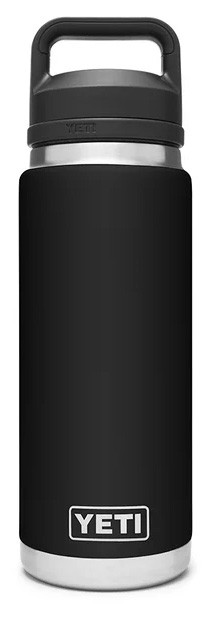
A 36-hole day burns serious energy over eight-plus hours, and the classic mistake is under-fuelling early then bonking on the second nine of the afternoon. Eat properly between rounds — a real meal, not just a bacon roll — and graze on the course rather than waiting until you're empty. Hydration is the bigger lever: a refillable insulated bottle of cold water you sip all day beats two trips to the halfway house, and electrolytes help if it's warm. Go easy on the beers until the golf's done; they feel great on the front nine and ruin the back.
Manage the body and the swing
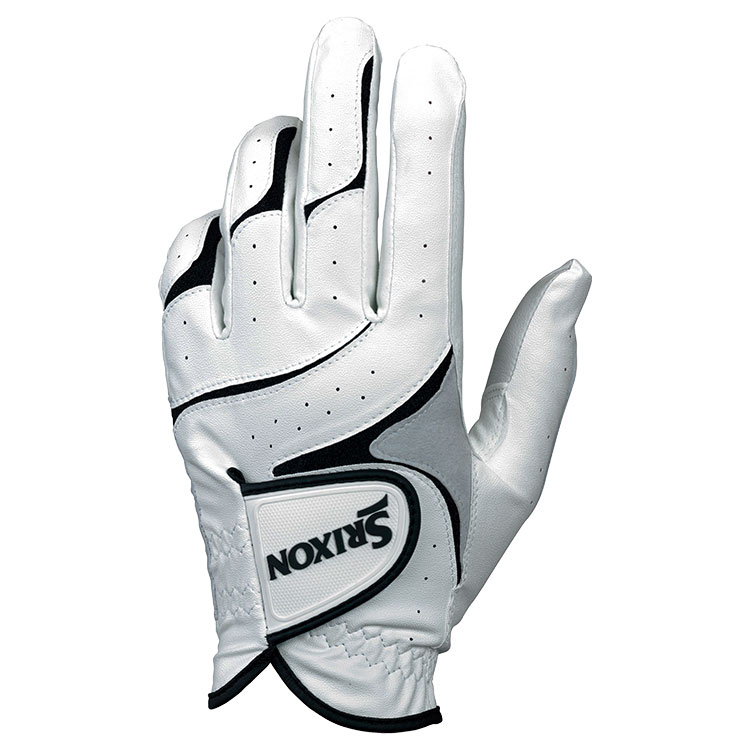
Your swing tires before you notice, and fatigue makes it quick and handsy. Warm up properly before the first round, stretch between rounds rather than slumping in the buggy, and accept that your afternoon tempo will be slower — lean on rhythm over power as you tire. Sweat is the other enemy over two rounds: a single glove turns to mush, so carry several all-weather gloves and rotate them. A buggy for the second 18 is a legitimate way to save the day if it's an option.
Lighten the load for round two
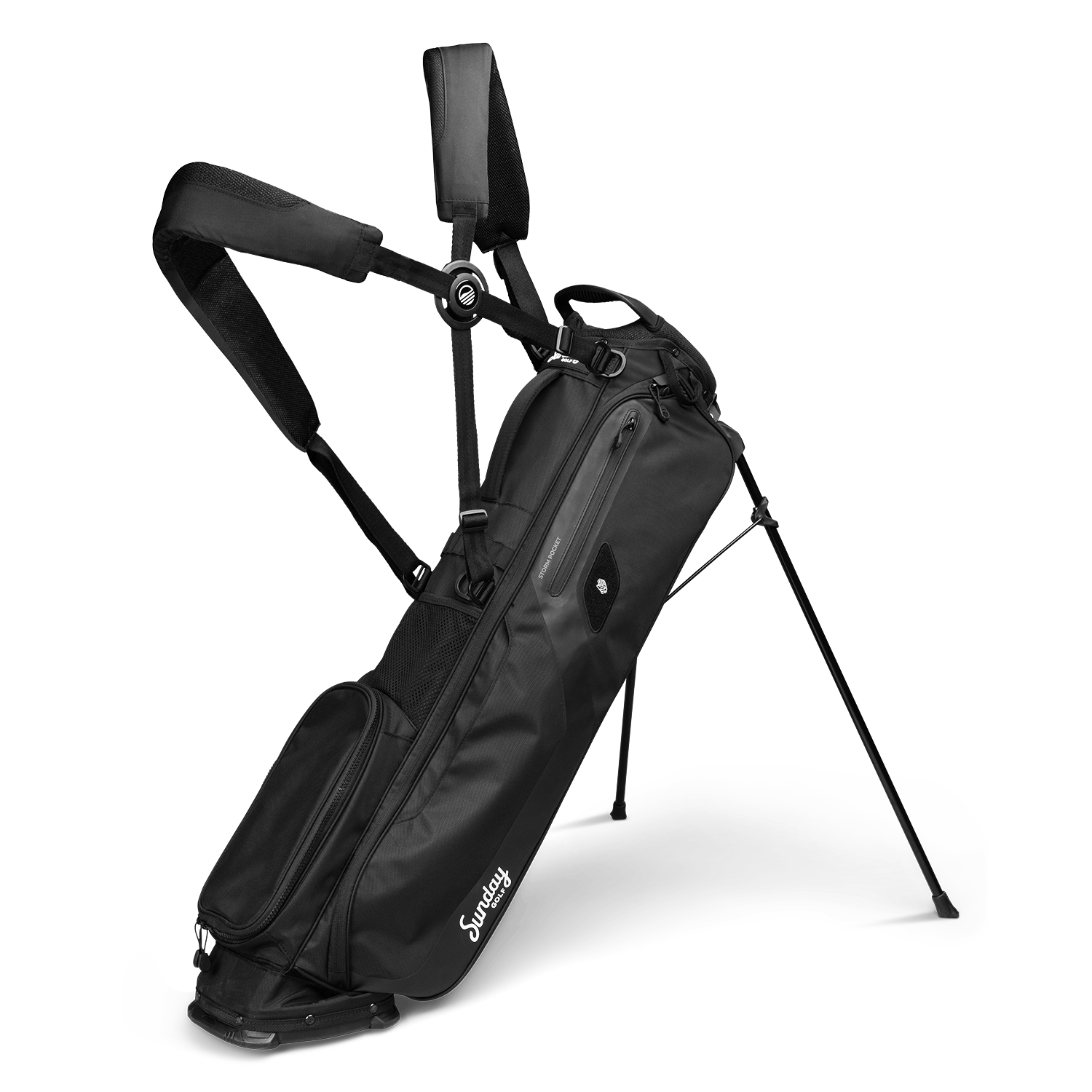
By the afternoon, every pound on your back matters. If you're walking the second round, switching to a featherweight carry bag with a half-set takes real strain off tiring shoulders and legs — you don't need 14 clubs to enjoy a fatigue round. Stripping the bag down also speeds you up, which matters when the light's fading on a dawn-till-dusk day.
The turn between rounds — and the night that decides day two
The gap between rounds is the most wasted window on a marathon day. Most groups burn it sitting in the clubhouse stiffening up, then wonder why the second 18 feels like wading through treacle. Treat the turn as an active reset, not a rest: change into dry socks and ideally a fresh shirt, get the feet up for ten minutes to take the swelling down, then move — a gentle walk and some loose stretching keep the legs from locking solid. Eat a proper meal early in the break so it's digested before you tee off again, rather than walking out heavy. Refill the insulated bottle, swap to a dry glove, and resist the lunchtime pint that feels earned and quietly kills your afternoon tempo. Twenty disciplined minutes here buys you a back nine that still resembles golf.
What you do that evening matters even more, because day two of a trip is where marathon days exact their revenge. The temptation after dawn-till-dusk golf is a big night, but the real recovery levers are dull and effective: rehydrate steadily before you touch alcohol, eat a substantial dinner with some salt to replace what you've sweated out, and get your legs elevated for a spell before bed. A hot shower and a few minutes stretching the calves, hips and lower back beat collapsing straight into a chair. Lay out tomorrow's dry kit before you sleep so a stiff morning isn't also a scramble. Get the night right and you wake up merely tired; get it wrong and you've traded one great day for three ruined ones.
The marathon-day checklist
Comfortable cushioned shoes and spare socks, blister plasters, a proper meal between rounds, a cold-water bottle and electrolytes, several gloves to rotate, a warm-up and stretch routine, and a lighter bag for the afternoon. Respect the distance like an endurance event and 36 holes becomes the best day of the trip instead of the one that breaks you. Pacing beats heroics every time.
Products mentioned in this article
ECCO
ECCO Biom C5 Golf Shoe
The most comfortable shoe in golf for a reason — your feet will thank you on hole 30-something.
Srixon
Srixon All Weather Golf Glove
Carry several and rotate — 36 holes destroys a single sweat-soaked glove.
YETI
YETI Rambler 26oz Bottle with Chug Cap
Refillable cold water all day beats relying on the halfway house twice over.
Sunday Golf
Sunday Golf El Camino Stand Bag
For the second 18, a featherweight bag saves your shoulders when fatigue sets in.
ifrothgolf earns a commission on purchases made through these links, at no extra cost to you. It never changes what I recommend. Full disclosure.
Frequently asked
- How do I prepare to play 36 holes in one day?
- Treat it like an endurance event: wear comfortable cushioned shoes, bring spare socks and blister plasters, eat a proper meal between rounds, hydrate all day with cold water and electrolytes, and warm up and stretch rather than slumping between rounds.
- What shoes are best for walking 36 holes?
- Well-cushioned, comfortable shoes such as the ECCO BIOM C5. You'll walk 12-plus miles on hard ground, so cushioning and a proven comfortable fit matter far more than they do over a single round. Change your socks at the turn.
- How do I avoid getting tired playing two rounds in a day?
- Fuel early and often with a real meal between rounds, sip cold water all day, ease off alcohol until the golf's done, stretch between rounds, and lighten your bag for the afternoon. Expect slower tempo late and lean on rhythm over power.
- Should I walk or take a buggy for a 36-hole day?
- If a buggy is available, it's a legitimate way to save your legs for the second round. If you walk, switch to a featherweight carry bag with a half-set for the afternoon to take strain off tiring shoulders.
Read next
Review
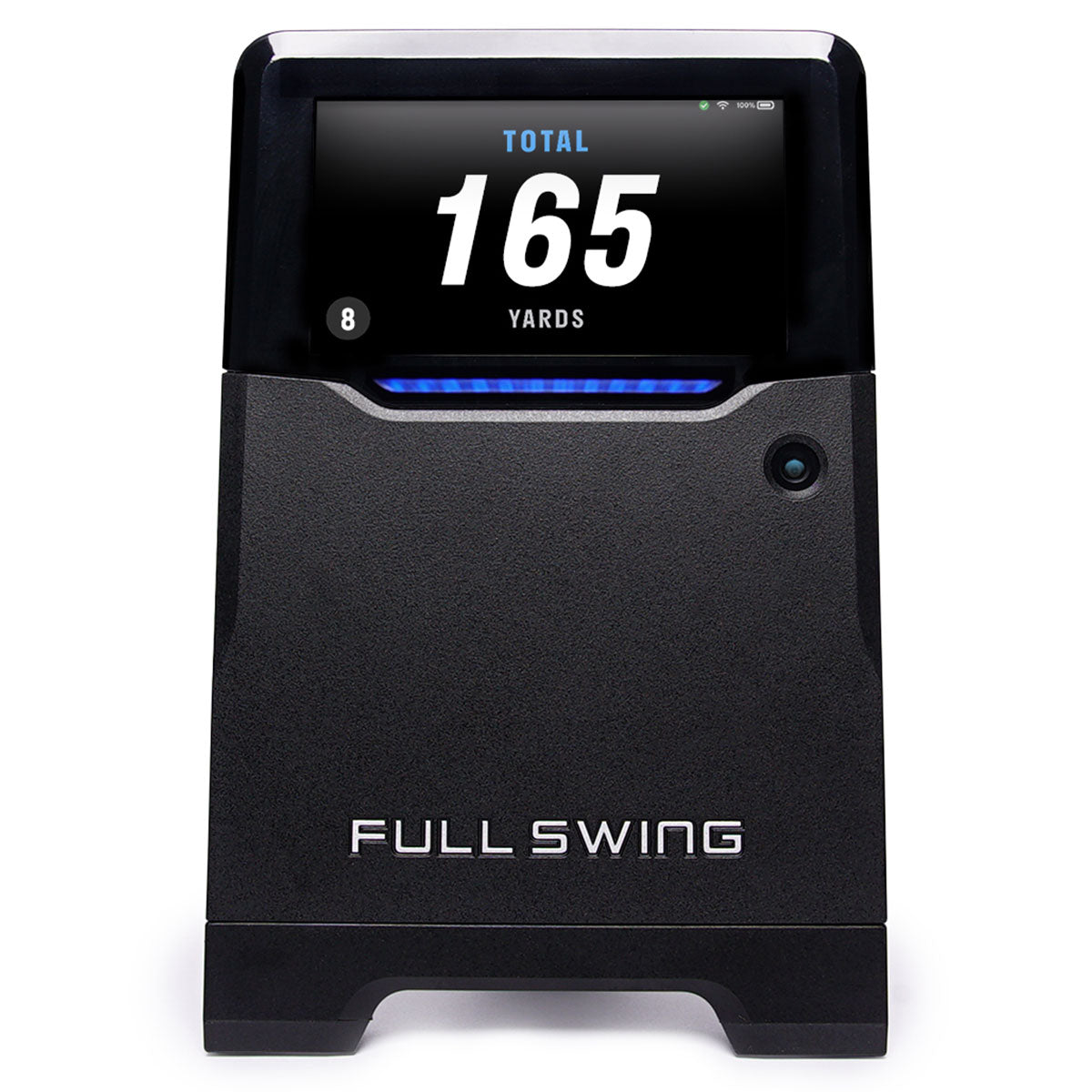
7.9/10Full Swing KIT review: the tape measure decides this, not Tiger
Tour pedigree, TGL on ESPN, and radar good enough to be checked against a Trackman outdoors. It also wants eighteen to twenty feet of room, which rules out most of the garages people buy it for.
Versus
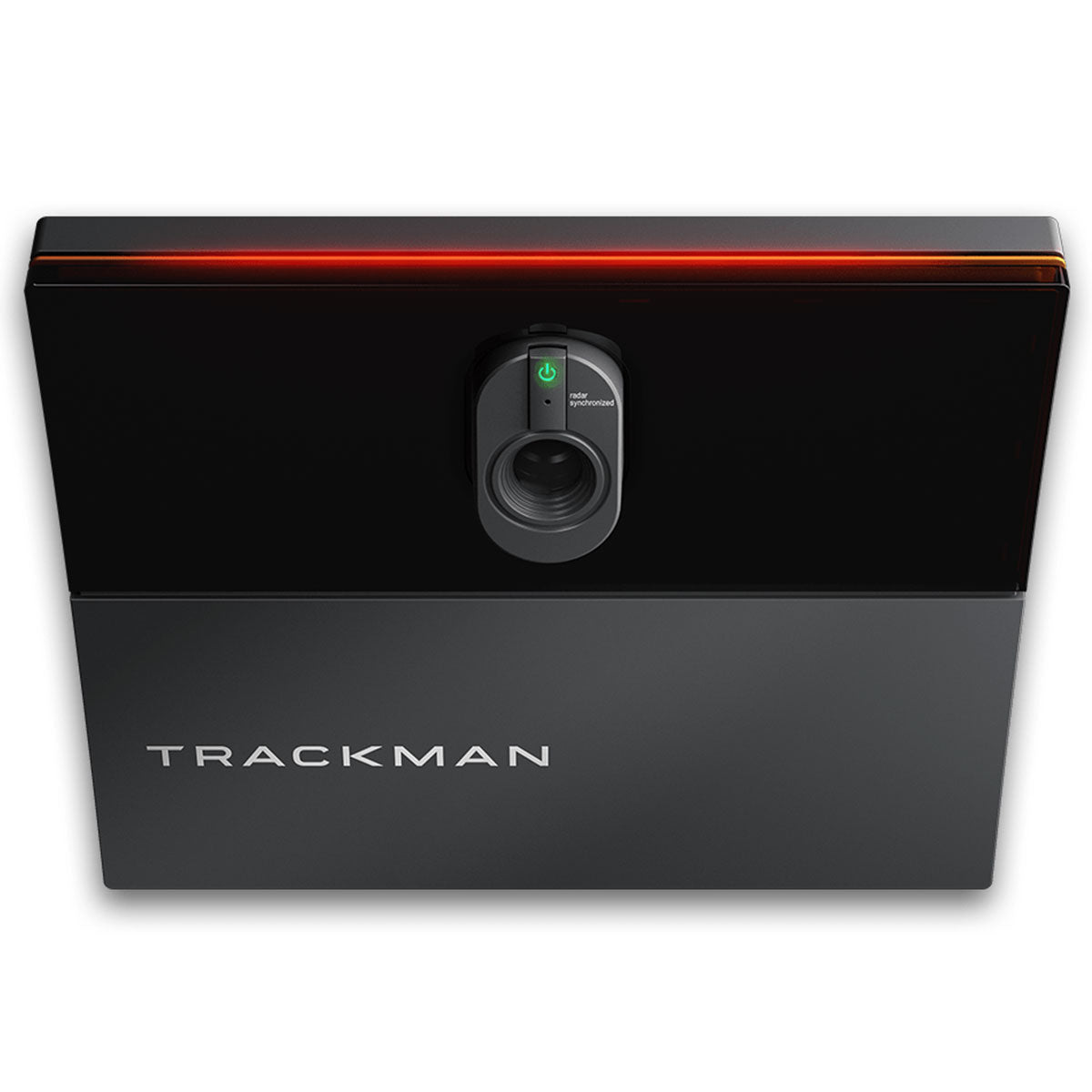
Trackman iO vs Uneekor EYE XO2: the year-one trap
Both mount overhead, both want ten feet of ceiling, and about $3,000 separates them on the shelf. Then Trackman's included first year runs out, and the gap starts growing by $1,100 a year.

Versus
Uneekor EYE XO2 vs Foresight GC3: ceiling or floor?
About $4,000 separates them, but they're not really rivals — one lives in your ceiling forever, the other sits on the floor and travels. The cheaper one is also the one with no subscription.