
A scarf in July: golf's majors have become merch drops
At least 10 limited-edition products landed around Open week from four brands — a polo dearer than most wedges, a winter beanie in a heatwave, a headcover styled after the venue. Golf marketing has gone full drop culture. Here's what's actually being sold, and the only two buyers it makes sense for.
By Jordan Hale · Equipment Writer
Bridgestone
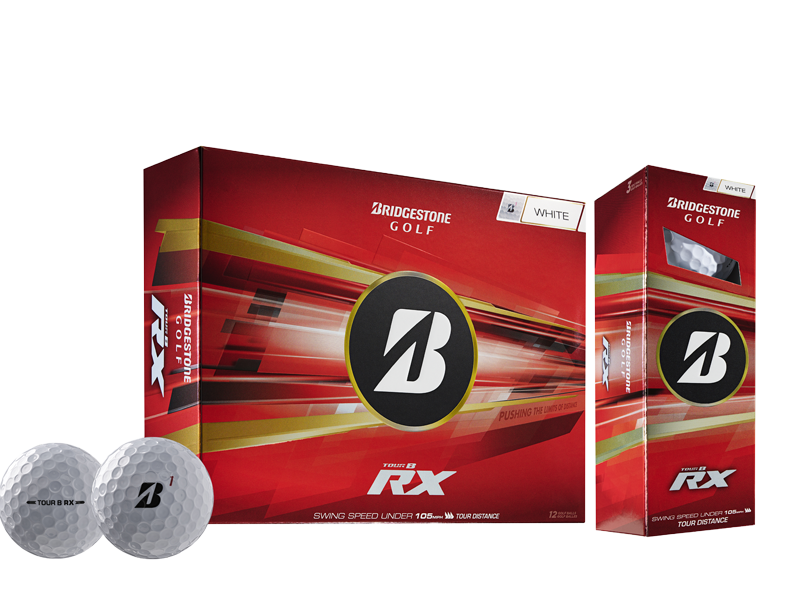
Bridgestone Tour B RX
ifrothgolf earns a commission on purchases made through these links, at no extra cost to you. It never changes what I recommend. Full disclosure.
While the field grinds through Birkdale this week, the real competition is on the checkout page. Sun Day Red dropped a seven-piece 'Royal Collection' for The Open, led by a $250 polo and a $275 long-sleeve wind crew. Bridgestone launched a $100 'Leaderboard Edition' kit — a dozen balls, a beanie and a soccer-style scarf. Cobra put out a $90 Art-Deco headcover inspired by the venue, and FootJoy's tweed shoe sold as a dated, while-supplies-last drop. Count it up: at least ten limited-edition products in one championship week. The major itself has become a merch calendar — and that's worth being clear-eyed about before you tap buy.
The week in drops
The pattern across all four brands is identical, and identical to streetwear: a dated release, a story tied to the venue, limited supply, and prices that have nothing to do with performance-per-pound. Sun Day Red's collection leans on links-golf romance — its design chief says tradition and performance "have always existed together" — and prices its Open polo at more than most golfers spend on a wedge. Bridgestone's kit celebrates the oldest championship in golf with knitwear released in the northern-hemisphere summer. Cobra's headcover is genuinely handsome and exists purely to be photographed. None of this is an accident; all of it sold.
Do the maths on the souvenir kit
Bridgestone's Leaderboard Edition is the most instructive item of the week, because you can price its parts. The ball inside is the Tour B RX — a genuinely excellent urethane tour ball tuned for swing speeds under 105mph, freshly updated this year with a denser, faster mantle. Bought as a plain dozen it costs about $50. Which means roughly half the kit price is buying you a beanie, a scarf and a box. In July. That's not a value proposition — it's memorabilia with a golf ball inside. Fine, if memorabilia is what you want. Just don't tell yourself it's a gear purchase.
Why golf went full drop culture
Three forces collided. Golf's audience got younger and more online, and that audience was raised on sneaker drops — scarcity reads as desirability, not inconvenience. Second, a sell-out is better marketing than any ad campaign; FootJoy's annual Harris Tweed release (this year's edition landed three days before the first tee shot) generates a week of coverage for a few thousand pairs. Third, the majors are the only weeks when casual fans are emotionally invested in golf, and heritage — tweed, plaid, yellow leaderboards — is the easiest thing in the world to put on a product. The brands aren't wrong to do it. It works.
The Masters wrote this playbook
None of this is truly new — golf invented tournament merch mania before streetwear had a name for it. The Masters merchandise pavilion has been a pilgrimage site for years: patrons queue at dawn, spending per head is legendary, and a garden gnome in a green jacket became one of sport's most improbable resale assets. What's changed in 2026 is that the equipment and apparel brands have cut out the venue. You no longer need a badge to Augusta or a ticket to Birkdale to buy the moment — the drop comes to your phone, dated and numbered, from the brand directly. That's the real innovation of weeks like this one: the souvenir used to prove you were there. Now it proves you were online at the right time, which is a much bigger market.
The two buyers it makes sense for
Be one of these, or be neither. The collector-fan buys the drop knowingly: they want the object, the week, the story, and they understand resale value is a lottery. For them the advice is simple — buy day one, keep the packaging, enjoy it guilt-free. The golfer, meanwhile, should notice that the drop premium buys literally nothing on the course. A TravisMathew Heater polo at $80 does everything the $250 version does once you're swinging. A Nike Dri-FIT club cap covers the same head for $30. And if what you're actually buying is attention on the first tee, a beer-can headcover delivers more banter per pound than any Art-Deco tribute ever will.
Skip it entirely if
You buy gear to score better. Nothing released around a major this month will change a number on your card — the improvement budget still goes further on a fitting, a lesson, or the right ball for your swing speed. The drops are golf's version of a matchday programme: lovely to own, silly to confuse with equipment. Enjoy the theatre. Read the price tag as theatre too.
The drop-buyer's checklist
If you do buy in, buy well. First, decide which buyer you are before the countdown timer does it for you — collector or golfer, not a fudge of both. Second, ignore the resale fantasy: golf's secondary market is thin, most limited golf products settle at or below retail within months, and the exceptions (a gnome, the odd putter cover) are lottery tickets, not a strategy. Third, if the drop contains a consumable — a dozen balls, a glove — remember you're buying the packaging; the identical performance is on the shelf year-round. Fourth, wait a week if you can bear it: 'sold out' drops have a habit of restocking quietly once the launch coverage fades. And fifth, if the piece is genuinely for wearing, hold it to the same standard as any apparel purchase — fabric, fit and washing instructions outlast a story every single time.
Products mentioned in this article
Bridgestone
Bridgestone Tour B RX
The genuinely good ball hiding inside the souvenir kit — buy it as a plain dozen and skip the scarf.
TravisMathew
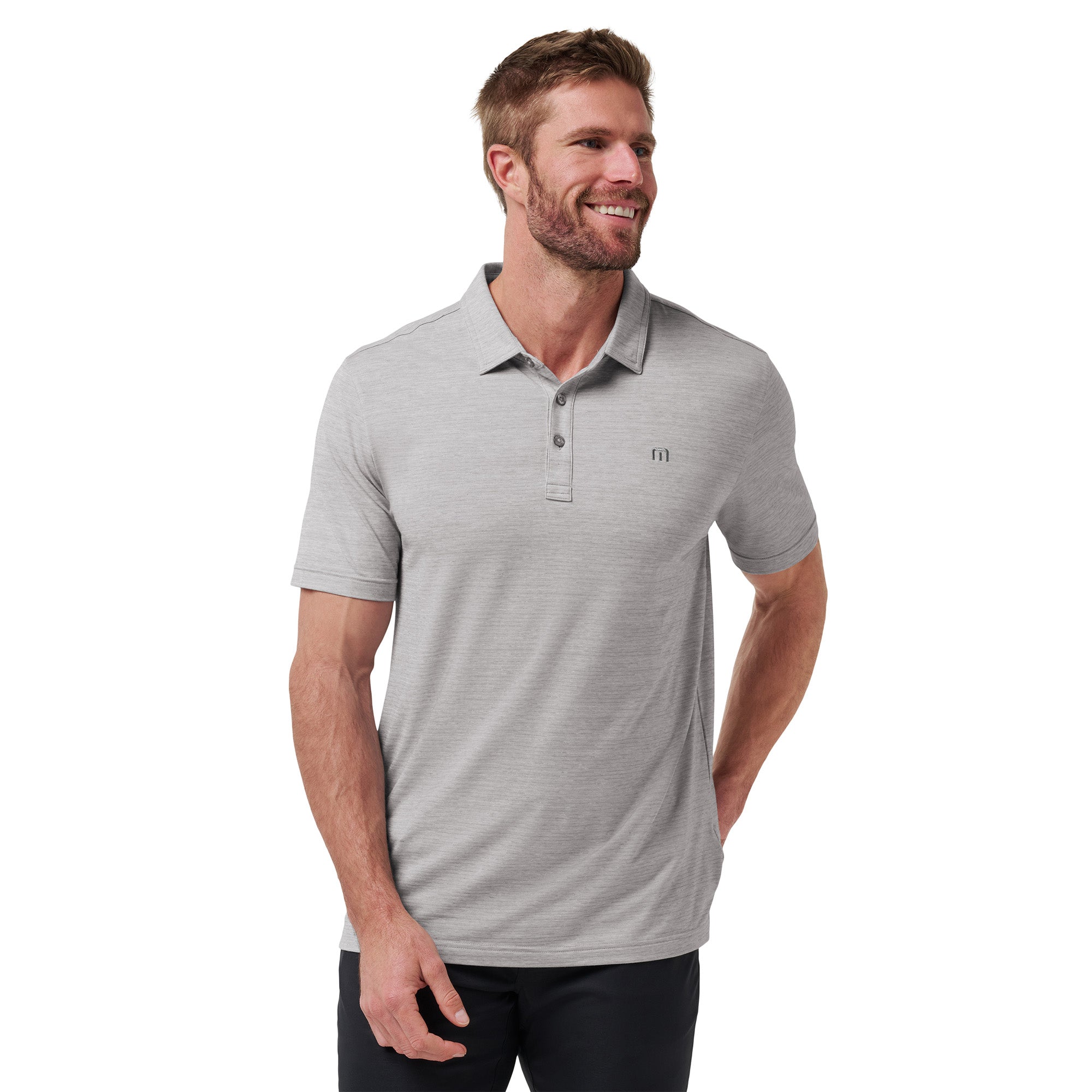
The Heater Polo
Does everything a drop polo does on an actual golf course, for a third of the money.
Nike
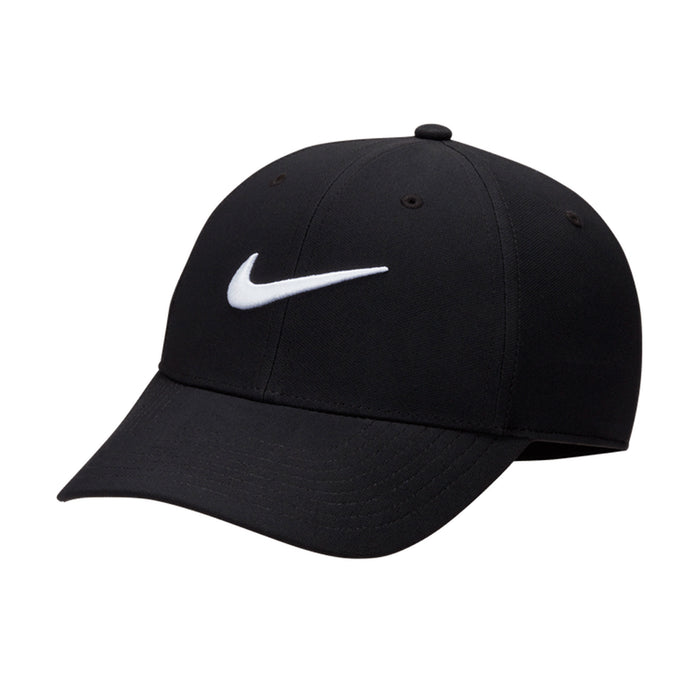
Nike Dri-FIT Club Structured Swoosh Cap
The everyday cap that proves headwear doesn't need a capsule-collection backstory.
Novelty
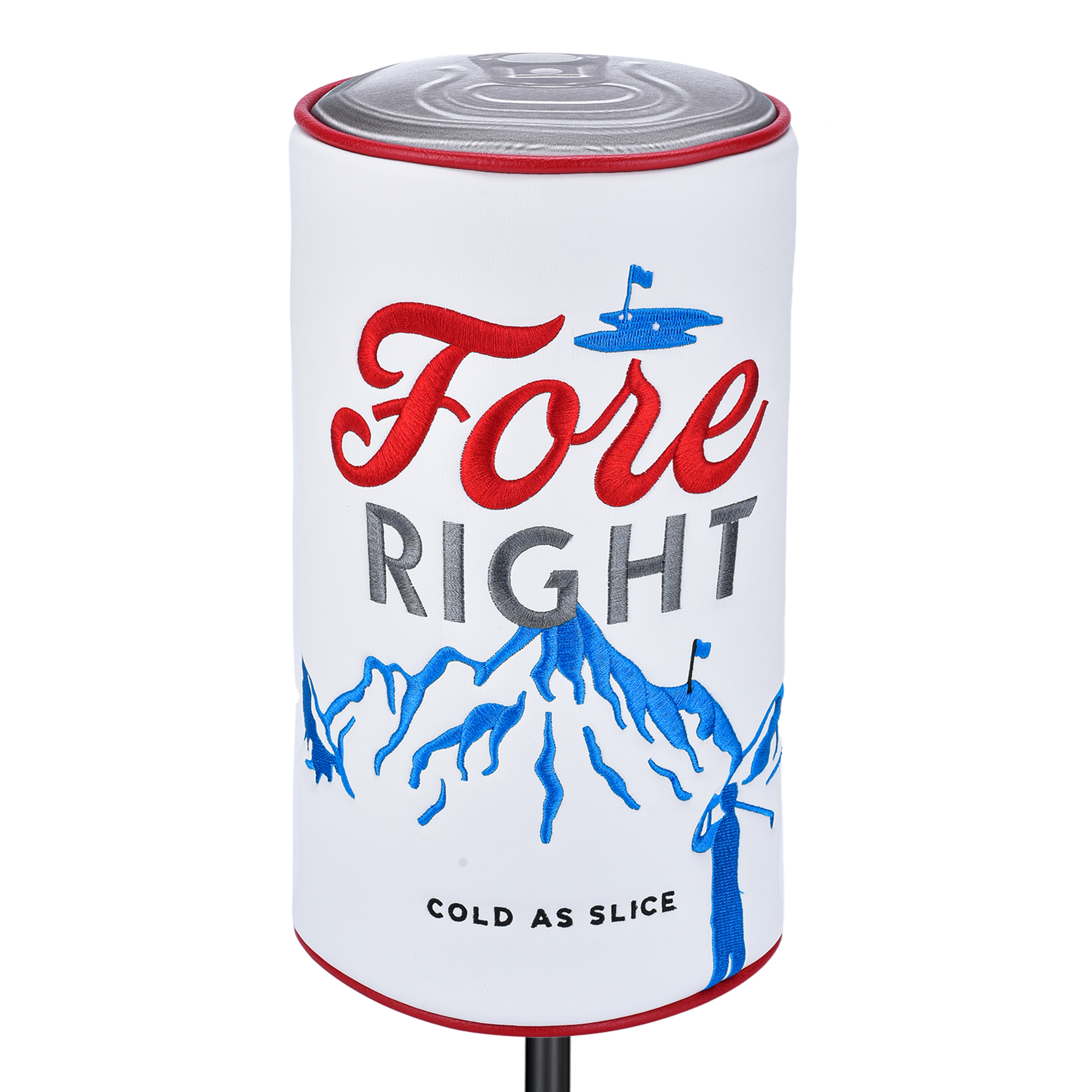
Beer Can Driver Headcover
If what you're really buying is tee-box banter, this is the honest version of a novelty headcover.
ifrothgolf earns a commission on purchases made through these links, at no extra cost to you. It never changes what I recommend. Full disclosure.
Frequently asked
- What limited-edition golf gear launched for The Open 2026?
- The headline drops were Sun Day Red's seven-piece Royal Collection (polos, a wind crew, footwear, a bag and plaid headcovers), Bridgestone's Leaderboard Edition kit built around the Tour B RX ball, Cobra's venue-inspired Club Deco driver headcover, and FootJoy's Harris Tweed Premiere Series Packard shoe.
- Are limited-edition golf drops worth the money?
- As performance purchases, no — the premium buys story and scarcity, not function. As memorabilia they can be worth it if you genuinely want the object and buy knowingly. Resale value is possible but never guaranteed, so don't treat a drop as an investment.
- Is the Bridgestone Leaderboard Edition kit good value?
- The ball inside — the Tour B RX — is genuinely excellent for swing speeds under 105mph, but bought as a plain dozen it costs around half the kit price. The rest of the money buys a beanie, a scarf and presentation packaging, so it's a souvenir purchase rather than a gear one.
- Why do golf brands release merch during the majors?
- Majors are when casual fans are most engaged, and limited dated drops convert that attention into sell-outs, coverage and social proof — the streetwear playbook applied to golf. A sell-out generates more marketing value than the products themselves.
Read next
Review
7.9/10Full Swing KIT review: the tape measure decides this, not Tiger
Tour pedigree, TGL on ESPN, and radar good enough to be checked against a Trackman outdoors. It also wants eighteen to twenty feet of room, which rules out most of the garages people buy it for.
Versus
Trackman iO vs Uneekor EYE XO2: the year-one trap
Both mount overhead, both want ten feet of ceiling, and about $3,000 separates them on the shelf. Then Trackman's included first year runs out, and the gap starts growing by $1,100 a year.
Versus
Uneekor EYE XO2 vs Foresight GC3: ceiling or floor?
About $4,000 separates them, but they're not really rivals — one lives in your ceiling forever, the other sits on the floor and travels. The cheaper one is also the one with no subscription.