
Orange Whip vs Lag Shot: two flexible shafts that teach completely different things
They look like the same idea — a bendy shaft that forces you to swing in sequence. One is a warm-up tool you'll use for a decade, the other is a training club that changes what you do with a golf ball.
By Ross Hamilton · Staff Writer
ifrothgolf earns a commission on purchases made through these links, at no extra cost to you. It never changes what I recommend. Full disclosure.
Both of these are built on the same physics: a shaft flexible enough that swinging it badly is obvious. Hit from the top and it collapses. Swing in sequence and it loads and unloads where it should.
That shared premise hides a real difference in what each one is for, and buying the wrong one is the most common way golfers end up with an expensive stick in the garage.
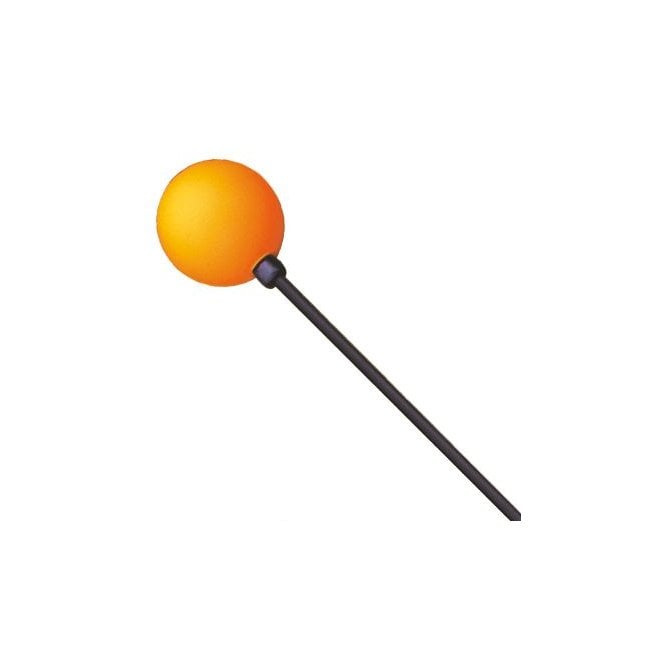
The Orange Whip: a feel and warm-up tool
A weighted ball on a very flexible shaft, with no clubhead and no ball to hit. You swing it, you feel the weight lag behind your hands, and you cannot rush it without the whole thing falling apart.
Its real strength is that it gets used. It needs no ball, no net and barely any space — a garden, a hallway, a car park before a round. Almost every study of training aids reaches the same dull conclusion: the one you use is the one that works, and this is by a distance the easier of the two to actually pick up.
As a pre-round warm-up it's genuinely excellent, and that alone justifies it for most golfers. Ten swings before teeing off does more for your first three holes than a bucket of range balls hit badly.
Its limit is transfer. You're not hitting a ball, so nothing about strike quality, contact or ball flight is being trained. It builds a feeling. Whether that feeling survives contact with an actual golf ball is a separate question, and for some golfers it doesn't.
The Lag Shot: a training club that hits real shots
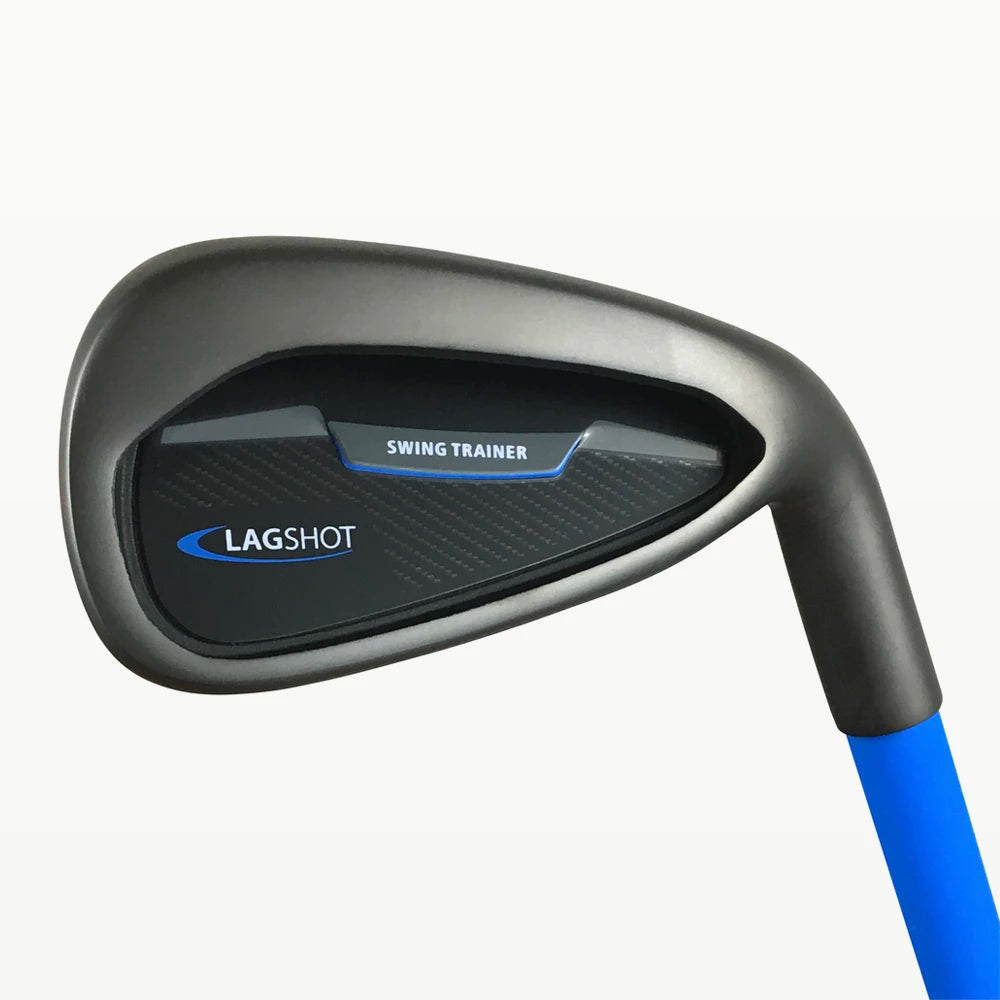
A genuine 7-iron with a deliberately whippy shaft. You hit actual golf balls with it, and if you swing out of sequence the ball goes nowhere and tells you so immediately.
Its strength is exactly what the Whip lacks: feedback with consequences. A ball flight is unarguable. You learn the sequence and simultaneously learn what it does to a golf shot, which is the part that transfers.
Its limits are practical. You need somewhere to hit balls, which means a range trip or a net at home — and that's friction, which is what kills training aids. It's also one club, so what you learn is a 7-iron feeling that you then have to generalise.
The thing neither of them does
Worth being clear, since both get sold vaguely on "more distance": neither is a speed-training system. Speed training is a measured, progressive protocol — overspeed work with a defined programme and a way of tracking whether the number went up, which is what something like The Stack is built for.
Flexible-shaft trainers teach sequence, and better sequence can produce a little more speed as a side effect. If your goal is a specific measured gain, that's a different purchase.
Which to buy
Buy the Orange Whip if you want a warm-up tool and you're honest about your discipline. It's the one that lives by the door and gets used before rounds for years. For a golfer who practises rarely, it's clearly the better purchase.
Buy the Lag Shot if you already go to a range regularly. If you're hitting balls anyway, the version that gives you ball-flight feedback teaches more per session, and the lesson transfers because you learned it while doing the real thing.
Buy neither if your problem is strike rather than sequence. These both address swinging in the wrong order — hitting from the top, casting, no lag. If your issue is fat and thin contact, a strike-focused aid or a lesson addresses it directly and these won't.
Don't buy both. They overlap enough that the second one becomes garage furniture. That's the honest outcome for most golfers who buy two training aids in the same category.
The mistake that wastes both of them
Whichever you buy, the failure mode is identical and it's worth naming: using it as a warm-up forever and never as a training tool.
Both of these teach a feeling. A feeling only becomes a swing change if you then hit real golf shots while trying to reproduce it, ideally within a few minutes. The productive pattern is to alternate — five swings with the aid, five shots with a real club, paying attention to whether the sequence survived the transfer. The unproductive pattern, which is what most golfers actually do, is fifty swings with the aid and then a normal range session in which nothing changes.
That's not a criticism of either product. It's the difference between owning a training aid and training with one, and it explains most of the disappointment in this category.
What the research actually supports
Worth being measured about the evidence, since training aids attract big claims. What flexible-shaft trainers demonstrably do is provide immediate, unambiguous feedback about sequencing, and feedback is the mechanism by which motor skills improve — that part is well established and not controversial.
What is far less established is that a feeling built without a ball transfers to hitting one. That's precisely why the difference between these two matters more than their marketing suggests, and why alternating aid swings with real shots is the usage pattern most likely to produce a change you keep.
The verdict
The Orange Whip is the better product for most golfers because it clears the only bar that reliably matters: it gets used. The Lag Shot is the better teacher because a golf ball cannot be argued with.
Pick on your habits, not on the training theory. A golfer who goes to the range weekly should take the Lag Shot. A golfer who plays on Saturdays and practises never should take the Whip, use it in the car park, and enjoy starting rounds warm — which will save more shots than either aid's actual lesson.
Frequently asked
- Do flexible shaft training aids actually work?
- For teaching swing sequence, yes — a shaft that collapses when you hit from the top gives immediate, honest feedback. What they don't train is strike quality, and the aid that helps most is simply the one you keep using, which usually favours the version needing no ball or space.
- Is the Orange Whip good for warming up?
- It's one of the best uses for it. Ten swings before a round loosens you and sets a tempo without needing a range, and starting a round warm typically saves more shots than any technical lesson the aid teaches.
- Will a Lag Shot or Orange Whip add distance?
- Only indirectly. Better sequencing can produce a little more clubhead speed, but neither is a speed-training system. A measured overspeed protocol with a way of tracking progress is a different product and a different purchase.
- Should I buy both an Orange Whip and a Lag Shot?
- No. They address the same fault — swinging out of sequence — from two angles, and in practice the second one stops being used. Pick based on whether you regularly go somewhere you can hit balls.
Read next
Review
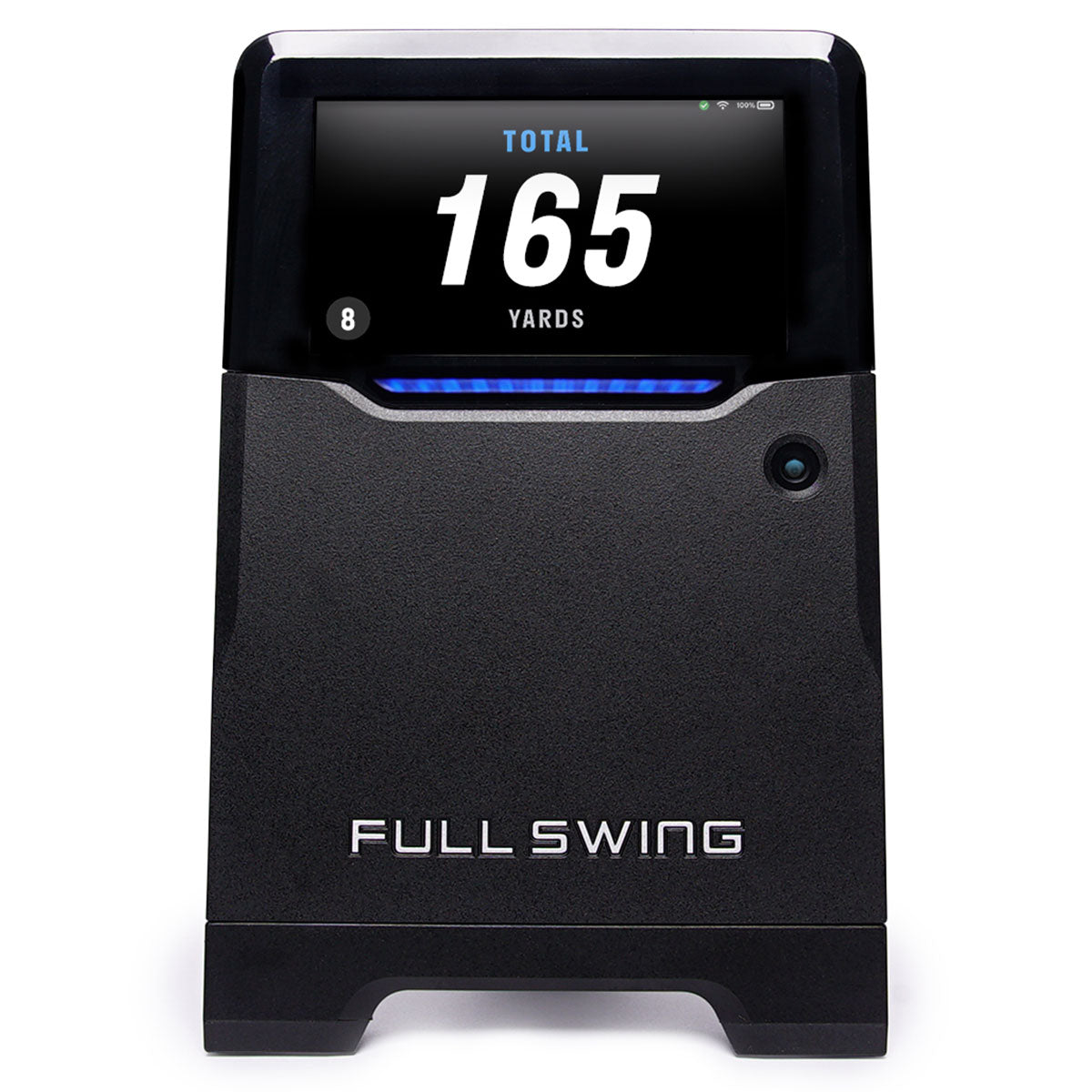
7.9/10Full Swing KIT review: the tape measure decides this, not Tiger
Tour pedigree, TGL on ESPN, and radar good enough to be checked against a Trackman outdoors. It also wants eighteen to twenty feet of room, which rules out most of the garages people buy it for.
Versus
Trackman iO vs Uneekor EYE XO2: the year-one trap
Both mount overhead, both want ten feet of ceiling, and about $3,000 separates them on the shelf. Then Trackman's included first year runs out, and the gap starts growing by $1,100 a year.
Versus
Uneekor EYE XO2 vs Foresight GC3: ceiling or floor?
About $4,000 separates them, but they're not really rivals — one lives in your ceiling forever, the other sits on the floor and travels. The cheaper one is also the one with no subscription.