
Golf gave up on the handheld GPS. Golf was wrong.
Watches won on convenience, lasers won on precision, and the humble handheld got left in the cup holder — where, inconveniently for the narrative, it still does things neither rival can: a full-hole map you can actually strategise from, battery life measured in rounds, and nothing buzzing on your wrist mid-swing.
By Ross Hamilton · Staff Writer
 Opinion
There's a device in golf that shows you the entire hole on a screen you can actually read, runs for four rounds on a charge, never buzzes on your wrist at the top of the backswing, and lives happily in a cup holder — and the market has spent a decade treating it as an embarrassment. The handheld GPS didn't get worse. It got unfashionable, which in golf tech is a different thing entirely, and it deserves a proper defence.
Let's concede the obvious up front, because the case doesn't need dishonesty: the watch won on convenience and the laser won on precision, and both deserved their wins. Our format-by-format comparison plays it neutral. This piece doesn't. If you actually think your way around a golf course, the unfashionable slab in your pocket is the best strategic tool of the three — and it isn't particularly close.
A map you can strategise from, not a number you react to
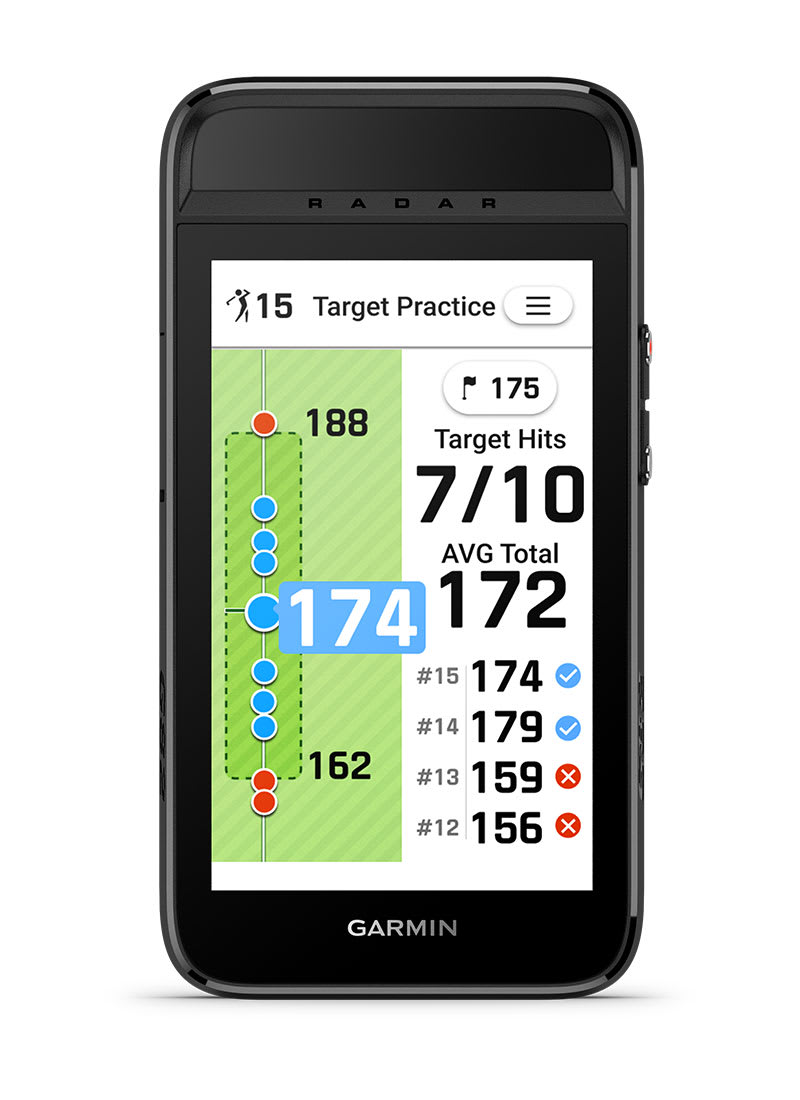
A laser gives you one number to one target you can already see. A watch gives you three numbers on a screen the size of a postage stamp. The Garmin Approach G82 gives you the entire hole in full colour on a five-inch sunlight-readable touchscreen — every bunker, every carry, the shape of the green, a draggable pin — before you've pulled a club. That's not a convenience difference; it's a category difference. Strategy happens before you can see the target: the lay-up that takes the fairway bunker out of play, the line off the tee that opens the second shot. The handheld is the only format whose screen is big enough to do that thinking on. It's the difference between a satnav and a mile marker.
Battery life measured in rounds, not hours
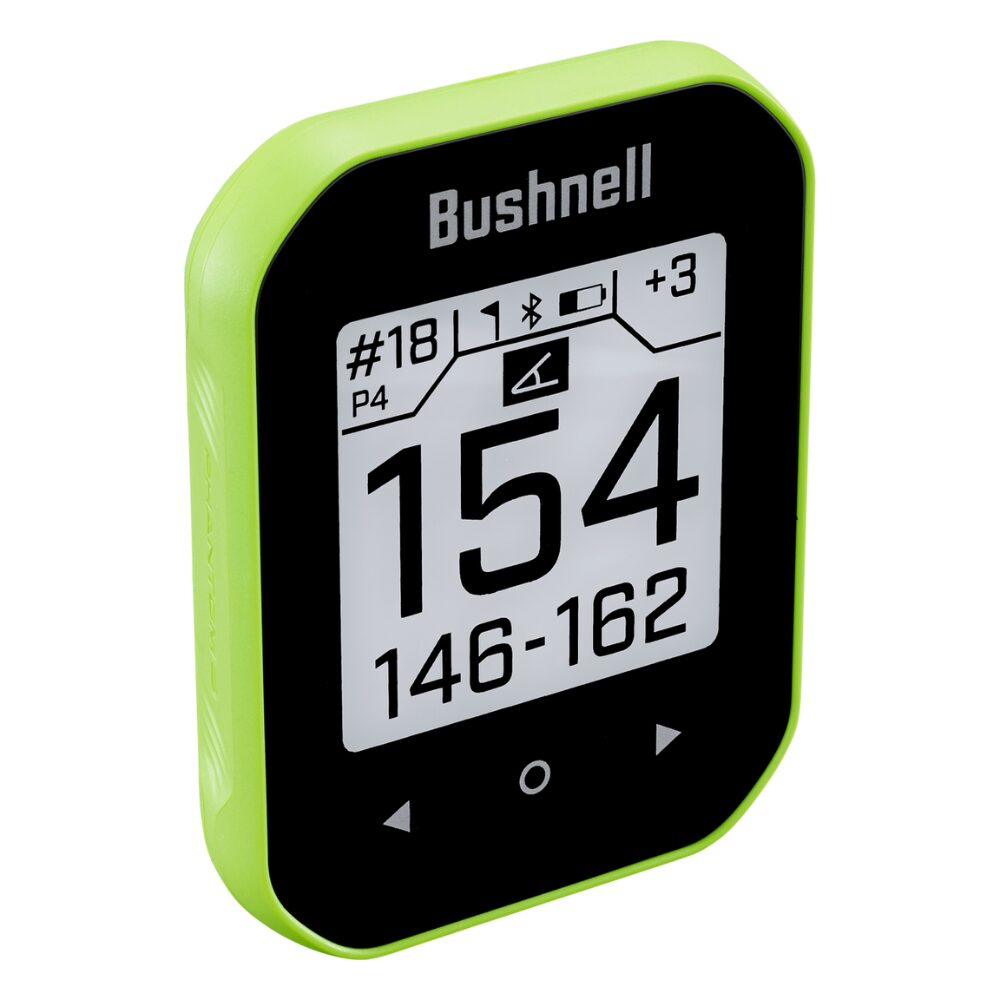
GPS watches ask to be charged like phones, and a watch that dies on the 14th is a paperweight with a strap. The Bushnell Phantom 3 runs about 18 hours on a charge — four rounds, give or take — clips to your belt or bag, magnets onto a cart frame, and costs a fraction of a flagship watch. For a golf trip it's the difference between packing a device and managing one. Nobody has ever stood on a first tee worrying whether their handheld made it off the charger.
Nothing on your wrist, nothing to aim
Plenty of golfers — more than the market admits — simply cannot swing with a watch on. The weight, the strap, the notification buzz arriving mid-takeaway: real complaints, usually answered with 'you'll get used to it'. The handheld's answer is better: wear nothing. And unlike the laser there's nothing to aim, no steadying your hands in the cold, no re-ranging because you caught the trees behind the flag. Glance, put it back, play. It's also quietly the pace-of-play format: it sits in the cup holder showing the next shot before you've reached the ball, which is more than can be said for the fourth consecutive re-range of a back pin. Watch a laser devotee work a blind dogleg sometime — ranging a tree, then a bunker lip, then the marker post, assembling by triangulation what the handheld has simply been displaying the whole time.
The value case — and a party trick neither rival owns
There's a price argument here too, and it cuts against the fashion. The Phantom 3 costs around $160 — a fraction of a flagship GPS watch — and because a handheld isn't also pretending to be a fitness tracker, a sleep coach and a smartwatch, none of your money is buying features that have nothing to do with golf. Even the flagship G82 undercuts the top-end watch-plus-laser stack while doing the job of both a mapping device and a range tool. Unfashionable formats don't carry fashion pricing. That's not a consolation prize; it's a reason.
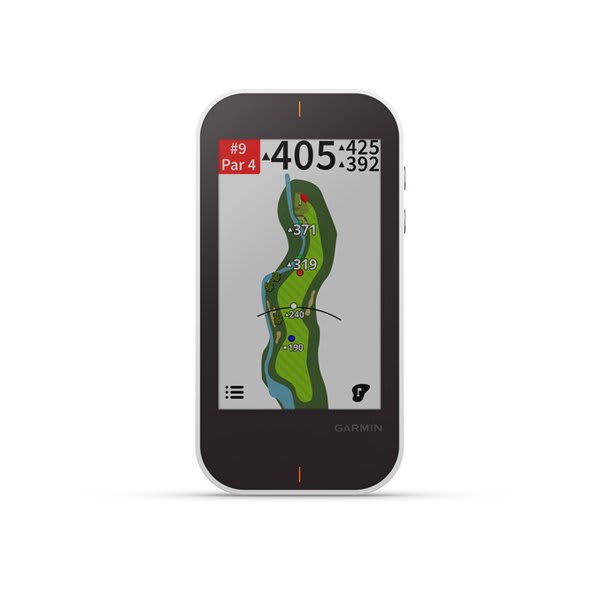
Here's the bit the format's obituaries skip: handhelds got weird and wonderful while nobody was looking. The G82 and the older, cheaper Garmin Approach G80 pack a radar launch monitor into the same pocketable unit — clubhead speed, ball speed, carry numbers on the range from the device that maps your course on Saturday. No watch does that. No laser does either. It's a genuinely unusual amount of capability in one gadget, and it exists only in the format everyone stopped watching.
Where the watch and laser still win — honestly
The laser is still the answer for exact yardage to a visible flag, and the single-figure player attacking pins should own one; no map beats a measured number to the target itself. The watch is still the answer for the golfer who wants distances with zero handling — lift wrist, see number — and who'll wear it off the course too. If that's you, buy those, with our blessing and our GPS guide open in the other tab. The handheld's case isn't that they're bad. It's that 'most convenient' and 'most precise' quietly stole the whole conversation from 'most useful for playing better golf'.
Who should actually buy one
Buy a handheld if you're a course-strategy thinker, a watch-hater, a buggy or cart golfer, or a range rat who'd get real use from the radar trick. Skip it if you attack flags and need the exact number (laser), or if you know a device you have to pick up will end up buried under a rain glove in a side pocket (watch — the best distance tech is the one you'll actually check). But if you've dismissed the handheld because it stopped being cool around the time watches got round faces, look again. The rest of the field is in our tech hub. The cup holder was never a demotion. It was the best seat in the house.
Products mentioned in this article
Garmin
Garmin Approach G82
The flagship handheld: a big five-inch mapped touchscreen plus a built-in radar launch monitor.
Garmin
Garmin Approach G80
The older G80 does most of the same tricks — including the radar — for less.
This model is no longer the current model. The current version is Garmin Approach G82. Remaining stock is often discounted, so this can still be the better buy — check both prices.
Bushnell
Bushnell Phantom 3 Slope GPS
The budget case in one device: clip-on, slope yardages, about 18 hours of battery.
ifrothgolf earns a commission on purchases made through these links, at no extra cost to you. It never changes what I recommend. Full disclosure.
Frequently asked
- Are handheld golf GPS devices still worth buying?
- Yes, for the right golfer. A handheld offers the largest full-hole maps of any GPS format, battery life measured in multiple rounds, and nothing worn on the wrist during the swing. Course-strategy players, cart golfers and watch-averse golfers are the natural buyers.
- Is a handheld GPS better than a golf watch?
- It depends what you value. A watch is more convenient — glance at your wrist and play. A handheld gives you a far bigger screen for reading the whole hole, much longer battery life, and no device on your wrist. Strategic players tend to prefer the handheld; convenience-first players prefer the watch.
- Can a handheld GPS replace a rangefinder?
- Not for pin-hunting. A laser rangefinder gives an exact measured yardage to the flag itself, which GPS cannot match. A handheld instead gives front, middle and back numbers plus a full map of hazards and carries. Precise flag-attackers should still carry a laser.
- How long does a handheld golf GPS battery last?
- Far longer than a GPS watch in golf mode. The Bushnell Phantom 3, for example, runs about 18 hours per charge — roughly four rounds — while many GPS watches need charging after every round or two.
- Which handheld golf GPS has a launch monitor?
- Garmin's Approach G80 and the newer flagship G82 both include a built-in radar launch monitor alongside full course mapping, showing clubhead speed, ball speed and carry distances on the range. No golf watch or laser rangefinder offers this.
Read next
Versus
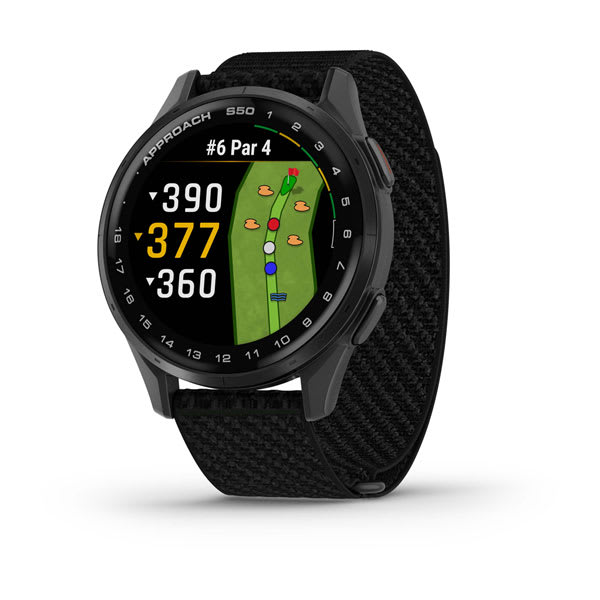
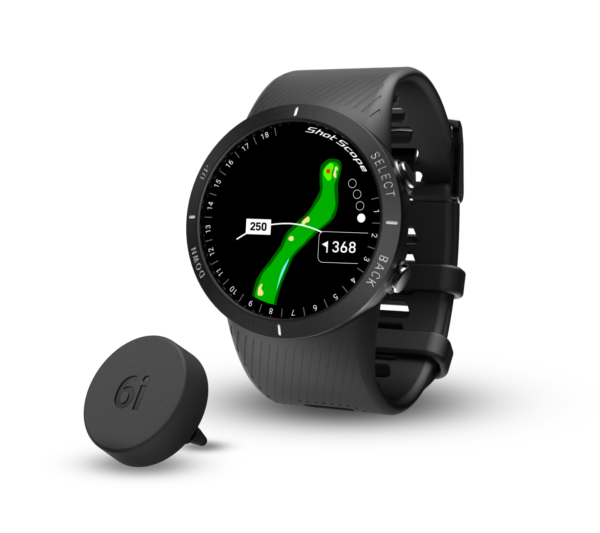
Garmin Approach S50 vs Shot Scope V5: slick watch or free game data?
Two very different GPS watches at two very different prices — one is the polished all-rounder, the other quietly tells you where you actually lose shots.
Review
8.0/10Bushnell Phantom 3 review: the no-faff GPS that costs less than a wedge
No watch on your wrist, no laser to aim, no subscription — just big, glanceable yardages and slope in your pocket. For a lot of golfers that's the whole job, done, for the price of a decent round.
Review
8.4/10Shot Scope V5 review: the golf watch that tracks your whole game for free
Most game-tracking systems hand you tour-level stats and then charge you monthly to keep them. The V5 gives you strokes gained and 100-plus stats on your own game with no subscription, ever — and that changes the maths entirely.