
Bushnell Phantom 3 review: the no-faff GPS that costs less than a wedge
No watch on your wrist, no laser to aim, no subscription — just big, glanceable yardages and slope in your pocket. For a lot of golfers that's the whole job, done, for the price of a decent round.
By Jordan Hale · Equipment Writer
The verdict
Excellent
What's great
- Clear, glanceable front-middle-back numbers, hazards and slope with zero faff
- No subscription, USB-C charging and a handy BITE magnet mount
- Excellent value — costs less than a single wedge
Watch out
- Glanceable GPS, not laser-pinpoint; no shot tracking or stats; small screen
- Slope isn't tournament-legal, so it's a practice and casual-round device
Bottom line — A cheap, no-nonsense handheld that nails simple, glanceable distances for casual golf — just don't ask it to track your game or replace a laser.
Bushnell
Bushnell Phantom 3 Slope GPS
ifrothgolf earns a commission on purchases made through these links, at no extra cost to you. It never changes what I recommend. Full disclosure.
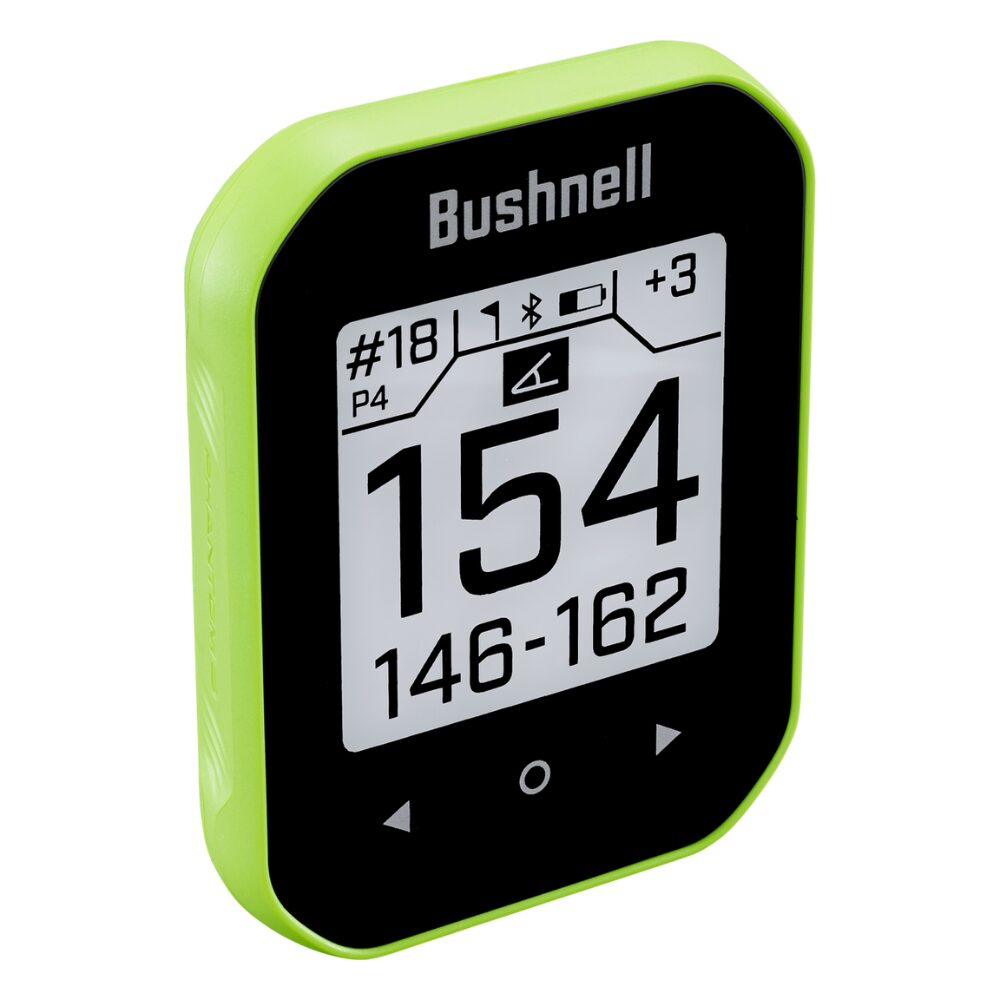
The Bushnell Phantom 3 is the golf GPS for the player who doesn't want a watch on their wrist or a laser to aim — just accurate numbers with none of the faff. It's a little 78-gram handheld that clips to your bag or belt or sticks to the trolley frame with Bushnell's BITE magnet, auto-recognises the course and hole from 38,000-plus preloaded maps, and shows big front, middle and back yardages plus hazards and slope-adjusted distances. There's no subscription, no aiming, no fiddling. For a huge slice of club golfers who just want to know how far it is, that's the entire job done for the price of a decent round — and this review is about who that golfer is, and who should buy something else.
It helps to place it in the pecking order. A laser gives you pinpoint distance to a flag you aim at; a GPS watch gives you wrist-glance numbers and often shot tracking; a handheld like this sits between them, giving you a bigger, clearer readout than a watch with none of the aiming a laser demands. If you've never got on with squinting through a rangefinder or peering at a tiny watch face, this is the format that fixes both complaints.
The pitch: all your numbers, none of the faff
What the Phantom 3 does well is remove friction. Switch it on and it finds your course and hole automatically, then shows clear front-middle-back numbers you can read at a glance without breaking stride. Up to six hazards per hole are listed, and the GreenView feature lets you drag the pin to a more precise spot for a better number into the green. The BITE magnet is genuinely useful — stick it to a cart frame or trolley and it's there when you want it — and USB-C charging gives roughly 18 hours, so four rounds or so between top-ups. It's the definition of a grab-and-go device: nothing to set up, nothing to aim, nothing to pay monthly.
Slope is the upgrade that matters
The headline addition over the older Phantom 2 is slope-adjusted distance, which factors elevation into the number so an uphill approach reads as the longer shot it actually plays. On a hilly course that's the difference between clubbing correctly and coming up short all day, and it's the single feature most worth having here. One honest caveat: slope-enabled distance devices aren't tournament-legal, so treat the Phantom 3 as a practice and casual-round aid rather than something to lean on in a medal. For the social and weekend golf most people play, though, slope is exactly the help you want.
Where it falls short
Be clear-eyed about the limits, because they're real. This is glanceable golf information, not precision — you're getting a solid GPS number, not the laser-locked exact yardage to a flag you aimed at, so pin-hunters chasing a single precise distance will still want a rangefinder. There's no shot tracking and no stats engine, so if you want to know where you're actually losing strokes this isn't the tool — a tracking watch is. And the screen, while clear, is small for detailed green reading. None of these are flaws so much as the boundaries of what a cheap, simple handheld is; the trouble only starts if you expected it to be something more.
Who it's for, who should skip
Buy the Phantom 3 if you want the simplest possible way to get all your numbers — front, middle, back, hazards and slope — without a watch, a laser or a subscription, and you value a big glanceable readout and grab-and-go simplicity over pinpoint precision. It's one of the easiest value buys in golf tech for that golfer. Skip it if you want laser-exact distances to the flag (get a rangefinder, and see GPS watch vs laser for the trade-off), if you want shot tracking and stats on your own game (a tracking watch is the answer), or if you specifically want the numbers on your wrist rather than in your pocket — our GPS watch vs phone vs handheld breakdown maps which format suits you.
The verdict
The Phantom 3 nails a narrow, genuinely useful brief: accurate, glanceable distances with slope, no faff and no ongoing cost, for less than the price of a single wedge. It won't track your game or laser a flag, and slope keeps it out of your medal card — but for casual and weekend golf, it's one of the most sensible little value buys going. If simple numbers are all you want, this is the format that delivers them. The rest of the field is in our best golf GPS guide and the GPS hub.
Where to buy
8.0/10Bushnell
Bushnell Phantom 3 Slope GPS
Clip-on GPS with slope yardages, all the numbers with none of the faff.
ifrothgolf earns a commission on purchases made through these links, at no extra cost to you. It never changes what I recommend. Full disclosure.
Frequently asked
- Is the Bushnell Phantom 3 legal for competition?
- The slope-adjusted distance feature isn't tournament-legal, so treat the Phantom 3 as a practice and casual-round aid. For medal play you'd need a device without slope, or with slope that can be disabled and confirmed against your competition's local rules.
- Does the Phantom 3 track your shots or stats?
- No. It's a pure distance device — front, middle, back, hazards and slope — with no shot tracking or stats engine. If you want to see where you're losing strokes, a tracking GPS watch is the tool for that job.
- Is a handheld GPS better than a watch or a laser?
- It depends what you want. A handheld gives a bigger, clearer readout than a watch with no aiming, a laser gives pinpoint distance to a flag you aim at, and a watch keeps numbers on your wrist and often adds tracking. The Phantom 3 is the pick if you want simple, glanceable numbers in your pocket.
- How long does the battery last?
- Around 18 hours on a USB-C charge, so roughly four rounds between top-ups. It also clips to a bag or belt and sticks to a trolley or cart frame with Bushnell's BITE magnet.
Read next
Versus
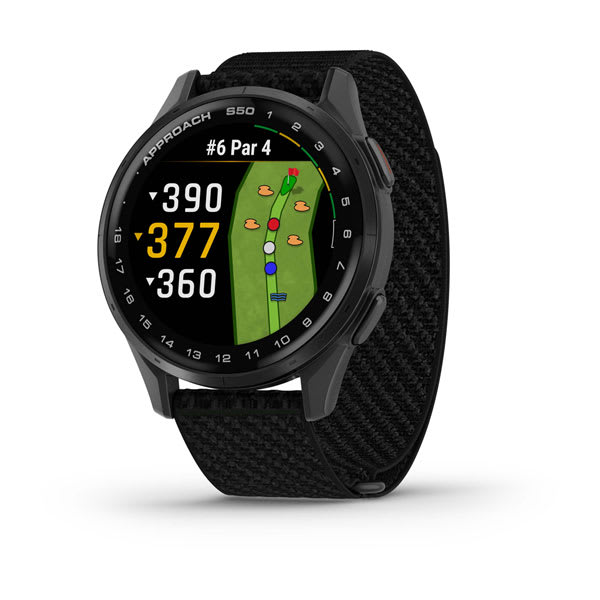
Garmin Approach S50 vs Shot Scope V5: slick watch or free game data?
Two very different GPS watches at two very different prices — one is the polished all-rounder, the other quietly tells you where you actually lose shots.
Review
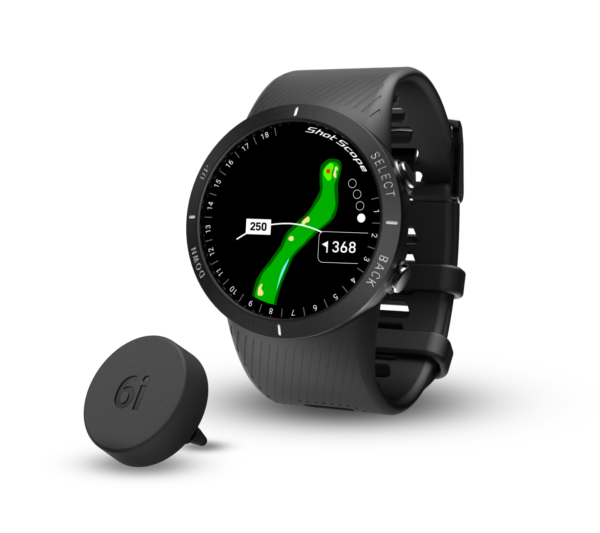
8.4/10Shot Scope V5 review: the golf watch that tracks your whole game for free
Most game-tracking systems hand you tour-level stats and then charge you monthly to keep them. The V5 gives you strokes gained and 100-plus stats on your own game with no subscription, ever — and that changes the maths entirely.
Opinion
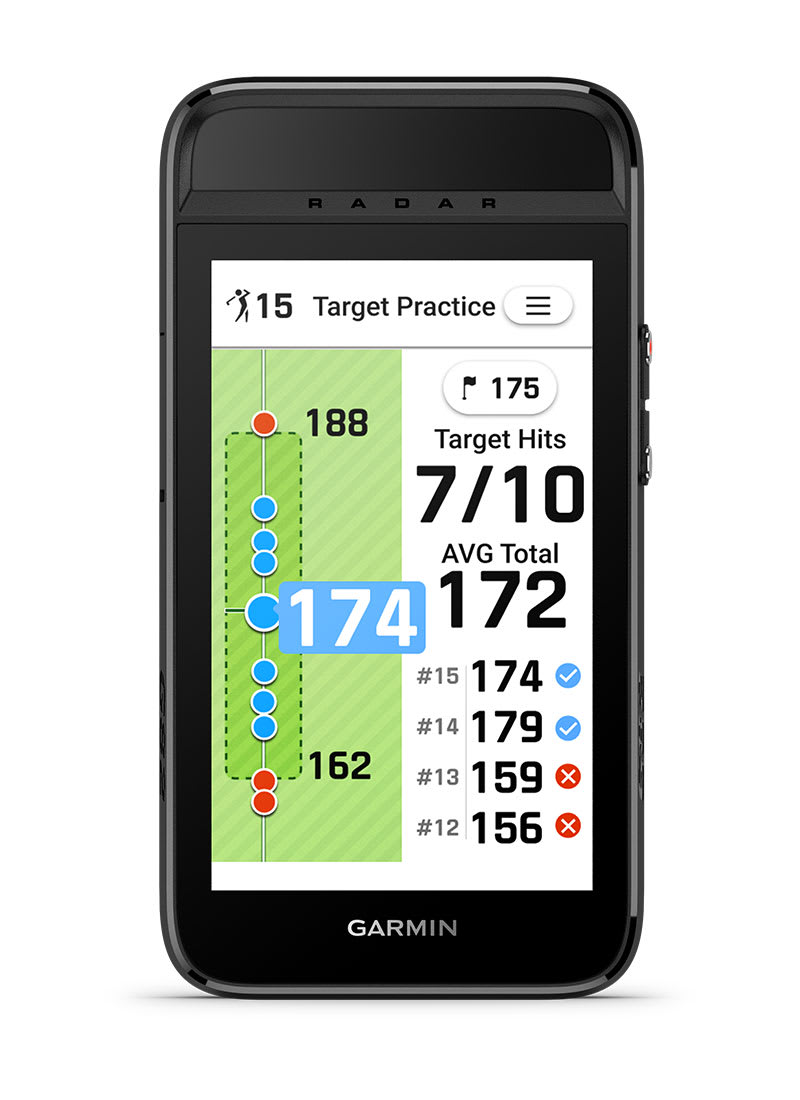
Golf gave up on the handheld GPS. Golf was wrong.
Watches won on convenience, lasers won on precision, and the humble handheld got left in the cup holder — where, inconveniently for the narrative, it still does things neither rival can: a full-hole map you can actually strategise from, battery life measured in rounds, and nothing buzzing on your wrist mid-swing.