
You'll spend five hours under peak UV today. Your kit is treating it as a rounding error.
The cost of playing golf in a baking sun isn't a red neck at the halfway house — it's cumulative skin damage over a lifetime of Saturdays, and a back nine played by a golfer whose head has been cooking since the turn. Here's what actually helps, and what's just fabric with a marketing tag.
By Jordan Hale · Equipment Writer
 Explained
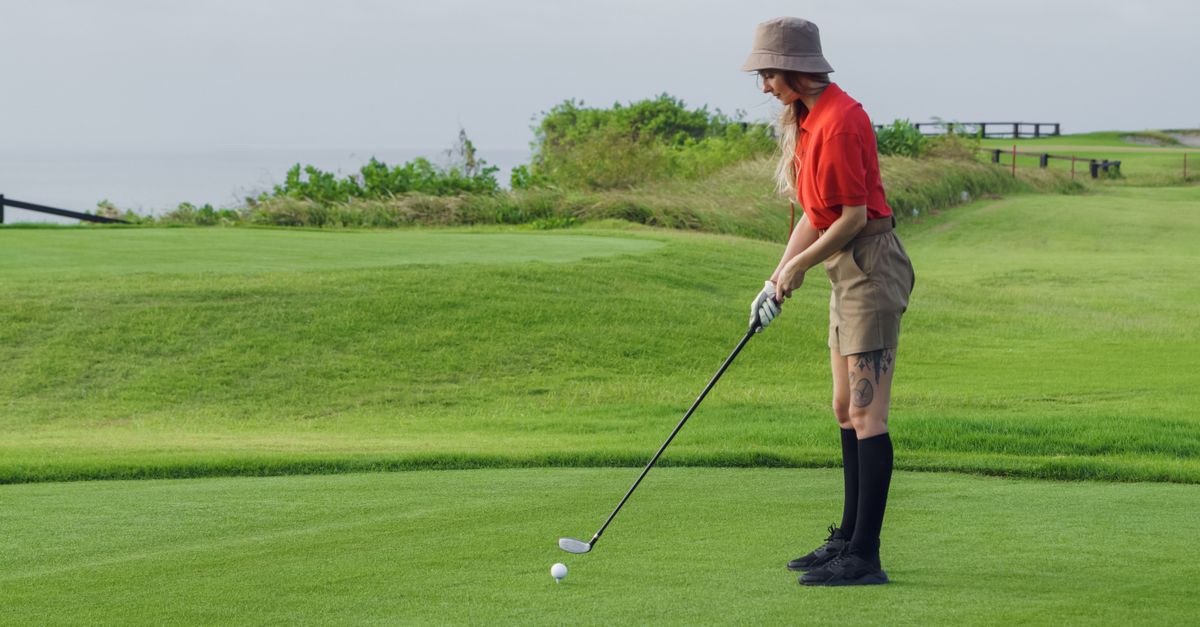
A round of golf is one of the longest sustained sun exposures most people will get all year that isn't a beach holiday: four to five hours, largely between ten and four, which is precisely the window dermatologists tell you to avoid. And here is the part that should bother you more than it does — golfers who agonise over a fitted wedge shaft and a fifty-dollar sleeve of balls will walk out into that with a decade-old cotton cap and a polo chosen for its logo. Sun protection is the one piece of the kit list that gets treated as an afterthought, and it's the only one whose bill arrives twenty years later.
Let's be blunt about the two costs, because they're different and both real. The long one is skin: golfers show measurably elevated rates of sun-related skin damage, concentrated exactly where a cap doesn't reach — ears, neck, the tops of the hands, the left cheek that faces the sun all round for a right-hander. The short one is your scorecard. A head that's been baking since the seventh doesn't think as clearly on the fifteenth; heat load quietly erodes concentration and decision-making long before you'd call it heatstroke. That familiar back-nine fog you blame on tiredness is often just a cooked head. So this isn't a wellness sermon. It's gear that protects your skin now and your judgement this afternoon.
The one number that actually matters: UPF
Forget the marketing adjectives for a second and learn one initialism. UPF — Ultraviolet Protection Factor — is the fabric equivalent of SPF, and it's the only spec on a golf garment that tells you anything real about sun protection. UPF 50 blocks roughly 98 per cent of UV; a thin, pale, loose-weave cotton tee might rate barely UPF 5 when it's dry, and less when it's wet with sweat. The uncomfortable truth the marketing won't foreground: a lot of 'performance' summer kit is sold on how cool it looks, not how much UV it stops, and the two are not the same thing. When a garment carries a genuine UPF rating, that's the number to read. When it doesn't, assume it's clothing, not protection.
Cover your head — then cover the bits your cap forgets
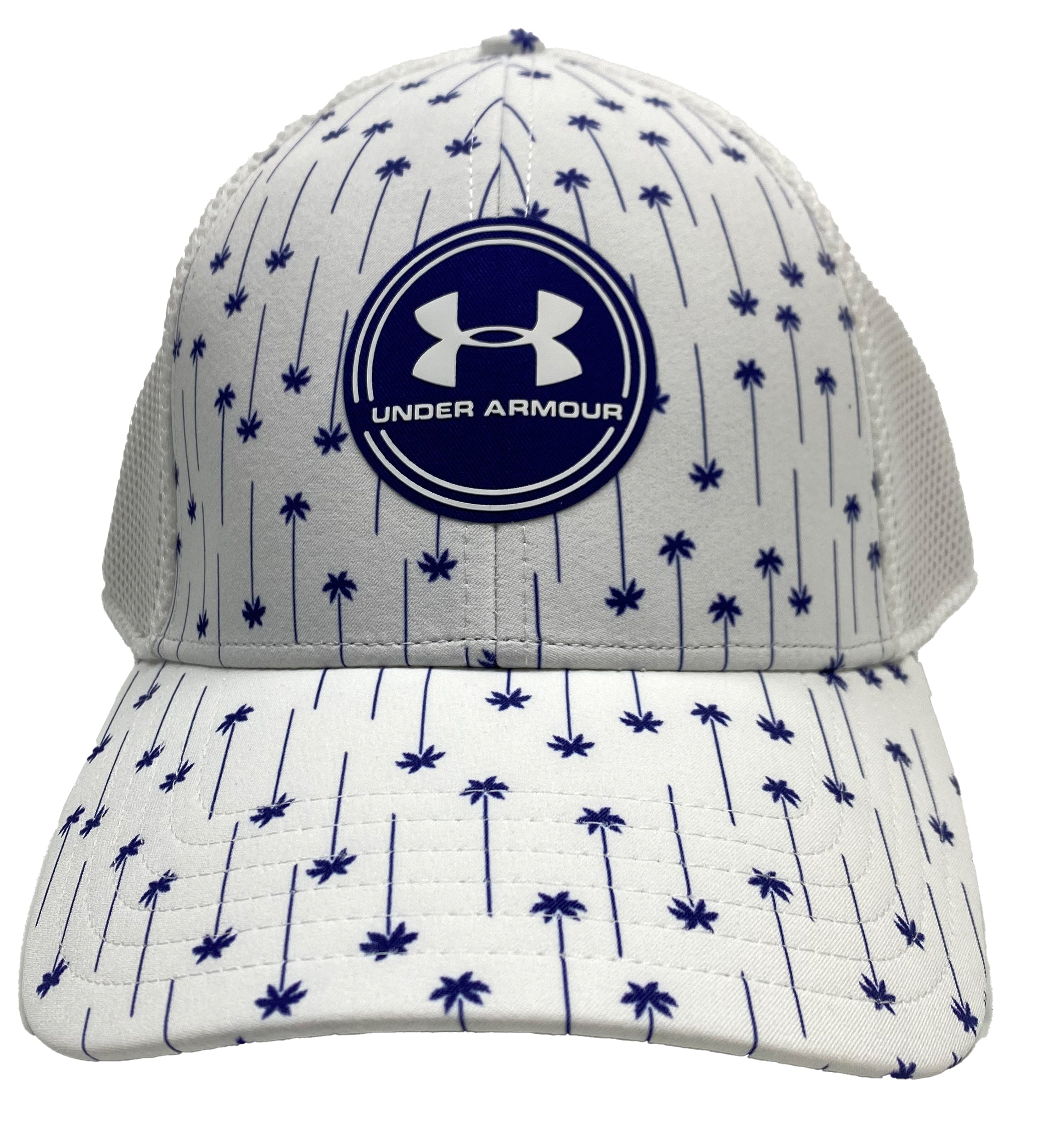
Start at the top, because your head takes the most direct hit and it's the easiest fix. A good performance cap does two jobs: shade for your face and eyes, and heat management for your scalp. The Under Armour IsoChill cap is the one I'd point most golfers at first, because IsoChill fabric is engineered to disperse heat and genuinely feels cooler against the skin — and the skin under your cap is the hottest real estate on your body for four hours. That matters more than it sounds: a hat that traps heat is worse than no hat for the concentration problem, even as it helps the sunburn one.
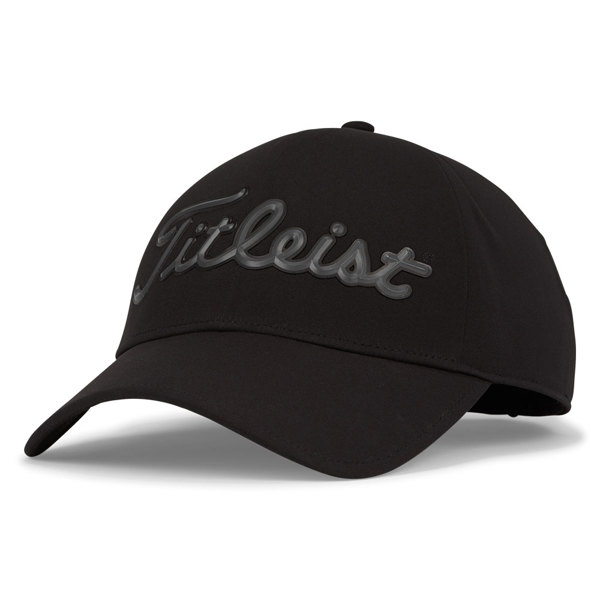
If your summers are as wet as they are hot — which, for a lot of us, is the whole point of owning good kit — the Titleist Players StaDry cap is the pragmatic pick: a structured performance cap that also happens to be waterproof, so one hat covers the baking morning and the four o'clock cloudburst without a change of headwear. It's the do-everything answer for a changeable sky.
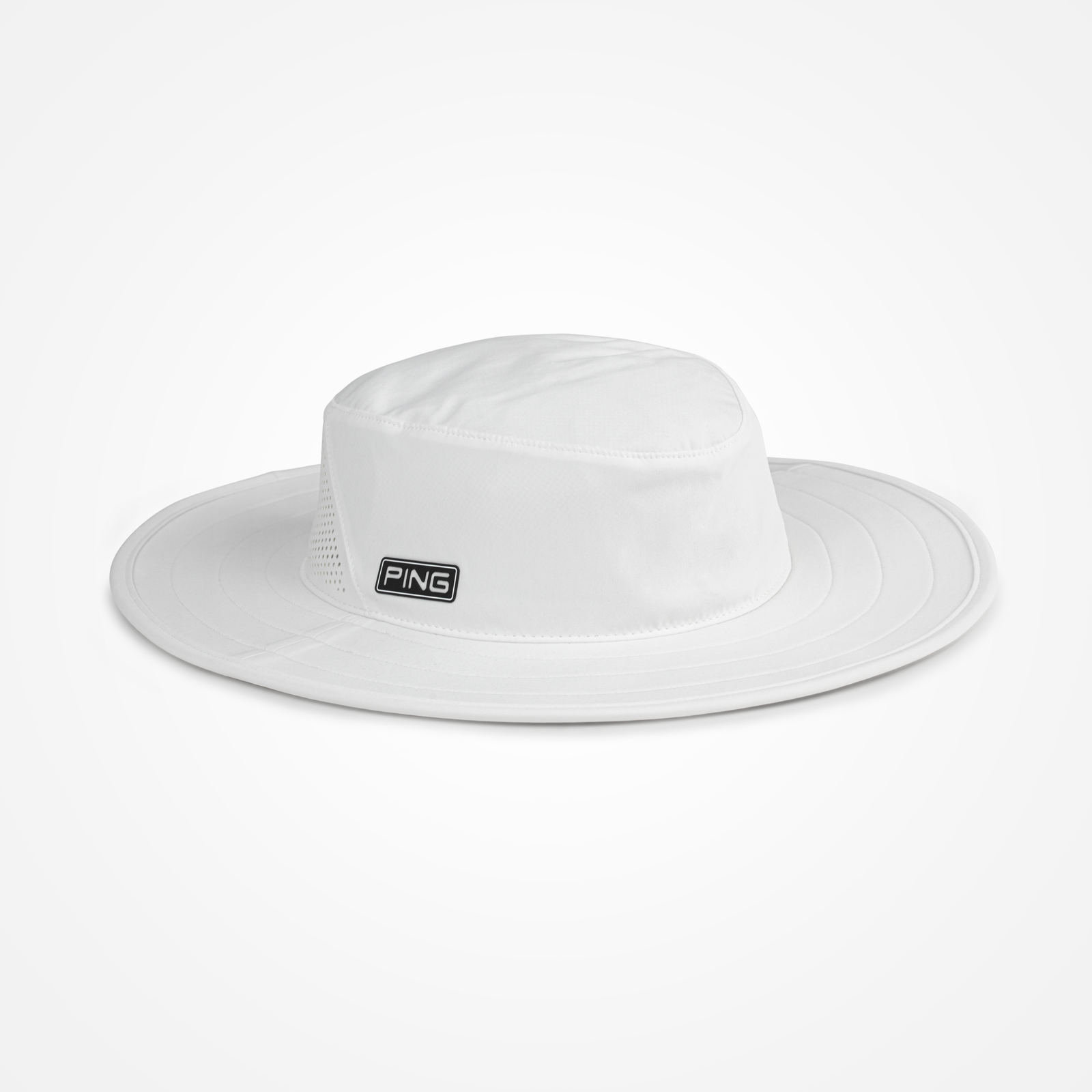
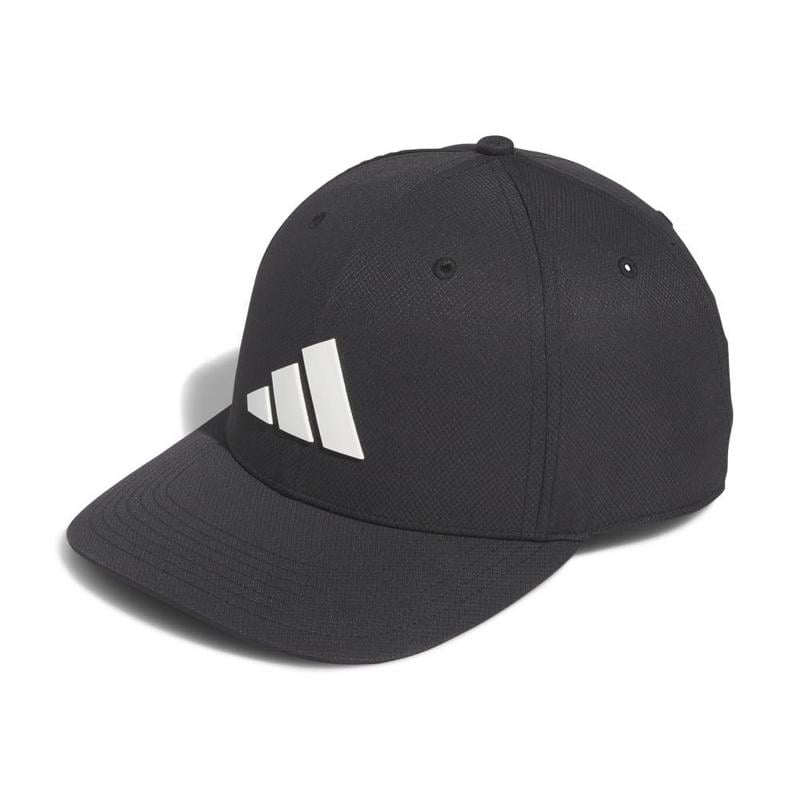
But here's the position most golf-fashion advice ducks: for pure sun protection, the cap is the compromise choice and the bucket hat is the correct one. A cap shades your face and leaves your ears, your neck and the sides of your cheeks fully exposed — and those are exactly the spots where golfers pick up the most damage. A wide-brim like the Ping bucket hat shades the full perimeter, and on a genuine scorcher it is simply better protection than any cap, full stop. The only reason more golfers don't wear one is vanity, and vanity is a poor trade against your ears. That said, if you're never going to keep a bucket hat on — be honest with yourself — a breathable everyday cap you'll actually leave on beats the perfect hat sitting in the boot of your car. The Adidas Tour snapback is that cap: light, adjustable, street-looking enough that it stays on your head.
The torso: ventilation is the spec, not slogans
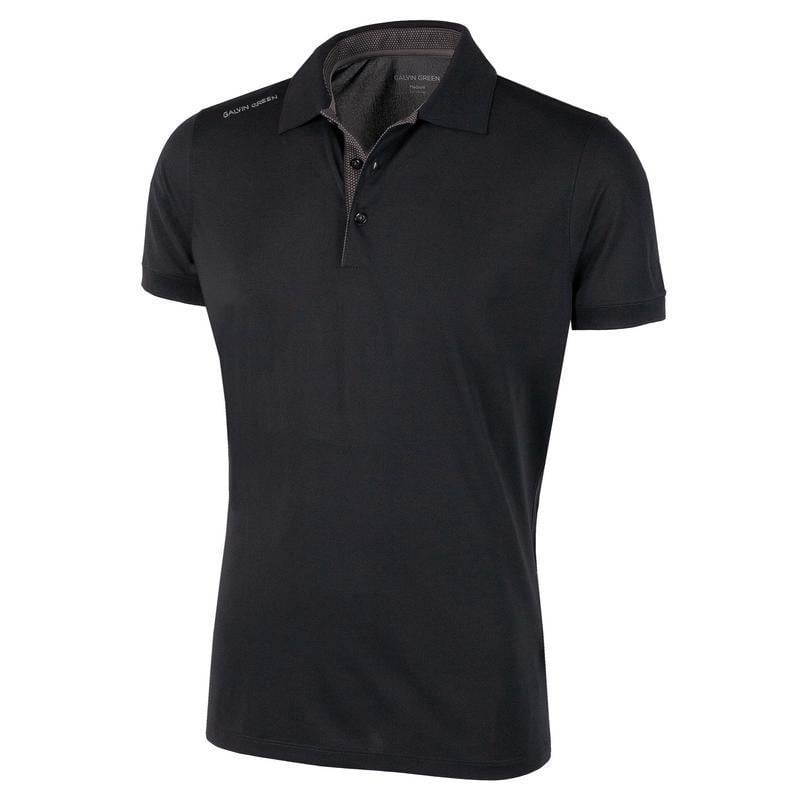
Below the neck, the game changes from blocking UV to moving heat and sweat. Your torso carries most of your sweat load, and a polo that clings and traps it turns into a warm damp blanket by the turn. This is where genuine ventilated engineering earns its premium over a cotton-blend clubhouse polo. A piece like the Galvin Green MAX Ventil8 polo is built around mapped ventilation zones that pull heat off the skin and let sweat evaporate instead of pool, and the difference on a still, humid afternoon is the difference between playing golf and enduring it. Look for the ventilation story and the fabric weight — not the tour player whose name is on the chest.
The rest of the perimeter — and the one thing gear can't do
Kit closes most of the gap, but not all of it. The bits no garment covers — the back of your neck below the cap line, your ears, the tops of your hands, your lower face — still need sunscreen, and the honest advice is a broad-spectrum SPF applied before you leave the house and reapplied at the turn, because sweat and towel-wiping strip it faster than you think. A bucket hat plus sunscreen on the exposed skin is the genuinely protected setup; a cap alone is the popular one. And the cheapest upgrade of all is water — the concentration drain I described at the top is heat and dehydration working together, so cold water on every hole does as much for your back nine as any fabric.
Who can genuinely skip all this
Not everyone needs the full protocol, and it's fair to say so. If you play in a reliably grey, cool maritime climate where a 'hot' round means the fleece comes off, the sun-damage case is real but modest and a decent cap covers most of it. Twilight golfers teeing off at six in the evening, when the UV has dropped off a cliff, can reasonably wear whatever they like. Everyone else — anyone teeing it up in real summer sun between late morning and mid-afternoon — is getting a dose that compounds, and treating headwear and a ventilated top as optional is the one gear decision on this list that follows you off the course. Browse the full range in the apparel hub, or see how the headwear stacks up in our caps and headwear guide.
Products mentioned in this article
Titleist
Titleist Players StaDry Cap
A structured performance cap that also shrugs off a downpour — the do-everything hat for changeable summer skies.
Under Armour
Under Armour Iso-Chill Driver Mesh Golf Cap
IsoChill fabric that genuinely reads cooler to the touch, so the one thing sitting on your hottest patch of skin isn't trapping heat.
Ping
Ping Boonie Bucket Hat
The full-perimeter shade play: ears, neck and cheeks covered, not just the forehead a cap protects.
adidas
adidas Tour Snapback Cap
A breathable, adjustable everyday cap that looks like street kit — the one you'll actually keep on all summer.
Galvin Green
Galvin Green Max VENTIL8 Polo
A ventilated performance polo built to move heat off the torso, where most of your sweat load lives.
ifrothgolf earns a commission on purchases made through these links, at no extra cost to you. It never changes what I recommend. Full disclosure.
Frequently asked
- Do I really need special sun-protective golf clothing, or will any shirt do?
- The key spec is UPF — the fabric's Ultraviolet Protection Factor. A rated UPF 50 garment blocks around 98 per cent of UV, whereas a thin, pale cotton shirt can rate very low, especially once it is damp with sweat. If a garment carries a genuine UPF rating it is offering real protection; if it does not, treat it as ordinary clothing and rely more on sunscreen and headwear.
- Is a bucket hat better than a cap for golf?
- For pure sun protection, yes. A cap shades your face but leaves your ears, neck and the sides of your cheeks exposed, which are common spots for sun damage in golfers. A wide-brim bucket hat shades the full perimeter. A cap is the more popular choice on style grounds, so the honest advice is to wear whichever hat you will actually keep on all round.
- Can being too hot on the course actually affect my score?
- Yes. Heat load and the dehydration that comes with it erode concentration and decision-making well before you would notice anything like heat illness. That is a large part of the back-nine fog many golfers blame on tiredness. Heat-managing headwear, a ventilated top and steady drinking all help you think as clearly on the fifteenth as you did on the first.
- Does a cooling fabric like IsoChill really work?
- Cooling fabrics such as IsoChill are engineered to disperse heat and feel cooler against the skin, and the effect is genuine, particularly on the scalp under a cap where heat concentrates. They will not replace shade or sunscreen for UV protection, but for the heat-management side of the problem they make a noticeable difference on a hot day.
Read next
Review
7.9/10Full Swing KIT review: the tape measure decides this, not Tiger
Tour pedigree, TGL on ESPN, and radar good enough to be checked against a Trackman outdoors. It also wants eighteen to twenty feet of room, which rules out most of the garages people buy it for.
Versus
Trackman iO vs Uneekor EYE XO2: the year-one trap
Both mount overhead, both want ten feet of ceiling, and about $3,000 separates them on the shelf. Then Trackman's included first year runs out, and the gap starts growing by $1,100 a year.
Versus
Uneekor EYE XO2 vs Foresight GC3: ceiling or floor?
About $4,000 separates them, but they're not really rivals — one lives in your ceiling forever, the other sits on the floor and travels. The cheaper one is also the one with no subscription.