
The only part of the club you touch is the part you never replace
Golf Pride just launched a whole new grip geometry out of Pinehurst, which is a good moment for an awkward question: when did you last change yours? Worn grips force tighter grip pressure, which quietly wrecks face control — and fixing it costs about a dozen premium balls.
By Dan Mercer · Editor
 Explained
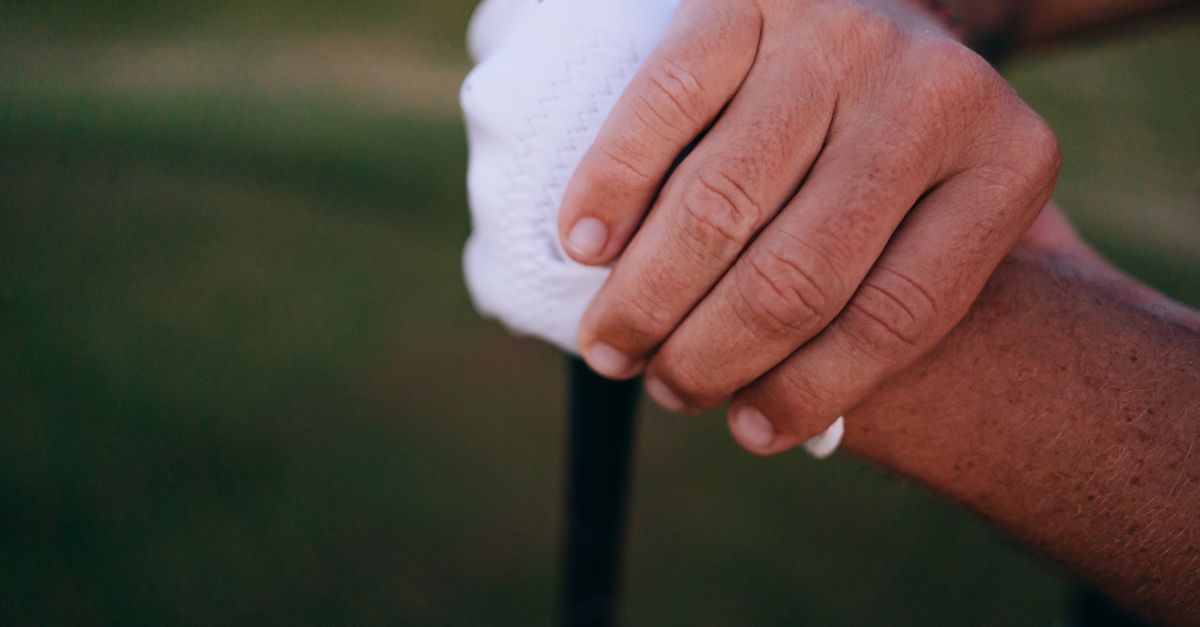
Golf Pride just launched ZERO TAPER, a new grip geometry designed and tested at its Global Innovation Center in Pinehurst — complete with a limited-edition Stars & Stripes putter grip for America's 250th birthday. The industry's biggest grip maker putting that much R&D muscle into the shape of a rubber tube tells you something the marketing never quite says out loud: the grip is the only part of the golf club you actually touch, and it is the part almost nobody ever replaces. So before you spend a cent on a new grip model — or anything else — answer one question honestly: how old are the grips on your clubs right now? If you had to think about it, they're too old.
Here's the answer-first version: if your grips are more than a year or roughly forty rounds old, regripping the set is the cheapest genuine performance upgrade available to you, and it costs about a dozen-premium-balls money. Not a swing change, not a lesson, not a new driver — new rubber. The rest of this piece is why, and how to do it right.
What a dead grip actually does to your swing
Rubber wears like a tyre. Ultraviolet light, sweat, sunscreen and hand oils slowly harden and glaze the surface, and the traction goes long before the grip looks worn. Your hands notice before your brain does: as the surface gets slicker, you unconsciously squeeze harder to keep the club from twisting. That extra grip pressure is the quiet killer. Tension in the hands runs up the forearms, restricts wrist hinge, and slows the natural release of the clubface — which shows up as blocks, weak fades and a tempo that feels rushed without you knowing why. You will blame your swing. Your swing will be innocent. The cruellest part is how gradual it is: grips die over eighteen months, not overnight, so the deterioration never announces itself. You just slowly become a worse version of yourself, one imperceptibly firmer squeeze at a time.
The July test: how to spot a grip that's finished
There's no better month to audit your grips than July, because humidity is the prosecution's star witness. A healthy grip gets tackier when your hands sweat; a dead one turns to soap. Three checks, thirty seconds: look for shine — a healthy grip is matte, a glazed, glossy surface means the rubber has hardened. Feel for hard or smooth spots, especially under your thumbs and where your bottom hand sits, since wear is always uneven. And think back to your last humid round: if the club felt like it wanted to leave your hands on a sweaty afternoon, the verdict is already in. Cracks, or a surface that stays slick even after a wipe with a damp towel, mean the grip died some time ago and you've been compensating since.
The regrip: when, what and how much
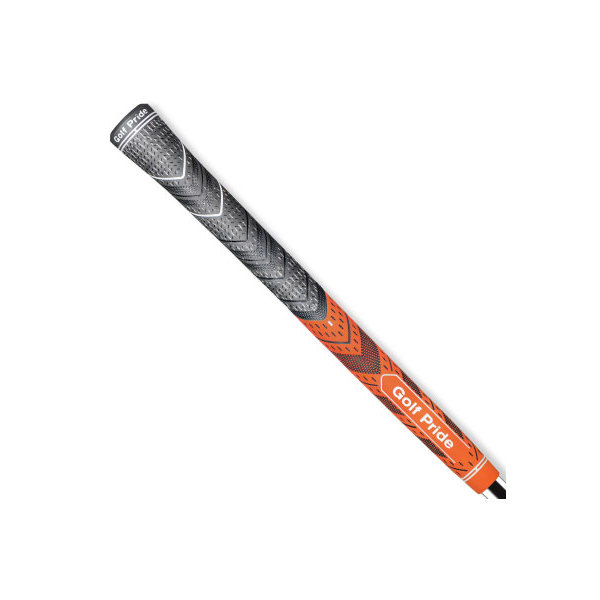
The industry rule of thumb is once a year or every forty rounds, whichever comes first — and unlike a lot of industry rules of thumb that exist to sell you things, this one is roughly honest, because the failure is chemical, not cosmetic. Even a garage queen set ages; heat cycles in a car trunk are brutal on rubber. As for what to fit, the boring, correct answer is the Golf Pride MCC Plus4: a brushed-cotton cord upper hand for sweat-wicking traction with a softer rubber lower hand for feel, built up to mimic four extra tape wraps. That larger lower hand actively encourages lighter grip pressure — the exact fault worn grips create. At around $15 a grip it is the most popular performance grip in golf for a reason, and a full regrip lands at about the cost of a dozen premium balls. Nothing else in golf buys back that much face control for that little.
Sizing: the five-minute fitting nobody does
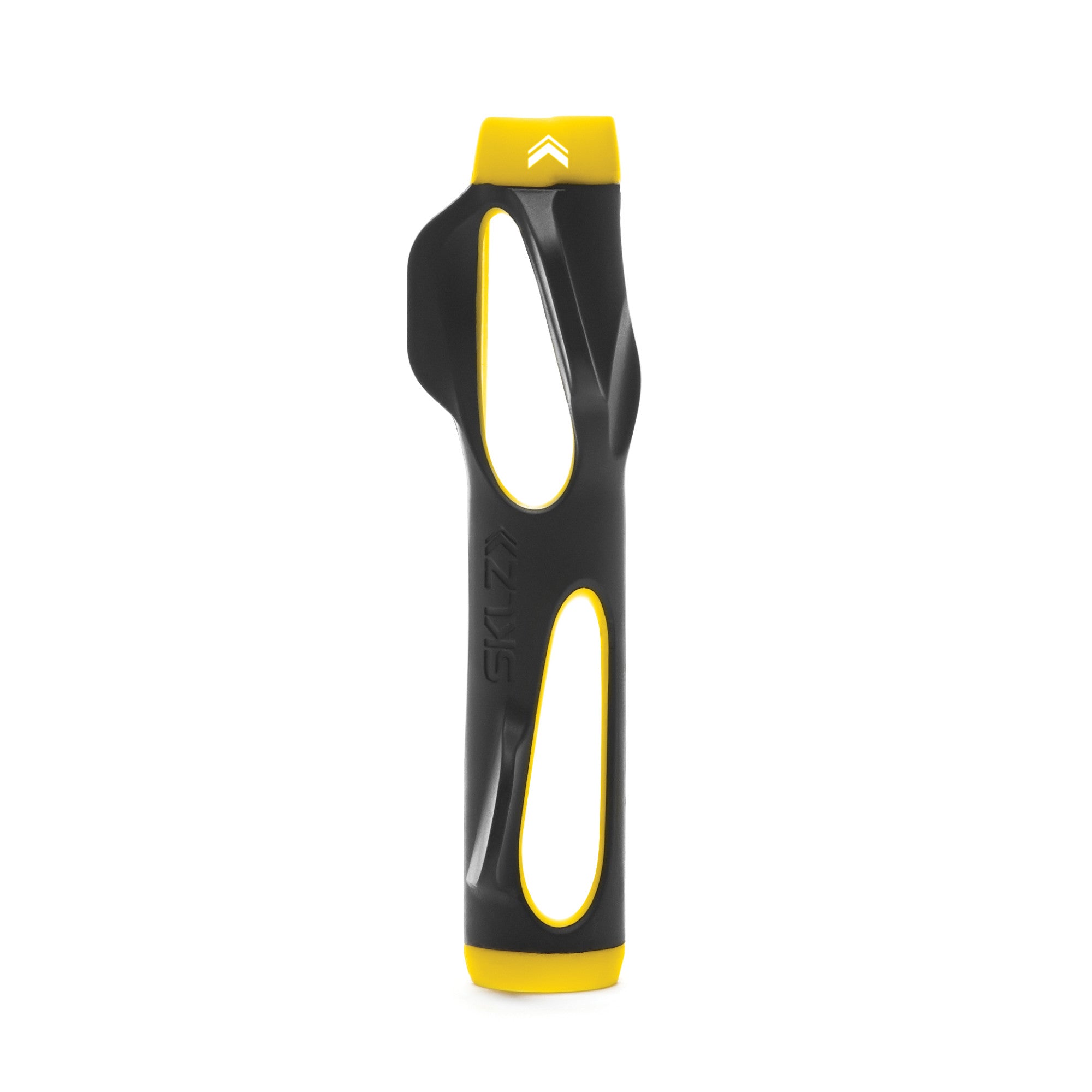
Size matters more than model. Too thin and your hands get overactive — the classic hook enabler; too thick and the release slows into a push or a block. The standard checkpoint: grip the club with your top hand and look at your middle two fingers — they should lightly touch the pad of your thumb, not dig in, not hover clear. Big hands or arthritis point to midsize; most players are fine on standard with tape wraps to fine-tune. If you're regripping anyway, this is a free fitting — ask the shop to check your size, or check it yourself before ordering. And a note for newer players: if your hold itself has drifted strong or weak, new rubber won't fix hand placement. A moulded grip trainer that physically sets a neutral hold is the cheapest lesson in golf — practice-only, but it rebuilds the foundation the new grips deserve.
The putter is a separate decision
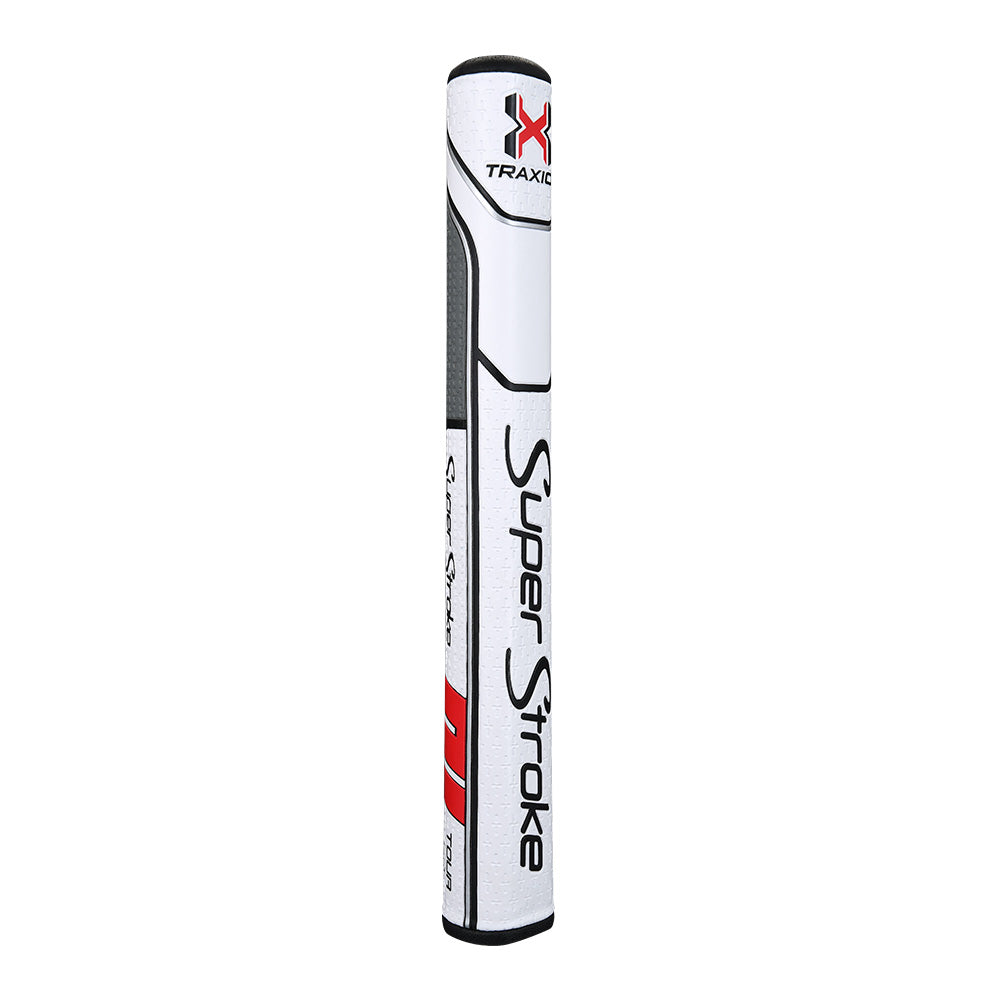
Don't just batch the putter in with the set, because putter grip sizing follows opposite logic. The swing wants lively hands; the stroke wants quiet ones. That's why oversize, taper-free putter grips took over: even pressure in both hands, less wrist, a more repeatable roll. The SuperStroke Traxion Tour is the category benchmark — tacky polyurethane, a no-taper profile, and a genuinely easy DIY fit with tape and solvent. If your putting feels handsy or your grip pressure spikes over short ones, this is a bigger upgrade than a new putter. Feel purists who love a thin pistol grip are the exception; everyone else should try oversize once before dismissing it.
Make them last: the maintenance nobody was taught
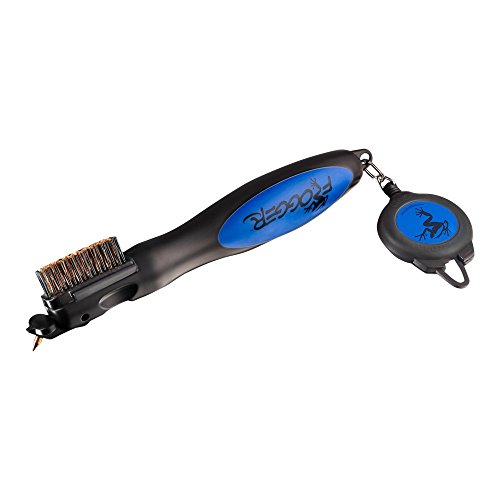
New grips deserve thirty seconds of care a month: warm water, a drop of dish soap, a soft scrub and a towel dry restores tack and strips the oils that age rubber. A bag-mounted brush like the Frogger BrushPro makes the habit frictionless — it's there for your grooves anyway, and its nylon side freshens a grip surface mid-season. Clean grips can stretch well past the forty-round rule; filthy ones die early. Who can skip all this? If you regripped inside the last year, play a handful of rounds a season, and store your clubs indoors — you're fine, spend the money on balls. Everyone else: your grips are almost certainly older than you think, and they are quietly taxing every shot you hit. The full kit-care arsenal lives in our best on-course accessories guide, and the wider world of small upgrades in our accessories hub.
Products mentioned in this article
Golf Pride
Golf Pride MCC Plus4 Grip
The default answer: hybrid cord-and-rubber all-weather control, and the most popular performance grip in golf.
SuperStroke
SuperStroke Traxion Tour Putter Grip
The putter fix: a tacky, taper-free grip that quiets the hands, and the easiest DIY upgrade going.
SKLZ
SKLZ Golf Grip Trainer Attachment
For beginners: the moulded trainer that teaches a neutral hold before bad habits set in.
Frogger
Frogger BrushPro Club Cleaning Brush
The maintenance habit: clean grips last longer, and the brush clips to your bag so you actually do it.
ifrothgolf earns a commission on purchases made through these links, at no extra cost to you. It never changes what I recommend. Full disclosure.
Frequently asked
- How often should you regrip golf clubs?
- Once a year or roughly every forty rounds, whichever comes first. Rubber degrades from UV light, sweat and hand oils even when the clubs sit unused, so grips age on the shelf and in a hot car trunk as well as in play. Frequent players in hot, humid climates may need to regrip even sooner.
- How can I tell if my golf grips are worn out?
- Look for a shiny, glazed surface instead of a matte one, feel for hard or smooth spots under the thumbs, and check for cracks. The clearest tell is humidity: a healthy grip gets tackier when your hands sweat, while a worn one turns slick and soapy. If the club feels unstable on a humid day, the grips are done.
- Do worn grips really affect your swing?
- Yes, and the mechanism is well understood. A slick grip makes you squeeze harder without realising it, and that added grip pressure creates tension in the wrists and forearms, restricting hinge and slowing the release of the clubface. The result is lost face control and rushed tempo that most golfers misdiagnose as a swing problem.
- What size golf grip do I need?
- Grip the club with your top hand and check your middle two fingers: they should lightly touch the pad of your thumb. If they dig in, the grip is too thin; if they hover well clear, it is too thick. Most players fit standard grips, with midsize suiting larger hands, and tape wraps can fine-tune between sizes.
- Should a putter grip be sized like the rest of the set?
- No, it follows opposite logic. Swing grips reward feel and hand action, while putting rewards quiet hands and even pressure, which is why oversize, taper-free putter grips are so popular. Choose the putter grip separately based on how much you want to calm your stroke rather than matching your iron grips.
Read next
Review
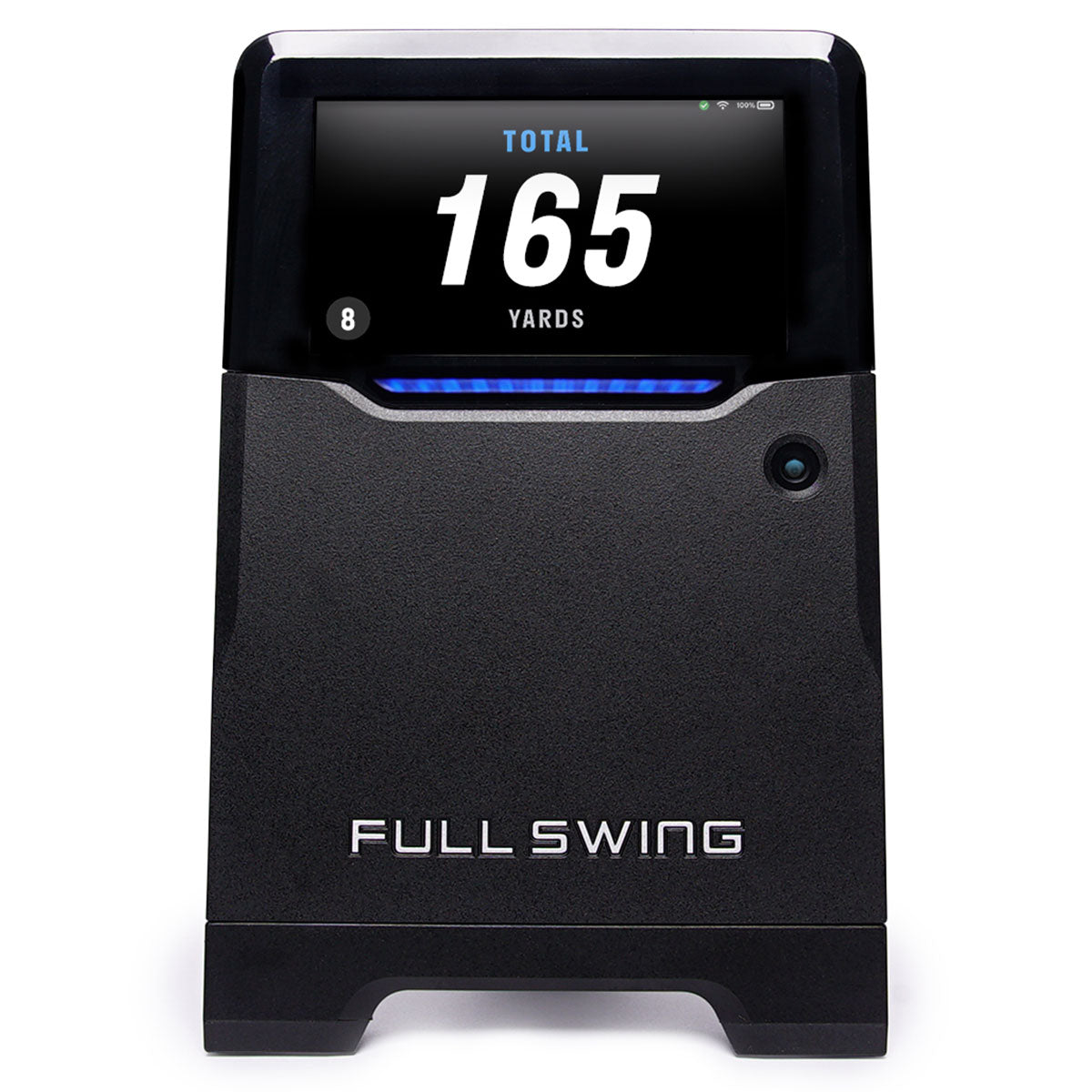
7.9/10Full Swing KIT review: the tape measure decides this, not Tiger
Tour pedigree, TGL on ESPN, and radar good enough to be checked against a Trackman outdoors. It also wants eighteen to twenty feet of room, which rules out most of the garages people buy it for.

Versus
Trackman iO vs Uneekor EYE XO2: the year-one trap
Both mount overhead, both want ten feet of ceiling, and about $3,000 separates them on the shelf. Then Trackman's included first year runs out, and the gap starts growing by $1,100 a year.

Versus
Uneekor EYE XO2 vs Foresight GC3: ceiling or floor?
About $4,000 separates them, but they're not really rivals — one lives in your ceiling forever, the other sits on the floor and travels. The cheaper one is also the one with no subscription.