The Melbourne Sandbelt: a guide to Australia's strategic golf heartland
The world's densest cluster of great courses — Royal Melbourne, Kingston Heath and more — on firm, sandy, bunker-carved land. What to play, how visitors actually get on, and when to go.
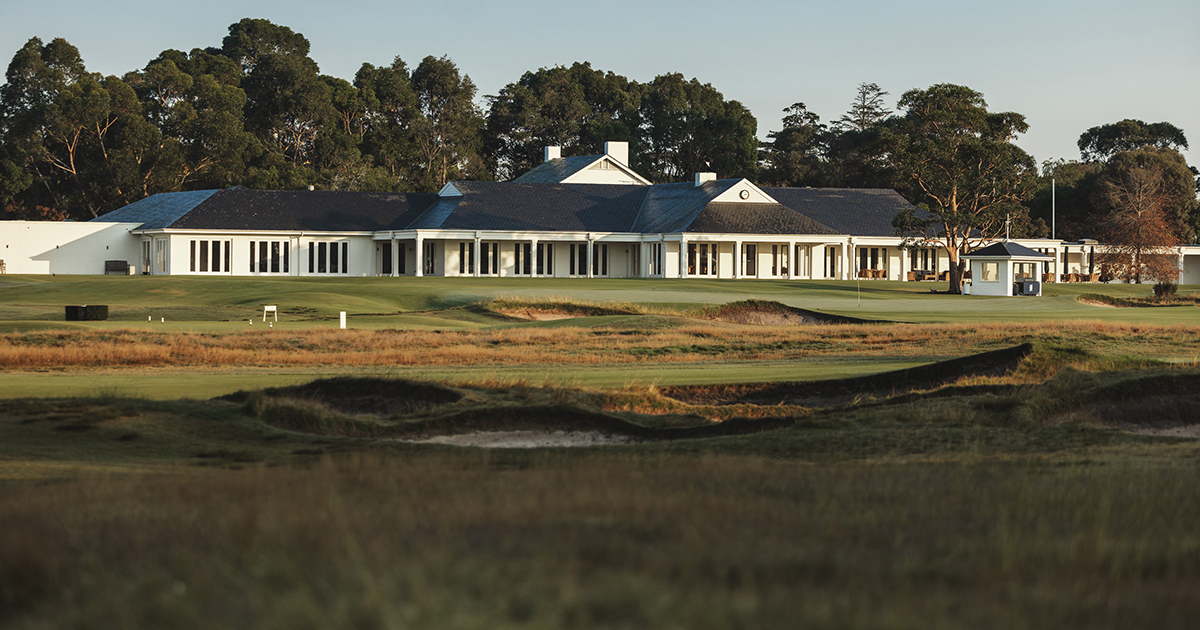
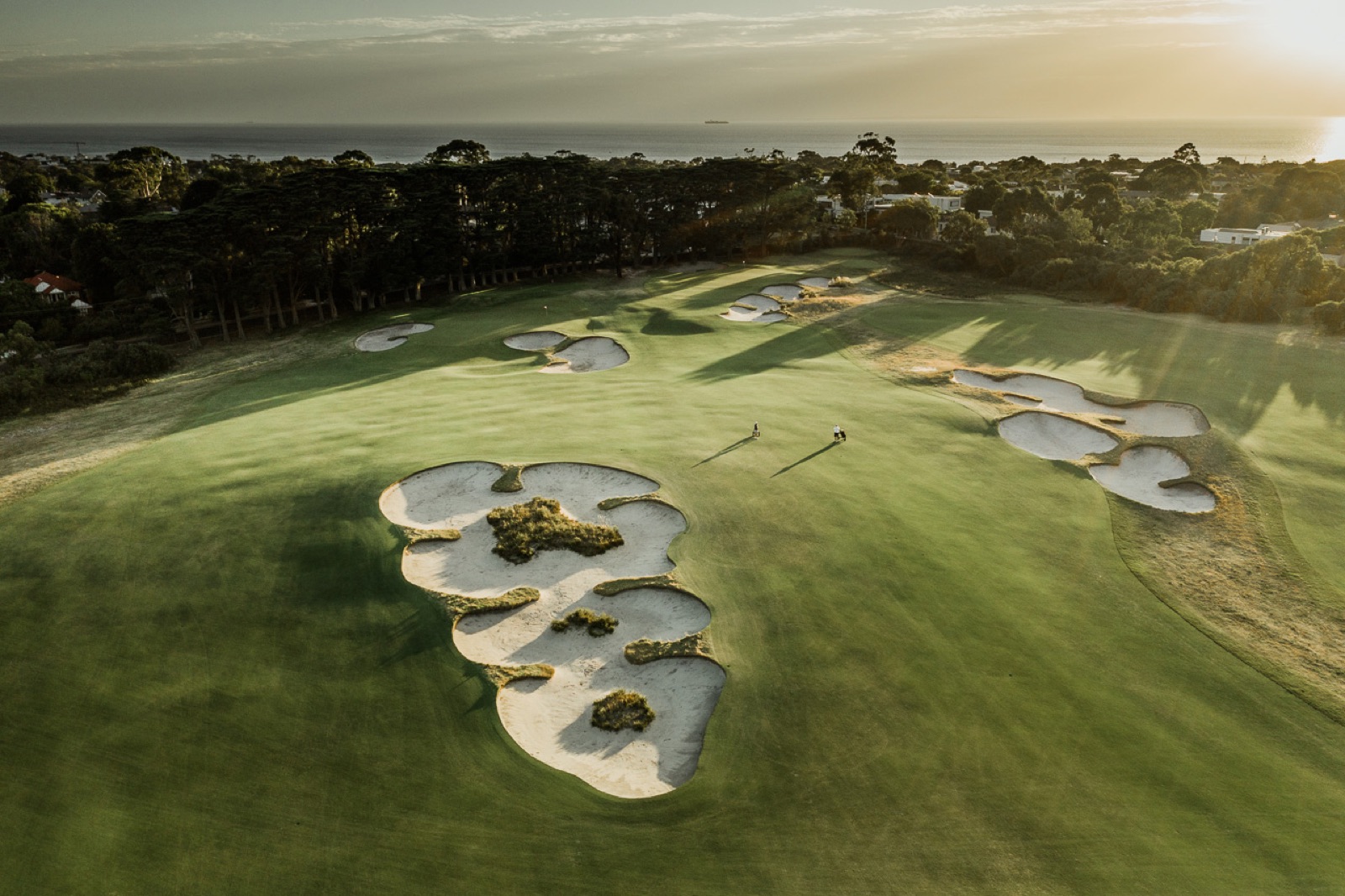
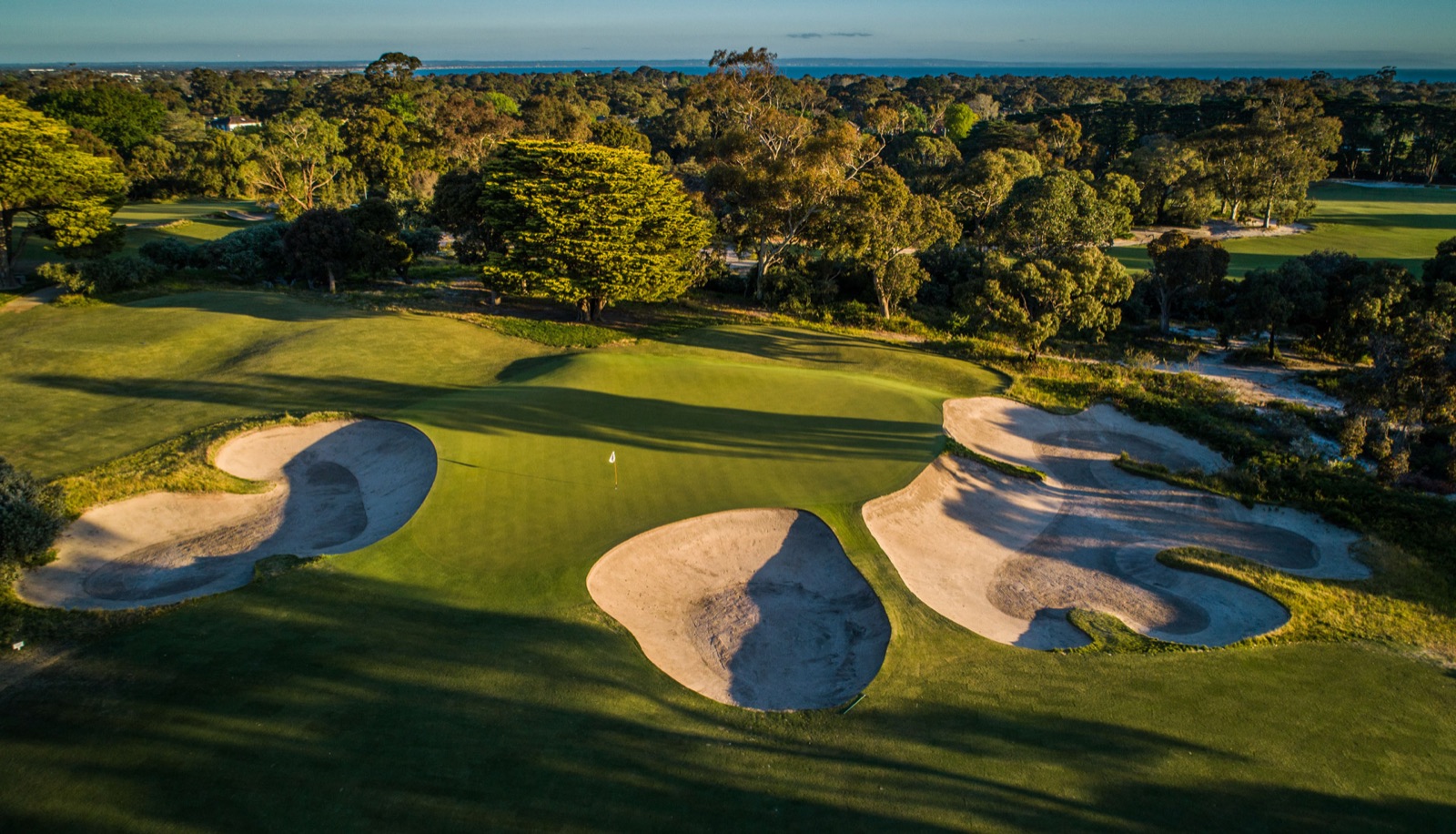
If Barnbougle is Australia's wild coastal links, the Melbourne Sandbelt is its strategic soul — the world's densest concentration of great golf courses, packed into the sandy south-eastern suburbs of Melbourne. Royal Melbourne, Kingston Heath, Victoria, Metropolitan and a handful more sit on a belt of free-draining sand that plays firm and fast, and their sculpted, sand-flashed bunkering — the design DNA Alister MacKenzie left behind on his 1926 visit — is the template strategic architecture is still measured against.
One honest caveat up front: nearly all of these are private member clubs, so this trip takes more planning than a resort. Below we cover the courses that matter, the reality of how a visitor actually gets a game, when to go, how to get there, and how to build it into a proper Australian golf pilgrimage.
Where
South-east bayside suburbs of Melbourne, Victoria, Australia
Alister MacKenzie & Alex Russell · West 1931, East 1932 · 36 (plus the Composite tournament course) holes · Sandbelt
West ranked Australia's #1 and inside the world top 10 (Golf Digest); a three-time Presidents Cup host
The headliner. MacKenzie routed the West on his 1926 visit; Alex Russell built it and designed the East. For big events the clubs combine holes from both into the celebrated 'Composite Course' so play never crosses a road — the configuration that has hosted the Presidents Cup three times. Wide fairways, brilliant angles and the most famous bunkering in the game. We go deep on the club in our dedicated Royal Melbourne guide.
Frequently rated Australia's #1 or #2; a world top-10-to-20 course (rankings vary)
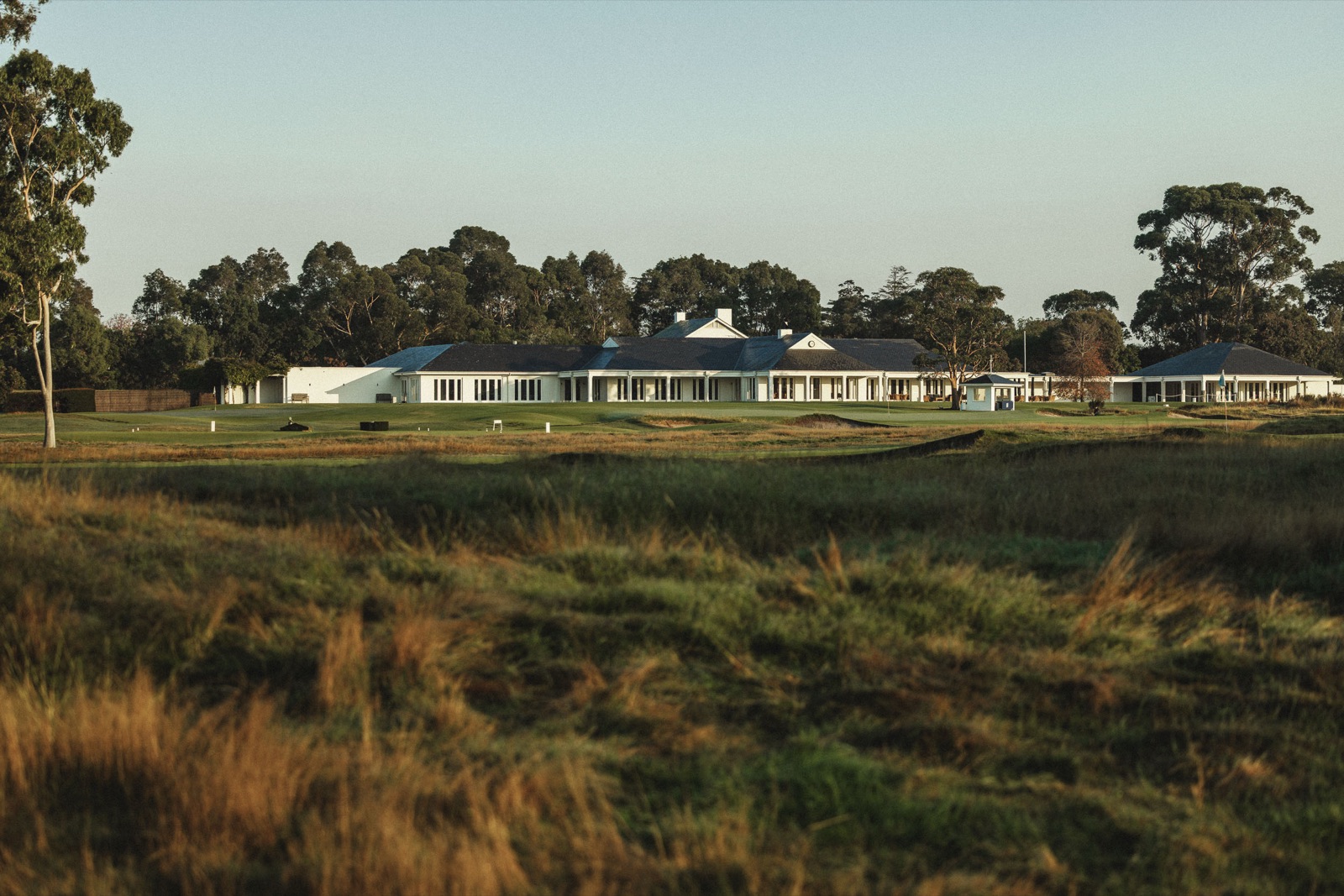
The connoisseur's pick, and many good judges' favourite in the country. Tighter and more intimate than Royal Melbourne, it's a near-flawless study in strategic golf and bunker artistry — MacKenzie advised on the bunkering and reworked the short par-3 15th, its signature hole.
MacKenzie-era design with modern restoration · 18 each holes · Sandbelt
Victoria — Peter Thomson's home club — is woven tightly through classic Sandbelt land and has long sat in Australia's top handful. Metropolitan, renowned for arguably the finest turf conditioning in the country, has hosted Australian Opens and a World Golf Championship. Either would headline most other cities.
The wider Sandbelt
Various (with restoration input from Renaissance/Tom Doak, Crafter & Mogford and others) · Multiple 18s holes · Sandbelt
Commonwealth, Yarra Yarra, Peninsula Kingswood (36 holes), Woodlands and Huntingdale round out the cluster — a remarkable depth of quality within a short drive of each other, all sharing the same firm, sandy, strategic character.
Access: how visitors actually play the Sandbelt
This is the part that needs planning, and where honesty matters: most Sandbelt clubs are private, and access is neither open nor cheap. The realistic routes:
Book through a specialist golf-tour operator. This is the most reliable option for a non-member — operators hold access arrangements and handle the formal booking, so you can string together a multi-course itinerary you couldn't organise alone.
Use reciprocal rights or a letter of introduction. If you're a member of a golf club at home, several Sandbelt clubs (including Royal Melbourne) accept visitor tee times — typically midweek, subject to availability — often requiring proof of an official handicap and/or a letter of introduction from your home pro. Reciprocal-club members may have playing rights via their club's agreement. Confirm current policy directly with each club, as visitor days and windows change (Royal Melbourne's access has also been affected by course renovation work).
Play the public Sandbelt. If private access can't be arranged, Sandy Golf Links and Sandringham offer genuine public-access golf on the same sand-based terrain — a real taste of the Sandbelt without the introductions.
When to go
Melbourne's weather is famously changeable — 'four seasons in one day' is only half a joke. Spring (October–November) and autumn (March–April) are generally ideal: mild temperatures and the firm, fast conditions the Sandbelt is built for. Summer runs warm to hot and gets the courses at their fastest; winter plays cooler and softer. Pack layers and expect the wind to have an opinion whenever you come.
Getting there
Fly into Melbourne Airport (MEL, Tullamarine), north-west of the city. The clubs sit in the south-eastern bayside suburbs — Black Rock, Cheltenham and around — roughly 20–40 minutes from the CBD depending on traffic and which club. A hire car is strongly recommended: the courses are spread across suburbs and public transport between them isn't practical for golf. Remember Australia drives on the left.
Where to stay & eat, and how to build the trip
Two sensible bases: Melbourne's CBD — one of the world's great food-and-coffee cities, best for dining and nightlife with a daily drive to the golf — or the bayside suburbs closer to the clubs for shorter mornings. Give yourself three to five days to play the marquee courses one per day, ideally arranged through an operator.
The classic pairings turn a Sandbelt trip into a complete Australian pilgrimage: add the more accessible Mornington Peninsula (about an hour south — St Andrews Beach, The National, Moonah Links) for pay-and-play quality, and a Tasmania leg at Barnbougle for the coastal-links other half of the country's golf.
What to pack
The kit this trip demands
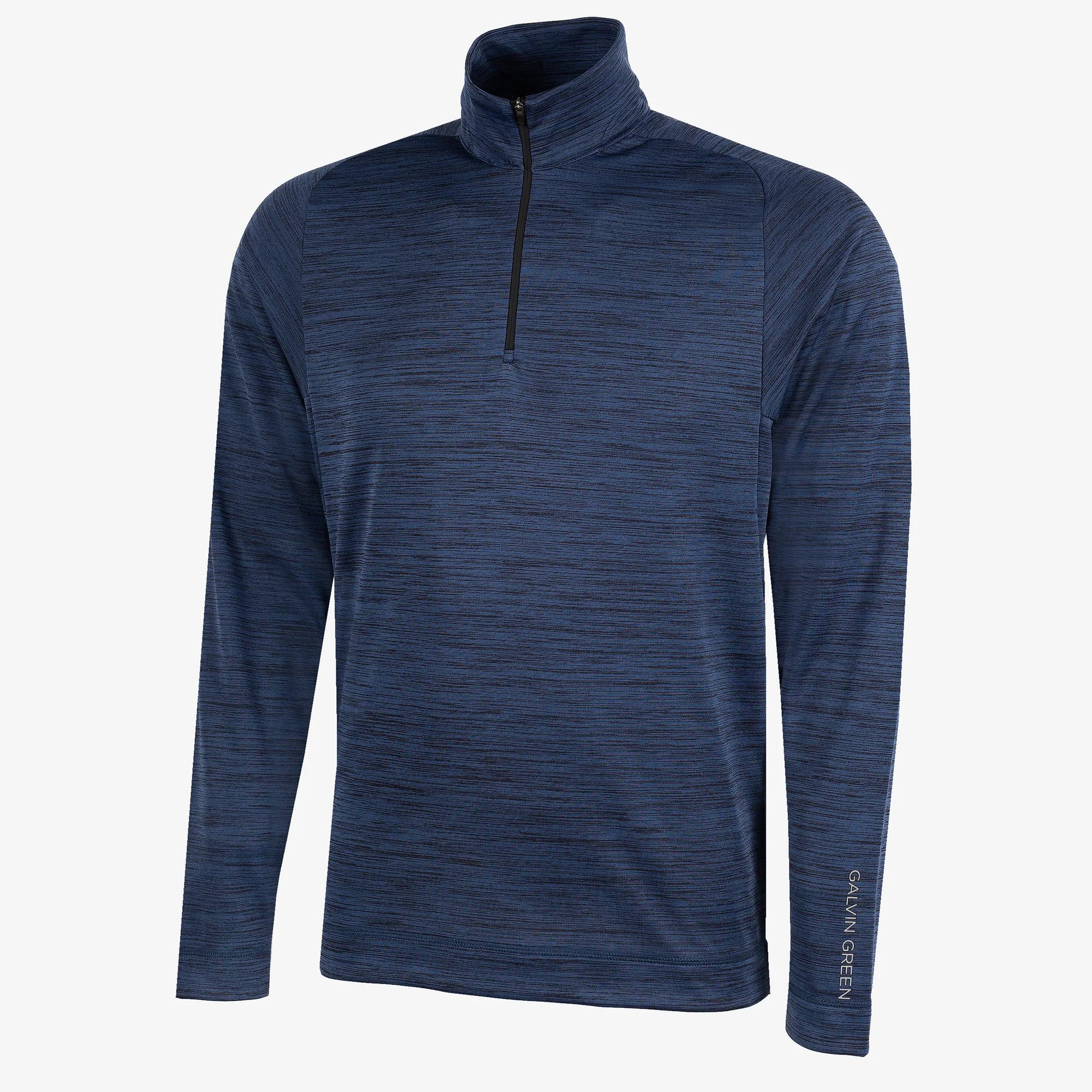
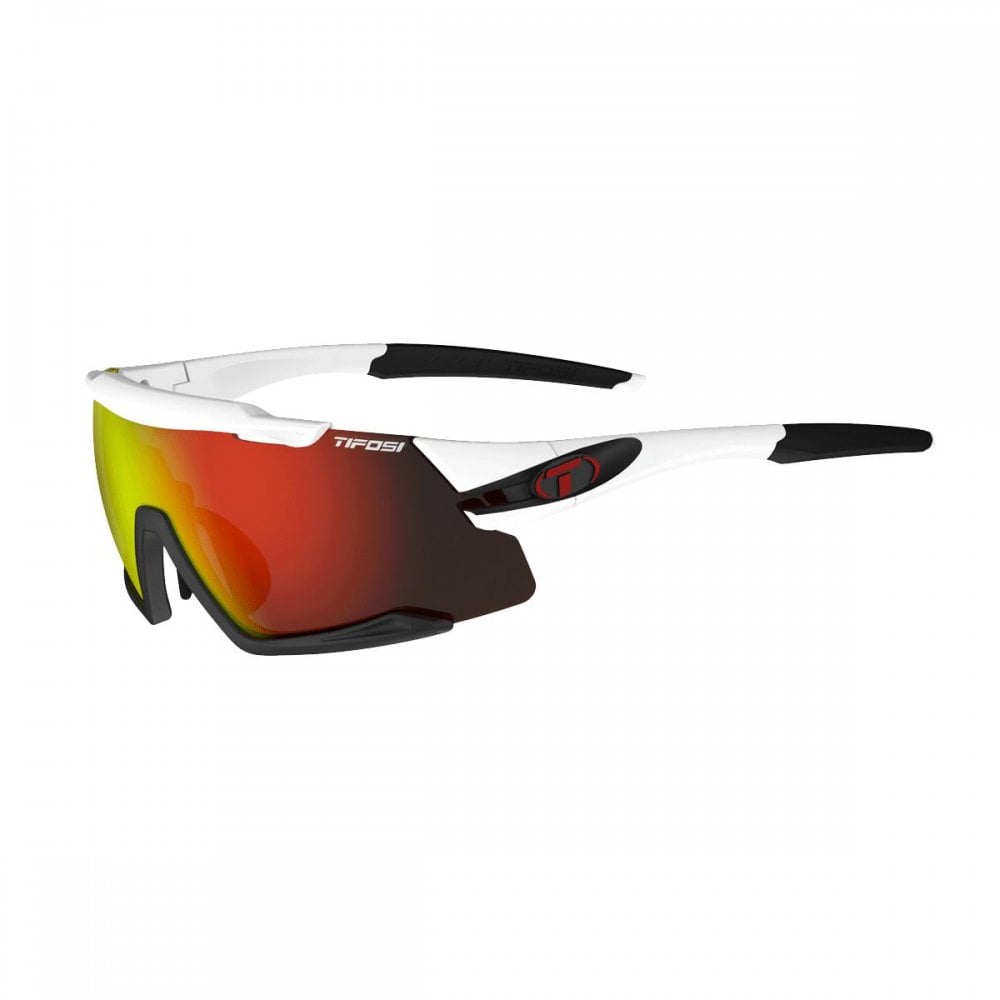
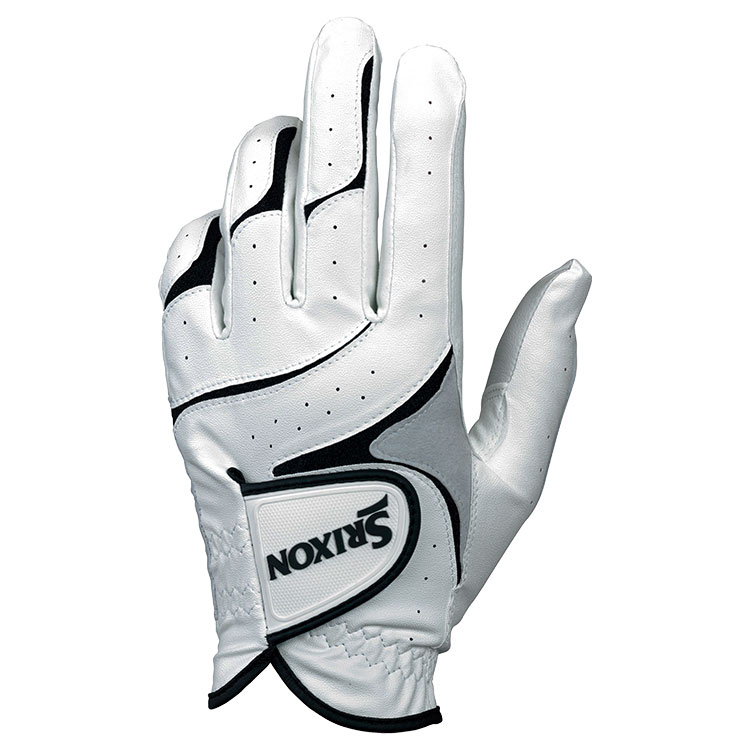
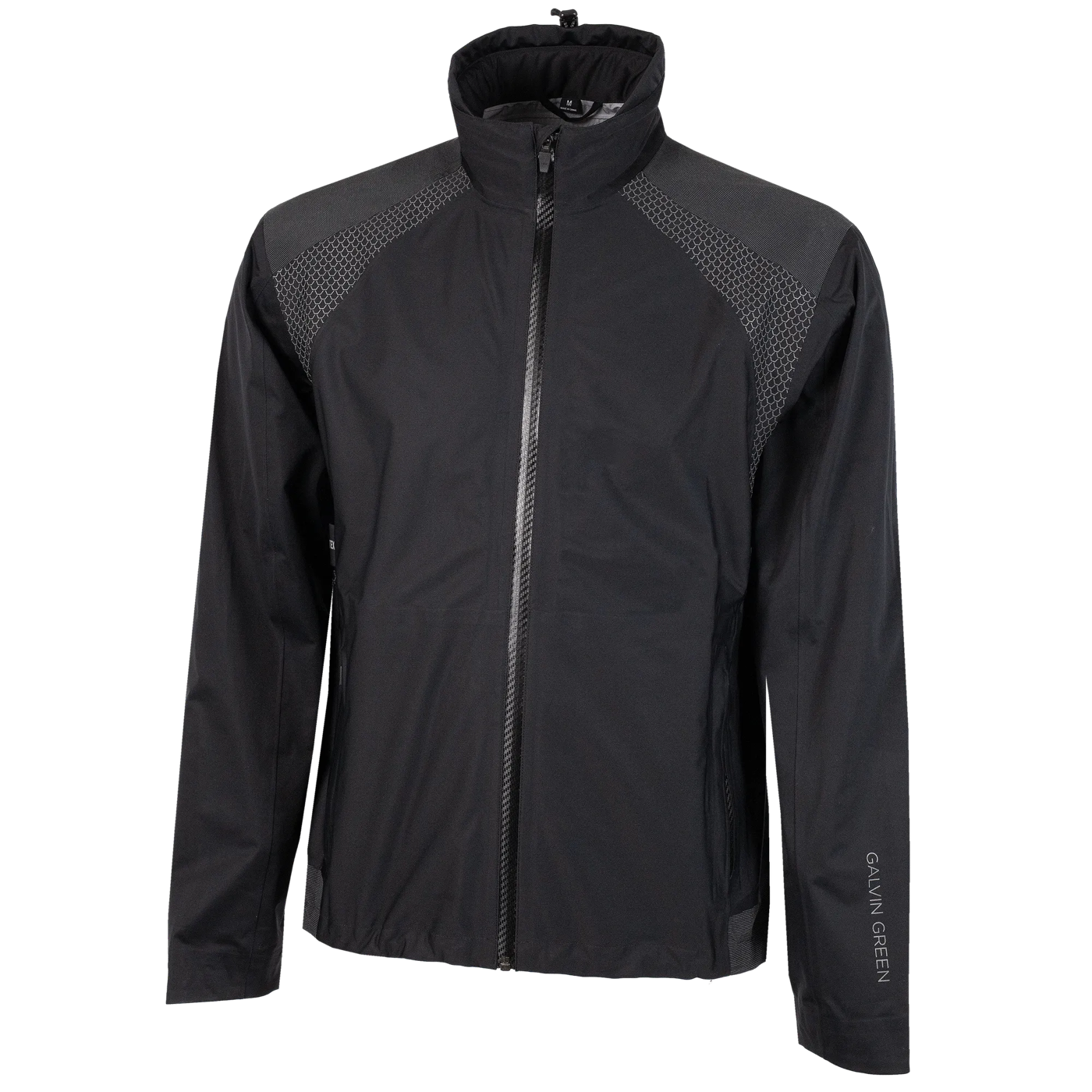
Sandbelt golf is firm, fast and walked in changeable Melbourne weather — pack for sun and wind in the same round:
A cluster of world-ranked golf courses on sandy, free-draining soil in Melbourne's south-eastern suburbs — Royal Melbourne, Kingston Heath, Victoria, Metropolitan and more. It's famous for firm-and-fast conditions and dramatic strategic bunkering shaped by Alister MacKenzie's 1920s influence.
Can you play Royal Melbourne as a visitor?
Yes, but in a limited way — it's a private club. Overseas and interstate golfers who are members of a home club can request visitor tee times (typically midweek, subject to availability), and reciprocal-club members get rights via their club's agreement. A tour operator or a letter of introduction is often the practical route, and renovation work has affected access windows, so confirm current policy with the club.
What's the best time to play the Melbourne Sandbelt?
Spring (October–November) and autumn (March–April) are generally best for mild weather and the firm conditions the courses are built for. Summer is warm and fast, winter cooler and softer, and Melbourne's weather is changeable year-round, so pack layers.
How many Sandbelt courses are there?
The core is usually counted as eight to ten championship clubs — Royal Melbourne (West & East), Kingston Heath, Victoria, Metropolitan, Commonwealth, Yarra Yarra, Peninsula Kingswood, Woodlands and Huntingdale — plus public options like Sandy Golf Links.
How do you get tee times on the Sandbelt?
Most clubs are private with limited midweek visitor slots that often require proof of handicap and a letter of introduction. The most reliable options are booking through a specialist golf-tour operator or using reciprocal-club arrangements, and confirming directly with each club.