Royal Melbourne golf guide: MacKenzie's Sandbelt masterpiece
Alister MacKenzie's West Course and the tournament Composite — the greatest course in the Southern Hemisphere. The courses, how overseas visitors play it, when to go, and getting there.
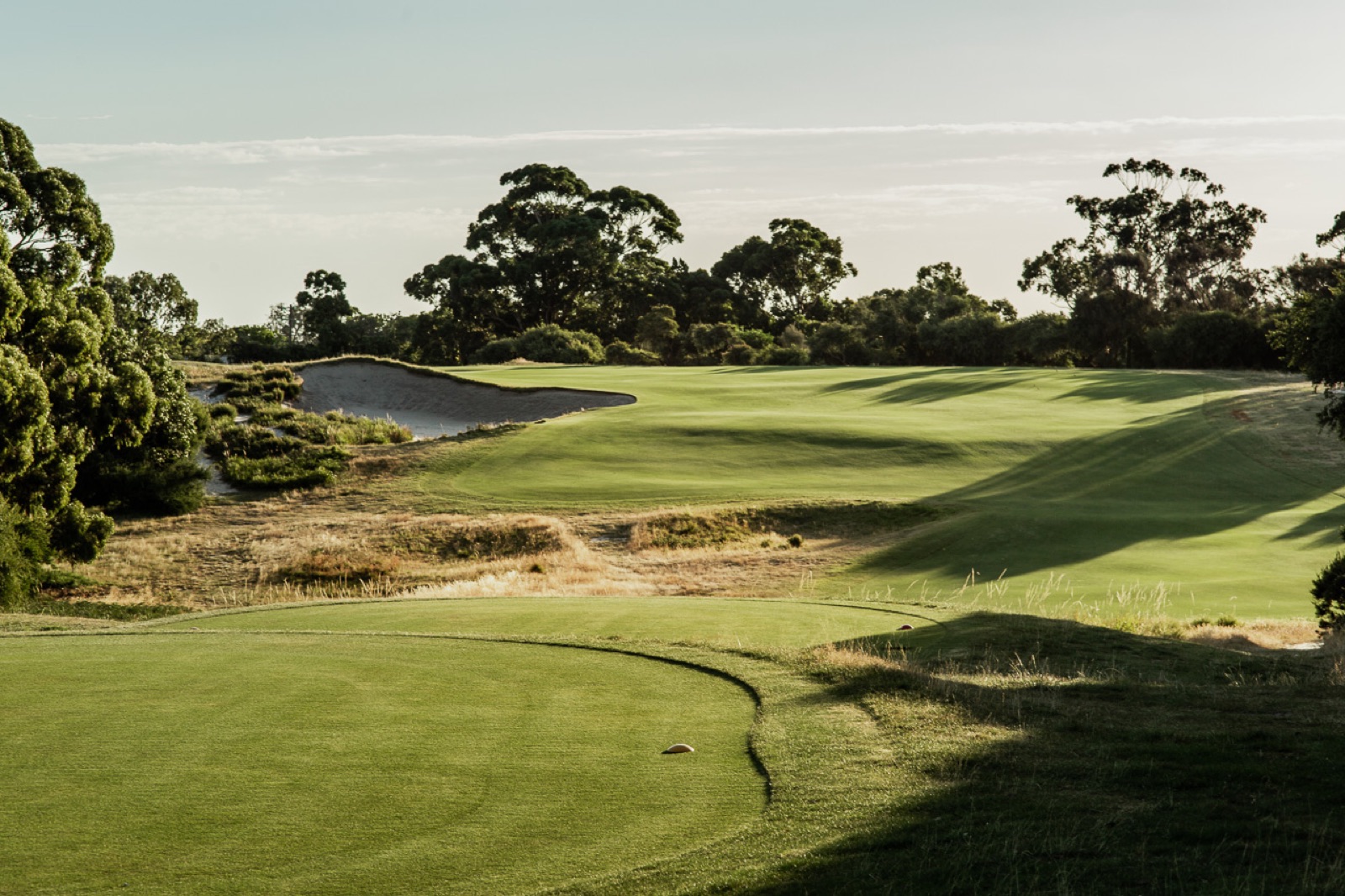
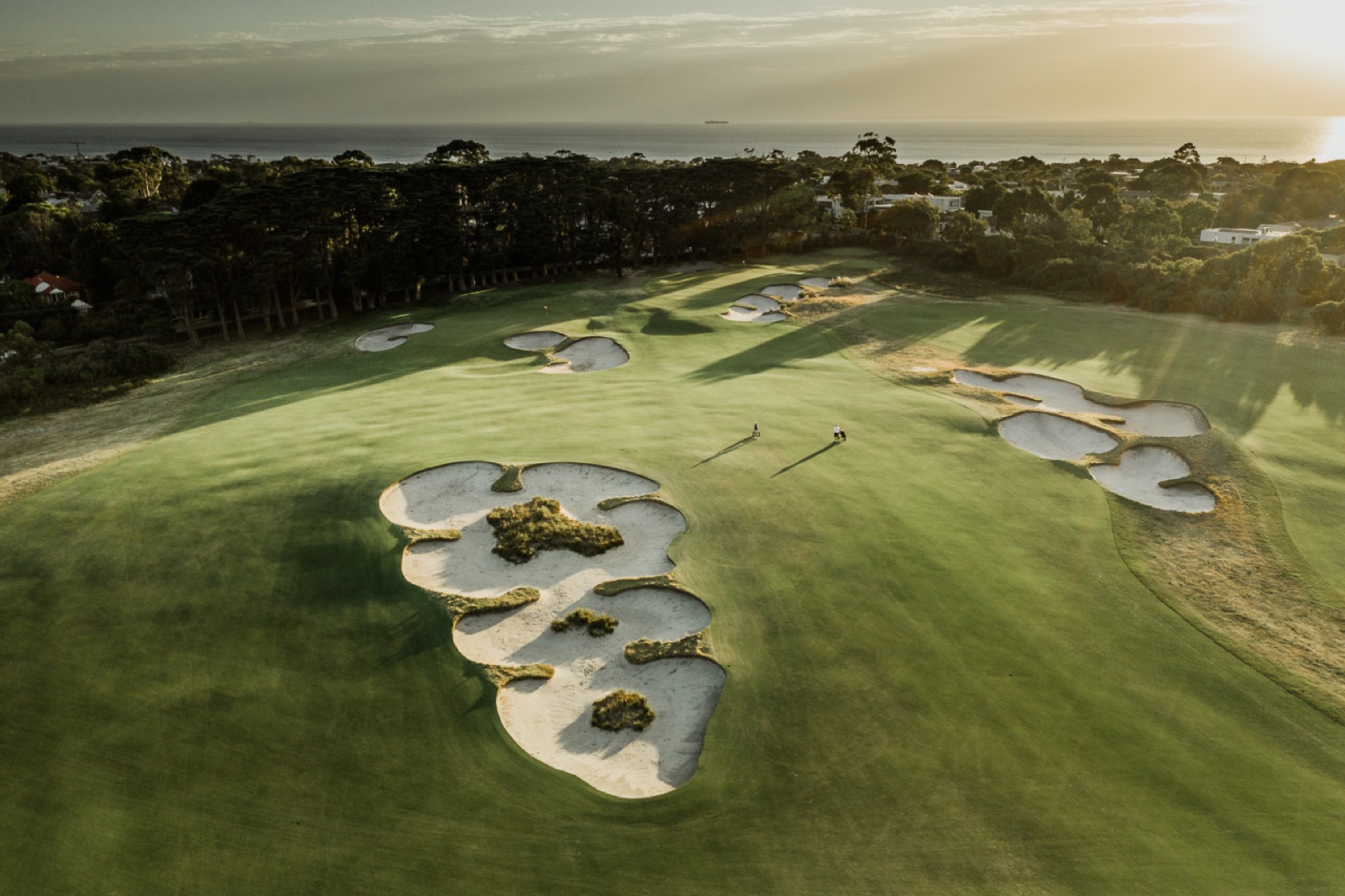
Royal Melbourne is the greatest course in the Southern Hemisphere and one of the finest anywhere — Alister MacKenzie's West Course, laid out in the sandy soil of the Melbourne Sandbelt at Black Rock, is a golden-age masterpiece from the architect who also gave us Augusta National and Cypress Point. Firm, fast, endlessly strategic and famous for its bunkering and lightning greens, it's the beating heart of the Sandbelt.
This is a deep dive on the club itself — the West, the East, and the tournament 'Composite'. For the wider region and the other great Sandbelt clubs, see our Melbourne Sandbelt guide. Here's how the courses work, how overseas visitors play, when to go, and getting there.
Where
Black Rock, bayside south-east Melbourne, Australia
Courses
The West (MacKenzie) & East (Russell); the tournament Composite
Nearest airport
Melbourne (MEL) or CBD ~30–45 min by car
Best time
Australian spring–autumn (Nov–Apr); firmest & fastest in summer
Access
Private club — overseas members of recognised clubs may request limited visitor times
Nearby
The Sandbelt: Kingston Heath, Victoria, Metropolitan, Commonwealth
Alister MacKenzie with Alex Russell · 1931 · 18 holes · Sandbelt · par 72
Consistently Australia's No. 1 and a world top-10 course
MacKenzie routed the West in 1926, with 1924 Australian Open champion Alex Russell supervising and greenkeeper Mick Morcom building the greens and bunkers to his plans; it opened in 1931. It's the definitive expression of Sandbelt golf — wide, angled fairways that reward the bold line, dramatic sculpted bunkering, and firm, absurdly fast greens that are the real defence. Tom Doak led sympathetic restoration work in 2015–16.
The short par-4 10th is its most celebrated hole — a drivable temptation to a small, perched green guarded by a cavernous bunker, and regularly named among the best short fours in the world.
The East Course & the Composite
Alex Russell (East); Composite = best of West + East · 1932 · 18 holes · Sandbelt · par 71
The Composite has hosted three Presidents Cups
Alex Russell's East Course (1932) is a top-10 Australian course in its own right. For big events the club plays the 'Composite Course' — 18 holes combining the best of West and East on the main property so galleries never cross a public road. First assembled for the 1959 World Cup, it's the layout used for the Presidents Cup (1998, 2011, 2019) and the Australian Open.
How visitors play Royal Melbourne (access is limited)
Royal Melbourne is a private members' club, so plan ahead. Per the club, overseas and interstate visitors who are members of a recognised golf club may request limited visitor tee times (typically early in the week, subject to availability), and there's a verification process to view times and a dress code to observe. Members of reciprocal clubs can play under their home club's arrangement. If you have no member introduction, the practical routes are the club's overseas-visitor system or a Sandbelt golf tour operator that packages access.
Access can tighten around course renovations and events, so treat a confirmed time as something to build the trip around — and check the current visitor policy with the club directly before you travel.
When to go
The Sandbelt is at its best in the Australian spring to autumn (roughly November to April), and it plays firmest and fastest in high summer — when the greens reach the pace that defines the challenge. For Northern-Hemisphere golfers that's the added draw: peak Royal Melbourne coincides with your winter.
Getting there
Royal Melbourne is at Black Rock, in the bayside suburbs about 30–45 minutes south-east of central Melbourne and the airport (MEL). A car is easiest, especially if you're pairing it with other Sandbelt clubs, which cluster within a short drive.
How to play it
Royal Melbourne anchors the Melbourne Sandbelt, the greatest concentration of strategic golf on sandy soil anywhere — build a trip pairing it with Kingston Heath, Victoria, Metropolitan and Commonwealth, all close by. Our Melbourne Sandbelt guide covers the cluster, and it pairs naturally with a Tasmanian leg at Barnbougle for the coastal-links other half of Australian golf.
What to pack
The kit this trip demands
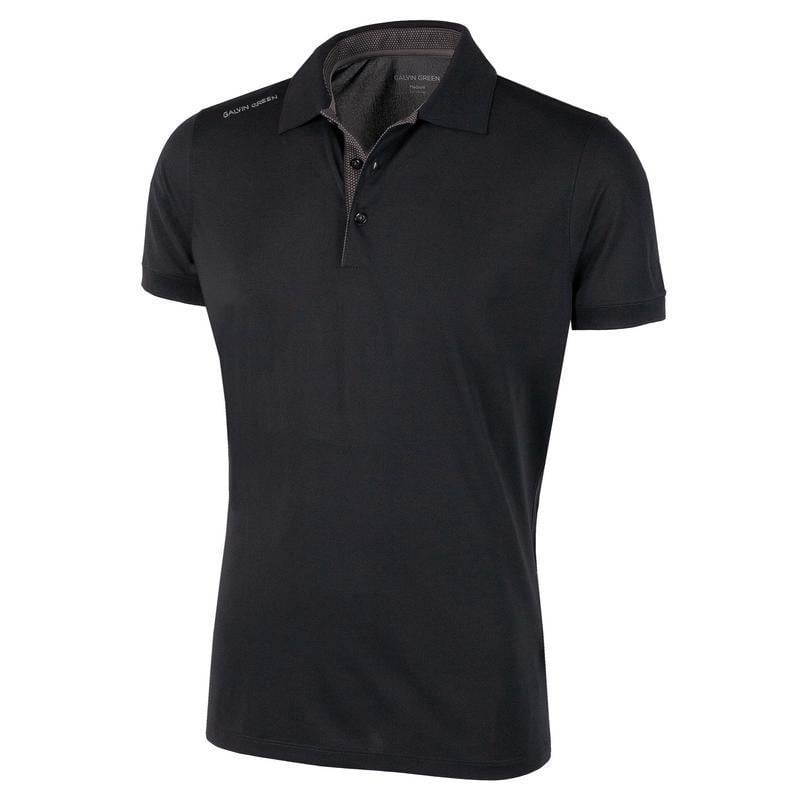
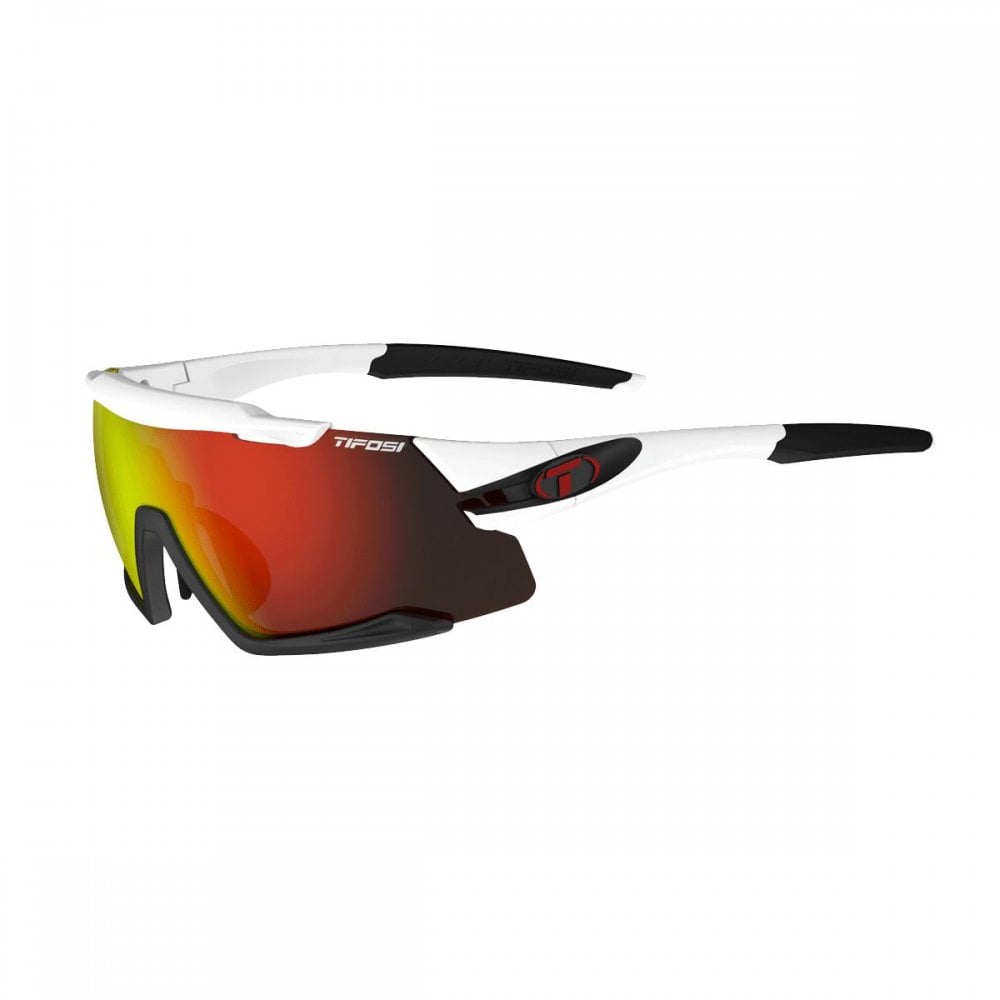
Sandbelt golf is warm, bright and firm underfoot, with cool mornings — pack for sun with a light layer for the first tee:
In a limited way. It's a private members' club, but overseas and interstate visitors who are members of a recognised golf club can request limited visitor tee times (usually early in the week) via the club's verification process, or play through a reciprocal-club arrangement or a Sandbelt golf tour operator. Check the current policy with the club.
What is the Composite Course at Royal Melbourne?
It's an 18-hole tournament layout combining the best holes of the West and East courses on the main property, so galleries never cross a public road. First used for the 1959 World Cup, it's the course played for the Presidents Cups (1998, 2011, 2019) and Australian Opens.
Who designed Royal Melbourne's West Course?
Alister MacKenzie — of Augusta National and Cypress Point fame — routed it in 1926, with Alex Russell supervising and Mick Morcom building the greens and bunkers; it opened in 1931. Tom Doak led restoration work in 2015–16.
When is the best time to play Royal Melbourne?
The Australian spring to autumn (November–April). It plays firmest and fastest in high summer, when the greens reach the pace that defines the test — which, for Northern-Hemisphere golfers, is your winter.
How do you get to Royal Melbourne?
It's at Black Rock in Melbourne's bayside south-east suburbs, about 30–45 minutes by car from the city centre and Melbourne Airport. A car is easiest, especially for pairing it with other Sandbelt clubs.