Royal Lytham & St Annes golf guide: the Open links that starts with a par 3
An inland links hemmed by red-brick villas and a railway, bristling with 200-odd bunkers — and back on the Open rota in 2028. Home of Seve's car-park shot. How visitors play it, the history, the Dormy House, and when to go.
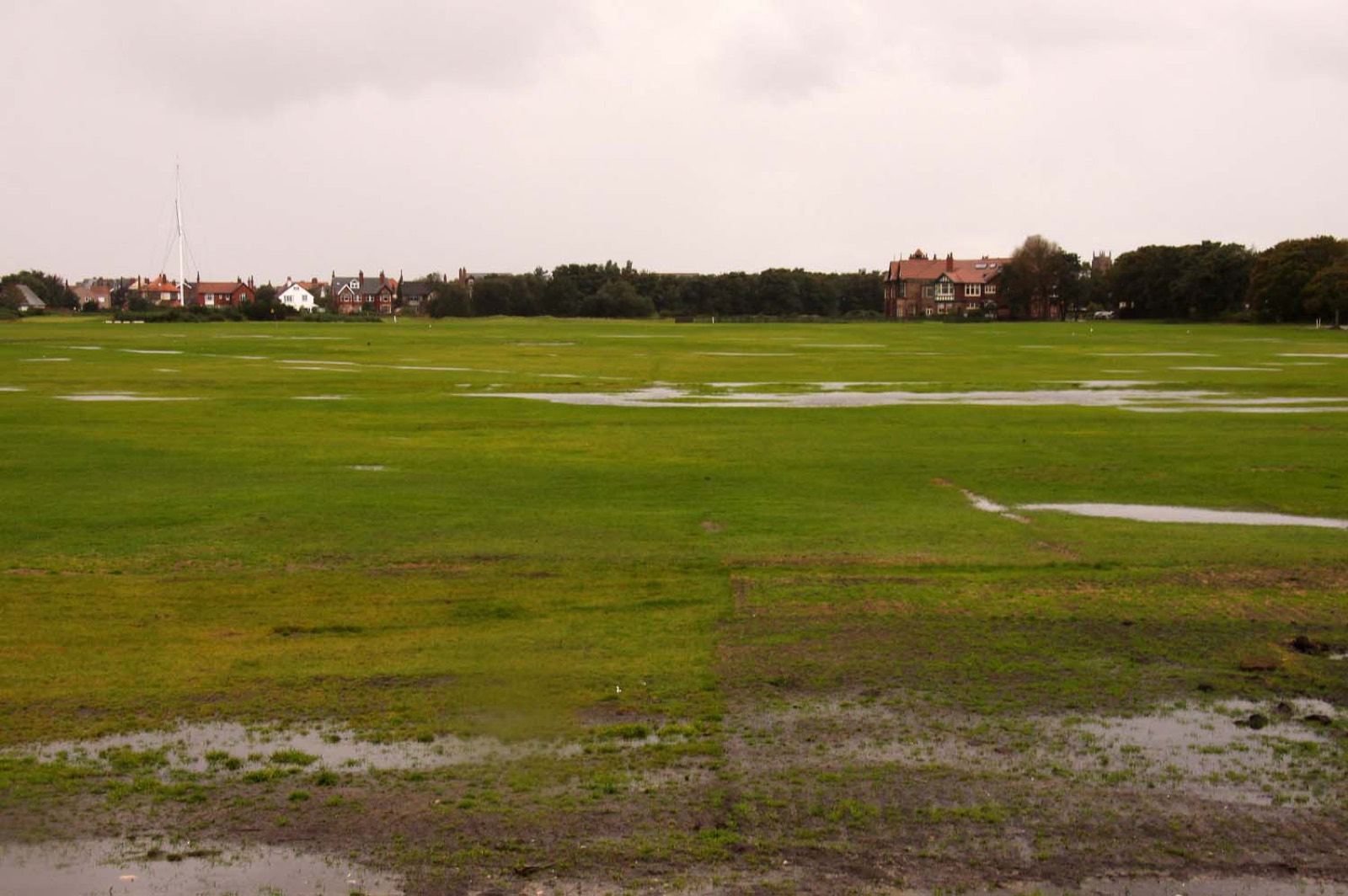
Royal Lytham & St Annes is the great contrarian among Open links. It doesn't sit on the sea — it's boxed in by red-brick Victorian villas and a railway line — and it opens, uniquely among Open venues, with a par 3. What it has instead of ocean views is teeth: more than 200 bunkers, a brutal closing stretch, and a century of championship history that runs from Bobby Jones to Seve Ballesteros to Ernie Els.
It's also freshly relevant: The Open returns to Lytham in 2028 for the first time since 2012. This guide covers how visitors play it, the holes and history that define it, the famous Dormy House, and when to go.
Where
Lytham St Annes, Fylde coast, Lancashire — near Blackpool
Course
The Championship Links (par 71, ~7,000 yds) — an inland links with 200+ bunkers
Founded
1886; refined by George Lowe, Harry Colt, Herbert Fowler & Tom Simpson
Nearest airport
Manchester (MAN) ~1hr; Liverpool (LPL) ~1hr
Best time
Late spring to early autumn for the firmest links and kindest weather
Access
Members' club with visitor tee times; on-site Dormy House for stay-and-play; handicap certificate required
The courses
The Championship Links
George Lowe; refined by Harry Colt, Herbert Fowler & Tom Simpson · 1897 (on the present site) · 18 holes · Links · par 71 · ~7,000 yds
11-time Open Championship host; returns to the Open rota in 2028
Lytham is a links in everything but the view. The turf is fast and sandy, the wind swirls unpredictably between the surrounding houses, and the defence is bunkering — well over 200 pot bunkers, cunningly placed exactly where a good-but-not-perfect shot finishes. It's the only Open venue to begin with a par 3, and it ends with one of the toughest four-hole runs in championship golf.
The layout has been shaped by a who's who of architects — George Lowe laid it out, and Harry Colt, Herbert Fowler and Tom Simpson all refined it — which is why it plays as such a complete, strategic examination. There are no weak holes and nowhere to hide; Lytham simply asks you to drive it straight and putt it well, then bunkers everything in between.
How visitors play Royal Lytham
Lytham is a members' club that welcomes visitors on set days through its bookings team, with a handicap certificate required and a proper links dress code in force. The jewel is the Dormy House — a 16-bedroom lodge built in 1911, yards from the 1st tee — which turns a visit into a stay-and-play: dinner, bed, breakfast and golf on one of the game's great championship links, with green fees discounted for residents.
Green fees are premium, particularly at weekends in summer — this is a major venue in constant demand — but the stay-and-play package softens that and makes for one of England's best golf-society or buddies-trip weekends. Book well ahead, especially with the 2028 Open pushing interest up.
The history
Few clubs pack in as much drama. Bobby Jones won the 1926 Open here — the first at Lytham, and Jones's first as the American amateur who'd go on to the Grand Slam. Bob Charles became the first left-handed major winner here in 1963; Tony Jacklin ended a long British drought in 1969; Gary Player won in 1974. But Lytham belongs to Seve Ballesteros: his 1979 victory, sealed with an audacious birdie from a temporary car park beside the 16th, is one of the most famous shots in Open history, and he won again in 1988 with a closing 65. Tom Lehman, David Duval and Ernie Els (2012) followed. Walking the closing holes here is walking through the modern history of the Championship.
The finish
Lytham is defined by its brutal closing stretch. From the 15th home, the bunkers multiply and the wind rarely helps; the par-4 17th is where Seve played his car-park escape, and the par-4 18th — framed by the red-brick clubhouse rather than a grandstand of dunes — has settled more Opens than almost any hole in England. For a visitor, that's the appeal: you finish over the exact ground where Claret Jugs have been won and lost, with a scorecard that will have been decided as much by the sand as by your swing.
When to go & how to build the trip
Late spring to early autumn brings the firmest links and the best chance of settled weather, though the Fylde-coast wind is a constant. Lytham combines superbly with England's Golf Coast just across the Ribble estuary: Royal Birkdale and the Southport links are a short drive south, and Royal Liverpool at Hoylake is comfortably reachable too — three Open venues in one compact north-west trip. Blackpool and the Lancashire coast give you plenty of non-golf options for a mixed group.
What to pack
The kit this trip demands
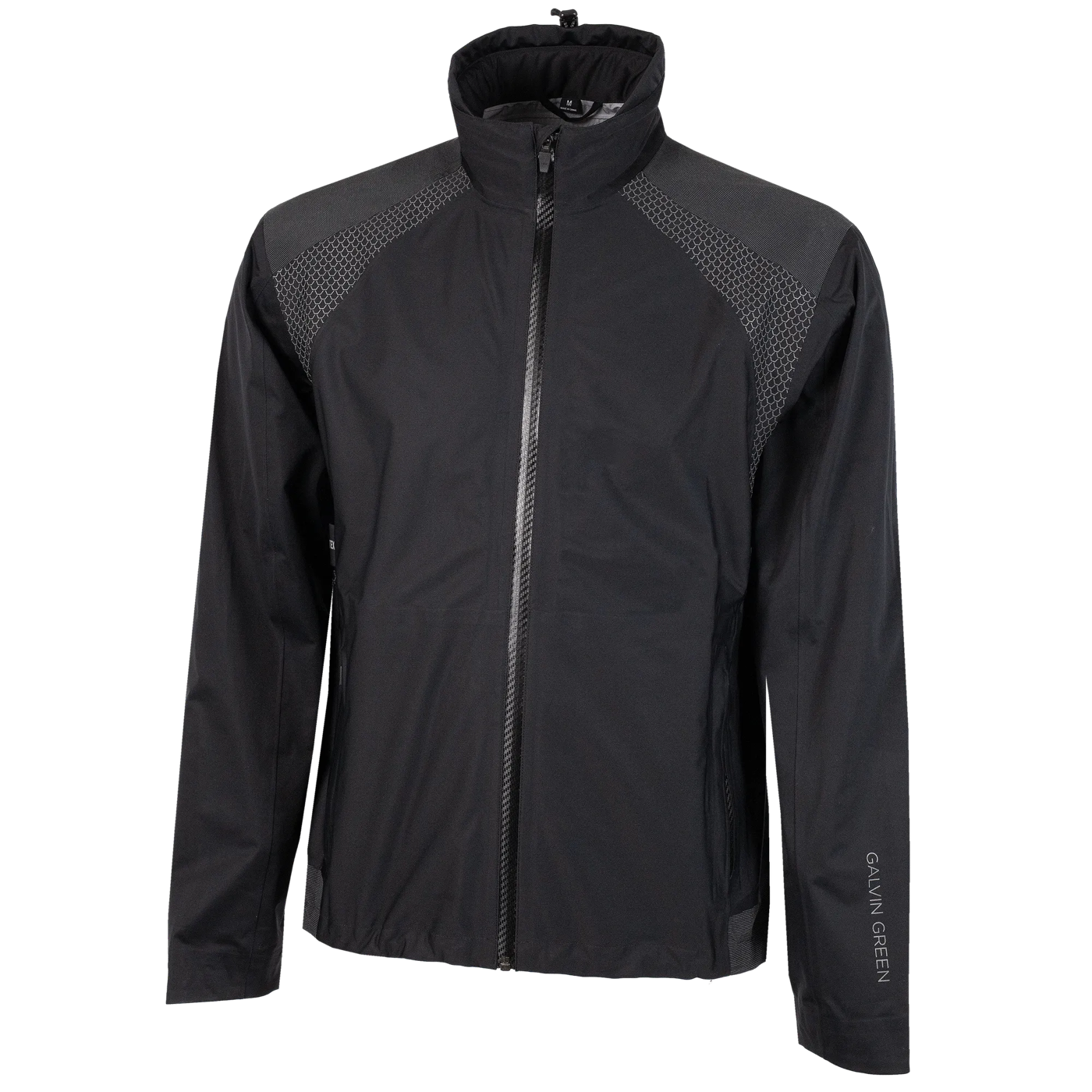
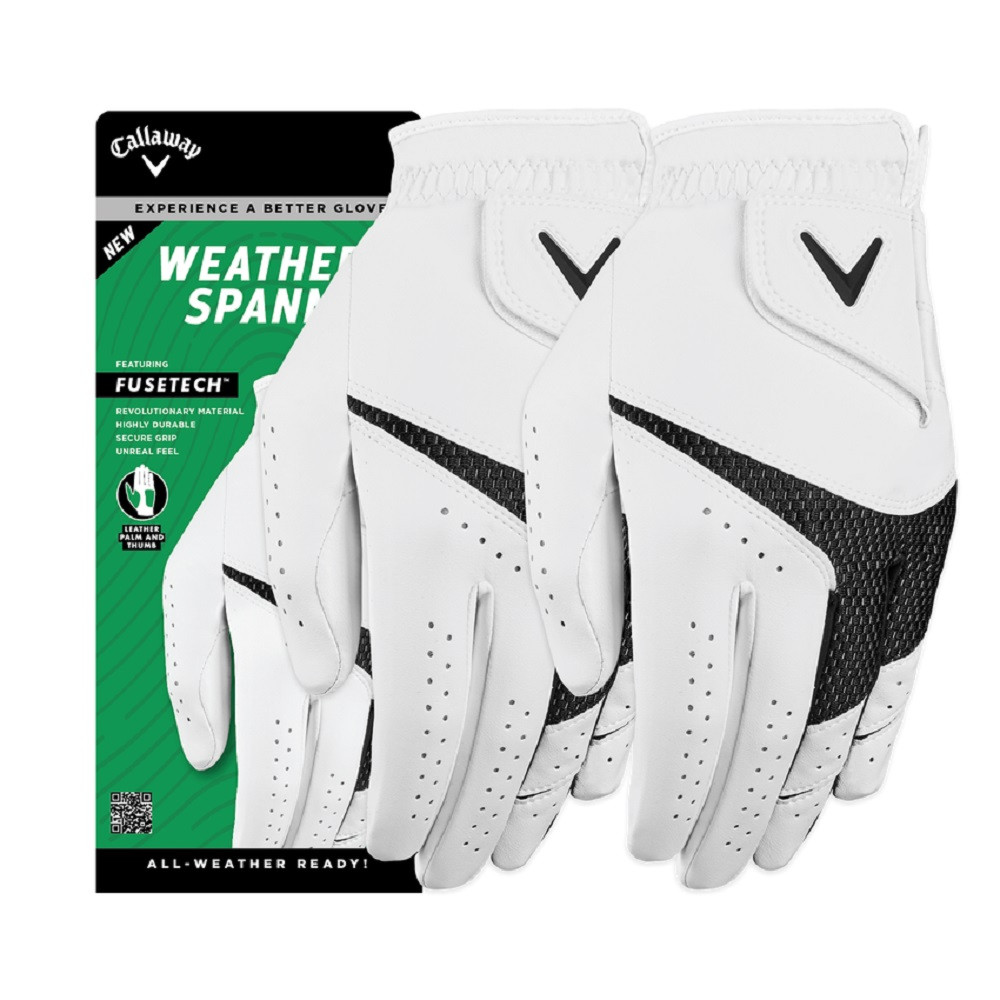
Lytham is fast, bunkered links golf in a Lancashire coastal wind — pack weatherproofing and something to help you escape the sand and commit in the breeze:
Yes, on set days. Lytham is a members' club that takes visitor bookings through its bookings team, requires a handicap certificate and enforces a links dress code. Staying at the on-site Dormy House unlocks discounted golf and is the classic way to play it.
Why is Royal Lytham famous?
It's an 11-time Open Championship venue — returning to the rota in 2028 — with a champions' list from Bobby Jones (1926) to Ernie Els (2012). It's best known for Seve Ballesteros's 1979 win, sealed with a famous birdie from a car park beside the 16th, and for being the only Open venue that starts with a par 3.
What is the Dormy House at Royal Lytham?
The Dormy House is the club's on-site lodge, built in 1911, with 16 en-suite bedrooms just yards from the 1st tee. It lets visitors book a stay-and-play package — dinner, bed, breakfast and golf — with green fees discounted for residents.
When does The Open return to Royal Lytham?
The Open Championship returns to Royal Lytham & St Annes in 2028 (the 156th Open), its first time hosting since Ernie Els won there in 2012. Demand for visitor tee times tends to rise in the run-up to a hosting year.