Golf in Iceland guide: the Arctic Open & midnight-sun golf
In an Icelandic June the sun never really sets — so you can tee off at midnight. The Arctic Open at Akureyri is the headline, but the whole country is a golf-mad, lava-links novelty. How it works, where to play, and when to go.
Iceland offers something no other golf destination can: a full round played at midnight in broad daylight. Sitting just below the Arctic Circle, the country barely gets dark around the summer solstice, and its golfers make the most of it — most famously at the Arctic Open in Akureyri, where tee times run through the small hours under the midnight sun.
Beyond the novelty, Iceland is genuinely golf-mad — one of the highest rates of participation anywhere — with public, affordable courses draped over lava fields and along fjords. This guide covers how midnight-sun golf works, the courses to know (Akureyri and Keilir), and when and how to plan a trip.
Where
Akureyri in the north (the Arctic Open) and Keilir near Reykjavík — plus ~60 more courses
The hook
Midnight-sun golf: play through the night around the June solstice
Headline event
The Arctic Open at Akureyri — a four-day international event held since 1986
Getting there
Fly to Keflavík (KEF) for Reykjavík courses; Akureyri (AEY) by short domestic flight or ~5hr drive
Best time
Season ~May–September; midnight sun mid-June to early July
Access
Public and affordable — book tee times (and night golf) in advance
Recognised as the world's most northerly 18-hole course; home of the Arctic Open
Set in a sheltered valley above the Eyjafjörður fjord in northern Iceland, Jaðarsvöllur is a surprisingly lush, tree-lined course given the latitude, ringed by mountains. It's recognised as the most northerly 18-hole course in the world, and every June it hosts the Arctic Open, a four-day championship — running since 1986 — where rounds are played deep into the 'night' under a sun that never sets.
Playing here around the solstice is the whole point: teeing off at 11pm or midnight, in shirtsleeves-to-warm-layers weather, with full daylight and the fjord glowing, is an experience no other course on earth quite matches.
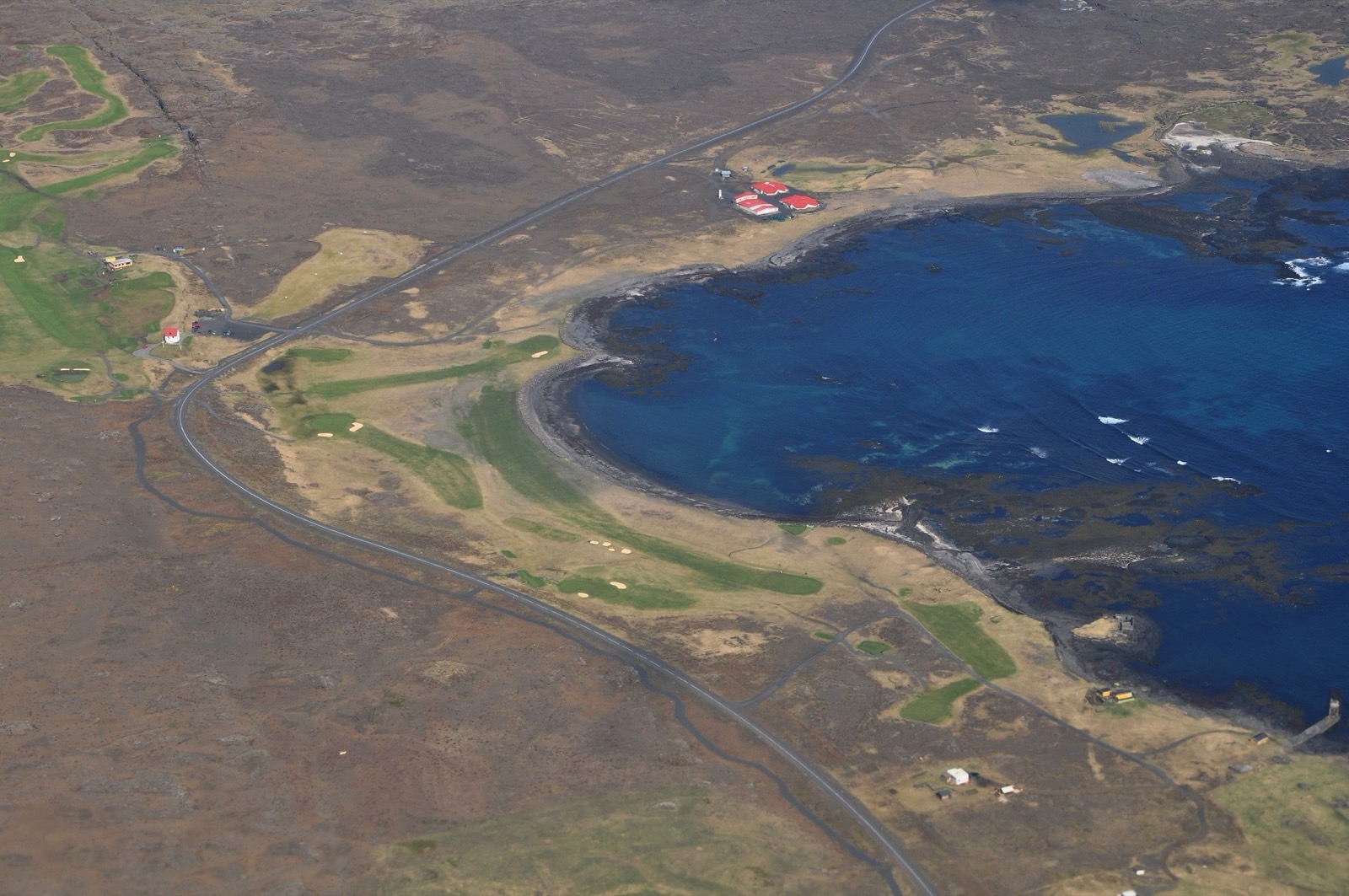
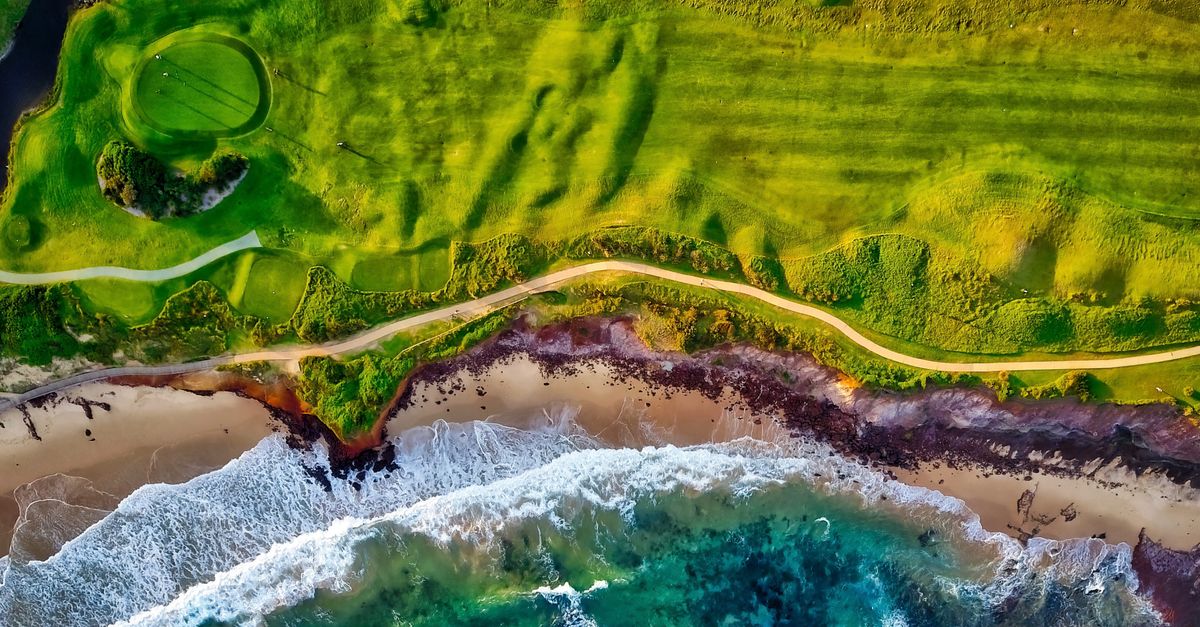
Just south-west of Reykjavík at Hafnarfjörður, Keilir is one of Iceland's most characterful and accessible courses — a front nine threaded across a rugged coastal lava field, where hardened lava forms natural hazards, and a back nine climbing the slopes of Mount Keilir for wide views. It's the easy pick for midnight golf if you're based in the capital rather than travelling north.
How midnight-sun golf works
Around the summer solstice (roughly mid-June to early July), Iceland gets close to 24 hours of usable light, so courses sell midnight tee times and clubs run late into the 'night'. It's not a free-for-all — you book night golf in advance — but the experience is unforgettable: a normal round, in full daylight, at an hour you'd usually be asleep. Bring layers (it's cool and can be windy even in summer) and expect firm, fast, quirky turf.
Iceland's courses are public and inexpensive by international standards, and the country is small, so you can combine golf with the classic sights — waterfalls, geysers, hot springs — very easily. Clubs rent, and green fees are a fraction of marquee courses elsewhere.
The Arctic Open
The headline event is the Arctic Open at Akureyri, held since 1986 over the solstice weekend. It's an open, four-day championship that welcomes visiting amateurs alongside professionals, with rounds scheduled through the midnight-sun hours — the sort of bucket-list entry that golfers travel across the world for. Even if you're not competing, timing a visit to Akureyri around late June lets you experience the atmosphere and play the world's most northerly 18-hole course when its daylight is at its most surreal.
When to go
Iceland's golf season is short — roughly May to September — with the solstice window (mid-June to early July) the magic time for midnight golf and the Arctic Open. July and August are the warmest and most reliable months generally. Outside summer, daylight shrinks fast and courses close, so this is firmly a summer-only golf destination. Whenever you play, pack for cool, changeable, windy weather — Icelandic 'summer' is relative.
How to build the trip
Most trips start in Reykjavík, a short drive from Keflavík Airport and within reach of several good courses including Keilir — ideal for a first taste of Icelandic (and midnight) golf. To play Akureyri and the Arctic Open, hop a short domestic flight north or drive the spectacular ~5 hours up. Either way, golf pairs perfectly with Iceland's greatest hits — the Golden Circle, the south-coast waterfalls, whale-watching from Akureyri and a soak in a hot spring after a midnight round — making this as much a bucket-list holiday as a golf trip.
What to pack
The kit this trip demands
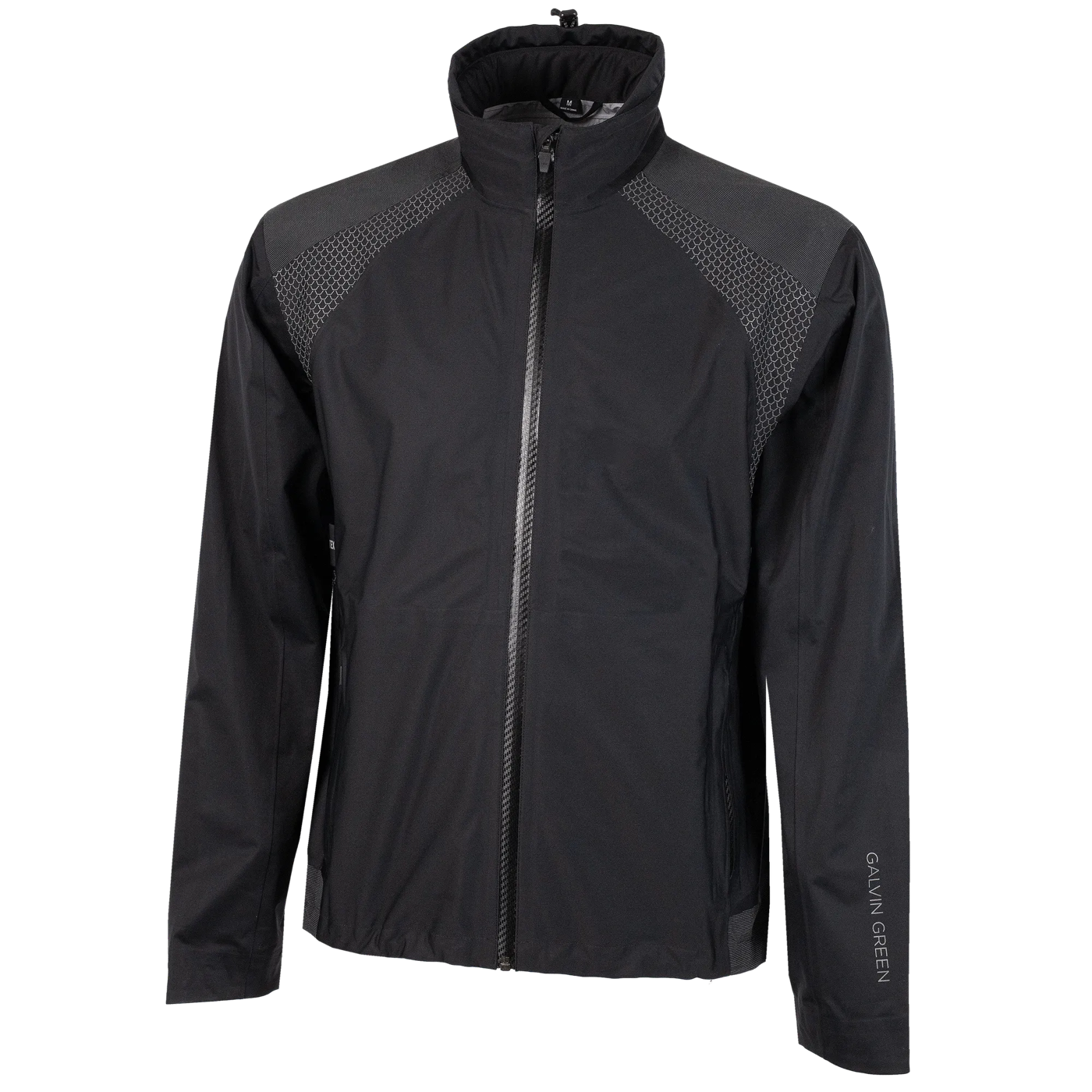
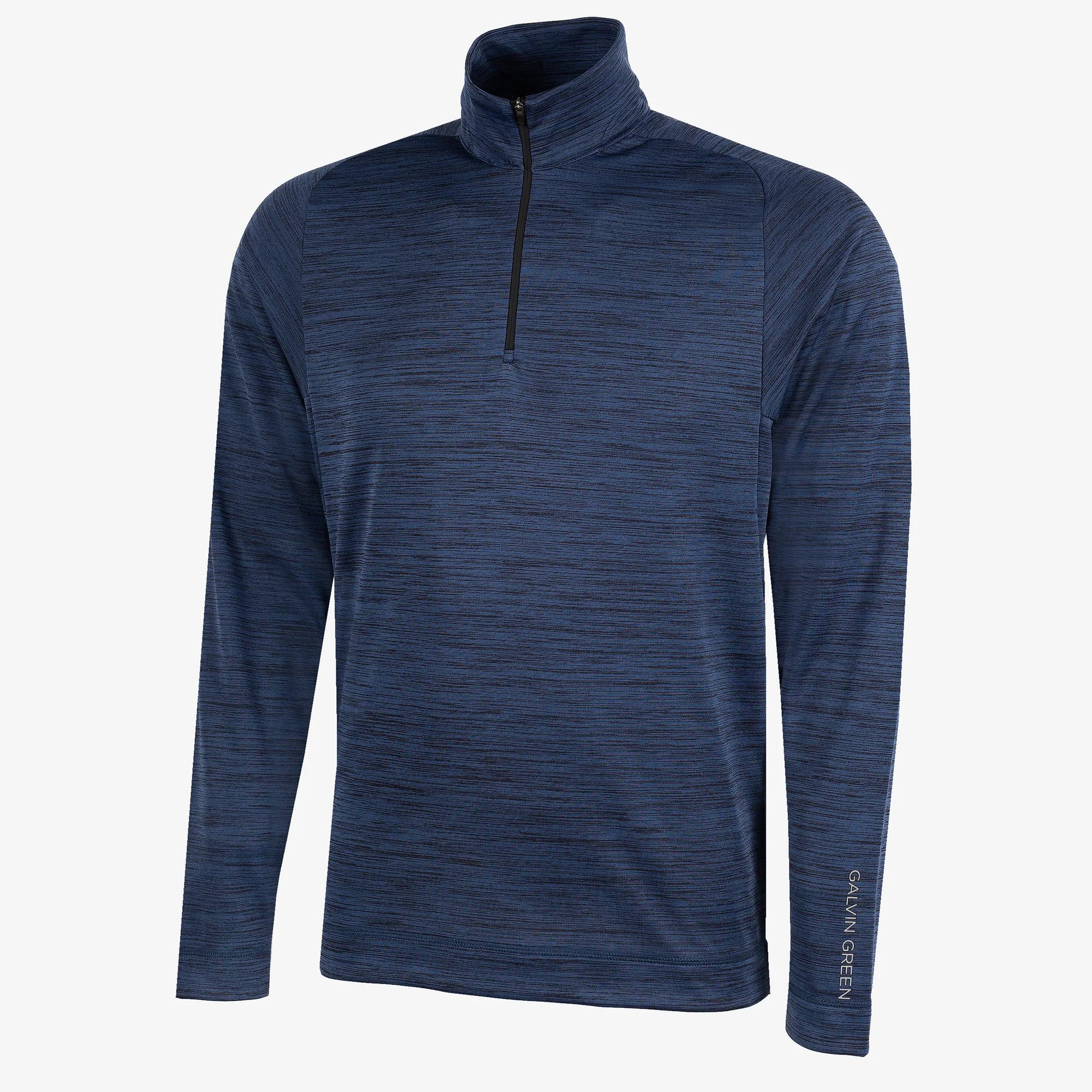
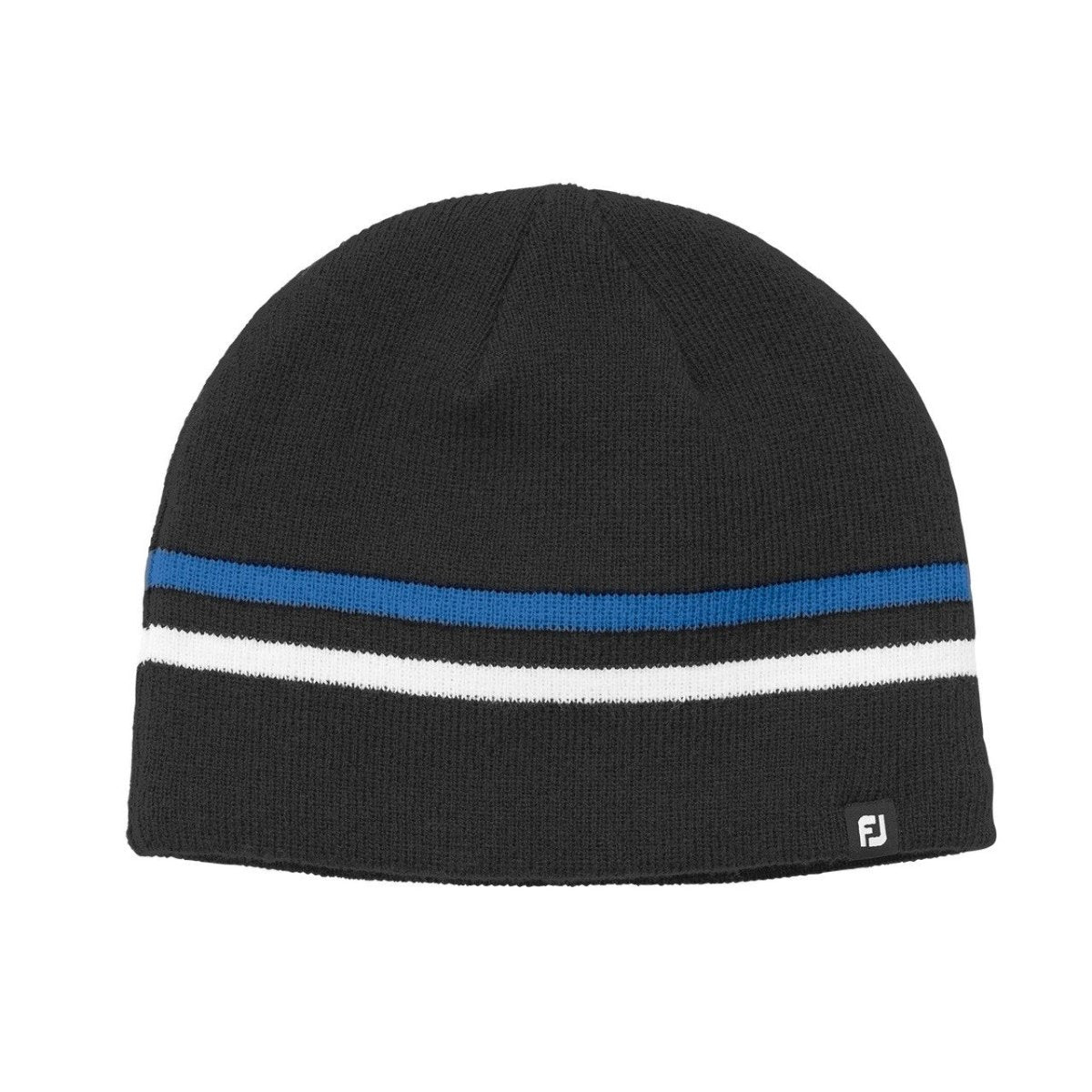
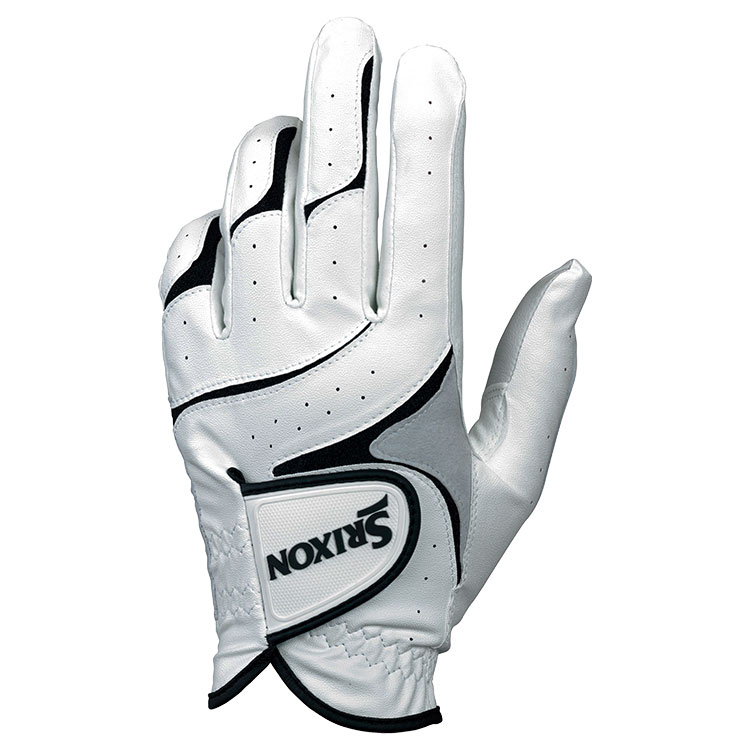
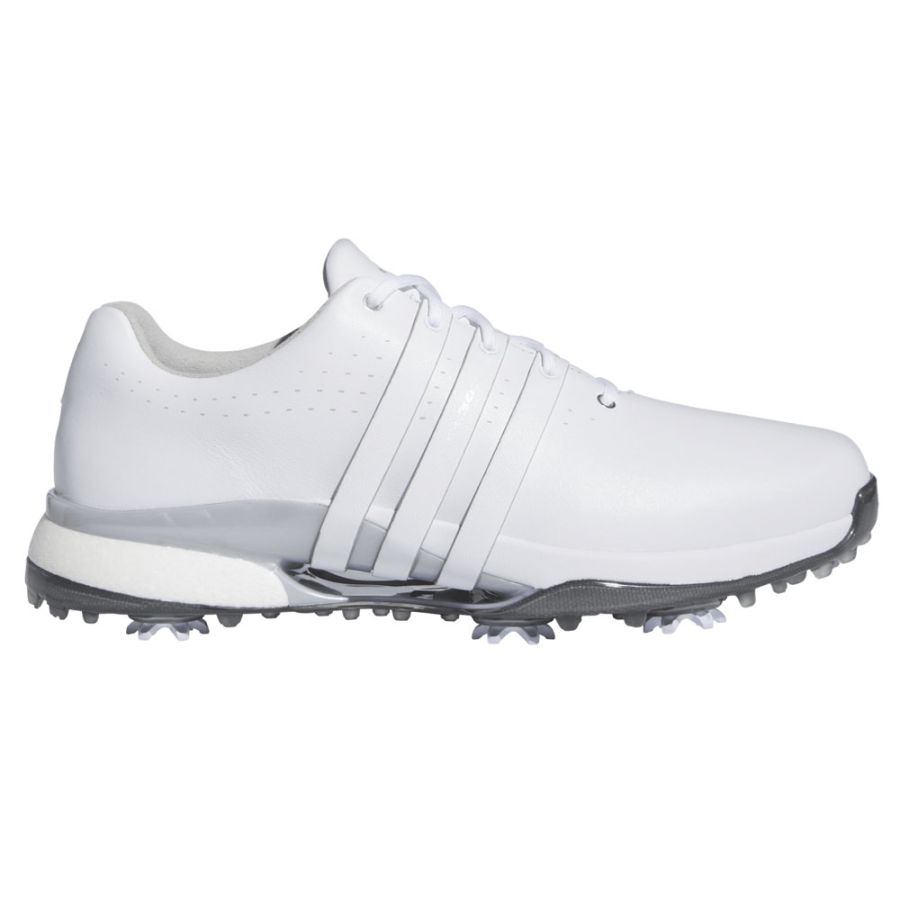
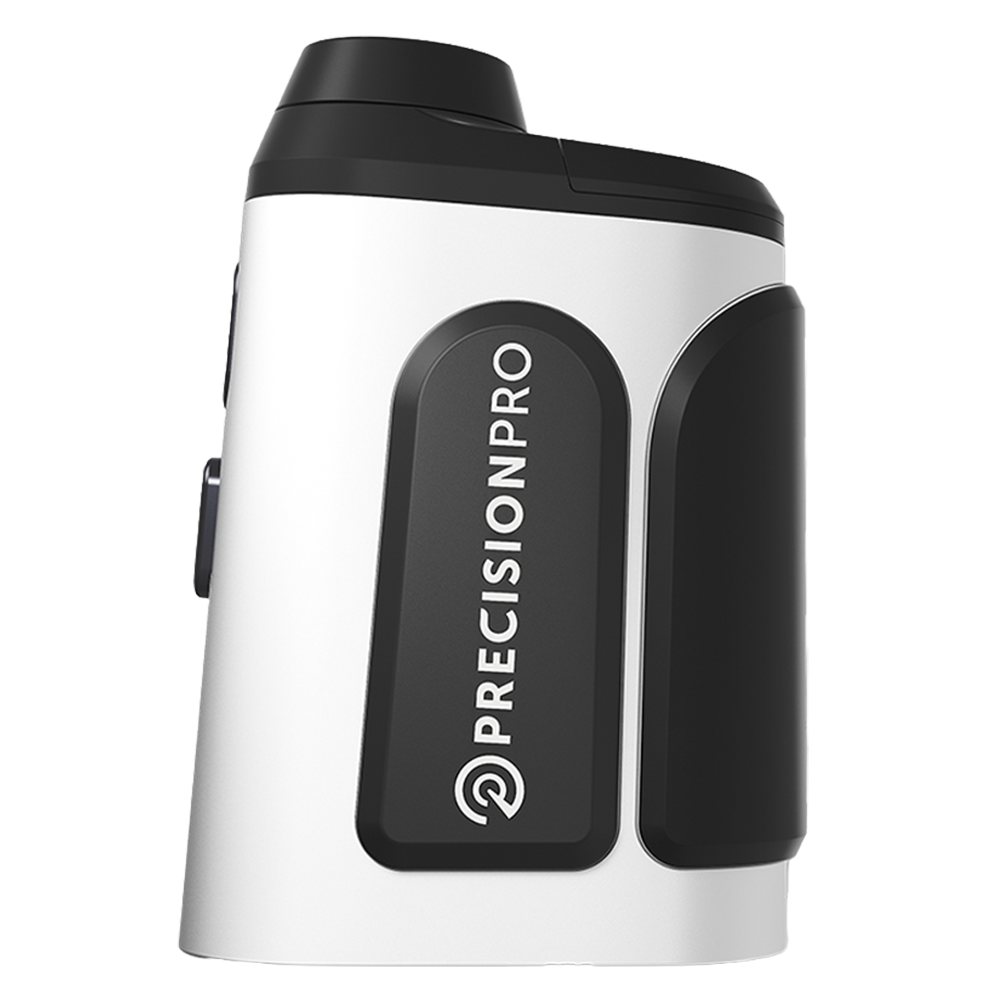
Icelandic golf is cool, windy and often wet even at midnight in June — pack proper links weatherproofing and warm layers:
Yes. Around the summer solstice (roughly mid-June to early July), Iceland gets close to 24 hours of usable daylight, so courses sell midnight tee times and clubs run late into the night. You book night golf in advance — it's a normal round played in full daylight at an hour you'd usually be asleep.
What is the Arctic Open?
The Arctic Open is a four-day international championship held at Akureyri Golf Club in northern Iceland over the summer solstice, first staged in 1986. It welcomes visiting amateurs alongside professionals, with rounds played through the midnight-sun hours on the world's most northerly 18-hole course.
Where should you play golf in Iceland?
Two courses stand out for visitors: Akureyri (Jaðarsvöllur) in the north — the most northerly 18-hole course in the world and home of the Arctic Open — and Keilir, a lava-field links just south-west of Reykjavík that's the easy pick if you're based in the capital. Iceland has around 60 more, all public and affordable.
When is the best time for a golf trip to Iceland?
The season is short — roughly May to September — with the solstice window of mid-June to early July the magic time for midnight golf and the Arctic Open. July and August are warmest overall. Outside summer, daylight shrinks fast and courses close, so it's a summer-only golf destination.