
Two of the three autumn local rules aren't Rules of Golf at all — they're your club's call
Preferred lies, temporary greens and the plugged ball. Two of the three are decisions your club made rather than Rules of Golf, and almost nobody reads the card that tells them which.
By Tom Whitaker · Staff Writer
 Explained
The first genuinely wet morning arrives some time in October and the whole club behaves as though it has never happened before. There is a laminated notice by the first tee that was not there last week. Somebody in the fourball in front is standing in the middle of the fairway holding a ball at arm's length, turning it over, looking for someone to ask. Two holes later a group will spend four minutes debating whether a green with a hole cut twenty yards short of it still counts.
Nearly all of that confusion comes from one misunderstanding. Preferred lies and temporary greens are not Rules of Golf. They are local decisions your committee made, written on a card almost nobody reads, and the version most golfers apply is a half-remembered composite of what someone told them in 2014.
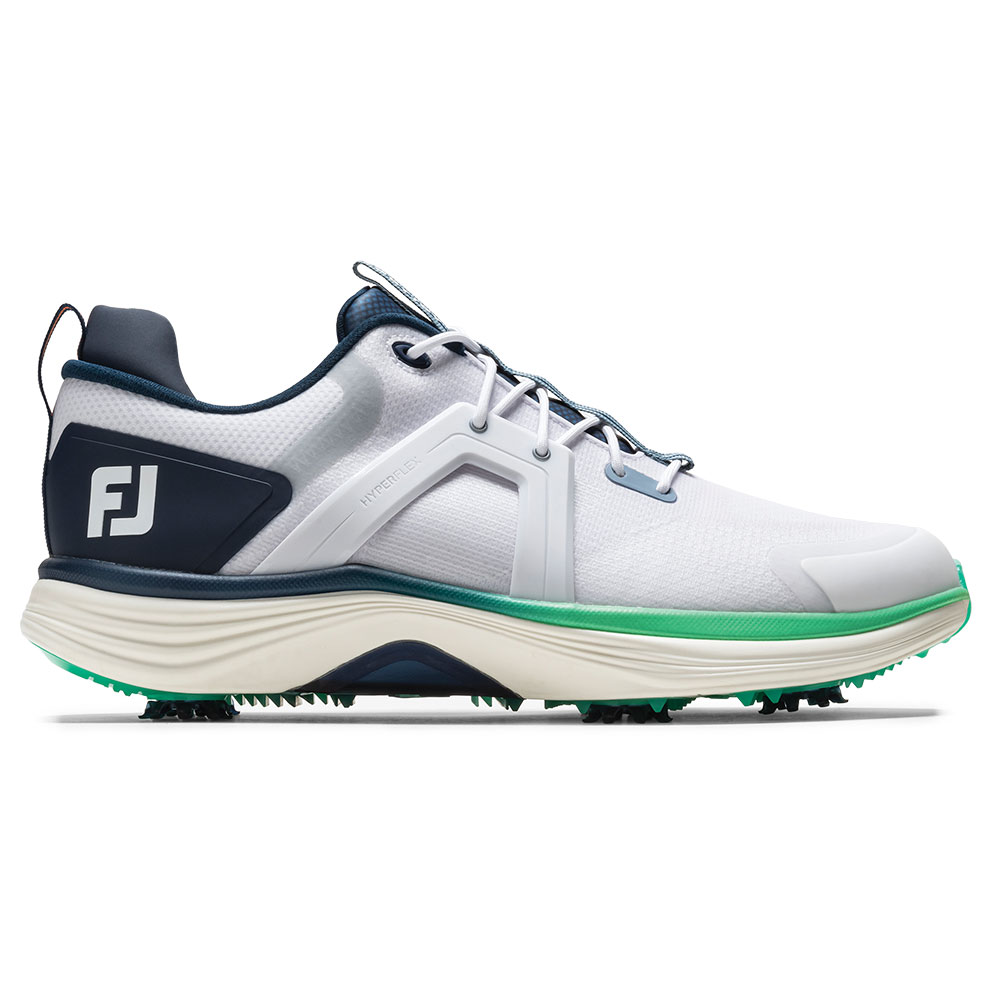
The season starts with the shoes, incidentally. The FootJoy HyperFlex is the sort of thing worth sorting before the ground goes, because a round spent skidding on a wet downslope produces far worse decisions than a round spent reading a card.
Preferred lies are a decision, not a rule
There is no rule of golf called winter rules. What your club is putting into effect is Model Local Rule E-3, which the committee may adopt when adverse weather has left the course in poor condition, and which the R&A says should end as soon as conditions improve. Everything that follows from it is set by the committee, not by you.
The reference point is the spot of the original ball. The size of the relief area is whatever the local rule specifies, and the published options a committee chooses from include one club-length, one scorecard length or six inches. That number can also be set or limited by the local handicapping authority. Two limits always apply: the new spot must not be nearer the hole than the reference point, and it must be in the general area.
Three things golfers routinely get wrong here. First, you place the ball, you do not drop it, and the procedure is the same one used for replacing a ball. Second, you may lift, clean and place it, which is where the phrase comes from, but it is a one-time relief: if the wind then moves your placed ball, you do not get to prefer the lie again. Third, marking the ball first is recommended by the R&A but there is no penalty if you forget. And the relief usually applies only where the local rule says it does, which for most clubs means ground cut to fairway height or less. Rough is rough in November too.
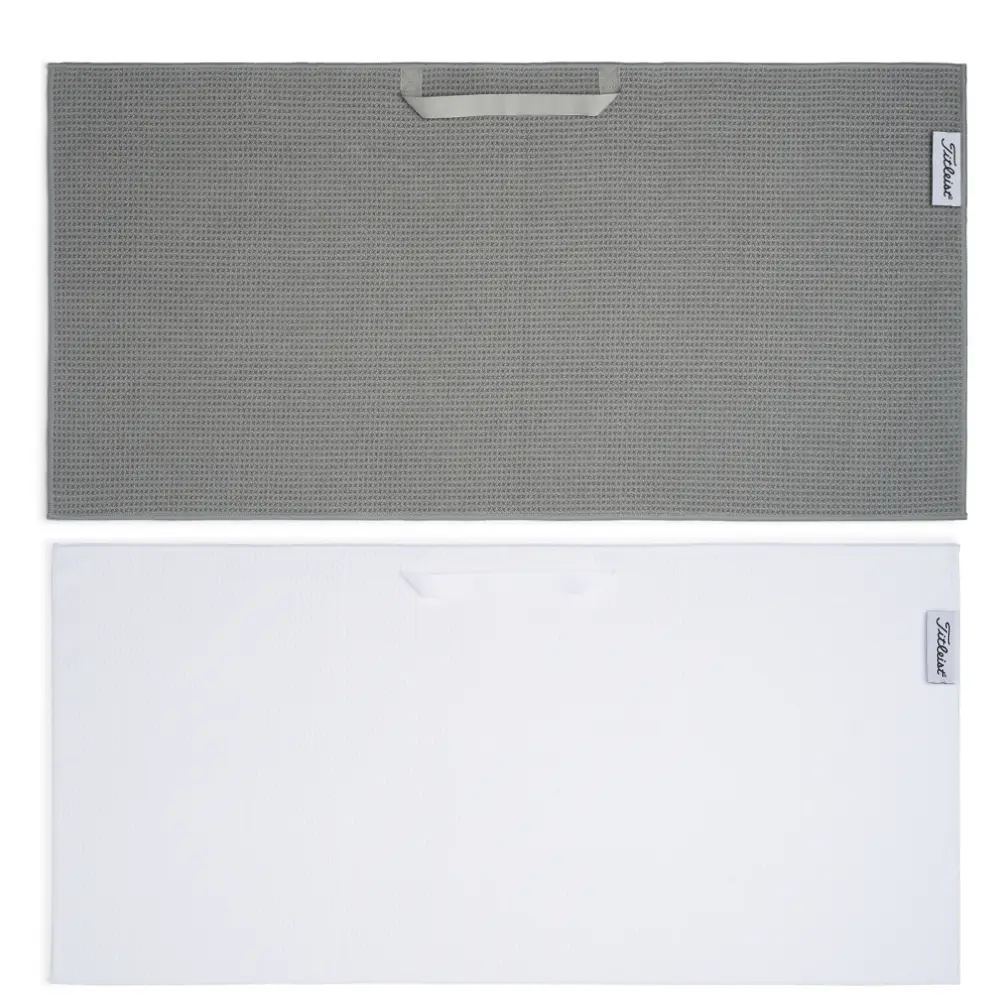
This is the one week of the year when a proper towel stops being a nicety. A preferred lie you cannot actually clean the ball for is half the relief you were entitled to, and the Titleist Players towel is thick microfibre with a clip rather than the thin freebie that just moves the mud around.
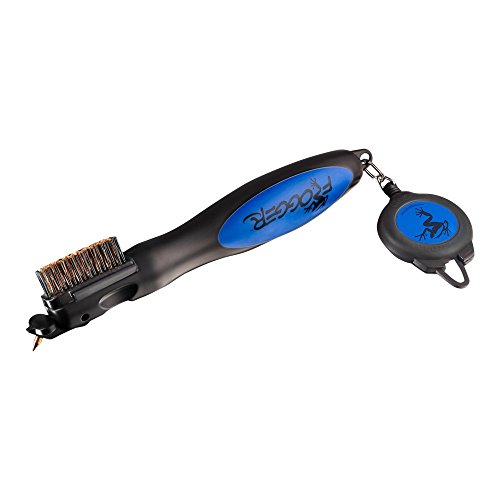
Same logic on the clubface. Clean grooves are the difference between a wedge that checks and one that skids off a wet green, and the Frogger BrushPro sits on a retractable cord with nylon bristles one side and brass the other, so it is actually there when the fairway is not.
Temporary greens: the real green is now a wrong green
This is the one that surprises people. Once the committee has put a temporary green in play for a hole, the green it replaced is no longer the putting green for that hole. It becomes a wrong green, and under Rule 13.1f relief from a wrong green is mandatory. You do not have the option of playing it as it lies.
Interference is not limited to the ball sitting on the surface either. It exists if any part of your ball touches the wrong green, or if the wrong green physically interferes with your intended stance or the area of your intended swing. So the classic autumn scene, ball just off the edge of the roped-off green with one foot on the putting surface, is a mandatory drop, not a decision. You take complete relief: the nearest point of complete relief in the same area of the course, then a one club-length relief area from there, no nearer the hole. Play from the wrong green instead and it is the general penalty, which is two strokes in stroke play or loss of hole in match play.
The practical problem alongside the rules problem is that nobody has measured the course to a temporary green. The sprinkler heads, the 150 posts and the yardage book all refer to a green you are not allowed to putt on.
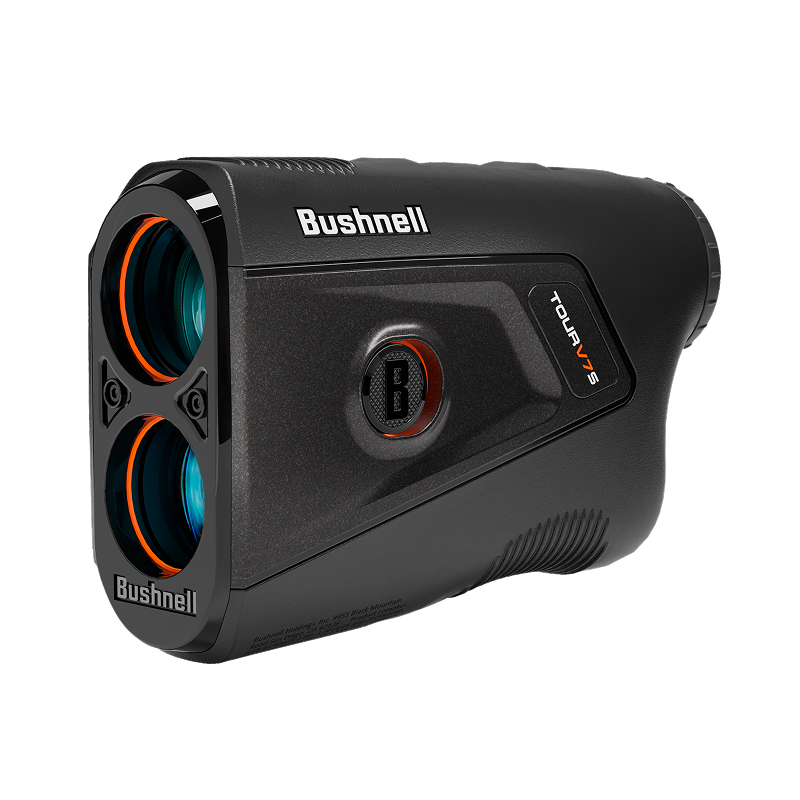
That is the single best argument for carrying a laser through the winter. The Bushnell Tour V7 Shift gives you a number to a flag nobody has surveyed, and its dual-colour display keeps the straight yardage and the slope-adjusted one visibly separate, which matters when the ground has stopped giving you any run at all.
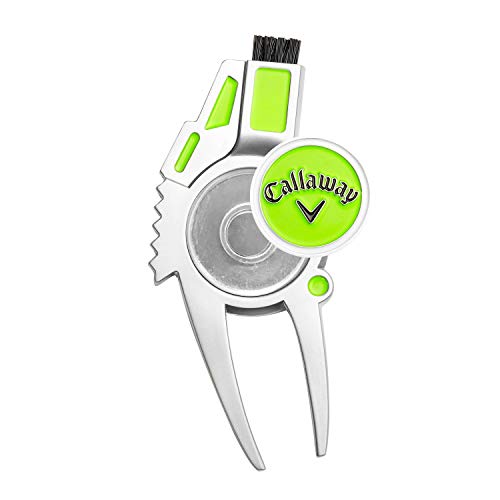
Soft ground also means every approach that does land pitches and stays. Repair the mark properly and repair it early, because greens recover slowly at this time of year. The Callaway 4-in-1 puts the fork, a brush, a groove sharpener and a marker in one pocket-sized tool.
Plugged, or just wet? Two different rules
The third annual argument is between the embedded ball rule and casual water, and golfers reach for the wrong one constantly.
Rule 16.3 covers the embedded ball, and the modern version is more generous than most club golfers realise: relief is allowed anywhere in the general area, not just on the fairway. But the definition is strict. Your ball is embedded only if it is in its own pitch-mark, made by your own previous stroke, and part of the ball is below the level of the ground. A ball sitting in someone else's old pitch-mark is not embedded. A ball sitting low in soft turf without breaking the surface is not embedded. Relief is also not available when the ball is embedded in sand in a part of the general area that is not cut to fairway height or less, which rules out the plugged lie in a wet sandy waste area that people most want it for.
Where it does apply, the procedure is a drop, not a place. The reference point is the spot in the general area right behind where the ball is embedded, the relief area is one club-length from there, and it must not be nearer the hole. On the putting green a plugged ball is different again: mark it, lift and clean it, repair the damage, and replace it on its original spot.
Casual water is Rule 16.1, one of the abnormal course conditions along with ground under repair, immovable obstructions and animal holes, and the bar for it is higher than a soggy fairway. Temporary water is an accumulation of water on the surface of the ground, outside a penalty area, that can be seen either before or after you take your stance, without pressing down excessively with your feet. Ground that is merely wet, muddy or soft is not temporary water. Water that appears for a moment as you tread and then vanishes is not temporary water. Dew and frost are specifically not temporary water, which is worth remembering on a still November morning. Where the condition does qualify, relief in the general area is free: nearest point of complete relief, one club-length, no nearer the hole, and complete relief from the interference rather than just enough to be able to swing.
What it does to your card
Here the honest answer is that it is not your call, and it is not really your committee's either. The R&A's own interpretation on scores made under temporary course conditions puts the decision with the authorised association: it is for them to determine whether scores made in those conditions are acceptable for handicap purposes, and they may also adjust the course and slope rating to reflect a temporarily altered course.
So the confident bloke on the tee who tells you it is not a qualifying round because there are two temporary greens may be right, and may equally be repeating something he heard in a different county a decade ago. The place to find out is the notice board, not the fourball.
The one habit worth adopting
Read the card in the car park. It takes fifteen seconds and it answers all three arguments before they start: whether preferred lies are in play, how big the relief area is, and which holes are on temporary greens. Everything above is what the Rules say when you do not have that information. The card is what the Rules say at your club, on that morning, and it is the only version that counts.
Products mentioned in this article
Titleist
Titleist Players Microfibre Golf Towel
Thick microfibre with a carabiner clip, because a preferred lie you cannot clean the ball for is half a relief.
Frogger
Frogger BrushPro Club Cleaning Brush
Retractable zip-cord brush with nylon and brass sides plus a groove spike, for the weeks when every strike is a wet one.
Callaway
Callaway 4-in-1 Divot Repair Tool
Repair fork, brush, groove sharpener and marker in one, and soft autumn greens need the fork more than summer ones do.
FootJoy
FootJoy HyperFlex
The knit-upper all-rounder with replaceable soft spikes, for the first genuinely wet morning of the season.
Bushnell
Bushnell Tour V7 Shift Laser Rangefinder
Dual-colour OLED display and slope, and the only reliable way to get a yardage to a temporary green nobody has measured.
ifrothgolf earns a commission on purchases made through these links, at no extra cost to you. It never changes what I recommend. Full disclosure.
Frequently asked
- Do you drop or place the ball under preferred lies?
- You place it. Model Local Rule E-3 uses the procedure for replacing a ball, so the ball is placed in the relief area rather than dropped. The reference point is the spot of the original ball, the relief area is whatever size the committee specified, and the ball must not be placed nearer the hole and must stay in the general area. It is a one-time relief, so if the ball then moves you do not get to prefer the lie a second time.
- What happens if my ball is on the normal green when a temporary green is in use?
- The normal green is a wrong green once a temporary green has replaced it for that hole, and Rule 13.1f makes relief mandatory. You must take complete relief from the nearest point of complete relief in the same area of the course, within one club-length and no nearer the hole. Playing the ball as it lies from a wrong green is the general penalty, meaning two strokes in stroke play or loss of hole in match play.
- When is a ball actually embedded under Rule 16.3?
- Only when it is in its own pitch-mark, made by the player's own previous stroke, and part of the ball is below the level of the ground. Relief is available anywhere in the general area, not just on the fairway, but not when the ball is embedded in sand in a part of the general area that is not cut to fairway height or less. Relief is taken by dropping in a one club-length relief area from the spot right behind where the ball was embedded, no nearer the hole.
- Is wet, muddy ground casual water?
- No. Temporary water under Rule 16.1 is an accumulation of water on the surface of the ground, outside a penalty area, that can be seen before or after you take your stance without pressing down excessively with your feet. Ground that is simply wet, muddy or soft does not qualify, water that appears only momentarily as you step does not qualify, and dew and frost are specifically excluded.
Read next
Review
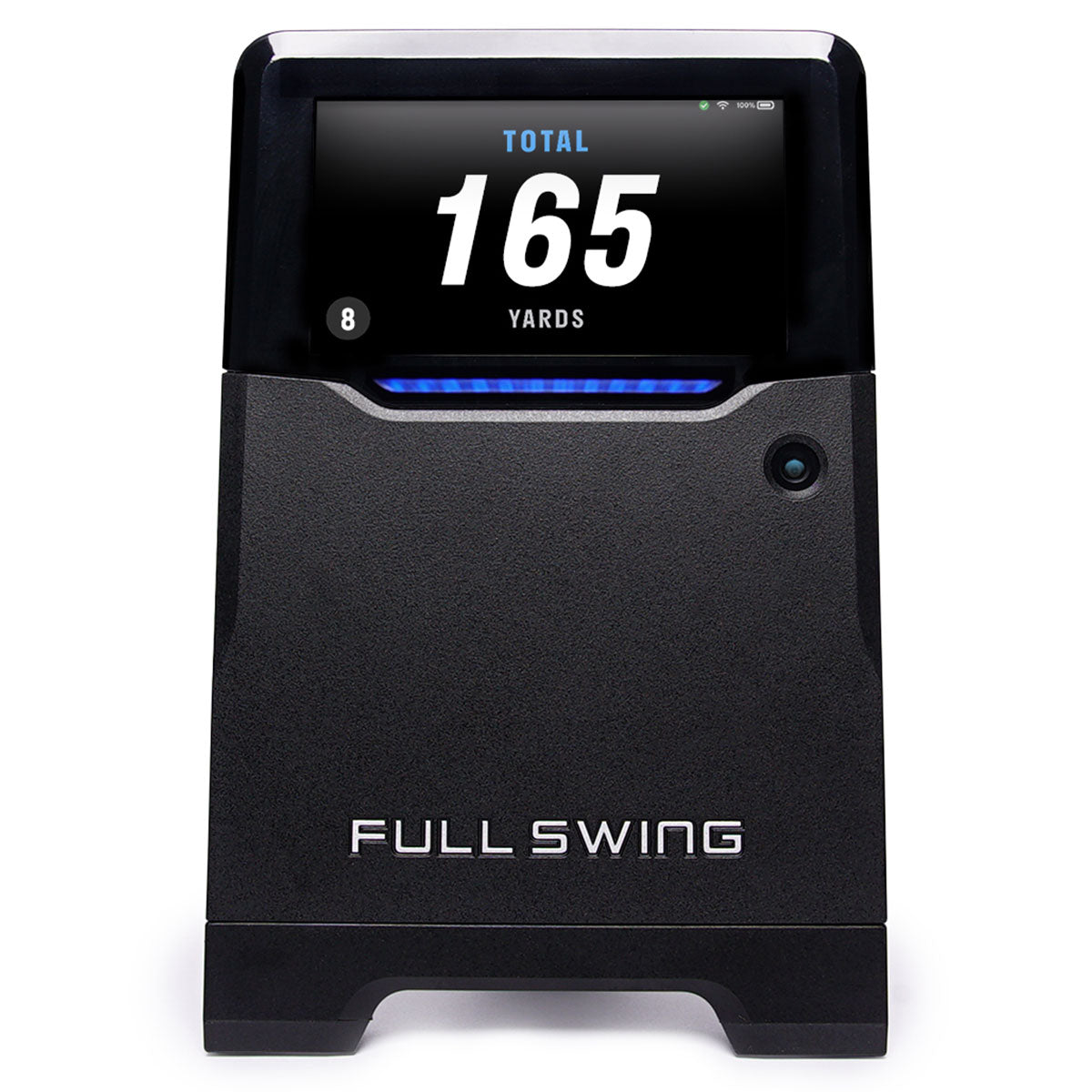
7.9/10Full Swing KIT review: the tape measure decides this, not Tiger
Tour pedigree, TGL on ESPN, and radar good enough to be checked against a Trackman outdoors. It also wants eighteen to twenty feet of room, which rules out most of the garages people buy it for.
Versus
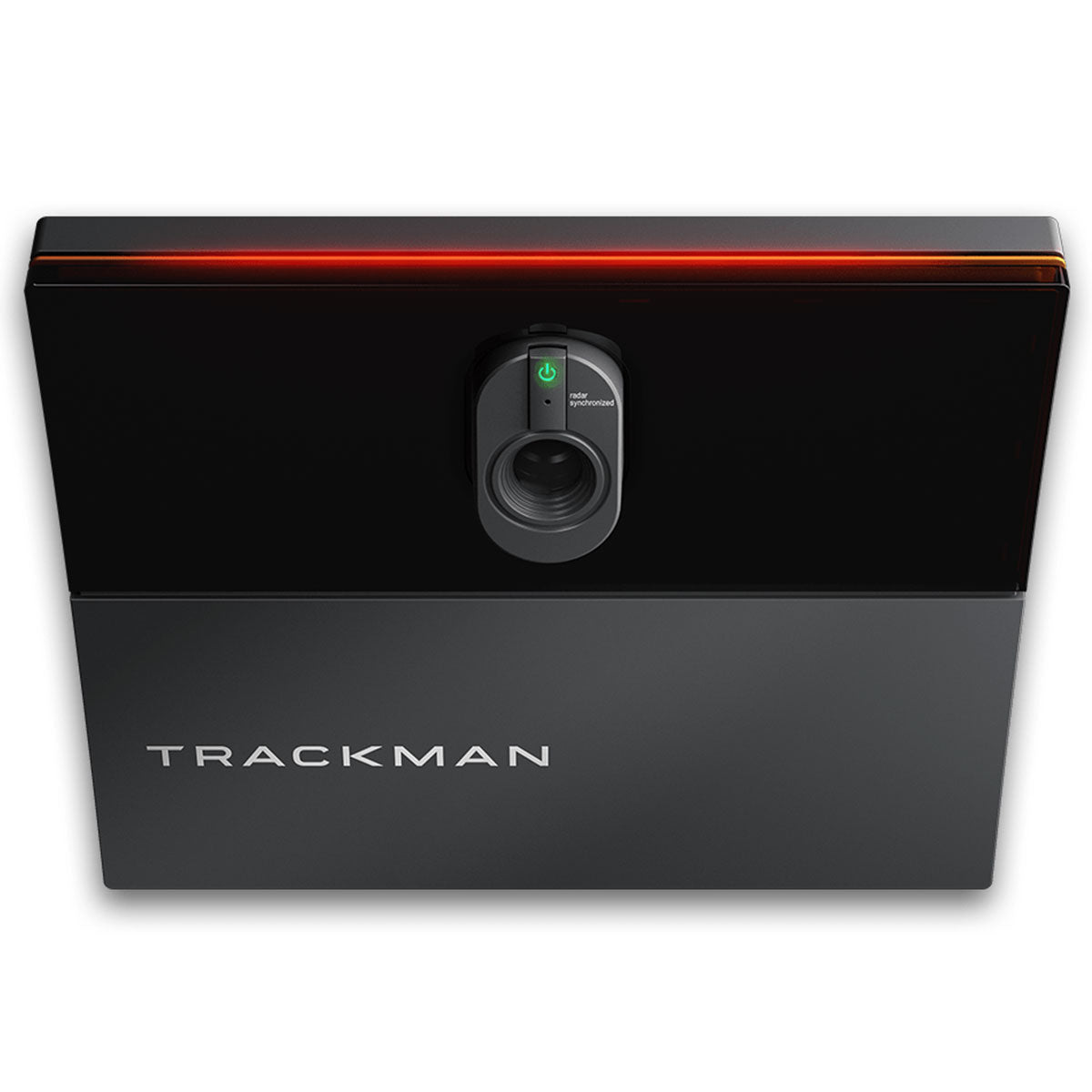
Trackman iO vs Uneekor EYE XO2: the year-one trap
Both mount overhead, both want ten feet of ceiling, and about $3,000 separates them on the shelf. Then Trackman's included first year runs out, and the gap starts growing by $1,100 a year.

Versus
Uneekor EYE XO2 vs Foresight GC3: ceiling or floor?
About $4,000 separates them, but they're not really rivals — one lives in your ceiling forever, the other sits on the floor and travels. The cheaper one is also the one with no subscription.