
The best short-game facility in town might be your backyard
America just played one of its busiest golf weekends of the year — and most of those strokes were lost inside 60 yards, not off the tee. A chipping net, a bag of foam balls and a putting mat turn a garden and a long July evening into the practice station that actually moves your handicap. Bonus: it's how kids and partners get into the game without ever facing a range.
By Tom Whitaker · Staff Writer
PuttOut
Pop-Up Golf Chipping Net
ifrothgolf earns a commission on purchases made through these links, at no extra cost to you. It never changes what I recommend. Full disclosure.
America just finished one of the busiest golf weekends of its year — a semiquincentennial July 4th that landed on a Saturday and filled every tee sheet in the country. Here's the uncomfortable follow-up question for everyone who posted a big number: where did the strokes actually go? Almost certainly not off the tee. For most amateurs the bulk of a round's shots happen inside 60 yards — chips, pitches and putts — and yet the standard response to a bad weekend is to drive to a range and hit drivers. There's a better facility available, it's twenty feet from your kitchen, and in early July it's open until nearly ten at night. This is the case for building a short-game station in your backyard — and the honest guide to the kit that makes it work.
The maths the range doesn't fix
Count your shots honestly and the pattern is brutal: the woods and long irons you love practising make up a minority of your score, while the half-shots, chips and putts you never practise make up most of it. That's why short-game practice is the highest-interest savings account in golf — and why the range is such a poor place to do it. Range mats lie about contact, range balls lie about spin, and nobody drives twenty minutes to hit 40-yard pitches. A backyard flips every one of those problems. The commute is zero, so ten spare minutes becomes ten minutes of reps. Real grass tells the truth about strike. And because the sessions are short and constant rather than long and rare, the practice actually compounds. The strokes-gained crowd has been saying it for a decade; summer evenings are when you can finally act on it.
Start with the chipping net
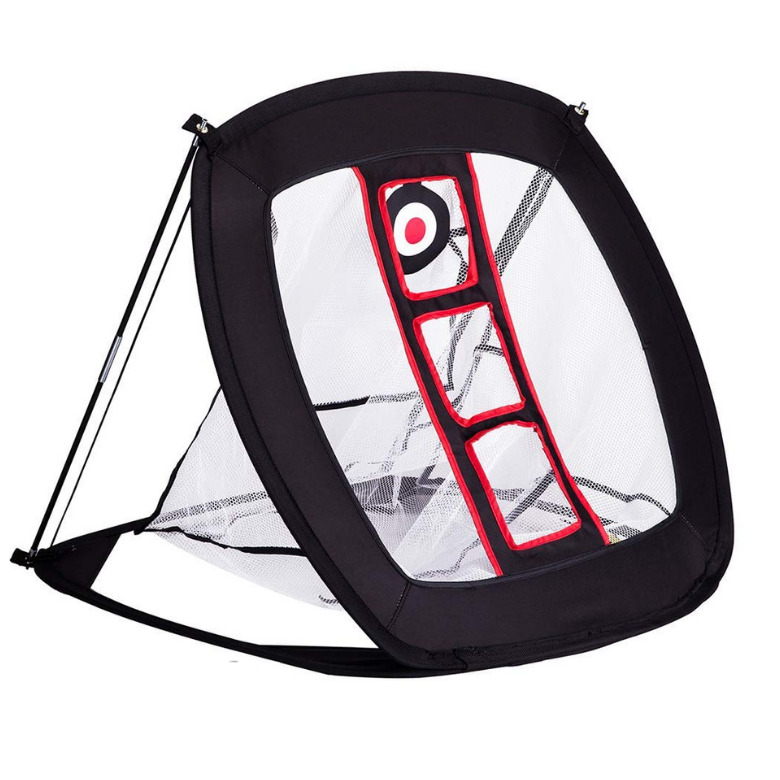
The cornerstone of the whole station is a pop-up chipping net — and the reason isn't the net, it's the game. Aimless chipping across a lawn dies of boredom in a week; a target with holes of varying difficulty turns the same reps into competition, and competition is what keeps you coming back on a Tuesday evening. It pops up and folds flat in seconds, lives in the garage or the trunk, and costs about as little as anything in golf that genuinely lowers scores. The honest limit: it's for chipping and pitching, not full shots — don't take a driver to it. But as a target for the 10-to-40-yard shots that decide your score, it's the best money-to-strokes ratio on this page.
Foam balls — and the honest truth about them
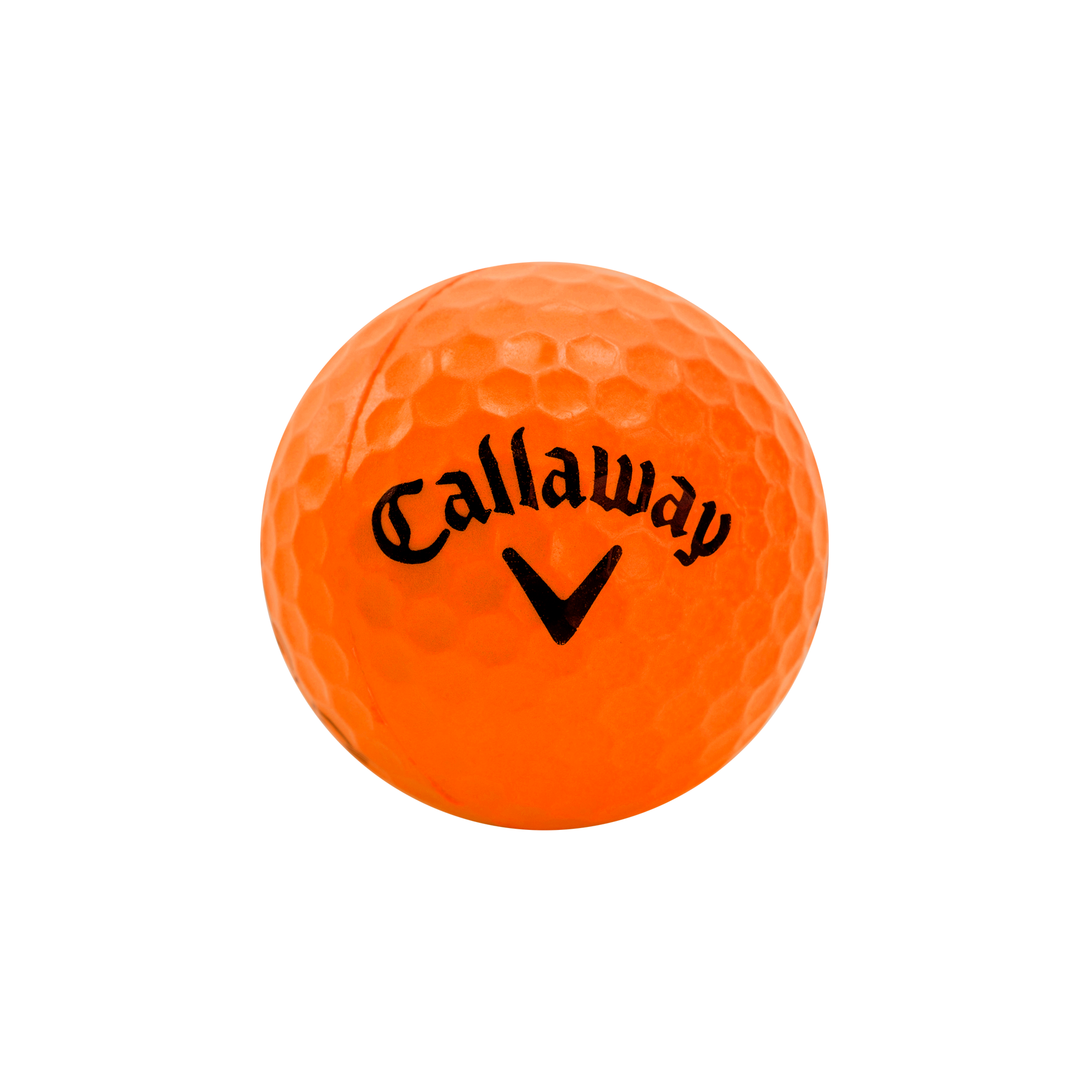
If your garden has windows, neighbours or a greenhouse anywhere in range, foam practice balls are the difference between practising freely and practising scared. Callaway's HX foam balls are the best of a patchy category: the hex pattern gives them a believable trajectory, and they'll actually fade or draw if you put a poor swing on them — real feedback, which most foam balls don't offer. A clean strike into a fence panel is a non-event. Now the honesty: foam is foam. They fly a fraction of real distance, wind turns them into a lottery, and they behave nothing like a real ball off a driver. Treat them as a strike-and-shape trainer for wedges and short irons, not a substitute for the range, and treat the pack as a consumable — they scuff and dent over a season. Within those limits, they're what makes full-motion practice at home possible at all.
A putting corner for the flat bits
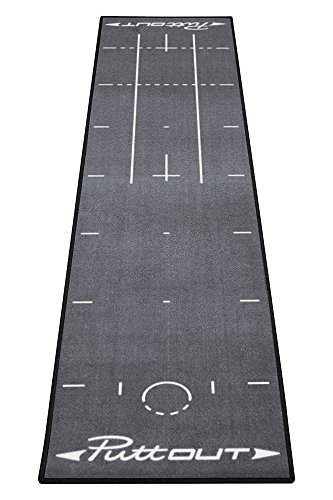
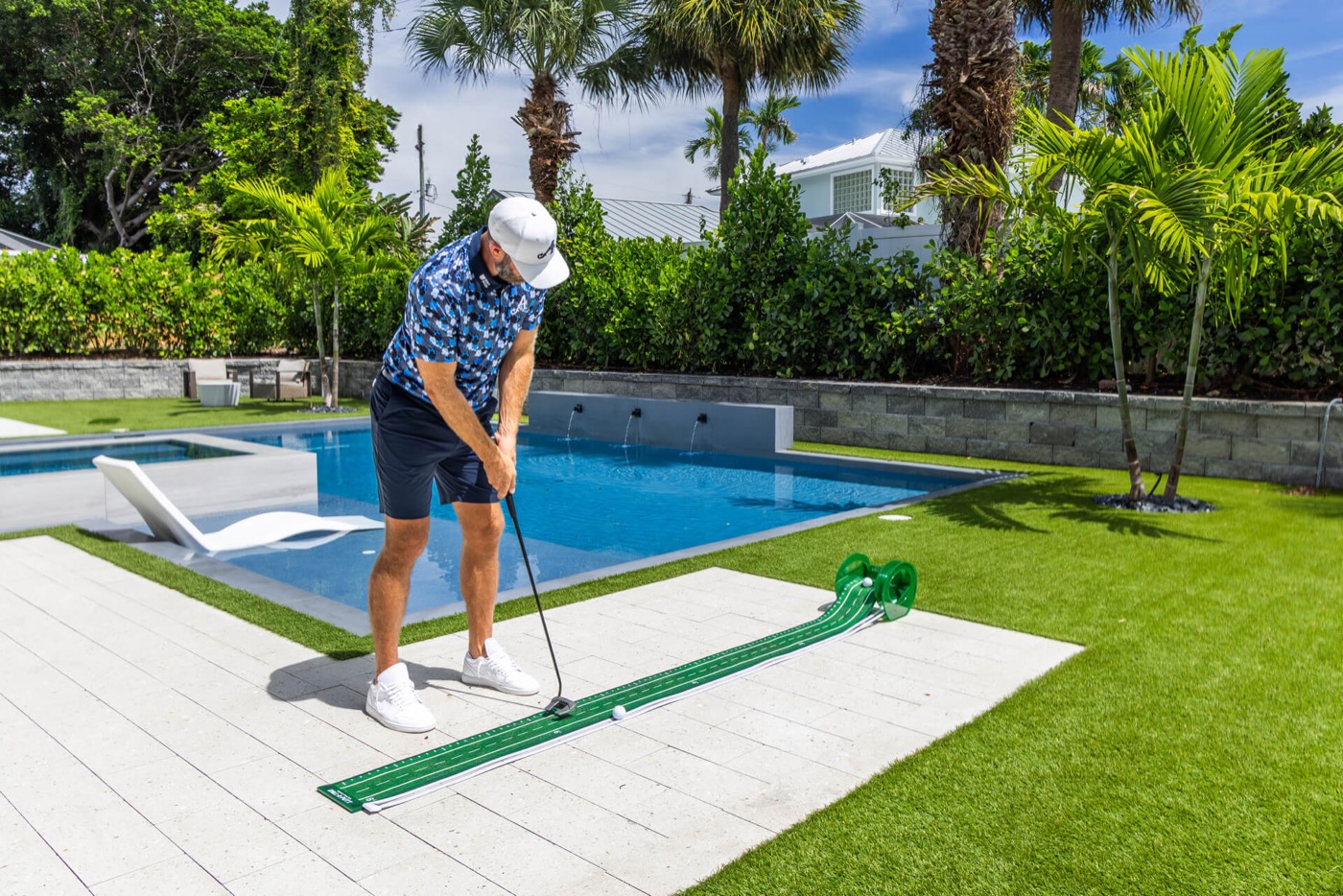
Lawns are terrible putting greens — too slow, too bumpy — so the putting piece of the station moves to the patio, the deck or the hallway. A quality mat solves it. The PuttOut putting mat is the purist's pick: a smooth, slightly quick surface that translates to real greens, with alignment lines that groove your start line — the skill that actually holes putts. The Perfect Practice mat is the one your household will fight over: a smaller-than-regulation hole that makes the real thing look enormous, and an automatic ball-return that removes the single biggest friction in putting practice, which is walking to fetch balls. Either works; the best mat is the one that stays rolled out. We've written a full routine in how to practise putting at home — the short version is that start line and pace beat volume every time.
The part nobody sells you: the family
Here's the underrated return on a backyard station, and it has nothing to do with your handicap. A driving range is one of the most intimidating places in sport for a beginner — public, loud, and full of people watching. A backyard is the opposite. Foam balls and a chipping net are how kids discover golf as a game rather than a lesson, and how a partner who'd never book a lesson ends up in a putting contest after dinner. There's no dress code, no cost per bucket, no one watching. Plenty of golfing households will tell you the chipping net got more use as a family game than a training aid — and that's not a failure of the equipment, it's the whole point. If that angle appeals, our garden golf games guide leans all the way into it.
Who should build it — and who should skip
Build the station if you have any outdoor space, a handicap that leaks around the greens (that's nearly everyone), or a household you'd like to share the game with — the full kit costs less than a mid-range wedge and pays for itself in saved range trips. Skip it if you live somewhere with no outdoor space and quality mats-and-nets money already covers your needs indoors — an indoor putting setup plus your existing practice covers most of the same ground. And be honest about one limitation: none of this replaces practising from real rough and real bunkers, so the backyard complements the course, it doesn't retire it. Gear-wise, start with the net and foam balls, add the mat when the putting itch arrives, and browse the wider category in our nets and mats guide — then file the whole project under the best kind of training: the kind you'll actually do.
Products mentioned in this article
PuttOut
Pop-Up Golf Chipping Net
The cornerstone: a fold-flat target net that turns chipping practice into a backyard game for very little money.
Callaway
Callaway HX Soft Flight Foam Practice Balls (9 Pack)
The window insurance: Callaway's foam balls fly a believable flight and even show your fade or draw.
PuttOut
PuttOut Putting Mat
The putting corner for grown-ups: a true, slightly quick roll-out surface with alignment lines that transfer to real greens.
Perfect Practice
Perfect Practice Putting Mat (Dustin Johnson)
The one everyone actually uses: a smaller hole, an auto ball-return and a setup that makes daily reps weirdly addictive.
ifrothgolf earns a commission on purchases made through these links, at no extra cost to you. It never changes what I recommend. Full disclosure.
Frequently asked
- What do I need for a backyard short-game practice setup?
- Three things cover it: a pop-up chipping net as the target, foam practice balls so windows and neighbours are safe, and a putting mat for a flat surface like a patio or hallway. The whole kit costs less than a mid-range wedge, packs away in minutes, and covers chipping, pitching and putting — the shots where most amateurs lose the bulk of their strokes.
- Are foam golf balls good practice?
- For strike, tempo and shot shape with wedges and short irons, yes — quality foam balls like Callaway's HX fly a believable trajectory and will show a fade or draw. They are not a substitute for real balls: they fly a fraction of the distance, wind affects them badly, and they tell you little about driver performance. Use them as a safe full-swing trainer, not a range replacement.
- Is backyard chipping practice actually effective?
- Very, if you make it a game. Short, frequent sessions at a target net build touch faster than occasional long range visits, real grass gives honest feedback on strike, and the zero commute means practice actually happens. The key is variety — change targets, distances and lies rather than raking the same chip — and accept that real bunkers and thick rough still need on-course practice.
- How do I get my kids into golf at home?
- Make it a game, not a lesson. Foam balls and a pop-up chipping net turn the backyard into a target competition with no dress code, no cost per bucket and nobody watching — the opposite of an intimidating range. Keep sessions short, let them invent the rules, and add a putting mat contest after dinner. Interest tends to follow fun, not instruction.
- What surface should I putt on at home?
- Not the lawn — garden grass is far too slow and bumpy to groove a real stroke. Use a purpose-made putting mat on a flat indoor floor, patio or deck. A good mat rolls at a pace close to a true green and has alignment guides for your start line, which is the skill that holes putts. Mats with a ball return make daily repetitions far more likely to happen.
Read next
Versus
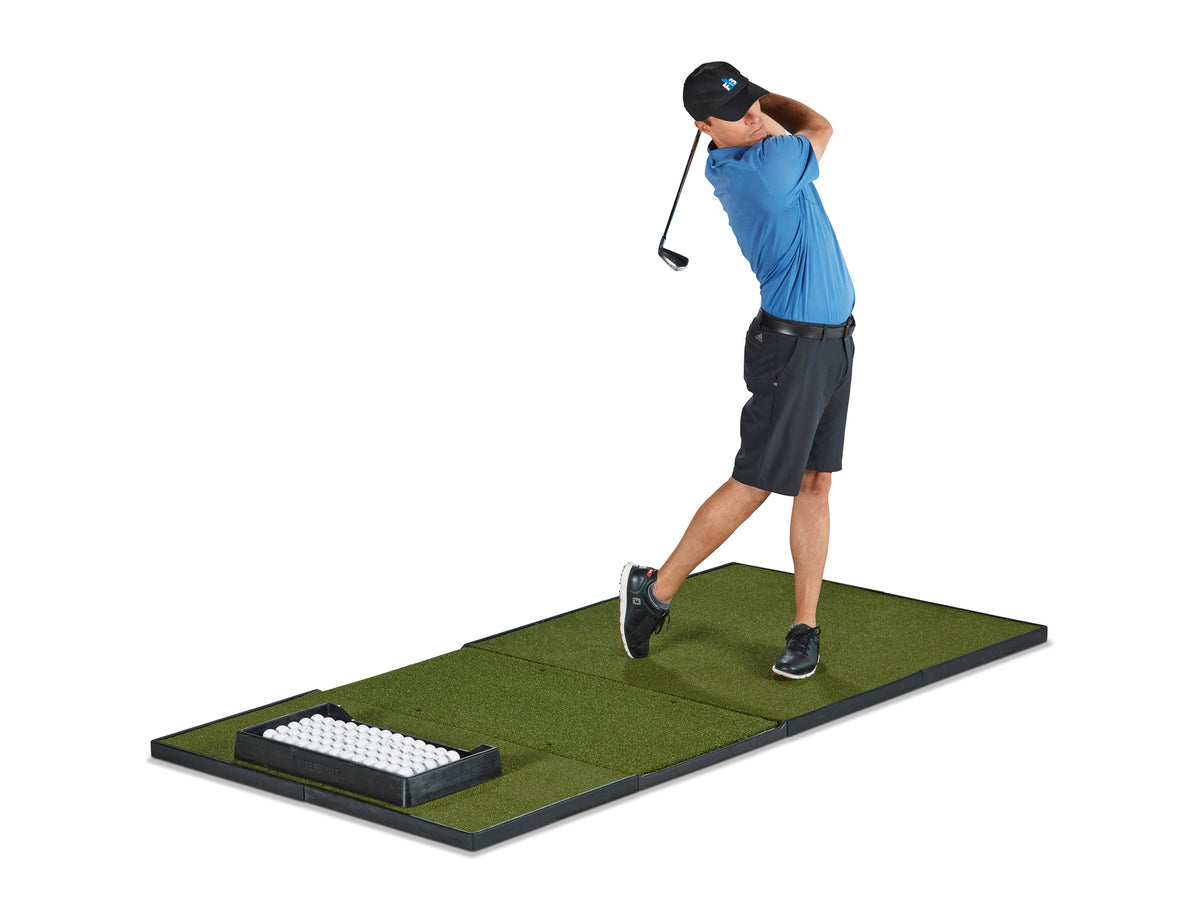
Fiberbuilt Player Preferred vs Studio Grass: same turf, and the cheaper one fixes something the flagship never will
Both mats stand on the same grass-blade turf, so feel isn't the difference. What you are actually paying for is a vibration layer rated at 94 per cent on one and a centre hitting strip on the other, and only one of those solves a problem that otherwise costs thousands.
Review
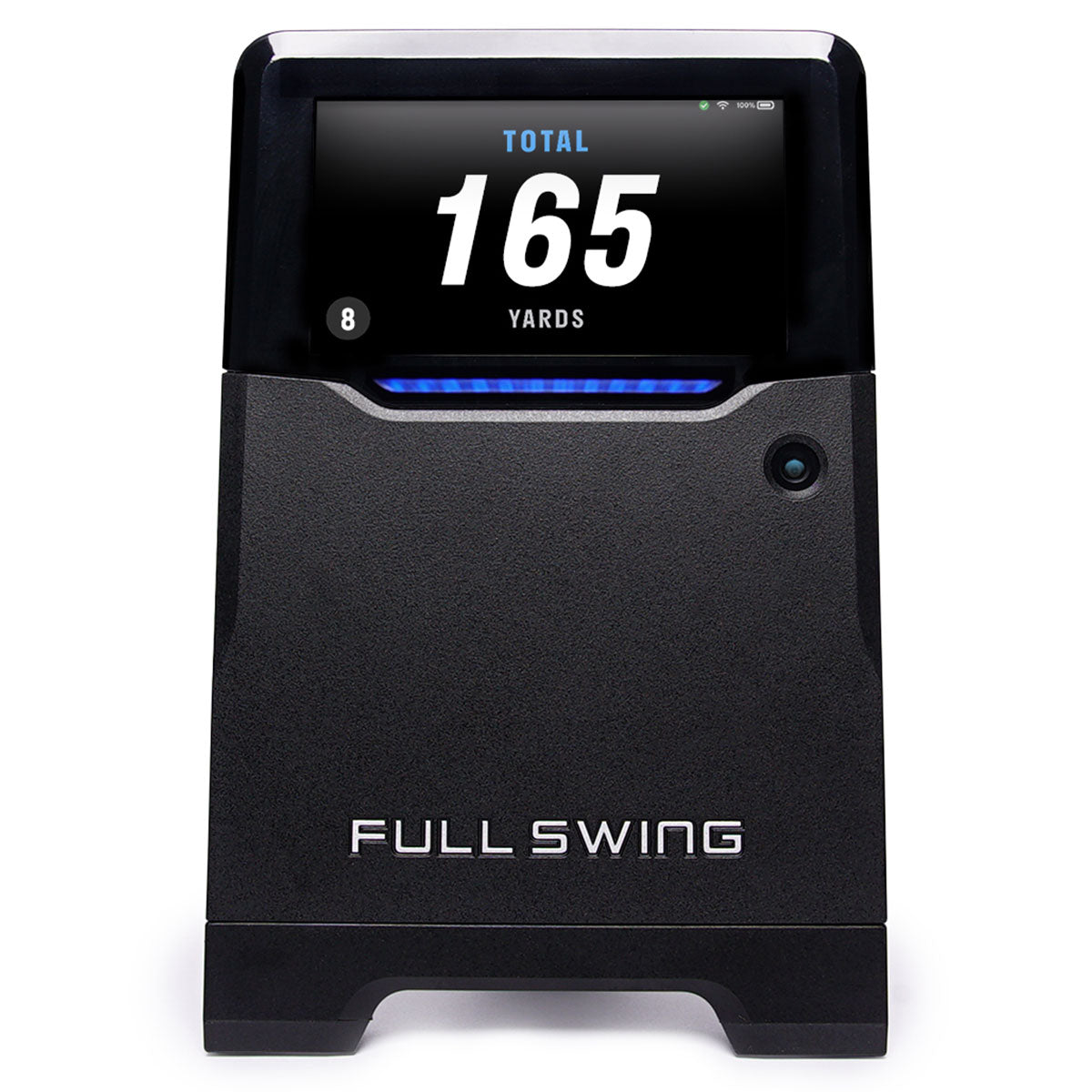
7.9/10Full Swing KIT review: the tape measure decides this, not Tiger
Tour pedigree, TGL on ESPN, and radar good enough to be checked against a Trackman outdoors. It also wants eighteen to twenty feet of room, which rules out most of the garages people buy it for.
Versus
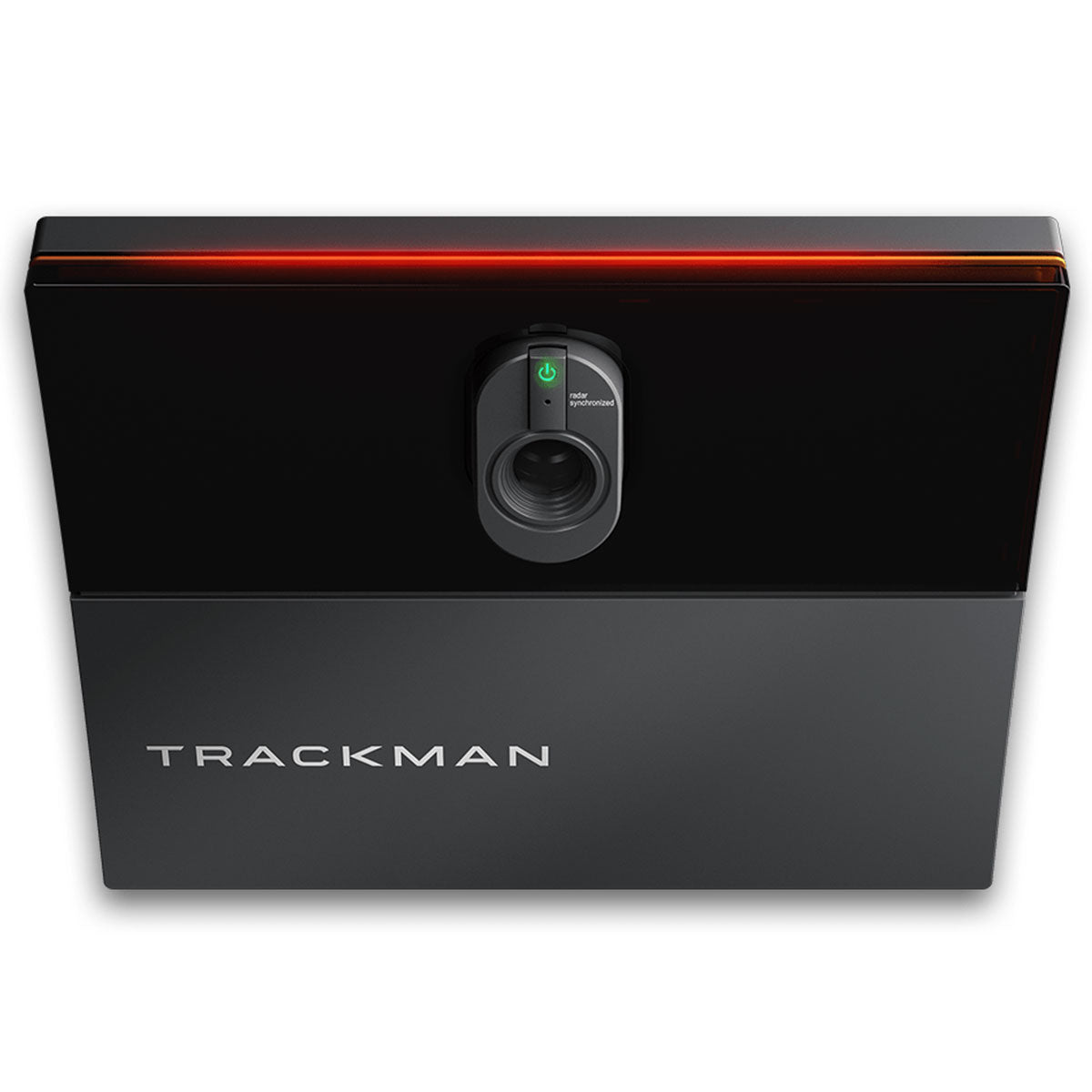
Trackman iO vs Uneekor EYE XO2: the year-one trap
Both mount overhead, both want ten feet of ceiling, and about $3,000 separates them on the shelf. Then Trackman's included first year runs out, and the gap starts growing by $1,100 a year.