
Callaway REVA review: the golf ball that admits the game is hard
Every other ball on the shelf promises you tour performance. Callaway's women's ball promises something rarer — that the game gets friendlier while you find your swing. It keeps that promise, with caveats.
By Ross Hamilton · Staff Writer
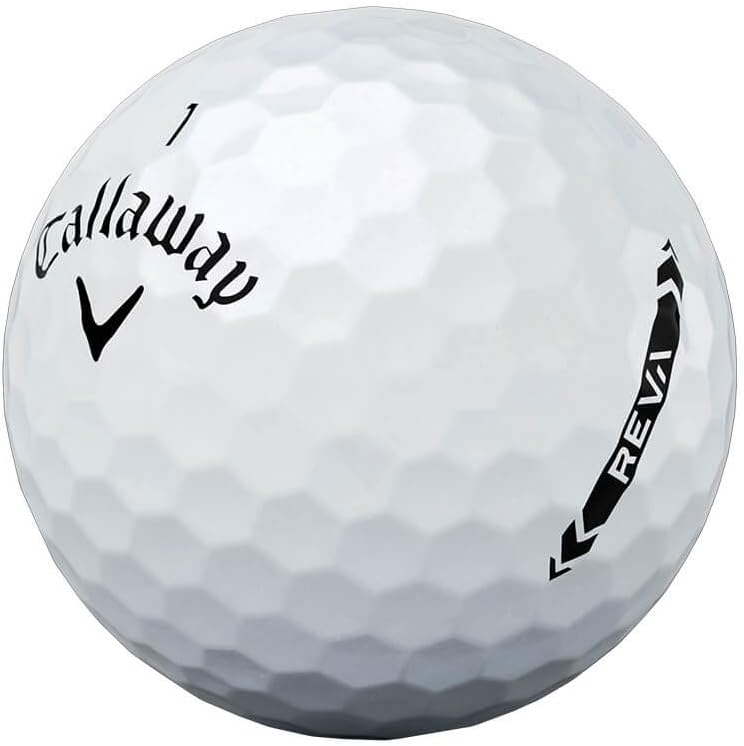
The verdict
Very good
What's great
- Oversized, rules-conforming build genuinely raises the forgiveness ceiling on off-centre strikes
- Launches easily at moderate and smoother swing speeds where standard balls stay stubbornly low
- Soft feel without the harsh clicky note cheap two-piece balls make off the putter
- Priced so a learning golfer can lose a few without flinching
Watch out
- Confident ball-strikers will find it blunt — low greenside spin and no workability to speak of
- The design dates to 2021 and Callaway has not iterated it, so it's an aging answer
- Improving players graduate off it quickly — budget for the Supersoft next
Bottom line — The most honest max-forgiveness ball in golf: it makes a moderate swing's misses playable and its launch easy, and it should be handed to far more new golfers than it is. Just treat it as a stage, not a destination.
Callaway
Callaway REVA Golf Balls (Dozen)
ifrothgolf earns a commission on purchases made through these links, at no extra cost to you. It never changes what I recommend. Full disclosure.
Here's a strange fact about golf equipment: the industry builds forgiveness into everything — drivers the size of toasters, irons with sole widths you could stand on — and then hands beginners the same small, hard ball it hands tour players. The Callaway REVA is one of very few products that applies the forgiveness logic to the ball itself, and it does it with a trick so simple it sounds like a loophole: it's bigger.
Not illegally bigger. The rules of golf set a minimum ball diameter, not a maximum, and the REVA sits at the generous end of what's permitted. A larger ball presents more of itself to the clubface, which means the strikes that don't find the middle — most strikes, while you're learning — lose less speed and fly straighter than they deserve to. That is the entire pitch, and it's a good one.
Who it's actually for
Callaway markets the REVA as a women's ball, and the pearl-white presentation follows the category script. The engineering, though, answers to swing speed and strike quality, not the label — this is a ball for anyone whose clubhead speed is moderate and whose contact is still a work in progress. That describes a huge share of newer women golfers, plenty of seniors, and every adult beginner who came to the game through a simulator bay and is now learning what grass does to a scorecard.
At those speeds the REVA does two valuable things. It gets airborne without being forced — the low-compression core lets a smoother swing actually compress the ball, which is where easy launch comes from. And it keeps misses in play: the oversized build plus low spin means the slice that visits every beginner's Saturday curves less viciously toward trouble.
What you give up
Honesty about the trade, because there is one. Low spin cuts both ways — drives fly straighter, but greenside shots land and release rather than checking. If you watch better players spin wedges back and want that, this is not the ball that teaches it. Workability is similarly absent: the REVA resists curving on purpose exactly as firmly as it resists curving by accident. And the feel, while genuinely soft, is one-note; there's none of the layered response a urethane ball gives a developing short game.
There's also a currency caveat. The REVA's design dates to 2021 and Callaway has left it alone since, which tells you where the category sits in the priority list. It still does its job — physics hasn't moved — but you're buying a proven old answer, not a current flagship.
The part nobody measures: what it does at address
There's a quieter benefit the spec sheet can't carry. A bigger ball looks more hittable, and for a golfer whose confidence is still assembling itself, that matters more than equipment writers like to admit. Standing over a ball that seems to offer you more of itself changes grip pressure, changes tempo, changes how committed the swing through it is. You can call that psychology rather than engineering; on the scorecard the two are indistinguishable. The same effect is why oversized putter grips and mallet heads took over — golf keeps discovering that perceived difficulty is part of actual difficulty.
Practicalities, briefly: the REVA sells as a standard dozen in pearl white — a finish that photographs beige but tracks well in flight — and it sits in the value bracket, close to the everyday soft balls rather than anything premium. That price matters strategically: the learning phase this ball serves is also the phase where water hazards eat golf balls, and a ball you hesitate to lose changes how freely you swing over trouble. Buy two dozen, expect to donate a few to the pond, and consider it tuition.
The graduation question
The right way to own a REVA is to plan on leaving it. As strike quality tightens, the oversized ball's help matters less and its bluntness costs more, and the natural next step is a standard low-compression ball — the Supersoft is the obvious sibling, and the genuinely women's-engineered Lady Precept makes the same journey with a softer feel. When you find yourself wishing chips would check, you've outgrown it. That's not a failure of the ball; that's the ball having done its job.
Owner sentiment tracks all of this closely: newer and moderate-speed players consistently praise how playable it keeps their misses and how easily it flies, while stronger players call it lifeless around the greens. Both camps are right, which is the point — it's a specialist tool being reviewed by two different jobs.
Where to buy
7.6/10Callaway
Callaway REVA Golf Balls (Dozen)
Callaway's maximum-forgiveness ball — oversized, rules-conforming and built to get a moderate swing airborne.
ifrothgolf earns a commission on purchases made through these links, at no extra cost to you. It never changes what I recommend. Full disclosure.
Frequently asked
- Is the oversized Callaway REVA legal for normal play?
- Yes. The rules of golf set a minimum ball size, not a maximum, so the REVA's larger build fully conforms. You can play it in casual rounds and competitions alike.
- Is the Callaway REVA only for women?
- No. It's marketed as a women's ball, but the engineering targets moderate swing speeds and developing contact — it suits beginners, seniors and anyone whose priority is forgiveness over spin, regardless of who's swinging.
- What swing speed suits the REVA?
- Moderate and smoother swings — broadly, players who hit a driver under about 90 mph. Faster swings will over-compress it, balloon it, and find the low spin costly around the greens.
- What ball should I move to after the REVA?
- A standard low-compression ball: the Callaway Supersoft is the natural sibling, and the Bridgestone Lady Precept offers the same easy launch with one of the softest feels in golf. Move on when you start wanting chips to check.
Read next
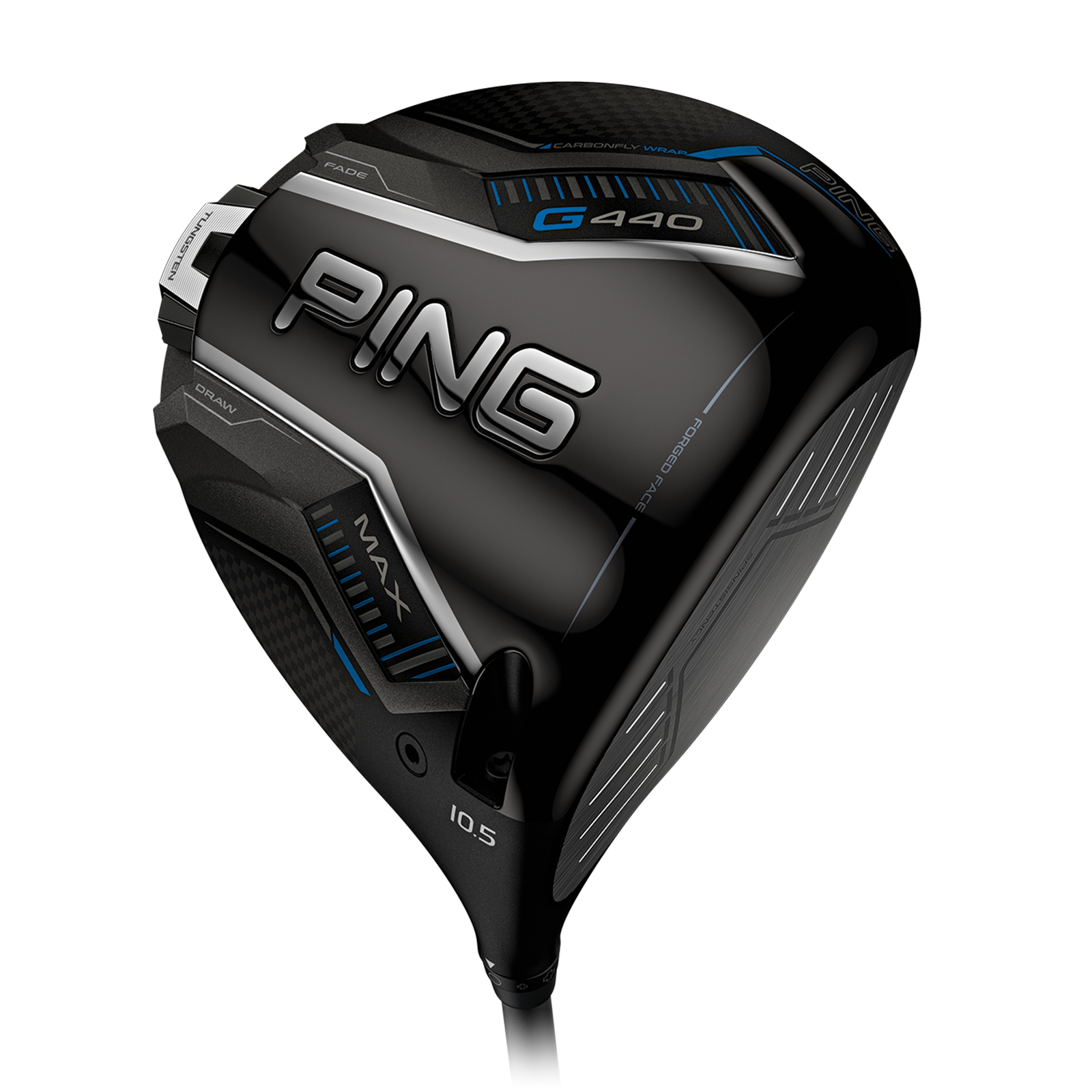
Explained
Women's golf gear grew up in 2026 — here's what's actually worth it
This year brought a real expansion of women's lineups, but the gear that genuinely helps a smoother swing has less to do with the label than the spec.
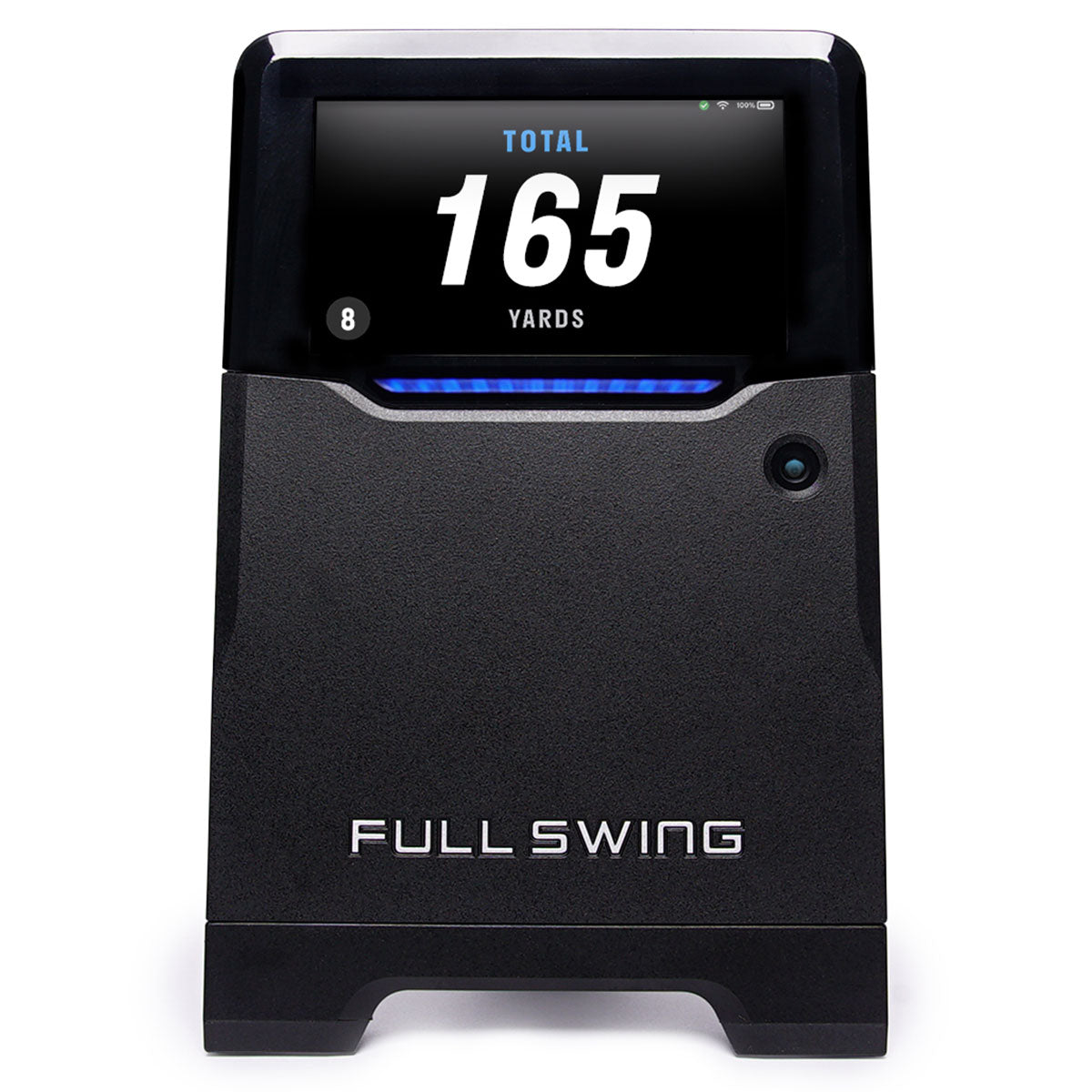
Review
7.9/10Full Swing KIT review: the tape measure decides this, not Tiger
Tour pedigree, TGL on ESPN, and radar good enough to be checked against a Trackman outdoors. It also wants eighteen to twenty feet of room, which rules out most of the garages people buy it for.
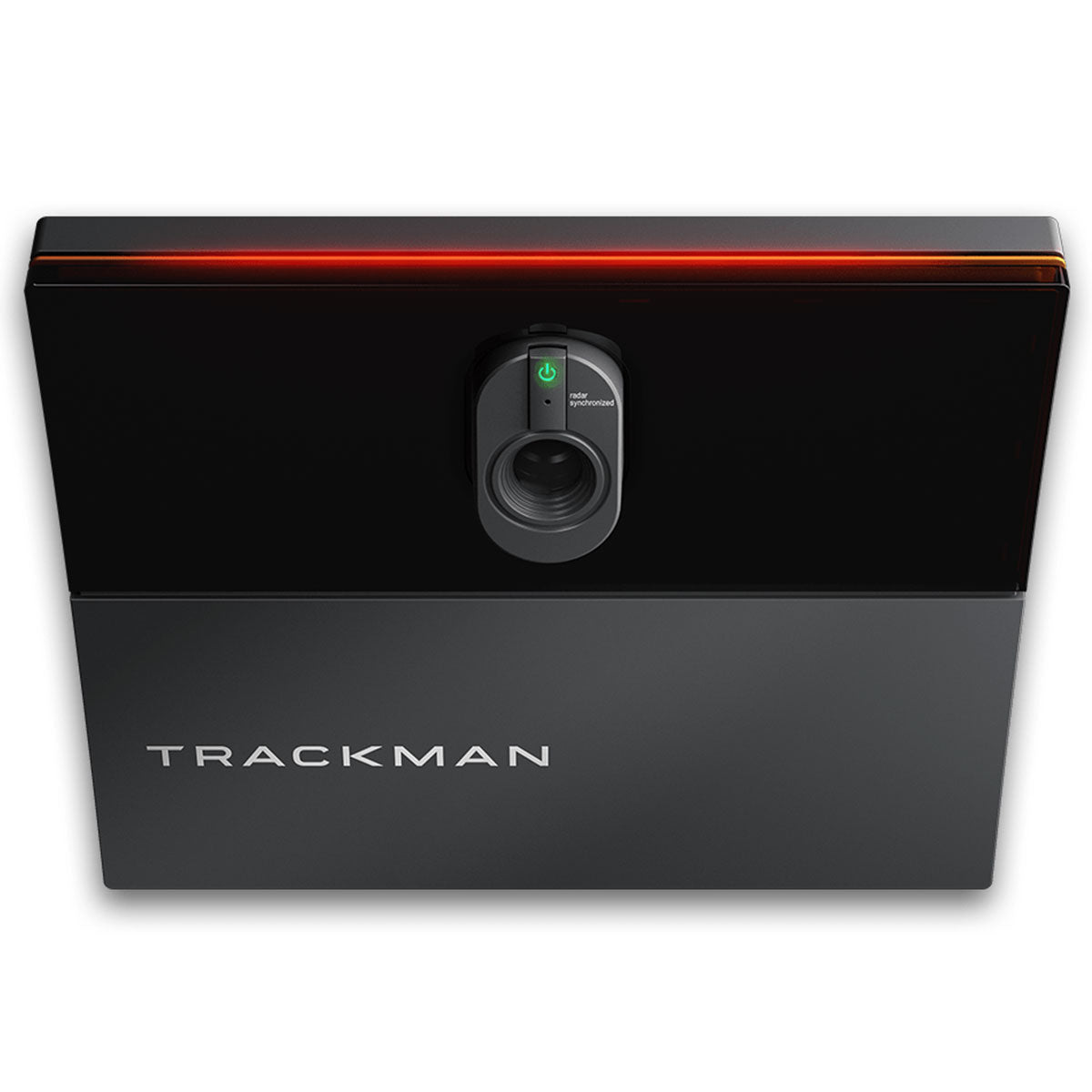
Versus
Trackman iO vs Uneekor EYE XO2: the year-one trap
Both mount overhead, both want ten feet of ceiling, and about $3,000 separates them on the shelf. Then Trackman's included first year runs out, and the gap starts growing by $1,100 a year.