
Why golf is quietly happening indoors now
Simulators, bays and bright-lit ranges have pulled millions into the game without a tee time in sight. Here's what the off-course boom means for the gear you buy.
By Jordan Hale · Equipment Writer
 Explained
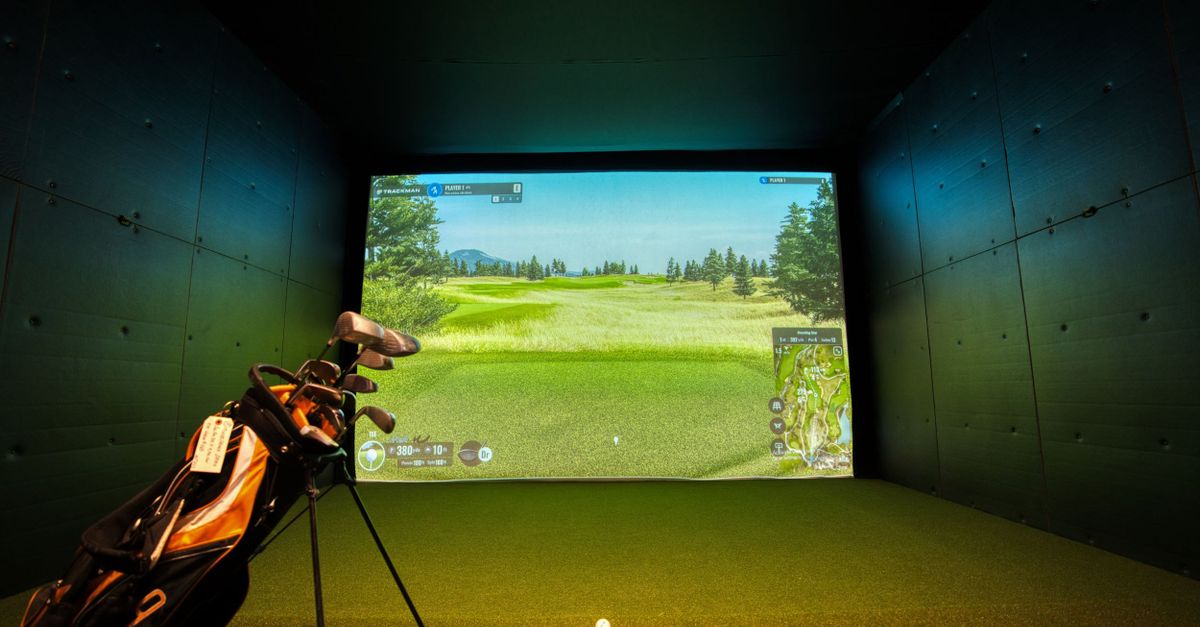
Walk past a Topgolf on a wet Tuesday night and the car park tells the story before you're through the door. The bays are full, the music's loud, and a good number of the people swinging clubs have never set foot on an actual golf course — and have no particular plans to. Something has shifted in golf over the last few years, and it didn't happen on the fairways. It happened in converted warehouses, spare bedrooms and garage corners, in front of screens and nets and little radar pucks no bigger than a hockey puck. Golf, increasingly, is something people do indoors.
This isn't a fringe curiosity any more. Industry figures from the National Golf Foundation have repeatedly reported that off-course participation — driving ranges, simulators, entertainment venues like Topgolf — now rivals the number of people playing traditional on-course golf, with a very large share of off-course participants who don't play the regular game at all. Simulator use in particular has climbed sharply since around 2019, helped along by a pandemic that closed clubhouses but left garages wide open. The exact numbers move year to year and the surveys phrase things differently, so we'll keep this directional rather than pretending to a decimal point — but the direction is not in doubt. The range and the screen have become a front door to the game.
Who these new golfers actually are
The off-course crowd skews younger and more mixed than the stereotype of golf, and that matters for what they buy. A lot of them came in socially — a birthday at a Topgolf-style venue, a work night out, a date — and discovered they liked hitting a ball more than they expected. Some graduate to a course; many are perfectly happy never to, treating golf as a skill game and a social occasion rather than a five-hour walk. There's also a quieter cohort: existing golfers who got tired of losing winter and dark evenings entirely, and built a way to keep swinging at home. Both groups are buying gear that has very little to do with a traditional pro shop.
The gateway gadget: the affordable launch monitor
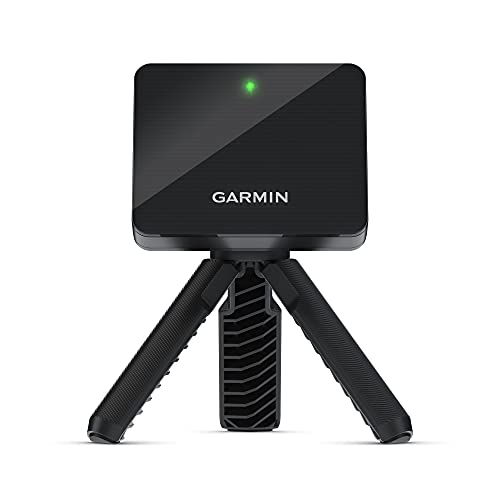
If there's one product that defines the off-course era, it's the cheap, accurate launch monitor. A decade ago, knowing your real carry numbers or playing a virtual round meant tens of thousands of pounds of fixed kit in a fitting studio. Today a Garmin Approach R10 sits on the ground, talks to your phone, reads your ball speed and carry, and — through its app — drops you onto a virtual course in your own garage. It's the gateway drug of indoor golf: affordable enough to be an impulse-adjacent purchase, capable enough to be genuinely useful. Our Garmin R10 review digs into where it shines and where it strains, and launch monitors explained decodes the radar-versus-camera tech if you're new to it. The point isn't the spec sheet; it's that the price of entry collapsed, and a flood of people walked through the door.
You don't need a fantasy setup to join in
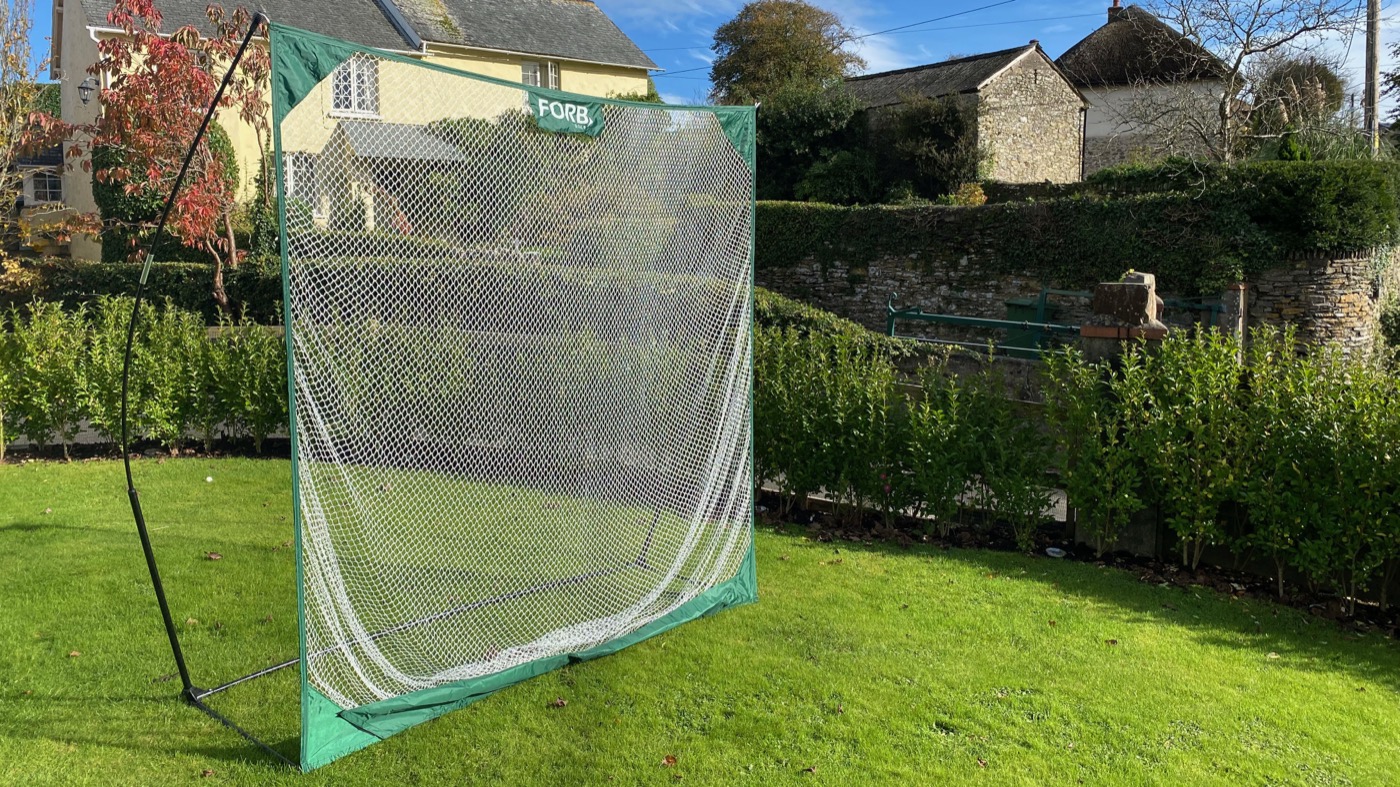
Here's the part the glossy build-out videos get wrong: the barrier to off-course golf is lower than it looks. A launch monitor and a net — something like the FORB practice net — and a patch of garage or garden is enough to hit real balls and track real numbers. A full enclosure, projector, impact screen and gaming PC is lovely, but it's the deluxe version, not the entry ticket. We break the real costs down in build a garage golf simulator, and we'd argue — as we do in a launch monitor beats new clubs — that the feedback from hitting into a net with a monitor running is worth more to most golfers' games than another driver. The whole field is in our best launch monitors guide and the launch-monitors hub.
The maths of space matters more than the maths of money here. The single thing that decides which monitor suits you isn't budget, it's how much room you've got behind and in front of the ball: radar units want a few metres of ball flight to read confidently, while camera-based units read impact in a tighter bay. Measure the space before you spend a penny — it's the mistake almost everyone makes, buying for the fantasy garage rather than the actual one. Our launch monitors explained guide walks through the radar-versus-camera trade-off, and the short version is simple: match the tech to your room, not to the most expensive thing you can afford.
What the boom means for how you should spend
If you're one of the new off-course majority, the spending logic flips from the traditional advice. You don't need a full bag of fitted clubs to enjoy a simulator or a range bay — you need a reliable way to measure what you're doing and a space to do it in. Start with an entry or value launch monitor and a net, learn your actual carry distances, and let the on-course shopping wait until (or unless) you decide to take the walk. For existing golfers, the boom is permission to stop treating winter as dead time: a modest home setup keeps your swing alive through the dark months for far less than a winter membership somewhere warm. Either way, the gateway gear is the launch monitor — everything else is optional.
The bottom line
Golf's growth story this decade isn't really about the courses; it's about everywhere else people are now swinging a club. The off-course boom turned a fairly intimidating, time-hungry sport into something you can try on a night out and continue in your garage, and the affordable launch monitor is the hinge the whole thing swings on. Whether you ever play eighteen holes or not, the smartest first purchase is the one that tells you what your swing is actually doing — and lets you keep doing it when the course is shut. Start there.
Products mentioned in this article
Garmin
Garmin Approach R10 Launch Monitor
The gateway device — affordable radar plus an app simulator that turns a garage into a course.
FORB
FORB Golf Practice Net (10x7ft)
The other half of a home setup — a net so you can actually hit balls indoors or in the garden.
ifrothgolf earns a commission on purchases made through these links, at no extra cost to you. It never changes what I recommend. Full disclosure.
Frequently asked
- What is off-course golf?
- Any golf played away from a traditional course — driving ranges, home and commercial simulators, and entertainment venues like Topgolf. Industry figures suggest off-course participation now rivals on-course play, with many participants who don't play the traditional game at all.
- What's the cheapest way to start playing golf at home?
- An entry or value launch monitor plus a practice net and a small space. A Garmin Approach R10 with its app can put you on a virtual course; a net lets you hit real balls safely. A full enclosure and projector is the deluxe version, not a requirement to get started.
- Do I need a full set of clubs for a simulator?
- No. Most simulator and range play is about measuring and practising your swing rather than scoring a fitted round. A driver, a couple of irons and a wedge are plenty to enjoy it — you can let the on-course club shopping wait until you decide to play actual courses.
- Is a home launch monitor accurate enough to be useful?
- Yes, for the things most golfers need. Even entry and value units like the R10 read carry distance and ball speed reliably, which is enough to learn your real yardages and practise with feedback. Camera and combined units add measured spin if you want fitting-grade detail later.
Read next
Versus
SkyTrak+ vs FlightScope Mevo+: your room decides this one, not your budget
Both are now outgoing models on run-out prices, which makes this more useful rather than less — the successors inherit the same trade-off. And it isn't the spec sheet. It's how much space you actually have.
Versus
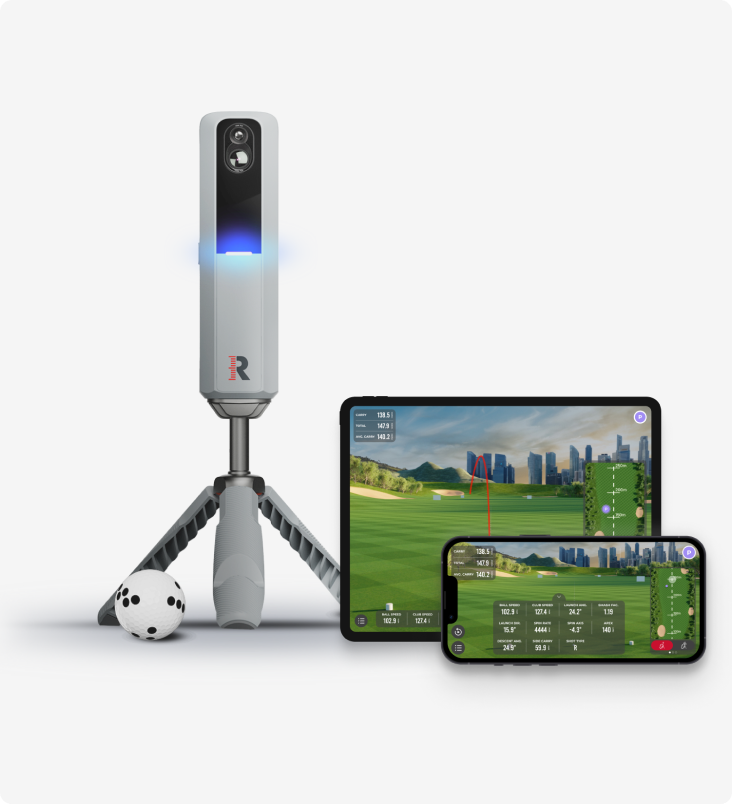
Rapsodo MLM2 Pro vs Shot Scope LM1: measured spin and sim golf, or just the number?
Two launch monitors golfers cross-shop constantly, sitting either side of the same question — how much do you actually need? One films your swing, measures spin and plays sim courses all winter. The other strips the whole idea down to a carry number on a screen.
Review
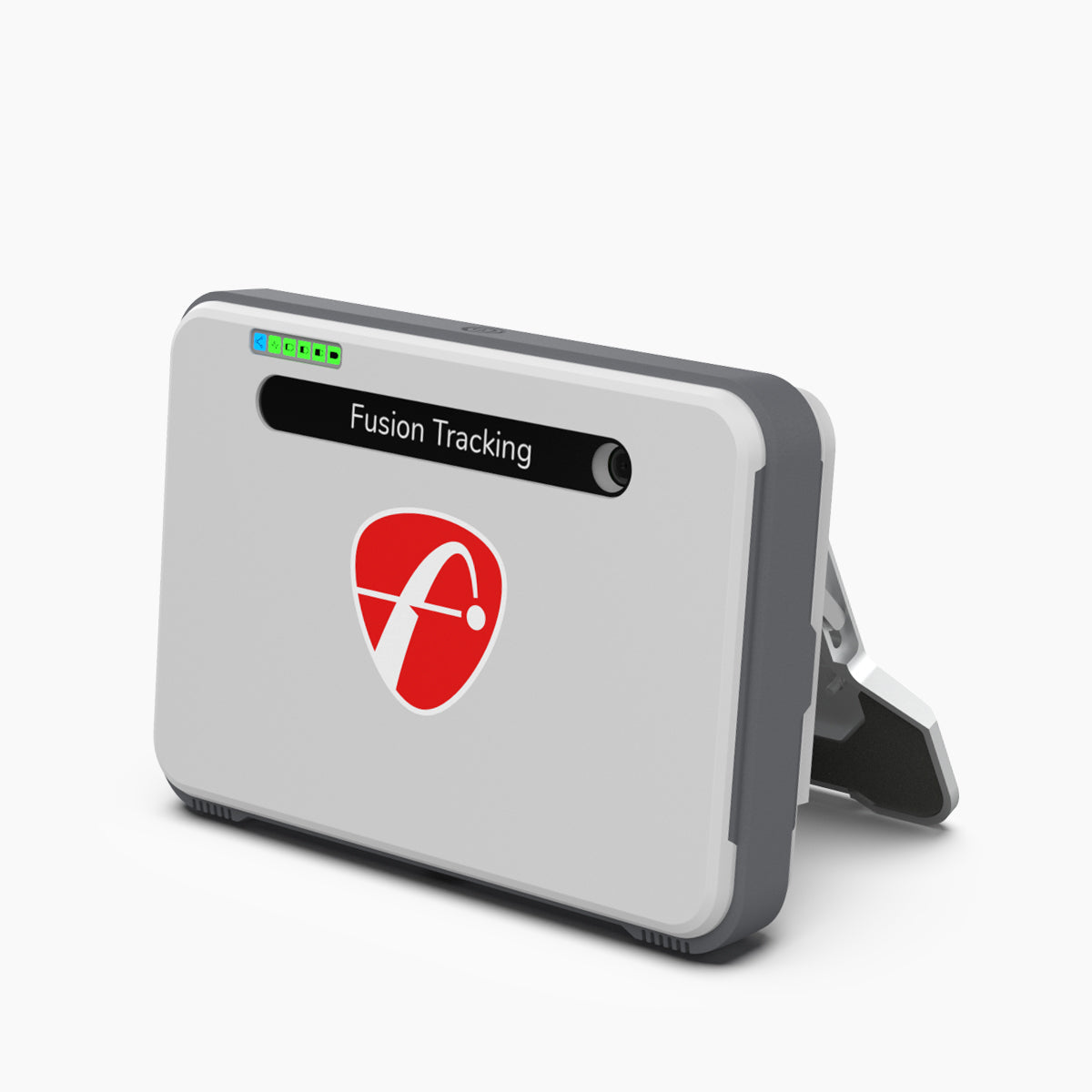
8.7/10FlightScope Mevo+ review: the launch monitor home simulators are actually built around
While the internet argues about budget camera units and the Garmin R10, the Mevo+ quietly became the default brain of the serious home sim — tour-grade radar heritage, full ball and club data, and out-of-the-box simulator connectivity. It needs room to breathe, and the add-ons push the real cost up.