
"Golf isn't a sport" is a dead argument. The players adding distance already know it.
The modern game is an athletic, speed-obsessed pursuit, and the amateurs actually gaining yards are the ones treating their bodies like athletes do. The gap almost nobody works on isn't swing reps — it's recovery and mobility, the cheapest speed you're leaving on the table.
By Dan Mercer · Editor
 Opinion
Bryson DeChambeau turned himself into a linebacker to hit it further. Rory McIlroy's off-season looks like a decathlete's. The average tour swing speed has climbed year on year, and the whole professional game has reorganised itself around one word: speed. So can we finally retire the pub argument that golf isn't a sport? It's over. It was over the moment distance became the sport's dominant currency and the players chasing it started training like athletes rather than hobbyists. The interesting question isn't whether golf is athletic — it plainly is — it's why so many amateurs who accept that in theory still prepare for a round like it's a walk to the shops.
Here's the contrarian bit, and I'll plant the flag early: the biggest untapped gain for the average golfer isn't another lesson, another launch-monitor session, or another driver. It's the stuff that happens when you're not holding a club — mobility and recovery. It's the least glamorous corner of the game and the most neglected, and it's where the cheapest yards and the longest playing careers actually live.
The tour figured this out. The range hasn't.
Walk the practice ground at any professional event now and the tell isn't the swings — it's everything around them. Players foam-rolling before they touch a club. Percussion massagers buzzing in the locker room. Physios running mobility screens. The modern tour pro treats the body as the primary piece of equipment, and the swing as its output. The amateur has this exactly backwards: obsessive about the output — grip, plane, path, the club in the hands — and completely indifferent to the machine producing it. You cannot swing fast through a range of motion your body doesn't have, and you cannot repeat a good swing on a body that's stiff, sore and cold. That's not motivational-poster talk; it's mechanics.
Mobility is the cheapest speed in golf
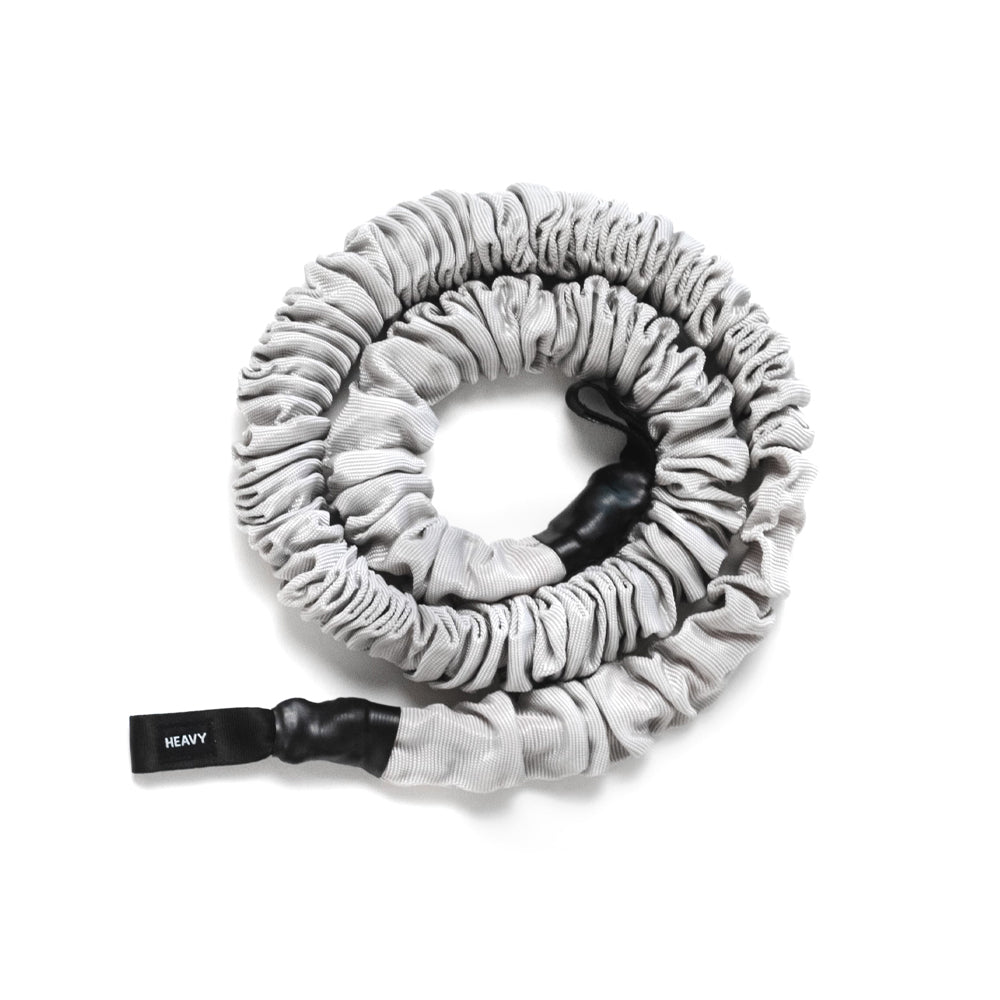
Everyone wants clubhead speed and everyone shops for it in the wrong aisle. Speed comes from rotation — how far and how fast you can turn your torso against your hips — and rotation comes from mobility, particularly in the hips, thoracic spine and shoulders. A stiff golfer leaves speed on the table not because they lack strength but because they physically cannot access the turn that creates it. The fix costs almost nothing. A set of golf resistance bands does double duty here: five minutes of banded rotations and shoulder work before a round is the dynamic warm-up almost no amateur bothers with, and the same kit builds the rotational strength that actually adds speed over time. It is, pound for pound, the best-value performance purchase in the game, and it's the one nobody photographs for the feed.
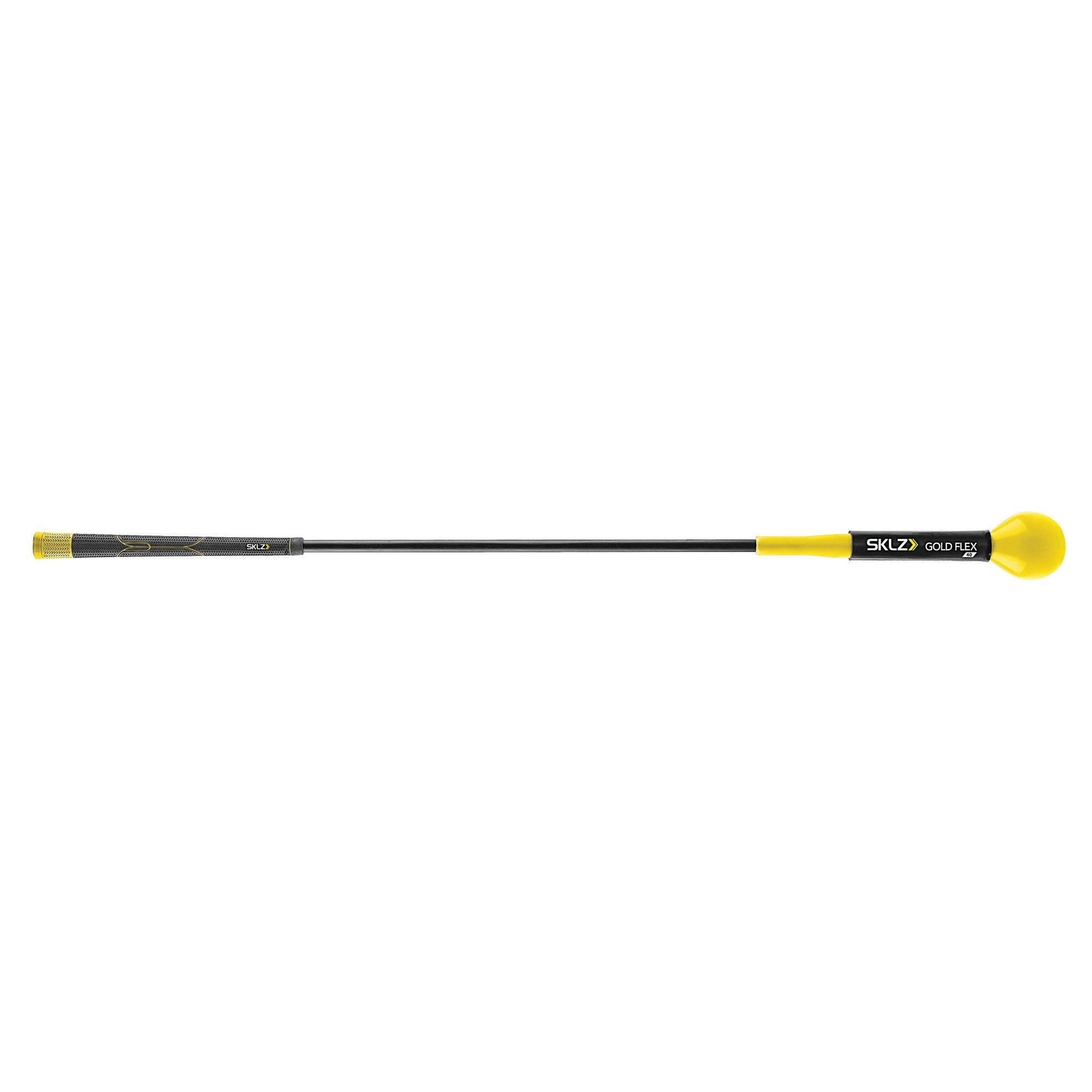
A weighted trainer earns its place for the same reason. The SKLZ Gold Flex is a whippy, flexible stick that warms up the exact muscles the swing uses and drills tempo while it does it — a warm-up and a rhythm trainer in one object, which is more than most range gadgets can say. Swing it a dozen times before you tee off and you've mobilised the swing pattern instead of arriving cold and reaching for full speed on the first drive, which is precisely how amateurs pull backs and strain obliques.
Recovery isn't pampering — it's how you play more golf
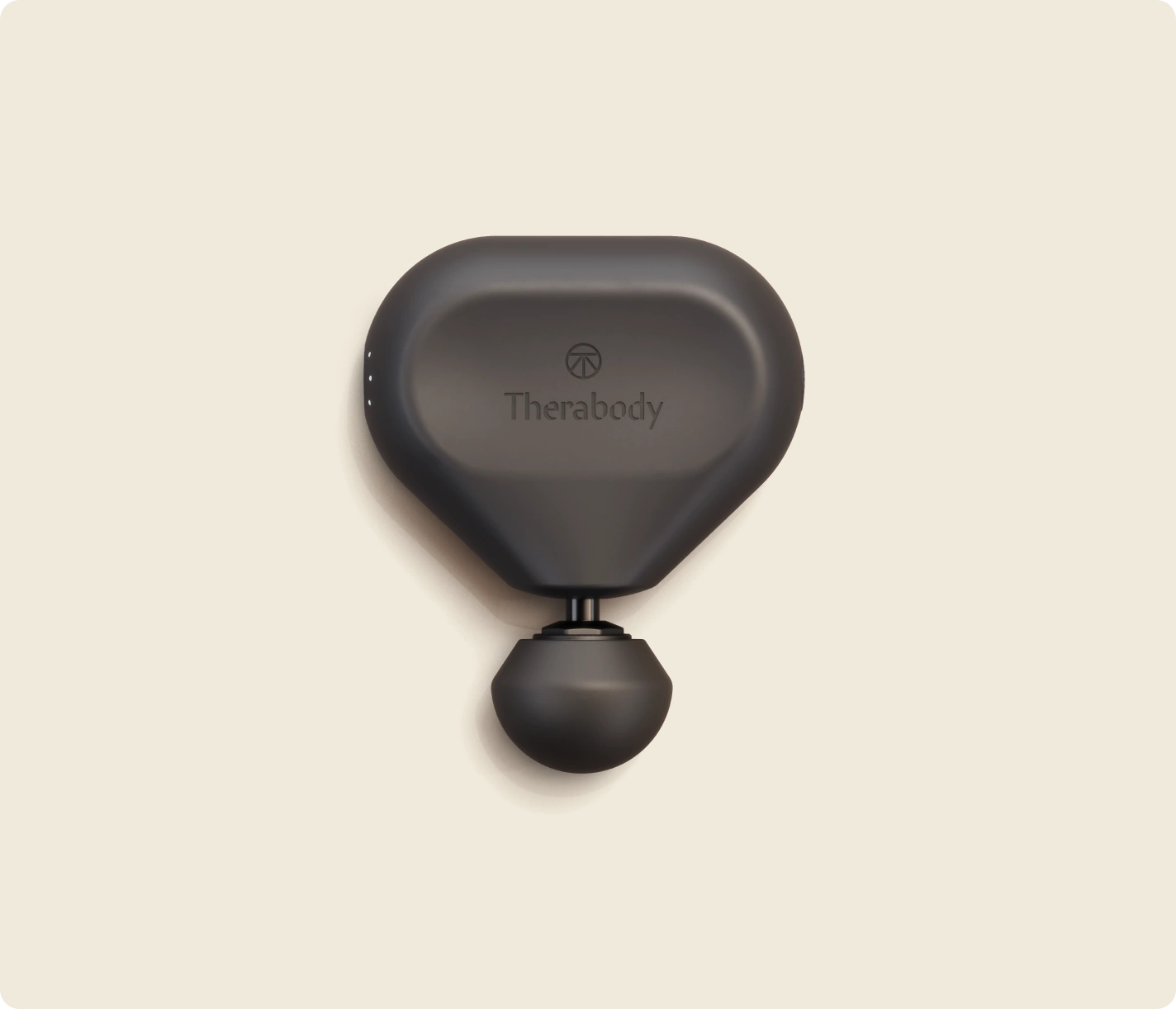
Then there's the other half, the one that keeps you in the game across a season and a lifetime: recovery. Golf's repetitive, one-sided rotational load is quietly brutal on backs and shoulders, and the weekend golfer who plays through the stiffness is the one who ends up on the sidelines. The tools that used to live only in tour physio rooms have crossed over and come down in price. A Theragun Mini is small enough to live in the bag — two minutes of percussion on the range loosens the shoulders, and the same device works over a tight back that evening. The Hyperice Venom Go adds heat to vibration, which is why I'd frame it less as a massager and more as a first-tee mobiliser for a cranky lower back on a cold morning. This isn't spa-day indulgence. It's the mechanism by which you play forty rounds next year instead of thirty and a physio bill.
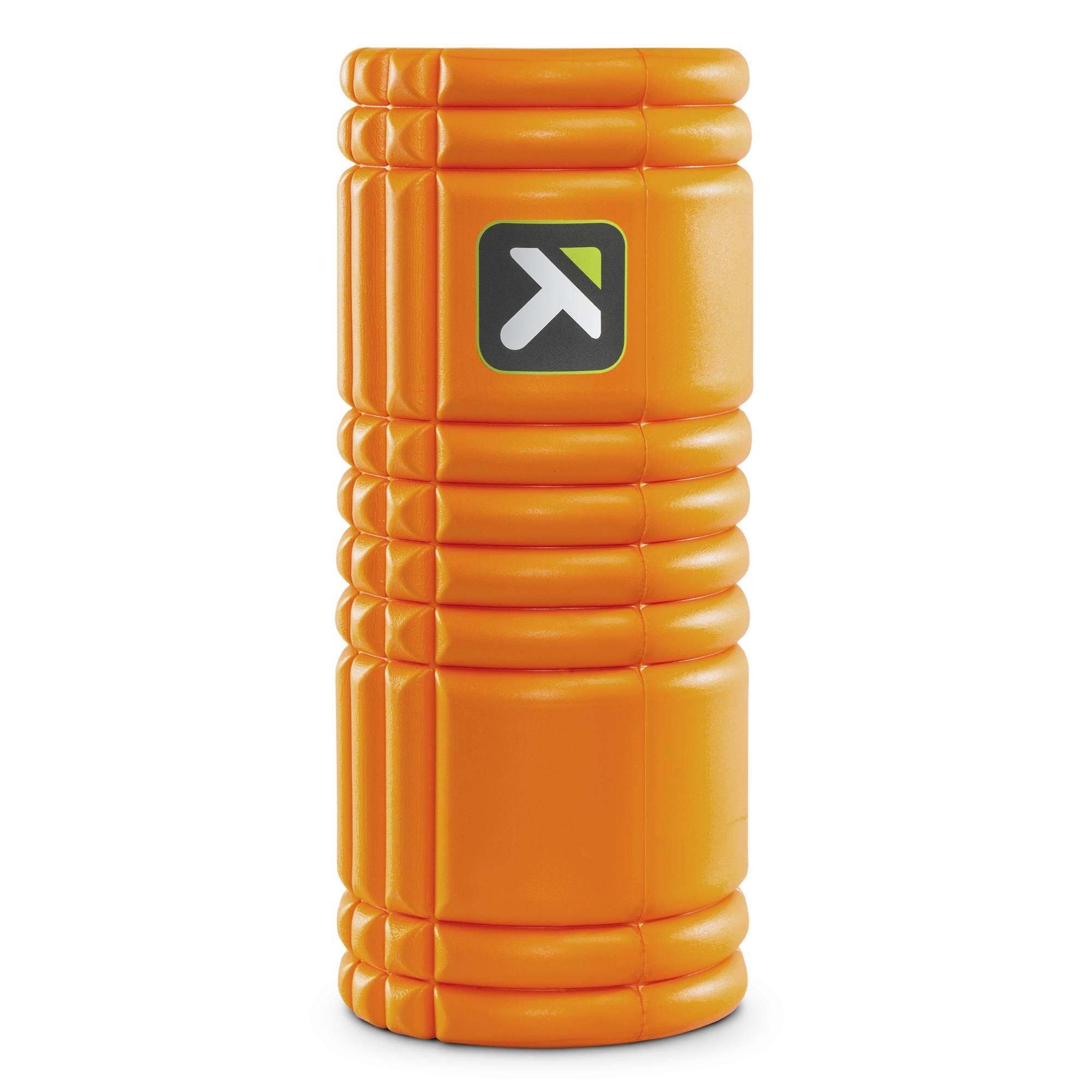
The unglamorous truth underneath all the gadgets, though, is that the single most effective recovery tool is also the cheapest and the most boring. A firm foam roller like the TriggerPoint GRID does the fundamental soft-tissue work that no vibrating gadget fully replaces, and it costs less than a bad round of buckets. If you buy one thing off this page, buy the roller and actually use it. It's telling that it's the item golfers are least excited to own.
Who is wasting their money — and it might be you
Now the honest part, because a recommendation that tells everyone to buy everything is just a shopping list. The golfer wasting their money here is the one who buys the shiny percussion gun, films the unboxing, uses it twice, and lets it die in a drawer. These are tools, not talismans — a Theragun you don't pick up is worse value than resistance bands you use every Saturday, because at least the bands were cheap. If you know, hand on heart, that you will not build a two-minute routine and stick to it, don't buy the four-hundred-quid device to prove otherwise. Buy the roller and the bands, spend nothing on the gadgets, and put the difference toward green fees. The most expensive recovery tool in golf is the one that recovers in its box.
The reframe
Stop thinking of your body as the thing that carries your clubs around and start thinking of it as the most important club in the bag — the one every other one relies on, and the only one you can't replace mid-round or trade in next season. The players adding distance have already made that switch, and it's the reason the 'golf isn't a sport' line sounds a decade out of date. You don't need a gym membership or a linebacker's neck. You need five minutes of mobility before you tee off and ten minutes of recovery after, done consistently. That's the cheapest, most durable improvement available to a golfer, and it's sitting in the training hub while everyone else queues for a new driver.
Products mentioned in this article
Therabody
Therabody Theragun Mini (3rd Gen)
Pocketable percussion that lives in the bag — a two-minute warm-up on the range and a recovery tool that night.

Hyperice
Hyperice Venom Go
Targeted heat plus vibration for the back and shoulders — a first-tee mobiliser more than a massager.
TriggerPoint
TriggerPoint GRID 1.0 Foam Roller (13 inch)
The unglamorous foundation: a firm foam roller that does the mobility work no gadget replaces.
GolfForever
GolfForever Resistance Bands + App
The cheapest speed and injury insurance in the game — dynamic warm-up and rotational strength in one light kit.
SKLZ
SKLZ Gold Flex Golf Swing Trainer
A weighted, whippy trainer that warms the swing muscles and drills tempo — mobility and rhythm in one stick.
ifrothgolf earns a commission on purchases made through these links, at no extra cost to you. It never changes what I recommend. Full disclosure.
Frequently asked
- Will mobility work actually add clubhead speed?
- Indirectly but genuinely, yes. Clubhead speed comes largely from how far and how fast you can rotate your torso against your hips, and that rotation is limited by mobility in the hips, thoracic spine and shoulders. A stiff golfer often cannot physically access the turn that creates speed, so improving mobility unlocks speed that strength training alone cannot. It also lets you repeat your best swing more reliably.
- Are percussion massagers like Theragun worth it for golfers?
- They can be, for the golfer who will actually use one. Percussion tools loosen tight shoulders and backs before a round and aid recovery afterwards, and golf's repetitive one-sided load makes that useful. The catch is consistency: a device used twice and abandoned is poor value. If you know you will not build a short routine around it, a foam roller and resistance bands deliver most of the benefit for a fraction of the price.
- What is the single most cost-effective recovery tool for golf?
- A firm foam roller. It handles the fundamental soft-tissue work that underpins mobility and recovery, costs very little, and requires no batteries or charging. The main drawback is that it is unglamorous and takes discipline to use regularly. For most amateurs a roller plus a set of resistance bands covers the majority of the benefit before any powered gadget is needed.
- Should I warm up before a round or just hit balls on the range?
- A dynamic warm-up beats going straight to full swings cold. Hitting driver on a cold, stiff body is a common way to strain a back or an oblique. A few minutes of banded rotations and shoulder work, or a dozen swings with a weighted trainer, mobilises the exact muscles the swing uses so you can reach full speed safely from the first tee rather than warming up through the opening holes.
Read next
Opinion
Golf's smartest gadget doesn't measure your swing — it fixes the thing swinging the club
Massage guns, heat-and-vibration patches and guided mobility work went from tour physio trucks to mainstream in five years, and July is when they earn it: heat, 36-hole trips, back-to-back weekend rounds. Our position: a recovery routine adds more playable golf per season than any club purchase — because you can't turn through what you can't stretch.
Review
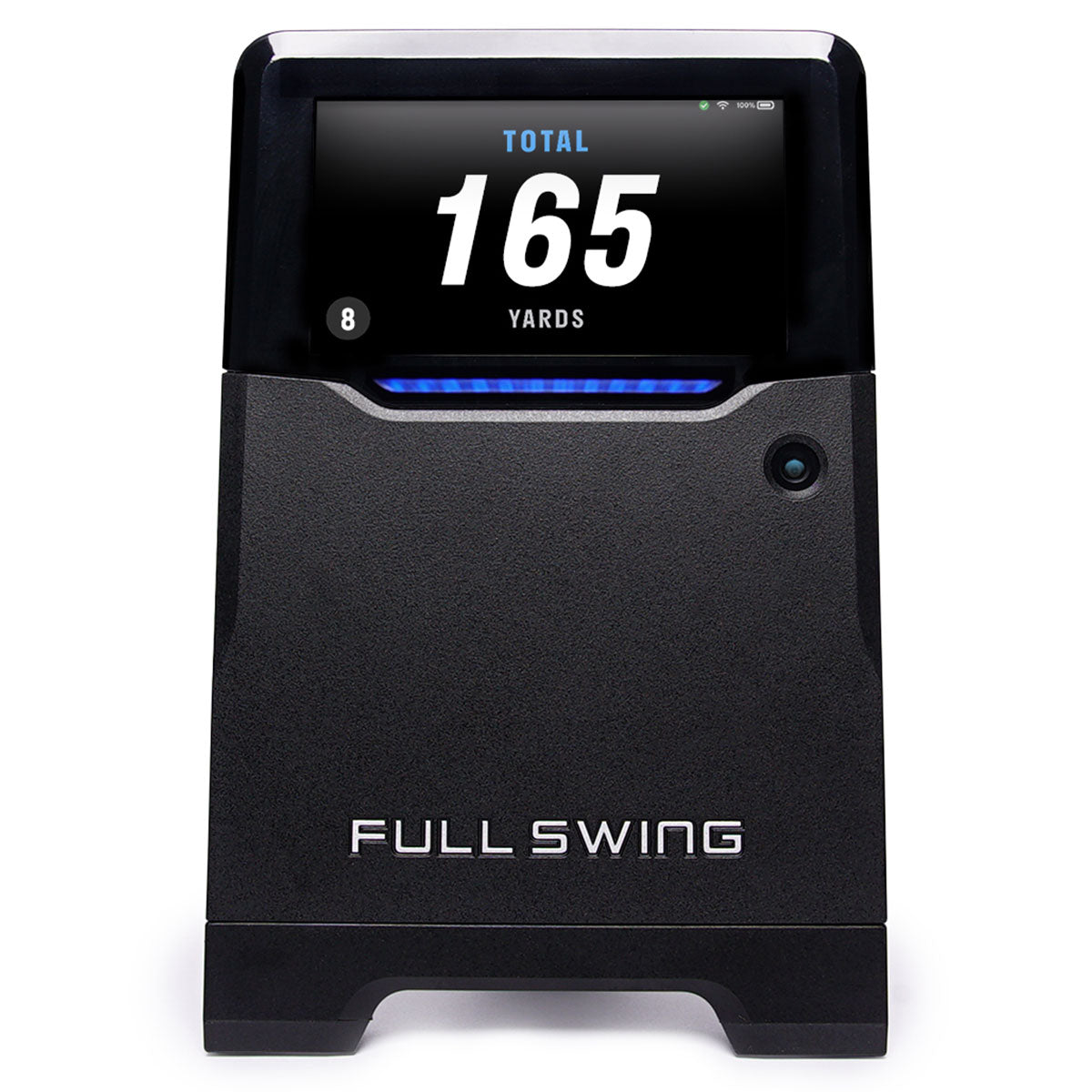
7.9/10Full Swing KIT review: the tape measure decides this, not Tiger
Tour pedigree, TGL on ESPN, and radar good enough to be checked against a Trackman outdoors. It also wants eighteen to twenty feet of room, which rules out most of the garages people buy it for.
Versus
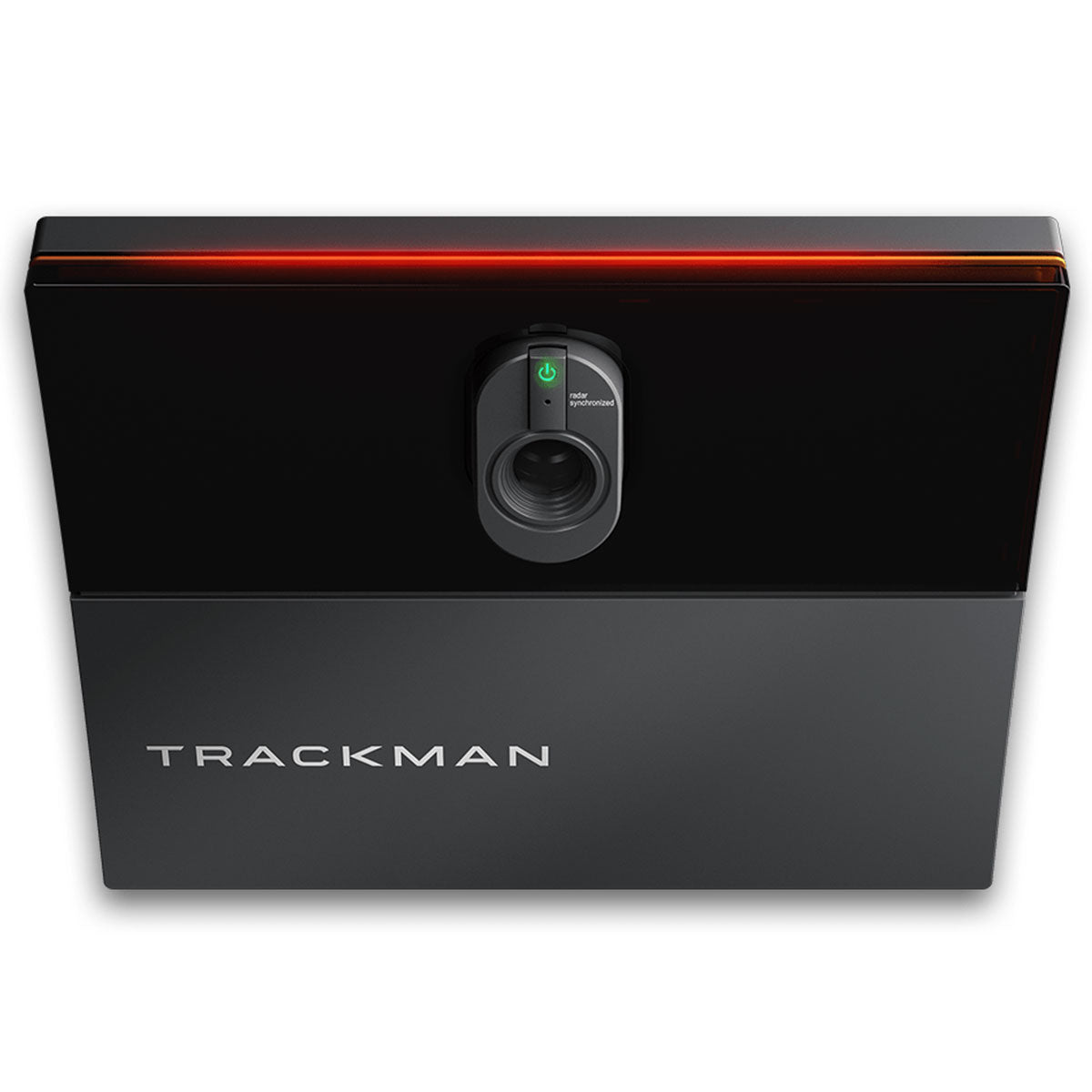
Trackman iO vs Uneekor EYE XO2: the year-one trap
Both mount overhead, both want ten feet of ceiling, and about $3,000 separates them on the shelf. Then Trackman's included first year runs out, and the gap starts growing by $1,100 a year.