
Golf's smartest gadget doesn't measure your swing — it fixes the thing swinging the club
Massage guns, heat-and-vibration patches and guided mobility work went from tour physio trucks to mainstream in five years, and July is when they earn it: heat, 36-hole trips, back-to-back weekend rounds. Our position: a recovery routine adds more playable golf per season than any club purchase — because you can't turn through what you can't stretch.
By Jordan Hale · Equipment Writer
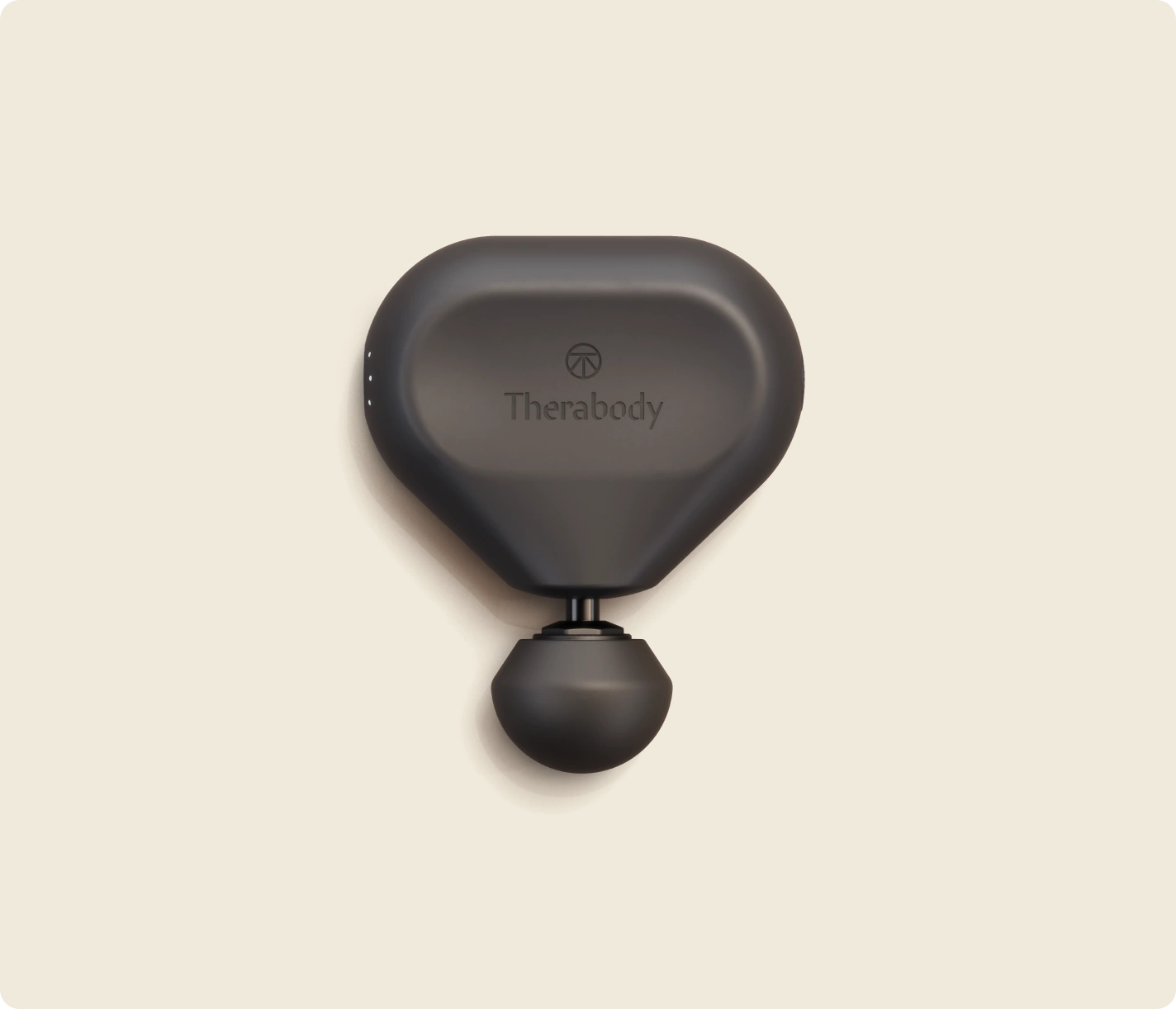
Therabody
Therabody Theragun Mini (3rd Gen)
ifrothgolf earns a commission on purchases made through these links, at no extra cost to you. It never changes what I recommend. Full disclosure.
The most useful new gadget in golf doesn't have a laser, a lens or a launch monitor chip in it. It's the one aimed at the only piece of equipment that plays every single shot: you. Recovery tech — massage guns, targeted heat-and-vibration wearables, guided mobility work — made the jump from tour physio trucks to mainstream shelves in about five years, and somewhere along the way it quietly became the best value-per-stroke purchase in the game. That's our position, stated plainly: a modest recovery routine adds more playable golf to your season than any club you can buy this summer. And July — heat, holiday golf, 36-hole trips, back-to-back weekend rounds — is exactly when the bill for ignoring it comes due.
From the physio truck to your golf bag
A decade ago, percussion therapy was something you glimpsed in footage of a tour fitness trailer. Today the same category sits next to the rangefinders in mainstream sports retail, and the trickle-down is genuinely complete: the tools tour players use to stay loose across a four-round week are now bag-sized, quiet and priced like a wedge rather than a physio retainer. Golf should have been the first sport to embrace this and was nearly the last. We happily spend serious money on forgiveness — clubs engineered to rescue the swings our bodies produce at 4pm — while spending nothing on the body producing them. The gear conversation has been optimising the wrong end of the club.
Mobility is speed
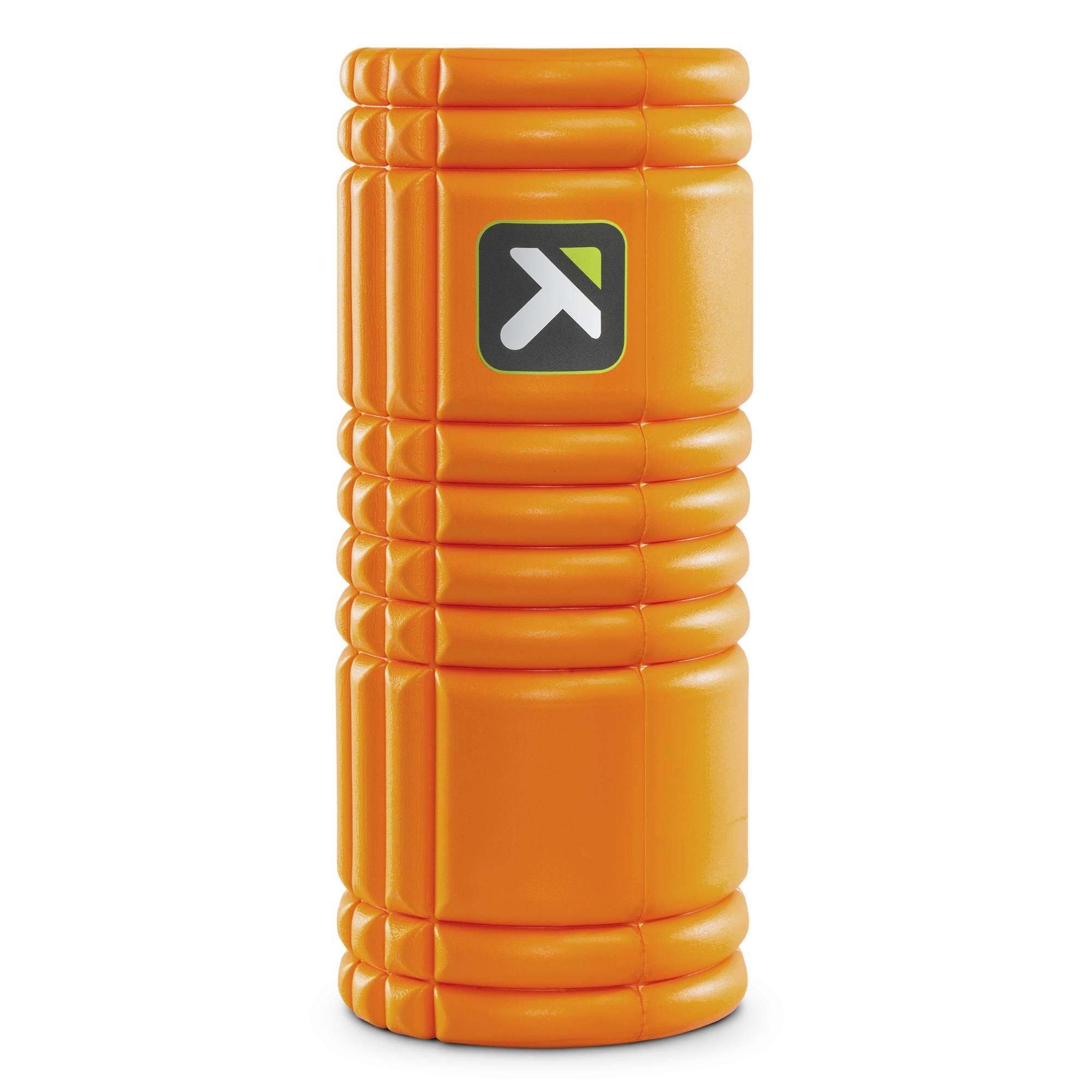
Here's the part that reframes recovery as a performance buy rather than a wellness one: mobility is speed. A golf swing's power comes substantially from rotation — the separation between hips and shoulders that loads the body like a spring — and you cannot turn through what you can't stretch. Every degree of thoracic rotation you lose to a stiff back is speed you never get to apply, no matter what the driver's face is made of. This is why fitness systems built around rotation and mobility have become standard in elite golf, and why the smart amateur move is embarrassingly simple: spend ten minutes making the spring work before spending four figures making the clubface more forgiving of a spring that doesn't. A foam roller working through your thoracic spine is, in the most literal sense, distance equipment.
The marathon months
If recovery tech earns its keep anywhere, it's in golf's marathon stretch. July means heat — and sports science's consensus is that dehydration of around 2% of body mass measurably impairs fine motor control and decision-making, a real effect across a four-plus-hour round before you add fatigue. It means golf trips with 36-hole days, where the second round is played by a noticeably older version of the body that played the first. It means back-to-back weekend rounds with a full workweek's stiffness in between. And it means every golfer over 50 whose entire warm-up is currently two practice swings on the first tee — the demographic with the most to gain from five minutes of preparation and the least habit of doing it. None of this is hypothetical. It's the difference between a Sunday round you play and a Sunday round you survive, and it compounds into the real prize: more playable golf per season, later into life.
What a sensible kit actually looks like
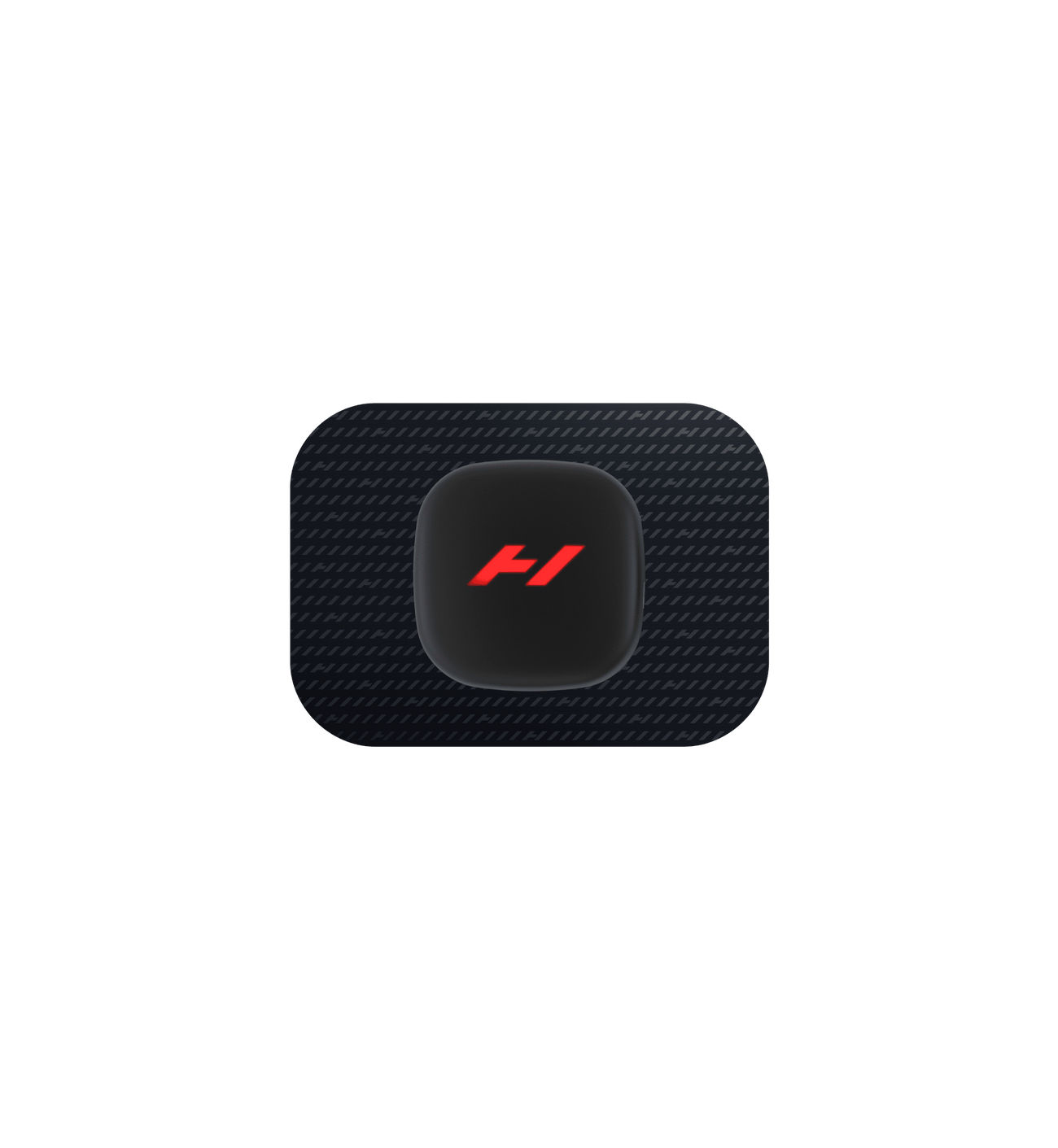
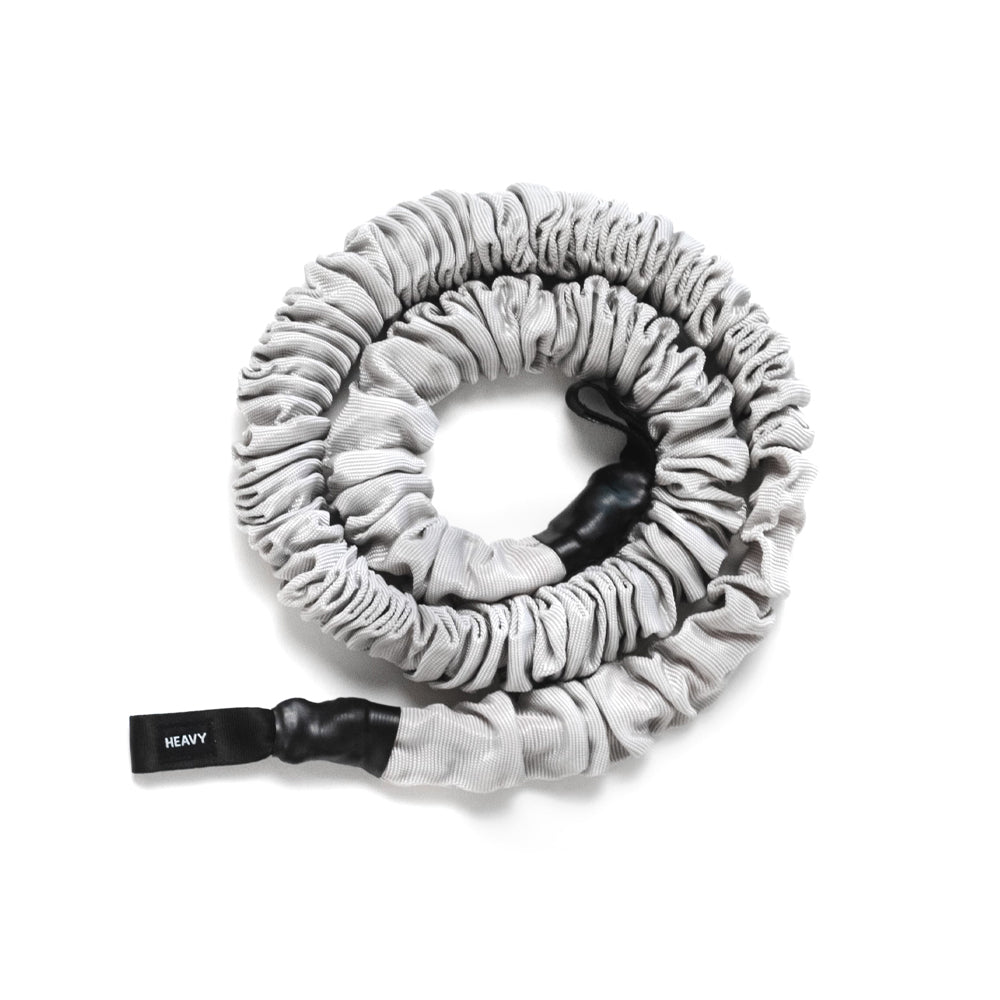
The good news is that a complete setup costs less than a driver upgrade and fits in a shoe box. The Theragun Mini is the pick for golfers who'll actually carry it: genuinely bag-sized, quiet enough for the clubhouse, and strong enough to loosen a tight back, forearms or calves before you tee off. The Hyperice Venom Go solves a different problem — it sticks straight onto a stiff lower back and delivers heat plus vibration hands-free, which makes it the tool for the drive to the course. The TriggerPoint GRID roller is the foundation piece: the patterned roller physios actually own, ideal for the thoracic-spine work that directly buys backswing turn, and built to last a decade. And GolfForever's resistance bands add the thing most golfers are missing — structure — pairing golf-specific bands with guided routines from the system associated with Scottie Scheffler's camp. Start with the roller and bands; add the powered kit if the habit sticks.
The honest limits
Now the disclaimer this category deserves, because the marketing won't give it to you. A massage gun is not physiotherapy. Percussion and heat are excellent at loosening tight, healthy muscle and making warm-ups and recovery genuinely better — they are not a diagnosis, and they are not treatment for pain. If your back hurts, that's a professional's job, and buzzing the symptom can delay the appointment you actually need. Be equally honest about the mechanism: some of what these tools deliver is measurable and some is simply feeling better, and the research on percussion therapy is younger than the industry selling it. We'd also gently note that the cheapest recovery tech — sleep, water, and a real warm-up — remains stubbornly free. The gadgets are the reinforcement, not the substitute.
Who should buy it — and who should skip
Buy in if you're playing heavy summer volume, heading out on a 36-a-day trip, north of 50, or aware that your speed has quietly shrunk with your turn — you're the golfer this category was trickled down for. Start with the GRID roller and the bands, which cost dinner-for-two money combined and deliver most of the benefit. Skip the powered gadgets if you already have a genuine gym-and-stretching routine (you own this benefit already), if you're shopping for a fix for actual pain (see a professional first), or if you know yourself well enough to predict the drawer where unused gadgets live. For everyone else, the argument stands: the club that plays every shot is your body, and it's the only one that gets better with maintenance. The full kit is ranked in our recover and stay loose guide, alongside the rest of our training coverage.
Products mentioned in this article
Therabody
Therabody Theragun Mini (3rd Gen)
The bag-sized percussion gun: quiet enough for the clubhouse, strong enough to wake up a stiff back before the first tee.
Hyperice
Hyperice Venom Go
The hands-free fix: a stick-on heat-and-vibration patch that warms a tight lower back loose on the drive to the course.
TriggerPoint
TriggerPoint GRID 1.0 Foam Roller (13 inch)
The buy-it-for-life foundation: the roller physios actually own, and the cheapest route to a bigger backswing turn.
GolfForever
GolfForever Resistance Bands + App
The structure: golf-specific bands plus a guided app from the system associated with Scottie Scheffler's camp.
ifrothgolf earns a commission on purchases made through these links, at no extra cost to you. It never changes what I recommend. Full disclosure.
Frequently asked
- Do massage guns actually help your golf game?
- They help the body that swings the club. Percussion loosens tight muscle before a round and eases stiffness afterwards, which supports the rotation your swing speed depends on and makes heavy playing weeks more sustainable. They will not change your technique, and the research is younger than the marketing — treat them as a warm-up and recovery aid, not a performance device.
- What is the best recovery routine for golfers?
- The unglamorous basics first: sleep, hydration and a five-to-ten-minute dynamic warm-up before you swing. Add foam rolling for the thoracic spine, glutes and lats a few times a week, resistance-band work for rotation and mobility, and percussion or heat on stubborn tight spots before and after golf. Consistency matters far more than equipment — a short routine done daily beats a long one done never.
- Does better mobility really add swing speed?
- For most amateurs, yes. Swing speed depends heavily on rotation — the separation between hips and shoulders that loads the swing — and restricted mobility caps that turn regardless of your equipment. Improving thoracic and hip mobility lets you use the speed your body already has, which is why rotation-focused training is standard in elite golf. A stiff golfer with a new driver is still a stiff golfer.
- Can a massage gun fix golf-related back pain?
- No, and this matters. Massage guns are for loosening tight, healthy muscle — they are not physiotherapy, diagnosis or treatment. Golf-related back pain has many possible causes, some of which percussion can aggravate, and buzzing the symptom can delay the professional assessment you actually need. Use recovery tools for maintenance and warm-ups; see a physio or doctor for pain.
- Why does summer golf make recovery matter more?
- Volume and heat. Summer means back-to-back rounds, 36-hole trip days and long walks in high temperatures — and sports-science consensus holds that dehydration of around two percent of body mass measurably impairs fine motor control and decision-making over a long round. A body that starts loose and stays hydrated simply plays more good golf in the marathon months, especially for golfers over 50.
Read next
Opinion
"Golf isn't a sport" is a dead argument. The players adding distance already know it.
The modern game is an athletic, speed-obsessed pursuit, and the amateurs actually gaining yards are the ones treating their bodies like athletes do. The gap almost nobody works on isn't swing reps — it's recovery and mobility, the cheapest speed you're leaving on the table.
Review
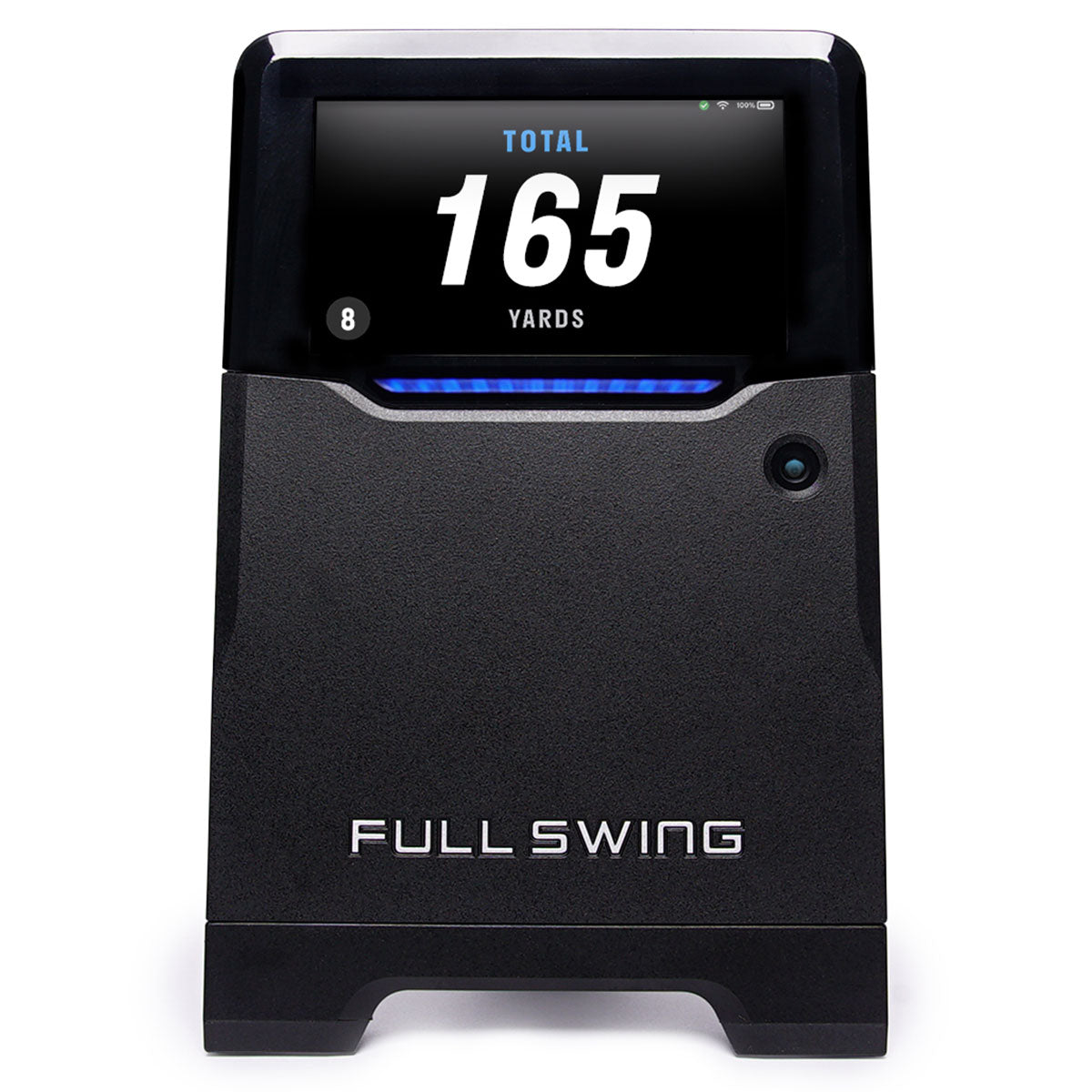
7.9/10Full Swing KIT review: the tape measure decides this, not Tiger
Tour pedigree, TGL on ESPN, and radar good enough to be checked against a Trackman outdoors. It also wants eighteen to twenty feet of room, which rules out most of the garages people buy it for.
Versus
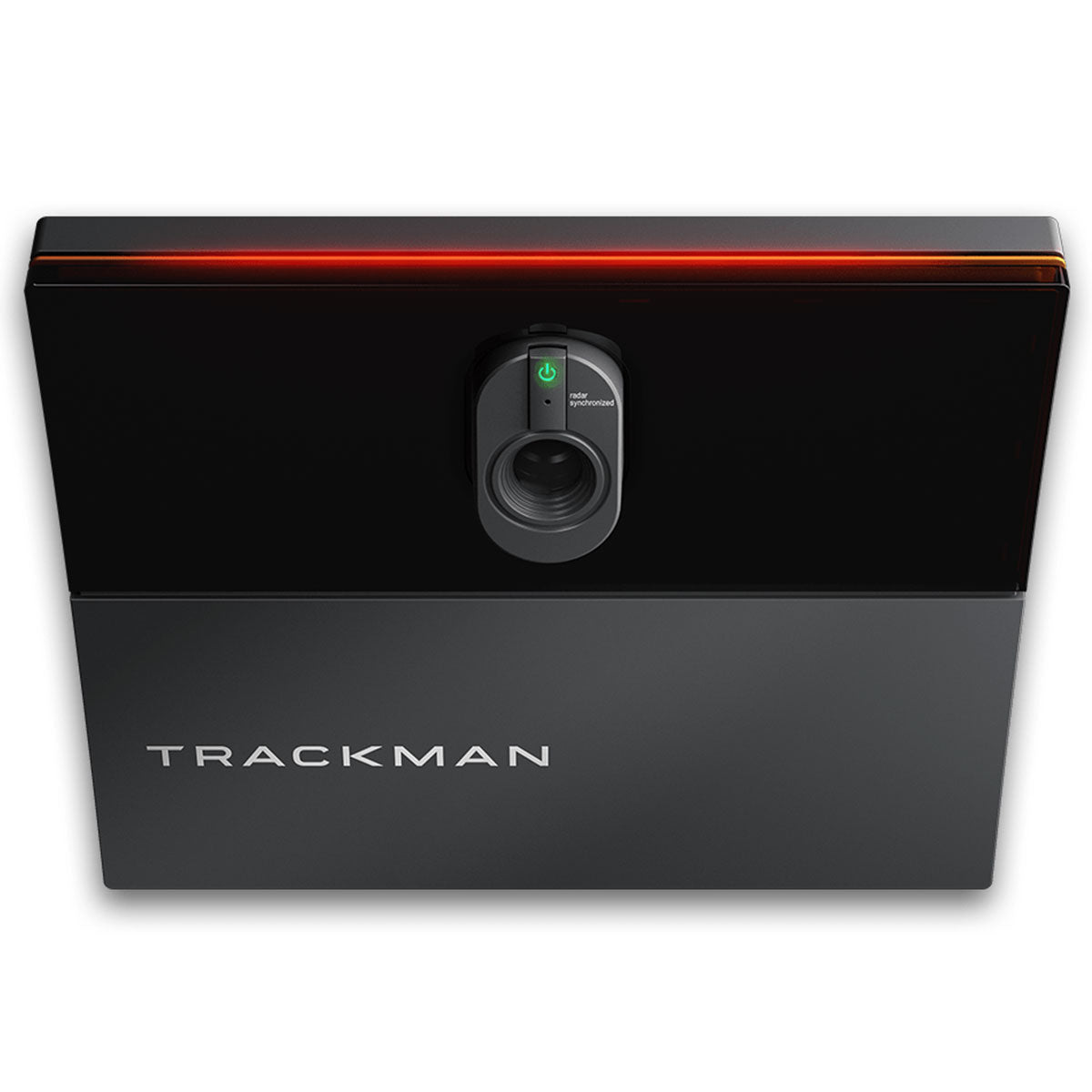
Trackman iO vs Uneekor EYE XO2: the year-one trap
Both mount overhead, both want ten feet of ceiling, and about $3,000 separates them on the shelf. Then Trackman's included first year runs out, and the gap starts growing by $1,100 a year.