
How to watch The Open like someone who actually knows gear
The 154th Open tees off tomorrow at Royal Birkdale, and the broadcast will spend four days telling you about grit and destiny. The real drama is in the bag. Here are the equipment storylines that actually decide links golf — and which bits of tour tech are worth buying and which are pure theatre.
By Tom Whitaker · Staff Writer
 Opinion
Tomorrow morning the 154th Open Championship gets under way at Royal Birkdale, and by lunchtime a commentator will have used the word 'destiny' at least twice. Ignore that. The most interesting story of Open week has never been in the players' faces — it's in their bags, and links golf writes that story more honestly than any other week of the year. Firm, fast ground and a wind that reorders the leaderboard by tea-time strip away the marketing and expose what equipment actually does. So here is the gear-literate way to watch: the four storylines worth tracking, and a running commentary on what's genuinely clever versus what's just there to sell you something in August.
Storyline one: the drivers get de-tuned
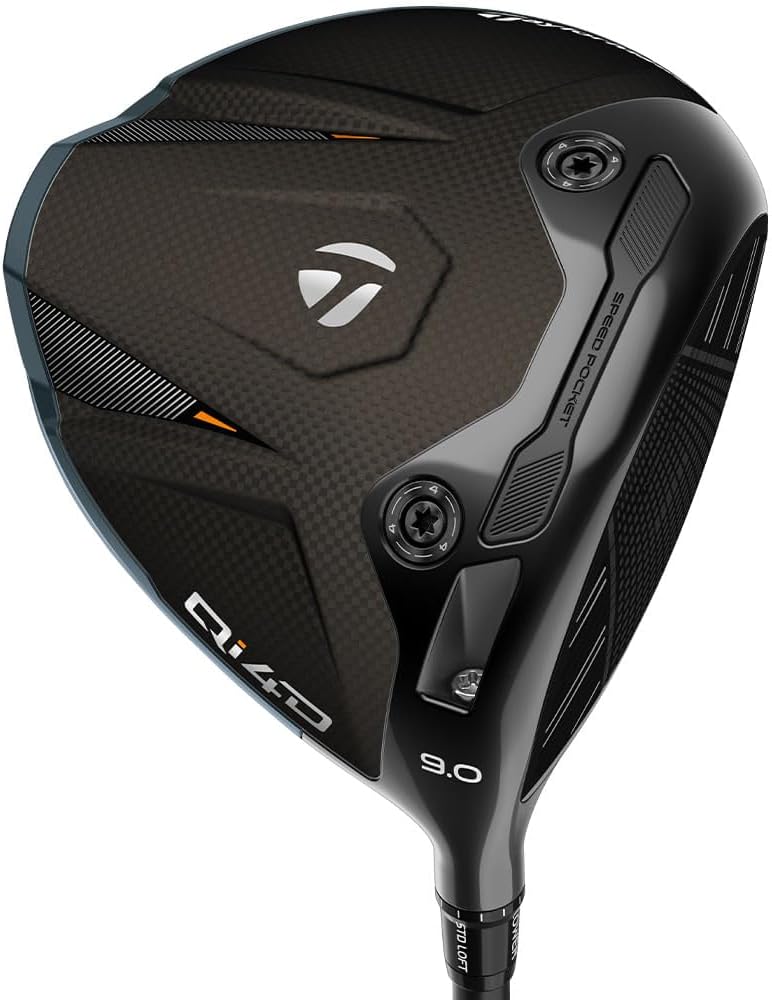
The single biggest tell of links week is what the tour vans do to the drivers, and it's the opposite of what the ads sell you. All year the message is 'high launch, more carry, bomb it'. At Birkdale, into a coastal wind, carry is the enemy — a high, spinny tee shot balloons, stalls and drops out of the sky forty yards short of a low bullet that never left knee height. So the techs wind spin down: lower lofts, weights forward, shafts that flatten flight. The TaylorMade Qi4D driver is the consumer version of exactly that thinking — a low-spin head with a movable weight track you can shift forward to kill the balloon. Watch how many players tee off with a driver flight that looks almost boring. That flat, hunting trajectory is the whole point, and it's the one genuinely transferable lesson of the week: if you play in wind, your driver problem is probably too much spin, not too little.
Storyline two: the ball is the quiet decision
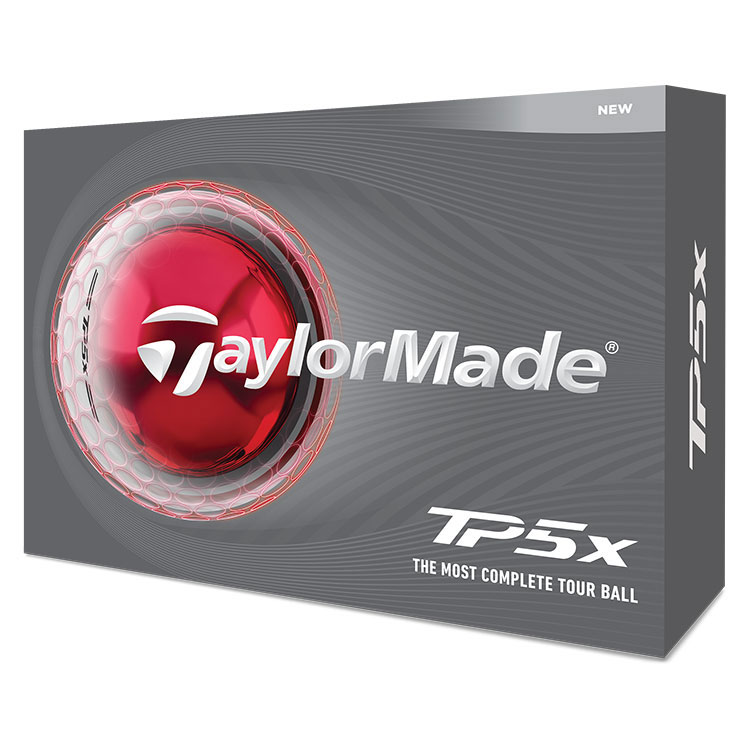
Nobody mentions the ball on air, which is bizarre, because on a links it's arguably the biggest equipment variable in play. A soft, high-spin ball that's a joy on a soft parkland course becomes a liability when the wind is up — it climbs, it drifts, and it refuses to run out on ground baked hard by a week of sea breeze. The firmer, lower-spinning tour balls come into their own. The TaylorMade TP5x is the archetype: a five-layer ball built to fly flatter and spin less off the long clubs while still checking with the wedges, which is precisely the combination links golf demands. When you see a low, penetrating iron shot that lands and scampers thirty feet toward the flag, that's not just a swing — that's a ball chosen for the job. The consumer takeaway is real: most amateurs play too soft a ball for their conditions and wonder why the wind eats them alive.
Storyline three: the extra wedge versus the driving iron
Every Open reignites the same fourteen-club argument, and it's a genuinely good one. Firm links greens are hard to hold, which tempts players toward an extra high-lofted wedge for the delicate stuff around the collars and out of pot bunkers. But the same wind that argues for a wedge also argues for its opposite — a driving iron or a low 2-iron that flights the ball under the gusts off the tee and on long approaches, when a driver is simply too much. Something has to give, because the bag only holds fourteen. Watch which way each player leans: the wedge-heavy setups are betting on their short game around firm greens; the driving-iron players are betting they can keep it out of the wind and let the ground do the work. There's no marketing here to distrust — this is just cold strategy, and it's the most revealing single choice in any player's bag all week.
Storyline four: the putter parade is real this time
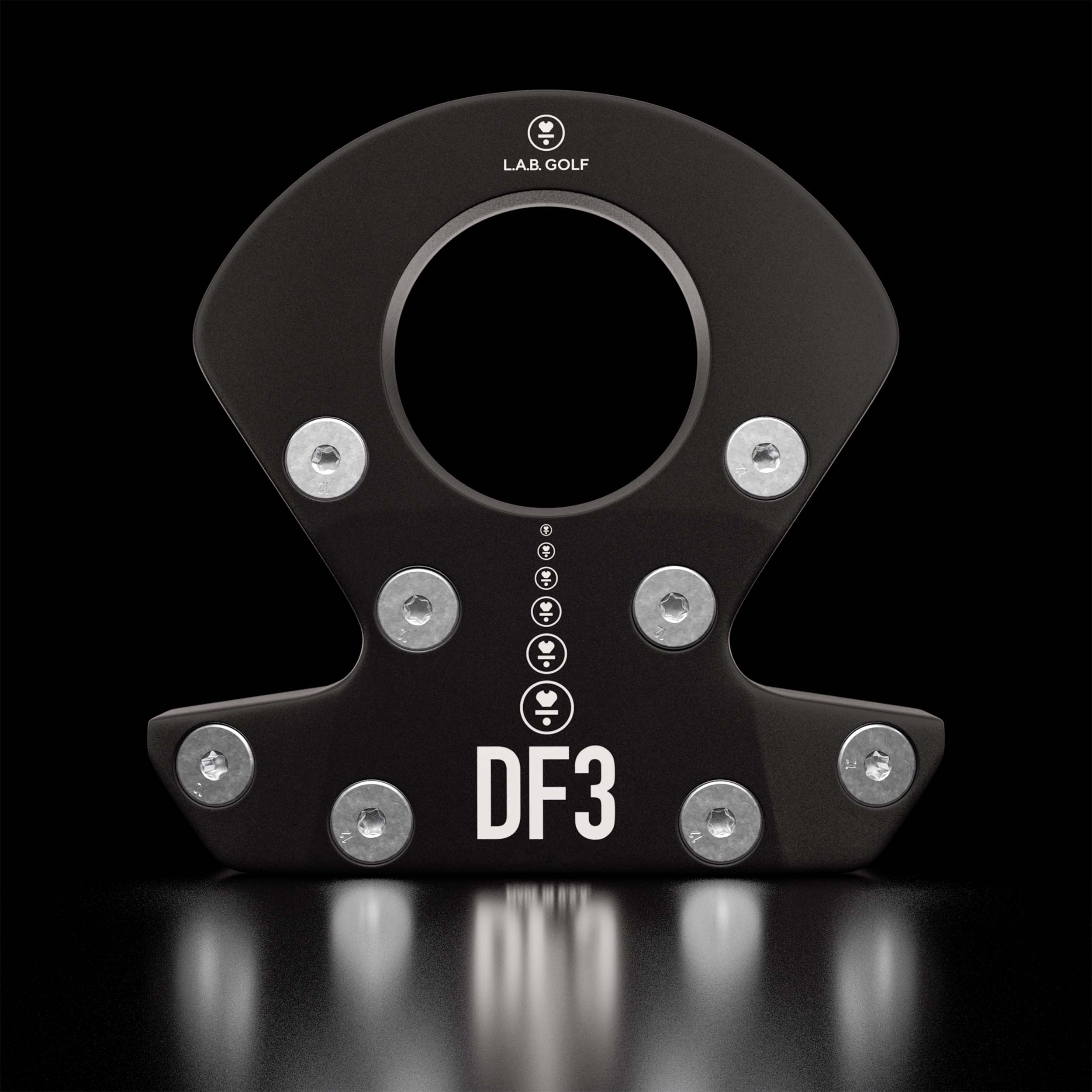
The 'putter parade' is usually broadcast filler — a montage of grips and mallets set to hopeful music. This year it's actually the story, because tour putting has quietly been taken over by zero-torque designs, and the L.A.B. Golf DF3 is the face of it. The pitch is straightforward and, unusually for golf, largely true: the head is balanced so it doesn't want to twist through the stroke, which reduces the amount of hand manipulation needed to return the face square. On glassy, exposed links greens where a slightly open face is punished mercilessly, that stability matters. This is the rare tour trend where the tech is worth the money for ordinary golfers too — if you fight the face through impact, a zero-torque putter is one of the few genuine equipment fixes rather than a placebo. Count the DF3s and the copycats this week; you'll lose track.
And the bit under the trousers that decides Sunday
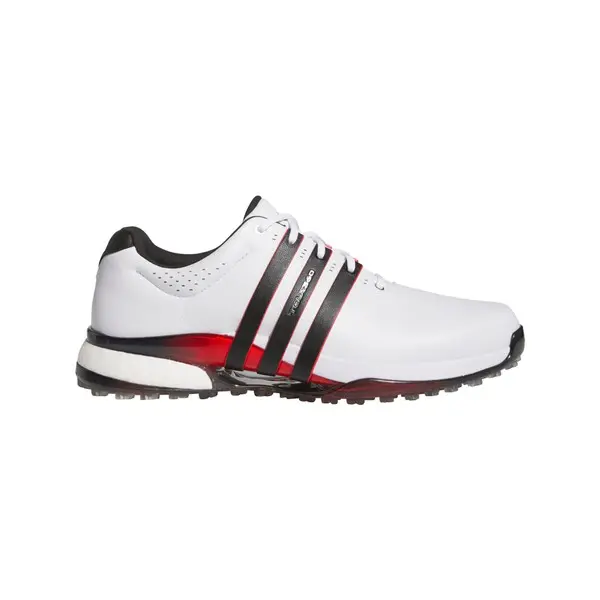
The least glamorous storyline is the footwear, and a British coastline in July can hand you all four seasons before the turn. This is where the tour quietly ignores the fashion cycle: when it's genuinely nasty, the pros go spiked and waterproof, not sleek and sneaker-like. A shoe like the adidas Tour360 25 — proper traction, a stable platform, a membrane that actually keeps water out — is the honest answer to a Birkdale forecast, and it's the one piece of kit where 'buy what the tour wears in bad weather' is straightforwardly good advice. Grip is the foundation everything else is built on; a swing made from a sliding base is just an expensive guess. More of the hardware side of the game lives in our clubs hub.
What to actually take from the week
Here's the filter for four days of gear talk: if a graphic tells you a driver launches higher and carries further, remember that at Birkdale the winners will be doing the opposite. The transferable lessons are the unglamorous ones — flight your driver lower if you play in wind, stop playing too soft a ball, consider a zero-torque putter if your face control is the leak, and buy the boring waterproof shoe. Ignore the destiny talk, watch the bags, and you'll learn more about golf equipment in four days than a year of launch videos will teach you. Enjoy the wind — it's the best pundit on the broadcast.
Products mentioned in this article
TaylorMade
TaylorMade Qi4D Driver
The consumer version of the driver the tour vans dial for wind — low-spin, adjustable, and the head shape you'll see all week.
TaylorMade
TaylorMade TP5x Golf Balls
The firmer, lower-spinning five-layer tour ball built for exactly the flat, penetrating flight links golf rewards.
L.A.B. Golf
L.A.B. Golf DF3 Putter
The zero-torque putter that has quietly taken over tour putting counts — the real story of the putter parade.
adidas
adidas Tour360 25 Golf Shoes
The spiked, stable, waterproof shoe that is the honest answer to a Lancashire coast forecast.
ifrothgolf earns a commission on purchases made through these links, at no extra cost to you. It never changes what I recommend. Full disclosure.
Frequently asked
- Why do players use low-spin drivers at The Open?
- Coastal links wind punishes high, spinny ball flight — the ball climbs, stalls and loses distance. Lowering spin produces a flatter, penetrating trajectory that holds its line into the wind and runs out on firm ground, which is why tour techs shift weights forward and drop loft during Open week.
- Does the golf ball choice really matter on a links course?
- Yes, arguably more than anywhere else. Firm, fast links conditions and strong wind favour firmer, lower-spinning balls that fly flatter off the long clubs and run out on hard ground, while still checking with the wedges. A soft, high-spin ball tends to balloon and drift in wind.
- What is a zero-torque putter and why is it a tour trend?
- A zero-torque putter is balanced so the head resists twisting through the stroke, reducing how much a player has to manipulate the face to return it square at impact. On fast, exposed links greens where an open face is heavily punished, that added stability is valuable, which is why designs like the L.A.B. DF3 have spread quickly on tour.
- Should amateurs copy what the pros use at The Open?
- Selectively. The strongest transferable lessons are flighting your driver lower if you play in wind, not playing too soft a ball for your conditions, considering a zero-torque putter if face control is your weakness, and wearing genuinely waterproof spiked shoes in bad weather. Copying high-launch marketing setups, by contrast, is the opposite of what wins in links conditions.
Read next
Review
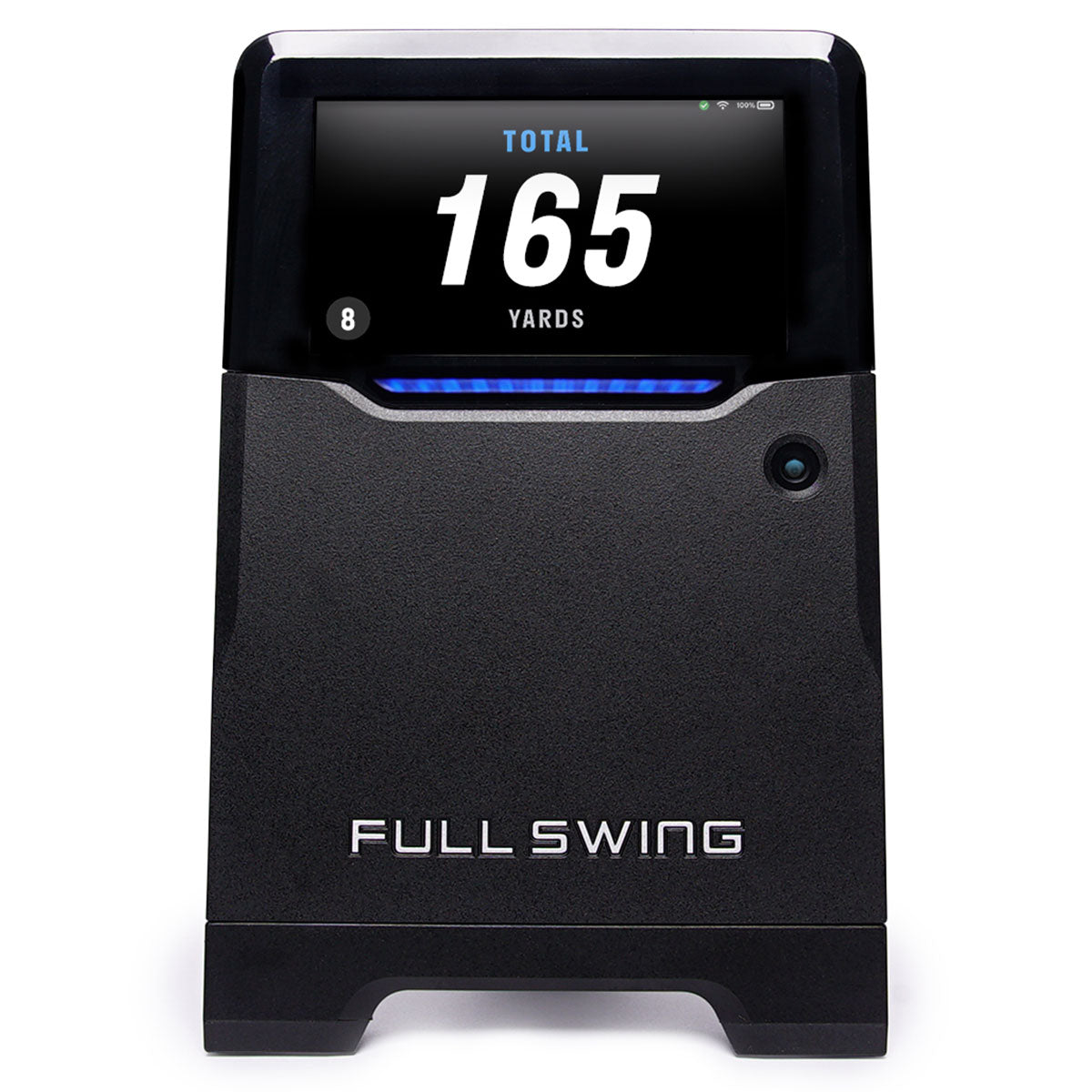
7.9/10Full Swing KIT review: the tape measure decides this, not Tiger
Tour pedigree, TGL on ESPN, and radar good enough to be checked against a Trackman outdoors. It also wants eighteen to twenty feet of room, which rules out most of the garages people buy it for.
Versus
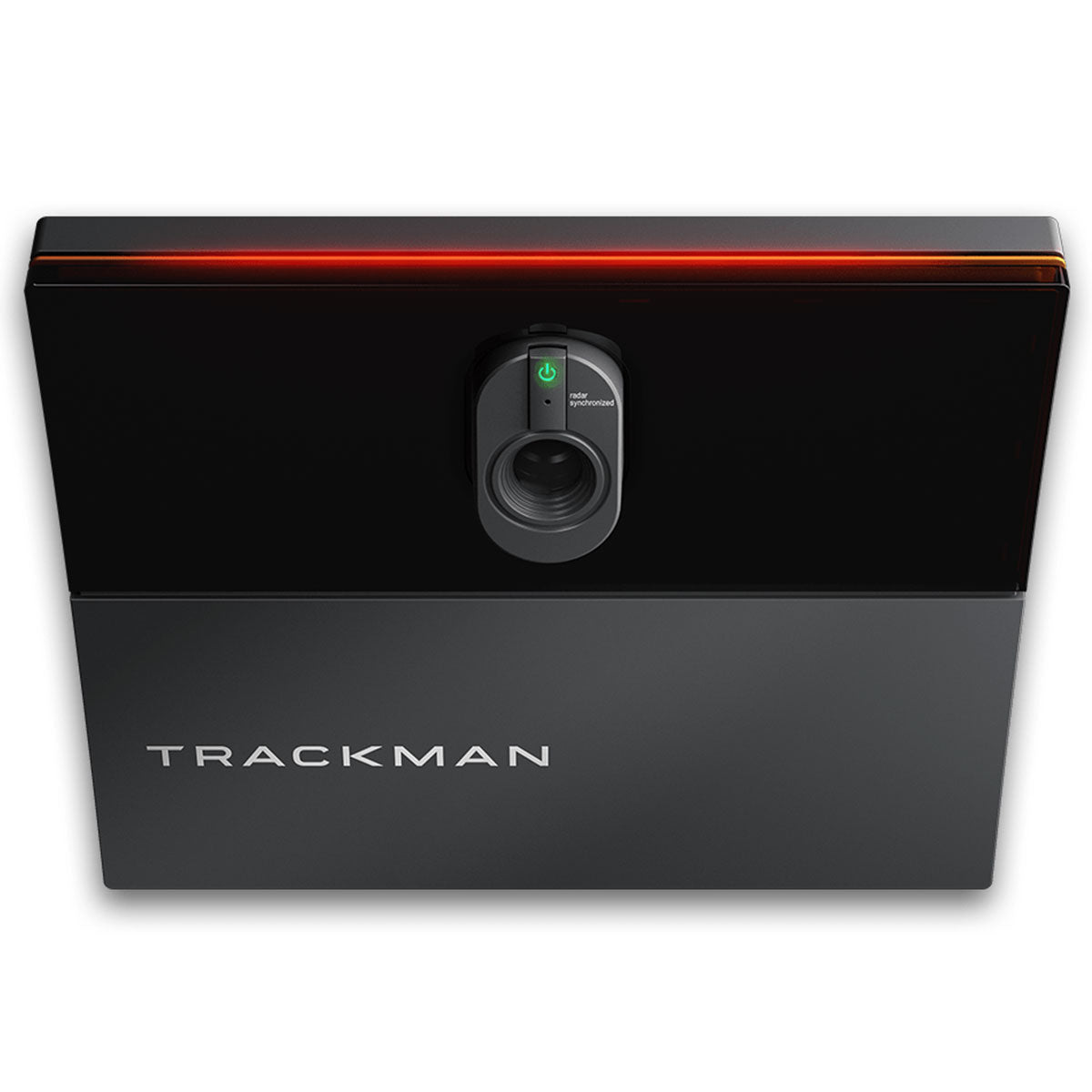
Trackman iO vs Uneekor EYE XO2: the year-one trap
Both mount overhead, both want ten feet of ceiling, and about $3,000 separates them on the shelf. Then Trackman's included first year runs out, and the gap starts growing by $1,100 a year.
Versus
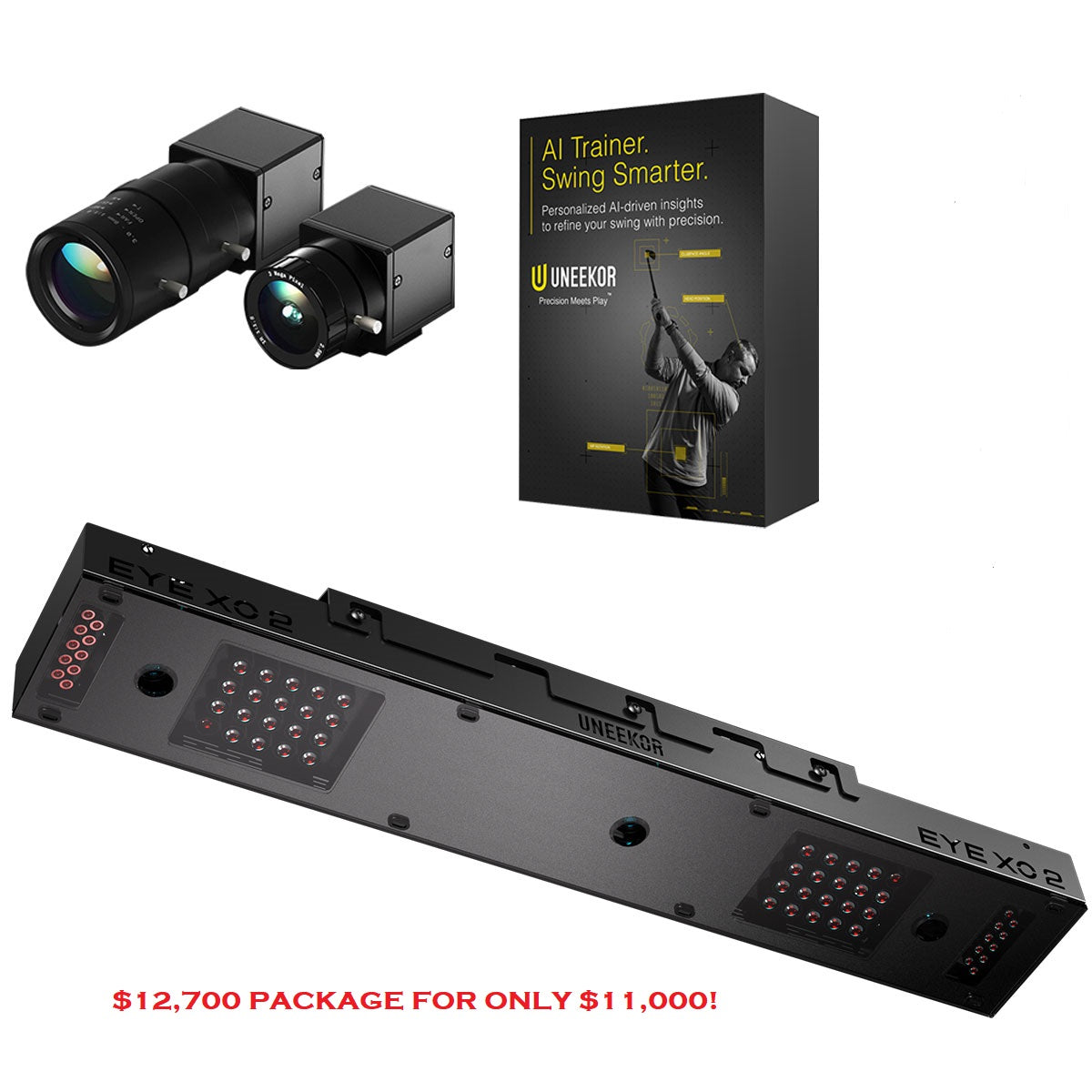
Uneekor EYE XO2 vs Foresight GC3: ceiling or floor?
About $4,000 separates them, but they're not really rivals — one lives in your ceiling forever, the other sits on the floor and travels. The cheaper one is also the one with no subscription.