
Zero-torque putters: golf's fastest-spreading idea
Tour bags are quietly being rebuilt around a putter that won't twist. Here's why — and where it started.
By Ross Hamilton · Staff Writer
The verdict
Excellent
What's great
- Face returns to square with almost no effort from your hands
- A genuine fix for left-right misses on short, nervy putts
- Tour-proven — Spaun's 2025 US Open and mid-season pro switches, the rarest endorsement in putting
- Now available from every major brand, including a sub-$375 value route
Watch out
- Polarising looks and a notably heavy, wide head
- Toe-up balance takes a few rounds to trust
- Little to gain if you already have a sweet, repeatable arc
- The original DF3 is premium-priced and sold direct, not on Amazon
Bottom line — If your short putts leak left and right, this is the rare upgrade where the hype and the physics genuinely agree — and you no longer have to spend L.A.B. money to get it.
L.A.B. Golf
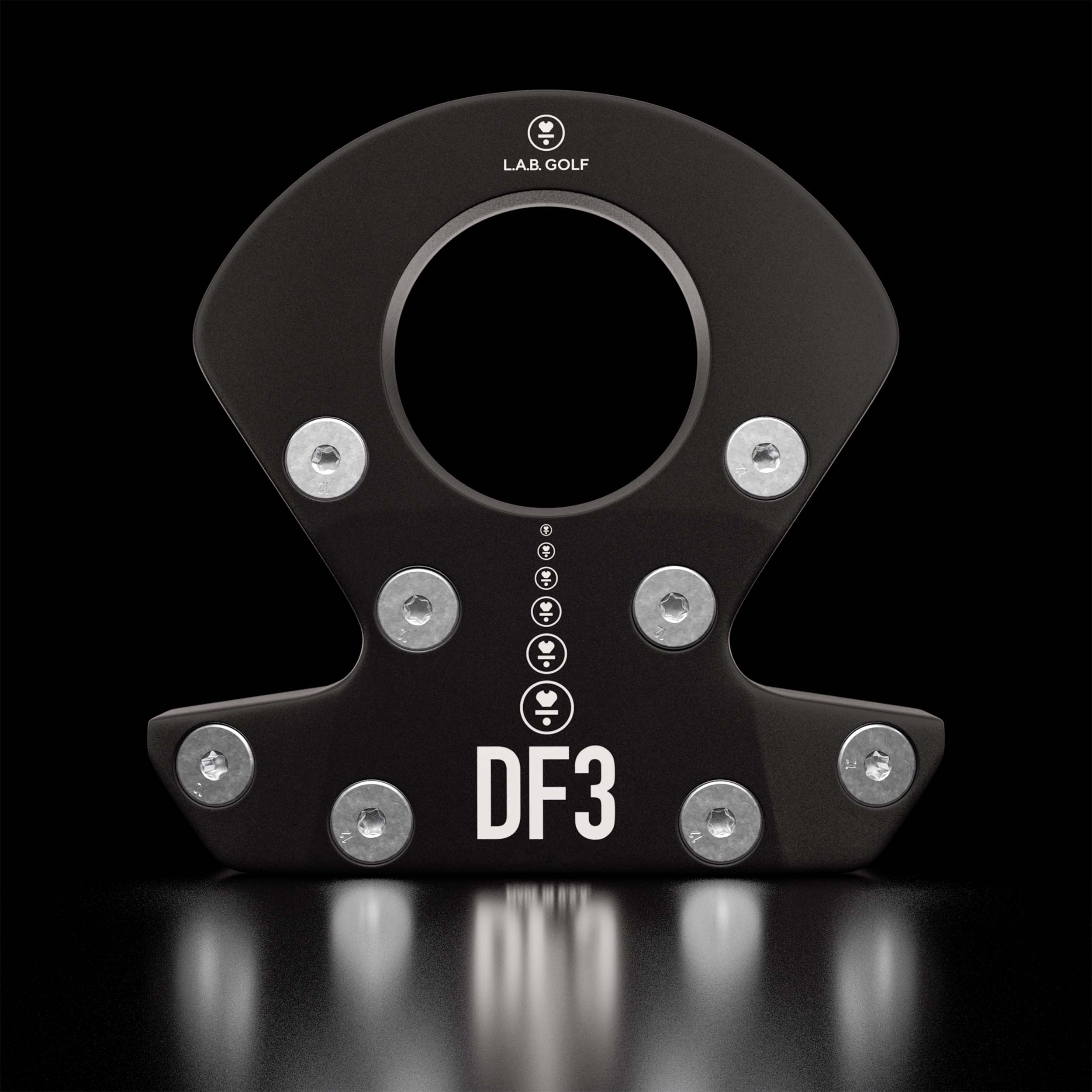
L.A.B. Golf DF3 Putter
ifrothgolf earns a commission on purchases made through these links, at no extra cost to you. It never changes what I recommend. Full disclosure.
If your short putts leak left and right rather than long and short, a zero-torque putter is the upgrade most likely to lower your scores. Engineered to stay square through the stroke with effectively no twist, it's gone from a cult idea out of one small Oregon brand to the fastest-spreading story in putting — and the mechanism, unusually, lives up to the hype.
Where it came from
For decades the putter was the one club nobody dared overthink. You bought a blade or a mallet, fought the same wristy stroke you always had, and blamed the greens. Then L.A.B. Golf — a tiny operation out of Eugene, Oregon — asked an awkward question: why does the face open and close through the stroke at all? Their answer was Lie Angle Balance, which is the L of L.A.B.: position the shaft and weight the head so the centre of gravity sits directly under the shaft axis, and the face has no leverage to twist. It simply wants to stay square on its own.
That idea went from curiosity to category-definer in barely two seasons. L.A.B. grew into roughly the third-biggest putter brand in golf, with limited colourways selling out in hours. The tipping point was the 2025 US Open, when J.J. Spaun rolled in a 64-foot bomb on the 72nd hole to win — with a L.A.B. DF3 in his hands. You cannot buy a more credible advertisement than a major championship holed on the final green, and the whole industry noticed.
Why it works
Every putter has a balance point. On a conventional design, gravity tries to twist the head open as you take it back, and you spend nervous energy — usually through your hands and wrists — squaring it up again by impact. That manipulation is fine when you're relaxed and disastrous when you're not. A zero-torque design removes the twisting force in the first place: there is nothing to fight, so the face returns to where it started without your hands getting involved.
On short, pressure putts that stability is worth real strokes, because face angle at impact is overwhelmingly what decides start line. Putting researchers put roughly 80–90% of a putt's initial direction down to where the face points at impact, and the most common amateur miss is a face a degree or two off square. From four feet, a single degree of open face is enough to slide the ball past the edge. Take the rotation out of the equation and that error largely disappears — which is exactly why independent putter tests keep placing zero-torque models among the most consistent for face-angle control under a gate.
The other half of the appeal is what it does under nerves. The hand manipulation a conventional putter demands is the first thing to break down when a putt matters — the yips, in their mildest everyday form, are a fast hand trying to save a face that's twisting. A zero-torque design simply gives those hands less to do. You're not timing a release any more; you're rocking your shoulders and letting a square face stay square. For golfers who've spent years tinkering with grips, claws and arm-lock setups to quiet a wristy stroke, that's the real draw: not a few extra makes in testing, but a calmer, more repeatable feeling over the ball when it counts.
The field, led by the DF3
The L.A.B. DF3 is the one that broke it open: chunky, unmistakable, built to order, and in play with tour winners who switched mid-season — the strongest possible endorsement in a category where pros almost never change putters. At around $550 it's premium money, and it's sold direct rather than on Amazon, with lead times that stretch whenever a finish goes viral. But it remains the benchmark the rest are measured against.
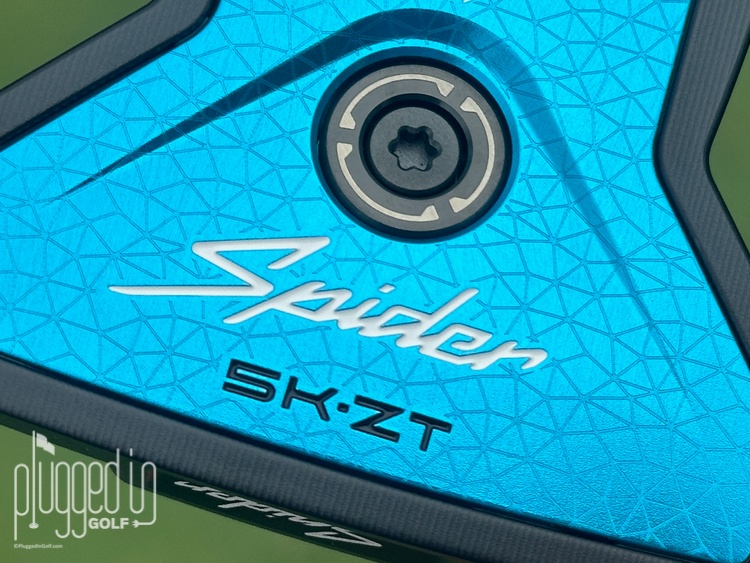
And the rest arrived fast. Every major brand has now rushed out an answer, which tells you this isn't a fad they expect to fade. TaylorMade's Spider ZT takes the proven high-MOI Spider mallet and re-engineers it to stay toe-up, and it already has a PGA Tour win on the board (Brian Harman at the Valero). Odyssey's Square 2 Square Jailbird is the value route in at around $375, centre-shafted and repeatedly rated the most stable of the new wave by reviewers — even as Odyssey pointedly avoids the 'zero-torque' label. Even Scotty Cameron now offers a low-torque Onset Center neck on the Phantom. We pit two of them head-to-head in Spider ZT vs Jailbird, and the mechanism is broken down plainly in what zero-torque putting actually is.
Who should skip it
It isn't for everyone, and the honest version matters. The look polarises hard — these are wide, heavy heads that some golfers never warm to behind the ball. The toe-up balance takes a few rounds to trust. And if you already own a sweet, repeatable arc and hole everything from inside ten feet, there's genuinely little to gain; you'd be fixing a problem you don't have. Zero-torque also does nothing for speed control or green-reading, which is where most three-putts actually come from.
But if your speed is fine and your misses leak sideways — pulls and pushes rather than long and short — the hype and the physics genuinely agree, and that's rare in golf gear. The buying advice is simple: get it fitted (length and lie matter more on these than on a normal putter), and roll a few on a practice green before you dismiss the looks. Most people who try one don't hand it back. Our best putters guide ranks the zero-torque wave against the classics, and if you only fit one club this year, make it the putter.
Where to buy
8.7/10L.A.B. Golf
L.A.B. Golf DF3 Putter
The putter everyone keeps switching to: Lie Angle Balance tech that takes torque out of the stroke, and tour wins to back the hype.
ifrothgolf earns a commission on purchases made through these links, at no extra cost to you. It never changes what I recommend. Full disclosure.
Frequently asked
- What is a zero-torque putter?
- One engineered — via Lie Angle Balance or similar — so the face barely twists through the stroke and returns to square on its own. It removes the rotation you'd otherwise fight with your hands, which steadies short, nervy putts.
- Who benefits most from a zero-torque putter?
- Golfers whose misses leak left and right on short putts rather than long and short. If your pace is good but face control under pressure isn't, it's the upgrade most likely to help. Those with an already-repeatable arc gain little.
- Are zero-torque putters just hype?
- Unusually for golf gear, the mechanism backs the marketing — and tour winners switching mid-season, plus J.J. Spaun's 2025 US Open won with a L.A.B. DF3, is about as strong an endorsement as the game offers. The looks polarise and the heads are heavy, so roll one on a practice green before deciding.
- Do I have to buy a L.A.B. to get zero-torque?
- No. L.A.B. started the category and the DF3 is still the benchmark, but it's premium-priced and sold direct. The TaylorMade Spider ZT brings it to a familiar mallet shape, and the Odyssey Square 2 Square Jailbird offers the same low-torque benefit at roughly half the price.
Read next
Review
8.8/10L.A.B. DF3 review: the putter the tour keeps switching to
The zero-torque putter that won a US Open and rewrote the category. We score the most talked-about flat stick in golf — and tell you who should skip it.
Versus
Spider ZT vs Odyssey Jailbird: two routes into zero-torque
The big brands' answers to the zero-torque craze, head to head — and which one suits how you actually putt.
Review
8.7/10TaylorMade Spider ZT review: the zero-torque putter for Spider loyalists
The first zero-torque mallet from a major brand, with a Tour win already on the board. Is it the most natural way into 2026's biggest putting trend?