
Get a putter fitting before you get a driver fitting
You use it on nearly half your shots and almost nobody fits it. The most neglected, highest-value fitting in golf.
By Dan Mercer · Editor
 Opinion
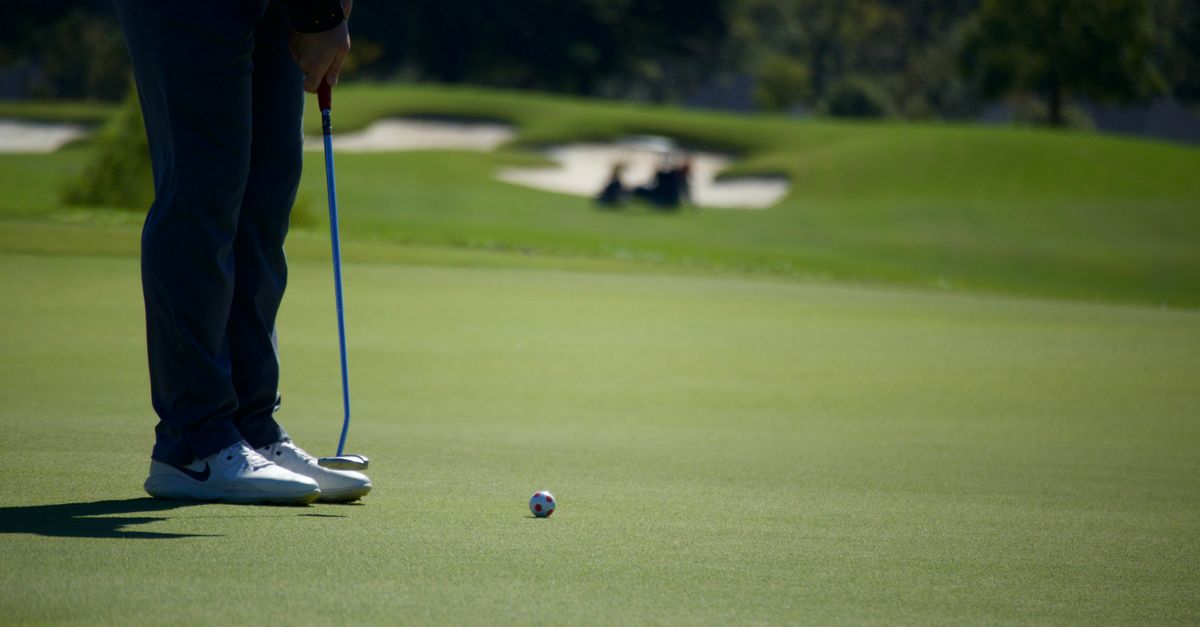
If you only get one club fitted this year, make it the putter — not the driver. You use it roughly twice as often, and length, lie and head style turn straight into holed putts. It's the highest-frequency club in the bag and the most neglected fitting in golf. Here's why it's backwards to do it the other way round — and exactly what a session changes.
The stat that should change how you spend
You hit driver maybe 14 times a round; you putt closer to 30. On a typical scorecard, putts are something like 40% of your strokes — more than any other club, by a distance. Yet golfers queue and pay for driver fittings, then buy a putter off a rack because it looked right or a tour player used one. The maths is upside down. The putter is where good fit most directly and reliably converts into lower scores, and it's where most amateurs are quietly playing the wrong spec without ever knowing it. A driver fitting might find you a handful of yards you'll give back with a loose tee shot; a putter fitting fixes a club you'll use on every single hole.
What a putter fitting fixes
More than the word 'fitting' suggests, because a putter has more relevant variables than people assume. Length is the big one: too long and you stand too upright with your eyes inside the ball; too short and you crowd it and reach. Either way your eye-line is off, and where your eyes sit over the ball quietly governs where you aim — most amateurs who think they're aiming straight are pointed several feet off line and compensating with a manipulated stroke. Lie angle matters because a putter that sits toe-up or heel-down at address points the face offline before you've moved a muscle; even a degree or two of error pushes a ten-footer outside the hole. Then there's head style and toe hang matched to your stroke, loft for your forward press, and grip size and weight to settle the hands. Get those right and you start more putts on line without changing a single thing about your technique. It's the cheapest 'improvement' in golf, and unlike a swing change it sticks the moment you walk off the green.
Why the gains are so reliable
Here's the part that makes putter fitting better value than any other: the stroke is short and slow, so equipment changes show up cleanly rather than getting buried in swing variability. On a 110mph driver swing, a fitting tweak fights for signal against the noise of your timing; on a six-foot putt, the same setup change is most of the result. Because face angle drives the large majority of a putt's start line and putts are over a flat 15-foot distance rather than 250 yards of flight, the right length, lie and aim translate almost one-to-one into balls starting where you intended. That's a rare thing in golf — a fix where the gain is largely independent of how well you swing it.
There's a second, sneakier payoff: a good fitting often improves a putter you already own rather than selling you a new one. A length tweak and a lie-angle bend on your current flat-stick can cost a fraction of a new putter and fix the exact problem you walked in with. Most golfers assume fitting means buying, and many of the best sessions end with you keeping the head you came in with, now actually built to your eye-line. That alone tends to pay for the fee several times over against the alternative — quietly playing an off-the-rack spec for another decade.
It also de-risks the trendy gear
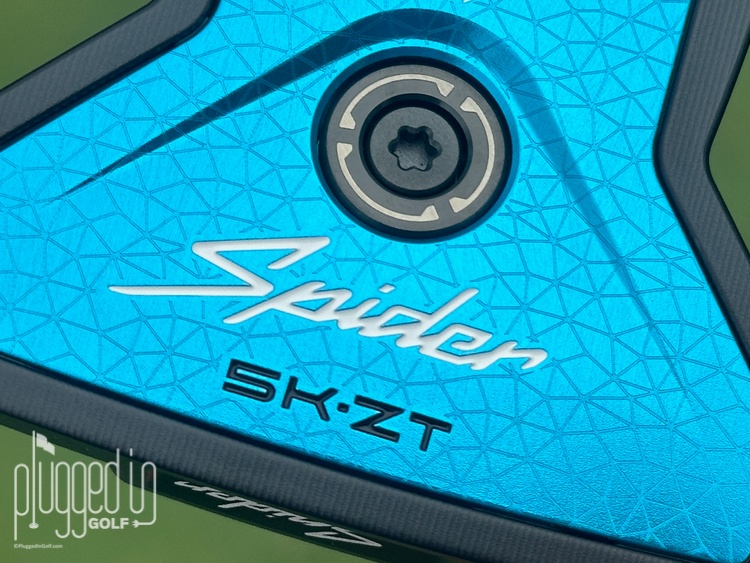
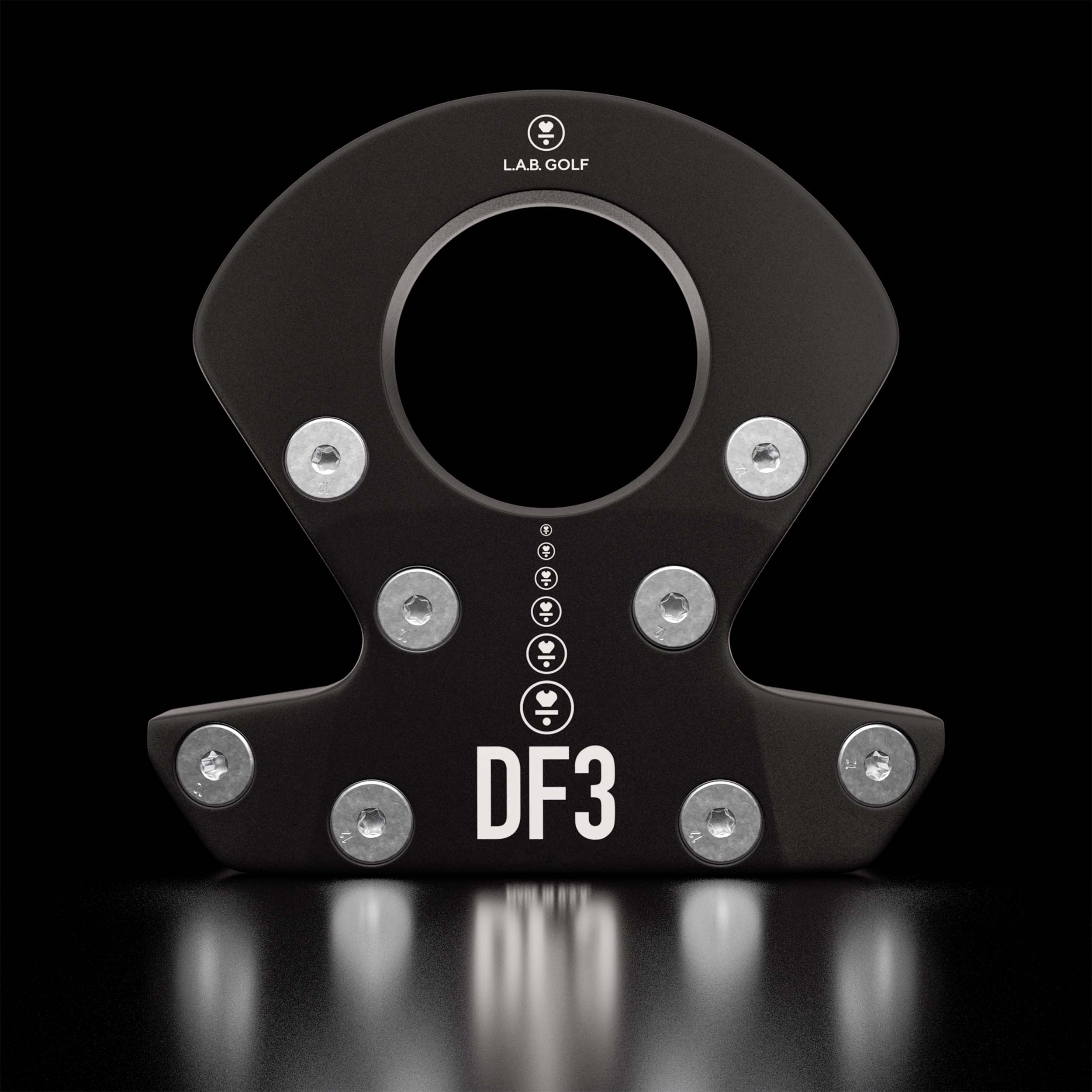
A fitting tells you whether the hyped stuff actually suits you before you spend on it. It'll show whether a zero-torque design like the L.A.B. DF3 genuinely helps your left-right miss — these in particular are sold built-to-order, so length and lie matter even more than usual — or whether a forgiving Spider ZT fits your eye better than the blade you've always defaulted to. It's the mallet vs blade question answered with a launch monitor and an aim test rather than guesswork and marketing. Crucially, it stops you doing the expensive thing amateurs do all the time: buying the wrong $375-plus putter, gaming it for a month, and then buying another.
Who should do this — and how
Honestly, almost everyone, but it's most urgent for two golfers: anyone who hasn't been fitted since they last changed height, posture or stroke, and anyone about to spend serious money on a putter. You don't need to buy the club from the fitter — a paid session to learn your numbers is worth it on its own, and you can then order to spec. The one group who can deprioritise it: a golfer who already putts beautifully with a club that fits and aims true. If that's not provably you, it's the session to book first.
The bottom line
By all means fit the driver too — fittings are the best value in golf, full stop. But if it's one or the other this year, fit the club you use twice as often and where the gains are most reliable. Spend the driver-fitting money on the putter, and spend what's left rolling the picks in our best putters guide on a real green.
Products mentioned in this article
TaylorMade
TaylorMade Spider ZT Zero-Torque Putter
Forgiving mallet that a fitting can dial to your eye and stroke.
ifrothgolf earns a commission on purchases made through these links, at no extra cost to you. It never changes what I recommend. Full disclosure.
Frequently asked
- Is a putter fitting worth it?
- Arguably more than any other fitting — you putt about twice as often as you drive, and the right length, lie and head style start more putts on line without any swing change. It's the cheapest, most-neglected improvement in golf.
- What does a putter fitting cover?
- Length, lie angle, head style (blade vs mallet), weight and your eye-line/aim over the ball — matched to your natural stroke so the ball starts where you aim.
- Putter or driver fitting first?
- Putter, if you can only do one. You use it roughly twice as often, and the gains convert directly into holed putts and lower scores — the short, slow stroke means equipment changes show up cleanly rather than getting lost in swing variability.
- Do I have to buy the putter from the fitter?
- No. A paid fitting session to learn your length, lie, head style and loft is worth it on its own — you can then order to those specs, which is especially useful for built-to-order zero-torque putters like the L.A.B. DF3.
Read next
Review
8.7/10Zero-torque putters: golf's fastest-spreading idea
Tour bags are quietly being rebuilt around a putter that won't twist. Here's why — and where it started.
Review
8.8/10L.A.B. DF3 review: the putter the tour keeps switching to
The zero-torque putter that won a US Open and rewrote the category. We score the most talked-about flat stick in golf — and tell you who should skip it.
Versus
Spider ZT vs Odyssey Jailbird: two routes into zero-torque
The big brands' answers to the zero-torque craze, head to head — and which one suits how you actually putt.