
L.A.B. DF3 review: the putter the tour keeps switching to
The zero-torque putter that won a US Open and rewrote the category. We score the most talked-about flat stick in golf — and tell you who should skip it.
By Ross Hamilton · Staff Writer
The verdict
Excellent
What's great
- Lie Angle Balance genuinely steadies start line — the mechanism lives up to the hype
- Tour-validated: won the 2025 US Open and triggered a wave of pro and creator switches
- Built to order — length, lie, grip and finish configured to your stroke
Watch out
- Premium price plus buy-direct-only availability friction and built-to-order lead times
- Wide, heavy head polarises on looks, and zero-torque does nothing for speed or green-reading
Bottom line — The category-defining zero-torque putter and the one the tour keeps switching to. If sideways misses cost you strokes, it's the closest thing to a hardware fix the putter category has produced in years.
L.A.B. Golf
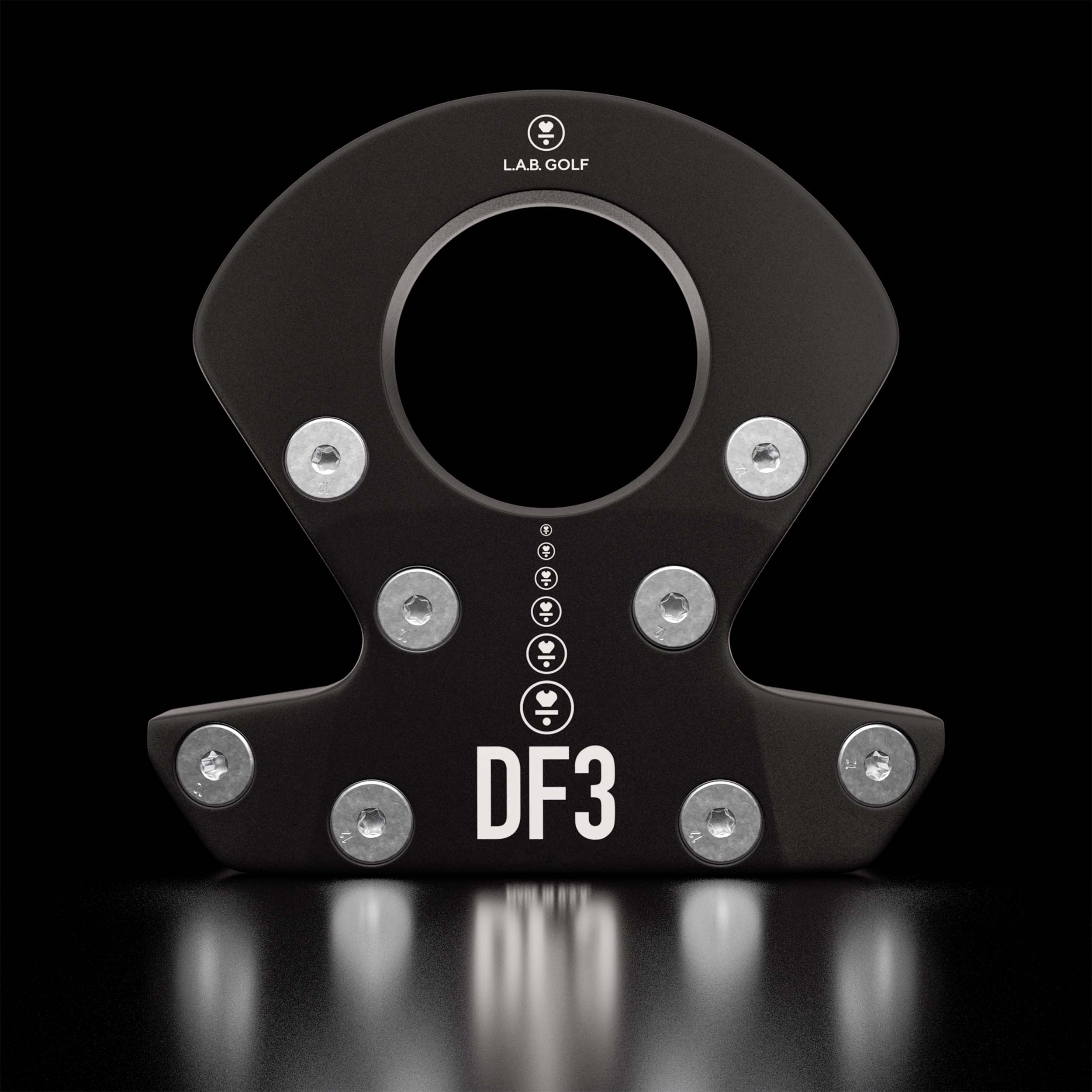
L.A.B. Golf DF3 Putter
ifrothgolf earns a commission on purchases made through these links, at no extra cost to you. It never changes what I recommend. Full disclosure.
If your short putts leak left and right rather than long and short, the L.A.B. DF3 is the most credible hardware fix in golf right now. Its Lie Angle Balance design takes the twist out of the stroke so the face stays square on its own, it won the 2025 US Open in J.J. Spaun's hands, and tour players and creators keep switching to it. It is also premium money, built to order, and sold direct only — so it isn't for everyone. We score it an 8.8.
What it is
The DF3 is the putter that took zero-torque mainstream. L.A.B. stands for Lie Angle Balance, and the whole head is engineered around one idea: position the shaft and weight the head so the centre of gravity sits under the shaft axis, and the face has no leverage to twist open or closed during the stroke. Where a conventional putter relies on your hands to square a face that wants to rotate, the DF3 simply stays square on its own. That is the entire pitch, and unusually for golf marketing, the mechanism does what it says. If the physics is new to you, we break it down in what zero-torque putting actually is.
It is a chunky, wide-bodied mallet — unmistakable behind the ball — and it is built to order rather than pulled off a rack. You configure length, lie and grip to your stroke, choose from multiple head finishes, and pick from L.A.B.'s press-grip options that are designed around the balance system rather than bolted on afterwards. At $550 it sits in flagship-blade territory on price, and crucially it is sold direct from L.A.B. Golf, not on Amazon or the big retailers.
Why it works
Every putter has a balance point, and on a conventional design gravity tries to twist the head open as you take it away. You square it back up with your hands — fine when you are relaxed, fragile when you are not. The DF3 removes the twisting force entirely, so there is nothing to fight and the face returns to where it started without your hands getting involved. That matters because face angle at impact is overwhelmingly what decides start line: putting researchers attribute roughly 80–90% of a putt's initial direction to where the face points at impact, and from four feet a single degree of open face is enough to slide the ball past the edge.
Take the rotation out and that common amateur miss largely disappears, which is exactly why independent putter tests keep placing zero-torque models among the most consistent for face control under a gate. The other half of the appeal shows up under nerves: the hand manipulation a normal putter demands is the first thing to break down when a putt matters, and the DF3 simply gives those hands less to do. Golfers who have spent years fighting a wristy stroke with claws, arm-lock setups and grip changes describe it as putting with the steering wheel finally straight. That calmer feeling over the ball, more than a few extra makes in a robot test, is what keeps people from handing it back.
What you should not expect is magic on the bits zero-torque was never designed to touch. The DF3 squares the face for you; it does not read the green, choose your line or dial in the pace, and on lag putts from distance you are still on your own for speed. Set realistic expectations and the upgrade lands where it should — on the short, pressured putts where a degree of face error is the whole story. Owners consistently report the biggest gains inside about ten feet, which is exactly the range where rotation, not read, decides whether the ball drops.
How it stacks up
The DF3 is the benchmark the rest of the category is measured against, and the rest arrived fast. TaylorMade's Spider ZT re-engineers the proven high-MOI Spider to stay toe-up and already has a PGA Tour win on the board. Odyssey's Square 2 Square Jailbird is the value route in, centre-shafted and repeatedly rated the most stable of the new wave by reviewers. We pit two of them head-to-head in Spider ZT vs Jailbird. What sets the DF3 apart is validation: tour winners switched to it mid-season, which almost never happens in a category where pros guard their putters like family. The trade-off is that the big-brand rivals are cheaper and far easier to buy.
L.A.B. keeps a running tally of the switch, and a single weekend makes the point — multiple tour wins and top finishes across the DP World Tour, PGA Tour Champions, PGA Tour and LPGA, on the DF3 and its stablemates:
On InstagramView this post on InstagramWho should buy it
Buy the DF3 if your speed control is fine but your misses leak sideways — pulls and pushes rather than long and short — and you are willing to get fitted and wait. Length and lie matter more on a zero-torque putter than on a normal one, so the built-to-order model is a feature, not a chore. It is also the right pick if you have cycled through grips and setups trying to quiet a handsy stroke and nothing has stuck; this attacks that problem at the hardware level. See where it ranks against the classics in our best putters guide, and if you only fit one club this year, make it the putter.
Skip it if
Skip the DF3 if you already own a sweet, repeatable arc and hole everything inside ten feet — you would be fixing a problem you do not have, and the look polarises hard enough that some golfers never warm to it behind the ball. Skip it too if you need a putter today: the buy-direct model and viral-finish lead times mean availability friction is real, and a Spider ZT vs Jailbird pairing gets you most of the mechanism from a shop shelf for less. And remember zero-torque does nothing for green-reading or speed, which is where most three-putts actually come from.
Where to buy
8.8/10L.A.B. Golf
L.A.B. Golf DF3 Putter
The putter everyone keeps switching to: Lie Angle Balance tech that takes torque out of the stroke, and tour wins to back the hype.
ifrothgolf earns a commission on purchases made through these links, at no extra cost to you. It never changes what I recommend. Full disclosure.
Frequently asked
- Is the L.A.B. DF3 worth the money?
- If your short-putt misses leak left and right, yes — the Lie Angle Balance design steadies start line in a way that is hard to replicate, and tour validation backs the hype. If your putting is already silky, you will gain little for premium money.
- Where can you buy the L.A.B. DF3?
- Direct from L.A.B. Golf rather than Amazon or the big retailers. It is built to your specs, so lead times stretch when a finish goes viral. Plan for a wait rather than an off-the-rack pickup.
- Do you need to get the DF3 fitted?
- Effectively yes. Length and lie matter more on a zero-torque putter than on a conventional one, and the DF3 is built to order anyway, so a fitting is part of the process rather than an upsell.
- How does the DF3 compare to the Spider ZT and Jailbird?
- The DF3 is the benchmark and the most tour-validated of the three. The TaylorMade Spider ZT and Odyssey Jailbird deliver much of the same zero-torque stability for less money and are far easier to buy off a shelf.
- Will a zero-torque putter cure three-putts?
- Not directly. Zero-torque helps face control and start line on shorter putts. Most three-putts come from poor speed control and green-reading, which the DF3 does nothing for.
Read next
Review
8.7/10Zero-torque putters: golf's fastest-spreading idea
Tour bags are quietly being rebuilt around a putter that won't twist. Here's why — and where it started.
Versus
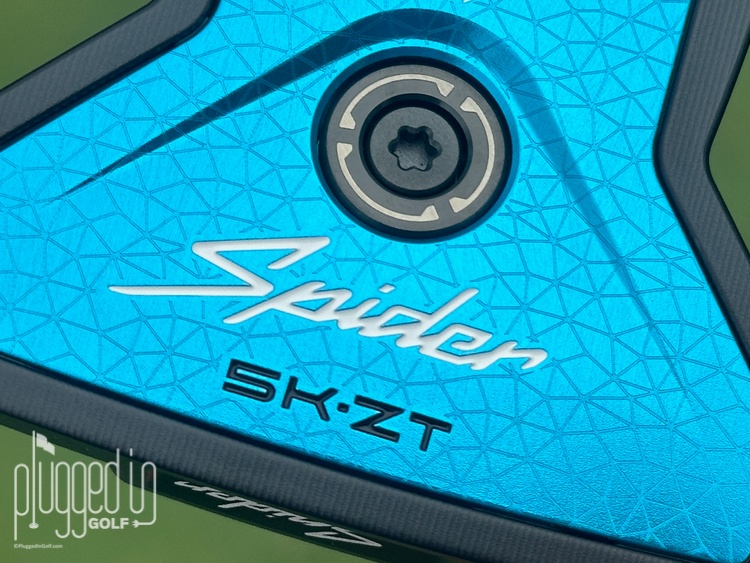
Spider ZT vs Odyssey Jailbird: two routes into zero-torque
The big brands' answers to the zero-torque craze, head to head — and which one suits how you actually putt.
Review
8.7/10TaylorMade Spider ZT review: the zero-torque putter for Spider loyalists
The first zero-torque mallet from a major brand, with a Tour win already on the board. Is it the most natural way into 2026's biggest putting trend?