
Zero-torque putters: hype or help? (And the cheaper alternatives)
Golf's hottest putter category, decoded. It's genuinely useful if your short putts miss left and right — and you no longer have to spend L.A.B. money to get it.
By Dan Mercer · Editor
 Explained
Zero-torque putting is the rare golf trend where the mechanism actually backs the hype — but only for a specific golfer. If your short putts miss left and right, it's worth a serious try; if you already have a sweet, repeatable arc and roll it well, it's a fix for a problem you don't have. And the best news for buyers: you no longer need to spend L.A.B. money to get the benefit, because every major brand now makes one.
What 'zero-torque' actually means
Every putter has a balance point, and on a normal putter gravity tries to twist the head open as you swing it — torque you manage with your hands and timing. The reason that twist exists is geometry: on a conventional putter the head's centre of gravity sits behind and to one side of the shaft axis, so the weight of the head levers it open on the backswing. A zero-torque putter is engineered, through shaft position and weighting, so the centre of gravity sits directly under the shaft line and the face has no leverage to rotate at all. It stays square to the path on its own. Less for your hands to do, fewer ways to leak the face open or closed at impact.
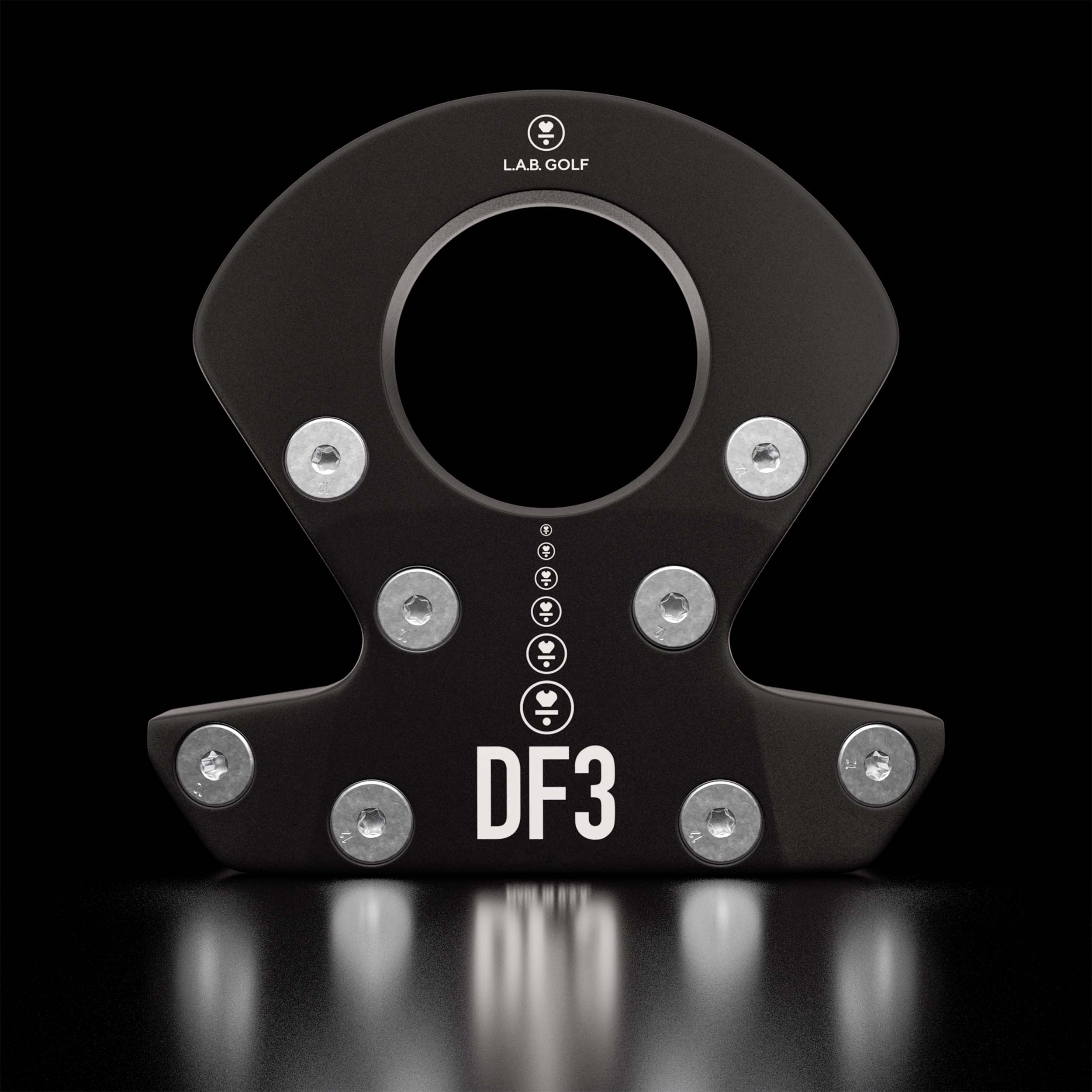
That's the principle behind L.A.B. Golf's Lie Angle Balance — the 'L.A.B.' in the name — and it's the engineering, not marketing, that does the work. One fair caveat to keep in mind: even L.A.B. has quietly softened the literal "zero torque" claim, and brands like Odyssey avoid the phrase entirely. It's very low torque, not actual zero, and not magic. But for the golfer it suits, very low is more than enough.
Does the data back it up?
Two seasons of robot and player testing now support the core idea, and the physics is well established. Putting researchers attribute roughly 80–90% of a putt's start line to face angle at impact — far more than path — and the most common amateur miss is a face a degree or two off square. On a short putt that's decisive: from four feet, about a degree of open or closed face is enough to slide the ball past the edge of the hole. Take the twisting tendency away and your start line gets more reliable under pressure, exactly when nervous hands betray you. Independent putter tests have repeatedly placed zero-torque models among the most consistent for face-angle control through an alignment gate. It won't fix speed control or green-reading — most three-putts are pace, not line — but for directional misses it's a genuine, measurable help.
The tour endorsement is the loudest signal of all. J.J. Spaun won the 2025 US Open holing a 64-footer with a L.A.B. DF3, and pros have switched mid-season to zero-torque designs — something putters, the most superstition-bound club in the bag, almost never see. When players who've gamed the same flat-stick for a decade change in the heat of a season, the category is doing something real. None of which means it's a cure-all, and that distinction matters: the design fixes a specific fault — face rotation — not the speed control or green-reading that cause most three-putts. Treat it as a precision tool for directional misses, not a magic wand for your whole short game.
It isn't a one-off, either. L.A.B. tallies the wins as they come — here's a single weekend, with their putters taking a DP World Tour title plus top finishes on the PGA Tour Champions, PGA Tour and LPGA:
On InstagramView this post on InstagramWho should buy — and who should skip
Buy it if your misses are pulls and pushes rather than distance, if you get twitchy over short ones, or if you've battled the yips and feel your hands take over under pressure. This is precisely the fault zero-torque addresses, because it removes the very thing nervous hands manipulate. Skip it if you already have a strong, repeatable arc and roll it beautifully — the heavy heads and bold looks will feel like a solution you don't need — or if you simply can't get on with the unconventional aesthetics, which polarise hard. If your problem is leaving everything short or blowing it past, a zero-torque putter won't touch that; that's a mallet vs blade and feel question, and a putter fitting answers it better than any single model can.
Why they look so strange
The aesthetics put a lot of golfers off, and it's worth understanding they're a consequence of the engineering rather than a styling choice. Cancelling torque means moving mass low and wide and arranging the head around the shaft axis, which produces the big, blocky, sometimes centre-shafted shapes the category is known for — the wide L.A.B. heads, Odyssey's centre-shafted Jailbird, TaylorMade's toe-up Spider. They're function-led, not fashion-led. The practical upshot: don't dismiss one on a photo. The look reads very differently behind the ball than it does on a screen, and most golfers who roll a few putts with one stop noticing the head within minutes.
You don't have to pay L.A.B. money
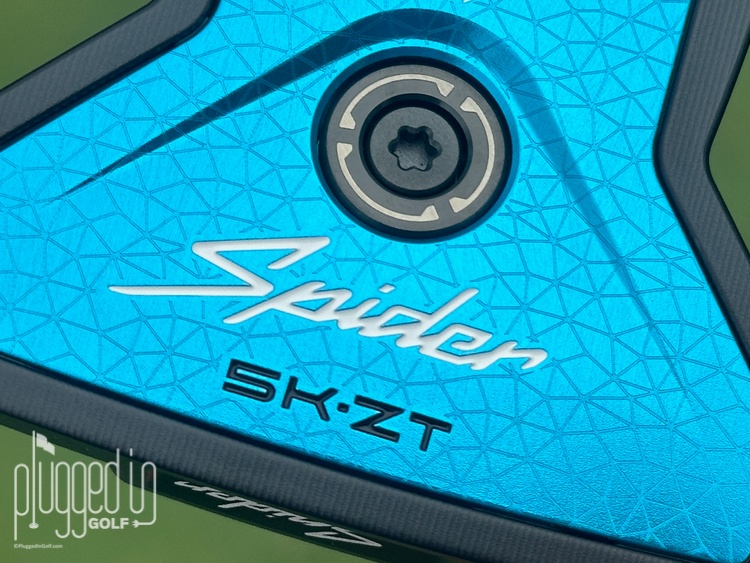
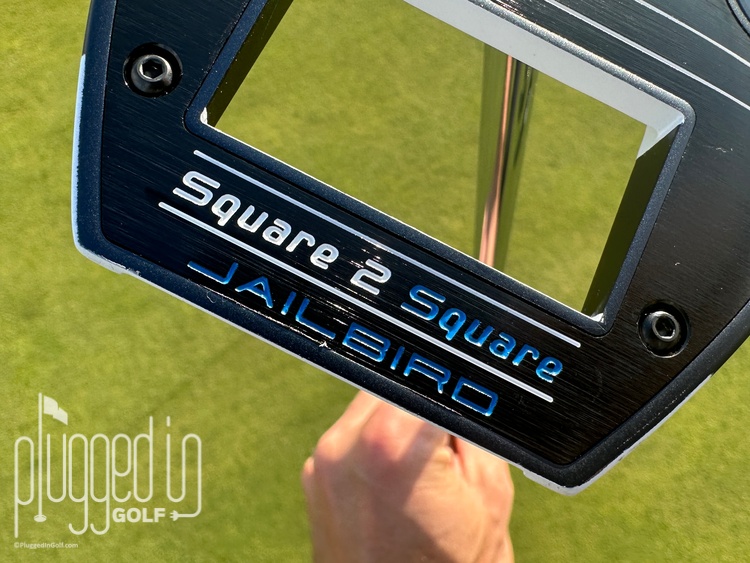
The L.A.B. DF3 is the trend-defining original at around $550 (the full review makes the case), but it's premium-priced and sold direct, not on Amazon. The category has since flooded with options: the TaylorMade Spider ZT, around $550, for mallet players wanting tour pedigree, and the Odyssey Square 2 Square Jailbird at roughly $375 as the value entry point and the most stable of the new wave by many reviewers' reckoning — we compared two of them in Spider ZT vs Jailbird. Whichever you lean toward, get it fitted (length and lie matter more here than on a normal putter) and roll a few on a practice green before deciding. Our best putters guide ranks the field.
Products mentioned in this article
TaylorMade
TaylorMade Spider ZT Zero-Torque Putter
For mallet players moving across, with tour pedigree.
ifrothgolf earns a commission on purchases made through these links, at no extra cost to you. It never changes what I recommend. Full disclosure.
Frequently asked
- Do zero-torque putters really work?
- For directional misses, yes. The low-torque design keeps the face squarer through the stroke, and testing consistently rates these putters among the best for face-angle control. They don't help with speed or green-reading.
- Who should buy a zero-torque putter?
- Golfers whose short putts miss left and right, who get nervous over short ones, or who've struggled with the yips. Players with an already-repeatable arc gain the least.
- Do I have to buy a L.A.B. putter?
- No. L.A.B. started the category but it's premium-priced. The TaylorMade Spider ZT and Odyssey Square 2 Square Jailbird offer the same low-torque benefit for less.
- Why do zero-torque putters look so unusual?
- The weighting and shaft position needed to cancel torque produce large, distinctive heads. The looks polarise, but they're a consequence of the engineering, not a gimmick.
Read next
Review
8.7/10Zero-torque putters: golf's fastest-spreading idea
Tour bags are quietly being rebuilt around a putter that won't twist. Here's why — and where it started.
Review
8.8/10L.A.B. DF3 review: the putter the tour keeps switching to
The zero-torque putter that won a US Open and rewrote the category. We score the most talked-about flat stick in golf — and tell you who should skip it.
Versus
Spider ZT vs Odyssey Jailbird: two routes into zero-torque
The big brands' answers to the zero-torque craze, head to head — and which one suits how you actually putt.
Zero-torque putters have officially taken over
What started as one cult brand's idea is now in every major manufacturer's range. Here's why the most stubborn club in the bag is suddenly changing.
Read