
Mallet vs blade putter: which suits your stroke?
It's not about looks — it's about how your stroke moves and where you miss. The plain-English guide to choosing the right head.
By Ross Hamilton · Staff Writer
 Explained
Pick a blade if you have a smooth, arcing stroke and great touch; pick a mallet if your stroke is straighter, your misses leak left and right, or you just want maximum forgiveness. Putter head shape gets treated as a style choice and it really shouldn't be — it's about how your stroke moves and where you miss. Here's how to match it, segmented by the two things that actually decide the call: the shape of your stroke and the shape of your miss.
How the two families differ
A blade — the classic, slim Anser-style head — is lighter, with most of its mass toward the heel and toe and the rest hung off the back in a thin bar. That gives it a relatively low moment of inertia (MOI, its resistance to twisting on an off-centre hit) but a buttery, information-rich feel and a head that wants to release through impact. It naturally suits a stroke with a noticeable arc, where the face opens going back and closes coming through. A mallet is bigger and heavier, with weight pushed out to the perimeter and back of a large head for high MOI — more stable on mishits, more forgiving, and far easier to aim thanks to the room for bold alignment lines. That's the whole trade in one sentence: feel and feedback versus stability and forgiveness.
First, work out your stroke
There's a simple at-home test. Make a few natural putting strokes and watch the toe of the putter. If it opens well away from the target going back and closes through impact, you have an arc; if the face and head stay pointing roughly at the target throughout, you have a straight, piston-like stroke. The principle behind matching head to stroke is toe hang: hold the putter balanced on a finger under the shaft and see where the toe points. A blade with pronounced toe hang wants to rotate and rewards an arc; a face-balanced mallet (toe points to the sky) wants to stay square and rewards a straight stroke. Fight that match — a face-balanced putter with a big arc, or a strong toe-hang blade with a piston stroke — and you'll spend the round manipulating the face to compensate.
Match it to your stroke
Smooth, repeating arc and confident touch? A blade gives you the feel and feedback you'll love, and the release suits how your hands already move. Straighter back-and-through, or your short putts miss left and right? A mallet is the steer — and especially a zero-torque one like the Spider ZT or the centre-shafted Jailbird, which takes face rotation almost entirely out of the equation. Since face angle drives the large majority of a putt's start line, removing the twist makes that line far more reliable under pressure, which is exactly when a nervous hand flips a four-footer offline.
Forgiveness is the other axis
Even setting stroke type aside, mallets are simply more stable on mishits because of that higher MOI: catch one slightly out of the toe and a mallet holds its line and pace where a blade twists and comes up short. The numbers behind that are real — a high-MOI mallet can carry several times the twist-resistance of a slim blade, so an off-centre strike loses far less ball speed and stays closer to the intended line. That's why so many tour players — who flush the middle far more often than we do — have still switched to mallets, and why, for the average golfer who doesn't find the centre every time, a mallet is usually the higher-scoring choice on pure error-tolerance alone. The forgiveness isn't a crutch; it's strokes you'd otherwise leave on the green.
The good news is you no longer have to trade feel for forgiveness. A Scotty Cameron Phantom brings tour-grade milled craftsmanship and a soft, feedback-rich feel to the high-MOI mallet shape, so the old 'mallets feel dead' complaint is largely dated — premium mallets now roll and sound every bit as good as a blade. And the alignment advantage cuts the same way: a mallet's larger top surface carries bold sightlines that genuinely help you aim, where a blade gives you little more than a single dot or line to work with.
Who should buy which
Buy a blade if you have a genuine, repeatable arc, you find the centre consistently, and feel and workability matter to you more than outright forgiveness — it's the connoisseur's choice and a joy in the right hands. Buy a mallet if your stroke is straighter, your misses are left-and-right rather than long-and-short, you're prone to nerves over short ones, or you simply want the most forgiving, easiest-to-aim head you can get — which describes most amateurs honestly assessed. The honest default for the average golfer is a mallet: unless you're a confident, arcing, centre-finding putter, the forgiveness and alignment help tip the maths its way. Skip the agonising entirely if you haven't tried both, though — head shape is the one putter variable you can settle in five minutes on a practice green, and your hands will tell you faster than any article can.
The honest steer
Arc stroke and pure striker → try a blade. Straight stroke, left-right misses, or you want maximum forgiveness → go mallet, very possibly zero-torque. The only real test is a roll on a practice green, so take both — and better still, get fitted, because length and lie change how any head sits and releases. See our best putters guide for the picks across both camps.
Products mentioned in this article
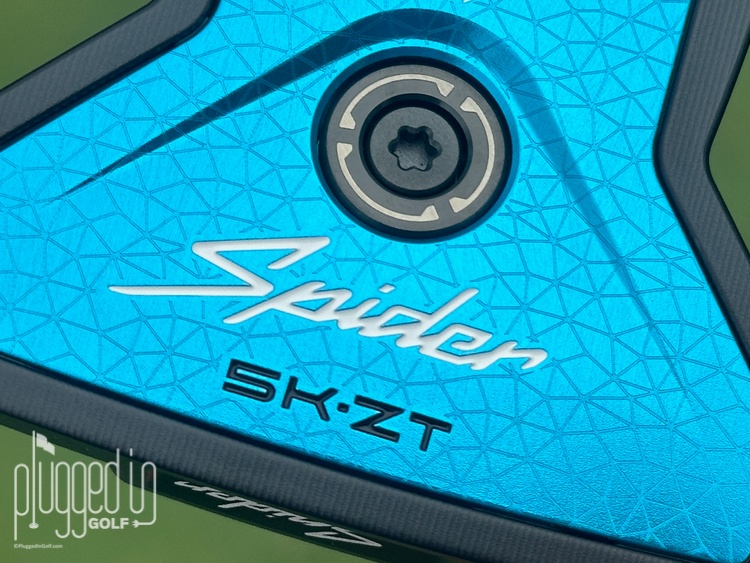
TaylorMade
TaylorMade Spider ZT Zero-Torque Putter
High-MOI mallet with zero-torque stability — forgiving and modern.
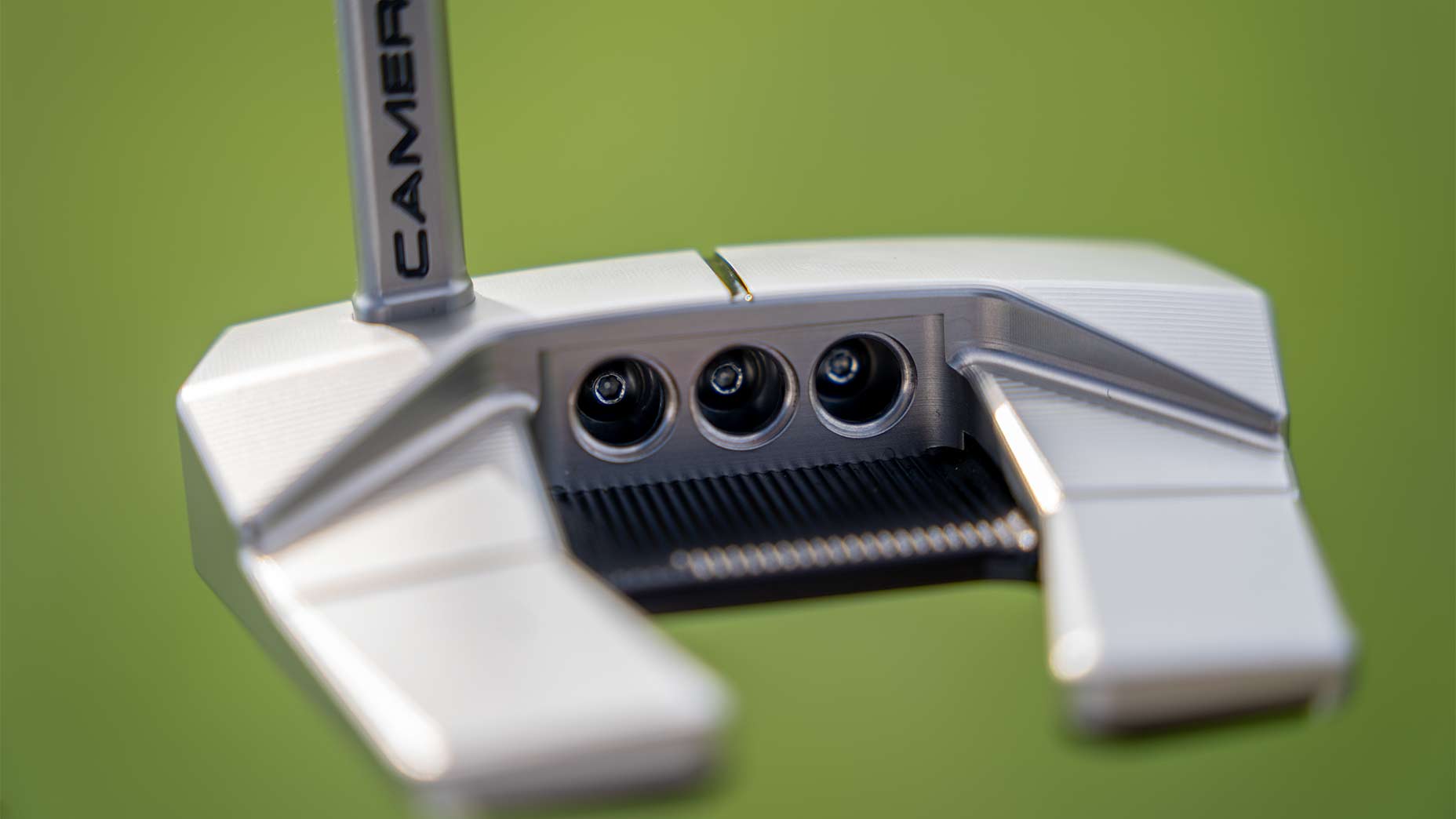
Scotty Cameron
Scotty Cameron Phantom Putter (2026)
Premium mallet feel and craftsmanship for the arcing stroke.
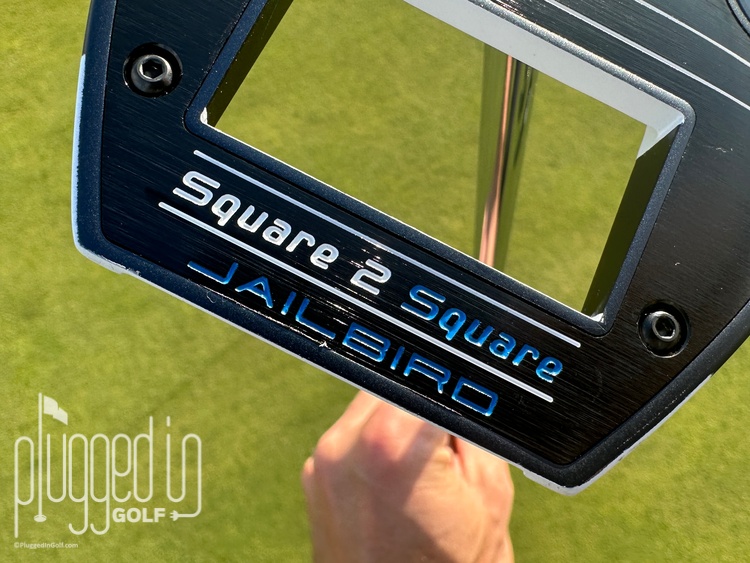
Odyssey
Odyssey Ai-ONE Square 2 Square Jailbird Putter
Bold-alignment, ultra-stable value mallet for a straight stroke.
ifrothgolf earns a commission on purchases made through these links, at no extra cost to you. It never changes what I recommend. Full disclosure.
Frequently asked
- Mallet or blade putter — which is better?
- Neither outright; it depends on your stroke. Blades suit an arcing stroke and reward feel; mallets are more forgiving and stable, better for a straighter stroke or left-right misses. Mallets score better for most amateurs.
- Are mallet putters more forgiving?
- Yes — their perimeter weighting and high MOI keep the face steadier on off-centre hits, which is why most tour players and the majority of amateurs are better served by one.
- Which putter suits a straight putting stroke?
- A mallet, especially a zero-torque model like the TaylorMade Spider ZT or Odyssey Jailbird — they're built to stay square through a straight-back-straight-through stroke.
- How do I know if I have an arc or a straight stroke?
- Make a few natural strokes and watch the toe of the putter. If it opens away from the target going back and closes through impact, you have an arc and a blade (with toe hang) suits you. If the head stays pointing roughly at the target throughout, you have a straight stroke and a face-balanced mallet is the better match.
Read next
Review
8.7/10Zero-torque putters: golf's fastest-spreading idea
Tour bags are quietly being rebuilt around a putter that won't twist. Here's why — and where it started.
Review
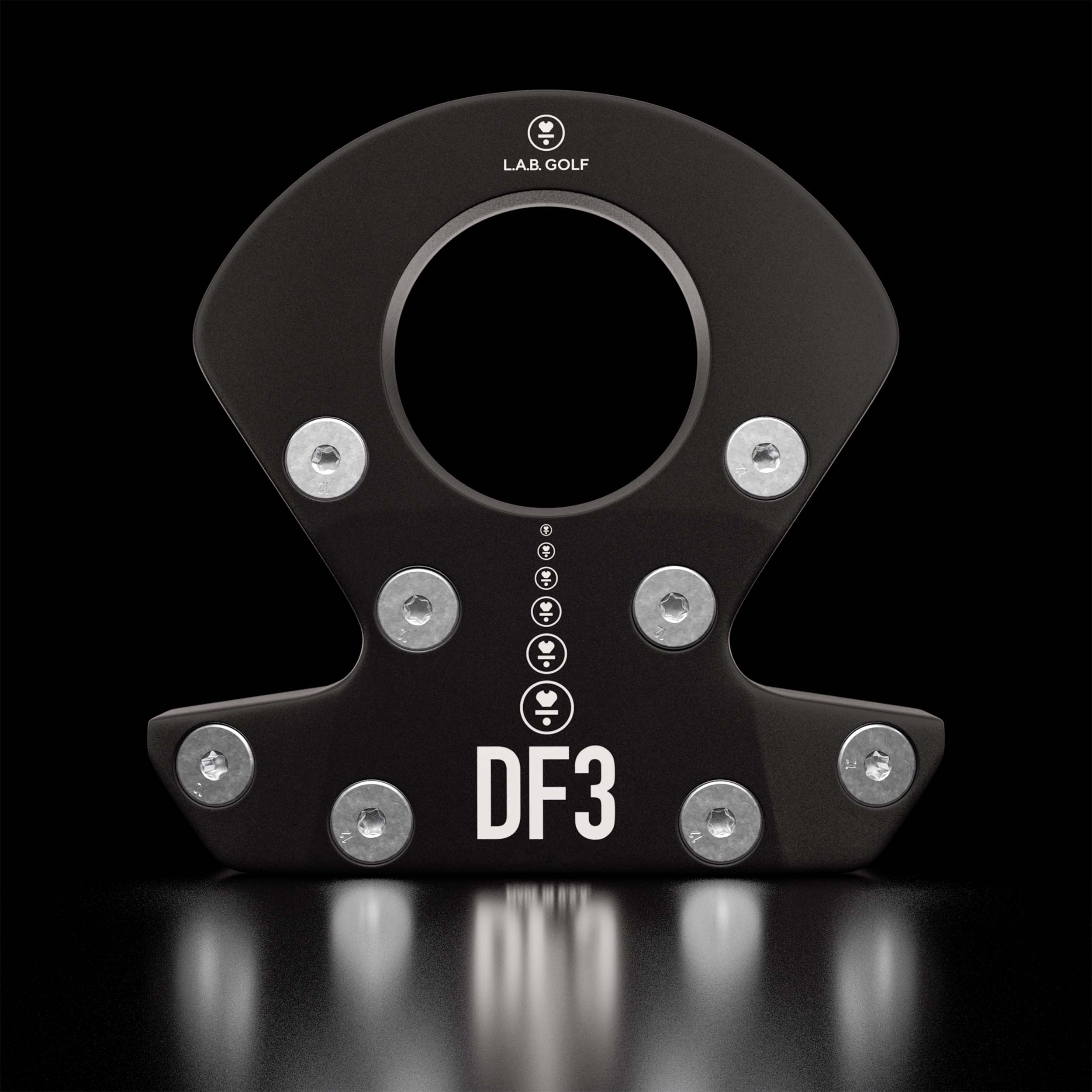
8.8/10L.A.B. DF3 review: the putter the tour keeps switching to
The zero-torque putter that won a US Open and rewrote the category. We score the most talked-about flat stick in golf — and tell you who should skip it.
Versus
Spider ZT vs Odyssey Jailbird: two routes into zero-torque
The big brands' answers to the zero-torque craze, head to head — and which one suits how you actually putt.