
Scotty Cameron Phantom review: the mallet that justifies the obsession
The most coveted putter brand in golf, in its most forgiving form. Is the Phantom worth the premium, or are you paying for the script on the sole?
By Ross Hamilton · Staff Writer
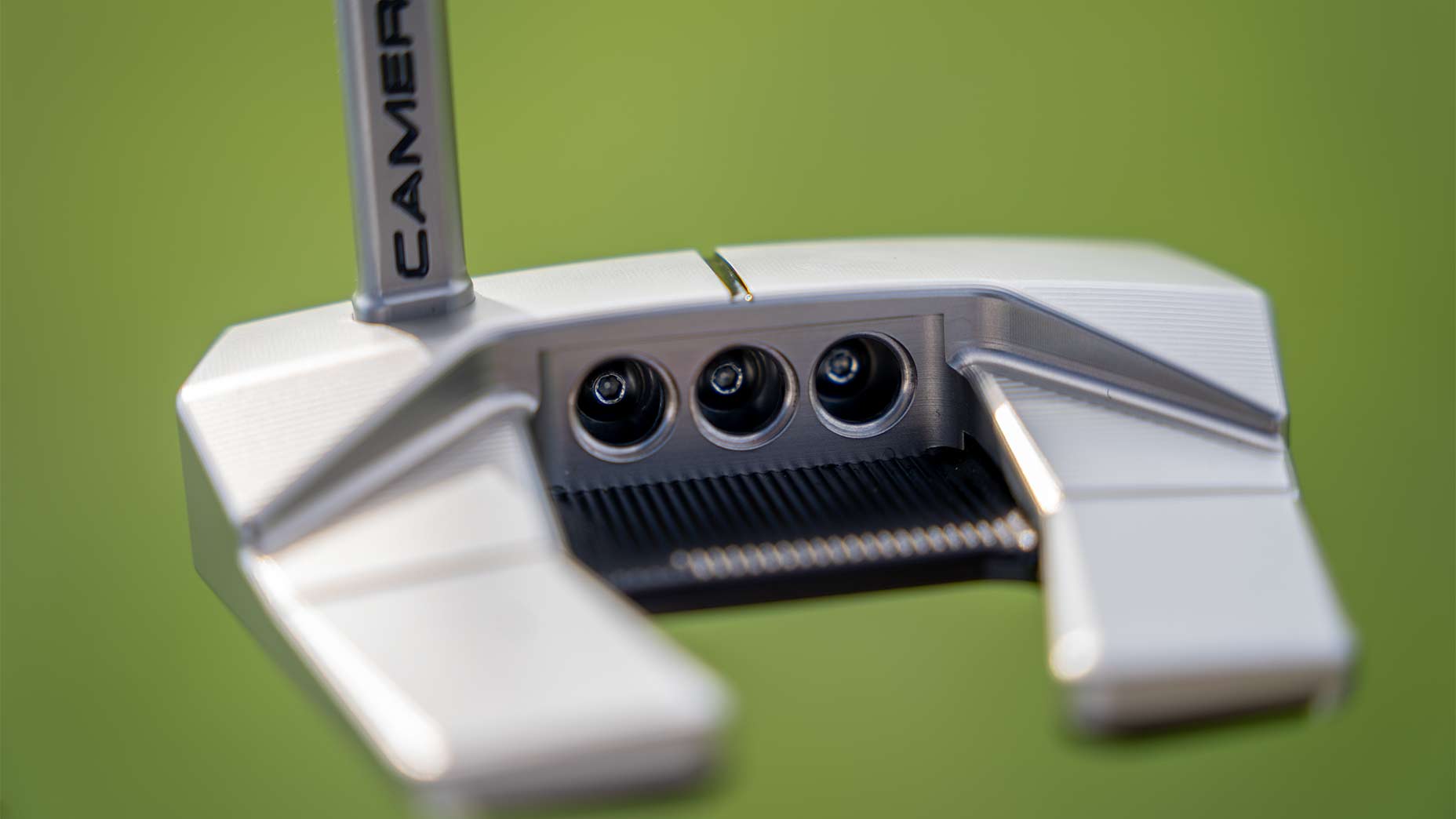
The verdict
Excellent
What's great
- Exquisite build quality, feel and carbon-steel milling
- Softer 2026 SCS chain-link insert with genuine distance feedback
- Stable, forgiving high-MOI mallet in three head shapes (5, 7, 9R)
- Clean alignment and resale value the brand all but guarantees
Watch out
- A significant price premium (~$550) for the brand
- Standard model isn't zero-torque if left-right misses are your issue
- Amazon listings are often third-party — check the seller
Bottom line — The best-made mallet you can buy and a joy to putt with. Worth it if feel and craftsmanship matter and you'll keep it for a decade; value-seekers will roll a cheaper mallet nearly as well for far less.
Scotty Cameron
Scotty Cameron Phantom Putter (2026)
ifrothgolf earns a commission on purchases made through these links, at no extra cost to you. It never changes what I recommend. Full disclosure.
If you want the best-made forgiving mallet in golf and feel matters to you as much as physics, the Scotty Cameron Phantom is sublime and worth every penny of its roughly $550. If you're a value-maximiser, or your misses are left-and-right rather than distance, a cheaper mallet or a zero-torque putter will genuinely serve you better for the money. This is an heirloom purchase, not a performance-per-pound one — and that's the honest split this review is built around.
What the premium buys
Scotty Cameron putters carry a mystique nothing else in the bag matches, and the Phantom brings that craftsmanship to the forgiving, high-MOI mallet most golfers actually need rather than the slim Newport blade the brand is famous for. The 2026 line is milled from carbon steel and offered in three head shapes — the squarer 5, the wider 7, and a new rounded 9R — with a range of necks so you can match toe hang to your stroke. The milling, the feel, the precision of the alignment: pick one up and the premium is immediately, tactilely obvious. It feels expensive because it is superbly made. You are partly paying for the script on the sole and the resale-proof brand, and partly for genuine build quality you'll notice over every single putt for the next decade.
On the greens
Stable, beautifully weighted, and — new for 2026 — fitted with a softer Studio Carbon Steel chain-link insert that takes the edge off the old firm Phantom click while still giving genuine distance feedback. That matters more than it sounds: the thing most amateurs actually lack on the greens is speed control, not line, and a putter that telegraphs how hard you struck it helps you lag the long ones close. The high-MOI head is stable through impact and forgiving on strikes off the centre, the alignment aids are clean and confidence-inspiring, and for a player with a slight arc to their stroke it's a joy to roll. The range of necks lets you match toe hang to that arc precisely — a flow neck for more rotation, a plumber's neck for less — so the head can be tuned to your stroke rather than fighting it. It does the forgiving-mallet job as well as anything on the market; the question is never whether it performs, only whether it performs enough better than far cheaper mallets to justify the gap. Spoiler: on raw made-putts, it doesn't, and that's the whole reason this review keeps coming back to who you are rather than what the putter does.
A nod to zero-torque
Worth flagging for 2026: Scotty now offers a low-to-zero-torque Onset Center neck on the Phantom, a quiet acknowledgement that the zero-torque wave is the story of the season. If your misses are directional and you specifically want torque taken out, that option exists within the family now — but a dedicated zero-torque design from L.A.B., TaylorMade or Odyssey still does that job more single-mindedly. The standard Phantom is a conventional, milled high-MOI mallet, and that's how it should be judged.
How it stacks up on value
Here's the comparison that decides it for most buyers. At around $550, the Phantom sits right alongside the TaylorMade Spider ZT (~$550) and well above the Odyssey Square 2 Square Jailbird (~$375). On the launch monitor, the gap in holed putts between a fitted Phantom and a fitted sub-$375 mallet is small to non-existent for most amateurs — putter performance is dominated by fit and aim, not by which milled head you bought. So be clear-eyed about what the premium buys: it's feel, finish, brand pride and resale, not measurably more made putts. That's a perfectly legitimate thing to pay for if it matters to you — golf is allowed to be pleasurable — but it's the wrong purchase if you're optimising strokes per pound. A cheaper mallet plus a fitting and a few lessons will out-score the Scotty premium every time.
Who should skip it
Two golfers, candidly. The value-maximiser — a TaylorMade Spider ZT or a sub-$190 mallet rolls it nearly as well for a fraction of the price, and the difference is feel and finish rather than holed putts. Putters are forgiving of price in a way drivers and irons aren't: the head doesn't generate ball speed, so once a mallet is well-made and fits you, a cheaper one and an expensive one start the ball on the same line. If your budget is the constraint, the smart move is a cheaper mallet plus a putter fitting, which buys more strokes than the Scotty premium does. And the left-right misser: the standard Phantom is not a zero-torque design, so if your face is leaking open or closed on short putts, that category (or the Onset Center neck) will square your face better than any amount of milling will. Buy the Phantom for feel and craftsmanship, not as a fix for a directional fault you'd be better served addressing head-on.
Phantom, or save your money?
Buy it if you want the best-made putter on the market, value feel and finish, and will keep it for a decade — ownership pride is a legitimate reason, the resale value holds, and the performance is genuinely top-tier, not just pretty. One practical note: Amazon listings can be third-party, so verify the seller before buying. If you're chasing pure performance-per-pound instead, start with mallet vs blade and the value options, and get fitted before you spend either way. See the field in our best putters guide.
Where to buy
8.9/10Scotty Cameron
Scotty Cameron Phantom Putter (2026)
The benchmark milled mallet, now softer and with a low-torque option.
ifrothgolf earns a commission on purchases made through these links, at no extra cost to you. It never changes what I recommend. Full disclosure.
Frequently asked
- Is a Scotty Cameron putter worth the money?
- If you value build quality and feel and will keep it for years, yes — it's the best-made mallet you can buy. For pure performance-per-pound, a value mallet rolls nearly as well for far less.
- Is the Phantom a zero-torque putter?
- No. It's a high-MOI mallet, not a zero-torque design. If your short putts miss left and right, a zero-torque putter will square the face better than the Phantom.
- Who is the Scotty Cameron Phantom best for?
- A player with a slight arc to their stroke who wants a forgiving mallet and cares about feel and craftsmanship — and isn't trying to fix a left-right directional miss on the cheap.
- What's new on the 2026 Scotty Cameron Phantom?
- A softer Studio Carbon Steel chain-link insert for a less clicky feel, an expanded shape line-up (the 5, 7 and a new rounded 9R), and — for the first time — a low-to-zero-torque Onset Center neck option that brings the Phantom into 2026's zero-torque conversation.
Read next
Review
8.7/10Zero-torque putters: golf's fastest-spreading idea
Tour bags are quietly being rebuilt around a putter that won't twist. Here's why — and where it started.
Review
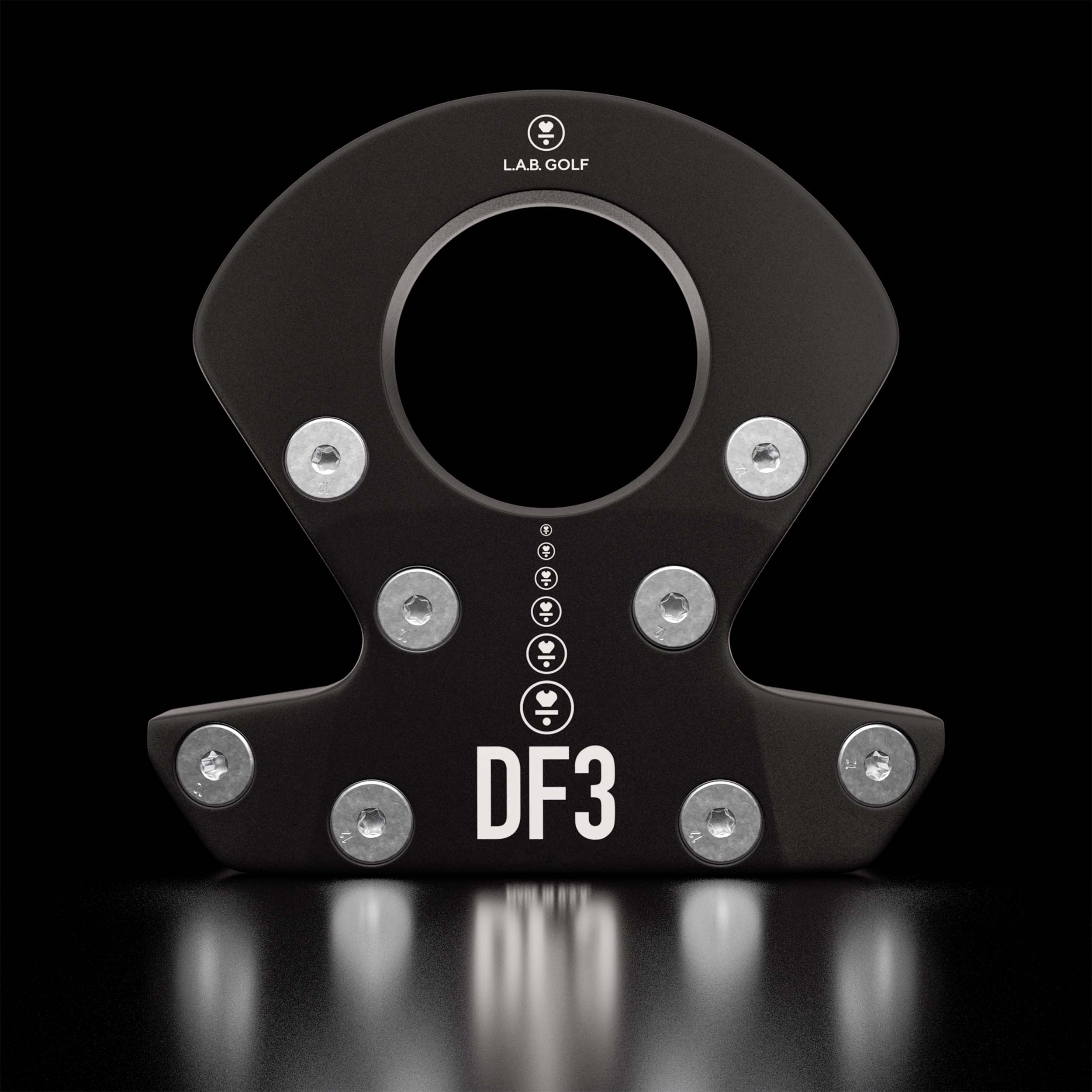
8.8/10L.A.B. DF3 review: the putter the tour keeps switching to
The zero-torque putter that won a US Open and rewrote the category. We score the most talked-about flat stick in golf — and tell you who should skip it.
Versus
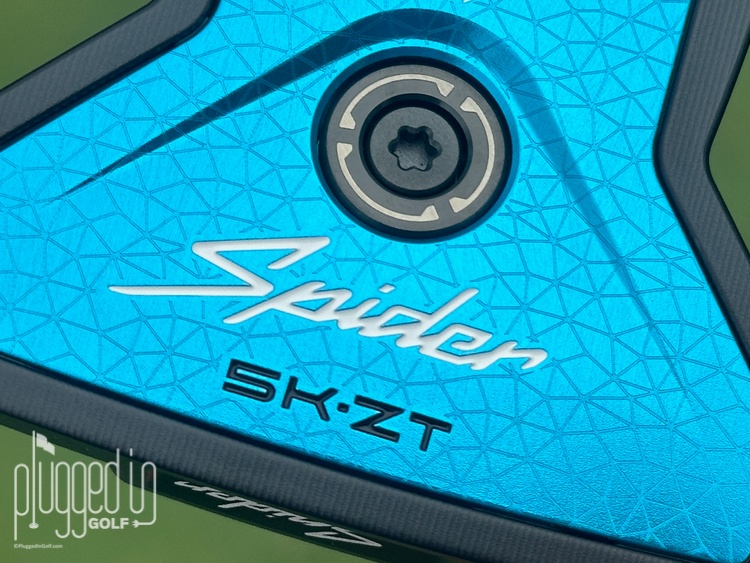
Spider ZT vs Odyssey Jailbird: two routes into zero-torque
The big brands' answers to the zero-torque craze, head to head — and which one suits how you actually putt.