
The challenger brands caught Bushnell years ago. Here is the only part of the premium still worth paying
The challenger brands now match the incumbent on every line of the spec sheet and cost noticeably less. After a few seasons of that being true, it's worth being precise about what the premium still buys.
By Jordan Hale · Equipment Writer
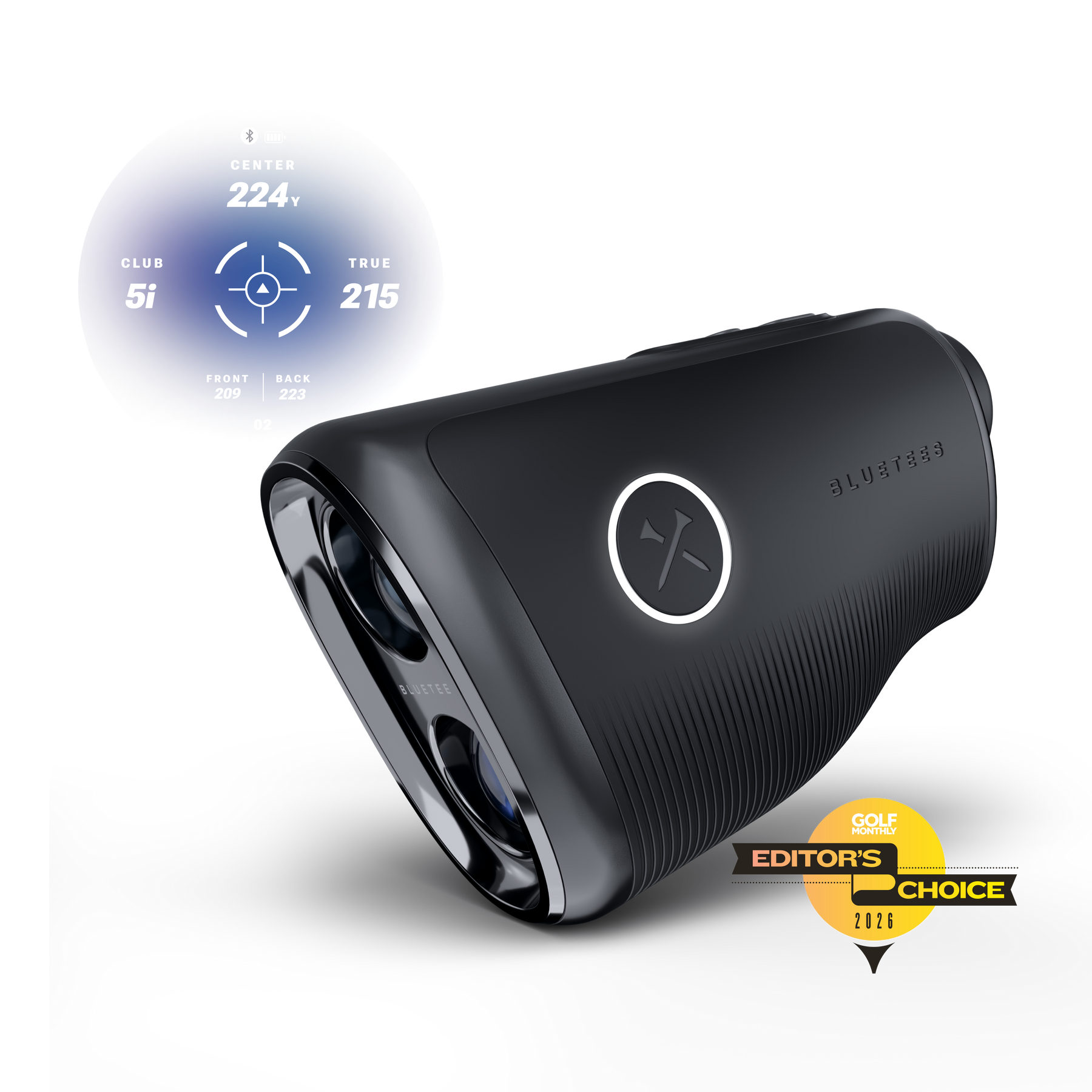
Blue Tees
Blue Tees Captain Pro Rangefinder
ifrothgolf earns a commission on purchases made through these links, at no extra cost to you. It never changes what I recommend. Full disclosure.
Rangefinders were the first golf category where challenger brands caught the incumbent properly. Blue Tees, Precision Pro and several others now sell units with slope, magnetic mounts, stabilisation and fast locking for meaningfully less than Bushnell — and Bushnell remains the default recommendation in most pro shops.
Both of those facts are defensible. Here's what actually separates them.
Where the spec sheets have converged
On paper, this comparison is over. Both units give you slope-adjusted yardages, both lock quickly on a flag at the distances that matter, both have a magnet for the cart rail, both are legal for competition with slope switched off, both are accurate to a yard.
Anyone claiming a meaningful accuracy difference between modern rangefinders at 150 yards is inventing it. The measurement problem was solved years ago; what's left is everything around the measurement.
Where the difference is real
Locking behaviour in bad conditions. This is the genuine gap and it doesn't appear on any spec sheet. Every rangefinder finds a flag on a still day against a clean background. The differences emerge into a low sun, in rain, against a treeline, or with a shaking hand on the 18th. Bushnell's stabilisation and optics have historically been better in exactly those conditions, and that's the thing you're paying for.
Glass quality. Related, and consistently underrated. A brighter, clearer sight picture is easier to use, faster to aim and less tiring across a round. It's the least glamorous spec and the one you notice every single time you use the device.
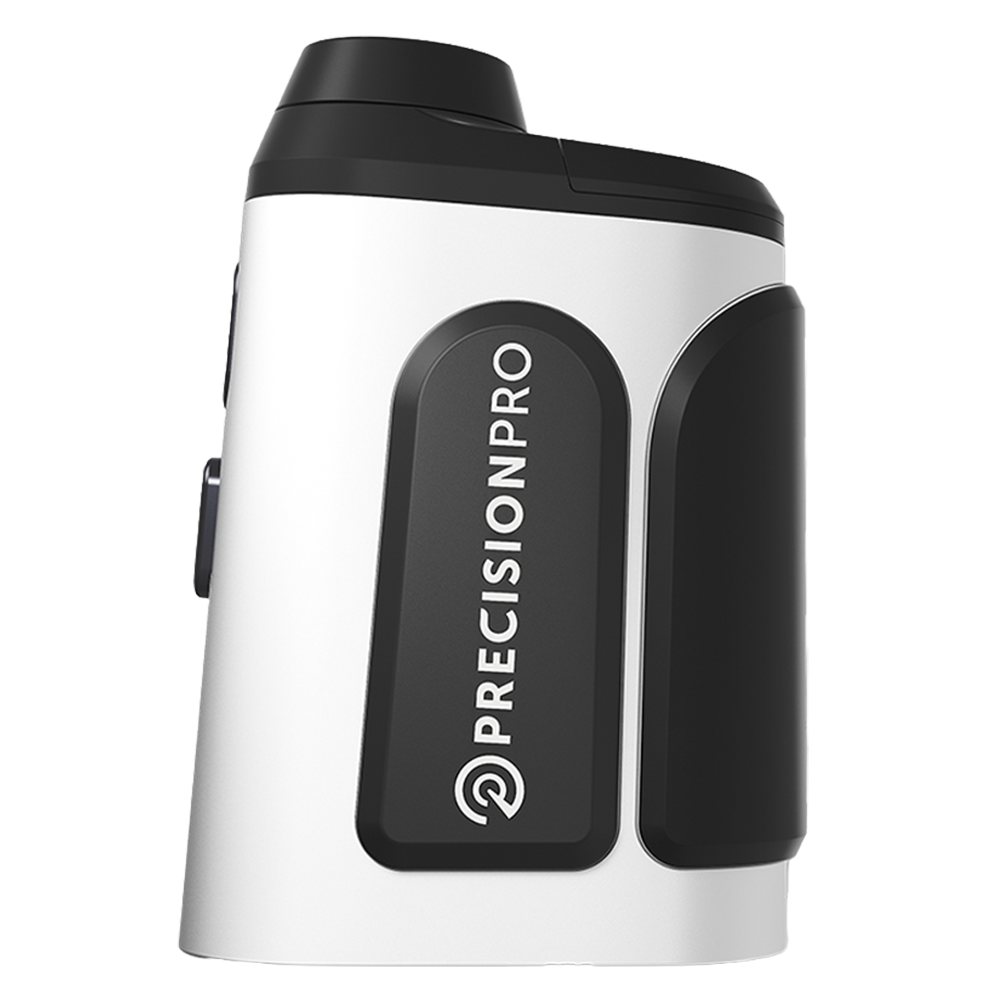
Longevity and service. Rangefinders live in bags, get dropped and get rained on. The incumbent has a longer track record of surviving that and a more established service path. The challengers have generally answered with strong warranty terms — Precision Pro's warranty and service proposition is the best of the three here and a real reason to consider it.
Resale. A used Bushnell holds value in a way the challengers don't yet. Over a five-year life that quietly narrows a gap that looks large on day one.
Where the challenger genuinely wins
Price, obviously, but more interestingly, features per pound. The challengers ship slope, magnets and stabilisation at price points where the incumbent historically made you choose.
They forced the market to move. The reason the incumbent's current line has magnets and better value than it did five years ago is competitive pressure from exactly these brands. That's worth something even if you buy the Bushnell.
For occasional golfers, the durability argument barely applies. If the device does twenty rounds a year and lives indoors, you're paying a premium for resilience you won't test.
Which to buy
Buy the Bushnell if you play a lot, in all weather, and keep kit for years. Optics and locking in poor conditions are worth real money to someone playing through a British winter, and resale takes some of the sting out.
Buy the Blue Tees if you play mostly in decent conditions and want the money back. It does the same job in the conditions most golf is played in, and the saving is large enough to be a different purchase entirely — a fitting, a dozen premium balls a year for three years, or simply not spending it.
Buy the Precision Pro if the warranty is what worries you. It's the answer to the main rational objection to a challenger brand.
Buy none of them if you already own a GPS watch and play the same two courses. This is the honest answer nobody selling rangefinders gives. If you know your course and have yardages on your wrist, a laser is a convenience rather than a need.
The feature nobody mentions until they've owned one
Battery type. Some units run on a rechargeable pack and some on a standard replaceable cell, and golfers discover which they prefer only after being caught out.
A rechargeable unit is cheaper to run and one more thing to remember; a replaceable cell means a dead device is a two-minute fix at a petrol station rather than the end of your round. Neither is right, but if you're the sort of person who arrives at the first tee having forgotten to charge something, that's a genuine argument for the older technology and it doesn't appear in a single comparison table.
The second is the mount. A magnet that holds firmly on a cart rail is worth more day to day than most of the optical specification, and magnet strength varies enormously between models at every price.
One thing that makes any of them better
Whichever you buy, learn to laser something other than the flag. Ranging the front edge of a bunker, the back of the green or a tree at the corner of a dogleg tells you what you can carry and what you must avoid, which is more useful information than the pin number on most shots.
Golfers who only ever shoot the flag end up with one number and no plan. The devices are quick enough now that three readings take less time than one used to, and it is the cheapest scoring improvement available to anyone who already owns a rangefinder.
The verdict
The incumbent is still the better instrument and no longer obviously the better buy. That's a healthier market than the one we had five years ago, and it's entirely the challengers' doing.
If you're the golfer who'll be lasering a flag into low October sun with wet hands, pay for the glass. If you're not — and most golfers aren't — the challenger does the same job for less, and the difference is better spent almost anywhere else in your game.
Products mentioned in this article
Blue Tees
Blue Tees Captain Pro Rangefinder
The challenger — more features per pound, less proven over time
Bushnell
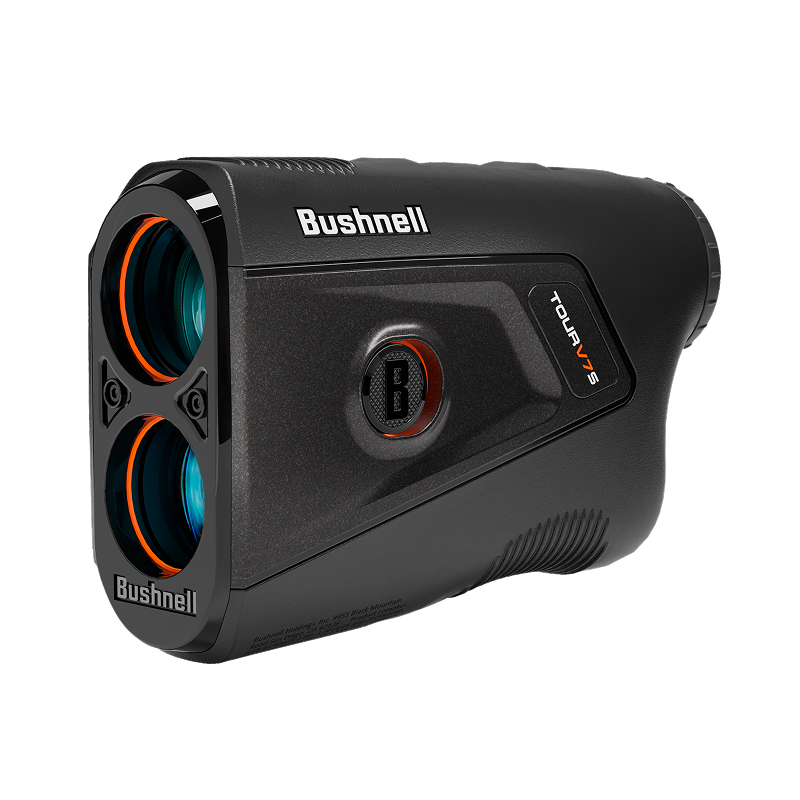
Bushnell Tour V7 Shift Laser Rangefinder
The incumbent — you're buying reliability and resale, not features
ifrothgolf earns a commission on purchases made through these links, at no extra cost to you. It never changes what I recommend. Full disclosure.
Frequently asked
- Are cheaper rangefinders as accurate as Bushnell?
- At the distances golfers actually use, yes — the measurement problem was solved years ago and modern units are accurate to about a yard. The differences that remain are in how reliably they lock in poor light, rain or against a treeline, and in optical clarity.
- Is slope worth paying for on a rangefinder?
- For practice and casual golf it's genuinely useful, particularly on hilly courses where uphill shots are routinely under-clubbed. It must be switched off for competition, so any unit you buy for tournaments needs a clearly visible slope toggle.
- Do I need a rangefinder if I have a GPS watch?
- Often not. A watch gives you front, middle and back distances instantly with no aiming, which is enough for most golfers on courses they know. A laser earns its place when you need exact flag distances, play unfamiliar courses, or want precision inside 150 yards.
- What actually goes wrong with rangefinders?
- Rarely the measurement. It's usually usability under pressure — struggling to lock in low sun or rain, a dim sight picture, or a shaky hand at the end of a round. That's why optics and stabilisation matter more than the headline accuracy figure.
Read next
Review
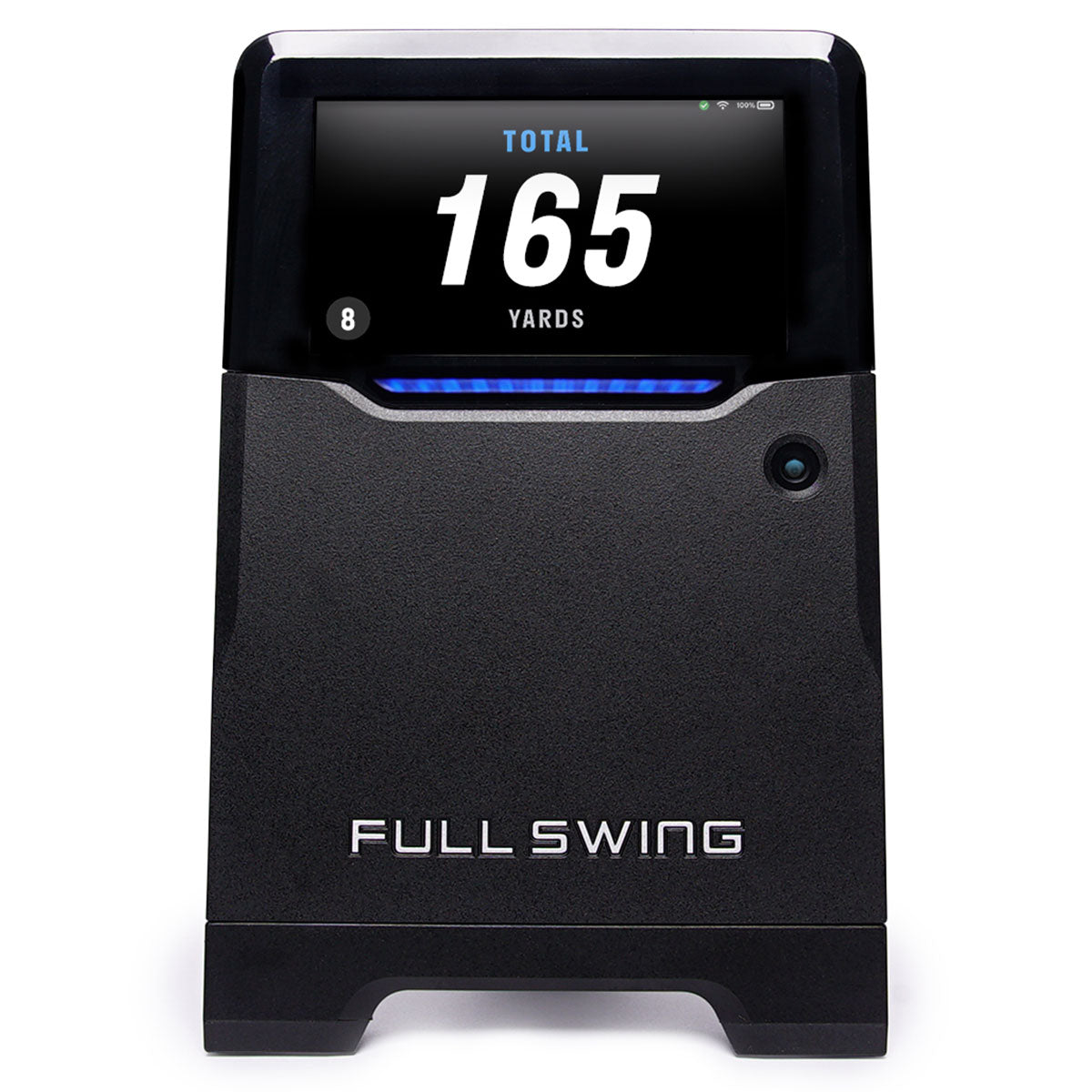
7.9/10Full Swing KIT review: the tape measure decides this, not Tiger
Tour pedigree, TGL on ESPN, and radar good enough to be checked against a Trackman outdoors. It also wants eighteen to twenty feet of room, which rules out most of the garages people buy it for.
Versus
Trackman iO vs Uneekor EYE XO2: the year-one trap
Both mount overhead, both want ten feet of ceiling, and about $3,000 separates them on the shelf. Then Trackman's included first year runs out, and the gap starts growing by $1,100 a year.
Versus
Uneekor EYE XO2 vs Foresight GC3: ceiling or floor?
About $4,000 separates them, but they're not really rivals — one lives in your ceiling forever, the other sits on the floor and travels. The cheaper one is also the one with no subscription.