
Everyone spent two years chasing zero torque. Evnroll just went the other way
The EZPZ Reverse Torque putter goes on sale today with a premise that sounds like a typo: torque in a putter isn't the enemy, and removing all of it was never the point.
By Ross Hamilton · Staff Writer
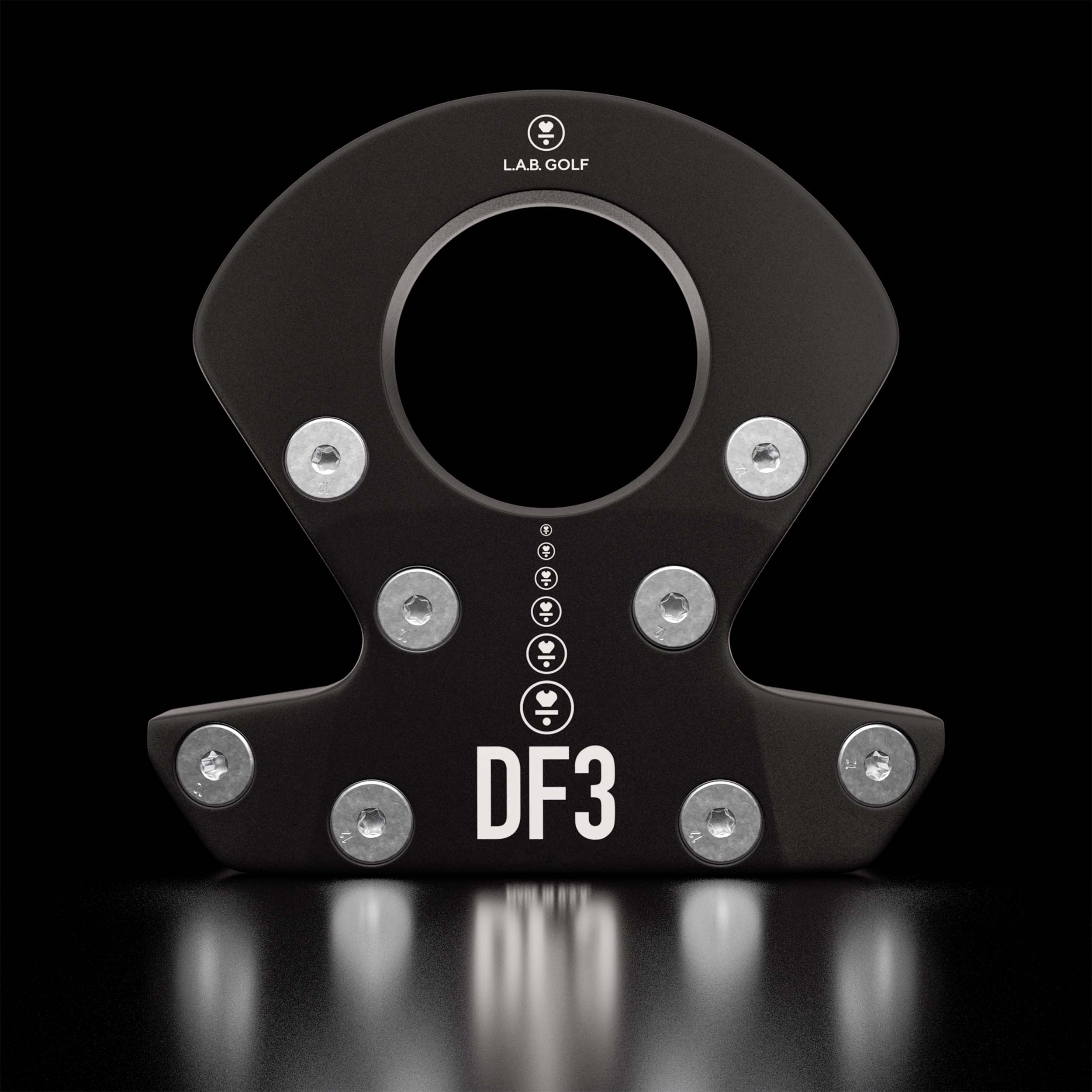
L.A.B. Golf
L.A.B. Golf DF3 Putter
ifrothgolf earns a commission on purchases made through these links, at no extra cost to you. It never changes what I recommend. Full disclosure.
Evnroll announced the EZPZ Reverse Torque putter on 12 August and it reaches right-handed golfers today, 15 August, with left-handed models slated for winter. The pitch is a patent-pending Reverse Torque Technology that, in the company's framing, controls torque rather than eliminating it.
After two years in which the entire premium putter category has been racing towards zero, that's either a genuinely interesting piece of contrarian engineering or the best marketing sidestep of the year. It's worth understanding which, because the answer tells you something useful about whether you needed a zero-torque putter in the first place.
What torque actually means here
When you swing a putter, the head wants to rotate around the shaft axis. How much it wants to rotate depends on where the head's mass sits relative to that axis. In a conventional putter the mass sits behind and below the shaft line, so the face naturally opens going back and has to close coming through. Your hands do that closing, whether you know it or not.
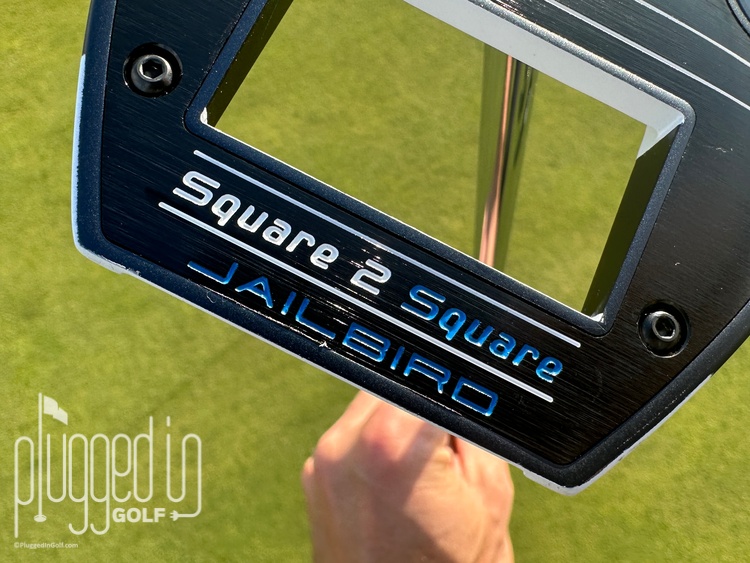
Zero-torque designs — L.A.B. first and most completely, then Odyssey's Square 2 Square range, TaylorMade's Spider ZT, PXG, Bettinardi's Antidote line and Evnroll's own ZERO family — move the mass so that the face has no natural tendency to rotate at all. The promise is that the face stays square without your hands managing it.
That promise is real, and it has helped a lot of golfers. But it comes with a consequence that gets discussed far less: a putter with no rotational tendency also gives you no feedback about rotation. Some players read that as stability. Others find it strangely inert, and their stroke loses a sense of where the face is.
The counter-argument Evnroll is making
The reverse-torque premise is that the useful target isn't zero, it's predictable. A small, consistent, engineered rotational tendency gives the stroke something to work against — a defined behaviour rather than an absence of behaviour — and the claim is that this delivers face stability and alignment feedback at the same time, rather than trading one for the other.
That is a coherent argument rather than a marketing inversion, and it comes from a credible place. Guerin Rife built Evnroll's reputation on groove geometry that corrects off-centre strikes — a company whose whole identity is "the face does specific measurable things" arguing that a putter should behave predictably rather than neutrally is consistent with everything it has ever made.
It is still, today, a claim. Nobody outside the company has tested it, ourselves included, and "reverse torque" is a new enough term that it currently means exactly what one manufacturer says it means. Treat launch-day physics with the scepticism you'd apply to any other launch-day physics.
What our own bag data says about the zero-torque wave
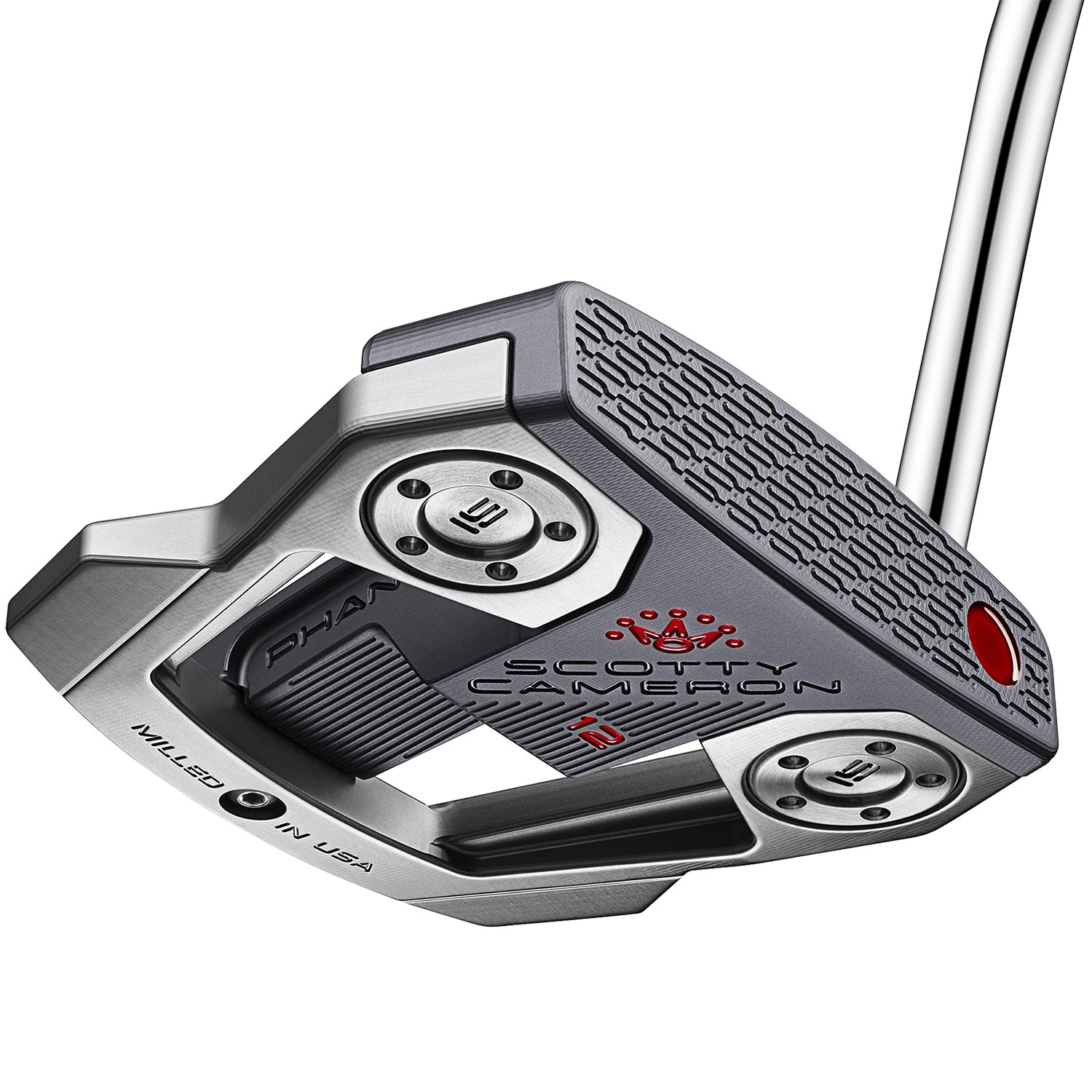
Here's the context that keeps this in proportion. Zero-torque was the breakout equipment story of 2025 and it is genuinely everywhere in club golf and creator golf. On tour, it is still a minority technology — a small number of the 53 professional bags we maintain and date-stamp carry a zero-torque design, against a field still dominated by conventional milled blades and high-MOI mallets like the Phantom and Spider families.
That gap is the interesting part, and it doesn't mean zero-torque doesn't work. Tour players putt beautifully with their hands and have spent 20 years grooving a stroke around a face that rotates; a technology that removes a variable they've already mastered offers them much less than it offers you. Amateur adoption running ahead of tour adoption is exactly what you'd expect from a genuine amateur-facing fix.
But it does mean the category is not settled, and a manufacturer arguing that the industry over-corrected is not obviously wrong.
How to work out which side you're on
This is unusually easy to self-diagnose, because the two designs fail differently.
You probably want less torque if your misses are directional and inconsistent. Pushes and pulls in roughly equal measure, a face that arrives open on nervy putts, a stroke that feels like it needs managing — that's a rotation problem, and removing rotation removes it.
You probably don't need it if your misses are speed misses. Consistently short, consistently long, or good line with bad pace. No amount of face-angle engineering fixes distance control, and this is the majority of three-putts. Buying geometry to solve a speed problem is the most common wasted putter purchase there is.
You may specifically dislike zero-torque if you're a feel putter. If you aim by feeling the face and release it deliberately, a head with no rotational tendency can feel dead. That's the golfer reverse torque is aimed at, and it's a real constituency rather than an invented one.
What I'd actually do today
Don't buy either on launch-day physics. Putters are the one club where the fitting is free — every pro shop has a mat — and where the difference between designs is immediately obvious to the golfer holding it, which is not true of drivers.
Take three putters onto a mat: a conventional mallet, a zero-torque design like the Jailbird or a L.A.B., and whatever your current gamer is. Hit twenty five-footers with each and count. Then hit ten from 30 feet and see which one leaves you inside three. Most golfers discover their real problem is the second test, and no putter on the market claims to fix it.
The reverse-torque idea deserves a proper look once independent testing exists — the reasoning behind it is sound and the company has earned the benefit of the doubt. It does not deserve your money on day one, and neither did zero torque.
Products mentioned in this article
L.A.B. Golf
L.A.B. Golf DF3 Putter
The zero-torque original, and still the clearest expression of the idea
Odyssey
Odyssey Ai-ONE Square 2 Square Jailbird Putter
Zero-torque geometry from a major brand at a normal price
TaylorMade
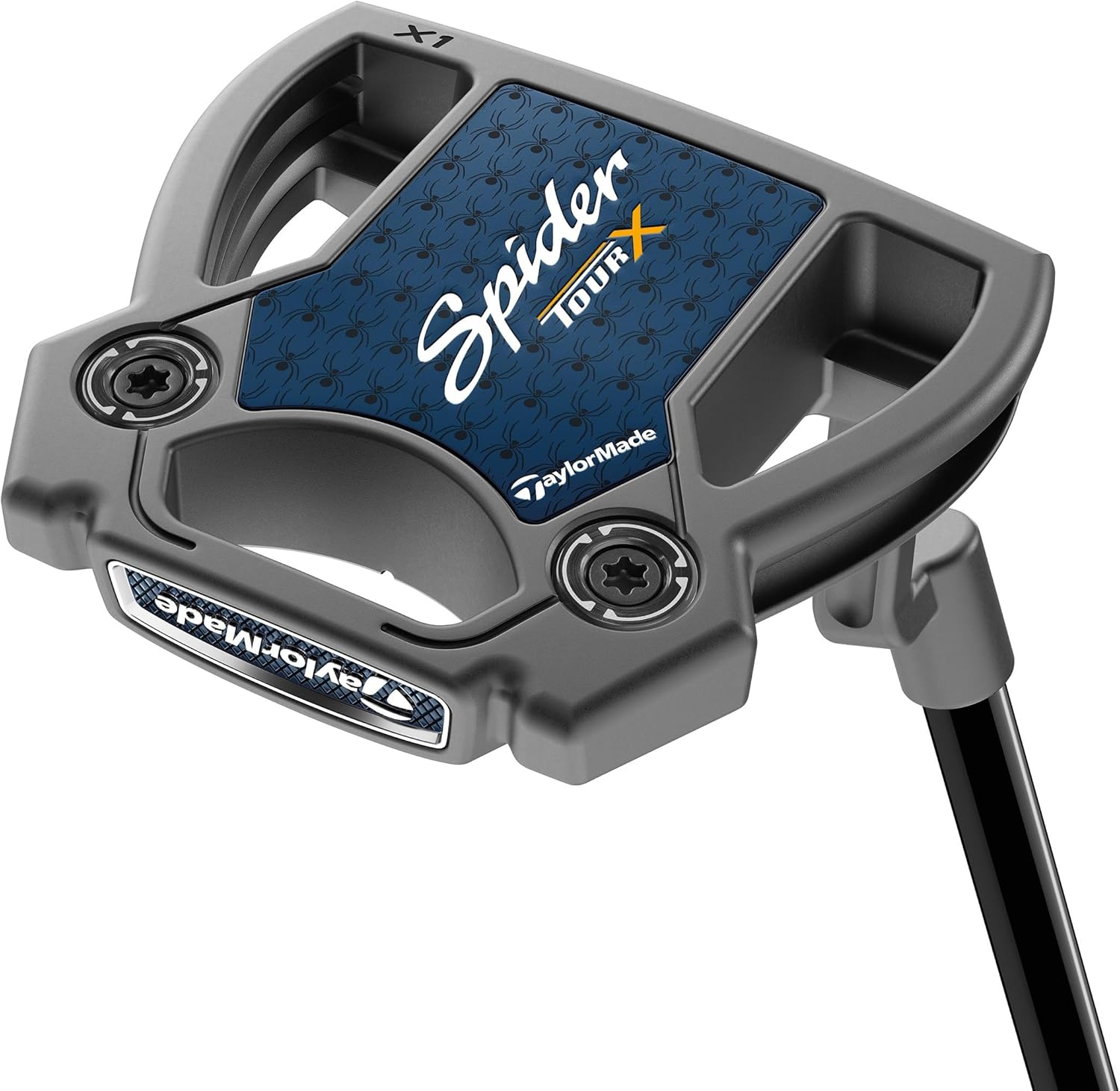
TaylorMade Spider Tour X Putter
High-MOI without the zero-torque geometry — the control case
ifrothgolf earns a commission on purchases made through these links, at no extra cost to you. It never changes what I recommend. Full disclosure.
Frequently asked
- What is a reverse torque putter?
- It's Evnroll's term for a putter engineered to produce a small, predictable rotational tendency rather than eliminating rotation entirely. The argument is that a defined behaviour gives the stroke feedback to work against, where a zero-torque head gives none. The EZPZ is the first club sold on the premise, from 15 August 2026.
- Is zero torque better than a normal putter?
- It depends on your miss. Zero-torque designs genuinely help golfers whose putts leak both left and right because the face arrives open or closed. They do nothing for distance control, which causes most three-putts, and some players find the lack of rotational feel deadening.
- Do tour players use zero-torque putters?
- A minority do. Across the 53 PGA Tour, LPGA Tour and LIV Golf bags we maintain, conventional milled blades and high-MOI mallets still dominate. That reflects pros having already grooved a stroke that manages face rotation, rather than a verdict on whether the technology works for amateurs.
- How do I test a putter properly before buying?
- Take three designs onto a shop mat and run two tests: twenty putts from five feet to measure face control, then ten from 30 feet to measure speed control. Count both. Most golfers find their real weakness is the long one, which no face technology claims to fix.
Read next
Review
7.9/10Full Swing KIT review: the tape measure decides this, not Tiger
Tour pedigree, TGL on ESPN, and radar good enough to be checked against a Trackman outdoors. It also wants eighteen to twenty feet of room, which rules out most of the garages people buy it for.
Versus
Trackman iO vs Uneekor EYE XO2: the year-one trap
Both mount overhead, both want ten feet of ceiling, and about $3,000 separates them on the shelf. Then Trackman's included first year runs out, and the gap starts growing by $1,100 a year.
Versus
Uneekor EYE XO2 vs Foresight GC3: ceiling or floor?
About $4,000 separates them, but they're not really rivals — one lives in your ceiling forever, the other sits on the floor and travels. The cheaper one is also the one with no subscription.