
Royal Birkdale will humble them — and that's exactly why you should watch
One week from now the 154th Open begins in Southport, and the most optimised power golfers in history will spend four days negotiating with wind, firm turf and pot bunkers. It's the best golf-watching week of the year — and the gear lessons for the rest of us are hiding in plain sight.
By Ross Hamilton · Staff Writer
 Opinion
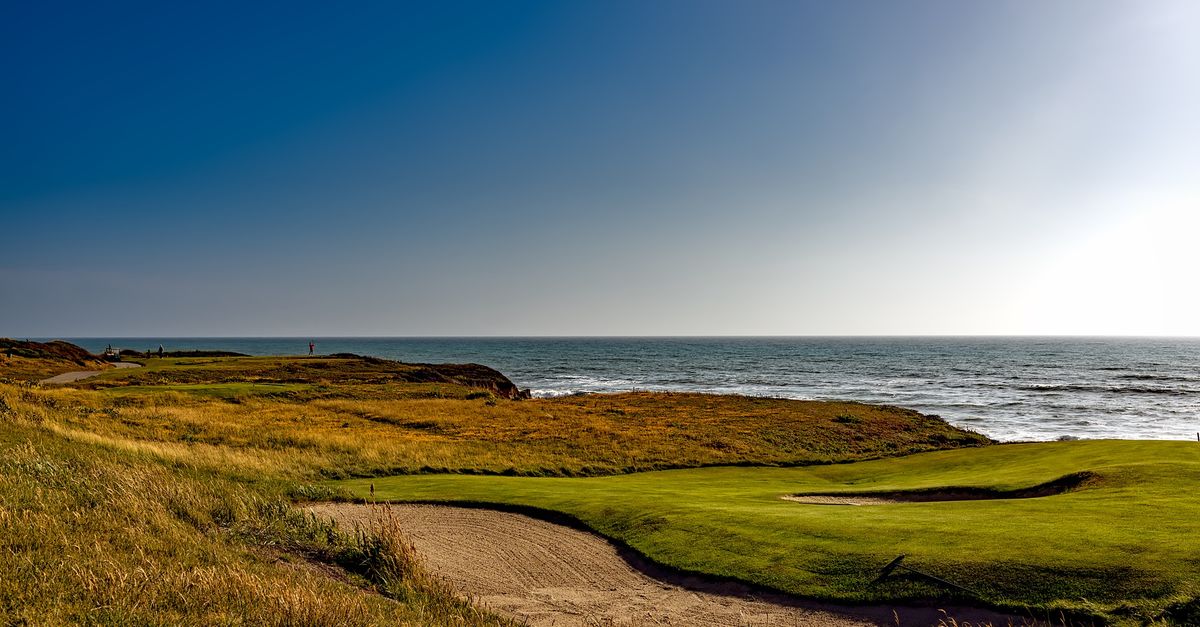
One week from today, the longest, straightest, most scientifically optimised golfers in history arrive in Southport, England, to be cross-examined by a links that owes them nothing. The 154th Open Championship runs July 16–19 at Royal Birkdale — the eleventh Open on those dunes — and for four days the modern power template that wins everywhere else will be politely, thoroughly found out. This is a feature, not a bug. It's why the Open remains golf's proper test, and why this is the one week of the year you should clear the couch for.
Birkdale's history cuts both ways, which is what makes it delicious. Jordan Spieth won there in 2017 with one of the great recovery acts in major history; the same week, Branden Grace shot 62 — still the lowest single round ever recorded in a men's major. A links doesn't guarantee carnage. It guarantees honesty. When the wind sleeps, Birkdale can be had; when it wakes, the leaderboard becomes a referendum on imagination, and the bomb-and-gouge crowd starts looking like tourists.
Carry numbers become negotiable
Modern professional golf is built on a fixed arithmetic: the ball carries a known distance through soft air onto soft turf, so you fly it at the flag and repeat. Links golf tears up the contract. A downwind hole plays two clubs shorter than the yardage book says; the same hole into the breeze the next morning plays four longer. Firm fairways mean the ball's journey doesn't end where it lands — it might end thirty or fifty yards later, possibly in one of Birkdale's pot bunkers, which are not the photogenic sand features of the American tour but small, revetted verdicts. Suddenly the 320-yard carry that removes every fairway bunker in Florida is a liability, because up in the wind is exactly where you don't want the ball to live.
Trajectory becomes a decision, not a default
Watch the practice rounds and you'll see players relearning a skill their launch monitors optimised away: hitting it low on purpose. The stock tour ball flight — high launch, optimised spin, drop-and-stop — is a hostage to crosswind. So the flighted two-iron reappears, the three-quarter punch reappears, and the ground game comes back from the dead. Running a ball forty yards along the turf onto a green isn't a novelty shot at Birkdale; it's frequently the highest-percentage play. The best week of Spieth's 2017 wasn't about speed. It was about a player deciding, shot by shot, what the ball should do at ankle height. That texture — every shot a negotiation with the ground and the air — is what makes Open golf better television than any dartboard course all season.
The gear lesson hiding in the carnage
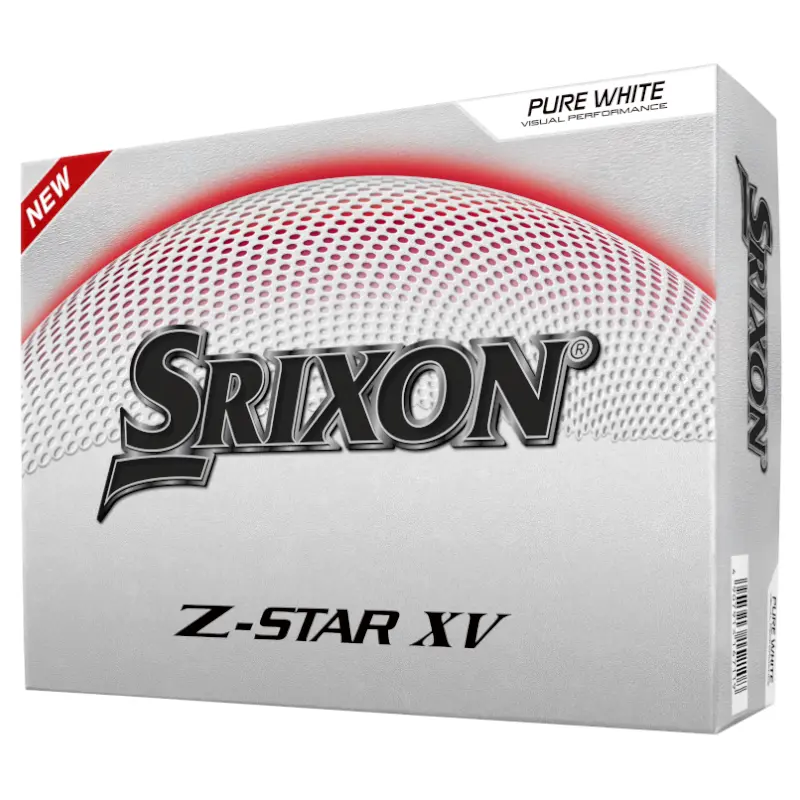
Here's the part the rest of us can actually use: Open week is a masterclass in what matters when conditions stop being polite, and none of it is raw speed. The first lesson is flight and spin control. A ball that balloons is a ball the wind owns. Something like the Srixon Z-Star XV is instructive here — a firm, 102-compression tour ball with a penetrating flight, built to bore through the breeze rather than ride it, while the urethane cover keeps the greenside bite you need when the turf is running. If your summer golf involves any wind at all, a ball with a stable, flatter flight will save you more shots than an extra five yards of calm-day carry ever will. It's the same logic that applies across the balls category: buy the flight, not the brochure number.
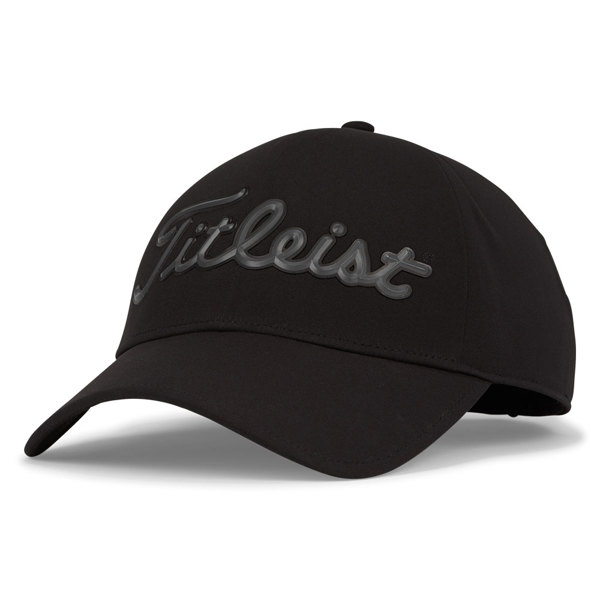
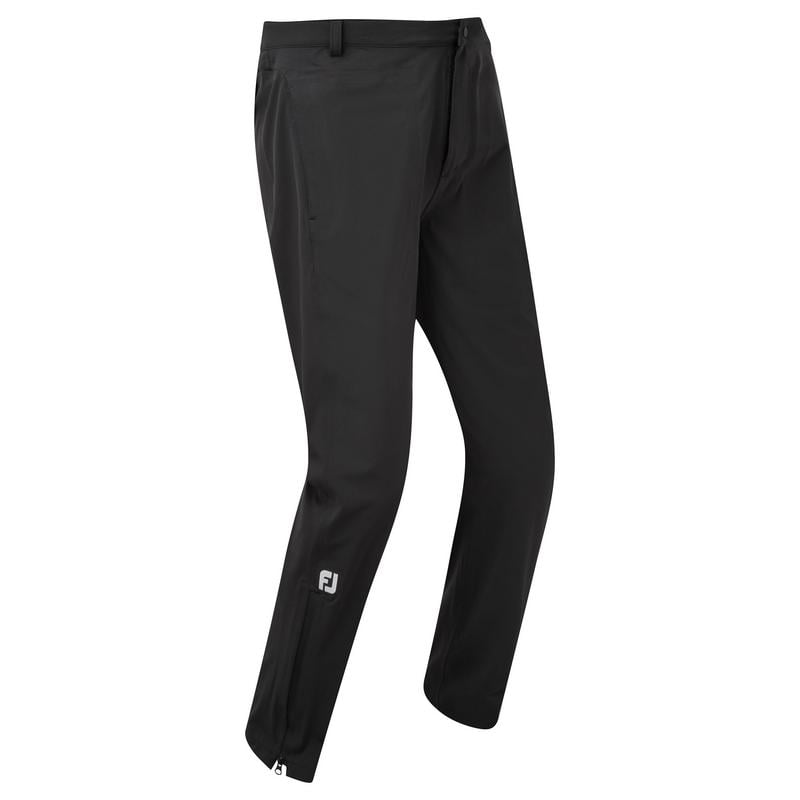
The second lesson is written on the players' heads and legs. An English July is a meteorological coin flip, and tour bags at Birkdale will carry waterproofs and wet-weather caps all four days — in high summer. A cap like the Titleist Players StaDry exists precisely because a cotton cap in steady rain becomes a cold sponge with a brim; the StaDry version is the wet-weather kit the tour actually wears, sealed seams and all. The same logic scales down the body: waterproof trousers such as the FootJoy HydroTour are rated to twenty thousand millimetres with a stretch construction, because staying dry is pointless if you can't make a full turn. Breathable, stretchy, genuinely sealed — that's the spec sheet of a garment you can play golf in, rather than merely stand around in.
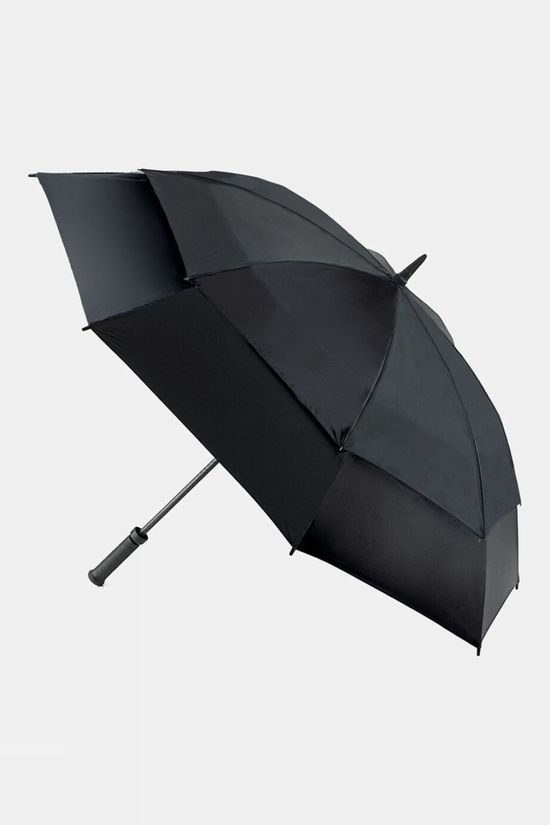
And then there's the most underrated object in links golf: the umbrella that doesn't die. A gust that flips your brolly inside out on the second hole sets the tone for a long day. The Fulton StormShield is the sort of thing that earns a permanent bag slot — a double-vented canopy that lets gusts pass through instead of catching the whole sail, on a fibreglass frame that flexes rather than snaps. Unglamorous, inexpensive, and exactly the kind of purchase Open week justifies.
Who should copy the pros — and who shouldn't
If you play exposed, breezy golf — coastal courses, open parkland, anywhere the flag is usually horizontal — copy the whole template: flighted ball, real waterproofs, a cap that stays on, an umbrella built for wind. If your golf happens in still, warm air on soft fairways, skip the firm tour ball at least; a 102-compression ball you can't compress is a downgrade, not a badge. And if watching Birkdale gives you the itch to play links golf yourself, resist the urge to book first and think later — our links trip packing guide covers the kit that decides whether the weather is part of the adventure or the end of it, and the wider travel section has the destinations worth the flight.
The Open is the one week the modern power game gets audited. Enjoy every minute of the humbling — and steal the right lessons while it happens.
Products mentioned in this article
Srixon
Srixon Z-Star XV Golf Balls
The wind lesson in ball form: a firm, penetrating tour ball that holds its line when the breeze gets up.
Titleist
Titleist Players StaDry Cap
The tour-bag tell: a genuinely waterproof cap that stays put and stays dry in an English July.
Fulton
Fulton StormShield Golf Umbrella
A double-vented, fibreglass-framed brolly that shrugs off the gusts that flip lesser umbrellas inside out.
FootJoy
FootJoy HydroTour Waterproof Trousers
Twenty-thousand-millimetre waterproofs with real stretch — the difference between playing through rain and surrendering to it.
ifrothgolf earns a commission on purchases made through these links, at no extra cost to you. It never changes what I recommend. Full disclosure.
Frequently asked
- When and where is the 2026 Open Championship?
- The 154th Open Championship runs July 16 to 19, 2026 at Royal Birkdale in Southport, England. It is the eleventh time the Open has been staged there.
- Who won the last Open at Royal Birkdale?
- Jordan Spieth won the Open at Royal Birkdale in 2017. The same week, Branden Grace shot 62, which remains the lowest single round in men's major championship history.
- Why is links golf considered a harder test than regular tour golf?
- Links courses add variables modern tour golf has engineered away: strong and shifting wind, firm turf that keeps the ball running after it lands, and deep pot bunkers that punish misses severely. Carry distances stop being fixed and trajectory becomes a decision on every shot, which tests judgement and creativity rather than raw speed.
- What golf ball flight works best in wind?
- A firmer ball with a penetrating, lower-spinning flight is easier to control in wind because it balloons less and holds its line in a crosswind. Firm tour balls like the Srixon Z-Star XV are built for exactly that flight, though slower swingers get better results from a softer ball they can actually compress.
- Do professionals really carry waterproofs in July?
- At a British links, yes. An English summer can produce rain and heavy wind at any point, so tour bags at the Open carry waterproof jackets, trousers and wet-weather caps all week regardless of the forecast. It is one of the more useful habits amateurs can copy.
Read next
Review
7.9/10Full Swing KIT review: the tape measure decides this, not Tiger
Tour pedigree, TGL on ESPN, and radar good enough to be checked against a Trackman outdoors. It also wants eighteen to twenty feet of room, which rules out most of the garages people buy it for.
Versus
Trackman iO vs Uneekor EYE XO2: the year-one trap
Both mount overhead, both want ten feet of ceiling, and about $3,000 separates them on the shelf. Then Trackman's included first year runs out, and the gap starts growing by $1,100 a year.
Versus
Uneekor EYE XO2 vs Foresight GC3: ceiling or floor?
About $4,000 separates them, but they're not really rivals — one lives in your ceiling forever, the other sits on the floor and travels. The cheaper one is also the one with no subscription.