
Playing links golf for the first time: what's different, and what to pack
A links trip to the coast is golf's great rite of passage — and it punishes the unprepared. Here's what changes, and the kit that makes it playable.
By Tom Whitaker · Staff Writer
 Explained
Links golf is a different game from the tree-lined parkland most of us learn on, and a first trip to the coast humbles people who don't prepare. The ground is firm and running, the wind is relentless, the weather turns in minutes, and the ball flies differently. Pack for all of that — proper waterproofs, wind-friendly kit and a lower-flighting ball — and a links trip becomes the best golf you'll play. Turn up in parkland gear and it's a long, wet week.
What separates a great links trip from a miserable one isn't only the waterproofs in your bag — it's whether you're willing to change how you play. Parkland golf is hit through the air to a soft target; links golf is played along the ground, under the wind, using slopes and bounces you'd never see at home. The players who fall in love with it are the ones who put the lob wedge away, embrace the putter from off the green and stop fighting the firm turf. Get your head around the shots a links rewards before you go and you'll arrive curious rather than frustrated, ready to use the ground instead of being undone by it.
The wind changes everything
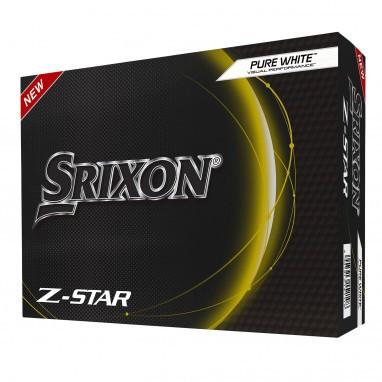
On a links you play under the wind, not over it. High, spinny shots balloon and die; low, flighted ones get rewarded. That starts with the ball — a firmer tour ball like the Srixon Z-Star flights lower and holds its line into a breeze far better than a soft, high-spin ball. It also changes how you club: take more, swing easier, and expect to putt or bump-and-run from places you'd normally fly the ball. Leave the ego driver in the bag when it's howling.
Dress for four seasons in one round
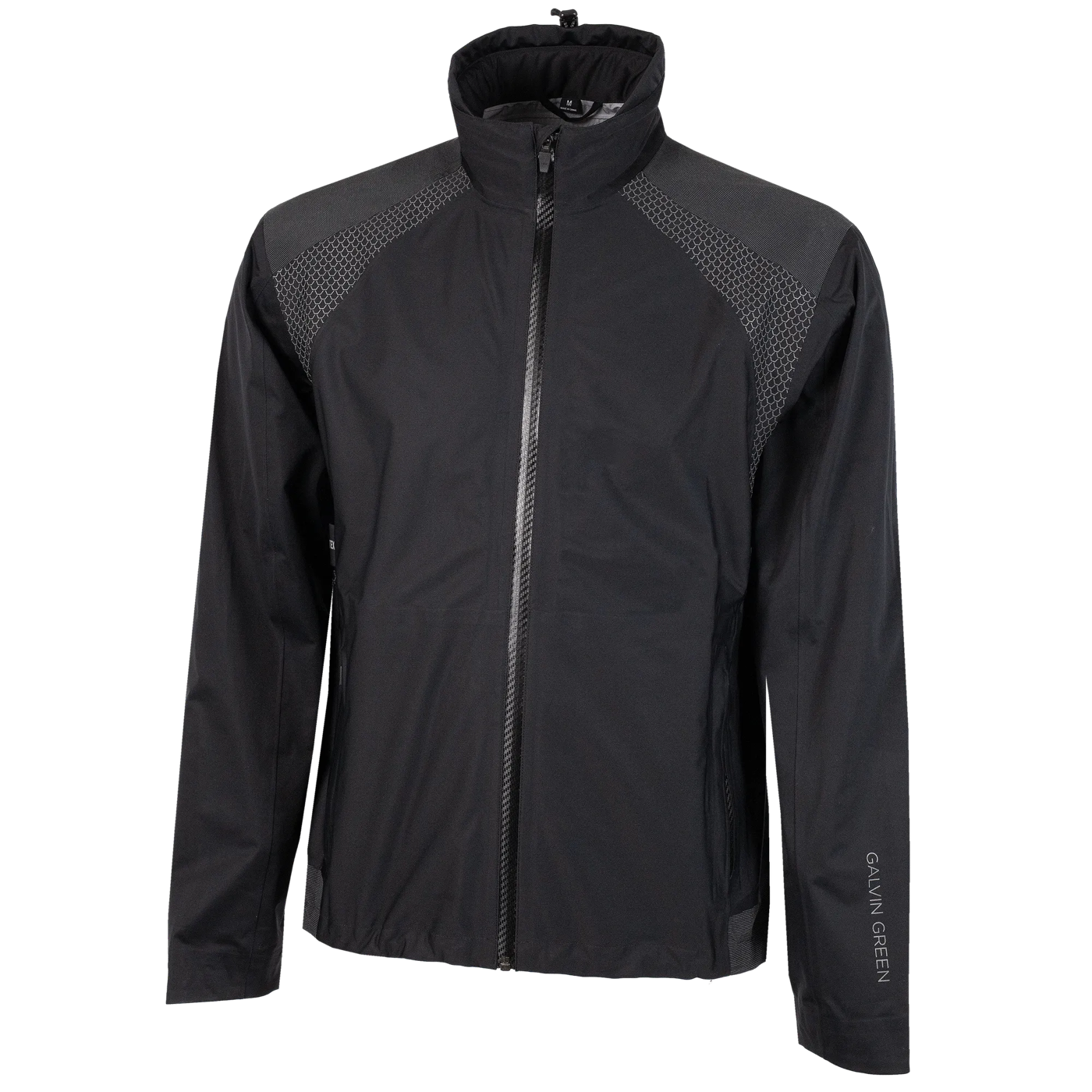
Coastal weather is not a forecast, it's a rumour. The single most important item is a genuine waterproof shell — a GORE-TEX jacket that keeps you dry without restricting the swing, not a flimsy showerproof. Add genuinely waterproof shoes with grip for wet, sloping turf, because soaked, slipping feet ruin a round and there's no drying them overnight. A warm layer underneath and waterproof trousers in the bag round it out — you can always take layers off.
The kit that saves a wet round
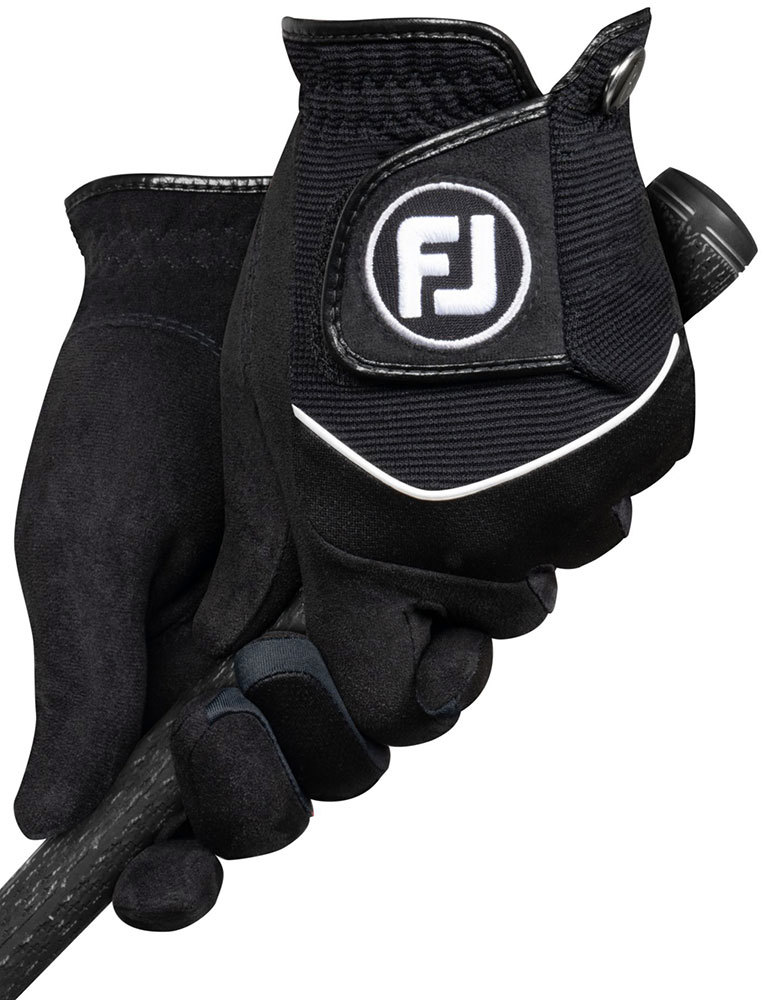
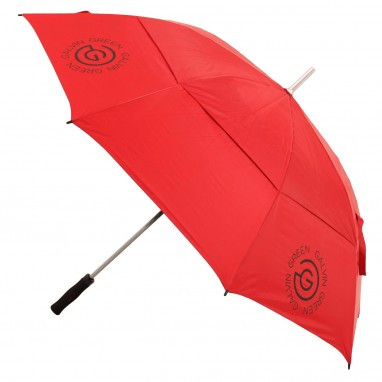
Two cheap things matter more than golfers expect when it's wet and windy. Rain gloves actually grip better the wetter they get — the opposite of leather — so a pair lives in every links bag. And a proper storm umbrella built to take coastal gusts beats the high-street one that folds inside out on the 2nd. Pack a couple of dry towels in a plastic bag too; keeping grips and hands dry is the whole battle.
Adjust your expectations, not just your bag
The mental shift matters as much as the kit. Links golf rewards creativity and patience: the ground is a tool, not a hazard, so let the ball run, aim away from trouble, and accept that a good score in the wind is several shots higher than at home. Walk it if you can — caddies and walking are part of the experience, and you'll read the bounces better on foot. Book in the knowledge that one wild-weather round is part of the charm, not a disaster.
Actually playing the shots a links demands
Kit gets you to the first tee; shotmaking gets you round. The signature links shot is the bump-and-run: a 7 or 8-iron played like a long putt, landing the ball well short of the green and letting the firm ground carry it on. It's lower-risk than a lofted pitch into wind and it's the shot the ground is begging you to hit. When you're just off the green, putt — from twenty yards, off close-mown links turf, a putter that never leaves the ground will beat a chip you have to land perfectly nine times out of ten. Take the high-tariff shot out of the equation whenever the surface lets you.
Into the wind, the answer is rarely to swing harder. Take two or three more clubs, grip down, move the ball back a touch and make a smoother, three-quarter swing — speed adds spin, and spin is what balloons a ball and kills it short. Read the slopes as allies: aim at backboards behind pins, use run-off banks to feed the ball in, and accept that a perfectly struck shot can still take a cruel bounce into a pot bunker. That last point is the real test. On a links the bad bounce isn't a sign you've done something wrong; it's the game. Plan for the ground, commit to the shot, and let the result be what it is.
The links checklist
Before a coastal trip: a real waterproof jacket and trousers, waterproof shoes, rain gloves, a storm umbrella, a firmer lower-flighting ball, warm layers and more dry towels than feel sensible. Get those right and the weather becomes part of the adventure rather than the thing that ruins it. For the rounds themselves, our waterproofs explainer covers what the ratings actually mean before you spend.
Products mentioned in this article
Galvin Green
Galvin Green GORE-TEX Waterproof Jacket
A proper GORE-TEX shell is non-negotiable on the coast — it'll rain sideways and you'll still want to swing freely.
FootJoy
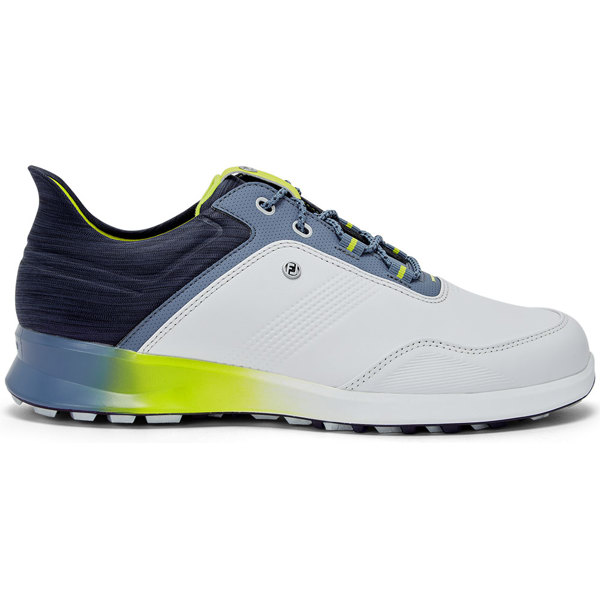
FootJoy Stratos
Genuinely waterproof shoes with grip for wet, undulating links turf — soaked feet end a trip fast.
FootJoy
FootJoy RainGrip Gloves (Pair)
Rain gloves grip better the wetter they get — counter-intuitive, essential, and a pair is cheap.
Galvin Green
Galvin Green Tromb 60 Storm Umbrella
A storm umbrella that survives coastal wind, not the high-street one that turns inside out on the 2nd.
Srixon
Srixon Z-Star Golf Balls (Dozen)
A firmer tour ball flights lower and holds its line better into a stiff seaside breeze.
ifrothgolf earns a commission on purchases made through these links, at no extra cost to you. It never changes what I recommend. Full disclosure.
Frequently asked
- What should I wear for links golf?
- Layers plus genuine waterproofs: a GORE-TEX jacket and trousers, waterproof shoes with good grip, and a warm mid-layer. Coastal weather changes fast, so pack for rain and wind even if the forecast looks fine.
- What golf ball is best for windy links golf?
- A firmer tour ball such as the Srixon Z-Star flights lower and holds its line into the wind better than a soft, high-spin ball, which tends to balloon. Lower flight is your friend on the coast.
- How is links golf different from parkland golf?
- The ground is firm and running, the wind is constant, and you play low shots under it rather than high ones over it. Expect to use the ground with bump-and-run shots, take more club and swing easier.
- Do I need rain gloves for a links trip?
- Yes — bring a pair. Rain gloves grip better the wetter they get, unlike leather gloves which turn slippery. They're cheap and they save your round when the weather turns.
Read next
Review
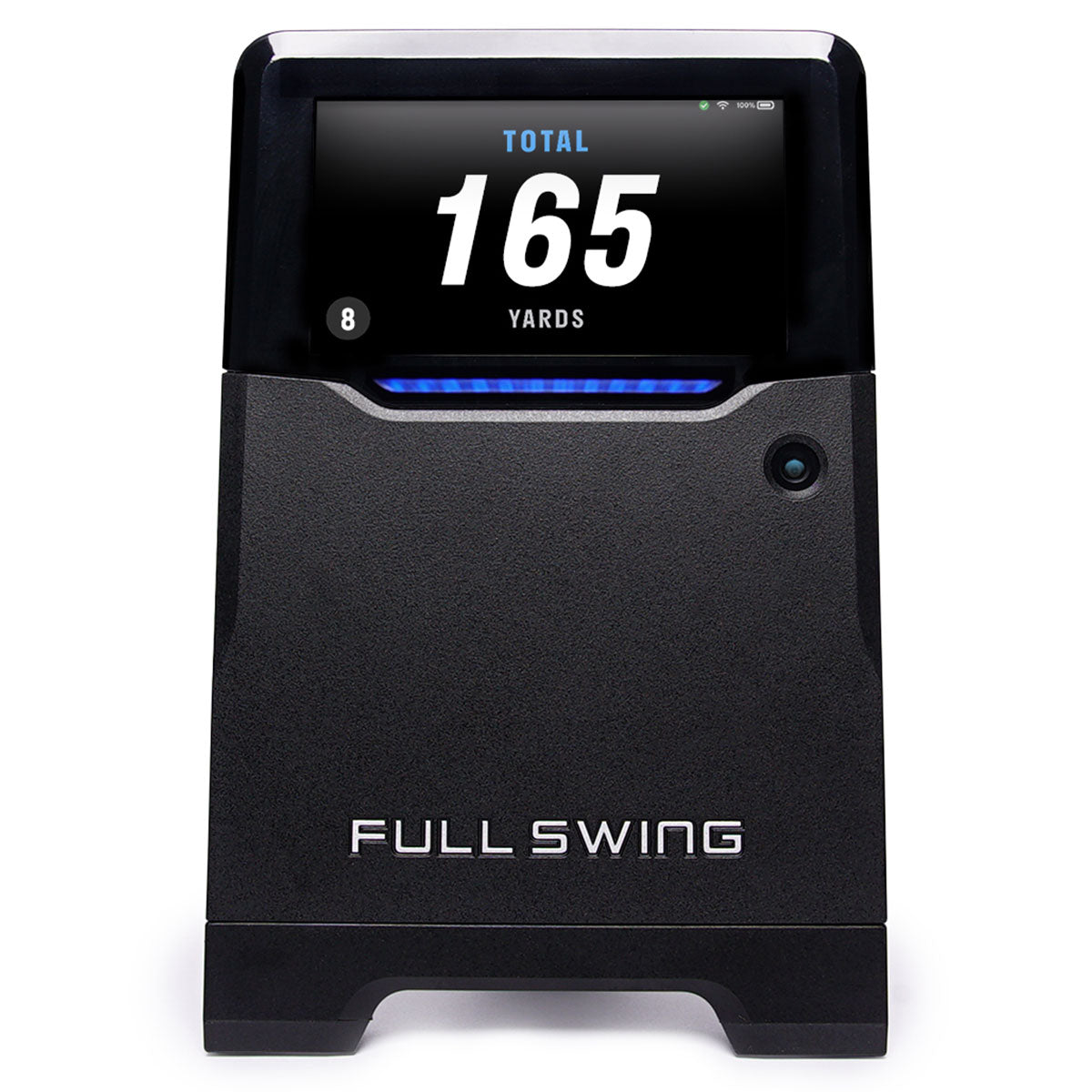
7.9/10Full Swing KIT review: the tape measure decides this, not Tiger
Tour pedigree, TGL on ESPN, and radar good enough to be checked against a Trackman outdoors. It also wants eighteen to twenty feet of room, which rules out most of the garages people buy it for.
Versus
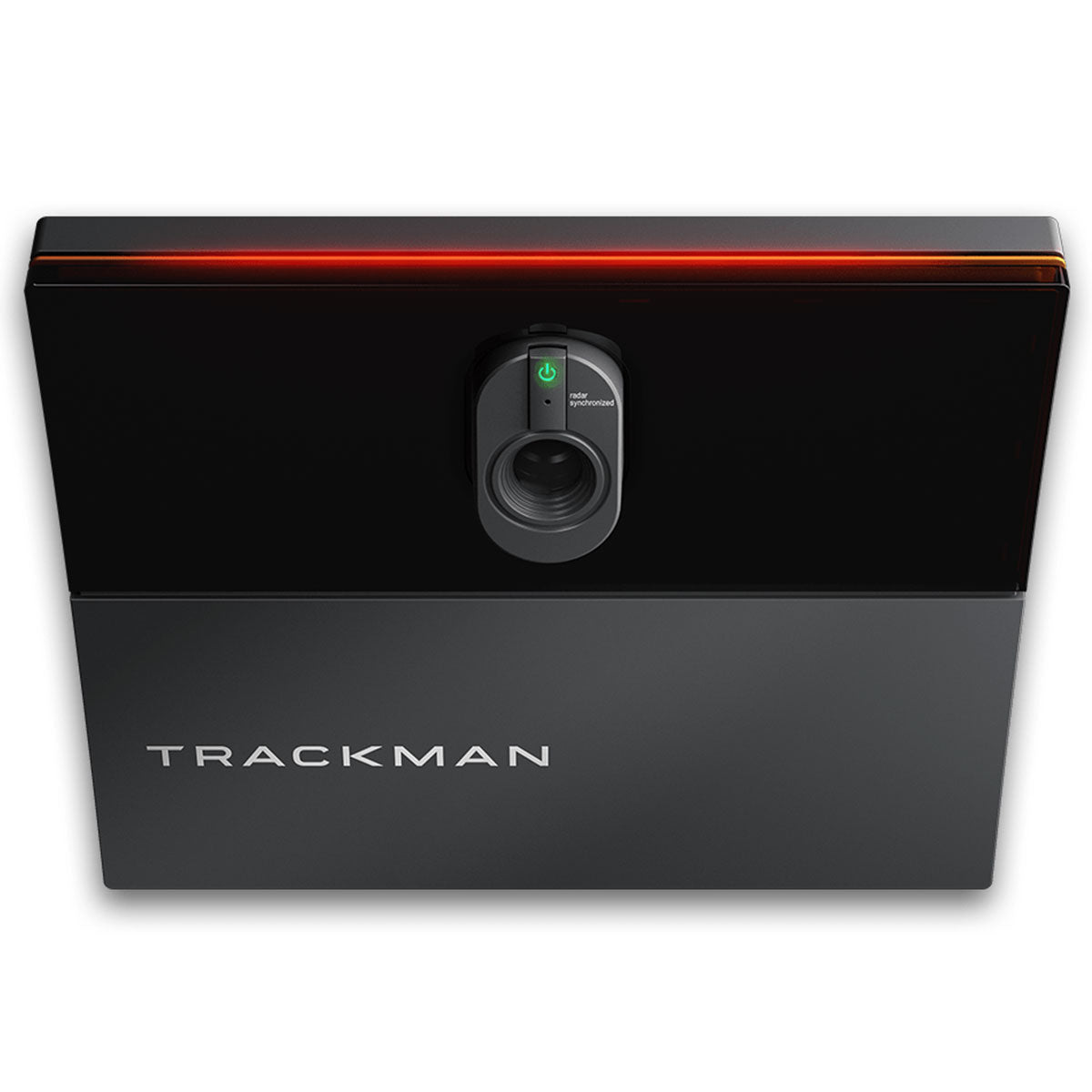
Trackman iO vs Uneekor EYE XO2: the year-one trap
Both mount overhead, both want ten feet of ceiling, and about $3,000 separates them on the shelf. Then Trackman's included first year runs out, and the gap starts growing by $1,100 a year.
Versus
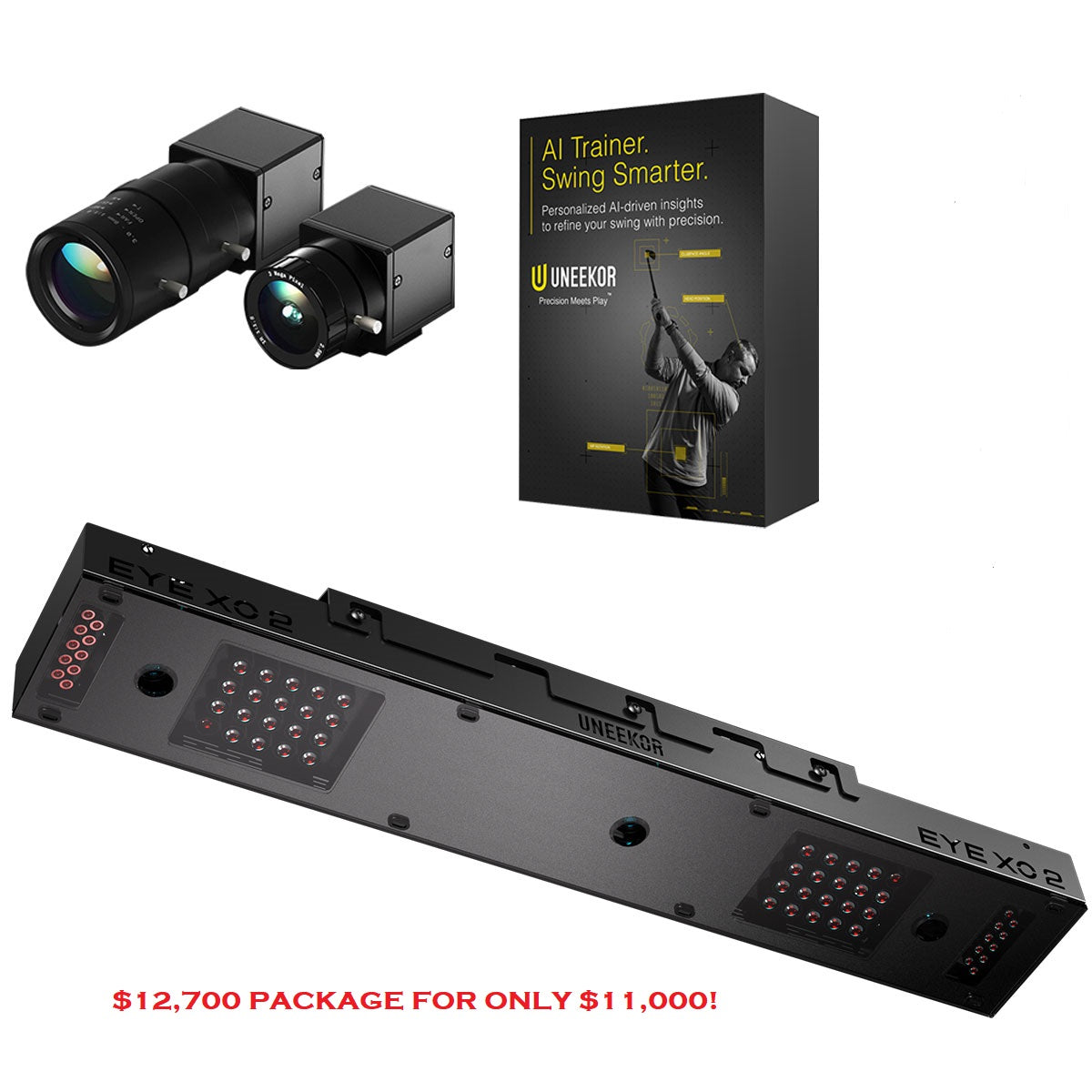
Uneekor EYE XO2 vs Foresight GC3: ceiling or floor?
About $4,000 separates them, but they're not really rivals — one lives in your ceiling forever, the other sits on the floor and travels. The cheaper one is also the one with no subscription.