
Age steals 20 yards off your tee — and a new driver isn't how you get them back
The decline is real and it's measurable, but the industry's answer — buy the newest driver every two years — targets the smallest lever. The three that actually move the needle are recoverable clubhead speed, a ball matched to your slower swing, and the weight you're carrying up the fairway.
By Dan Mercer · Editor
 Explained
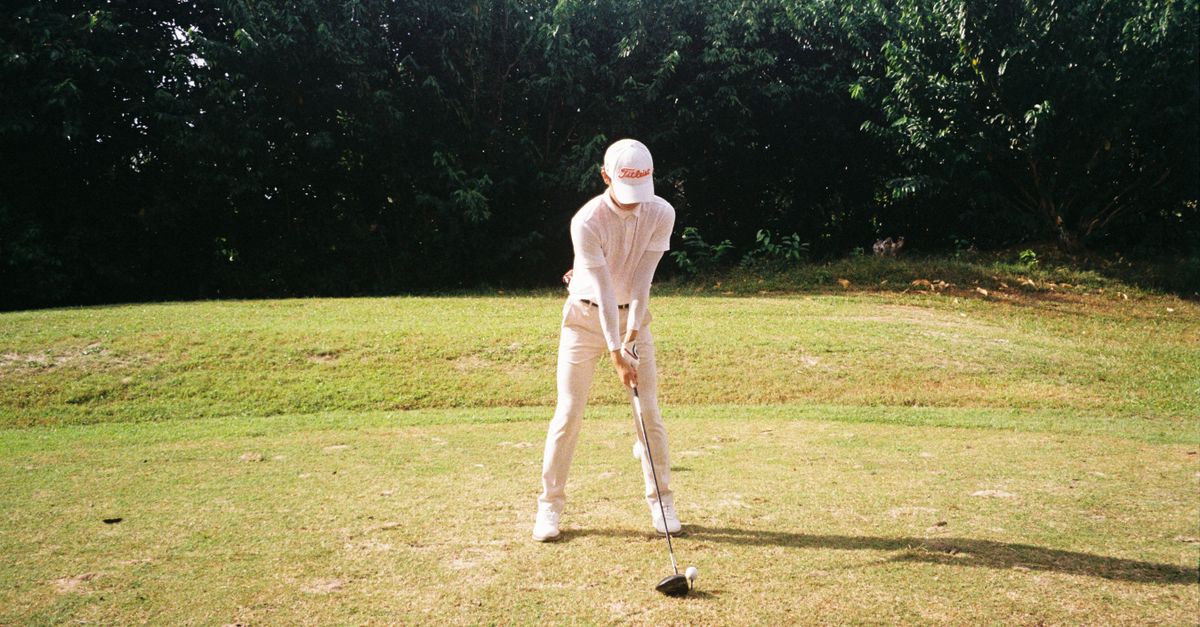
Somewhere in your fifties, the tee shot you've hit your whole life quietly gets shorter. Not dramatically, not all at once — a yard or two a year, until one day you realise the drive that used to leave a wedge now leaves a 7-iron, and the 20-plus yards are simply gone. This is real. It's the well-documented consequence of losing muscle mass, flexibility and fast-twitch fibre with age, and no amount of denial gets it back. But here's the myth worth busting on the way in: you do not just have to accept the decline, and — more usefully — the thing the golf industry sells you as the fix is aimed at the smallest lever on the board.
The reflex is to buy a new driver. Every two years, a fresh model promises the yards back, and every two years the honest gain is marginal — a spreadsheet's-width of ball speed that a fitting could probably find in the driver you already own. Meanwhile the three levers that genuinely move the needle for an ageing golfer go almost entirely unmarketed, because none of them is a shiny new club with a launch campaign behind it. Let's put them in the order of how much they'll actually give you back.
Lever one: clubhead speed is trainable — at any age
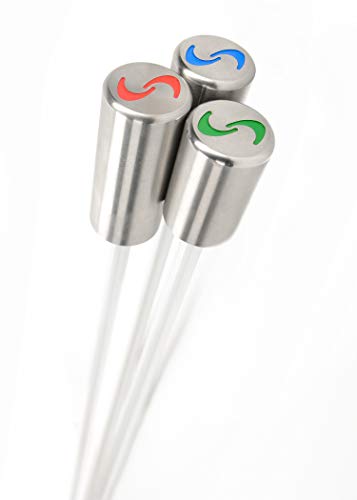
This is the myth-buster, so it goes first. The single biggest driver of distance is clubhead speed, and the assumption baked into most senior golfers' heads is that speed is a young man's asset you can only watch drain away. It isn't. Overspeed training — swinging progressively lighter and then heavier implements to teach your nervous system to fire faster — has been shown to add measurable clubhead speed to golfers well into their sixties and beyond. The SuperSpeed system is the best-known protocol: three weighted clubs, a structured schedule, a few sessions a week. It's the closest thing in golf to literally buying yards back, and it's a fraction of the price of the driver that would give you fewer of them. The catch — and it's a real one — is that it requires consistency over weeks, not a single afternoon. But the gain is genuine, it's recoverable, and it compounds. More trainable distance work lives in our training hub.
Lever two: you are almost certainly playing the wrong ball
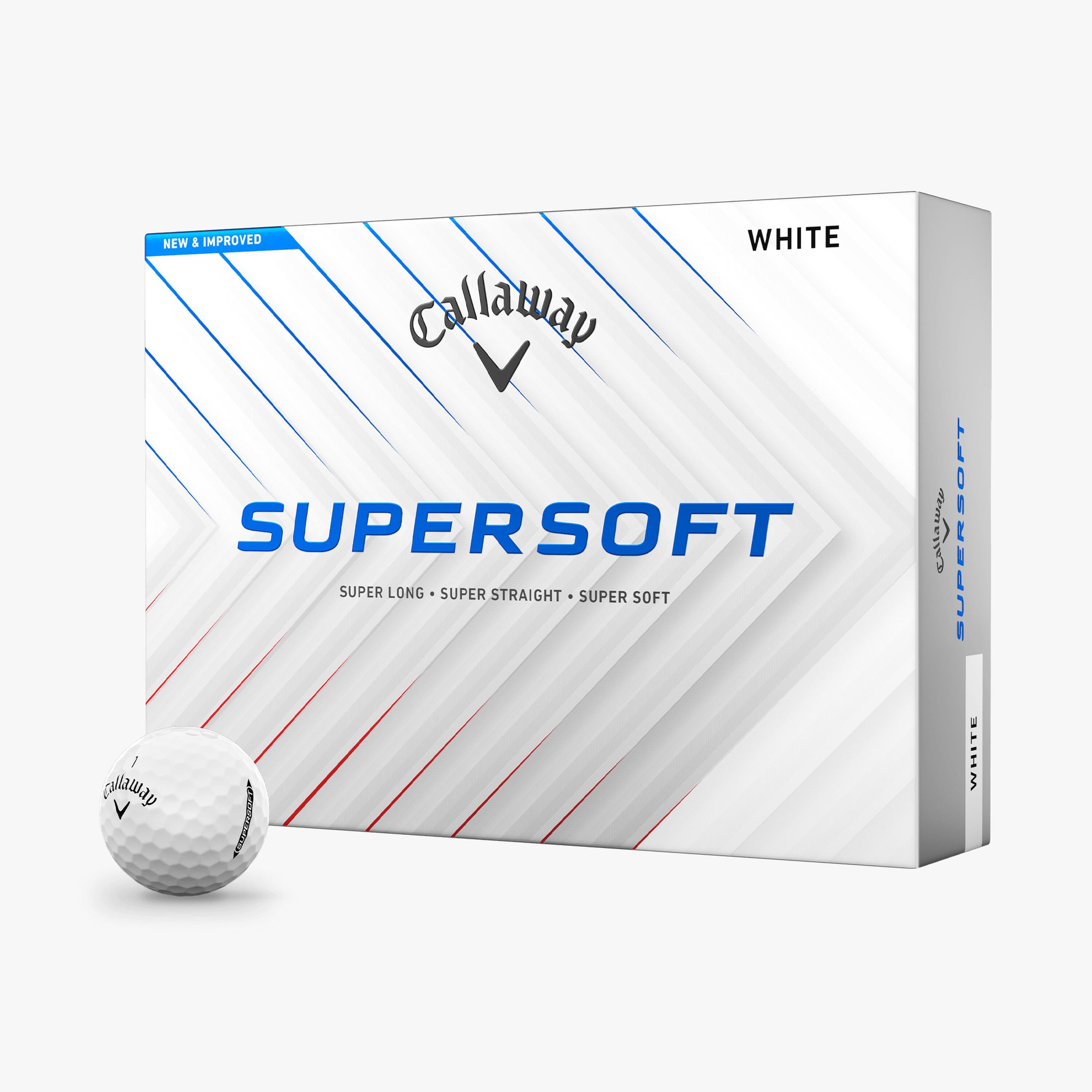
Here's the quiet distance leak nobody mentions. A golf ball has a compression rating, and to get full energy transfer you have to compress it — squash it at impact. Tour balls are built to be compressed by tour swing speeds. When a slower swing hits a firm, high-compression premium ball, it can't fully compress it, and some of your already-diminished speed simply doesn't convert into ball speed. The fix costs less than a single sleeve of the wrong ball: a genuinely low-compression model. The Callaway Supersoft is the archetype — soft enough that a slower swing actually loads and releases it, so you keep the distance you'd otherwise leave on the tee. The Srixon Soft Feel is its equal-and-opposite standout, soft off the face and forgiving, and priced so there's no excuse to keep punishing yourself with a ball built for someone 20 mph faster than you. What the ball marketing won't tell you: the most expensive ball on the shelf is frequently the wrong ball for the golfer buying it.
Lever three: stop carrying the weight
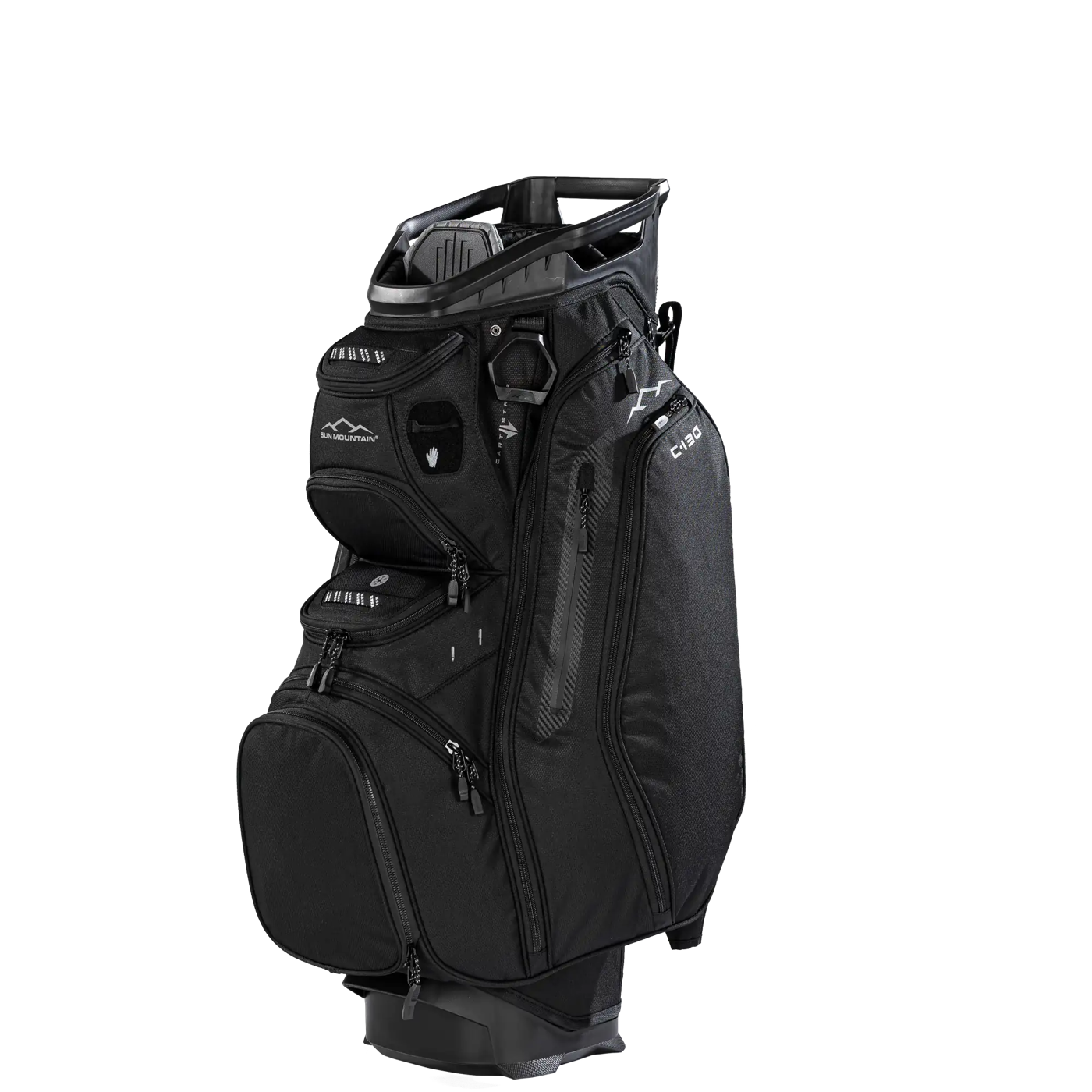
The third lever isn't about distance at all — it's about not losing the round in the last hour. A huge amount of what senior golfers experience as "my game falls apart on the back nine" is simply accumulated fatigue: four hours of carrying a heavy bag on tired feet, and by the 15th the swing has nothing left. The gear fix is embarrassingly effective. A featherweight stand bag like the Sun Mountain C-130 can shed a meaningful chunk of the load your shoulders and lower back carry every step — and if you're walking with a bag that weighs as much as a bag of cement, that's the first thing to fix. Then the feet: a stable, cushioned, sneaker-comfortable shoe like the FootJoy Flex spikeless is the difference between walking 18 in comfort and talking yourself into a cart. The cart feels like a kindness; it's often the thing that turns golf from exercise into sitting. Keep walking, keep it light, and the collapse that used to arrive on 15 arrives on 18 — or not at all.
The order matters — and so does honesty about it
Put together, these three cost less than one premium driver and give back multiples of what the driver would. Speed training buys the yards back at the source. The right ball stops you leaking the speed you have. Shedding weight keeps the whole thing intact through 18 holes instead of nine. A driver fitting is worth doing — but as a tune-up on the club you own, not a biennial upgrade treadmill. Fix the levers in that order and the driver decision becomes almost irrelevant.
Who should skip the speed work
One honest caveat, because "train for speed" isn't universal advice. If you're carrying a back, shoulder or elbow issue — and many golfers in this bracket are — overspeed training is exactly the kind of high-intent, fast-twitch loading that can aggravate it, and no yards are worth a winter on the sidelines. Clear it with a physio first, or skip lever one entirely and lean harder on the other two, both of which give real returns with zero injury risk. Likewise, if you already play a soft, well-fitted ball and walk with light kit, you've done the sensible work — at that point a fitting on your current driver genuinely is the last lever left, and you have our blessing to go find one.
Products mentioned in this article
SuperSpeed Golf
SuperSpeed Golf Training System (3-Stick Set)
Overspeed training that adds recoverable clubhead speed at any age — the closest thing to buying yards back.
Callaway
Callaway Supersoft Golf Balls (Dozen)
A genuinely low-compression ball built for slower swings, so you're not leaving distance on the tee with a ball you can't compress.
Sun Mountain
Sun Mountain C-130 Cart Bag
A featherweight stand bag: shed the load your shoulders and back carry for four hours, and the last few holes stop collapsing.
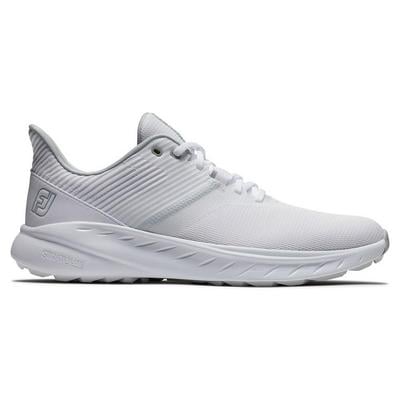
FootJoy
FootJoy Flex Spikeless
Sneaker-comfortable, stable and easy on tired feet — the shoe that keeps you walking instead of riding.
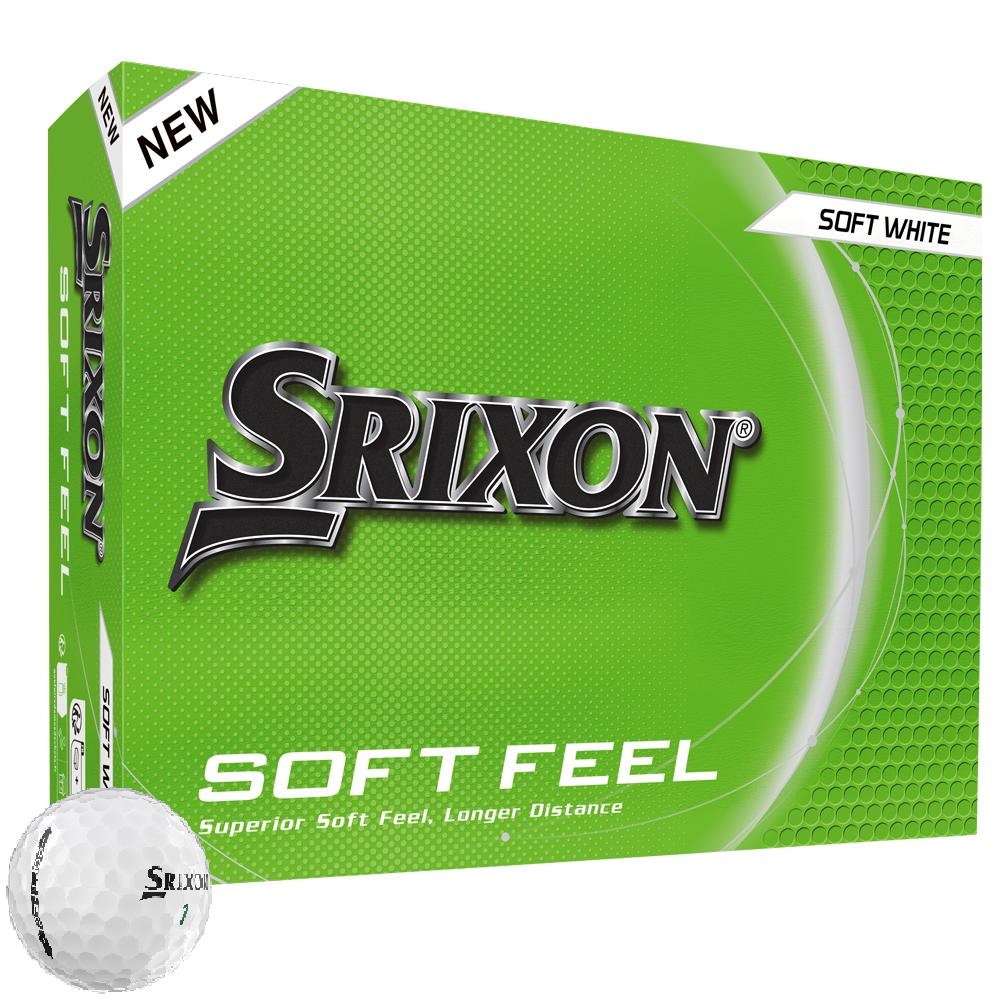
Srixon
Srixon Soft Feel Golf Balls (Dozen)
The other low-compression standout: soft off the face, forgiving, and priced so you'll actually play the right ball.
ifrothgolf earns a commission on purchases made through these links, at no extra cost to you. It never changes what I recommend. Full disclosure.
Frequently asked
- Can senior golfers really gain clubhead speed?
- Yes. Overspeed training, which uses progressively lighter and heavier clubs to train the nervous system to fire faster, has been shown to add measurable clubhead speed to golfers well into their sixties and beyond. It needs consistency over several weeks rather than a single session, but the gain is real and recoverable.
- Why does ball compression matter for slower swing speeds?
- A golf ball only returns full energy when your swing compresses it at impact. High-compression tour balls are built for fast swings, so a slower swing cannot fully compress them and loses some ball speed. A low-compression ball loads and releases properly at slower speeds, so you keep distance you would otherwise leave behind.
- Is a new driver worth it for a senior golfer?
- Usually less than the marketing suggests. Modern drivers improve only marginally year to year, and a proper fitting on the driver you already own can capture most of the available gain. Speed training and the right ball give back far more distance for far less money, so a driver fitting is best treated as a tune-up rather than a biennial upgrade.
- Who should avoid overspeed swing training?
- Anyone carrying a back, shoulder or elbow problem should be cautious, because overspeed training involves fast, high-effort swings that can aggravate an existing injury. Clear it with a physiotherapist first, or skip the speed work and focus on a well-fitted low-compression ball and lighter walking kit, both of which carry no injury risk.
Read next
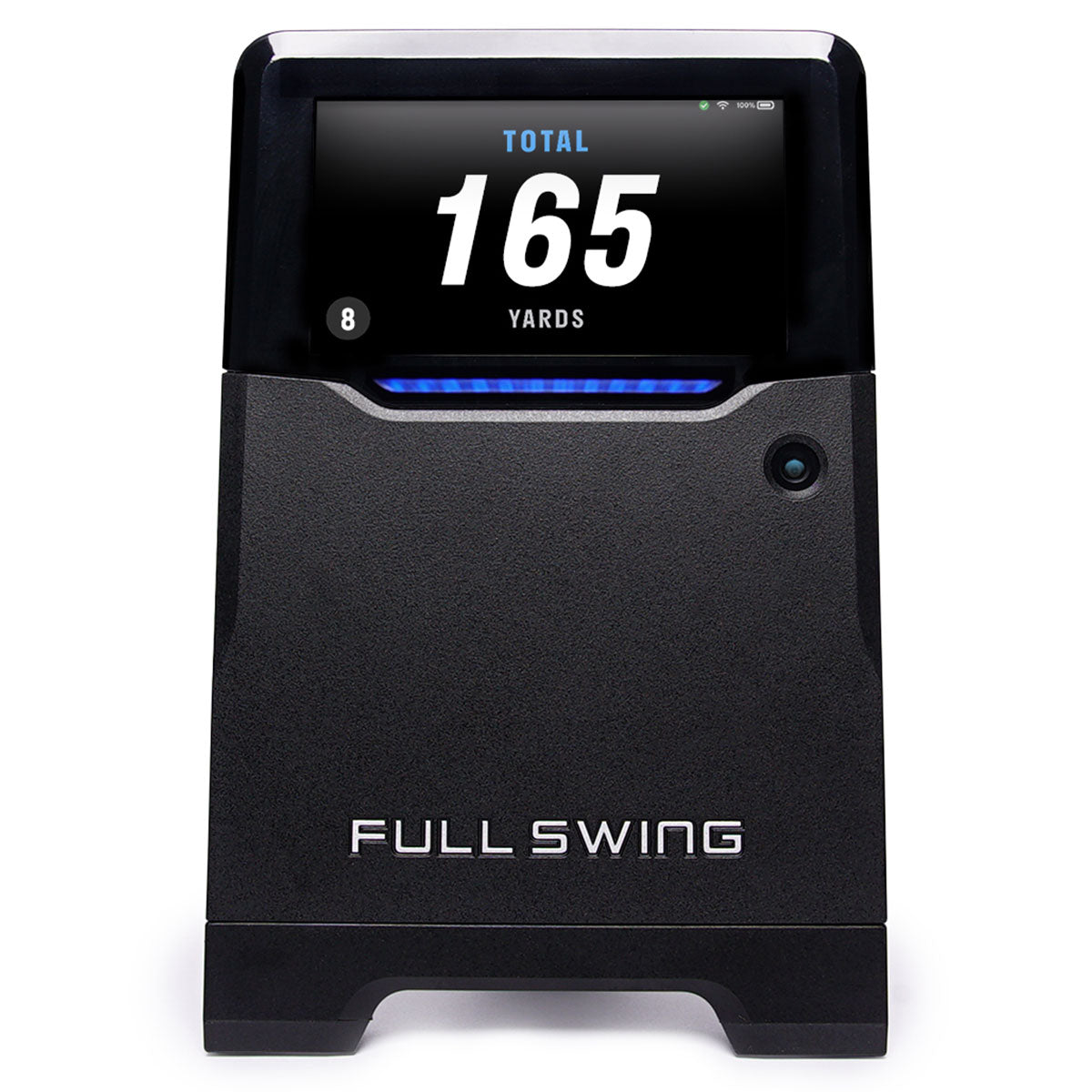
Review
7.9/10Full Swing KIT review: the tape measure decides this, not Tiger
Tour pedigree, TGL on ESPN, and radar good enough to be checked against a Trackman outdoors. It also wants eighteen to twenty feet of room, which rules out most of the garages people buy it for.
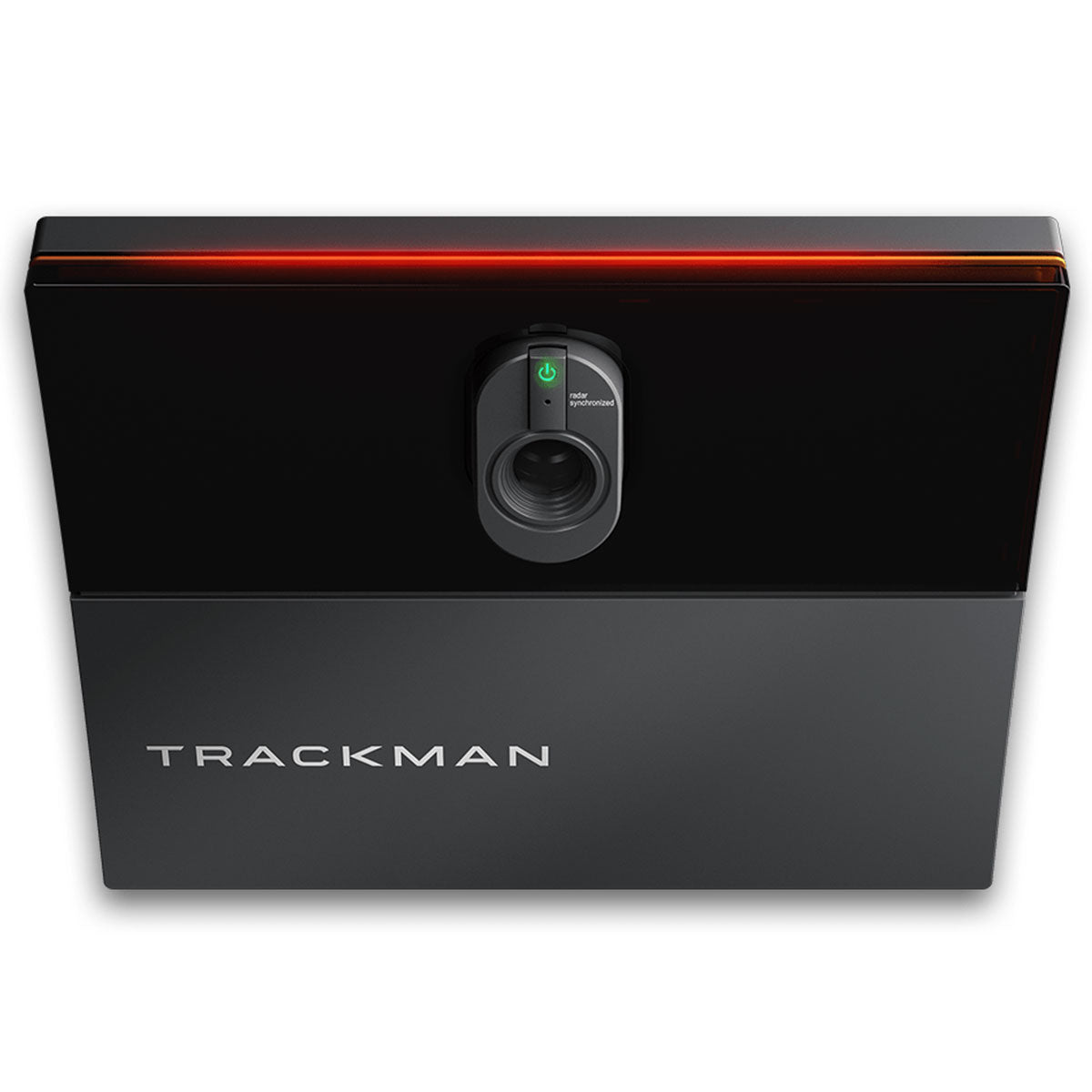
Versus
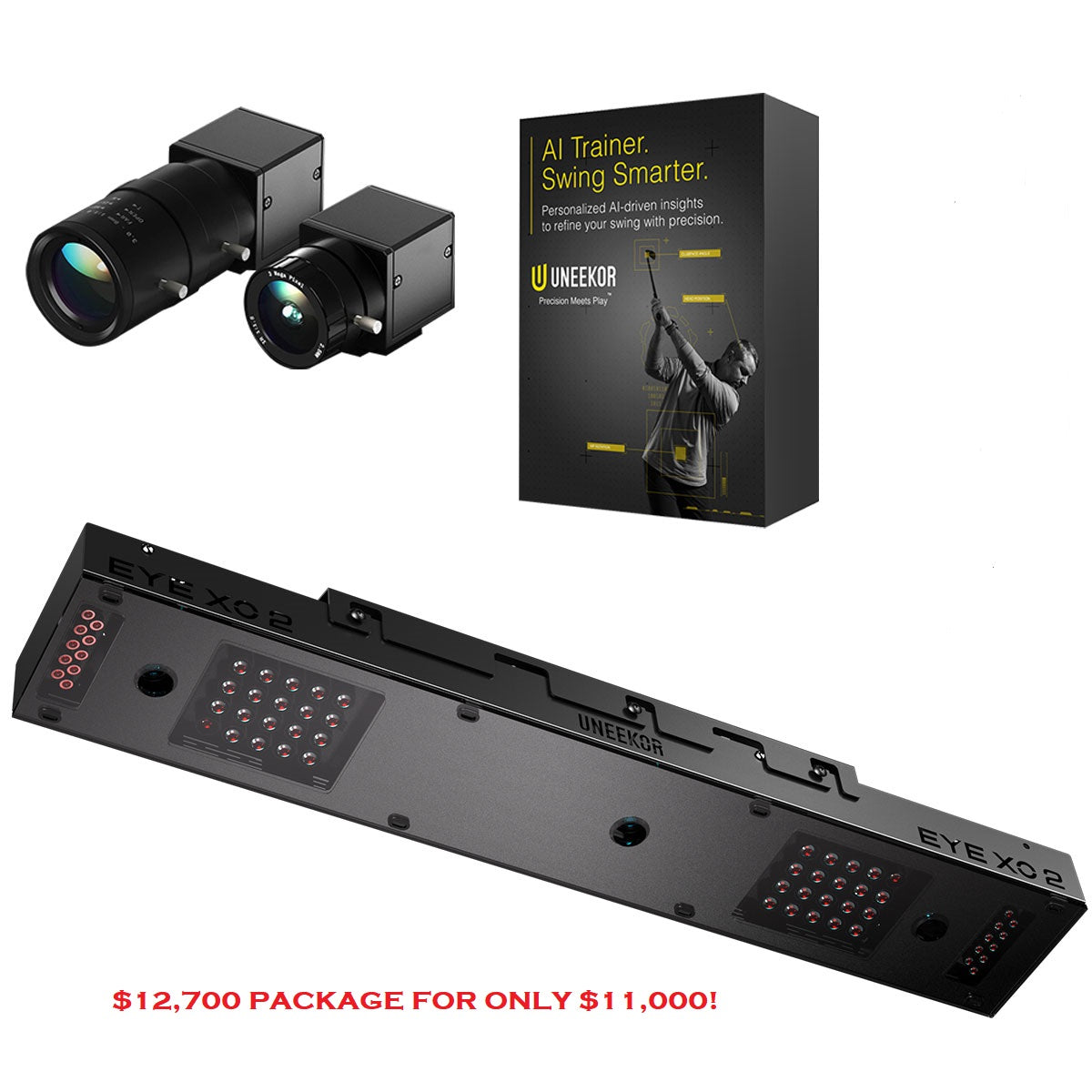
Trackman iO vs Uneekor EYE XO2: the year-one trap
Both mount overhead, both want ten feet of ceiling, and about $3,000 separates them on the shelf. Then Trackman's included first year runs out, and the gap starts growing by $1,100 a year.
Versus
Uneekor EYE XO2 vs Foresight GC3: ceiling or floor?
About $4,000 separates them, but they're not really rivals — one lives in your ceiling forever, the other sits on the floor and travels. The cheaper one is also the one with no subscription.