
Shoulder-season golf trips: better courses, smaller crowds, lower prices
The same course costs a fraction in May or October as it does in peak summer — and plays better, with fewer people on it. Here's how to time a trip right.
By Tom Whitaker · Staff Writer
 Explained
The smartest golf-trip move almost nobody makes is going in the shoulder season — the spring and autumn windows either side of peak summer. The same resort, the same course, costs a fraction of the high-season rate, the tee sheet is half empty, and the course is often in better nick than it is when it's baked by summer crowds. The trade-off is weather you can't fully bank on. Pack for that one variable and shoulder-season trips are the best value in golf travel.
The other quiet advantage of going off-peak is that it changes how you book, not just what you pay. Out of season, the courses and resorts are the ones chasing you, which hands you leverage you simply don't have in July — room to negotiate a package, to ask for the marquee course to be included, or to shift a tee time without a fight. Midweek is cheaper and emptier again, and the gap between a rigid pre-booked package and a looser do-it-yourself trip narrows because availability is no longer the constraint. The flexibility is the point: a shoulder-season trip lets you build the holiday around the golf you actually want rather than whatever scraps peak-season demand leaves on the table.
Why shoulder season wins on value
Golf destinations price by demand, and demand peaks with school holidays and summer. Shift your trip to late spring or early autumn and green fees, flights and accommodation can drop dramatically for an identical experience — sometimes close to half. You'll also share the course with far fewer people, which means faster rounds, easier tee times and a more relaxed trip. For courses that are bucket-list busy in summer, the shoulder season is often the only time you'll get on at a sane price and pace.
The catch: weather you must plan for
The reason shoulder season is cheaper is that the weather is a gamble — you might get glorious still mornings or a cold, wet, windy day, sometimes both in one round. That's entirely manageable if you pack for it. A packable waterproof jacket that lives in the bag is non-negotiable, whatever the forecast says. The bigger killer is temperature swings: a frosty 8am tee time warming to a pleasant afternoon.
Layer for the swing, not the photos
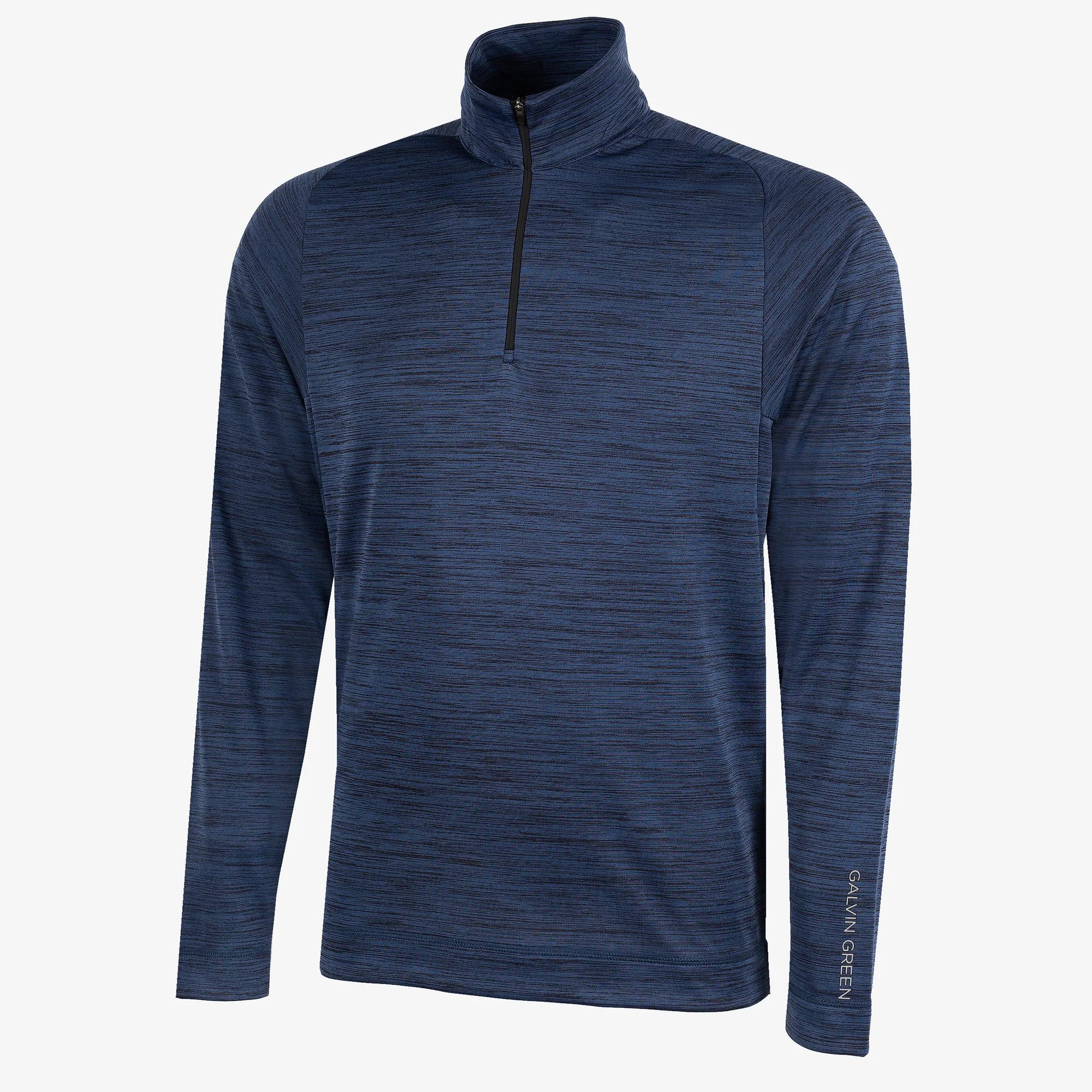
The secret to comfortable shoulder-season golf is layering you can adjust mid-round without restricting your swing. A breathable, stretchy mid-layer like the Dixon INSULA half-zip handles a cold start and comes off easily when it warms up — far better than one heavy jacket that has you sweating by the 5th or freezing on the 1st. Start with a base layer, add the mid-layer, and keep the waterproof in the bag. Adjust as the day turns rather than committing to one piece of kit at 8am.
Play the conditions and the calendar
Shoulder-season courses can play longer and softer in spring or firmer and windier in autumn, so a versatile tour ball that copes with wind and cool air is a safe pick, and a light carry bag suits walking the quiet fairways. On timing: aim for the weeks just before or after peak season — late April to May and September to mid-October in the Northern Hemisphere are the sweet spots for most destinations. Book midweek for the lowest rates and emptiest courses.
Where shoulder season shines — and where it bites
Not every destination rewards a shoulder-season trip equally, and the difference comes down to what drives the local season. Coastal links and temperate parkland are the sweet spot: late spring and early autumn bring firm, true ground, settled growth and the kind of cool, breezy golf those courses are built for, often in better condition than the summer scorch leaves them. Mountain and high-altitude resorts are the opposite trap — their shoulder is shoulder for a reason, with the risk of a closed course, frost delays or snow on the higher holes, so the bargain rate can come with no golf attached. The honest rule is that a destination is cheaper out of peak either because the weather is merely less reliable, or because it's genuinely marginal. Work out which before you book, because one is a smart gamble and the other is throwing money at a coin that's weighted against you.
Reading a destination's calendar properly is the skill that separates a steal from a let-down. Look past headline averages to the spread: a place with a mild mean temperature can still serve up a frost-bitten dawn and a balmy afternoon in the same round, which is exactly the swing you must pack layers for. Check daylight hours too — an autumn trip with a 4.30pm sunset quietly rules out the dawn-till-dusk thirty-six you'd squeeze in during June. And watch the maintenance windows: courses often schedule aeration and renovation work for the shoulder months precisely because they're quiet, so a quick check that greens won't be hollow-cored during your stay saves a holiday spent putting on sand. Versatile kit covers the rest — a ball that copes with wind and cool air, layers you can shed, and the packable waterproof that lives in the bag whatever the forecast claims.
The bottom line
Shoulder season trades a little weather certainty for big savings, smaller crowds and better course conditions — a trade most golfers should take. Pack a packable waterproof and adjustable layers, pick a versatile ball, target the weeks either side of peak season midweek, and you'll get a bucket-list trip for a budget price. It's the closest thing to a free lunch in golf travel.
Products mentioned in this article
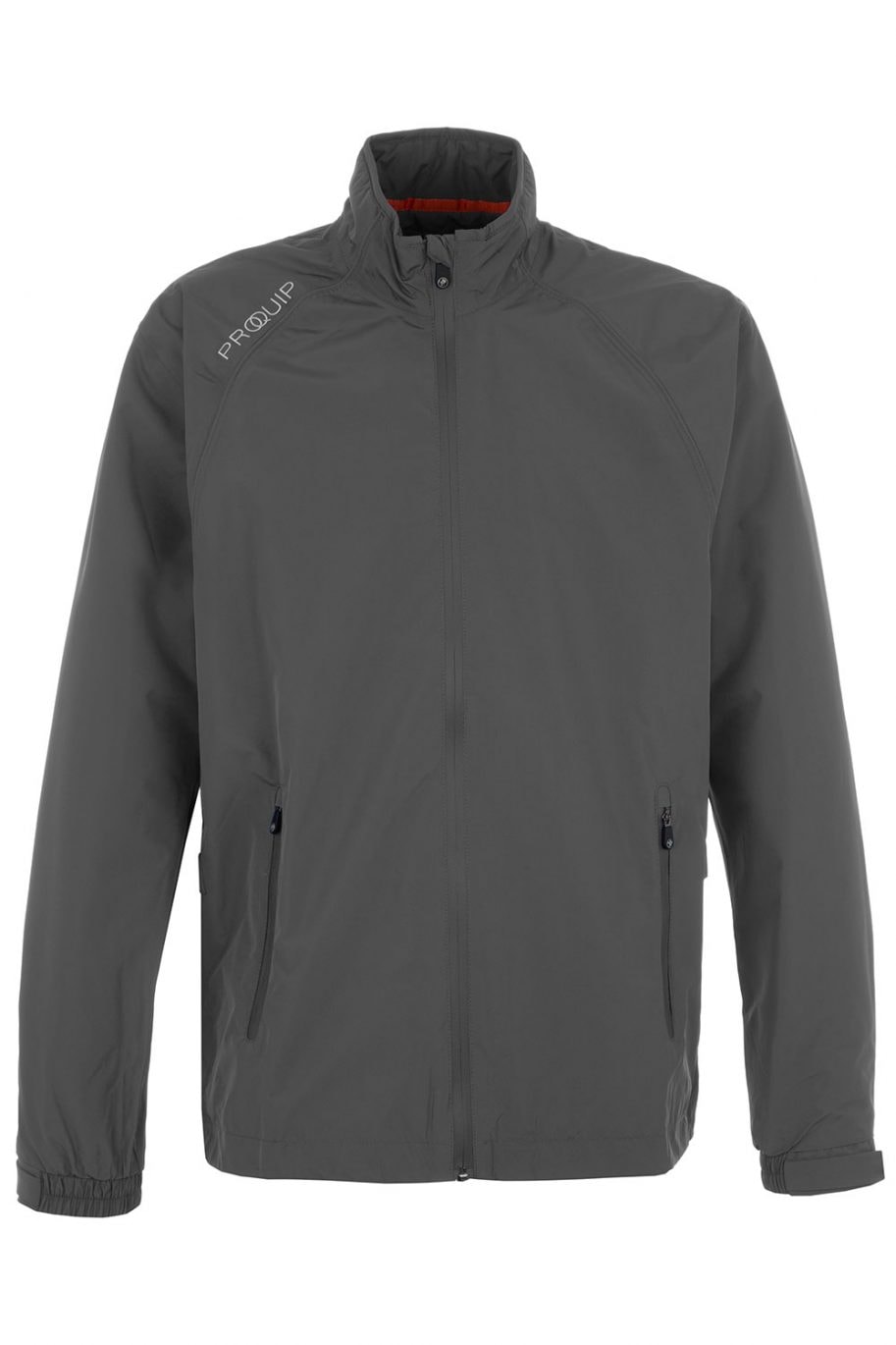
ProQuip
ProQuip Tempest Waterproof Jacket
Shoulder-season weather is a coin toss — a packable waterproof you can stuff in the bag is essential.
Galvin Green
Galvin Green Dixon INSULA Half-Zip Mid-Layer
The layer that handles a cold morning and a warm afternoon without cooking you — perfect shoulder-season kit.
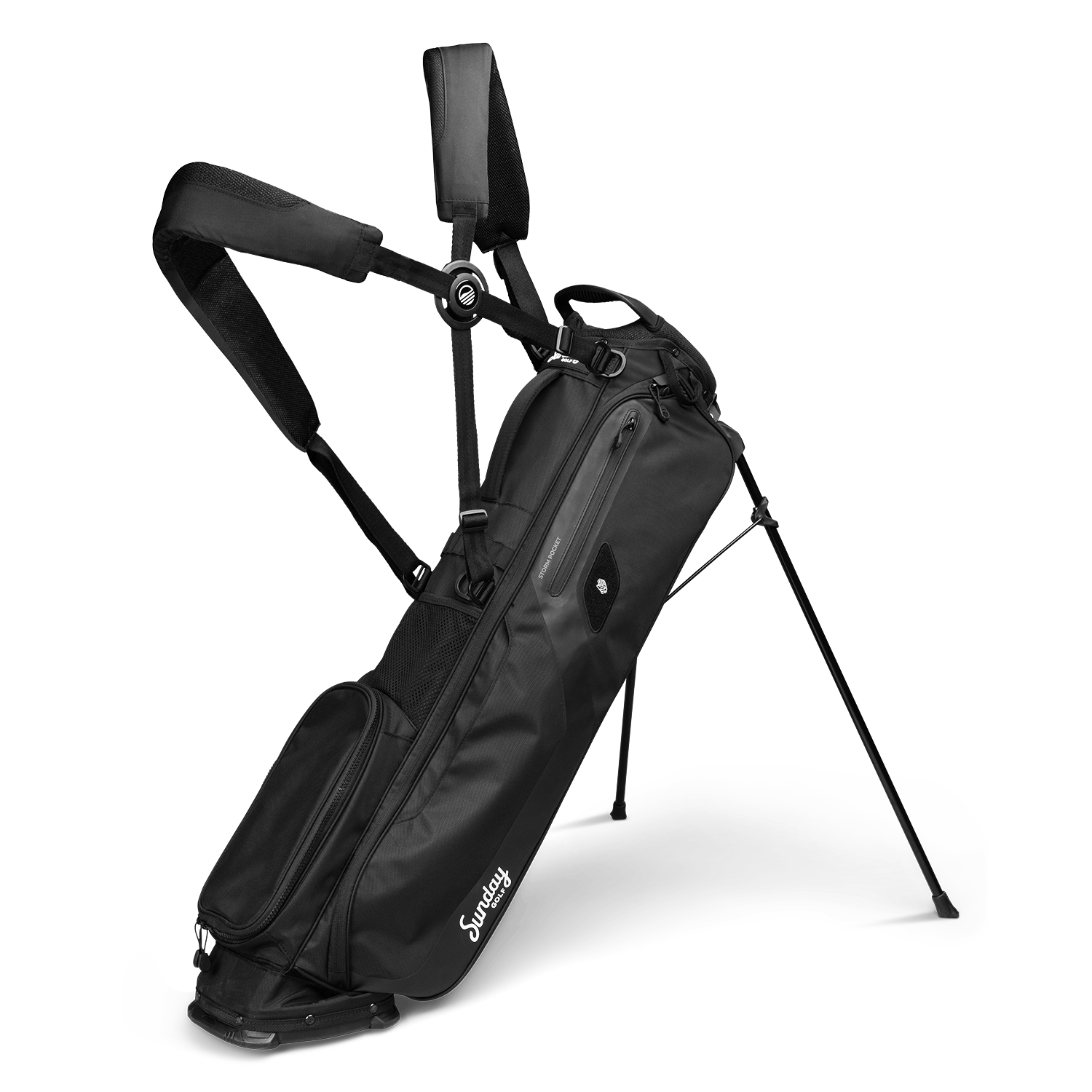
Sunday Golf
Sunday Golf El Camino Stand Bag
A light carry bag for walking the quieter, cheaper courses you'll have half to yourself.
Srixon
Srixon Z-Star Golf Balls (Dozen)
A versatile tour ball for the variable wind and temperatures of spring and autumn golf.
ifrothgolf earns a commission on purchases made through these links, at no extra cost to you. It never changes what I recommend. Full disclosure.
Frequently asked
- When is the cheapest time to book a golf trip?
- The shoulder seasons — late spring (around late April to May) and early autumn (September to mid-October in the Northern Hemisphere) — are far cheaper than peak summer for the same courses, especially midweek, with smaller crowds and often better conditions.
- What should I pack for a shoulder-season golf trip?
- Layers you can adjust mid-round: a base layer, a breathable mid-layer like a half-zip, and a packable waterproof jacket that stays in the bag. Temperatures swing from cold mornings to warm afternoons, so adjustable kit beats one heavy jacket.
- Is shoulder-season golf worth the weather risk?
- For most golfers, yes. You trade some weather certainty for big savings, quieter courses and often better conditions. Pack proper waterproofs and layers and the occasional cold or wet round is easily managed.
- Why are golf courses in better condition in shoulder season?
- Peak summer traffic and heat stress the turf, while spring and autumn typically bring milder conditions and lighter play, so greens and fairways are often in better nick — and you'll have far more of the course to yourself.
Read next
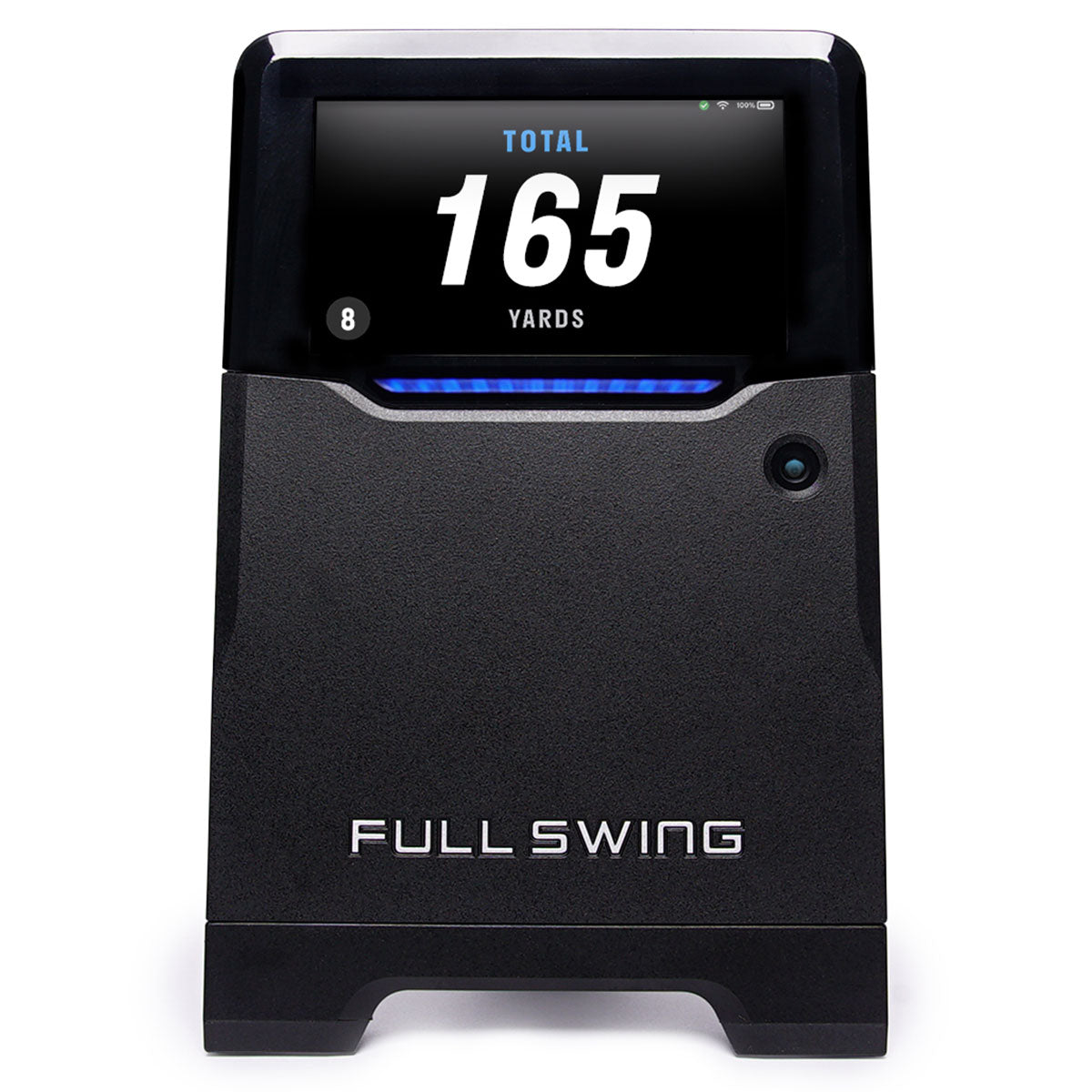
Review
7.9/10Full Swing KIT review: the tape measure decides this, not Tiger
Tour pedigree, TGL on ESPN, and radar good enough to be checked against a Trackman outdoors. It also wants eighteen to twenty feet of room, which rules out most of the garages people buy it for.
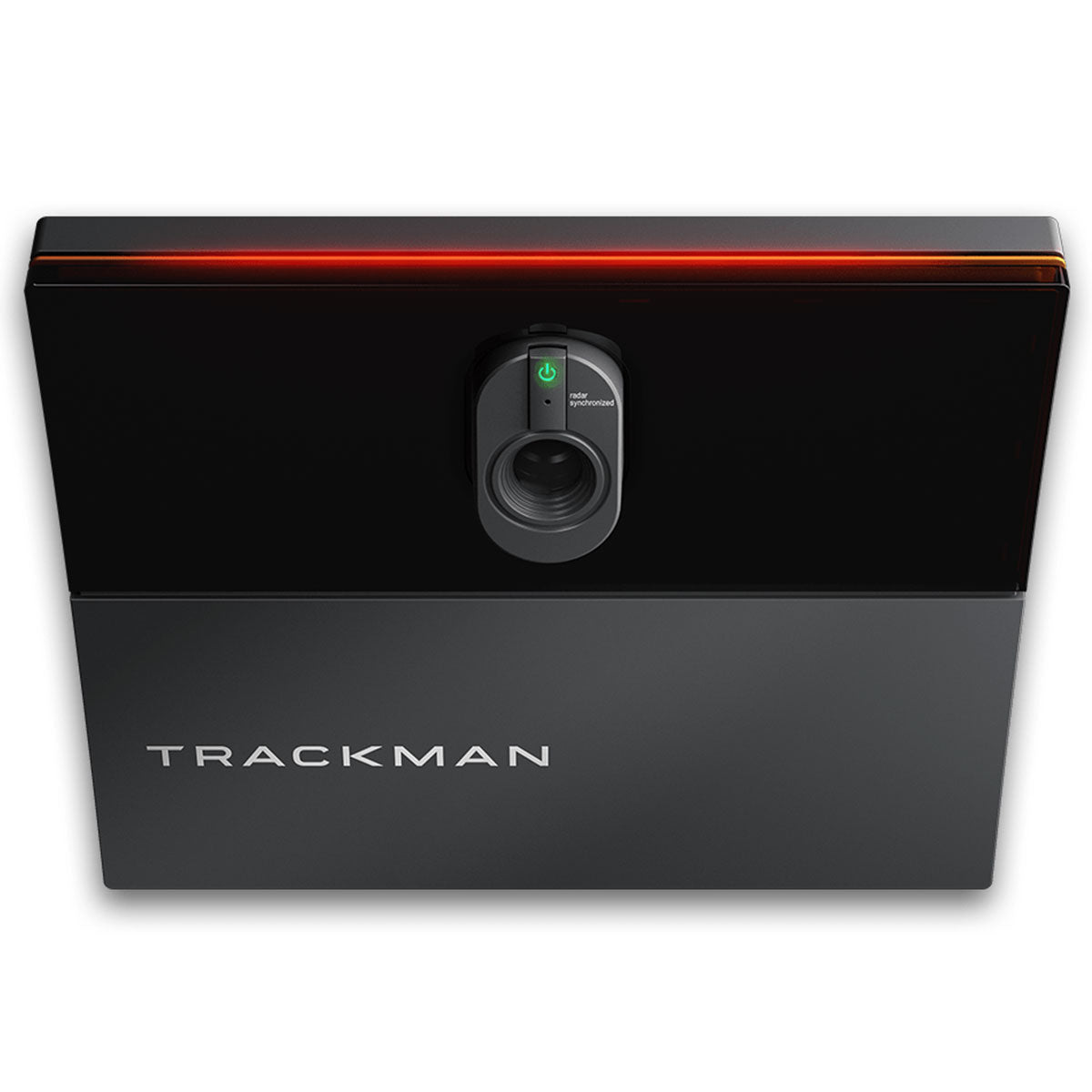
Versus
Trackman iO vs Uneekor EYE XO2: the year-one trap
Both mount overhead, both want ten feet of ceiling, and about $3,000 separates them on the shelf. Then Trackman's included first year runs out, and the gap starts growing by $1,100 a year.
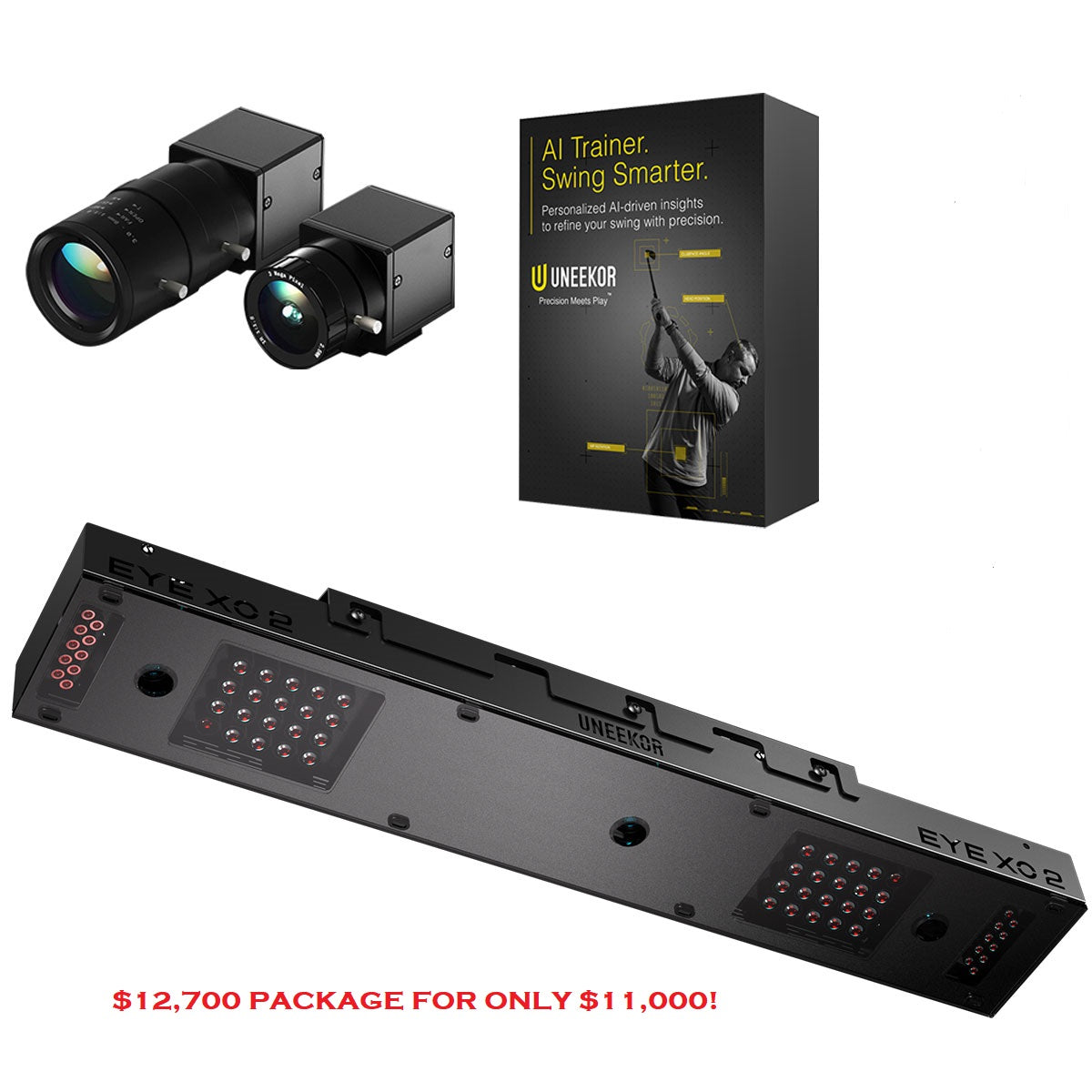
Versus
Uneekor EYE XO2 vs Foresight GC3: ceiling or floor?
About $4,000 separates them, but they're not really rivals — one lives in your ceiling forever, the other sits on the floor and travels. The cheaper one is also the one with no subscription.