Starting golf? The gear that matters — and the gear that doesn't
New golfers waste the most money on the wrong things. Where your first spend actually buys progress — and what to ignore until you're properly hooked.
By Dan Mercer · Editor
 Explained
If you're starting golf, spend your first money on a few lessons, soft and cheap golf balls, one decent glove and comfortable shoes — not a shiny new driver. Almost everything that matters to a beginner is cheap, and almost everything that's expensive won't help you until you can make consistent contact. Here's where your first spend actually buys progress, and what to leave on the shelf until the game has its hooks in you.
Buy lessons before you buy clubs
This is the advice nobody starting out wants to hear and the only one that reliably works. The single best-value purchase in golf isn't a club — it's three or four lessons with a coach, ideally before you spend serious money on equipment. A good coach gets you making contact, points you at clubs that suit your actual swing, and stops you grooving the faults that take years to undo. Equipment cannot fix a grip and setup problem; a coach can, for less than the cost of a single new club.
Get clubs — but get them cheap
You do need clubs, but you do not need new ones. A used set or a boxed starter set covers everything a beginner needs while you find out whether you even like the game and what your swing wants to do. Brand-new, top-end clubs are wasted on a developing swing: you can't feel the difference a tour player pays for, and you'll likely want different specs once you can strike it. Start with our beginner's starter kit, play it hard for a season, and upgrade only the clubs you actually struggle with. The driver is usually the last thing a beginner should spend on, not the first.
What a first set actually needs (and doesn't)
You don't need fourteen clubs to start, and a bag stuffed with them mostly slows you down. A driver or a more forgiving alternative off the tee, a couple of fairway woods or hybrids that are far easier to hit than long irons, a half-set of irons, a wedge and a putter will get you round any course. Long irons in particular are the hardest clubs in the bag and the first thing a beginner should leave behind in favour of a hybrid — most modern starter sets already make that swap for you. Resist the urge to fill every slot; learn to hit a handful of clubs well first.
Play a soft, cheap ball — and play lots of them
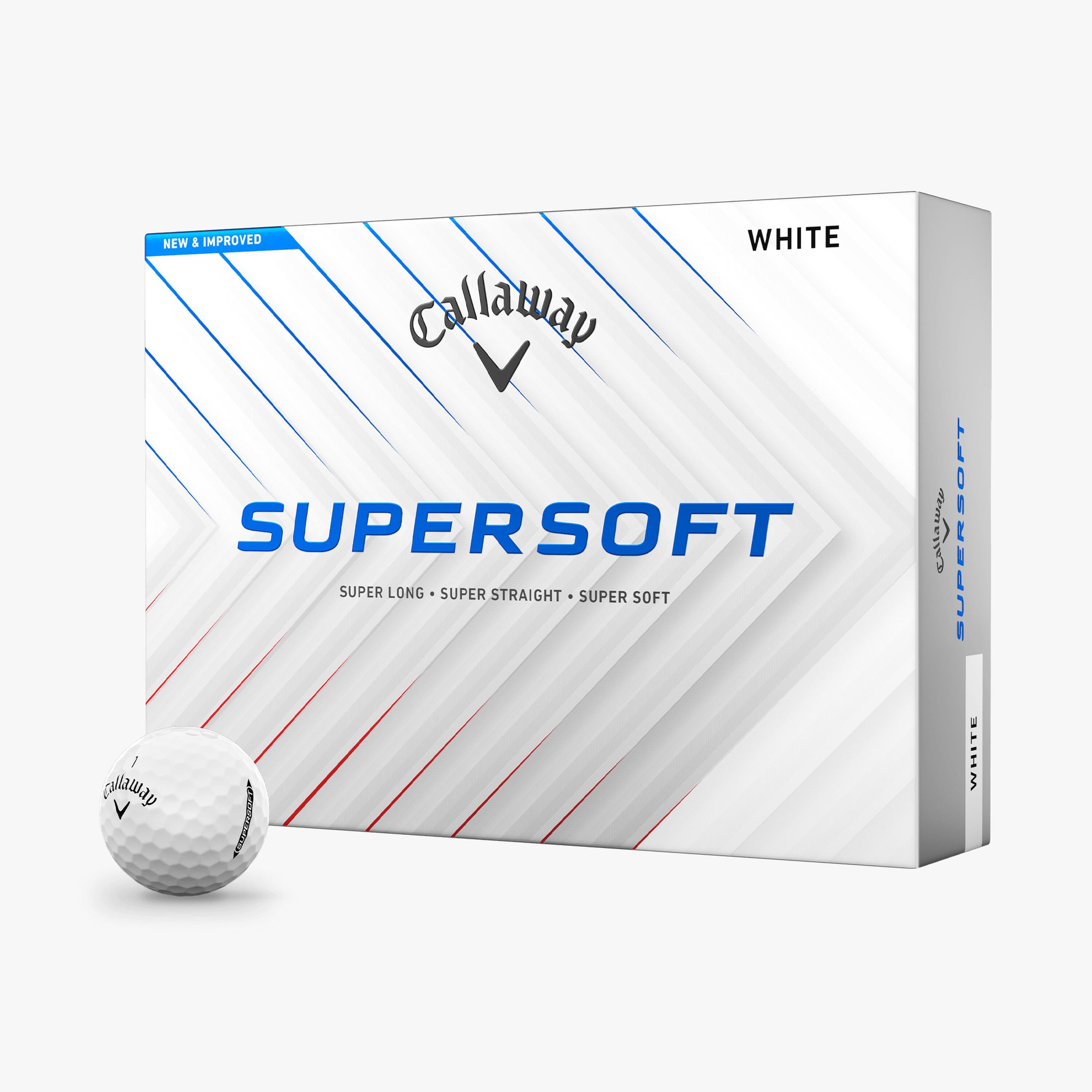
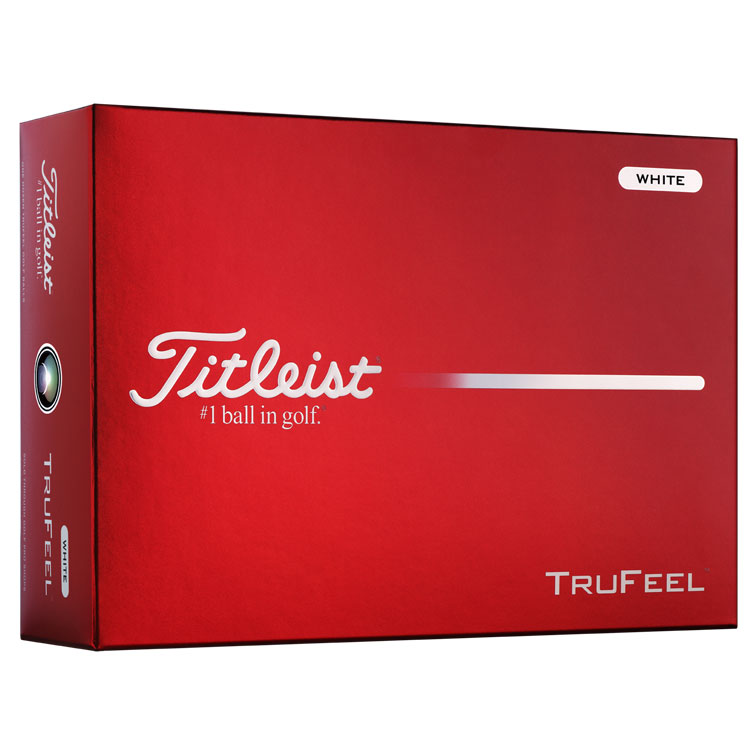
Beginners lose balls. That's not a criticism, it's physics, and it's exactly why a premium tour ball makes no sense yet — losing a $5 ball into the trees stings far less than losing a premium one, and you genuinely cannot feel the spin difference a low handicapper pays for. A soft, low-compression ball like the Callaway Supersoft or Titleist TruFeel is easy to launch, feels good off the face and costs a fraction of the tour stuff. Buy them by the dozen, expect to lose some, and don't give it a second thought — and lake balls (recovered, cleaned and sold cheap) are a perfectly sensible beginner option if you want to lose even less when one finds the water. The best balls for beginners guide has the full shortlist, and the wider category lives on the balls hub.
One glove and comfortable shoes
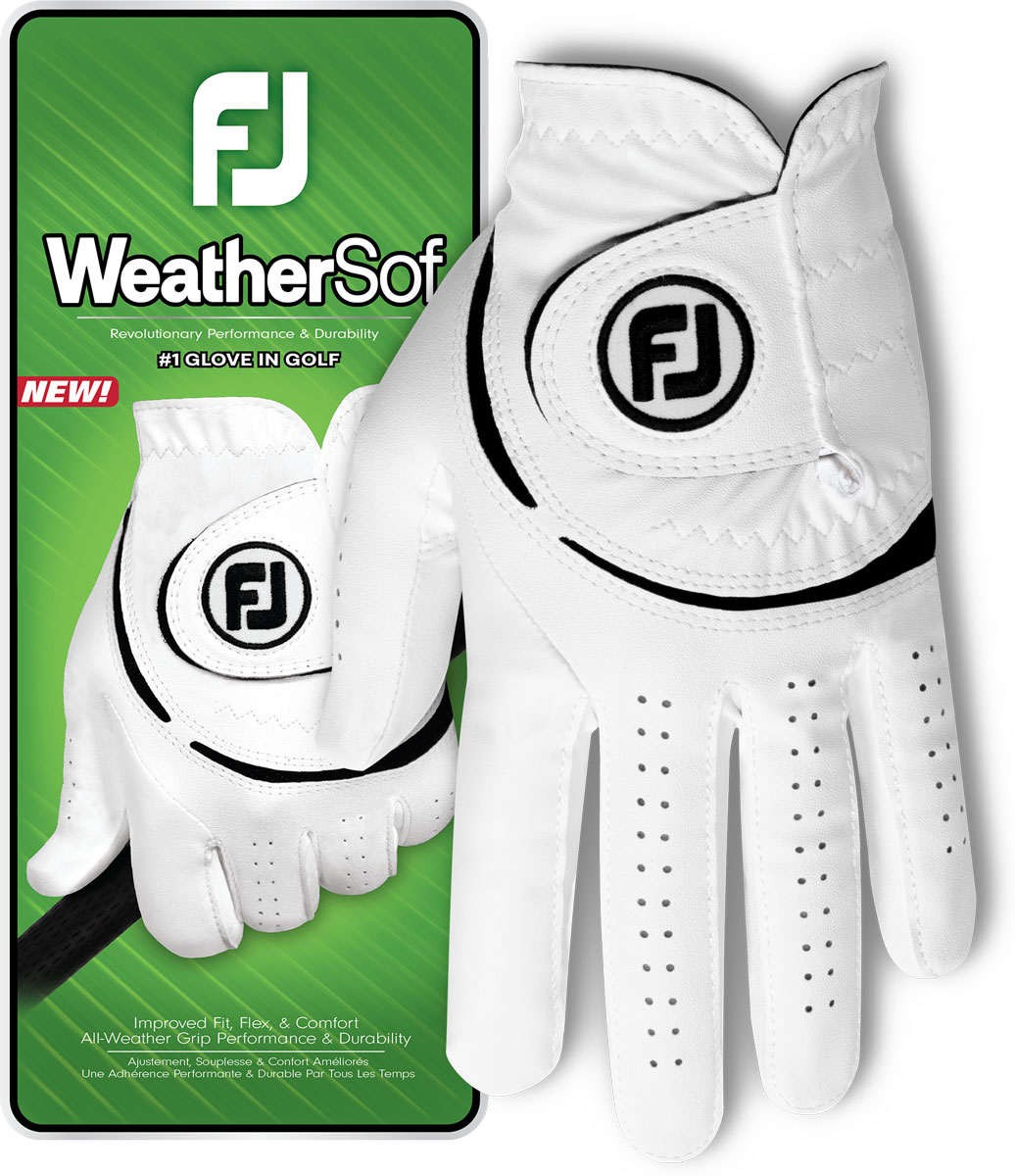
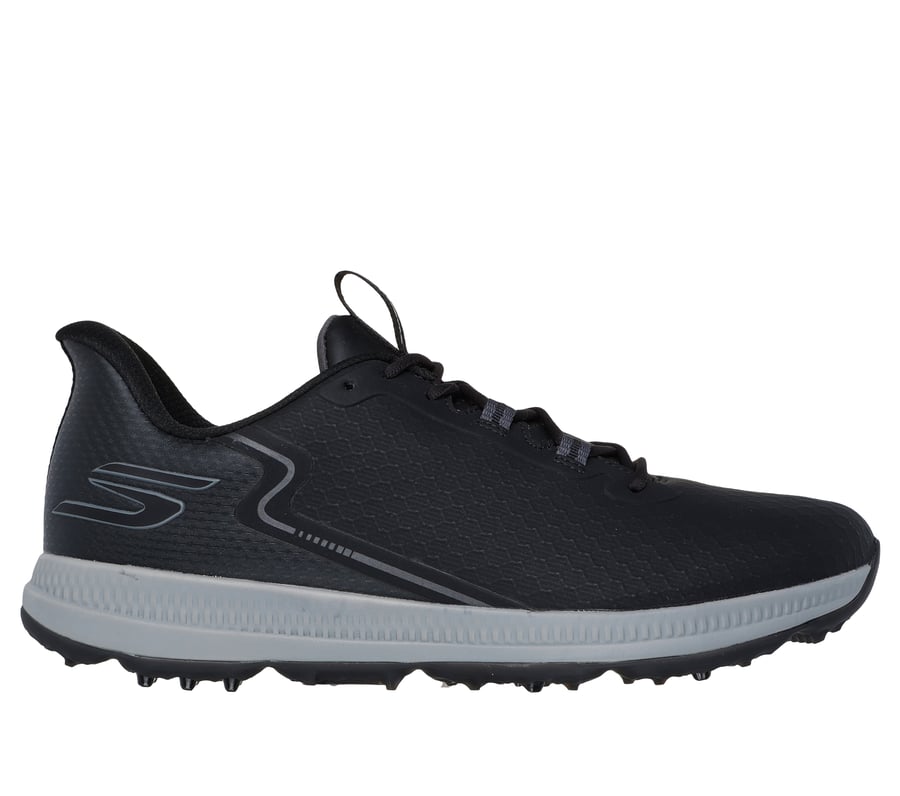
A glove is the cheapest thing that touches every swing, and one decent, durable one like the FootJoy WeatherSof is plenty to start — it improves grip and saves your hands from blisters during the early, contact-heavy practice phase. See the gloves guide. Shoes matter more than beginners expect, because golf is four-plus hours on your feet and sore feet wreck the back nine — but they don't need to be expensive. A comfortable, water-resistant pair like the Skechers GO GOLF Elite 6, or anything from the value shoes guide, does everything a beginner needs without the premium-spikeless price tag.
Don't skip the bits that keep golf fun
A couple of cheap things aren't strictly performance gear but make the difference between sticking with golf and quietly giving up. A handful of tees and a couple of ball markers cost almost nothing and save you the faff that frustrates beginners. A lightweight stand bag you can actually carry beats wrestling a heavy tour bag round nine holes. And a cheap rangefinder app on the phone you already own is plenty for distances early on — you do not need a dedicated device. The goal at this stage is simply to make rounds enjoyable enough that you want to come back, because the golfers who improve are the ones who keep playing.
What to ignore (for now)
Here's where new golfers haemorrhage money on things that won't help yet. A dedicated laser rangefinder is pointless when you don't yet have the distance control to use the number. Premium tour balls are wasted until you can stop losing them and actually shape shots. Blades and players' irons are actively harder to hit and will set you back. A launch monitor is a brilliant tool later, but as a beginner your time is better spent with a coach who'll tell you the same things in person, in plain English. None of this is gatekeeping — it's just the order that gets you good fastest and cheapest. Get hooked first, then upgrade the clubs you genuinely struggle with one at a time; the gear rabbit hole will still be there, and it's deep.
Products mentioned in this article
Callaway
Callaway Supersoft Golf Balls (Dozen)
Soft, easy to launch and cheap enough to lose without wincing — buy it by the dozen.
Titleist
Titleist TruFeel Golf Balls
The other value-ball benchmark: a touch firmer, still a fraction of tour-ball money.
FootJoy
FootJoy WeatherSof Golf Glove
One durable, grippy glove is all a beginner needs — saves your hands through the contact-heavy early phase.
Skechers
Skechers GO GOLF Elite 6 Golf Shoe
Comfortable, water-resistant and a fraction of premium-spikeless money — right for four hours on your feet.
ifrothgolf earns a commission on purchases made through these links, at no extra cost to you. It never changes what I recommend. Full disclosure.
Frequently asked
- What golf gear does a complete beginner actually need?
- A few lessons, a used or boxed starter set of clubs, a soft and cheap ball bought by the dozen, one decent glove and comfortable, water-resistant shoes. That's it to start — everything else can wait.
- Should a beginner buy new clubs?
- No. A used set or starter set is plenty while you learn the game and your swing develops. You can't feel the benefit of top-end clubs yet, and you'll likely want different specs once you can strike it consistently.
- What golf ball should a beginner use?
- A soft, low-compression ball like the Callaway Supersoft or Titleist TruFeel. They're easy to launch, feel good and cost a fraction of tour balls — which matters because beginners lose balls. Buy them by the dozen.
- Do beginners need a rangefinder?
- Not yet. A rangefinder is wasted until you have the distance control to use the number it gives you. Spend that money on lessons instead — they improve a beginner far faster.
Read next
Review
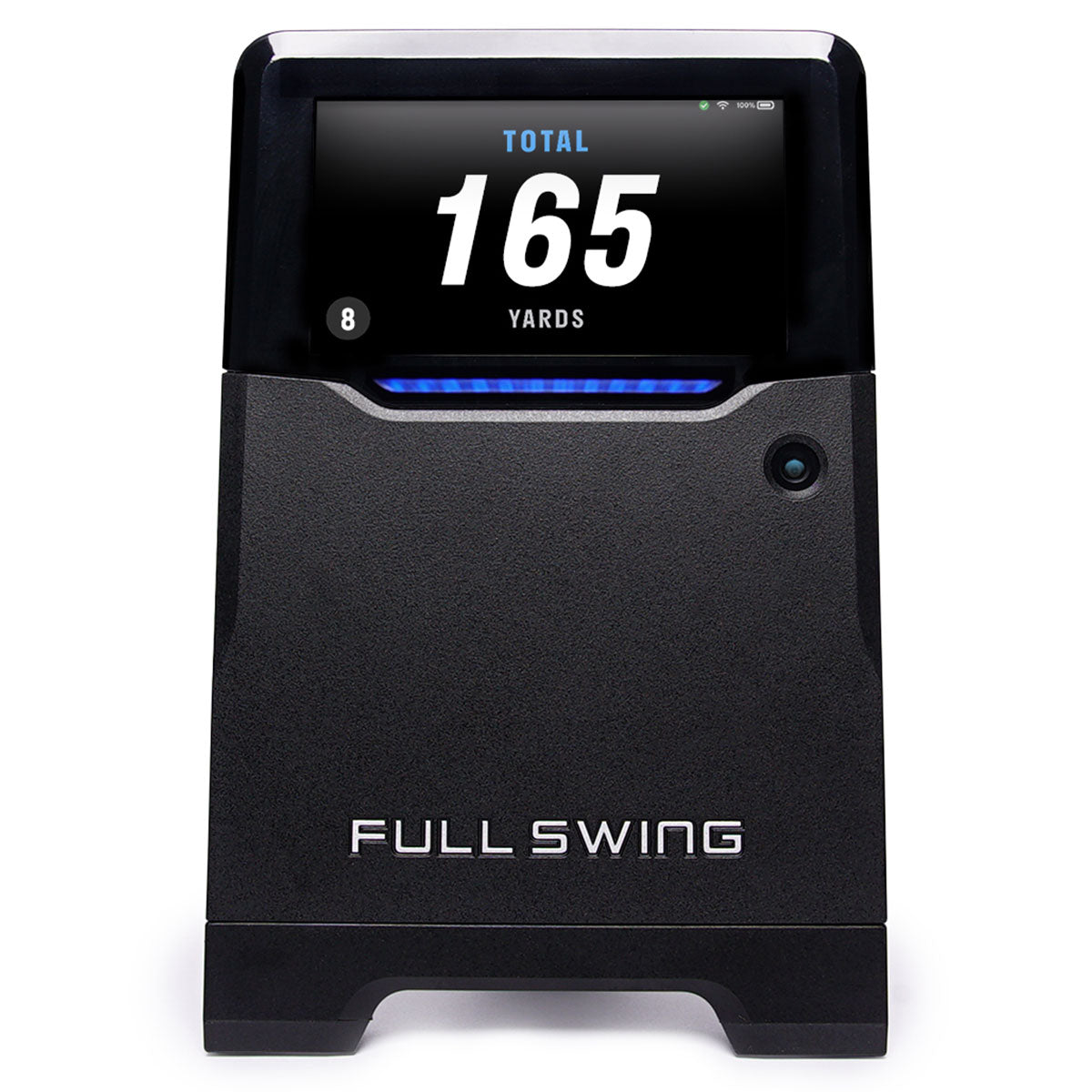
7.9/10Full Swing KIT review: the tape measure decides this, not Tiger
Tour pedigree, TGL on ESPN, and radar good enough to be checked against a Trackman outdoors. It also wants eighteen to twenty feet of room, which rules out most of the garages people buy it for.
Versus
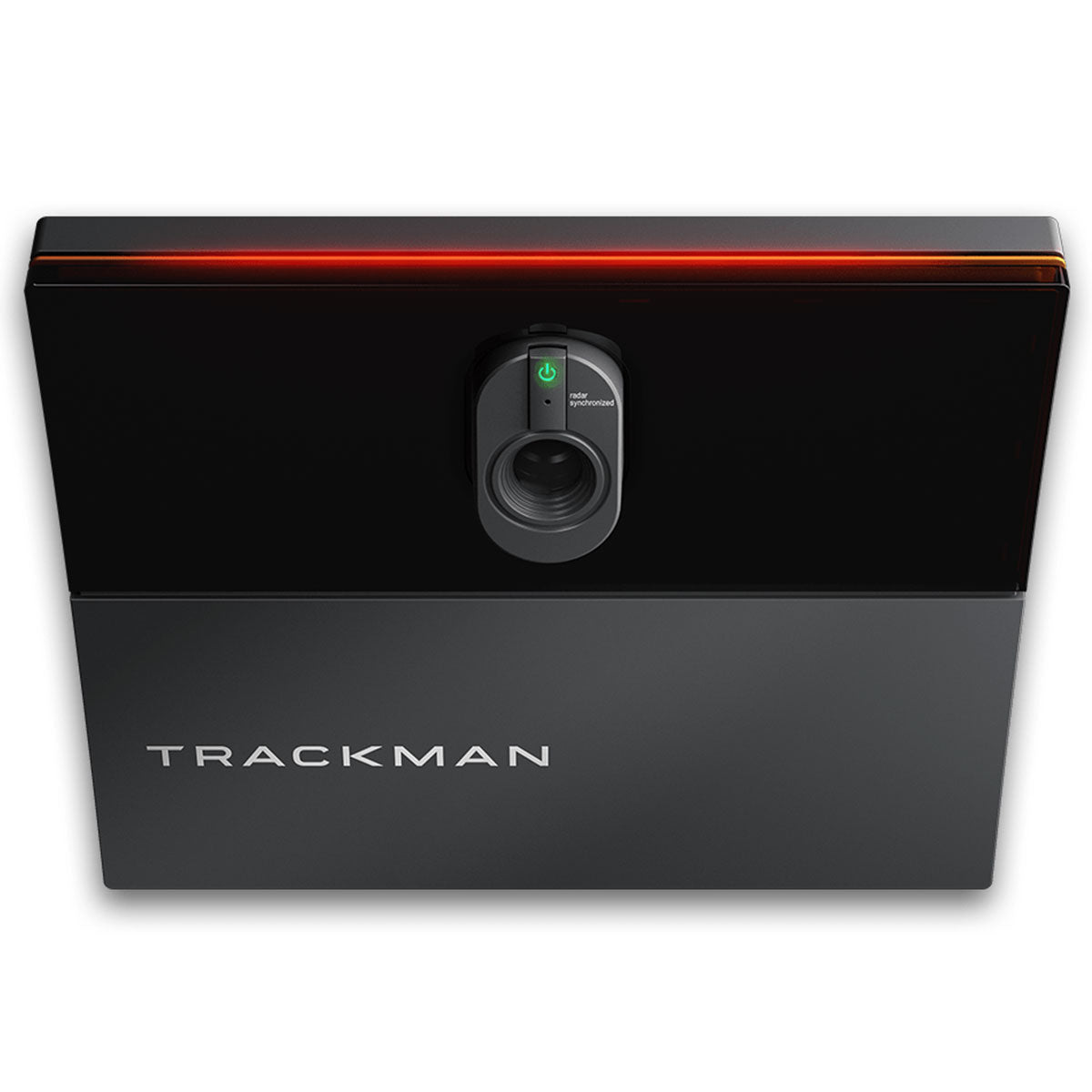
Trackman iO vs Uneekor EYE XO2: the year-one trap
Both mount overhead, both want ten feet of ceiling, and about $3,000 separates them on the shelf. Then Trackman's included first year runs out, and the gap starts growing by $1,100 a year.
Versus
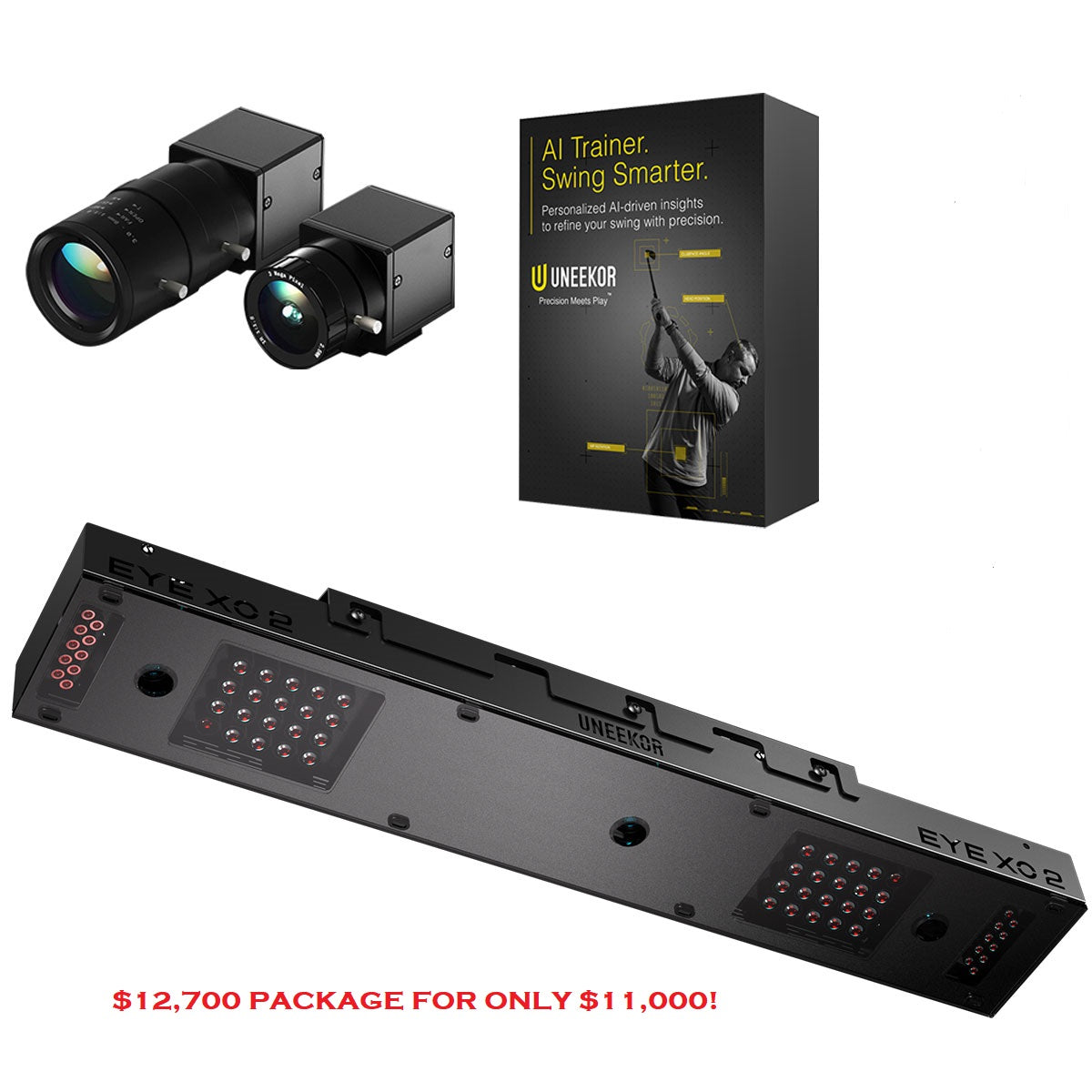
Uneekor EYE XO2 vs Foresight GC3: ceiling or floor?
About $4,000 separates them, but they're not really rivals — one lives in your ceiling forever, the other sits on the floor and travels. The cheaper one is also the one with no subscription.