
The push cart won America — riding should be the exception now
Walking golf boomed in 2020 out of necessity and never receded: a walked round is roughly five miles and comfortably north of a thousand calories, the old trolley stigma is dead, and the courses that banned push carts have quietly given up. On the busiest golf weekend of America's year, here's the case for making the cart the exception.
By Dan Mercer · Editor
 Opinion
Somewhere between the spring of 2020 and this weekend's 250th-birthday tee sheets, the push cart won America — and it's time we said so out loud. Walking golf boomed six years ago out of pure necessity, when courses parked their riding fleets, and the great tell is what happened next: it never receded. Golfers who walked because they had to kept walking because they wanted to. The clubs that once banned push carts as an aesthetic offence have quietly given up the fight. And the machines themselves shed the last of the stigma along the way. So here's the position, stated plainly on the busiest golf weekend of the American year: riding should be the exception, not the default. The cart has its place. That place is not every round.
The habit necessity built
Be honest about how strange the old American default was. Golf is a walking game everywhere else it's played, and it was a walking game here for most of a century — the ride-everything culture is the historical blip, not the tradition. What 2020 did was force a generation of golfers to rediscover the sport at three miles an hour, and the discovery stuck: the rhythm between shots, the time to actually read the hole in front of you, the round that feels like a day outdoors instead of a series of parking manoeuvres. Habits formed under duress usually dissolve the moment the pressure lifts. This one didn't, and that's the most persuasive evidence there is. Millions of golfers ran the experiment on themselves and voted with their feet.
Five miles, four figures
Then there's the arithmetic your doctor would write on a prescription pad if she could. A full walked round covers roughly five miles and burns comfortably north of a thousand calories — a genuine workout smuggled inside four hours of recreation, taken in fresh air, with none of the joint punishment of running. In a country that struggles to exercise, golf's best-kept secret is that it already is exercise; we just spent decades engineering the exercise out of it and calling that progress. The walked round returns the game to what it quietly always was: the most pleasant five-mile walk in sport, with a scorecard attached. You don't need a fitness tracker to feel the difference by Sunday night — though if you wear one, the numbers will make the case better than I can.
The gear killed every excuse
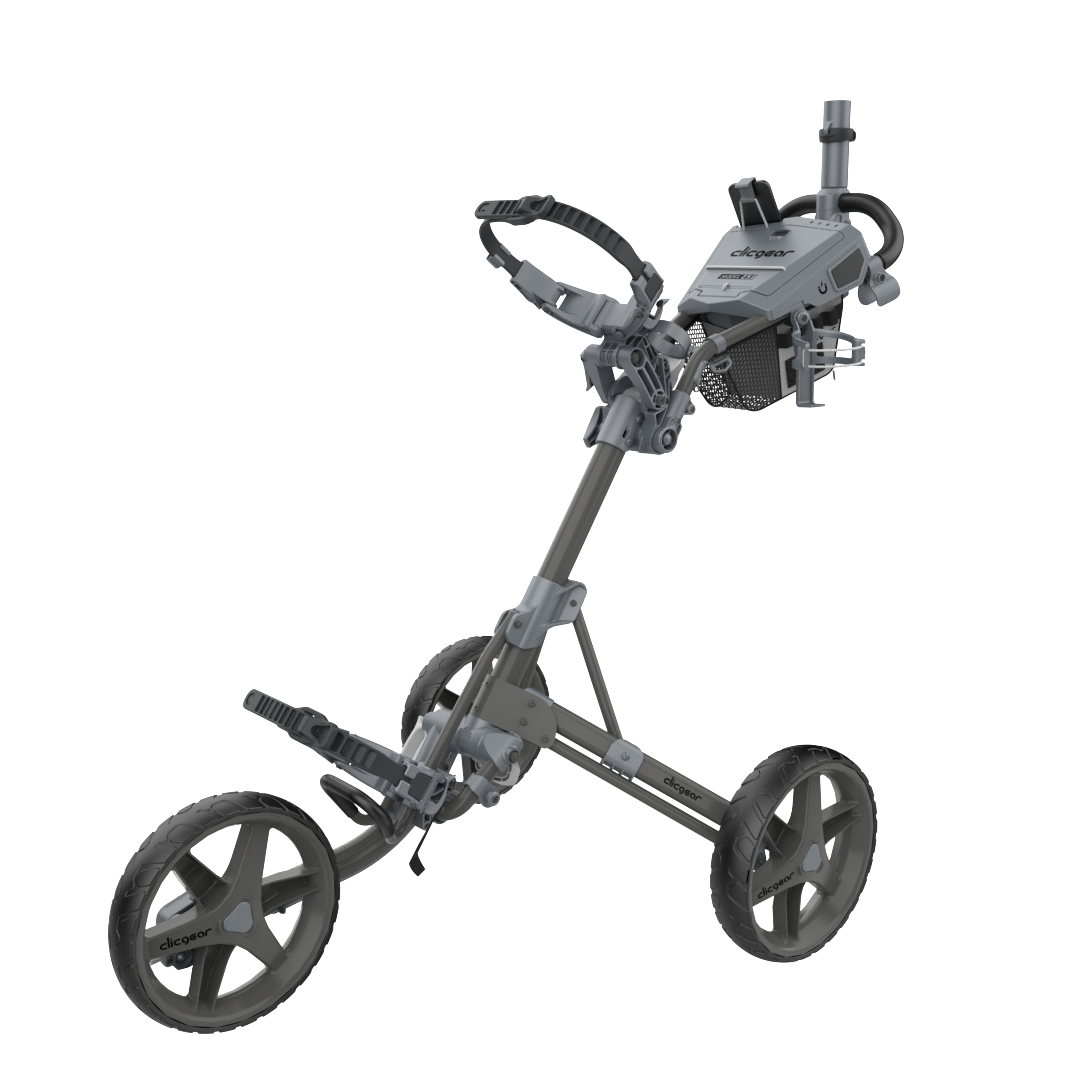
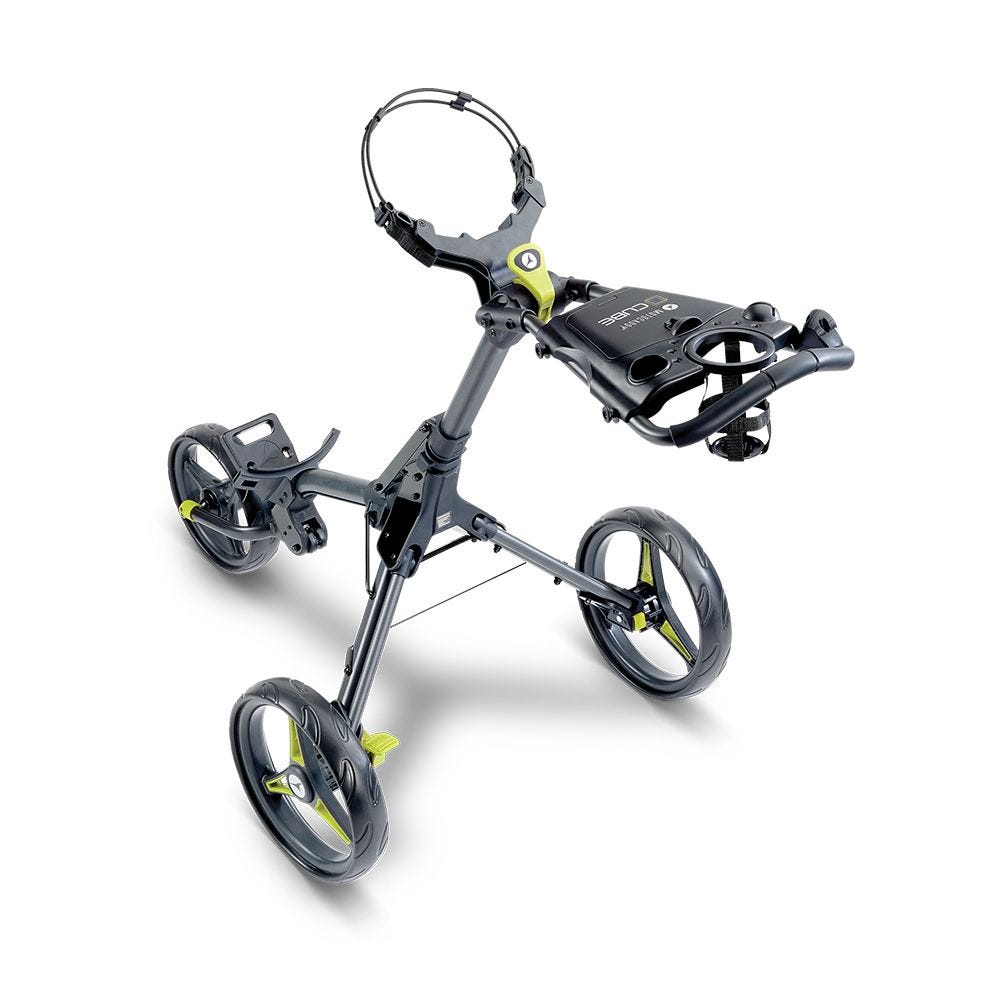
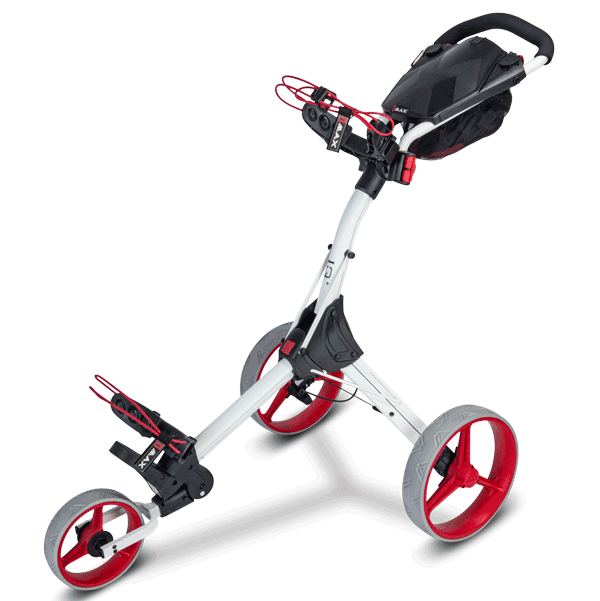
The old objections were really gear complaints in disguise, and the gear has answered all of them. Modern three- and four-wheel push carts fold with one hand, roll dead straight, and carry more than a cart's cupholder ever did. The Clicgear 4.5 is the cult classic of the breed — an aircraft-grade aluminium frame, a real hand brake, and a console with a phone holder and magnetic rangefinder pad, over-engineered in the way that makes owners insufferable and everyone else curious. Got a small trunk? The Motocaddy Cube folds in two steps to a genuinely tiny cube and lifts easily. Want the lightest thing on three wheels? The Big Max IQ+ collapses in two flicks and weighs next to nothing. The category is so mature that the hard question isn't whether to push but which one — our best push trolleys guide ranks them, and if you're tempted by a motor, our push versus electric breakdown settles that fork in the road.
The purists get theirs too
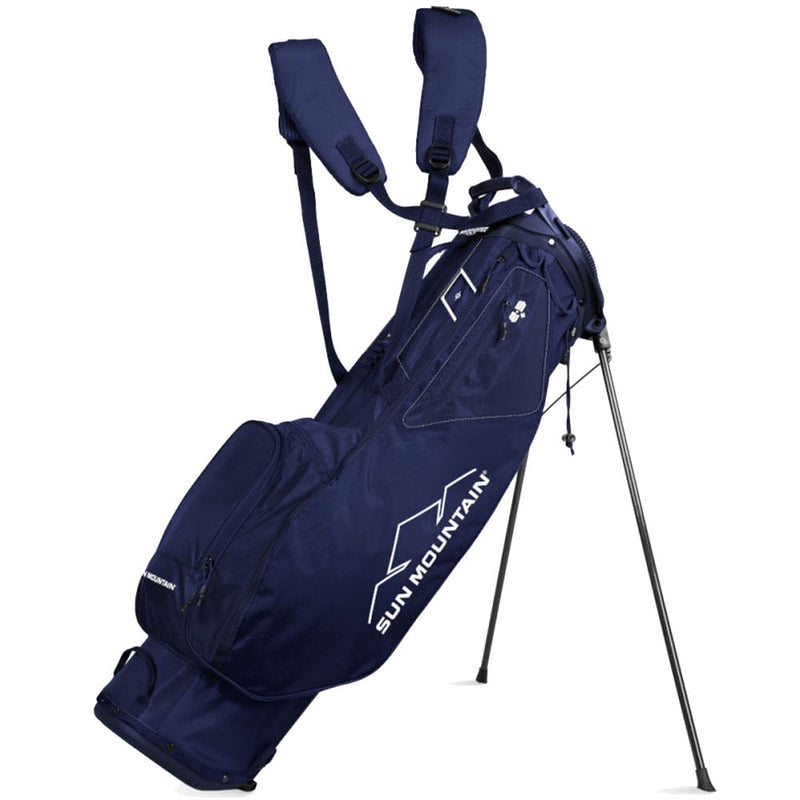
And for the golfers who think even three wheels is a compromise — who want the bag on their back and nothing between them and the turf — ultralight stand bags quietly made carrying viable again. The Sun Mountain 2.5+ is the proof: a full-feature bag with a proper four-way top, six pockets and a dual strap that actually balances, at well under three pounds. Carrying was never the problem; carrying 1990s luggage was. Strip the bag to what a walking round actually needs and the purist's version of the game is open to anyone with a functioning back. Between the featherweight bag and the one-hand-fold cart, the equipment industry has systematically dismantled every practical reason not to walk. What's left is preference — and preference deserves honest scrutiny.
Who should still ride
This is an argument, not a purity test, so let's be fair about the exceptions. Ride in genuinely dangerous heat — a 95-degree afternoon with no shade is not the day to prove a point, whatever your cooling gear. Ride if health or mobility makes five miles a genuine barrier rather than a mild inconvenience; the cart is one of golf's great accessibility tools, and that's a feature. Ride the hilly resort course built in the cart era, where holes sit half a mile apart because the architect assumed you'd drive between them — some courses were simply never designed for feet. And ride when the course mandates it for pace. But notice what all of these are: exceptions, defined by circumstances. The default — the ordinary Saturday round on the ordinary course in ordinary weather — belongs on foot.
The stigma is dead; act accordingly
The last barrier was never practical anyway. It was the image — the idea that a push trolley signalled retirement, that real players ride or carry. That's gone. The college kids walk. The low-handicap grinders walk. The muni regulars who fell in love with the game in 2020 walk, behind carts that look more like sports equipment than shopping aids. Golf in America spent fifty years treating the ride as the product and the golf as the excuse for it, and the walking boom is the market correcting itself. So this holiday weekend, with the tee sheets full and the fairways baking, try the experiment one more time if you've lapsed: park the cart, push the trolley, walk the five miles. Browse our trolleys hub if you need the hardware. The game you fell for is out there, at three miles an hour.
Products mentioned in this article
Clicgear
Clicgear Model 4.5 Push Trolley
The over-engineered cult favourite: an aircraft-grade frame, a proper hand brake and a console that swallows your phone and rangefinder.
Motocaddy
Motocaddy Cube Push Trolley
The small-trunk answer: two steps and it folds to a genuinely tiny cube without giving up the storage you use.
Big Max
Big Max IQ+ Push Trolley
The featherweight three-wheeler: light to lift, folds in two flicks, and everything you need within thumb's reach.
Sun Mountain
Sun Mountain 2.5+ Stand Bag
For the carry purists: a full-feature bag at well under three pounds, with straps that actually sit right.
ifrothgolf earns a commission on purchases made through these links, at no extra cost to you. It never changes what I recommend. Full disclosure.
Frequently asked
- How far do you walk during a round of golf?
- A full 18-hole walked round covers roughly five miles once you include the movement between shots and around greens, and comfortably burns north of a thousand calories. Hillier courses and longer layouts push both numbers higher.
- Are push carts allowed at most American golf courses now?
- Overwhelmingly, yes. The bans that a minority of clubs enforced for aesthetic reasons largely collapsed after walking boomed in 2020, and push carts are now a normal sight at courses of every level. A small number of resort and private courses still restrict them or mandate riding for pace, so check before you travel.
- Is a push cart better than carrying your bag?
- For most golfers, yes — a push cart takes the load off your back and shoulders entirely, which helps you stay fresher over the closing holes, and modern carts fold small enough for almost any trunk. Carrying still suits players who prefer minimal kit, and ultralight stand bags at under three pounds make it far more comfortable than it used to be.
- Is walking golf slower than riding in a cart?
- Not as much as assumed. A walking foursome moving briskly keeps pace with cart traffic in most conditions, because carts spend time doubling back between two players' balls while walkers each go directly to their own. Course design matters — layouts with long gaps between holes genuinely favour the cart.
- When should you ride instead of walk?
- In dangerous heat, when health or mobility makes five miles a real barrier, on hilly resort courses designed around cart travel, and when the course mandates carts for pace of play. Those are sensible exceptions — the argument is only that they should be exceptions rather than the default.
Read next
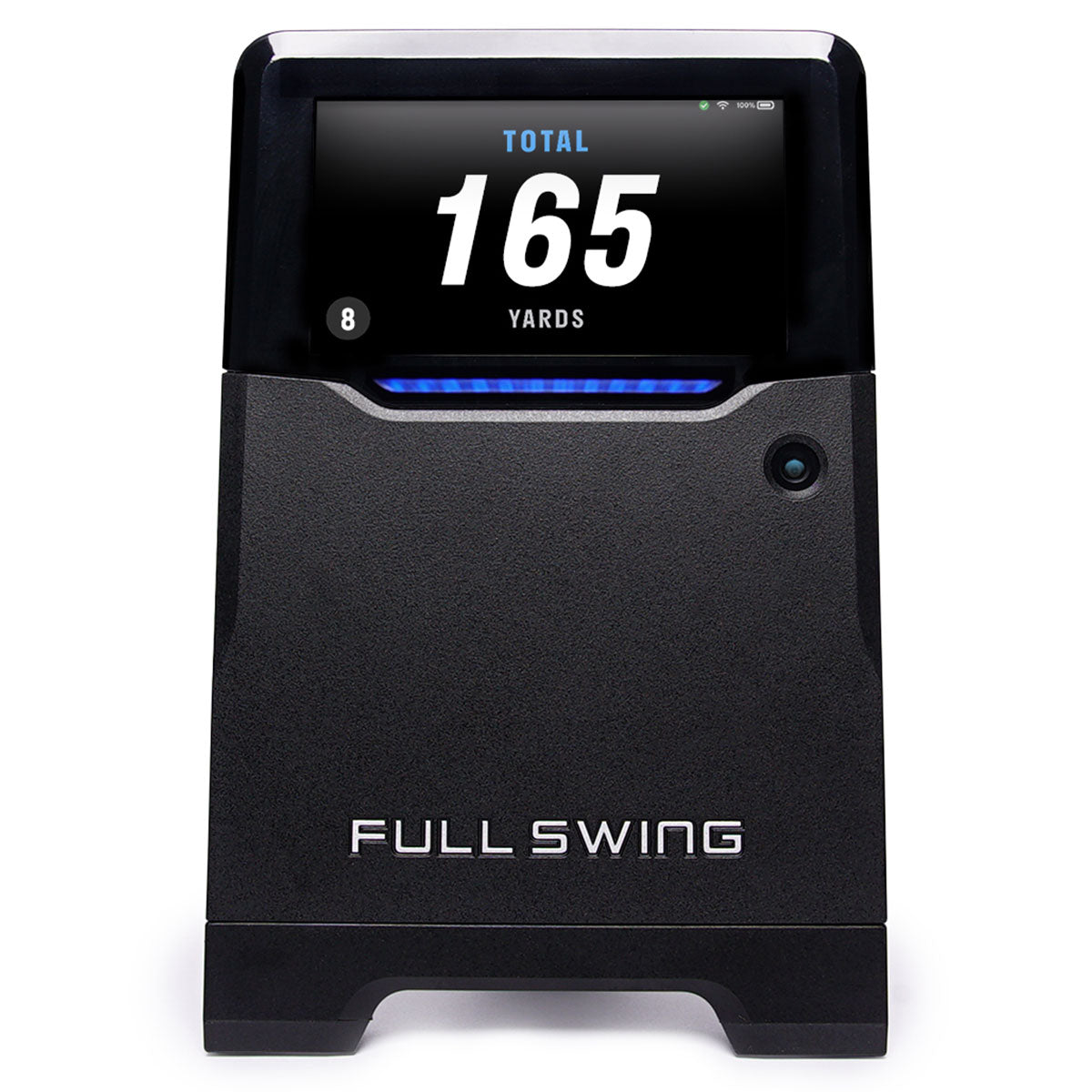
Review
7.9/10Full Swing KIT review: the tape measure decides this, not Tiger
Tour pedigree, TGL on ESPN, and radar good enough to be checked against a Trackman outdoors. It also wants eighteen to twenty feet of room, which rules out most of the garages people buy it for.
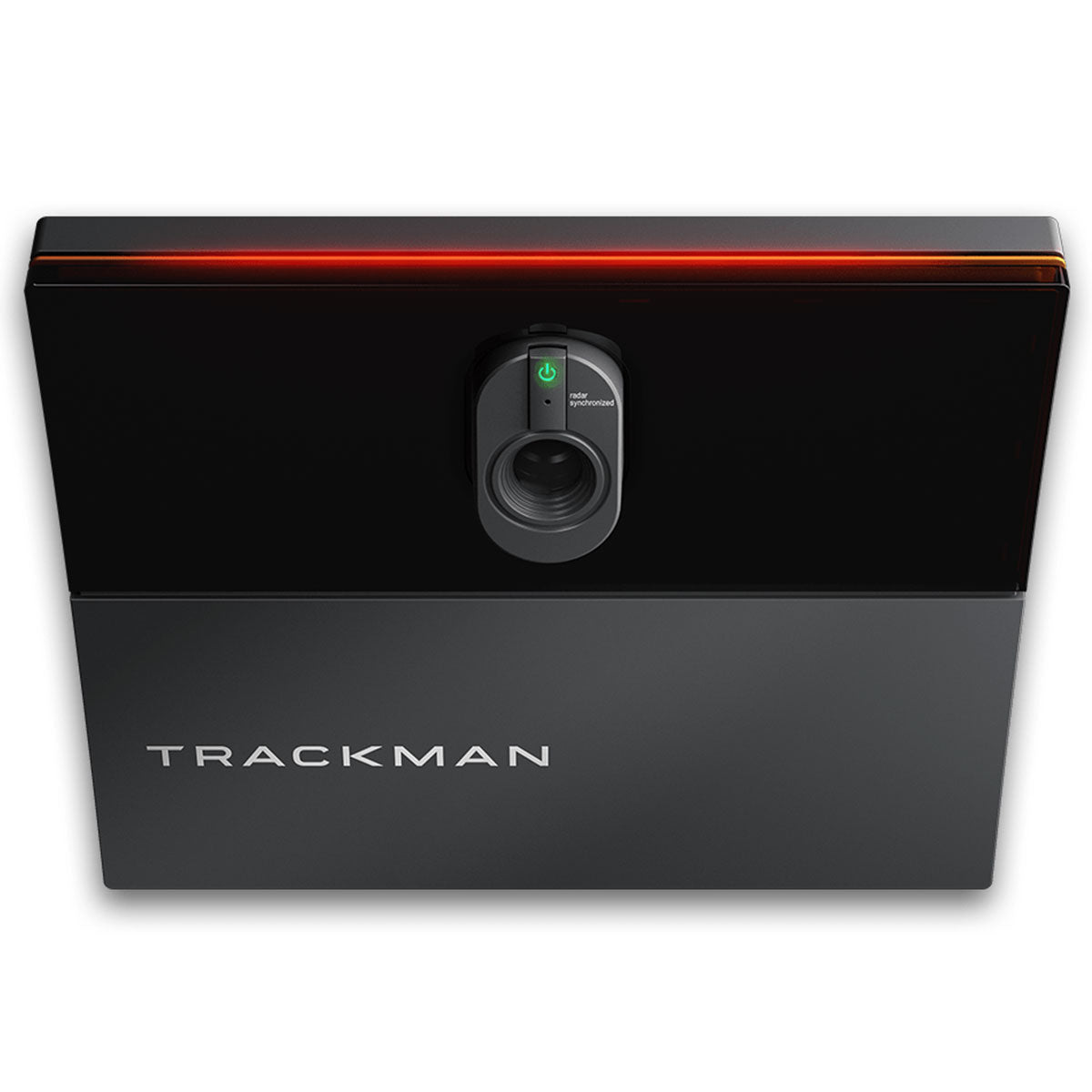
Versus
Trackman iO vs Uneekor EYE XO2: the year-one trap
Both mount overhead, both want ten feet of ceiling, and about $3,000 separates them on the shelf. Then Trackman's included first year runs out, and the gap starts growing by $1,100 a year.
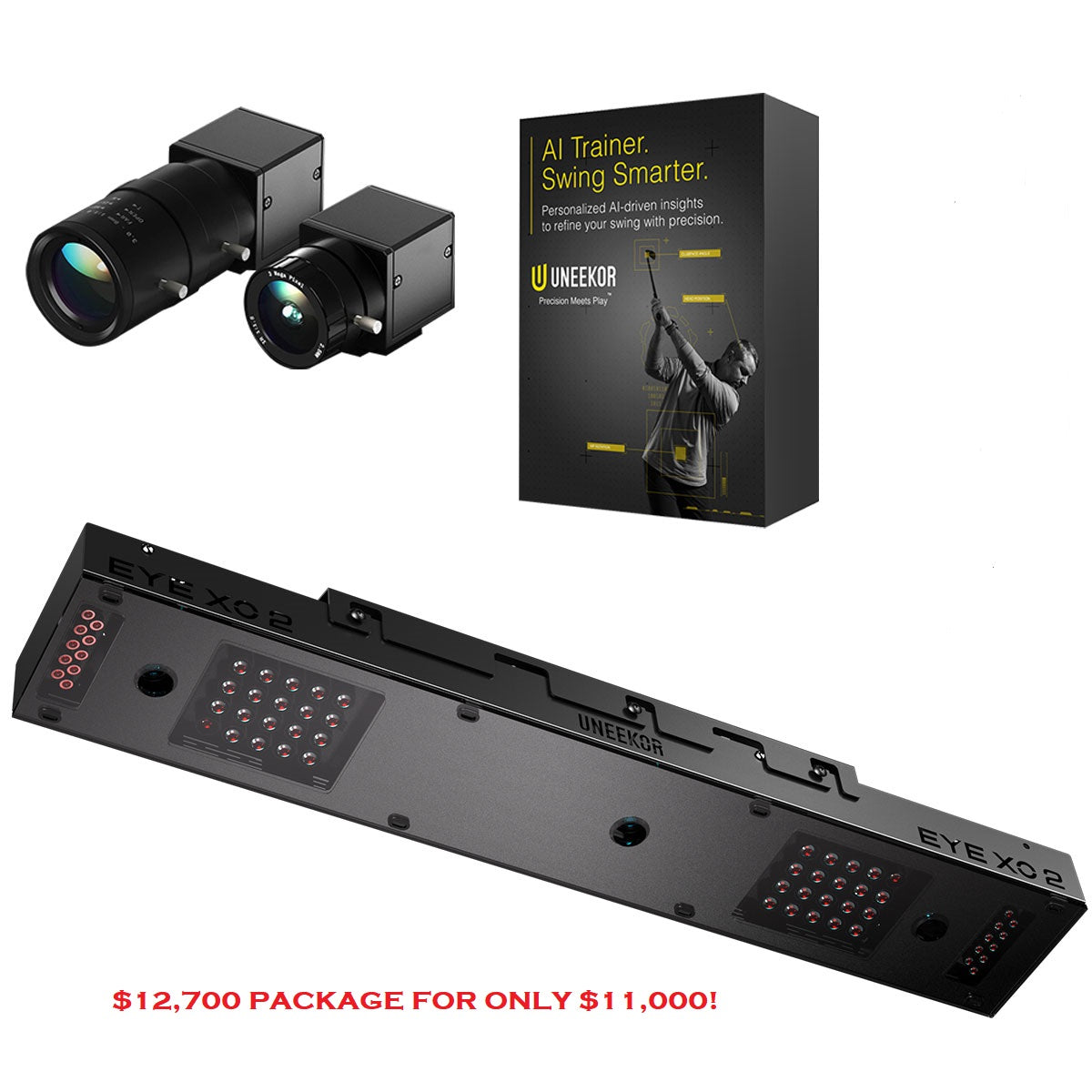
Versus
Uneekor EYE XO2 vs Foresight GC3: ceiling or floor?
About $4,000 separates them, but they're not really rivals — one lives in your ceiling forever, the other sits on the floor and travels. The cheaper one is also the one with no subscription.