
Watch the Open this week and unlearn everything American golf taught you
The best players on earth arrive at Royal Birkdale and immediately start playing a different sport. High-spin everything, fly-it-to-the-flag wedges and a soft ball that balloons in wind — the parkland setup most of us default to is exactly the wrong kit for links, and Open week is the free tutorial.
By Ross Hamilton · Staff Writer
 Opinion
This week the best golfers on the planet flew to the Lancashire coast, walked onto Royal Birkdale, and started playing a game that has almost nothing to do with the one they grinded all season on the PGA Tour. Practice days are already underway; championship play runs Thursday 16 to Sunday 19 July. And by Friday you will watch a top-ten player in the world deliberately land a wedge thirty feet short of a flag and let it scuttle up — a shot that would get him laughed off a Florida range. That's not a gimmick for the cameras. That's links golf, and it exposes an uncomfortable truth: the kit and the instincts most amateurs bring to the course are optimised for exactly the wrong game.
I want to be precise about the claim, because it's easy to overreach. Links golf is a different sport from the target golf that dominates American courses and, by extension, the equipment marketing aimed at all of us. Target golf rewards carrying the ball to a number and stopping it dead: high launch, high spin, soft greens, a ball that checks. Links punishes every one of those things. The ground is firm and fast, the wind is a permanent third playing partner, and a ball flighted high enough to stop quickly is a ball the wind eats alive. Open week is the one time a year you can watch the correction happen in real time — and steal it.
Penetrating flight beats towering flight
The single biggest tell is trajectory. On soft parkland, height is your friend: get it up, land it steep, hold the green. In links wind, height is the enemy — every extra foot of apex is another foot for a crosswind to shove your ball off line and another chance for a headwind to balloon it short and dead. The professionals at Birkdale will be hitting knock-down 7-irons that never climb above the treeline, three-quarter wedges that bore through the breeze, and stingers off the tee that look almost apologetic. What wins on links is a flight you can drive down and control, not one you launch and hope.
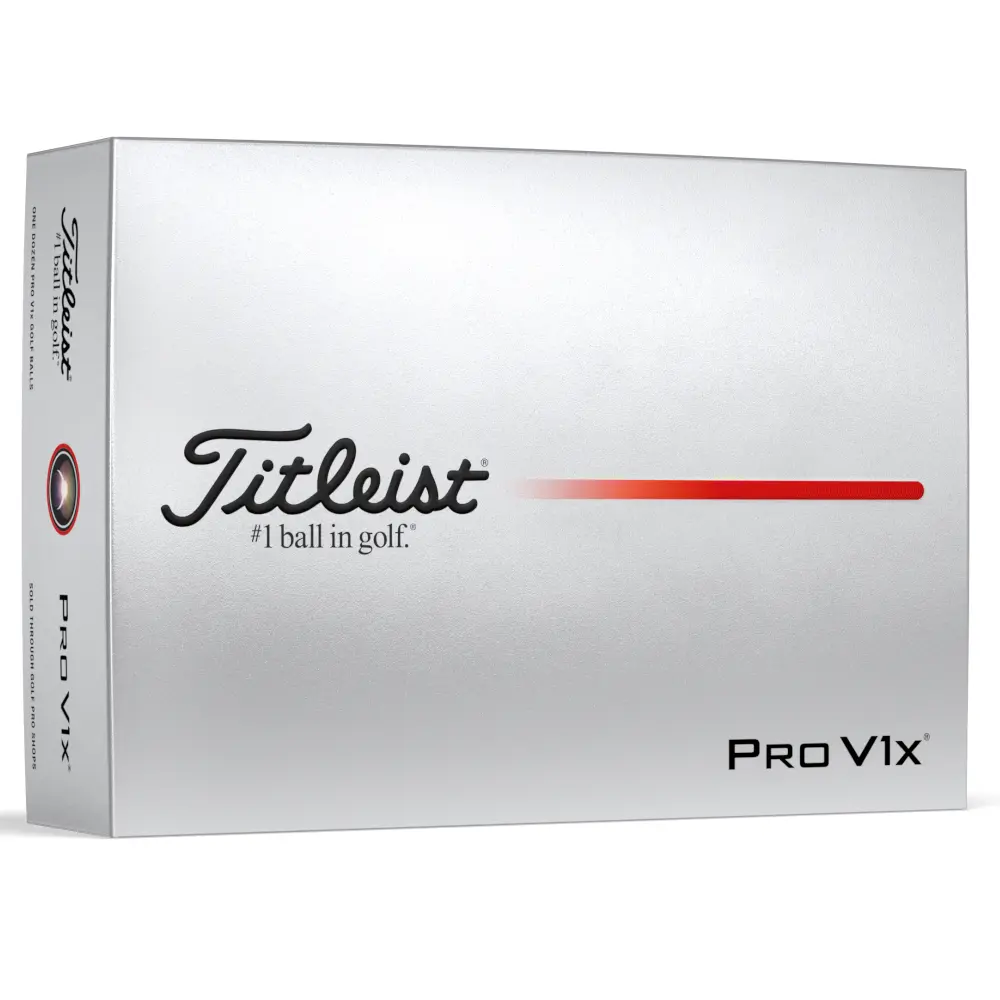
This is also where the ball matters more than the marketing admits. The instinct — sold hard by every premium-ball ad — is that more spin is always better. On links it isn't. What you want is a ball you can flight down on demand, one that responds to a covered, ball-first strike without ballooning. A tour ball like the Titleist Pro V1x isn't the pick here because it spins the most; it's the pick because it gives a good player the control to take spin off when the shot demands it. The soft, ultra-high-launch distance balls that flatter you on a calm parkland afternoon are the same balls that climb, stall and drift the moment the wind gets up.
The wedge is about the ground, not the flag
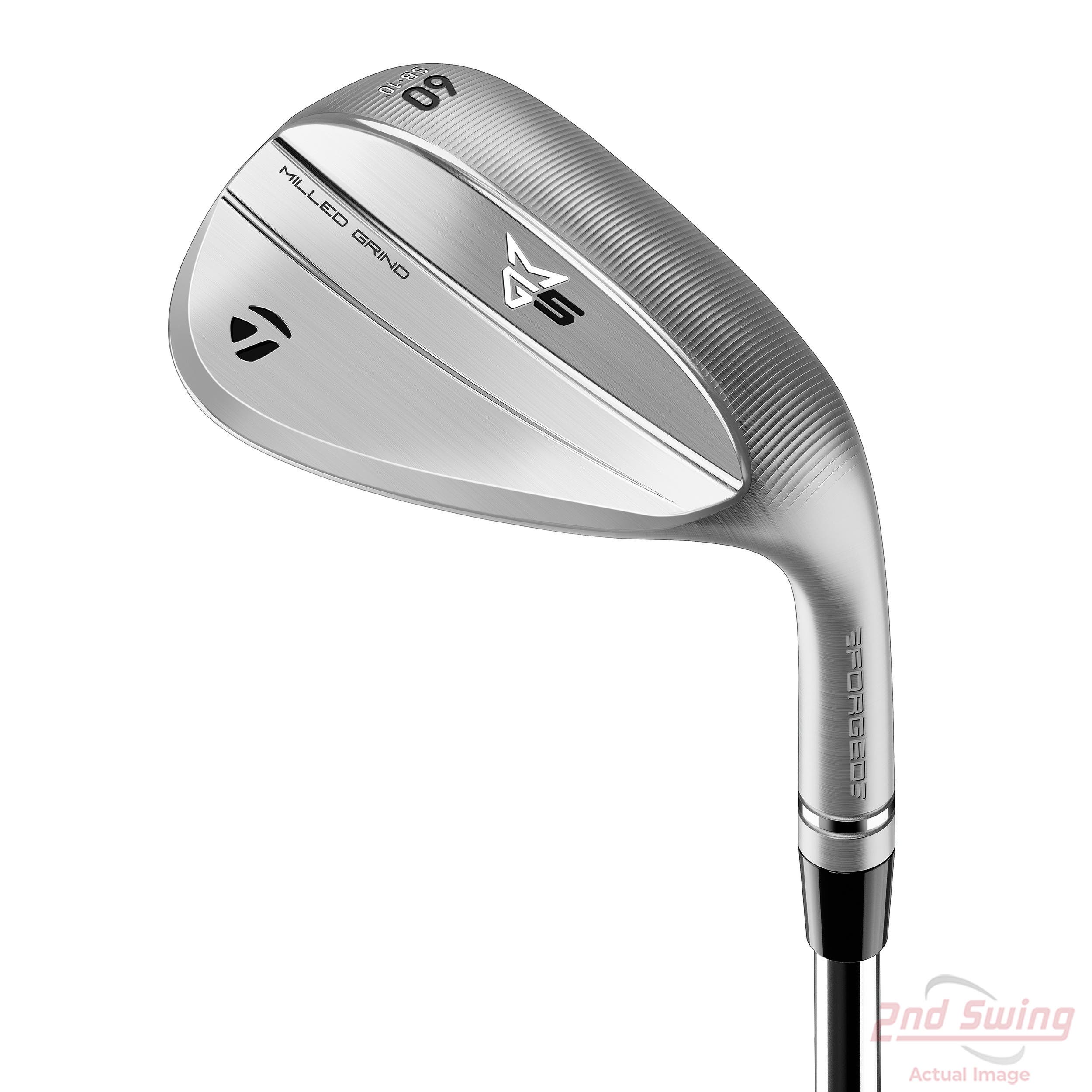
Here's the part that genuinely surprises people. On firm links turf, the enemy of a good short game is a wedge that digs. Fescue and hard-baked ground don't forgive a leading edge that wants to burrow — you get the dreaded thin-then-fat double miss, or a blade straight over the green. What links demands is bounce and a grind you can manipulate: open the face, use the trailing edge, slide the sole across the turf rather than into it. The TaylorMade MG5 wedge earns its place in this argument because grind options are the whole point — a lower-bounce, more versatile sole you can lay open for the bump-and-run and the tight-lie chip that firm ground constantly serves up. The dig-happy full-sole wedge that's fine out of a lush American lie becomes a liability the second the ground goes hard.
And notice what the pros are not doing at Birkdale: they are rarely flying a wedge all the way to the flag and spinning it back. They're landing it short and using the ground — the bump-and-run, the putt from off the green, the low chip that releases. That's not because they can't spin it. It's because on firm links the ground is a tool, and the aerial-only wedge game that target golf trains is the slow, high-risk option. More on how the setup reshapes the whole bag is worth a look in our Open preview.
Grip security is a scoring stat in the wet
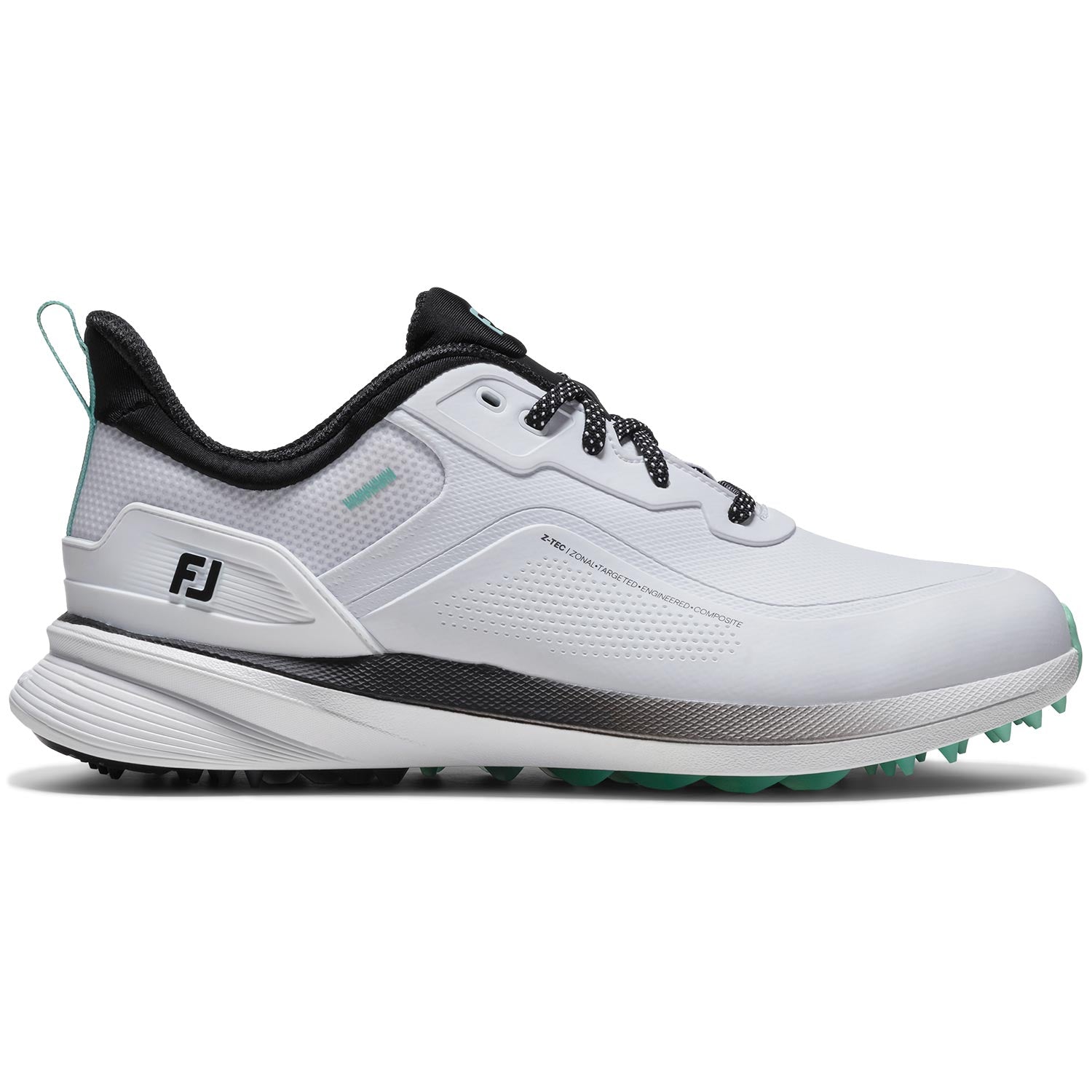
Links weather has a habit. It's sunny on the range and horizontal by the 6th, and the coast off the Irish Sea can turn a round on a single squall. Two pieces of kit quietly decide whether you keep scoring or start haemorrhaging shots, and neither is glamorous. The first is what's on your feet. Firm, sloping, dew-slick links turf is a traction problem long before it's a rain problem, and a spikeless shoe with real grip like the FootJoy Pro/SL 2026 keeps your base stable on the side-hill lies and firm downslopes that links throws at you constantly. Slip an inch at the top of the backswing on a firm lie and the strike is gone.
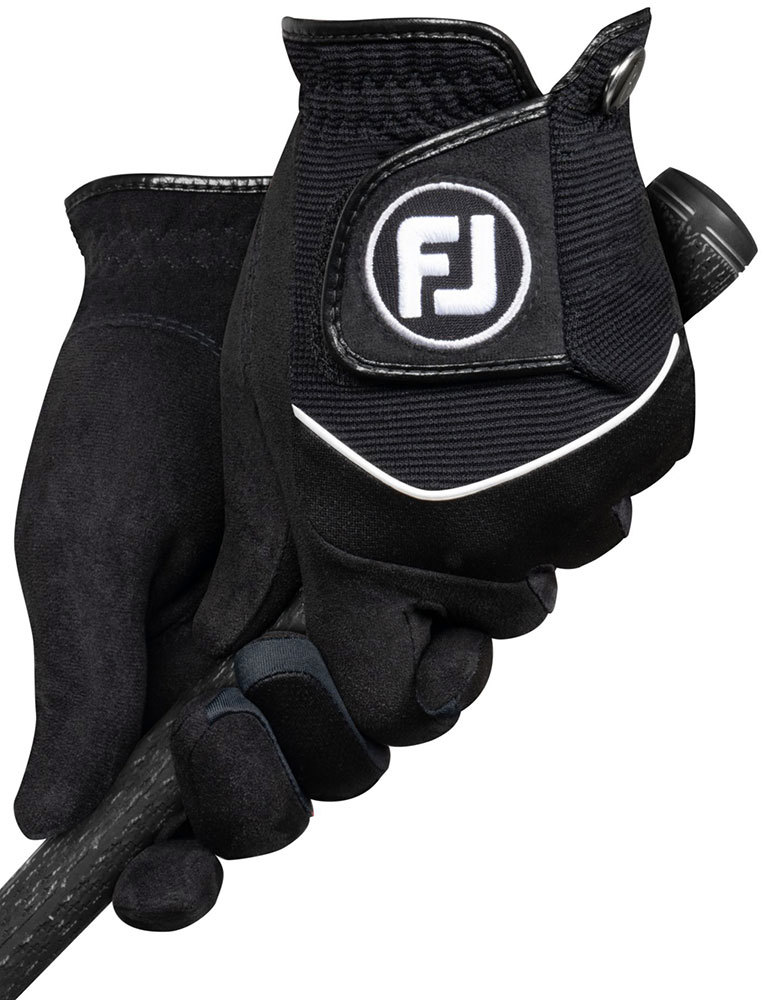
The second is the one nobody photographs: your glove. When it rains — and at an Open, it always rains — a standard leather glove turns to soap and the handle starts twisting in your hands. A dedicated wet-weather pair like the FootJoy RainGrip gloves actually grip better as they get wetter, which is the entire design brief. Watch how many players pull a fresh pair from the bag when the rain arrives; the amateur who plays on with one sodden glove is giving away grip pressure, and grip pressure is strike. It's the cheapest scoring insurance in the bag.
Who this genuinely does not apply to
Let me be honest about the limits, because there's a version of this argument that turns into snobbery. If you play soft, tree-lined parkland in still conditions — most inland American and inland UK golf — then high launch, high spin and a soft ball are not mistakes. They're the correct tools for your course, and pretending otherwise to feel like a tour pro will cost you shots. Target golf isn't wrong; it's just specific. The error is assuming it's universal.
But if you ever play a coastal course, a firm-and-fast heathland, or simply catch a windy day on your home track, the links toolkit is the one that travels. Watch Birkdale this week not for who wins, but for what the winners do differently: the flight they take off the ball, the wedges they slide instead of stab, the way they use the ground. Then look in your own bag and ask which game you've actually equipped yourself for. The rest of the argument lives in our clubs hub — but the best lesson this month is free, and it's on your telly from Thursday.
Products mentioned in this article
Titleist
Titleist Pro V1x
A premium ball you can genuinely flight down — the point isn't less spin, it's spin you can control into wind.
TaylorMade
TaylorMade MG5 Wedge
The grind is the story: firmer links turf wants a wedge you can lay open and slide, not one that digs.
FootJoy
FootJoy Pro/SL 2026 Spikeless Golf Shoes
Spikeless grip that holds on firm, sloping, dew-slick ground — the traction most amateurs never think about until they slip.
FootJoy
FootJoy RainGrip Gloves (Pair)
The unglamorous links essential: a glove that grips when the heavens open and the handle turns to soap.
ifrothgolf earns a commission on purchases made through these links, at no extra cost to you. It never changes what I recommend. Full disclosure.
Frequently asked
- Why do pros hit the ball lower in links golf?
- A lower, penetrating flight is far more controllable in wind. Height gives the wind more time and surface to push the ball off line and can cause it to balloon short in a headwind, so a driven-down trajectory holds its line and finds the firm ground the course is designed to be played along.
- Do I need a special golf ball for links golf?
- Not a special ball, but the right kind of ball helps. What matters is a ball a good player can flight down on demand rather than one built purely for maximum height and spin. Ultra-soft, high-launch distance balls tend to climb and drift in wind, which is why tour-level balls are the common choice on links.
- What wedge bounce and grind is best for firm links turf?
- Firm ground punishes a wedge that digs, so versatility matters more than a single spec. A wedge with a grind you can lay open and slide across the turf, using the trailing edge and sole rather than burying the leading edge, is far more forgiving than a full-sole, dig-happy wedge on hard-baked lies.
- When is The Open at Royal Birkdale in 2026?
- The 154th Open Championship is at Royal Birkdale on the Lancashire coast. Practice days run 12 to 15 July and championship play is Thursday 16 July to Sunday 19 July 2026.
Read next
Review
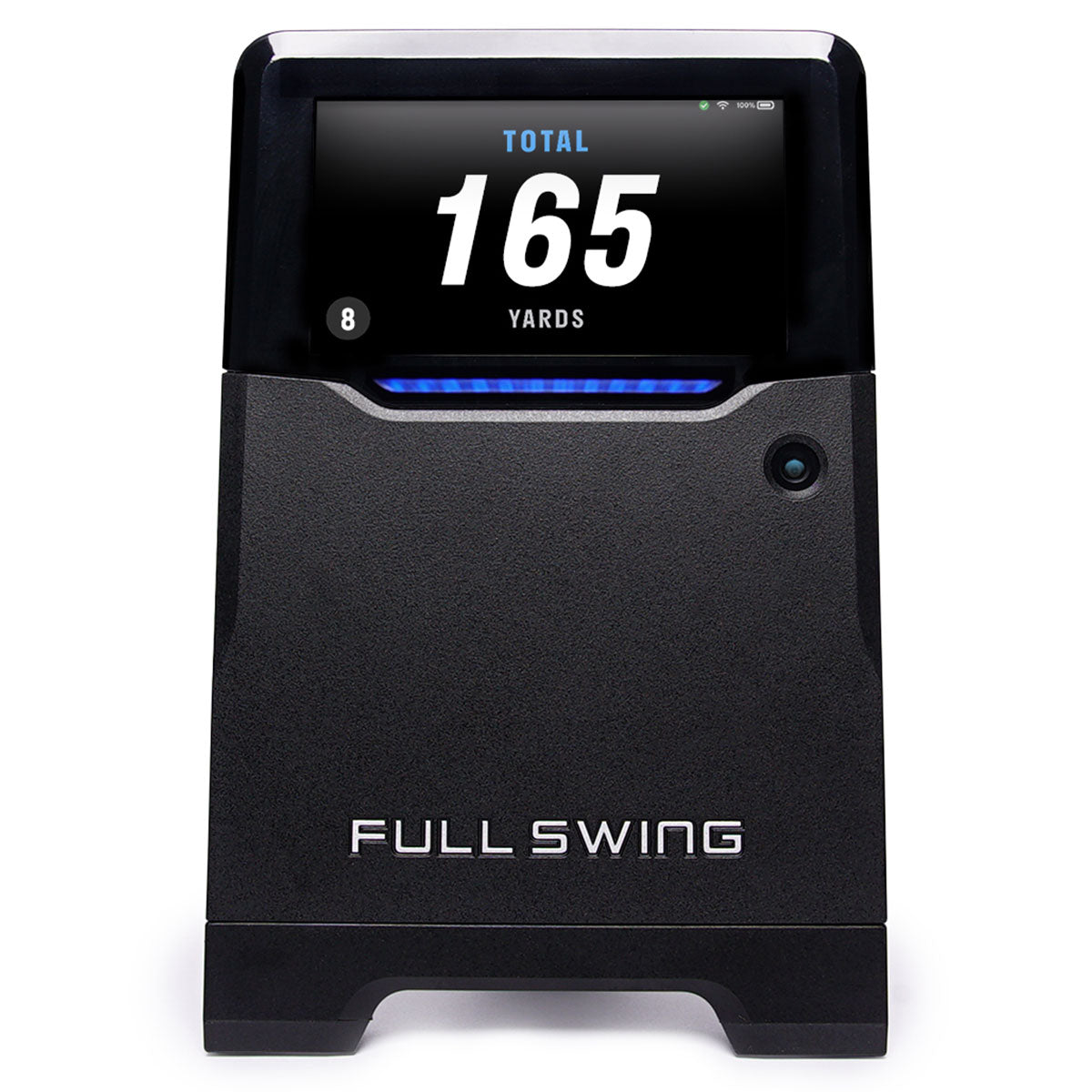
7.9/10Full Swing KIT review: the tape measure decides this, not Tiger
Tour pedigree, TGL on ESPN, and radar good enough to be checked against a Trackman outdoors. It also wants eighteen to twenty feet of room, which rules out most of the garages people buy it for.
Versus
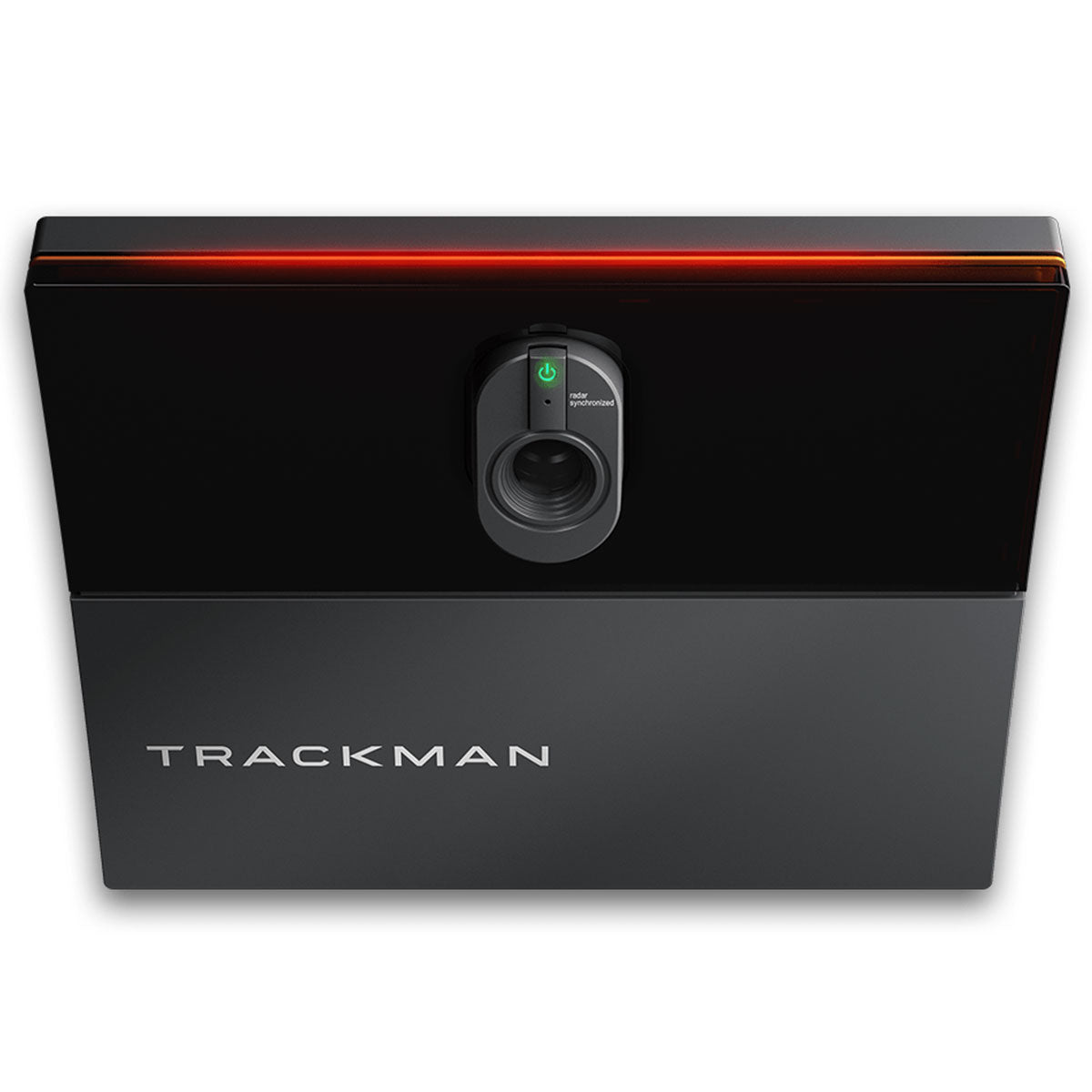
Trackman iO vs Uneekor EYE XO2: the year-one trap
Both mount overhead, both want ten feet of ceiling, and about $3,000 separates them on the shelf. Then Trackman's included first year runs out, and the gap starts growing by $1,100 a year.
Versus
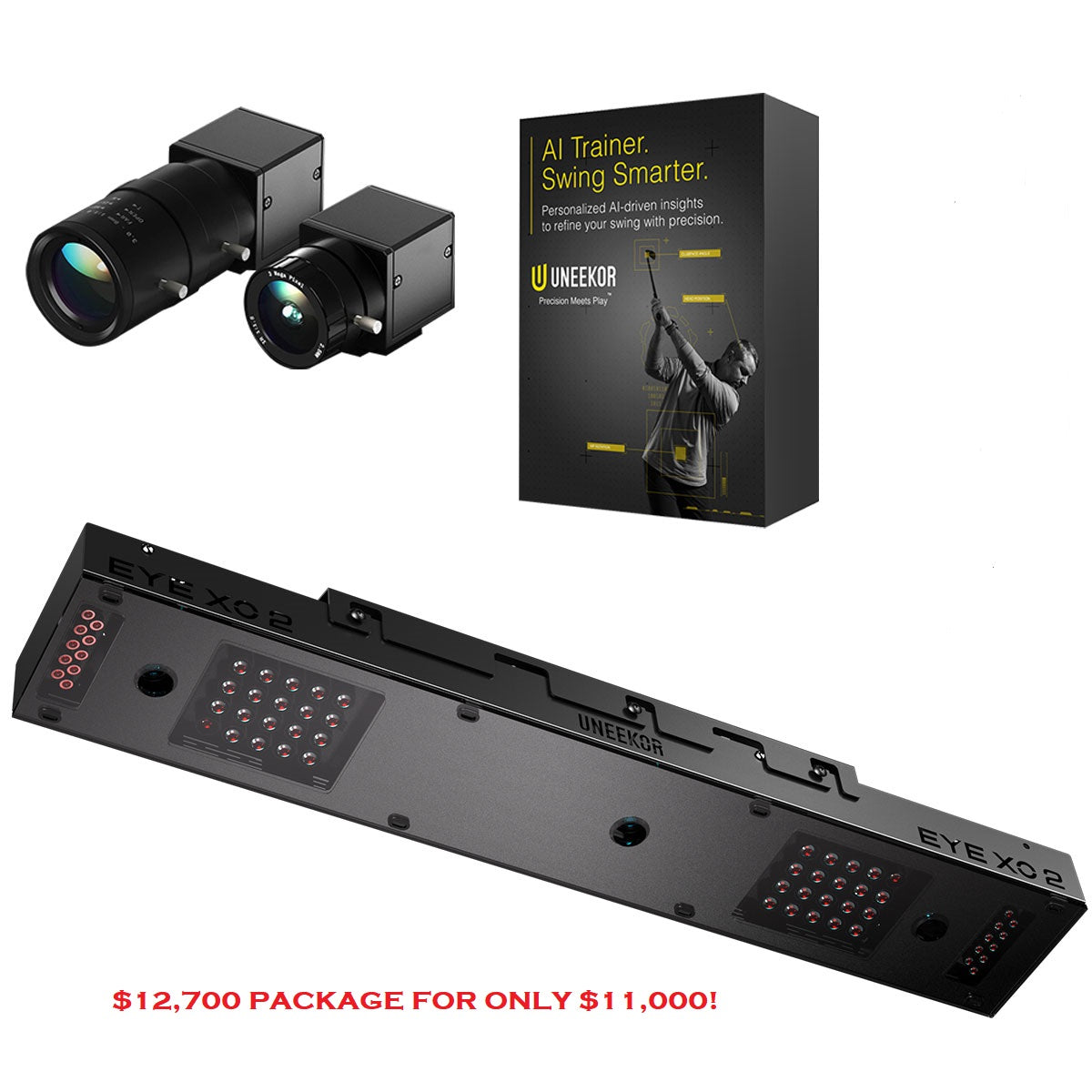
Uneekor EYE XO2 vs Foresight GC3: ceiling or floor?
About $4,000 separates them, but they're not really rivals — one lives in your ceiling forever, the other sits on the floor and travels. The cheaper one is also the one with no subscription.