
Where to spend and where to save: the dollar-per-stroke map of a golf bag
The golf industry has trained you to spend your money in exactly the wrong order. The driver and the tour ball give you the least improvement per dollar; the boring middle of the bag gives you the most. Here's the map, category by category.
By Tom Whitaker · Staff Writer
 Explained
Add up what the golf industry wants you to spend and the priorities are almost perfectly inverted. Roughly half a serious equipment budget is meant to go on the driver and a two-dozen supply of tour balls — the two purchases that, for the overwhelming majority of golfers, move the scorecard least per dollar. Meanwhile the categories that actually convert money into shots sit in the unglamorous middle of the bag, unloved and under-bought. This is a map of where the dollar-per-stroke actually lives, and it does not look like the wall at your local megastore.
The logic is simple once you say it out loud. A stroke saved is a stroke saved whether it comes from a thousand-dollar driver or a fifteen-dollar glove — so the smart question is never 'what's the best?' but 'what's the best per dollar I'll actually spend?' On that measure the game is full of quiet arbitrage. Here's where to splurge, where to save, and the one splurge that's almost always a waste.
Splurge: irons you can actually hit
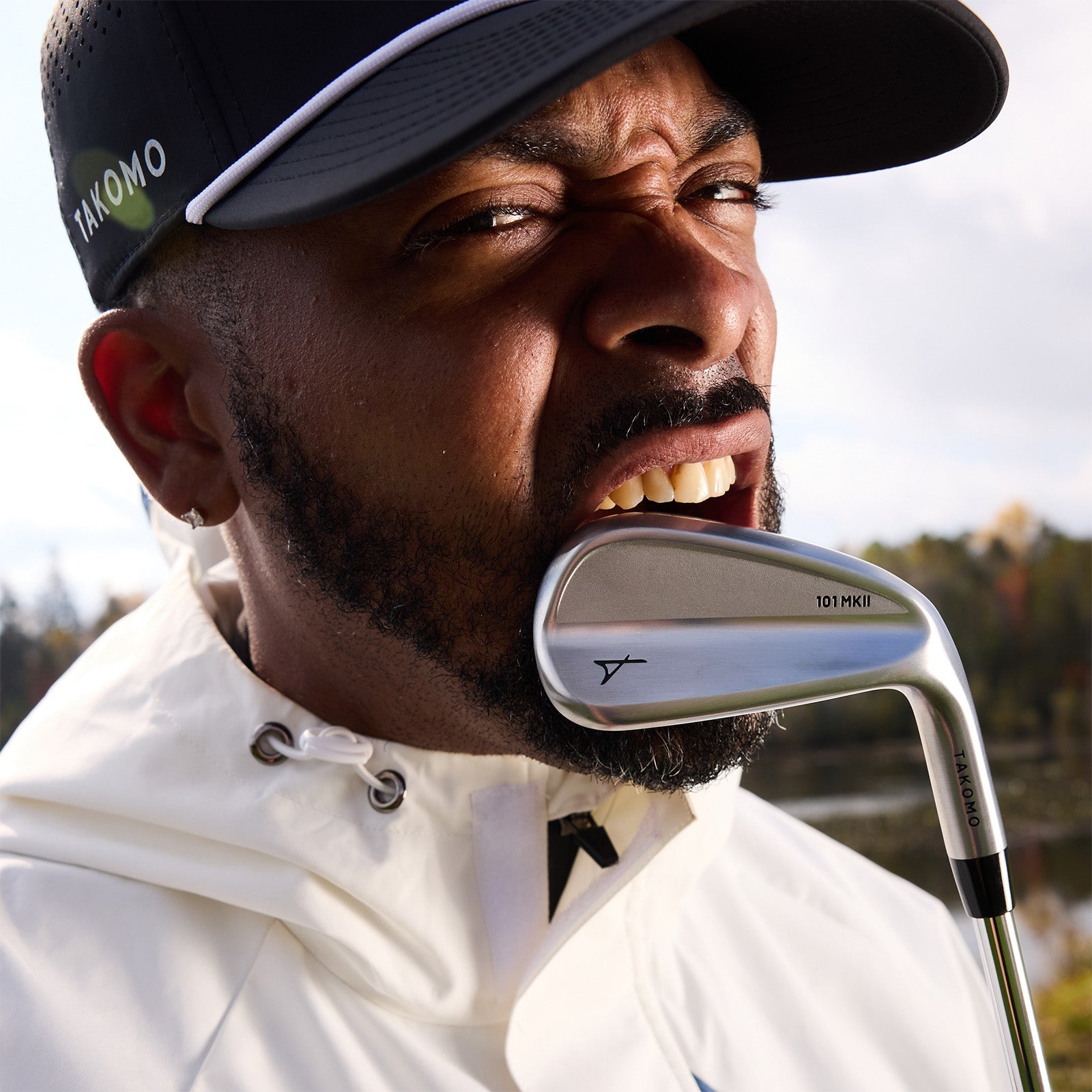
Irons are the biggest genuine value in golf, and almost nobody treats them that way. You hit them more than any other club except the putter, they cover the whole scoring range from 190 yards in, and the gap between a set that fits your game and a set that doesn't is measured in whole shots per round — not the fractions a driver upgrade buys. The trap is thinking 'splurge' means the marquee brand's flagship blades. It doesn't. The direct-to-consumer Takomo 101 MkII irons deliver most of what a premium game-improvement set offers — forgiveness, a clean look, a well-mannered flight — for roughly half the money, because you're paying for the object rather than the tour contracts and the shelf space. That's the move: splurge on the category, save on the badge. Spend what you saved on a proper fitting for lie angle and shaft, which matters far more than the name stamped on the back.
Save: the golf ball (but buy the right cheap one)
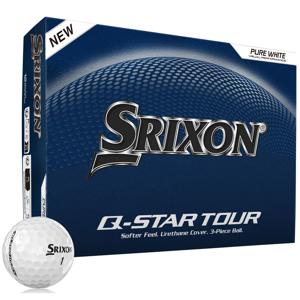
The premium tour ball is a wonderful piece of engineering that most golfers are quietly wasting. Its party trick is spin control on wedge shots and greenside — the very shots that require clubhead speed and a repeating strike to exploit. Below about 95 mph of driver speed you are paying a heavy premium for spin you can't fully access, and losing a little distance to a compression that's built for someone quicker. The saving isn't 'play the cheapest rock you can find'. It's 'play a value ball matched to your speed'. The Srixon Q-Star Tour is the archetype: a real urethane cover for genuine greenside bite, wrapped around a lower compression that suits moderate swing speeds, at a price that means you'll actually play your good ball instead of hoarding it. The reason this matters beyond money: golfers who fear losing a four-dollar ball play scared golf. A ball you can afford to lose is a ball you can commit to.
Save: the rangefinder
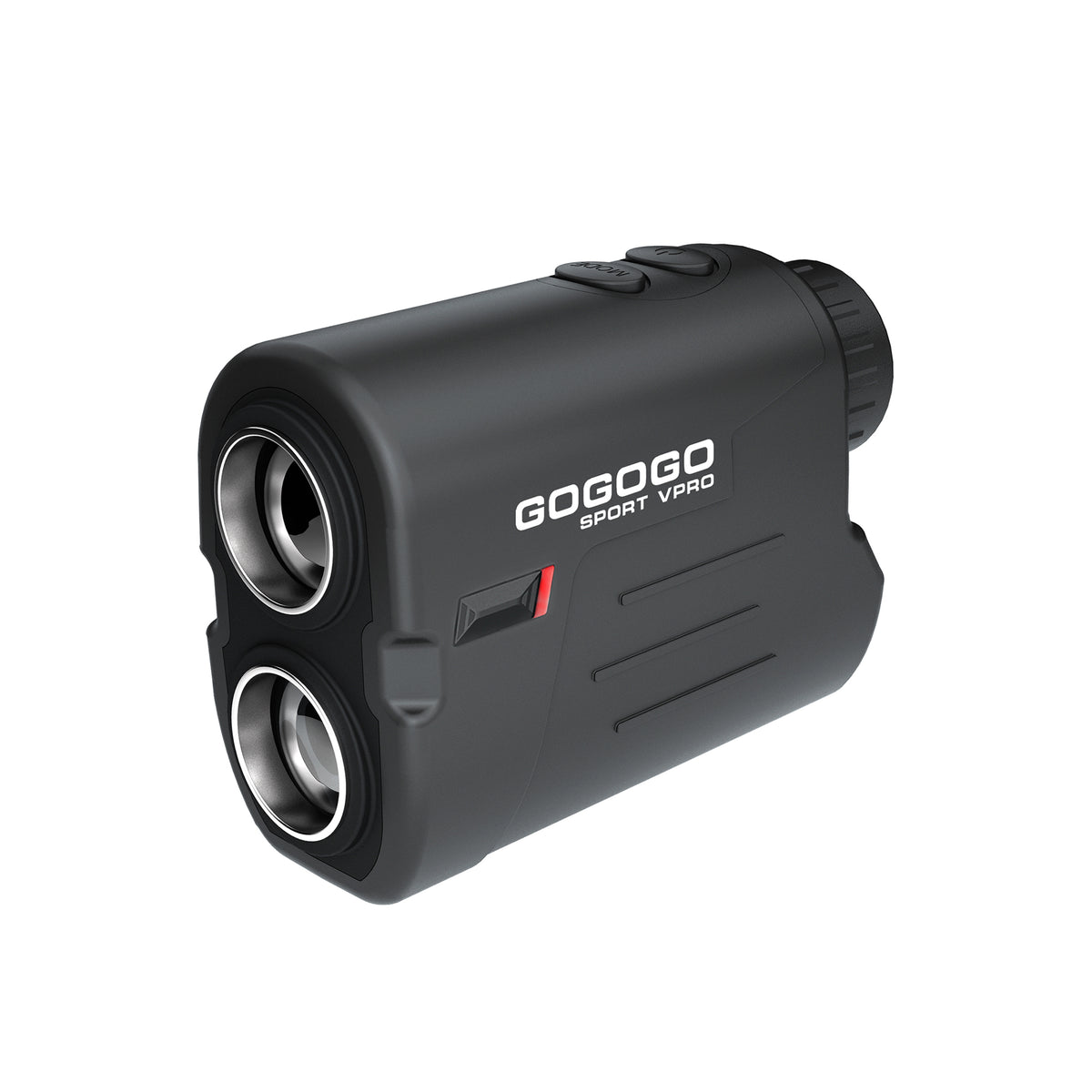
A laser rangefinder measures a distance. The distance is a physical fact — the flag is 147 yards away — and the flagship device and the budget device return the same 147. What the extra two hundred dollars buys you is a nicer housing, a slightly faster lock in marginal light, and a brand. The GoGoGo Sport VPRO has slope, pin-seeking with a lock vibration, and the six-times magnification that covers every yardage you'll ever face, and it does the one job a rangefinder has to do exactly as accurately as the unit costing several times more. This is the purest save in the bag: you are not trading down on performance, only on prestige. Put the difference toward the fitting, or the irons, or simply keep it.
Spend little, spend often: the glove
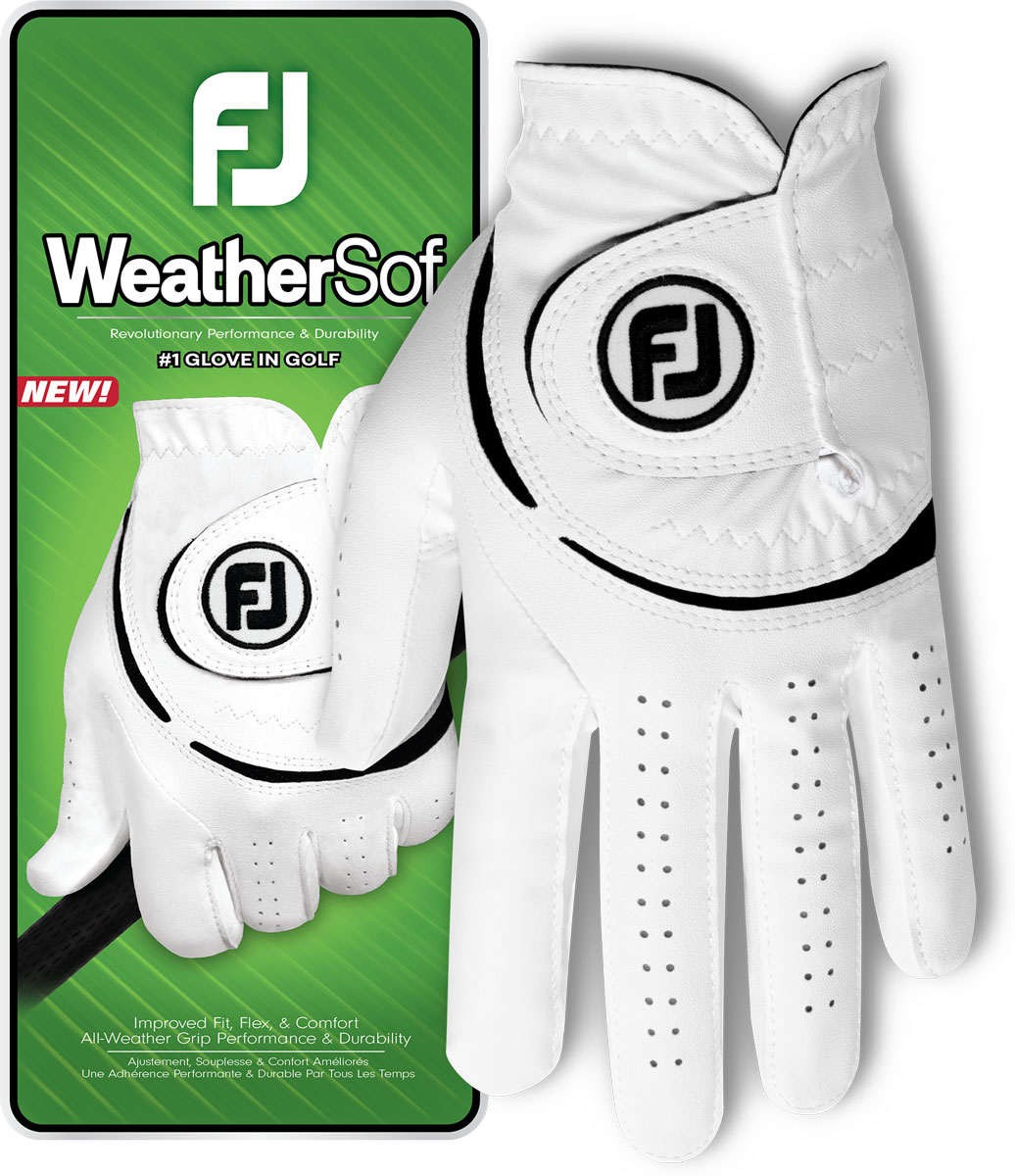
The glove is the strangest economic object in golf — cheap to buy, and yet most golfers ruin the value by not buying enough of them. A glove is your only connection to the club, and it works by gripping; the moment the leather goes shiny and slick, usually well before it looks worn out, your grip pressure creeps up to compensate and tension is the enemy of a golf swing. The fix costs almost nothing: buy the FootJoy WeatherSof in a multipack and rotate a fresh one in the instant the old one glazes. This isn't a splurge or a save so much as a habit — spend little, but spend it often. One tired glove quietly costing you grip pressure on every full swing is a worse deal than three fresh ones a season.
Save: the bag
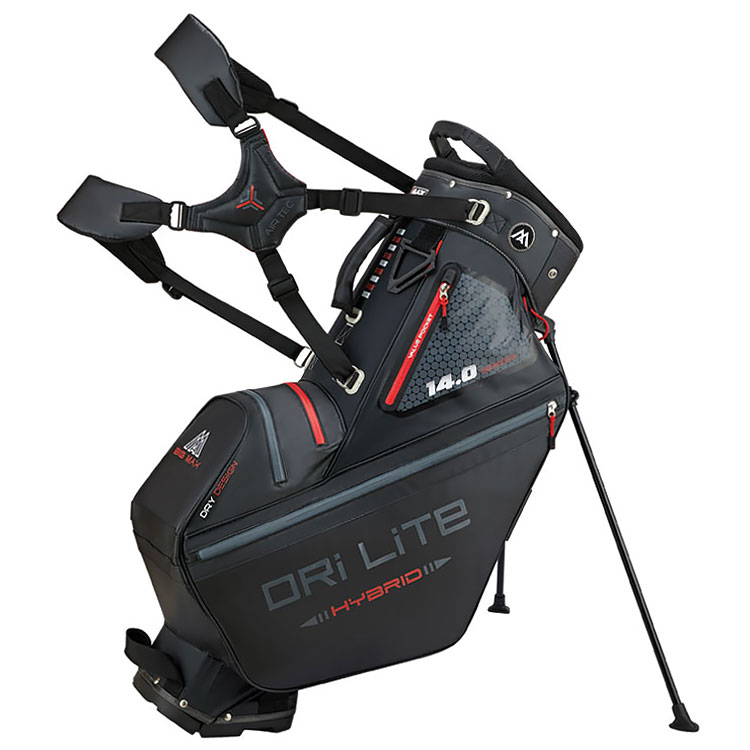
The golf bag is a container. A good one is light, carries comfortably, keeps your kit dry and stands up on its own — and past that point you are paying for materials and logos, not strokes. There is no such thing as a bag that lowers your handicap. The Big Max Dri Lite Hybrid does the entire job — fully waterproof fabric, a comfortable dual strap, a stable stand base, sensible organisation — at a fraction of what a tour-branded flagship costs, and it's lighter than most of them into the bargain. Spend the minimum that clears the bar of light, dry and comfortable, and route the rest to a category that touches the ball.
The splurge that's almost always a waste
Here it is, and it will annoy people: the every-year premium driver upgrade is the worst dollar-per-stroke purchase in golf. The physics are unforgiving. Modern drivers have been bumping against the same regulated limits — a spring-like face capped by the rules, a head at the maximum legal size — for years, so the real-world gain from this season's model over one three or four years old is, on the independent robot data, a few yards at most and often statistically indistinguishable. You hit a driver perhaps fourteen times a round, many of those on holes where the extra couple of yards changes nothing. Compare that to irons you strike dozens of times across the whole scoring range, or a glove that touches every single shot, and the driver's claim on half your budget collapses. Buy a driver when yours is genuinely old or was never fitted to you — and then get it fitted, because the fit is worth more than the model year. Chasing the annual release is buying marketing, not shots.
The map, and who should ignore it
The pattern is consistent: money converts to strokes in the boring middle of the bag — irons that fit, a value ball matched to your speed, a rangefinder that just works, a fresh glove, a bag that's merely competent — and converts worst at the flashy extremes the industry markets hardest. Who should ignore all this? The genuine low-single-figure player whose game is sharp enough to actually exploit tour-ball spin and squeeze the last yards from a fitted flagship driver — for them the premium end earns its keep. Everyone else is being sold the expensive half of the bag and under-sold the half that lowers scores. More of the unglamorous, high-value stuff lives in our accessories hub.
Products mentioned in this article
Takomo
Takomo 101 MKII Irons
Direct-to-consumer irons that deliver most of a big-brand set's forgiveness for roughly half the outlay — the single best splurge-that-isn't in golf.
Srixon
Srixon Q-Star Tour Golf Balls (2026, Dozen)
A genuine tour-style urethane ball tuned for real-world swing speeds, at a price that lets you play it without flinching when one goes in the pond.
GoGoGo Sport
GoGoGo Sport Vpro Rangefinder
Slope, fast lock-on and pin vibration for a fraction of the flagship laser price — the yardage number is identical.
FootJoy
FootJoy WeatherSof Golf Glove
The glove worth buying in a multipack and replacing the moment it goes shiny — cheap, grippy, and the connection to every shot.
Big Max
Big Max Dri Lite Hybrid Tour Stand Bag
A light, fully waterproof stand bag that does the flagship's job without the flagship's price or weight.
ifrothgolf earns a commission on purchases made through these links, at no extra cost to you. It never changes what I recommend. Full disclosure.
Frequently asked
- What golf equipment is most worth spending money on?
- Irons and a proper fitting. You hit irons across the entire scoring range and more than any club but the putter, so a set that genuinely fits your swing converts money into shots better than any other category. Spending on the fitting — lie angle and shaft — often matters more than spending on the brand.
- Do cheaper golf rangefinders work as well as expensive ones?
- For the core job, yes. A rangefinder measures a fixed physical distance, so a budget unit returns the same yardage as a flagship. The premium price buys a nicer build, faster lock-on in poor light and a brand — not a more accurate number. Slope, magnification and a stable lock are the features that actually matter.
- Should I play a premium tour golf ball?
- Only if your swing speed lets you use it. Tour balls are built to reward wedge and greenside spin that requires higher clubhead speed and a repeating strike. Below roughly 95 mph of driver speed, a value urethane ball matched to a moderate swing speed gives most of the greenside performance without the premium — and it's cheap enough to commit to instead of hoarding.
- Is it worth upgrading your driver every year?
- For almost everyone, no. Drivers have been pressed against the same regulated face and size limits for years, so independent testing shows only a few yards, if that, between a current model and one a few years old. Given you hit the driver only a dozen or so times a round, it's the weakest dollar-per-stroke purchase in golf. Upgrade when yours is genuinely old or unfitted, then get the new one fitted.
Read next
Review
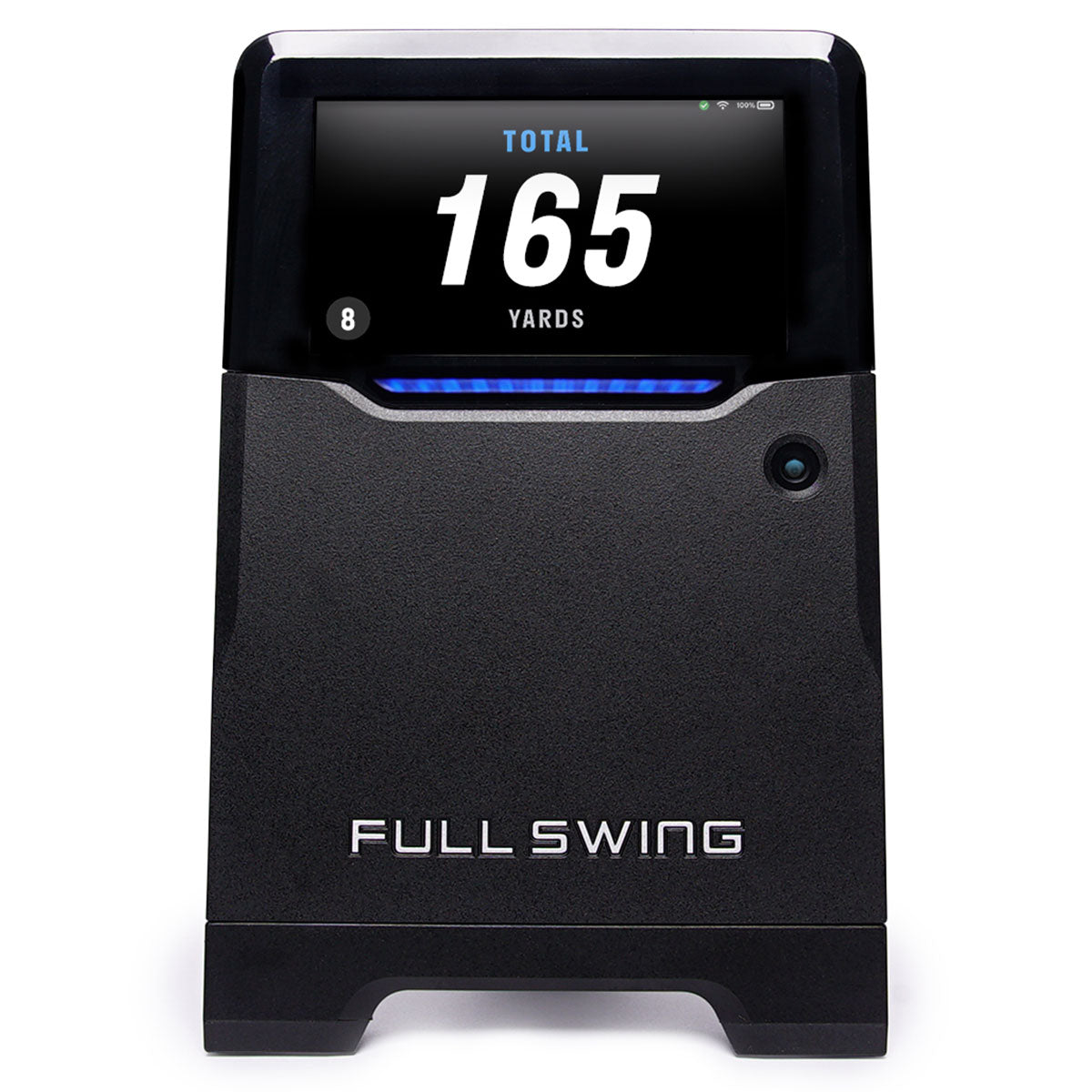
7.9/10Full Swing KIT review: the tape measure decides this, not Tiger
Tour pedigree, TGL on ESPN, and radar good enough to be checked against a Trackman outdoors. It also wants eighteen to twenty feet of room, which rules out most of the garages people buy it for.
Versus
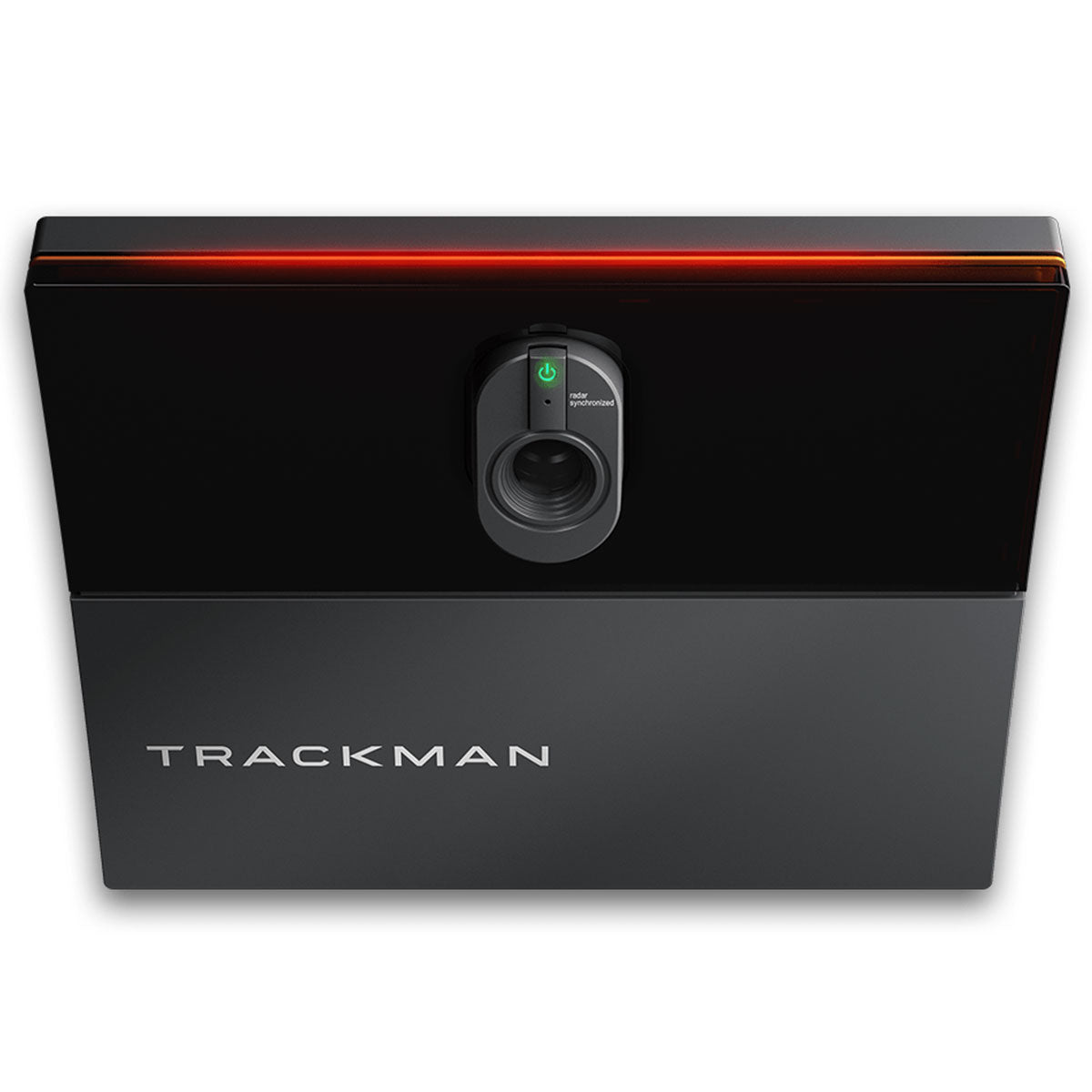
Trackman iO vs Uneekor EYE XO2: the year-one trap
Both mount overhead, both want ten feet of ceiling, and about $3,000 separates them on the shelf. Then Trackman's included first year runs out, and the gap starts growing by $1,100 a year.
Versus
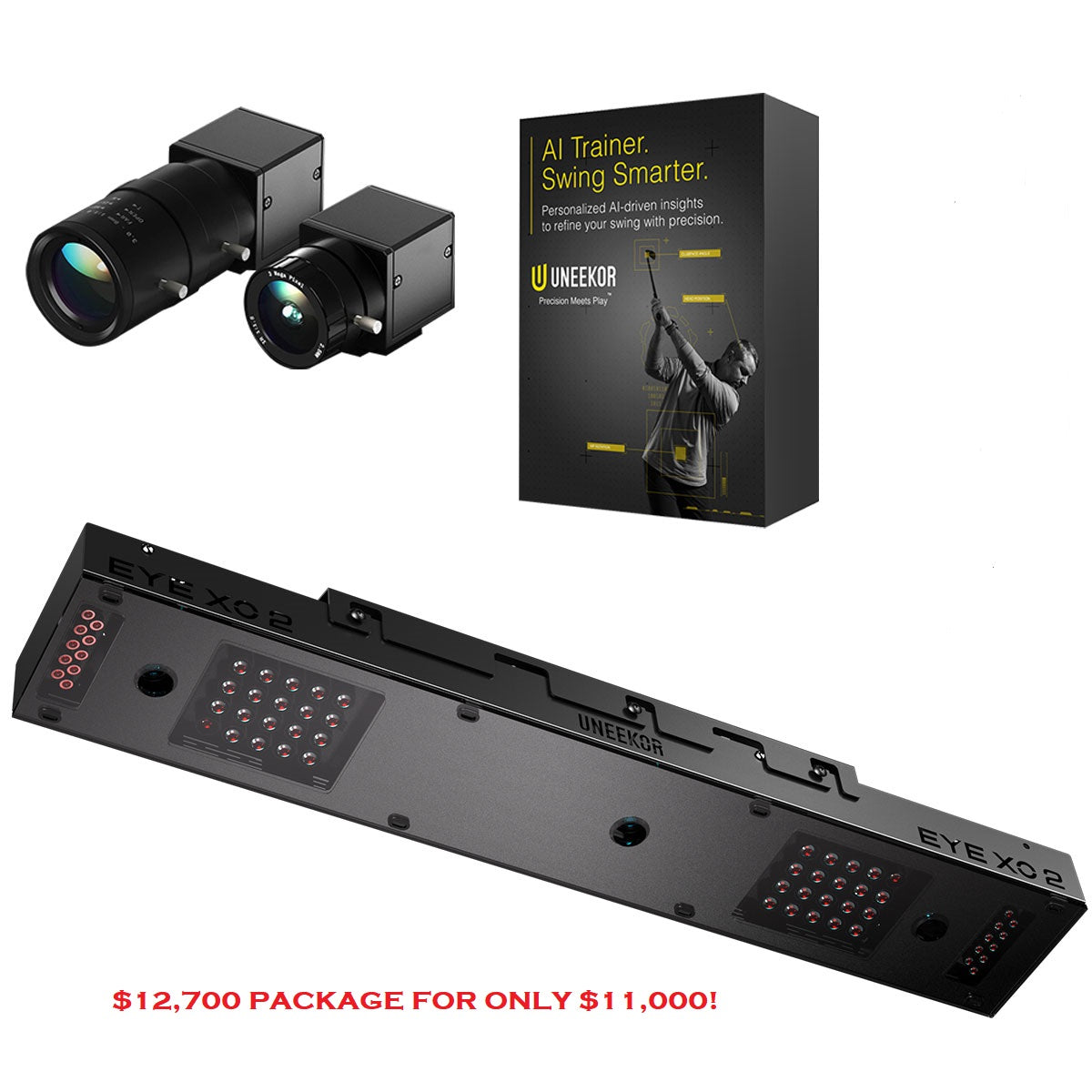
Uneekor EYE XO2 vs Foresight GC3: ceiling or floor?
About $4,000 separates them, but they're not really rivals — one lives in your ceiling forever, the other sits on the floor and travels. The cheaper one is also the one with no subscription.