Royal Dornoch: the complete guide to golf's greatest remote links
A top-15-in-the-world links in the far-north Highlands and the birthplace of Donald Ross. How to play the Championship Course and the Struie, when to go, and what the Firth demands.
Royal Dornoch is the pilgrimage for links purists — and the good news is you can play it. This members' club in the far-north Highlands welcomes visitors seven days a week, subject to availability, and its Championship Course is routinely rated among the very best in the world: No. 2 on Golf Digest's Top 100 International list, and 15th in the world on Top100GolfCourses.
Golf has been played on the Dornoch links since 1616, Old Tom Morris extended it to 18 holes in the 1880s, and it is the birthplace of Donald Ross — whose trademark raised, domed greens were shaped here before he emigrated to design Pinehurst No. 2. It's also genuinely remote, an hour north of Inverness, which is a big part of the magic. This guide covers how to book it, when to go, how to get there, and the kit the Firth's weather demands.
Where
Dornoch, Sutherland, Scottish Highlands
Courses
Championship (18) + Struie / 'The Low Course' (18)
Nearest airport
Inverness (INV) ~1 hour / 50 miles south
Best time
May–Sep; near-midnight daylight around the June solstice
Style
Natural out-and-back links; famous raised, domed greens
Access
Members' club, welcomes visitors 7 days — book far ahead
Old Tom Morris, John Sutherland & George Duncan (recent work by Mackenzie & Ebert) · links golf since 1616; club founded 1877; 'Royal' since 1906 · 18 holes · Links
No. 2 International on Golf Digest; 15th in the world (Top100GolfCourses)
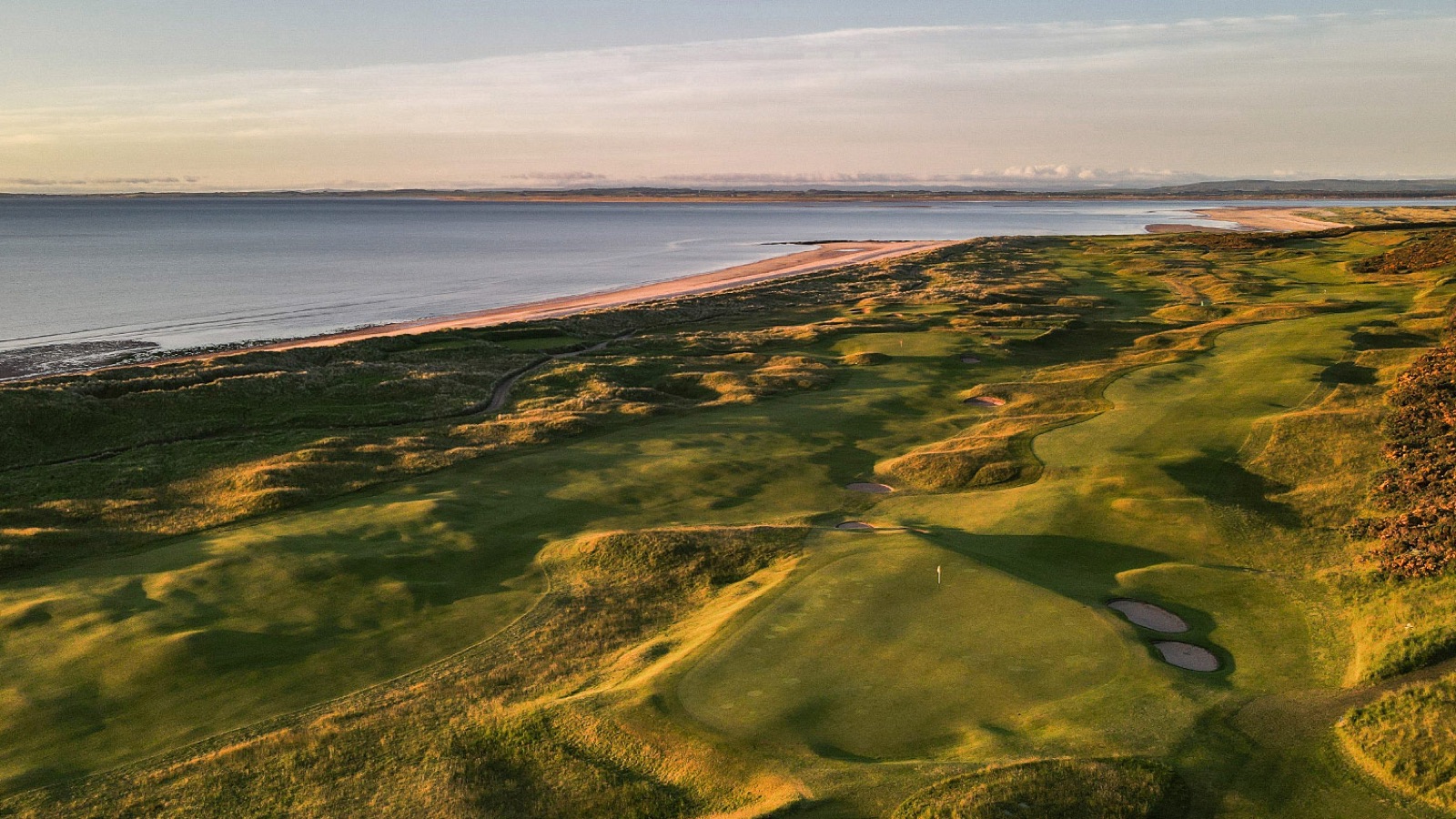
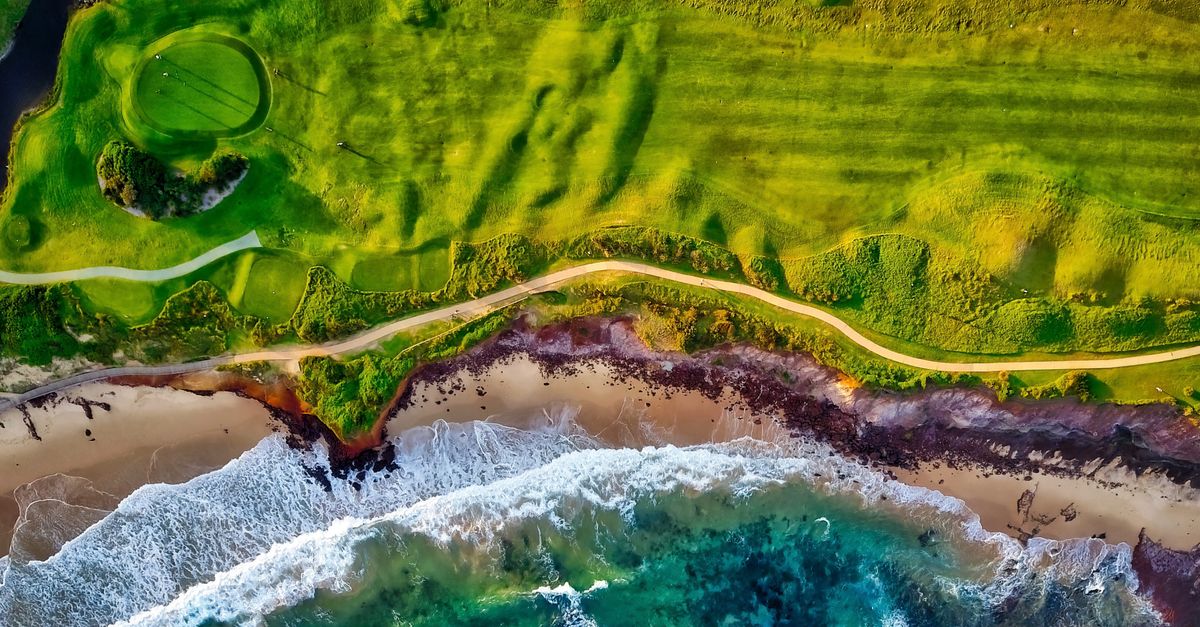
The world-famous links. Old Tom Morris extended the course to 18 holes during visits in 1886 and 1889; long-serving secretary John Sutherland reshaped it, and George Duncan rebuilt several holes after an RAF airfield took out part of the layout in WWII. It's a classic out-and-back links beside the Dornoch Firth and its white-sand beach, all gorse, whins and firm, running turf.
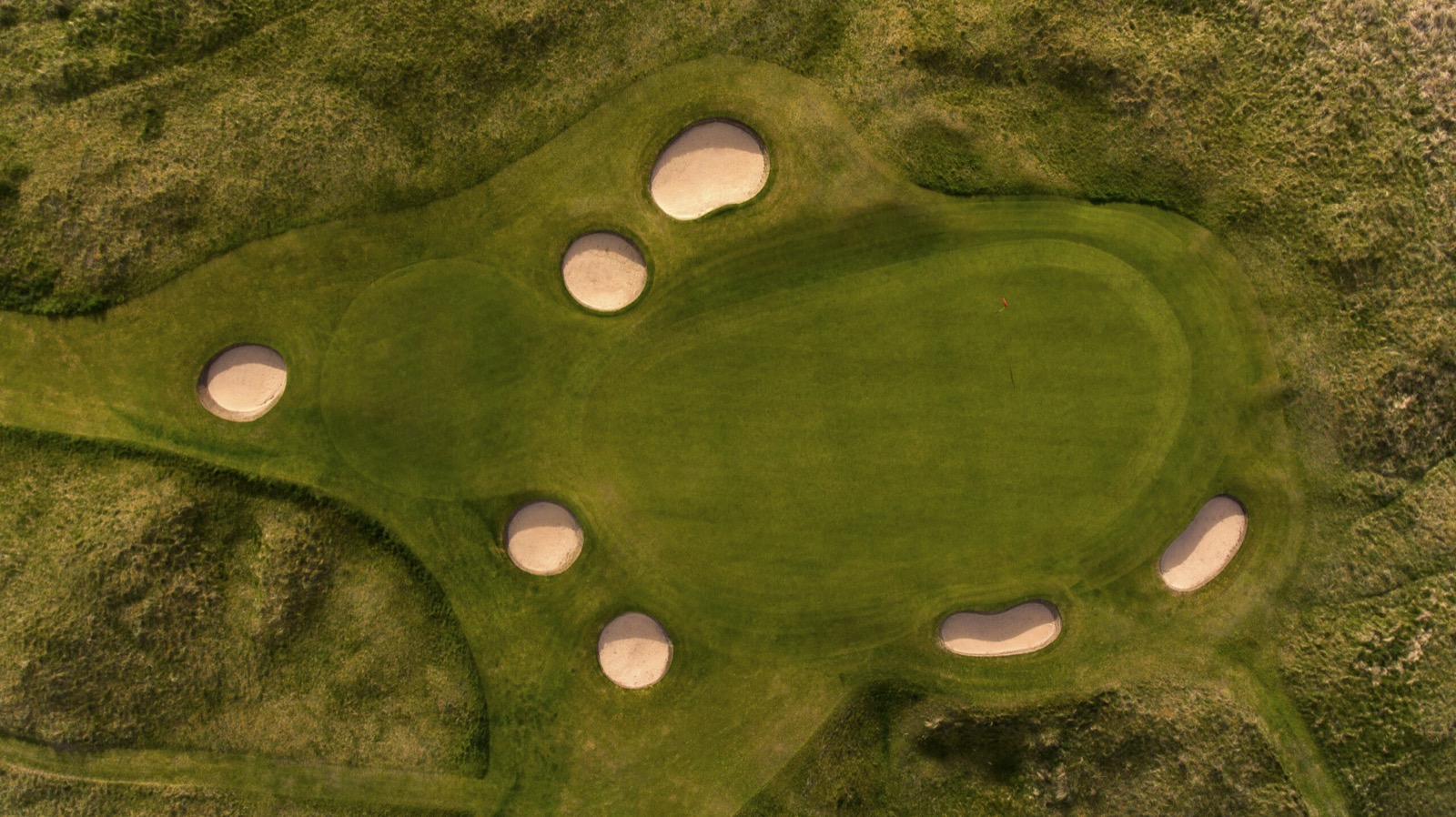
The signature is the greens — raised, domed plateaus that shrug off anything but a well-judged approach. They became the trademark of Donald Ross, the club's first professional in the 1890s, who carried the idea across the Atlantic to Pinehurst. Take a caddie: reading the domed greens and blind lines is half the battle, and half the fun.
Struie Course
Royal Dornoch Golf Club · 18 holes · Links
The club's second 18, known locally as 'The Low Course'. It's tighter, with smaller greens and the meandering Dornoch Burn in play — playable across abilities but demanding every club in the bag.
Green fees are considerably lower than the Championship Course, and it's a genuinely good round in its own right — well worth building into any Dornoch visit rather than treating as a warm-up.
Can you play Royal Dornoch?
Yes — Royal Dornoch is a members' club that welcomes visitors seven days a week, subject to availability. You can book online, by phone or by email, and there are single-round, two-round, combination (both courses) and twilight options.
The catch is demand: summer tee times on the Championship Course sell out months — often the best part of a year — in advance, so book far ahead (9–12 months for peak summer dates). Professional caddies are available on request; arrange one when you book. Green fees change annually, so confirm current pricing with the club.
When to go
The best season is roughly May to September. This is far-north Scotland (nearly 58°N), so summer brings extraordinarily long daylight — near-midnight light around the June solstice, which allows very late tee times and 36-hole days.
Wind and rain are possible in any month — it's a links, so pack for weather whenever you come. Summer availability on the Championship Course is the most competitive, which is another reason to book early.
Getting there
The nearest airport is Inverness (INV), roughly 50 miles / about an hour's drive north on the A9. Inverness connects to the rest of the UK by air and rail, making it the natural gateway to the northern Highlands.
A car is essentially essential — the location is genuinely remote, and you'll want it for the cluster of northern links around Dornoch. That remoteness is part of the appeal: this is a proper journey to a proper place.
Where to stay & eat
Dornoch is a small, historic Highland town anchored by its 13th-century cathedral, a short walk from the links. It has a compact selection of hotels, inns and guesthouses — including the Royal Golf Hotel next to the course — plus a handful of good places to eat.
It's charming and walkable but modest in scale, so book accommodation early in peak season, just as you would the tee times.
How to play it (the Highlands links run)
Royal Dornoch anchors a superb northern Highlands links tour. Nearby are the honest, affordable links of Brora, Golspie and Tain, all a short drive along the coast. To the south, either side of Inverness on the A96, sit Castle Stuart / Cabot Highlands (a former Scottish Open host) and Nairn (a Walker Cup venue).
A typical trip is four to five days using Inverness as the base and Dornoch as the headline. Allow time for both the Championship and the Struie at Dornoch, and take a caddie on the Championship Course for the domed greens and blind lines.
What to pack
The kit this trip demands
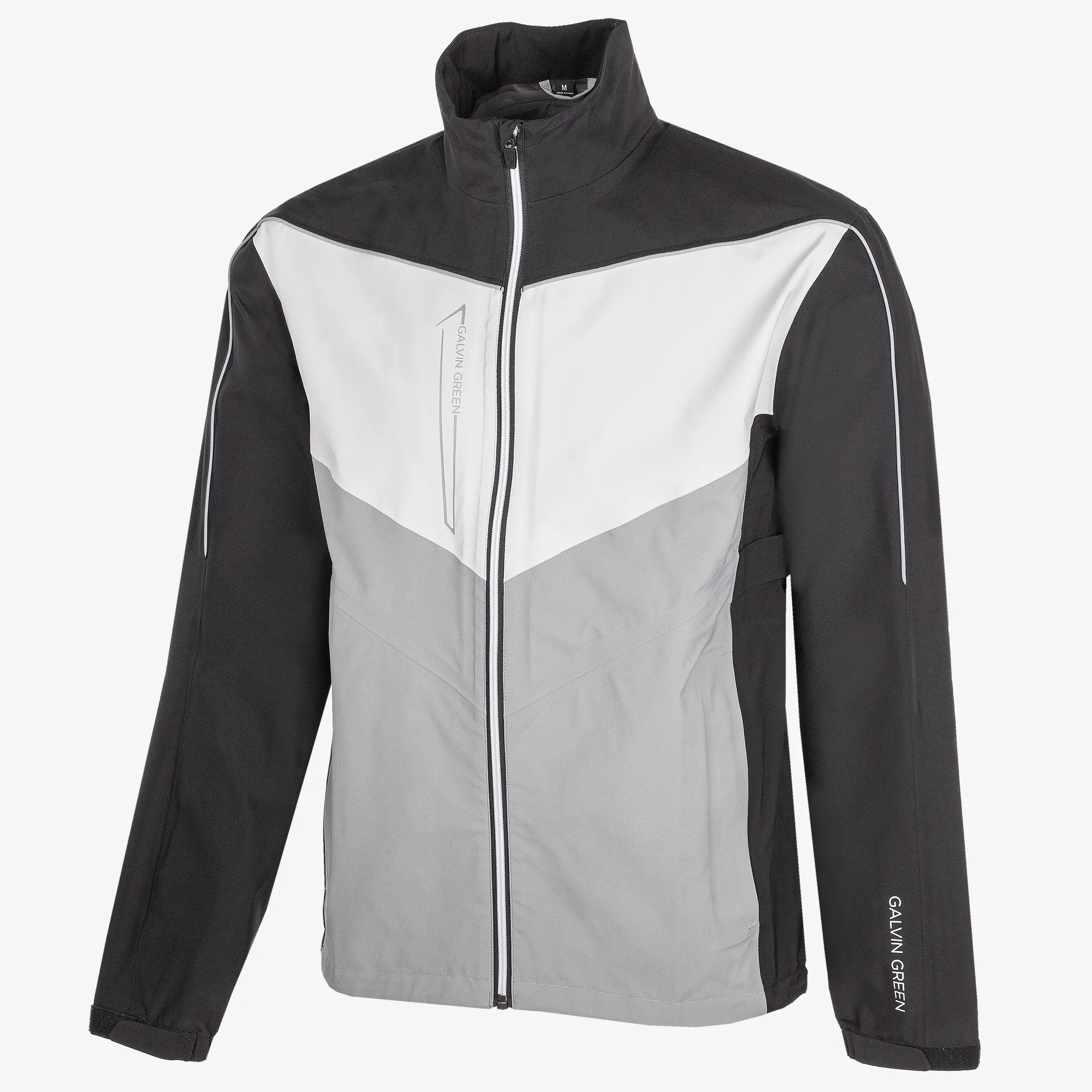
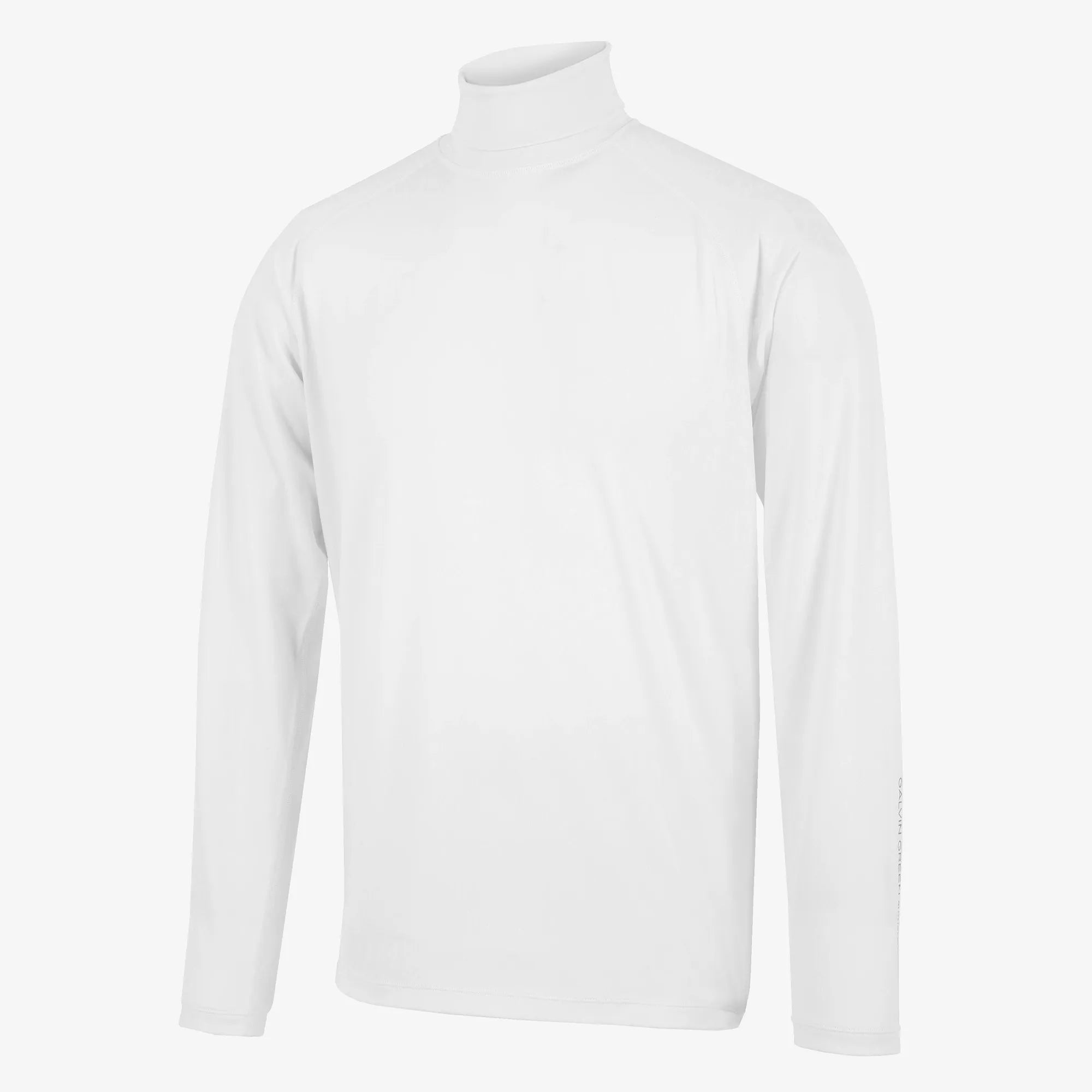
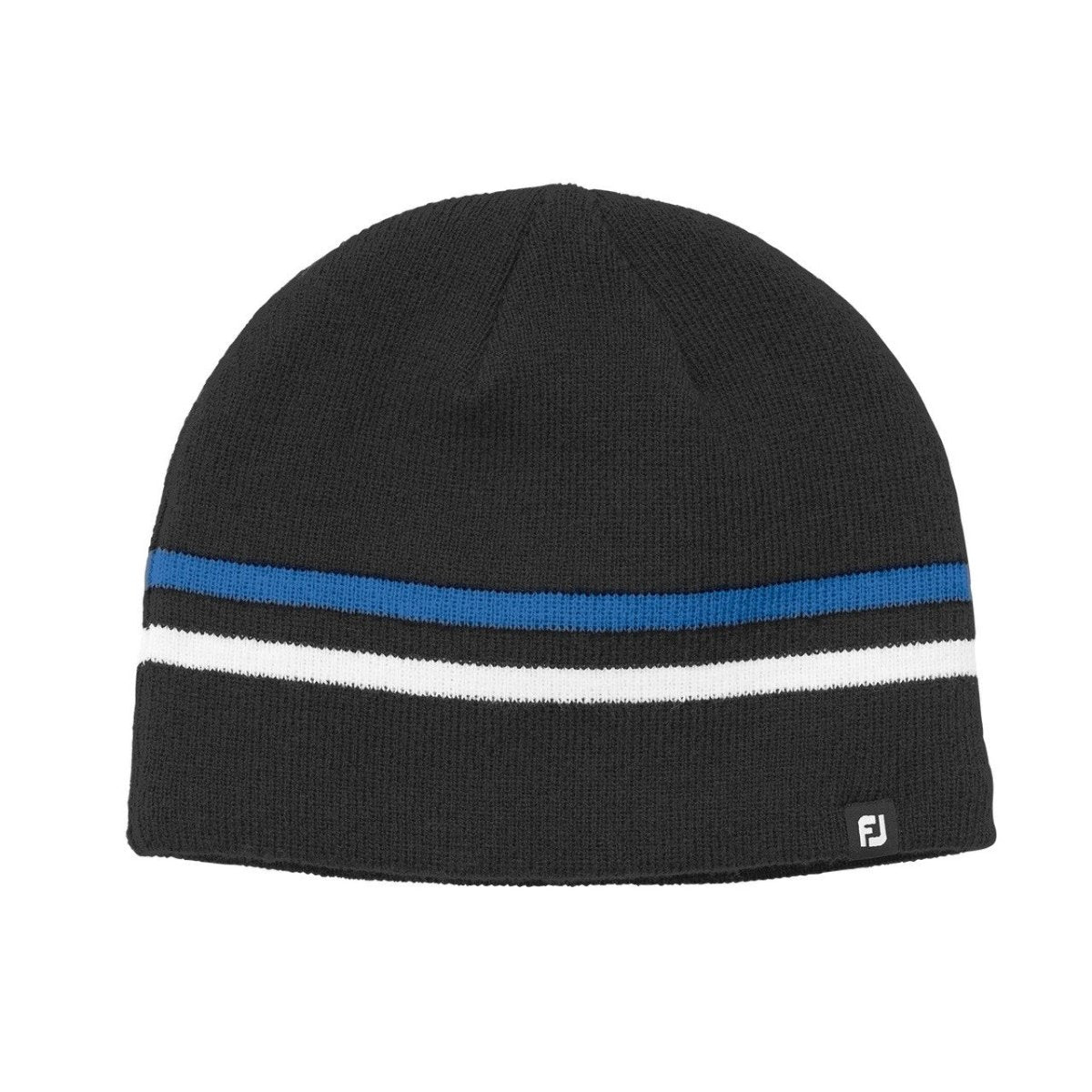
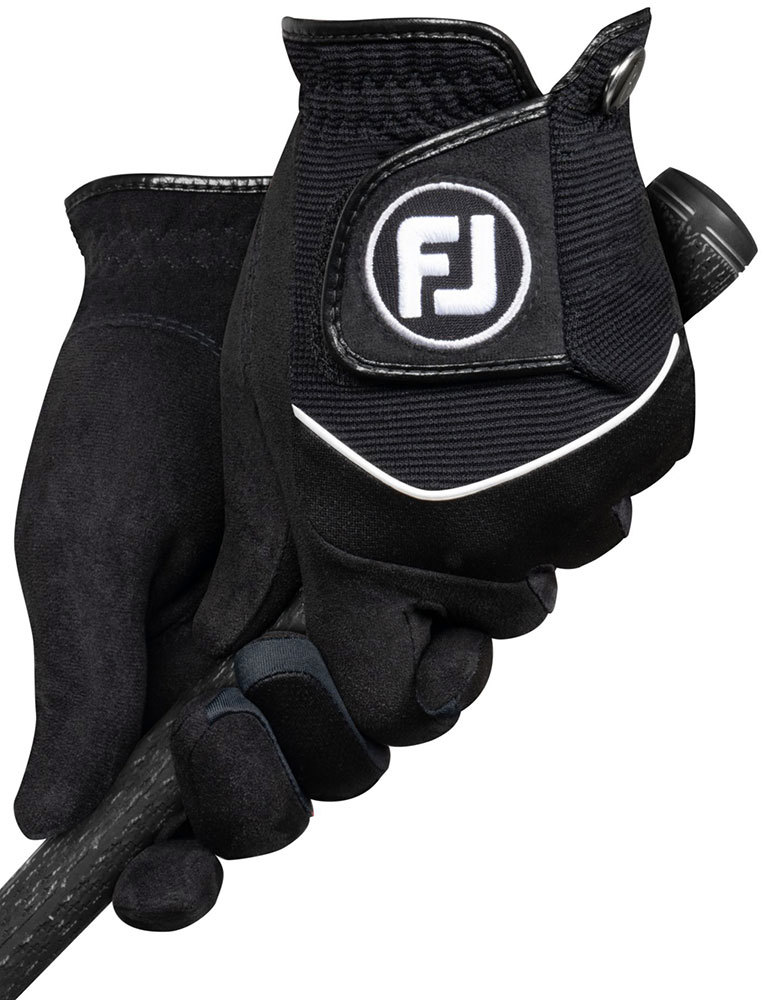
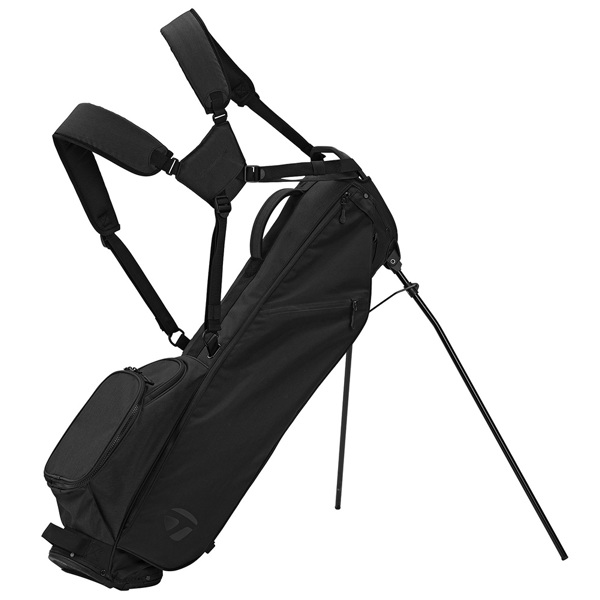
Dornoch is cold, wind-and-rain links golf on foot in the far north — the weather off the Firth, not the yardage, is the test. This is the kit that earns its place:
Non-negotiable in the Highlands. A genuine GORE-TEX shell that keeps the Firth's wind and rain out is the difference between loving Dornoch and enduring it.
Blind lines over dunes, domed greens and constant wind make club selection a puzzle on a course you don't know — a fast, stable rangefinder helps you commit.
Yes. It's a members' club that welcomes visitors seven days a week, subject to availability. Book online, by phone or email — and book well ahead, as summer Championship Course tee times sell out months (often close to a year) in advance.
When is the best time to play Royal Dornoch?
May through September, when the weather is most reliable and the northern daylight stretches nearly to midnight around the June solstice. Wind and rain are possible any time, so come prepared for classic links conditions.
How do you get to Royal Dornoch?
Fly into Inverness (INV) and drive about an hour (roughly 50 miles) north on the A9. A car is essentially essential — the club sits in a remote corner of the Highlands, and you'll want it for the nearby northern links too.
Why is Royal Dornoch so highly rated?
It's a natural, out-and-back links with famous raised, domed greens, extended to 18 holes by Old Tom Morris in the 1880s and consistently ranked among the world's very best (No. 2 International on Golf Digest; top-15 in the world). It's also the birthplace of legendary architect Donald Ross.
What's the difference between the Championship and Struie courses?
The Championship is the world-renowned top-tier links with the domed greens and championship pedigree. The Struie, 'The Low Course', is tighter with smaller greens and the Dornoch Burn in play — more affordable, a great complement, and well worth a round on any Dornoch trip.