Erin Hills golf guide: the walking-only US Open host you can actually play
A vast, treeless, walking-only links-in-the-glacier that hosted the 2017 US Open — and takes public tee times. How to play it, the caddie-or-carry rule, when to go, and how to pair it with Wisconsin's other giants.
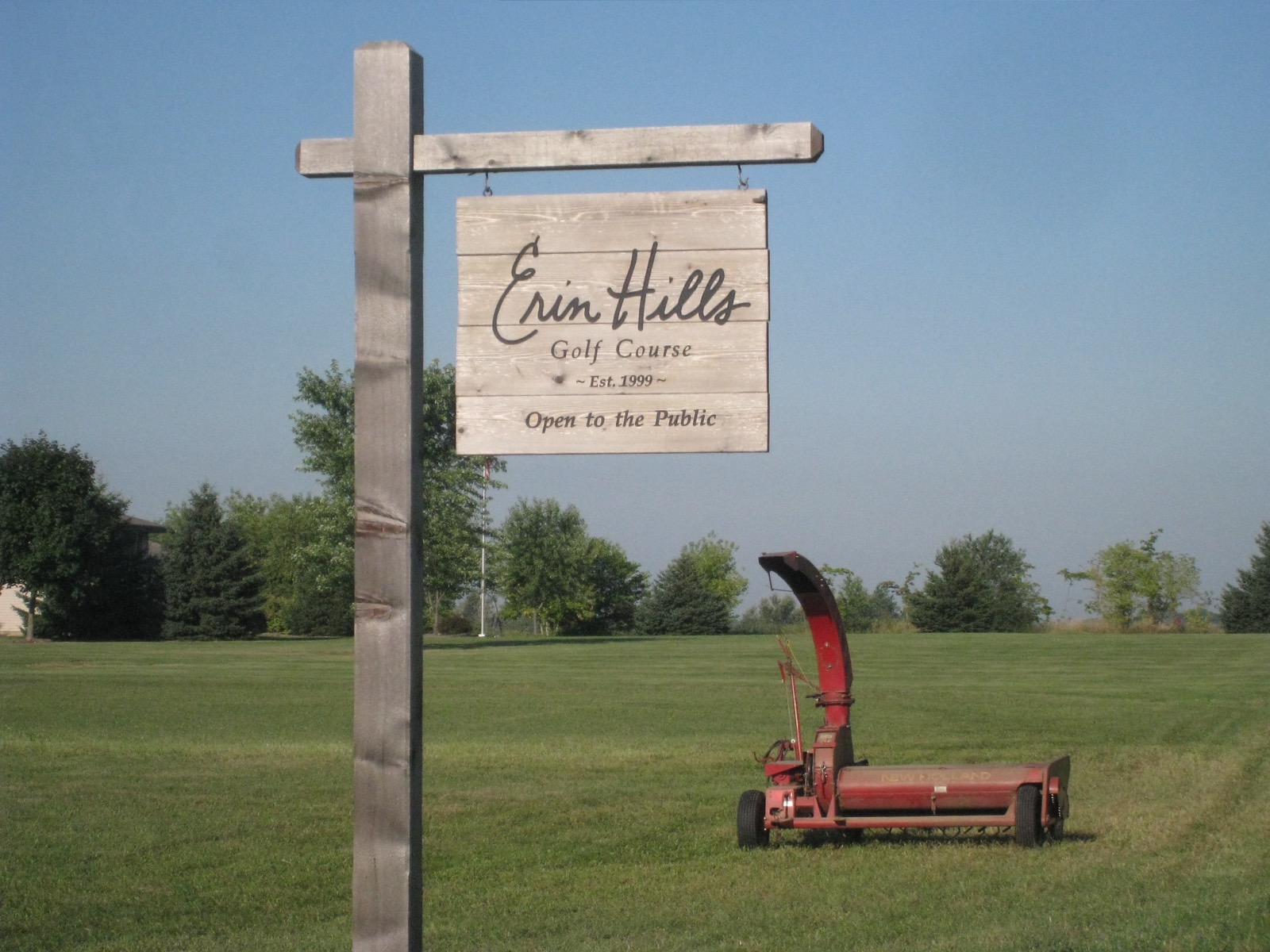
Erin Hills is proof that a US Open venue needn't be a private fortress. Opened in 2006 on rumpled glacial farmland north-west of Milwaukee, it hosted the 2017 US Open — Brooks Koepka's record-tying 16-under win — and it's fully public: anyone can book a tee time and walk the same fescue-lined fairways the world's best played.
It's a big, treeless, wind-exposed course with a genuine links feel a thousand miles from any coast, and it's strictly walking-only — carry your bag or take a caddie. This guide covers how to play it, the walking rule, when to go, and how to build a Wisconsin trip around it.
Where
Erin, Wisconsin — about 35–45 minutes north-west of Milwaukee
Course
Erin Hills (par 72, up to ~7,800 yds for the US Open) — public, championship links-style
Designers
Michael Hurdzan, Dana Fry & Ron Whitten (opened 2006)
Nearest airport
Milwaukee (MKE) ~45 min; Chicago (ORD) ~2hr
Best time
May–October; peak summer is prime; the course closes over the Wisconsin winter
Access
Public — book a tee time; walking-only (carry or caddie); on-site lodging
The courses
Erin Hills
Michael Hurdzan, Dana Fry & Ron Whitten · 2006 · 18 holes · Links-style · par 72 · up to ~7,800 yds
2017 US Open host; also the 2011 US Amateur and 2025 US Women's Open
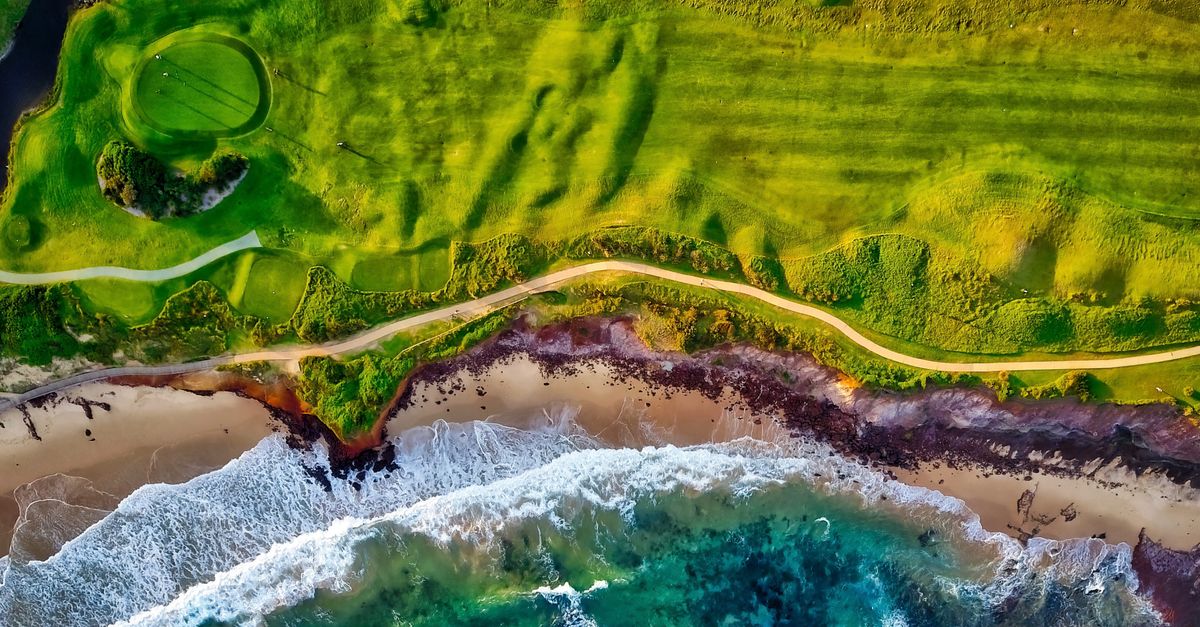
The design team used a minimalist hand, letting the glacial Kettle Moraine landscape — big ridges, kettles and hollows left by retreating ice — dictate the holes. The result plays far more like a British links than a typical American parkland: firm, running ground, huge tumbling fairways, native fescue framing everything, and wind that can flip a hole's difficulty from round to round.
It's long — the USGA stretched it near 7,800 yards for the 2017 Open — but there are multiple tees and generous landing areas, so everyday golfers can pick a length that lets them enjoy the scale rather than drown in it. The par-5 finish and the exposed run through the middle of the round are the moments that stick.
How visitors play Erin Hills
Erin Hills is public: you book a tee time directly, no membership or introduction needed. The catch — and the charm — is that it's strictly walking-only. There are no carts; you either carry your own bag or, better on a course this big, take one of the club's professional caddies or a forecaddie for the group. Budget for the caddie fee plus a gratuity, and expect a proper four-to-five-hour walk over serious terrain.
For the full pilgrimage, stay on site: Erin Hills has a Lodge and guest cottages, so you can make it a self-contained golf retreat, play 36 in a day and soak up the quiet rural setting. Green fees are premium — this is a US Open venue — but it remains one of the most accessible major-championship experiences in American golf.
The walking-only experience
The no-carts rule is central to what Erin Hills is going for: a pure, on-foot, links-style round where you feel the ground and the wind. It makes club selection and course management matter more, and it makes a good caddie genuinely valuable for reading the tumbling fairways and firm greens. Come prepared — comfortable shoes, a light bag if you're carrying, and a realistic sense that this is a physical day out. That commitment to walking is a big reason the course feels like a British or Irish links transplanted to Wisconsin.
When to go
The season runs roughly May to October, with peak summer offering the warmest, most reliable conditions and the firmest turf. Spring and autumn bring cooler air, stronger winds and gorgeous light on the fescue. The course closes for the Wisconsin winter, so plan a warm-season trip — and book well ahead, as tee times at a US Open venue go quickly in high summer.
How to build the trip
Wisconsin is quietly one of America's great golf-trip states, and Erin Hills is the perfect anchor. Within a couple of hours you can add Whistling Straits, Pete Dye's Ryder Cup links on Lake Michigan, and its sister course Blackwolf Run at Kohler; a little further afield, Sand Valley offers walking, sand-country golf in central Wisconsin. String two or three together and you have a Midwest links road trip to rival anything on the coasts — with Milwaukee and its airport as the easy gateway.
What to pack
The kit this trip demands
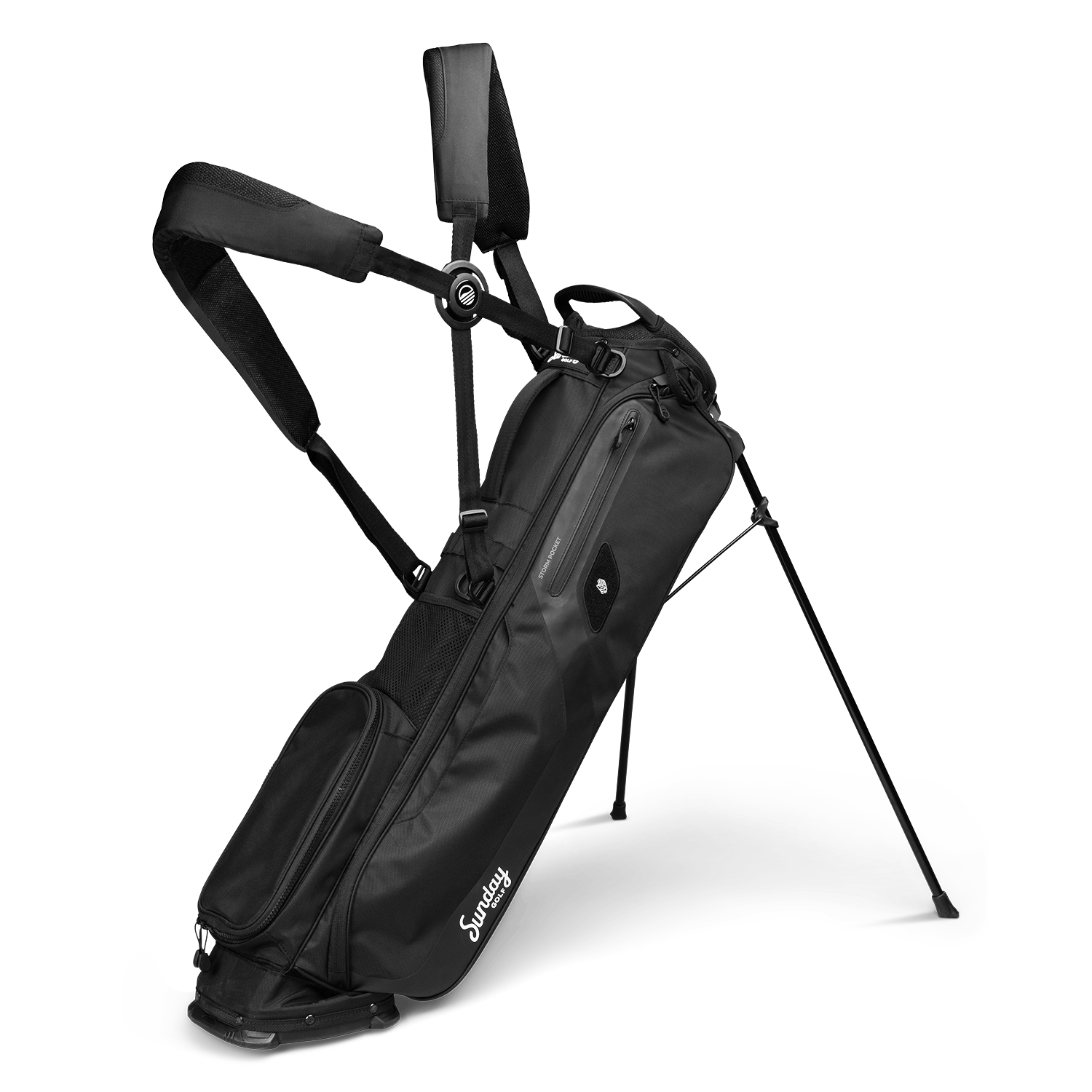
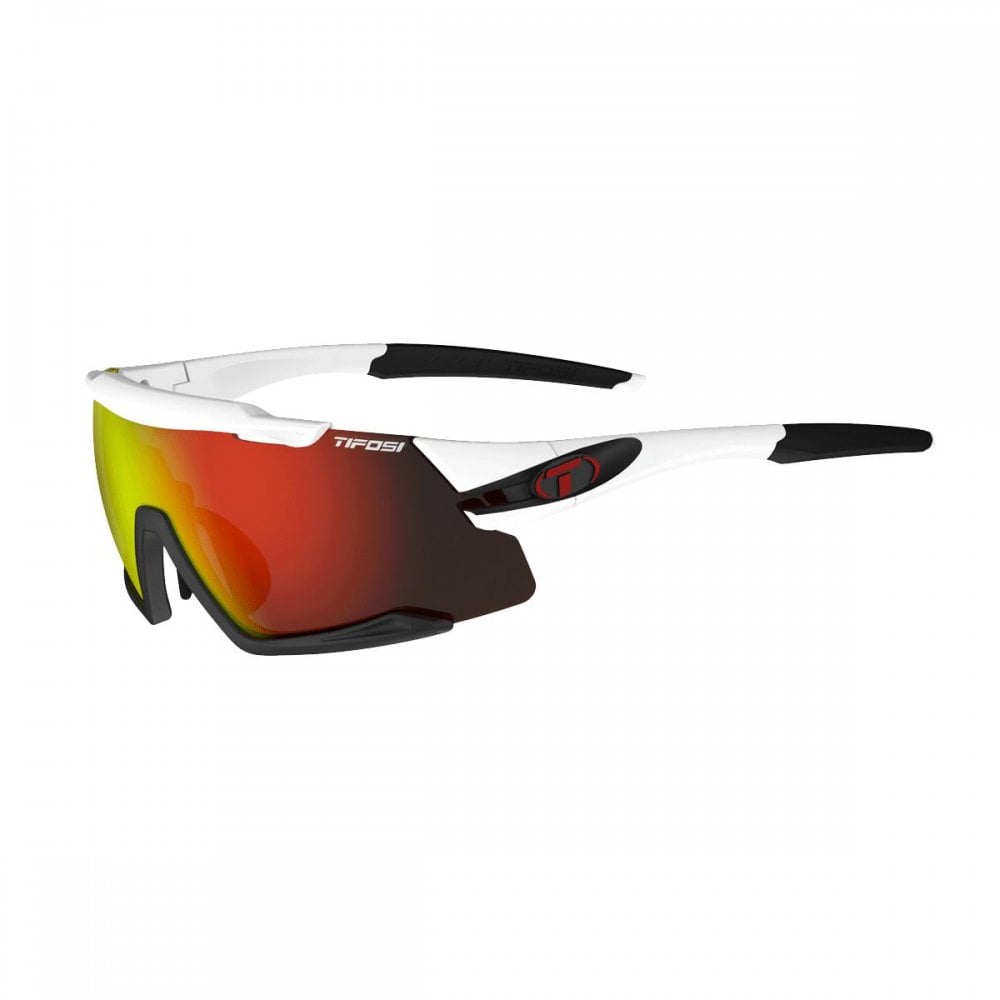
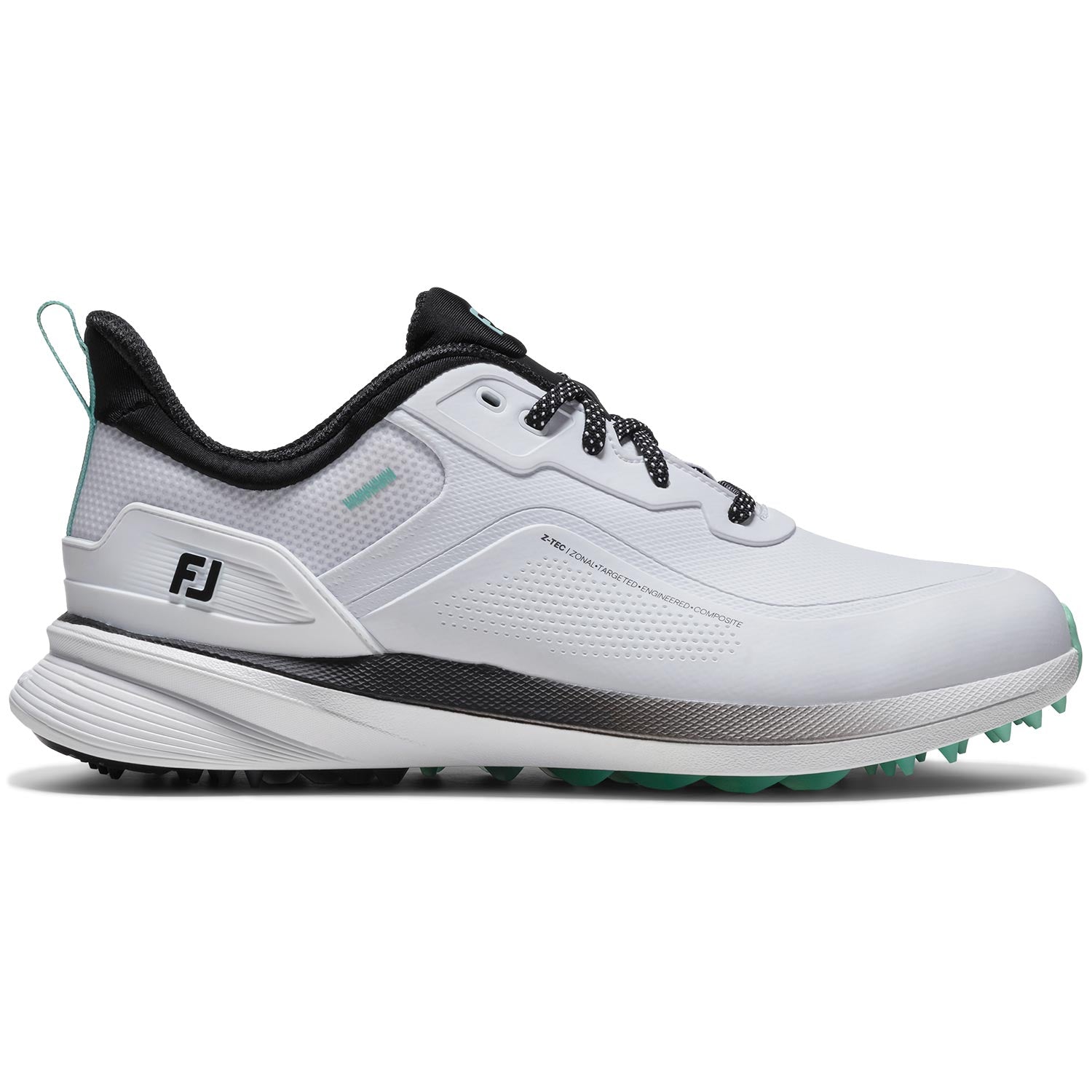
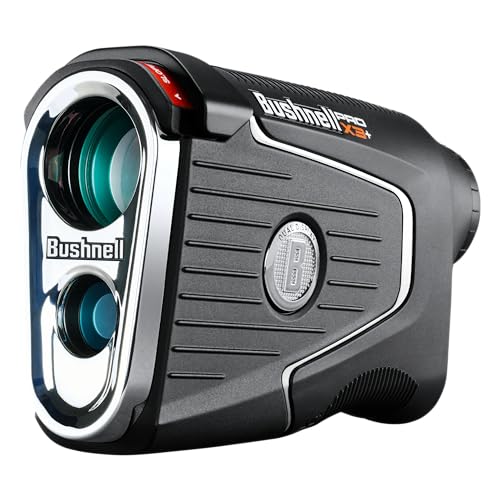
Erin Hills is a long, exposed, walking-only round in the summer Midwest — pack to walk comfortably, beat the sun and handle a stiff prairie wind:
Yes. Erin Hills is a fully public course — you book a tee time directly, with no membership or introduction required. It hosted the 2017 US Open (won by Brooks Koepka) and the 2025 US Women's Open, making it one of the most accessible major-championship venues in American golf.
Is Erin Hills really walking-only?
Yes, strictly. There are no golf carts: you either carry your own bag or take one of the club's professional caddies (or a forecaddie for the group). Budget for the caddie fee plus a gratuity, and expect a physical four-to-five-hour walk over big glacial terrain.
When is the best time to play Erin Hills?
Roughly May to October, with peak summer offering the warmest, most reliable conditions. The course closes over the Wisconsin winter, so plan a warm-season visit and book well ahead — tee times at a US Open venue fill quickly in high summer.
What other courses can you play near Erin Hills?
Wisconsin is a superb golf-trip state. Whistling Straits and Blackwolf Run at Kohler are within a couple of hours, and Sand Valley offers walking sand-country golf further north. Milwaukee's airport makes an easy gateway for a multi-course Midwest links trip.