Oakmont: golf's hardest test — and the Pittsburgh trip you can actually book
Oakmont has hosted more U.S. Opens than anywhere on earth, and you cannot play it — it's a private members' club with no visitor tee sheet. So here's the honest version: what makes it the game's most feared course, and the four genuinely public western-Pennsylvania courses worth building a trip around.
Let's answer the question first, because almost everyone arrives asking it: no, you can't play Oakmont. It's a private members' club outside Pittsburgh with no public tee times, no open day and no visitor booking route — play requires an invitation from a member. If a website is quoting you a green fee for Oakmont, it's making it up.
What Oakmont is, instead, is the most important piece of championship golf architecture in America and a genuine pilgrimage. It has hosted ten U.S. Opens — more than any other course — most recently in 2025, when J.J. Spaun holed a putt of around 65 feet on the last green to become the only man in the field to finish under par. This guide covers what makes it so brutal, why golf's most famous measuring device was invented because of it, and — since you'll want to actually swing a club — the four western-Pennsylvania courses that anyone can book.
Where
Oakmont and Plum, in Pittsburgh's eastern suburbs, Pennsylvania
Access
Private members' club — no public tee times; play is by member invitation only
Architect
Henry Clay Fownes, 1903 — the only course he ever designed
The record
10 U.S. Opens, more than any venue; 17 USGA championships in total
Next up
U.S. Women's Open 2028; a record 11th U.S. Open in 2033
Standing
Top five in America on every major ranking; No. 1 in Pennsylvania
Best time to visit
May–June and September–October; July–August is humid with storm risk
Henry Clay Fownes · 1903 (opened for membership 1904); restored by Gil Hanse and Jim Wagner, 2023–24 · 18 holes · Championship parkland-turned-links · private members' club
No. 5 in the USA (Golf Digest America's 100 Greatest, 2025–26); world No. 8 and No. 1 in Pennsylvania (Top100GolfCourses)
Henry Fownes, a Pittsburgh steel magnate, set out in 1903 to build the hardest course in Pittsburgh and accidentally built one of the hardest in the world. He laid it out at around 6,400 yards — roughly a fifth longer than was normal at the time — because he assumed equipment would catch up. It did, and Oakmont is still winning. It never troubled him again: this is the only golf course he ever designed.
The numbers explain the fear. 168 bunkers. Fairways averaging around 28 yards wide. Rough grown to four or five inches. Roughly 70 feet of elevation change across a walk that has no flat lies and no let-up. And poa annua greens that have run 13 to 14 on the Stimpmeter, among the fastest championship surfaces anywhere — downhill four-footers here are genuinely frightening.
The signature hazard is the Church Pews, a single enormous bunker of roughly 100 by 40 yards sitting between the 3rd and 4th fairways, split by a dozen-plus grass-covered ridges that look like pews from a distance. It punishes two different holes from the same patch of sand, which is the design joke: there is no safe side. It wasn't Henry's idea — his son W.C. Fownes Jr., the 1910 U.S. Amateur champion, conceived it, and it was consolidated from a set of separate bunkers into the form we know for the 1935 U.S. Open.
The other quirk you can't unsee: the Pennsylvania Turnpike runs straight through the property. Holes 2 to 8 are reached across two 300-foot pedestrian bridges, with motorway traffic roaring underneath.
Mystic Rock, Nemacolin
Pete Dye · 18 holes · Mountain resort championship · public (resort)
Ranked Pennsylvania's No. 1 public course by Golfweek and a Golf Digest America's 100 Greatest Public course; former PGA Tour host
If you want to play something at Oakmont's level, this is the answer — and it's about 70 miles south-east of Pittsburgh in the Laurel Highlands. Mystic Rock is Pete Dye at his most theatrical: water, rock outcrops, sculpted mounding and a slope rating that makes strong players nervous. It hosted the PGA Tour's 84 Lumber Classic, and it's genuinely bookable through the Nemacolin resort.
Shepherd's Rock, Nemacolin
Pete Dye with Tim Liddy · 2017 · 18 holes · Highlands resort · public (resort)
Nemacolin's second Dye course, and the reason the resort is worth a night rather than a day trip. Shepherd's Rock plays across hilltops, valleys and wetlands with long views over the Laurel Highlands — a little more open and a little less punishing than Mystic Rock, which makes the 36-hole day very manageable.
Olde Stonewall
Olde Stonewall Golf Club · 18 holes · Rolling parkland · public
The most talked-about public course in the Pittsburgh area, about 40 miles north-west at Ellwood City. Around 7,100 yards over big rolling terrain, and a castle-like clubhouse built from something close to three-quarters of a million tons of stone — it is not subtle, and it is a lot of fun.
Quicksilver Golf Club
Quicksilver Golf Club · 18 holes · Parkland championship · public
Twenty-five miles west of the city at Midway, and a former professional tour host that the Pittsburgh Post-Gazette has voted the best public course in western Pennsylvania. The easiest serious round to slot into a short trip.
Can you play Oakmont? The honest answer
No — and it's worth being precise, because a lot of low-quality sites imply otherwise. Oakmont is a private members' club. There is no public tee sheet, no open day, no outside-guest booking and no published visitor rate. The club's own guest information tells you how it works: guests arrive via the guest lane at the security booth and are handled by Member Services, having been arranged in advance by a host member.
A few details from that same page are telling about the place. It is "a walking course with a strong caddie program" — buggies exist only by arrangement with your host. No denim anywhere on the property. Shirts tucked in, hats off indoors, bunkers raked before you move on, and a round expected in four hours or less. Oakmont is not a resort experience with a members' badge; it's a serious golf club that happens to host U.S. Opens.
If you see a figure quoted online for a guest fee or a caddie tip at Oakmont, treat it as invented. The only sources carrying numbers are SEO aggregators, and we won't repeat them.
Why the Stimpmeter exists because of Oakmont
Here's the fact that tells you everything. At the 1935 U.S. Open at Oakmont, a Massachusetts amateur named Edward Stimpson watched Gene Sarazen putt clean off a green and into a bunker. Convinced that nobody could actually measure how fast a green was rolling, he went home and built a device to do it. That device is the Stimpmeter, and every green-speed number quoted in golf traces back to a man losing patience at Oakmont.
The punchline: experts reckon those notorious 1935 greens were rolling at about 5. Modern Oakmont has run 13 to 14. The course that made us invent the ruler has spent ninety years redefining the top of the scale.
Oakmont's other historic cruelty is thankfully retired. Fownes-era bunker rakes had two- and three-inch tines that cut deep furrows into the sand, so a bunker shot could be close to unplayable — you played out sideways and were grateful. The reputation stuck; the rakes did not.
The 12,000 trees they cut down at 4am
Most course-restoration stories are dull. This one is not. In 1953 the writer Herbert Warren Wind called Oakmont an "ugly old brute" — and stung members spent the next three decades planting trees to prettify it. By the 1990s the open, wind-exposed, links-like course Fownes built had been swallowed by more than 12,000 of them.
In 1995 a member named Mark Studer put a presentation to the board arguing for a return to the original vision. The board agreed — but the membership, predictably, did not fancy losing its trees. So superintendent Mark Kuhns took a crew of about a dozen out at four in the morning, working by headlight, and removed trees before members woke up. The programme continued for years under his successor John Zimmers until well over 12,000 had gone and Oakmont looked like itself again.
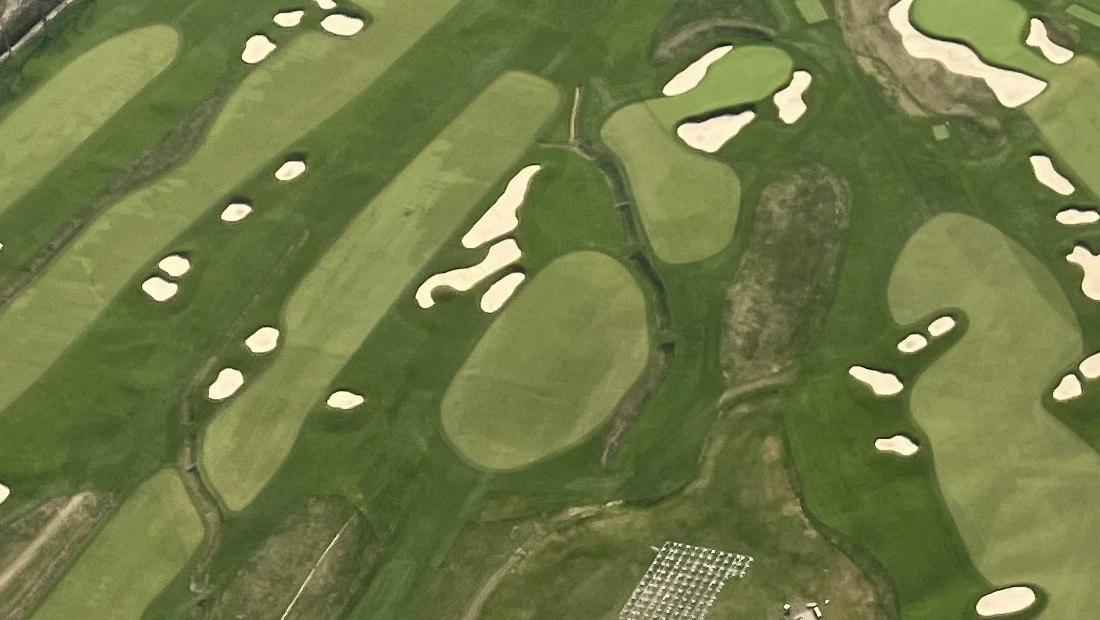
It worked so completely that Oakmont became the template for the tree-removal movement that has since swept American golf. The most recent chapter was a full historic restoration by Gil Hanse and Jim Wagner in 2023–24: all 168 bunkers rebuilt to Fownes-era aerial photographs, every green expanded back toward its original size, the club's original 1.1-mile network of drainage ditches reopened, around 125 yards added, and two more rows tacked onto the Church Pews. Those restored ditches are the dark lines you can pick out across the fairways in the aerial photograph above.
The holes that decide U.S. Opens
The 8th is the one that breaks people — a par 3 listed at 253 yards for most of its life, which was longer than the average tour drive when Hogan won here in 1953. It has been stretched further for modern championships: 301 yards in the final round of the 2025 U.S. Open, the longest par 3 in major championship history. Barely a quarter of the field found the green when it played 300 in 2007.
The 3rd and 4th share the Church Pews, with Hanse's restoration pushing the 3rd out to around 462 yards. The 18th climbs uphill to the clubhouse and is where Spaun's putt of roughly 65 feet dropped in 2025 — a finish that also, incidentally, turned the zero-torque putter he was using into the most talked-about club in golf. We've written about why zero-torque putters took over if that's the rabbit hole you want.
For the roll of honour: Tommy Armour (1927), Sam Parks Jr. (1935), Ben Hogan (1953), Jack Nicklaus (1962, his first professional win, beating Arnold Palmer in a playoff), Johnny Miller (1973, with a final-round 63 from six shots back), Larry Nelson (1983), Ernie Els (1994), Ángel Cabrera (2007), Dustin Johnson (2016) and J.J. Spaun (2025). Oakmont has also hosted three PGA Championships, six U.S. Amateurs and two U.S. Women's Opens.
When to go
Western Pennsylvania's golf season runs roughly mid-March to early November, with genuinely reliable conditions from May to October. The sweet spots are May–June and September–October: comfortable temperatures and the fewest weather interruptions, with October adding western PA's autumn colour.
July and August are humid — properly humid — and afternoon thunderstorms are a real planning factor rather than a footnote. The 2025 U.S. Open final round was suspended by a storm at four in the afternoon. Early spring and late autumn bring frost delays, so an April trip can be dry and beautiful but slow to get going.
Getting there, staying, eating
Pittsburgh International (PIT) is the gateway, and the geography is slightly annoying: the airport is west of the city and Oakmont is about 15 miles north-east of downtown, so you cross the whole metro. Budget roughly 45 minutes to an hour by car depending on traffic. There's no useful passenger rail out to Oakmont — this is a hire-car trip, and you'll want the car anyway for Nemacolin and Olde Stonewall.
For a base, the Oakmont Inn in neighbouring Verona is a short hop from the club, and there's a cluster of chain hotels at Harmarville a couple of miles away. If you'd rather have a city than a suburb, the Omni William Penn downtown is the grand old Pittsburgh address. Playing Nemacolin's two Dye courses is much better as an overnight than a commute, so split the trip: a night or two at Nemacolin in the Laurel Highlands, the rest in or near Pittsburgh.
Eat at Hoffstot's Cafe Monaco on Allegheny Avenue, the Oakmont institution since 1971, and detour to Oakmont Bakery — a genuine local landmark that opens at 6am, which is to say before your tee time. In the city, Tessaro's in Bloomfield does the hardwood-grill burger that Pittsburgh argues about.
How to build the trip
Treat Oakmont as the pilgrimage, not the round. It's a landmark you go and look at — the approach over the Hulton Bridge, the clubhouse, the sheer scale of the bunkering visible from the road — and the 2025 U.S. Open has made it a destination in its own right. Then play golf you can actually book.
A tidy four-day version: land at PIT and play Quicksilver on the way in; drive out to Nemacolin for a night and take on Mystic Rock and Shepherd's Rock; come back north for Olde Stonewall; and build in a morning at Oakmont as a spectator, plus Pittsburgh itself, which is a far better city than its reputation suggests. If you want to double up, our guide to surviving a 36-hole day applies directly to the Nemacolin pair.
And if the U.S. Women's Open in 2028 or the record 11th U.S. Open in 2033 is your excuse to visit — that is genuinely the one way to walk Oakmont's fairways without knowing a member.
What to pack
The kit this trip demands
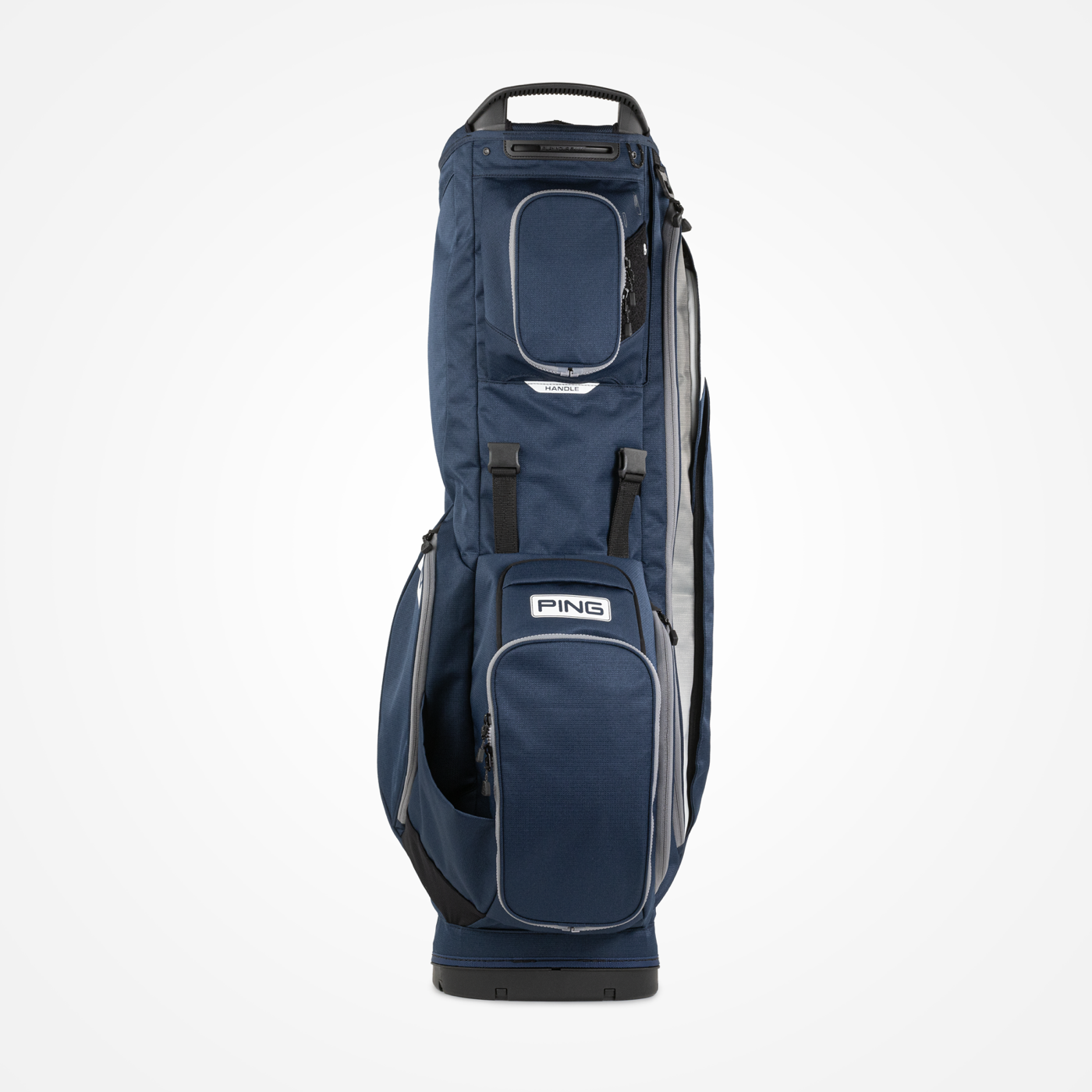
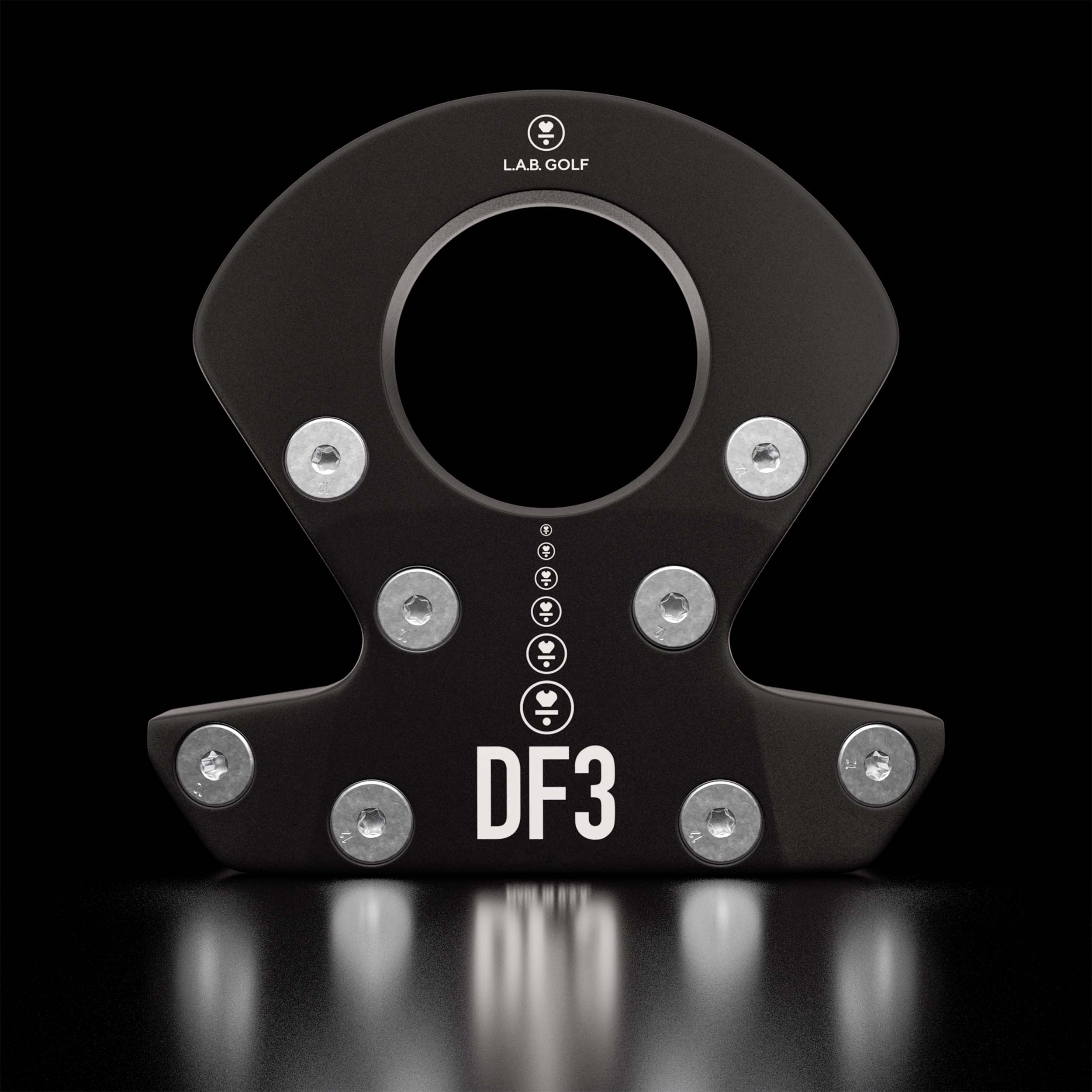
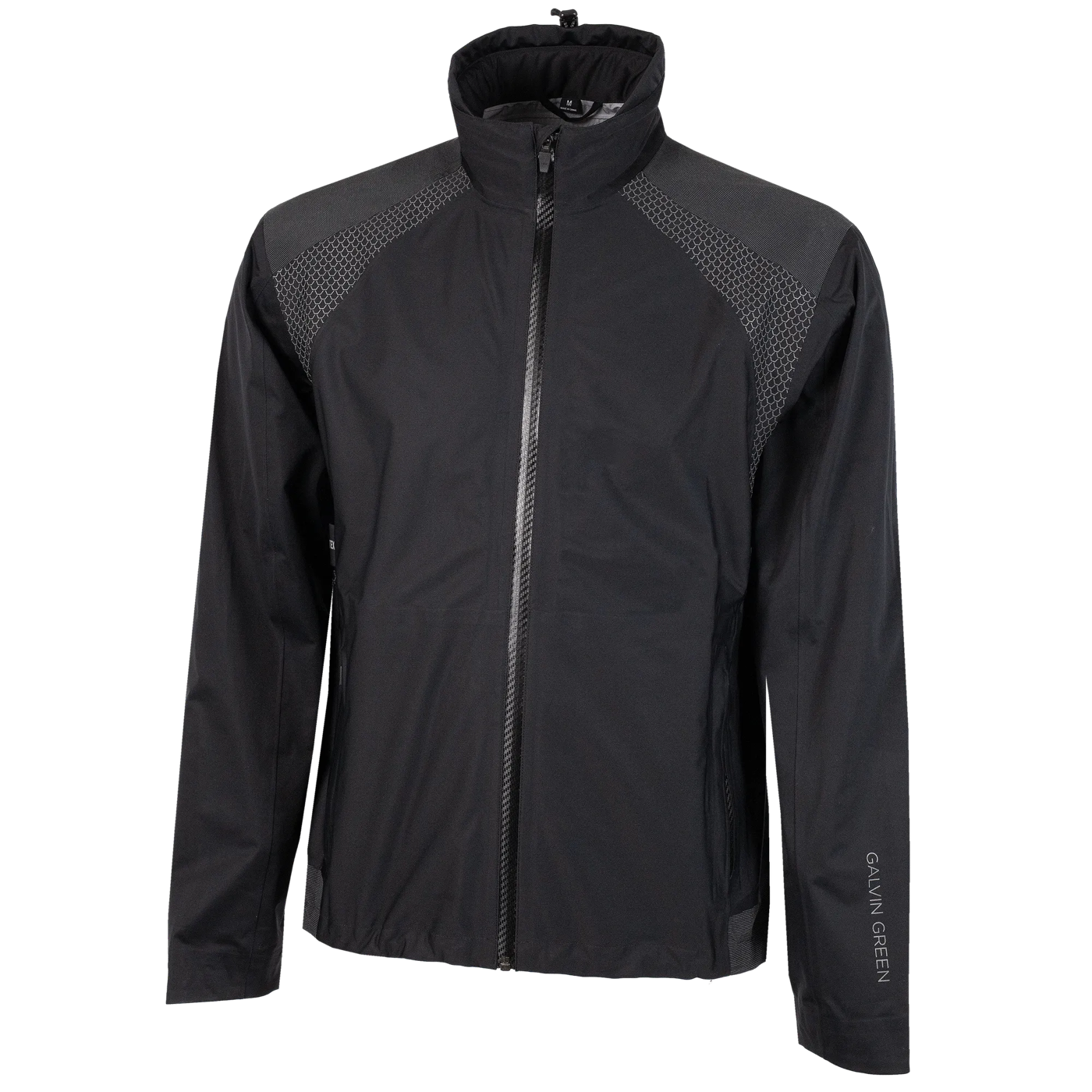
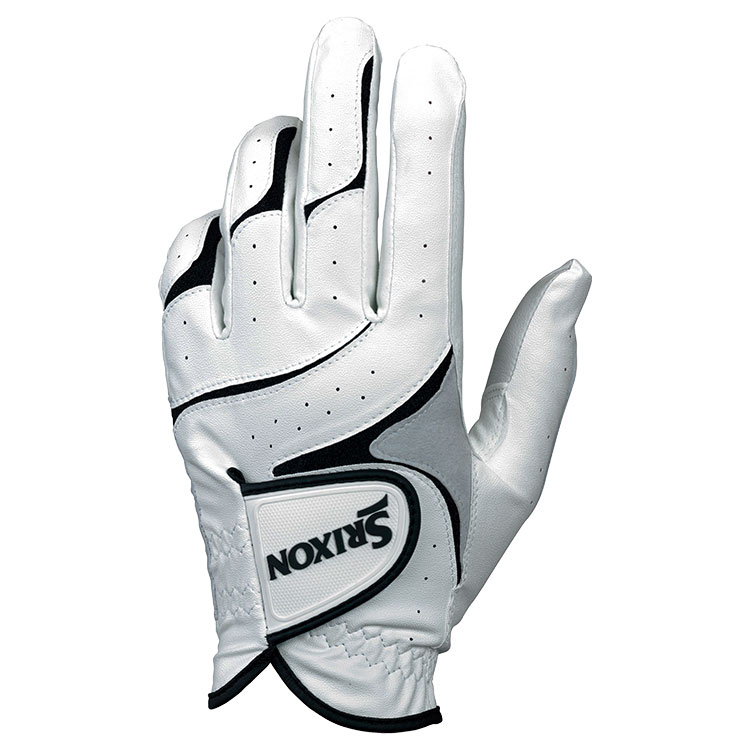
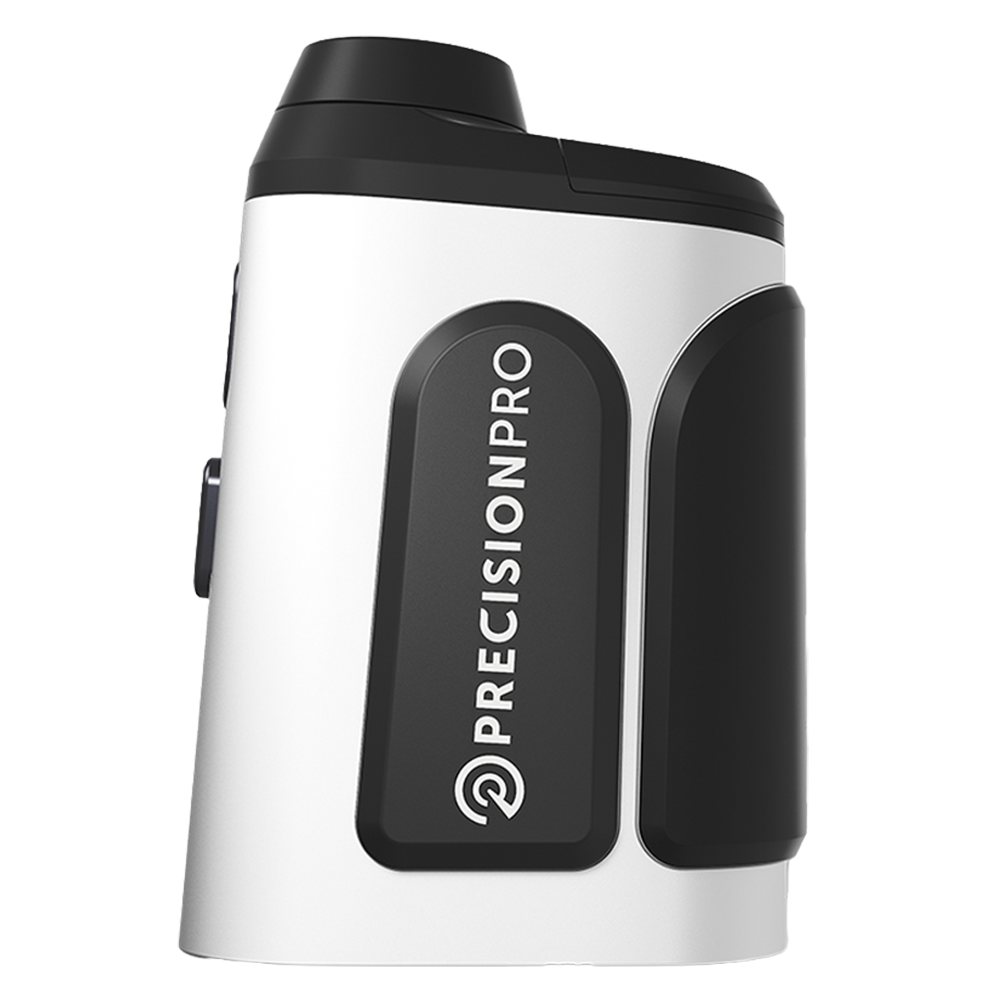
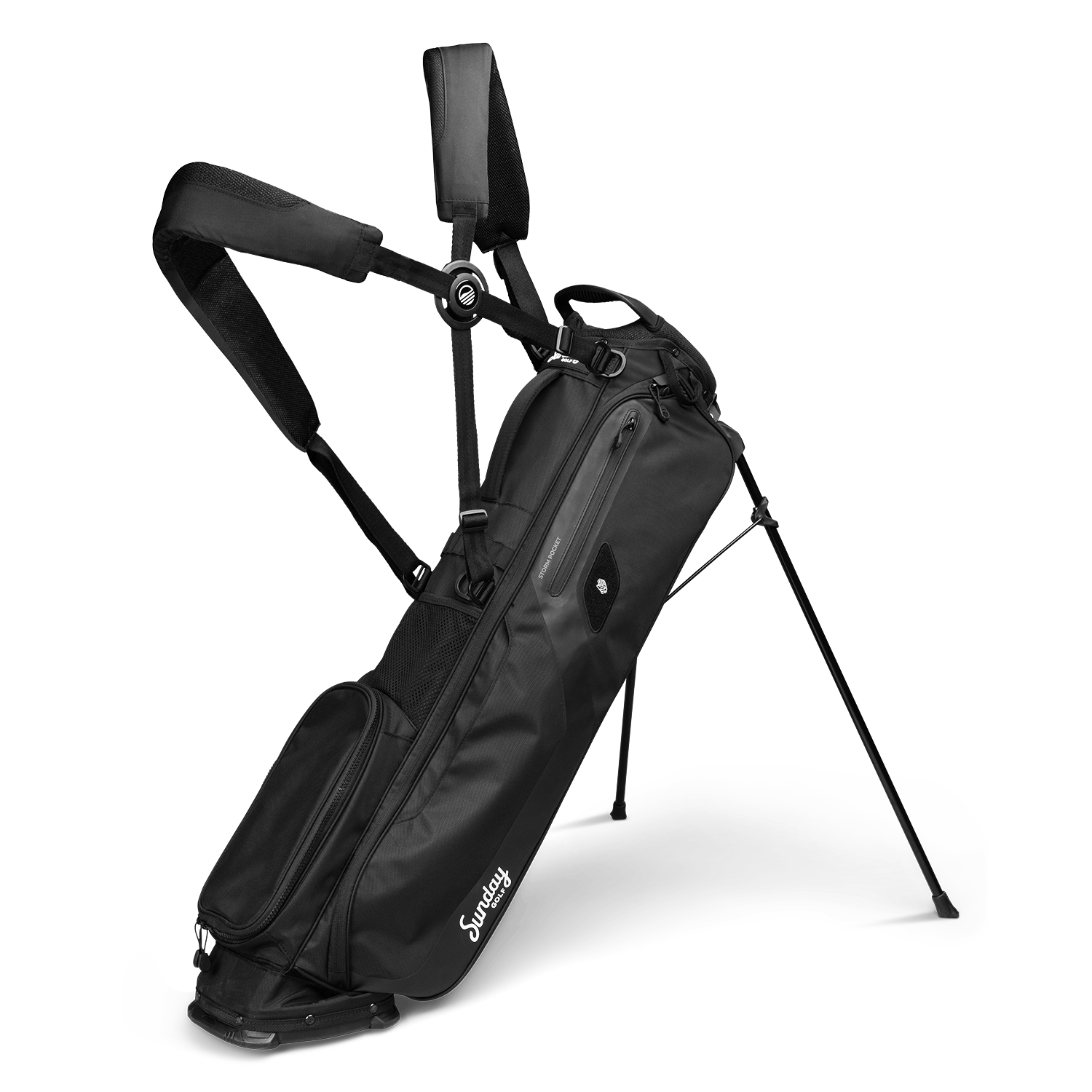
Oakmont is a hilly walk with four-inch rough, heavy sand and greens quicker than anything you've putted on. If you're playing the Pittsburgh public courses in the same conditions, this is what actually earns its place:
Oakmont is walking-and-caddie by design, and western PA courses roll over serious terrain — a carry bag that sits properly on your back beats a cart you can't take.
No. Oakmont is a private members' club with no public tee times, no open day and no visitor booking route. Play requires an invitation from a member, who arranges your arrival in advance through Member Services at the security gate. Any site quoting you a green fee for Oakmont is inventing it.
How many U.S. Opens has Oakmont hosted?
Ten — more than any other course: 1927, 1935, 1953, 1962, 1973, 1983, 1994, 2007, 2016 and 2025. Across all USGA championships it has hosted 17, second only to Merion.
When is the next U.S. Open at Oakmont?
2033, which will be a record-extending 11th. Oakmont is a USGA "anchor site", so it's also scheduled for 2042 and 2049, plus the U.S. Women's Open in 2028 and 2038. Note that older sources still list 2034 — the date moved when Oakland Hills was awarded 2034.
What are the Church Pews at Oakmont?
One enormous bunker of roughly 100 by 40 yards between the 3rd and 4th fairways, divided by a dozen-plus grass-covered ridges that resemble church pews from a distance. It began as a set of separate bunkers and was consolidated into its current form for the 1935 U.S. Open. Gil Hanse added two further rows in his 2023–24 restoration.
How fast are Oakmont's greens?
Its poa annua greens have run 13 to 14 on the Stimpmeter, among the fastest championship surfaces in the world. Fittingly, the Stimpmeter itself was invented because of Oakmont — Edward Stimpson devised it after watching Gene Sarazen putt off a green at the 1935 U.S. Open there.
What can you actually play near Oakmont?
Four genuinely public options: Mystic Rock and Shepherd's Rock, both Pete Dye courses at the Nemacolin resort in the Laurel Highlands about 70 miles south-east; Olde Stonewall at Ellwood City to the north-west; and Quicksilver at Midway, west of the city. Mystic Rock is ranked Pennsylvania's best public course.