Kiawah Island golf guide: playing the Ocean Course
Home of Pete Dye's Ocean Course — Ryder Cup and PGA host — plus four more courses near Charleston. How to play it, when to go, and how to get a tee time.
Kiawah Island is a barrier-island resort about an hour from Charleston, South Carolina, and it's home to one of the most storied courses in modern golf: the Ocean Course. Pete Dye's seaside test hosted the 1991 Ryder Cup — 'the War by the Shore' — and the 2012 and 2021 PGA Championships, and it has the most seaside holes in the Northern Hemisphere. Around it sit four more resort courses by a roster of marquee architects.
It pairs big-tournament pedigree with a full Lowcountry resort experience anchored by the five-star Sanctuary hotel. Here's how to plan it: the courses, when to go, how to get there, where to stay, and how to secure a round on the Ocean Course.
Where
Kiawah Island, near Charleston, South Carolina, USA
Courses
The Ocean Course + Turtle Point, Osprey Point, Cougar Point, Oak Point (5 courses / 90 holes)
Nearest airport
Charleston (CHS) ~45 min–1 hour
Best time
Spring & fall; summer hot & humid; winter mild & quiet
Access
Public — resort guests get earlier tee-time windows, esp. the Ocean Course
Pete Dye (with Alice Dye) · 1991 · 18 holes · Seaside / links-style
1991 Ryder Cup + 2012 & 2021 PGA Championship host; once named America's toughest course
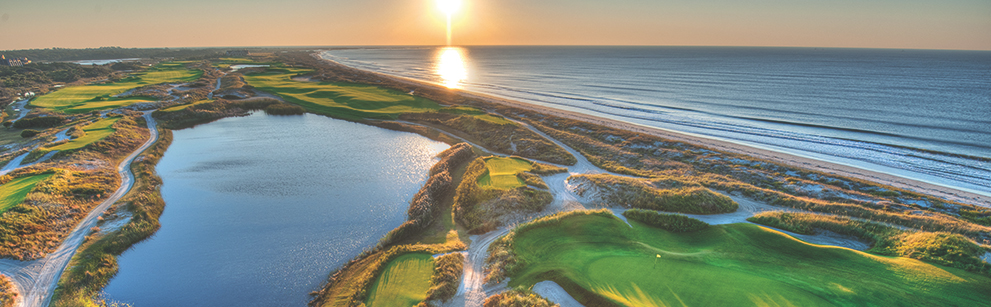
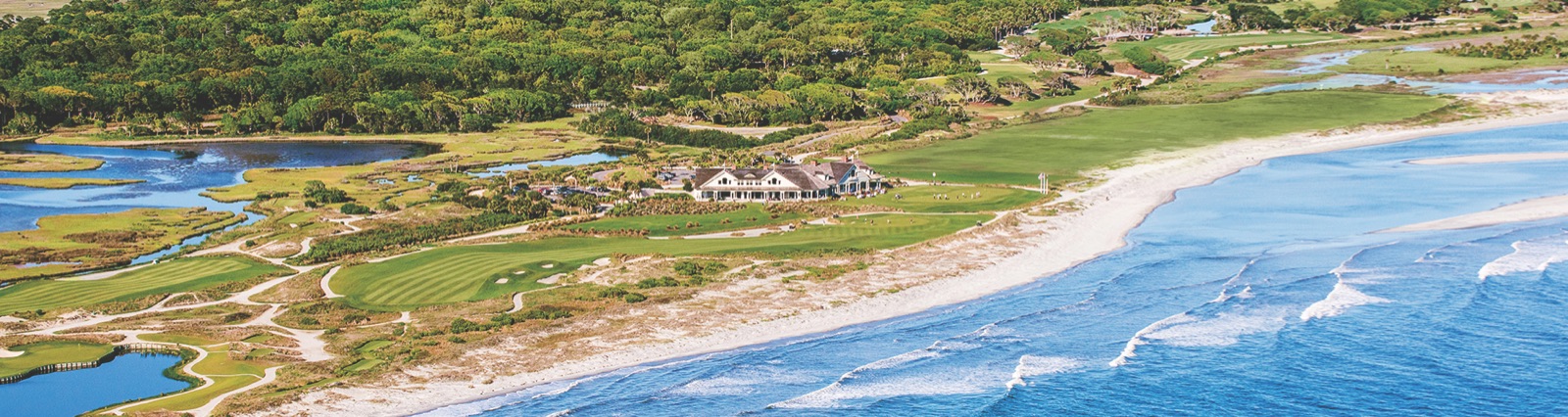
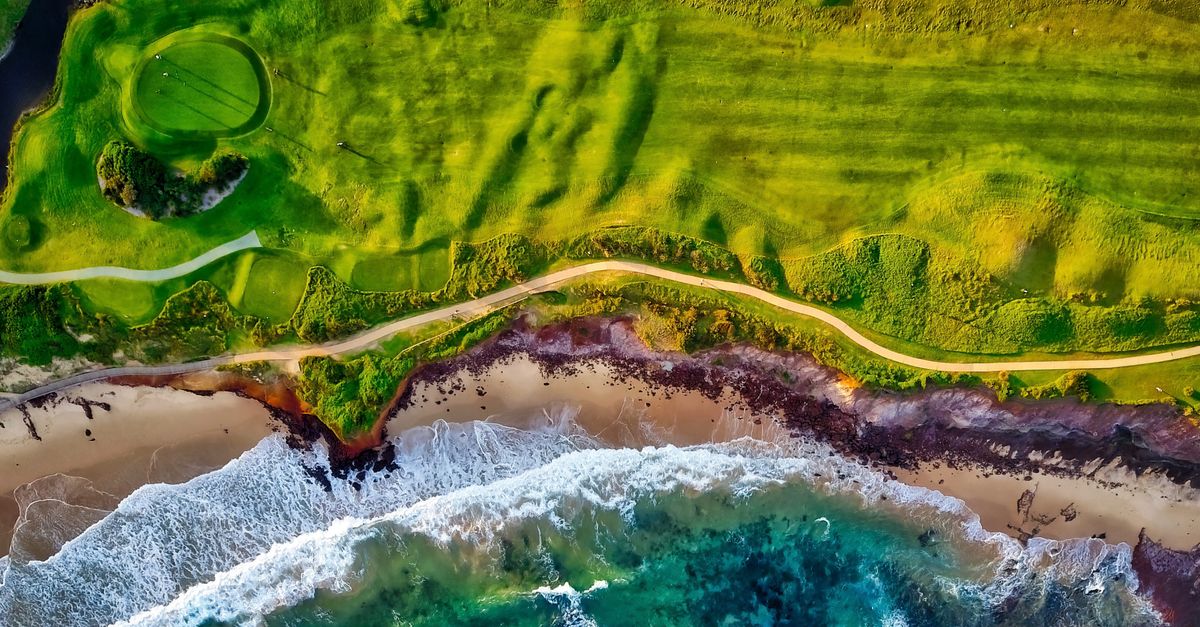
The headliner and a genuine bucket-list round. Built expressly to host the 1991 Ryder Cup, it has ten holes hugging the Atlantic and eight running just behind them, styled after Scottish and Irish links and adapted to the Lowcountry. Constant coastal wind and Pete Dye's demands make it one of the toughest courses anywhere — Golf Digest once named it the hardest in America — and it returns for the 2031 PGA Championship.
Turtle Point, Osprey Point, Cougar Point & Oak Point
The resort's four supporting courses are a strong line-up in their own right: Turtle Point (Jack Nicklaus), with a coastal-dunes back nine; Osprey Point (Tom Fazio, 1988), among lakes and saltwater marsh; Cougar Point (Gary Player, renovated 2017); and Oak Point (Clyde Johnston, 1989), just off-island by the Kiawah River. Quieter and more forgiving than the Ocean Course — ideal around your marquee round.
How to play the Ocean Course
All five courses are open to the public — no membership — but resort guests get earlier booking windows and materially better availability, especially for the Ocean Course on peak dates, so book well ahead. The Ocean Course is walking-only outside June–August (carts allowed after 10am those three months), and a caddie or forecaddie is part of the experience. Plan it as the must-play centrepiece and fill out the trip with the quieter Nicklaus/Fazio/Player courses.
When to go
Spring (April–May) and fall (September–October) are the sweet spot — warm, comfortable and the prime golf season. Summer is hot and humid with afternoon thunderstorms; winter is mild, quiet and the most affordable, if cooler and breezier. Honest take: coastal wind is a constant on the exposed Ocean Course and can turn an already brutal test punishing, so spring and fall balance weather, wind and conditioning best.
Getting there
Fly into Charleston International (CHS), about 27–30 miles and a 45-minute-to-one-hour drive to the island. There's no transit to Kiawah, so a rental car is essentially required to reach and get around.
Where to stay & eat
The flagship is The Sanctuary, a five-star oceanfront hotel and spa; the resort also has extensive villas and private homes for groups and longer stays. Booking accommodation directly through the resort is the key lever for golf — it unlocks earlier tee-time windows and better Ocean Course access. Charleston, an hour away, is one of America's great food cities if you want to pair golf with it.
What to pack
The kit this trip demands
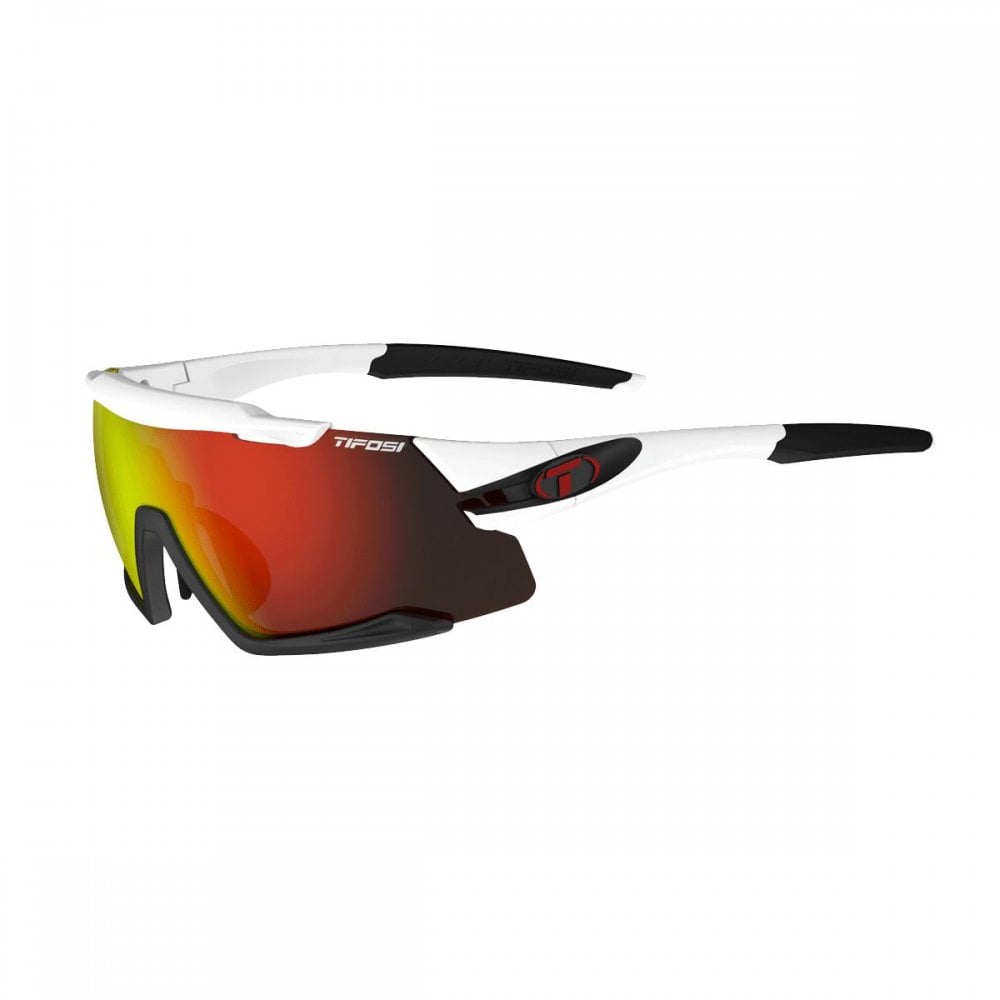
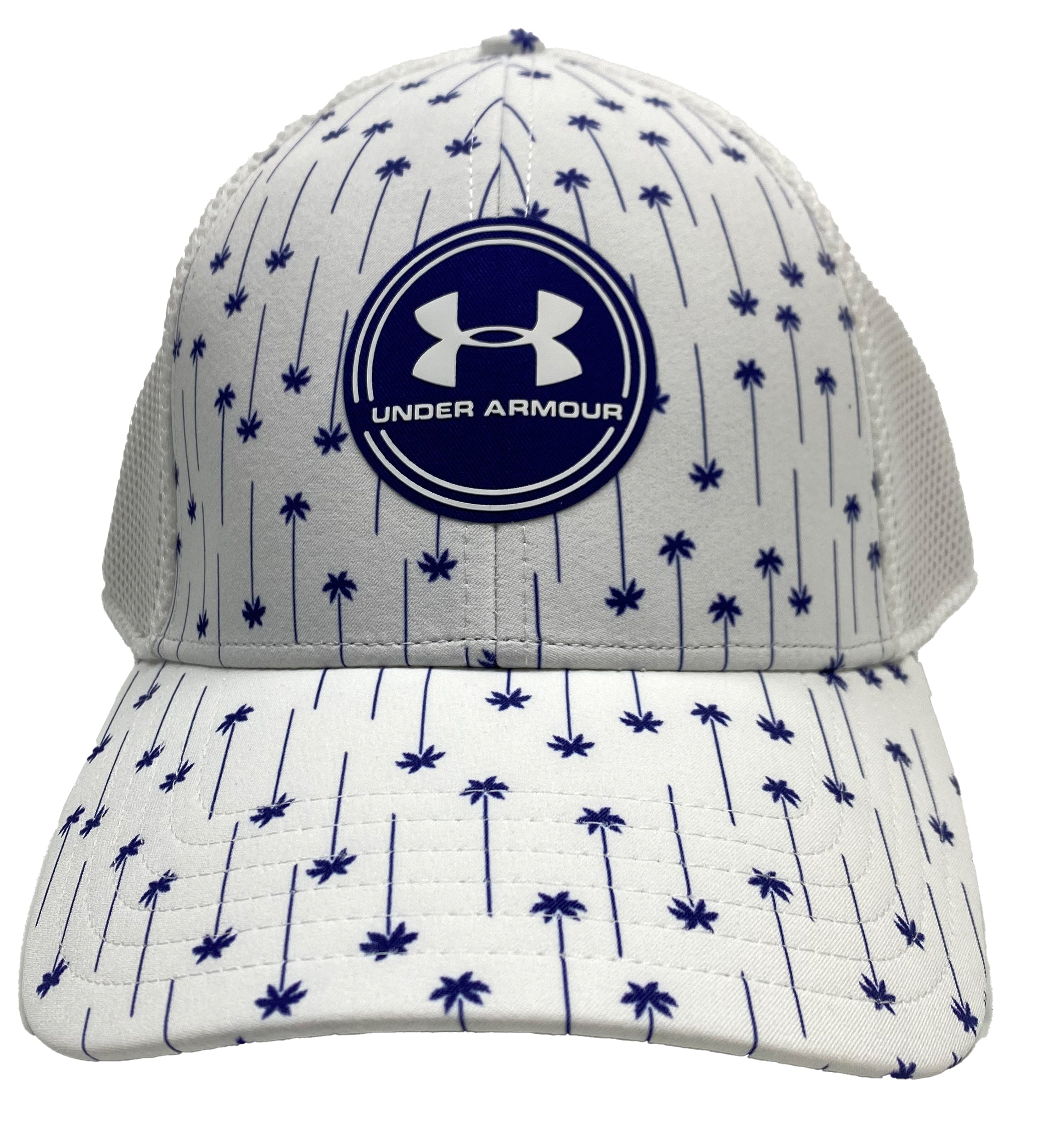
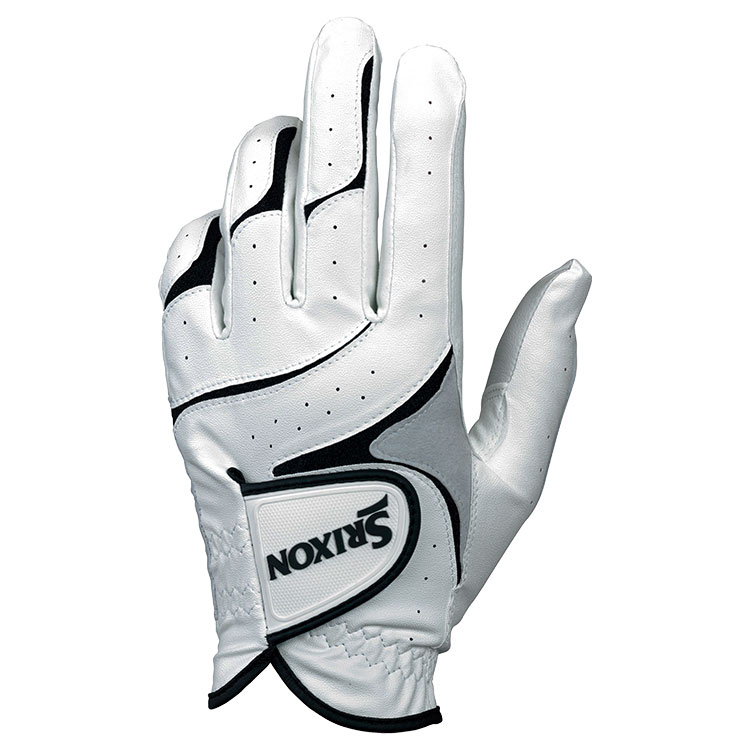
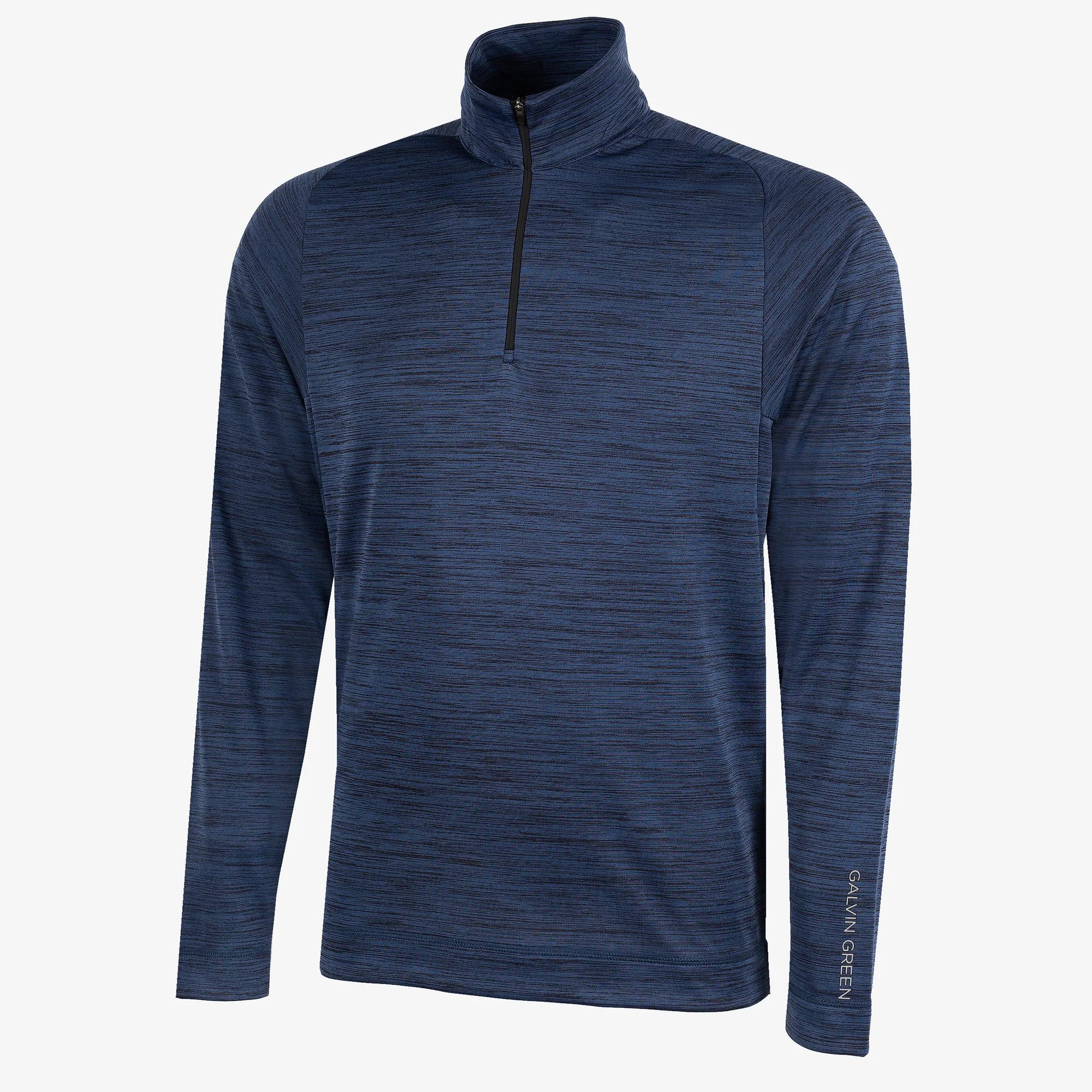
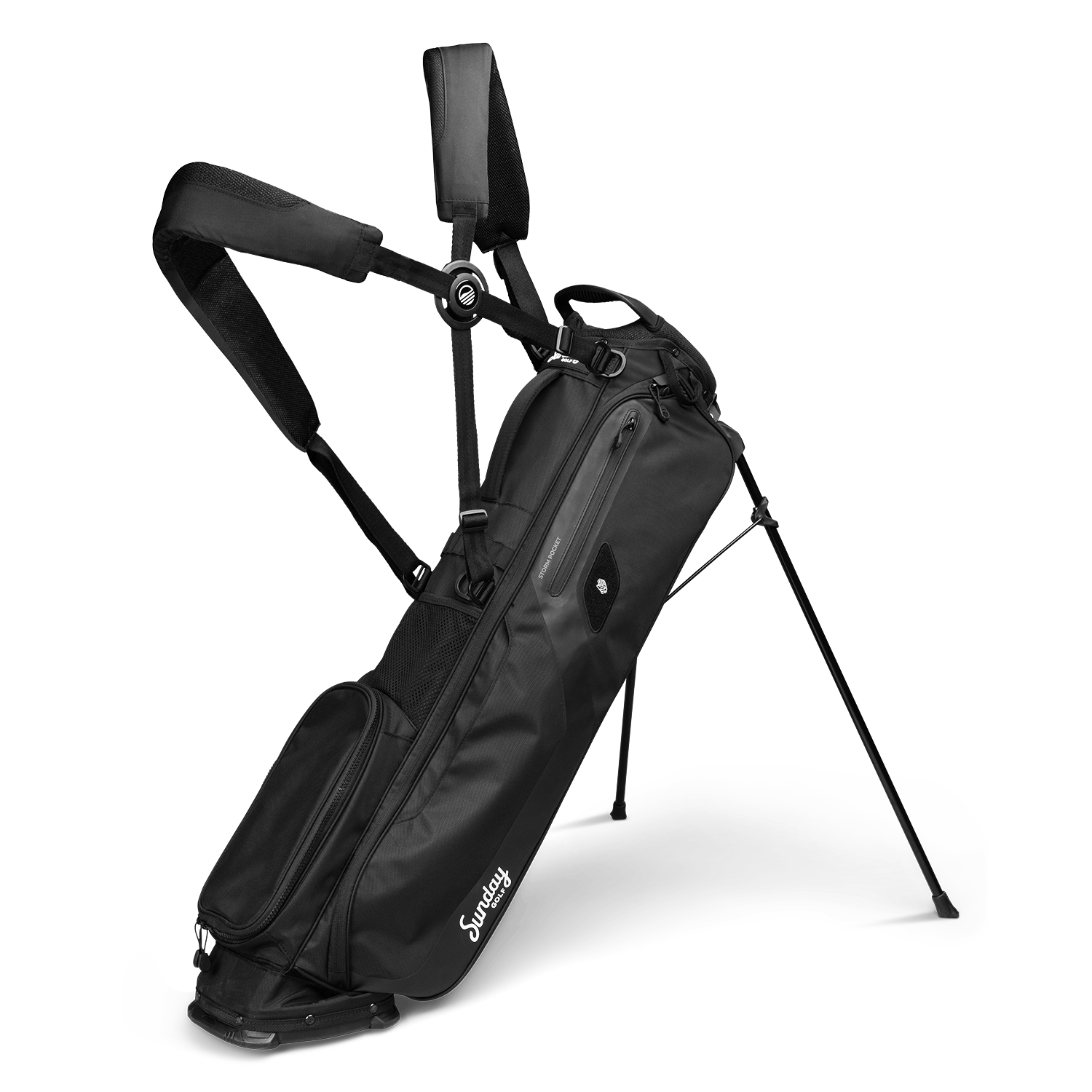
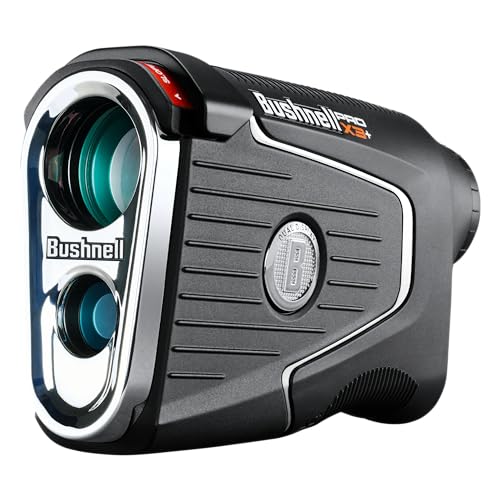
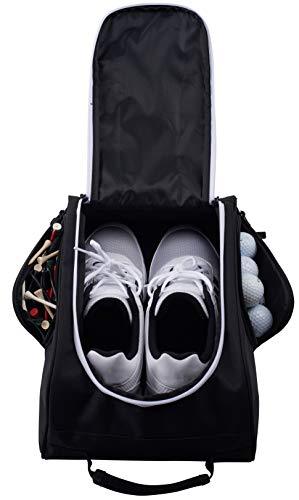
Kiawah is warm, humid Lowcountry golf with serious wind on the exposed Ocean Course — pack for heat, glare and a stiff sea breeze:
Yes — it's a public resort course with no membership required. Resort guests get priority booking windows and much better availability, and it's best reserved well in advance.
How many golf courses are at Kiawah?
Five, totalling 90 holes: The Ocean Course, Turtle Point, Osprey Point, Cougar Point and Oak Point.
What's the best time to play Kiawah?
Spring and fall offer the most comfortable weather and best conditions; summer is hot, humid and stormy (though carts are allowed on the Ocean Course those months), and winter is mild, quiet and cheaper but breezier.
How far is Kiawah from Charleston airport?
About 27–30 miles from Charleston International (CHS), roughly a 45-minute-to-one-hour drive. A rental car is essentially required.
Why is the Ocean Course so hard?
Constant coastal wind, exposed dune-and-marsh terrain, the most seaside holes in the Northern Hemisphere, and Pete Dye's demanding design combine to make it one of the toughest courses anywhere — Golf Digest once named it America's toughest.