
AI swing apps and smart wearables in 2026: worth it?
App coaching and swing sensors can genuinely help — but only if you'll do the reps. The honest take on what moves your scores and what's just expensive data.
By Tom Whitaker · Staff Writer
 Explained
Here is the honest take for 2026: AI coaching apps and swing wearables can genuinely help your golf, but only if you actually do the reps they prescribe. Most golfers over-buy data and under-practise. A sensor or an app that tells you your face was two degrees open changes nothing on its own — the fundamentals of strike, contact and on-course decisions move the needle far more than another stream of numbers. Buy the tool to support a habit you already have, not to manufacture one.
What's actually out there in 2026
The category has four broad buckets, and it helps to keep them separate. First, AI coaching apps that analyse a video of your swing from your phone and return feedback or drills. Second, swing sensors — small clips or grip-mounted units that capture tempo, plane and path. Third, shot-tracking systems that log where every shot in a round went, building a picture of your real strengths and misses over time. Fourth, GPS smartwatches like the Garmin Approach S70, which sit on your wrist for yardages, hole maps and on-course club suggestions.
These overlap — plenty of devices now blur shot-tracking, GPS and basic swing data into one package — but they answer different questions. A coaching app and a swing sensor try to change how you swing; shot-tracking and GPS try to improve how you manage the course with the swing you have. Knowing which problem you are solving is most of the buying decision, and it is the same logic we apply to hardware in launch monitors explained.
The AI label has spread across all four buckets in 2026, and it is worth being clear-eyed about what it means. In practice it is pattern-matching: a model trained on swings or shot data that compares yours against the patterns it has seen and flags what looks off. That is genuinely useful for spotting a trend you would miss yourself — a consistent over-the-top move on video, or a wedge gap your scorecard quietly reveals. It is not a coach who understands your body, your injuries or why you are doing the thing it flagged. The smartest owners treat AI output as a well-informed prompt and take it to a human, rather than chasing whatever the app highlighted that week.
What actually helps vs hype
What genuinely helps is anything that improves a decision you make repeatedly, or a habit you will stick to. Shot-tracking is the quiet winner here: see in cold data that you miss greens long-right or that your real wedge distances are shorter than your ego thinks, and you make better choices every round with no swing change at all. GPS yardages remove guesswork and speed up play. A swing sensor or app earns its keep if it gives you one clear thing to work on and you then go and work on it.
The hype is the implied promise that the data itself is the improvement. It is not. Coaches and serious owners broadly agree that more numbers without a plan just creates paralysis — golfers chasing a prettier graph instead of better contact. AI feedback in particular should be read as a useful second opinion, not gospel: it is pattern-matching against models, and on a poor camera angle it can be confidently wrong. Treat it as a prompt for practice or a conversation with a coach, not a replacement for either. The fundamentals — centre-face strike, solid contact, smart targets — are still where scores are won, and no wearable does the reps for you.
If you want a sensible buying sequence, it goes from cheapest-and-most-useful upward. Start with shot-tracking, because logging real rounds costs little and reshapes your decisions immediately. Add a GPS watch or app if guesswork over yardages is genuinely costing you. Reach for a swing sensor or coaching app only once you have a practice habit to feed it, and only if you will act on what it says. Buying in that order means each step earns the next, rather than starting with the most data-heavy gadget and hoping motivation follows the purchase. It almost never does.
Who benefits
The golfer who benefits is the one who already practises with intent and wants structure or feedback to sharpen it — someone who will actually act on what a sensor or app tells them. Data-driven players who enjoy the numbers and play often get real value, especially from shot-tracking and a capable GPS watch that earns its place by being on the wrist every round anyway. Improvers working with a coach benefit too, because the tech gives the coach better information between lessons. If you love the granular detail and a GPS watch like the S70 will live on your wrist daily, the spend is easy to justify.
Skip it if
Skip the gadgets — for now — if you are early in the game and have not yet grooved a repeatable strike, because the highest-return move is range and short-game reps or a few lessons, not another data feed. Skip them if you know yourself well enough to admit the kit will sit in a drawer after a fortnight; honesty here saves real money. And skip the premium tier if a basic GPS app on the phone you already own covers what you need. The uncomfortable truth, which we make at length in why most range practice is wasted, is that intent beats instrumentation. Buy the tool to serve a practice habit you already keep — not in the hope of buying the habit itself.
Products mentioned in this article
Garmin
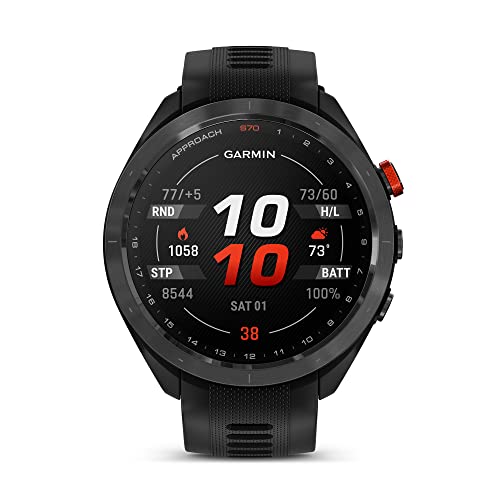
Garmin Approach S70 (47mm)
A do-everything GPS watch that also logs shots and stats — the wearable most golfers actually use.
HackMotion
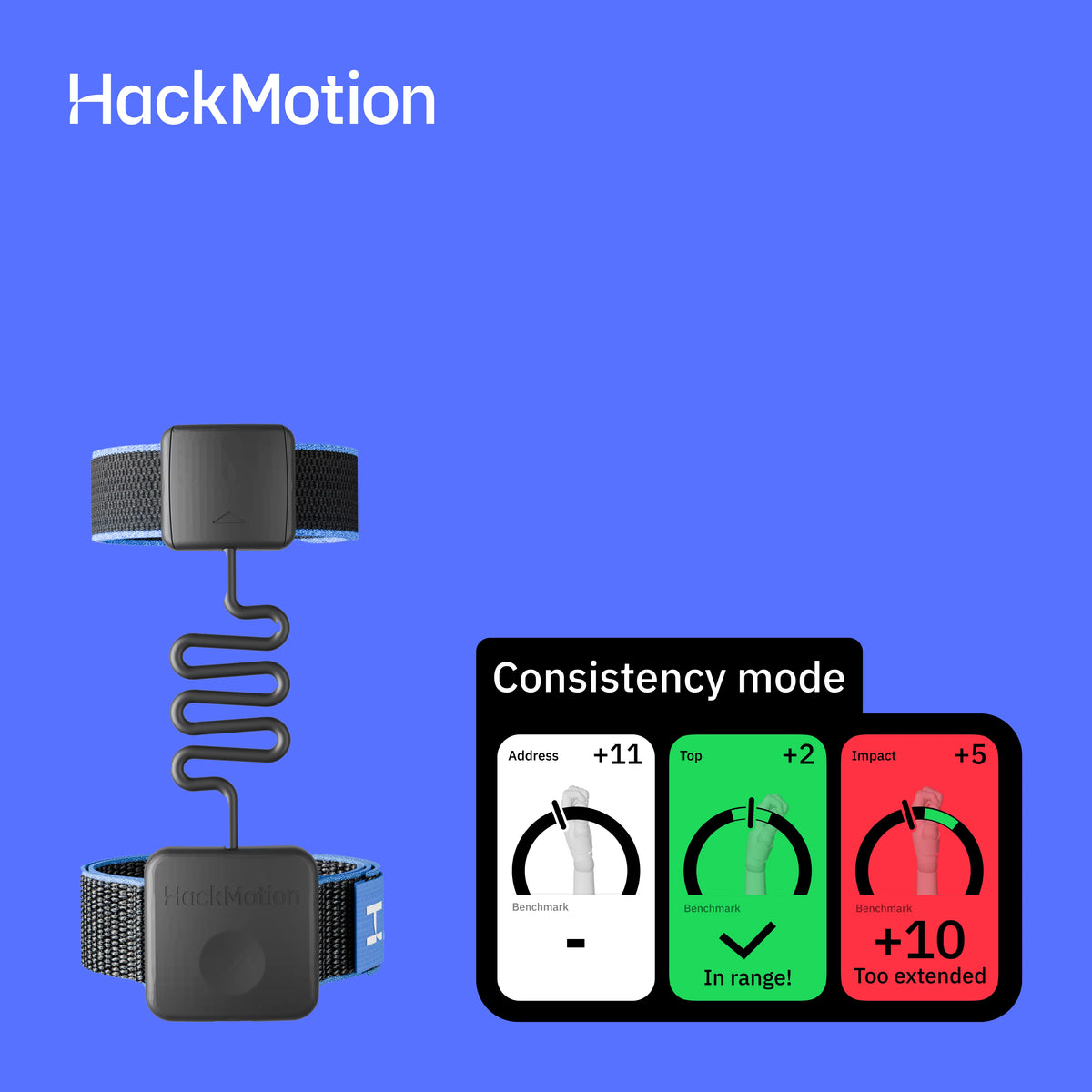
HackMotion Core Wrist Sensor
A wrist sensor that measures clubface angle through the swing — real biofeedback, not a gimmick.
ifrothgolf earns a commission on purchases made through these links, at no extra cost to you. It never changes what I recommend. Full disclosure.
Frequently asked
- Do AI swing apps actually improve your golf?
- They can, as a second opinion that gives you something specific to work on — but only if you then practise it. The app does not do the reps. Read AI feedback as a useful prompt, not gospel, and pair it with real practice or a coach.
- Are golf swing sensors worth buying?
- Worth it if you already practise with intent and will act on the feedback. If a sensor is likely to sit in a drawer after a fortnight, the money is better spent on lessons or focused range time.
- What helps more, a swing sensor or shot-tracking?
- For most golfers, shot-tracking. It improves the decisions you make every round — club choice, targets, where you really miss — without any swing change, which is often the faster route to lower scores.
- Do you need a premium GPS watch to benefit?
- No. A basic GPS app on your phone covers yardages for many golfers. A premium watch earns its place if it lives on your wrist daily and you value full hole maps and on-course club suggestions.
- Can a wearable fix a bad swing?
- No. Wearables and apps surface information; they do not change your strike or contact for you. The fundamentals are still won through practice and coaching, with the tech as support rather than substitute.
Read next
Opinion
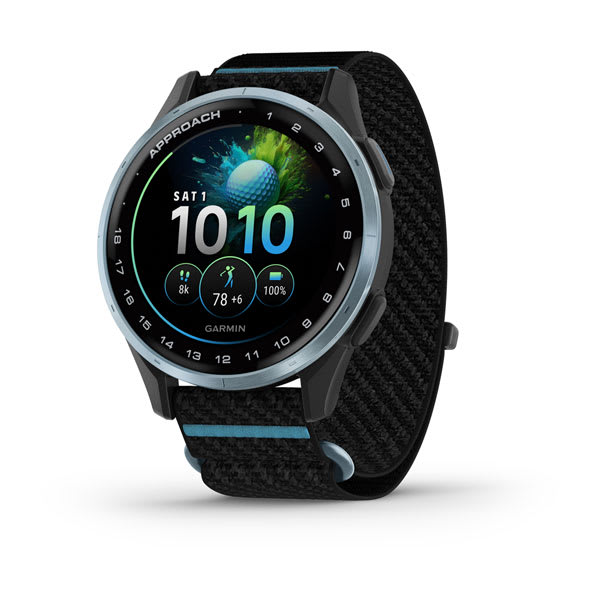
Garmin built a GPS watch just for juniors — and it's smarter than it sounds
The Approach J1 is the first golf GPS watch designed specifically for kids. It sounds like a gimmick — it isn't. Here's what it actually does, who it's really for, and where it fits.
Review
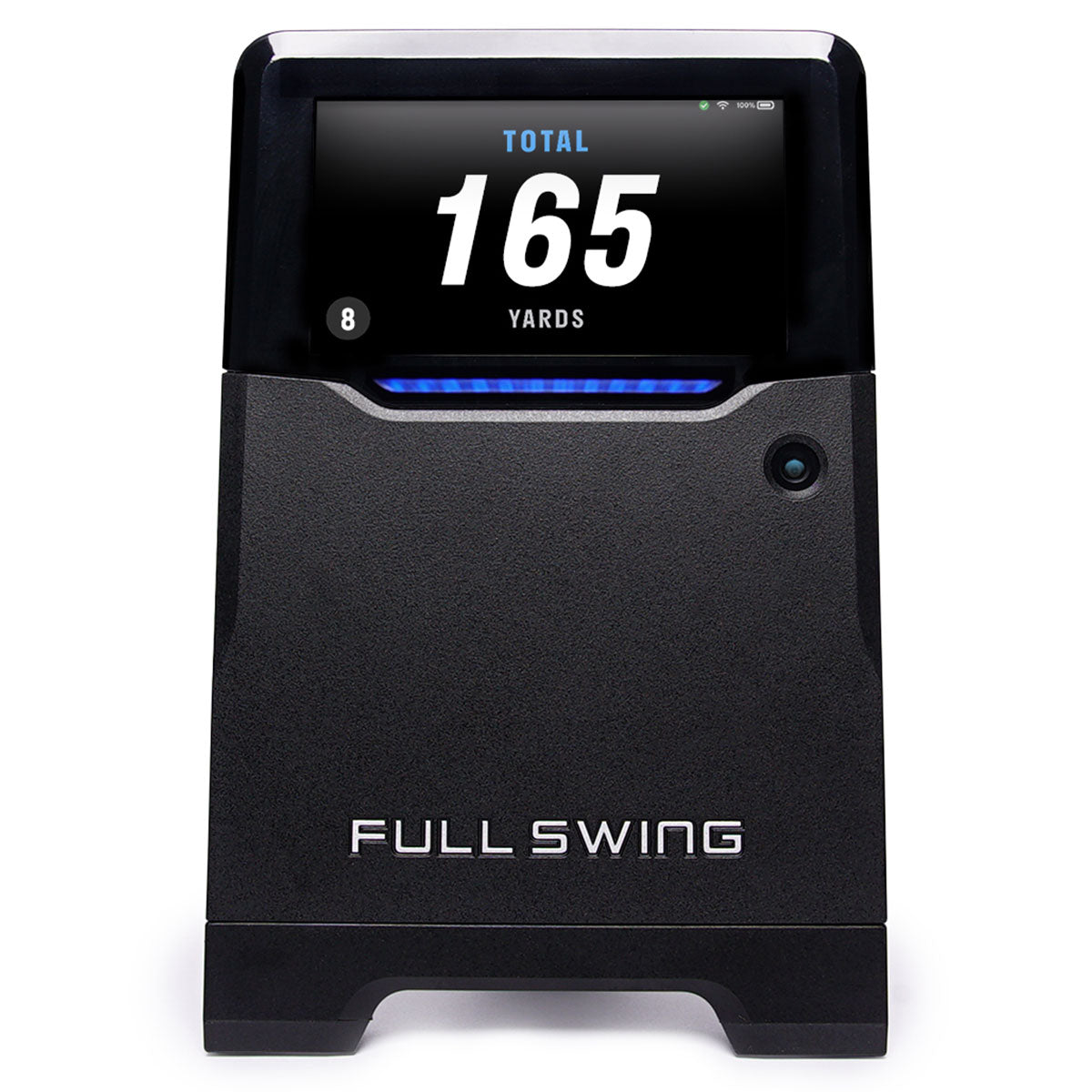
7.9/10Full Swing KIT review: the tape measure decides this, not Tiger
Tour pedigree, TGL on ESPN, and radar good enough to be checked against a Trackman outdoors. It also wants eighteen to twenty feet of room, which rules out most of the garages people buy it for.
Versus
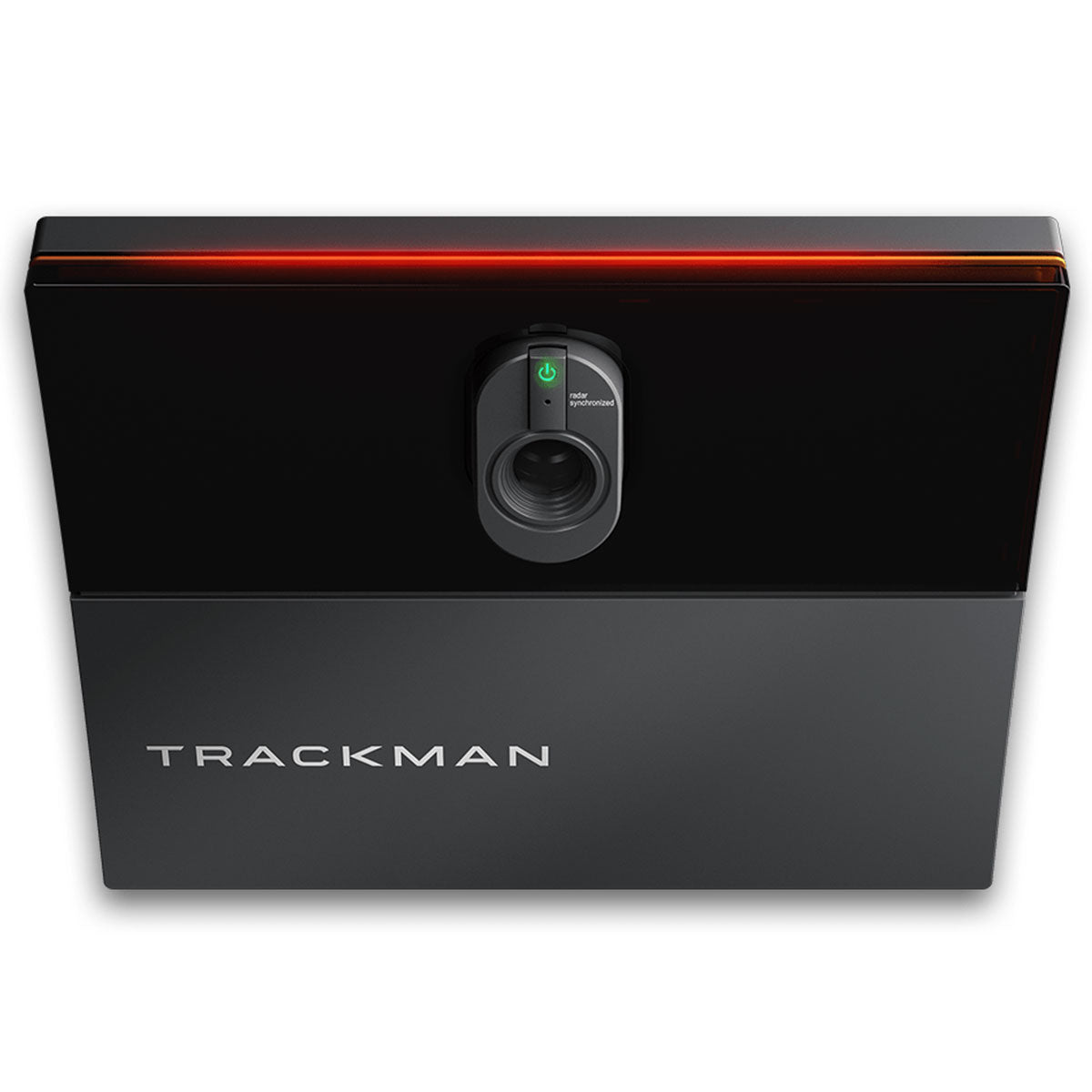
Trackman iO vs Uneekor EYE XO2: the year-one trap
Both mount overhead, both want ten feet of ceiling, and about $3,000 separates them on the shelf. Then Trackman's included first year runs out, and the gap starts growing by $1,100 a year.