
Your garage practice doesn't die in February because you lost motivation
It dies because of a small, stupid, entirely fixable thing: bending down. Twenty minutes of home practice contains about four minutes of golf and sixteen of picking balls up — and that ratio, not your willpower, is what kills the habit.
By Marcus Bell · Simulator & Indoor Golf Writer
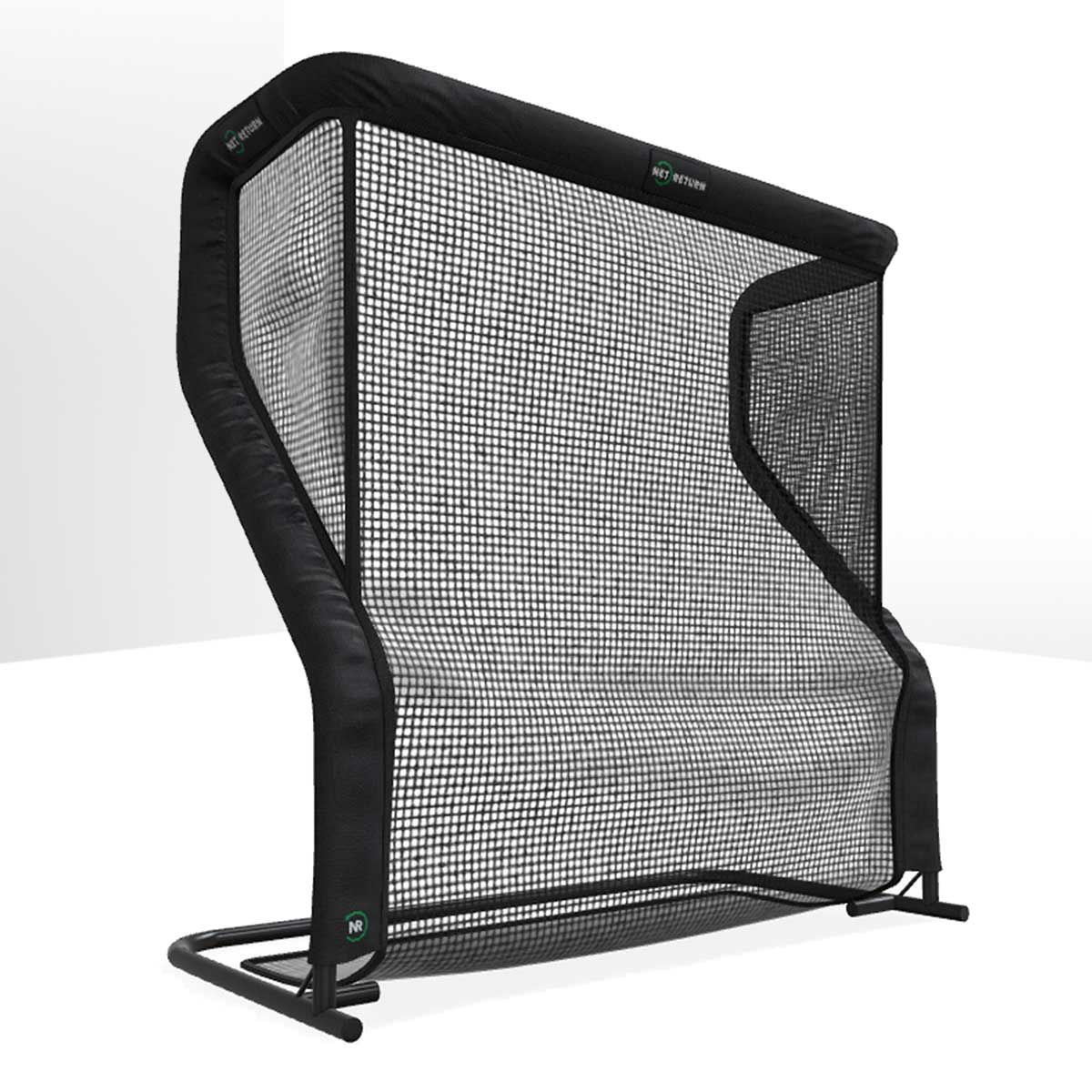
The Net Return
The Net Return Premium (Pro Series V2)
ifrothgolf earns a commission on purchases made through these links, at no extra cost to you. It never changes what I recommend. Full disclosure.
Every home practice setup fails the same way, and it's never the way people expect. The net doesn't break. The mat doesn't wear out. What happens is that some evening in February you look at the garage, do the mental arithmetic on what the next twenty minutes actually involves, and decide you'll do it tomorrow. Then you do that again. I've watched it happen to me twice and to most people I know who've built a bay, and I've come to think the standard explanation — motivation, discipline, winter — is almost entirely wrong.
Do the actual maths on a practice session
Time yourself sometime. Hit six balls into a cheap net: that's maybe ninety seconds including setup between shots. Now walk forward, bend down six times, gather them, walk back, drop them by the mat, re-tee. Two minutes, easily, and you've broken whatever rhythm you'd built. Repeat that cycle for twenty minutes and you've hit roughly forty balls, spent well over half the session as a groundsman, and stopped and restarted your swing thought eight times.
Compare that to a range bay, where a ball appears at your feet and the only decision is which club. You'll hit a hundred balls in the same twenty minutes without noticing, because nothing interrupts you. The difference isn't discipline. It's friction, and friction compounds: every session that feels like admin makes the next one slightly less likely, until the bay becomes a thing you own rather than a thing you use.
What the expensive net is actually selling
This is why The Net Return costs what it costs, and why the price makes no sense until you understand what you're buying. It is not a better barrier — a $70 net also stops a golf ball. What its patented shape does is roll every ball back to your feet, automatically, so the collecting step disappears entirely. That's the whole product, and I think it's one of the most under-explained value propositions in golf equipment, because the spec sheet talks about commercial-grade netting rated to 225mph strikes when the actual feature is you never stop swinging.
The behavioural change is not subtle. Twenty minutes goes from forty balls to well over a hundred. More importantly the session stays continuous, which is when practice starts resembling the thing you're training for — repeated swings with a consistent thought, rather than eight separate two-minute warm-ups. And because nothing about it is annoying, you go back tomorrow. Over a winter that's the entire difference between a bay that changed your golf and a bay that stored the lawnmower.
The other half of the friction problem
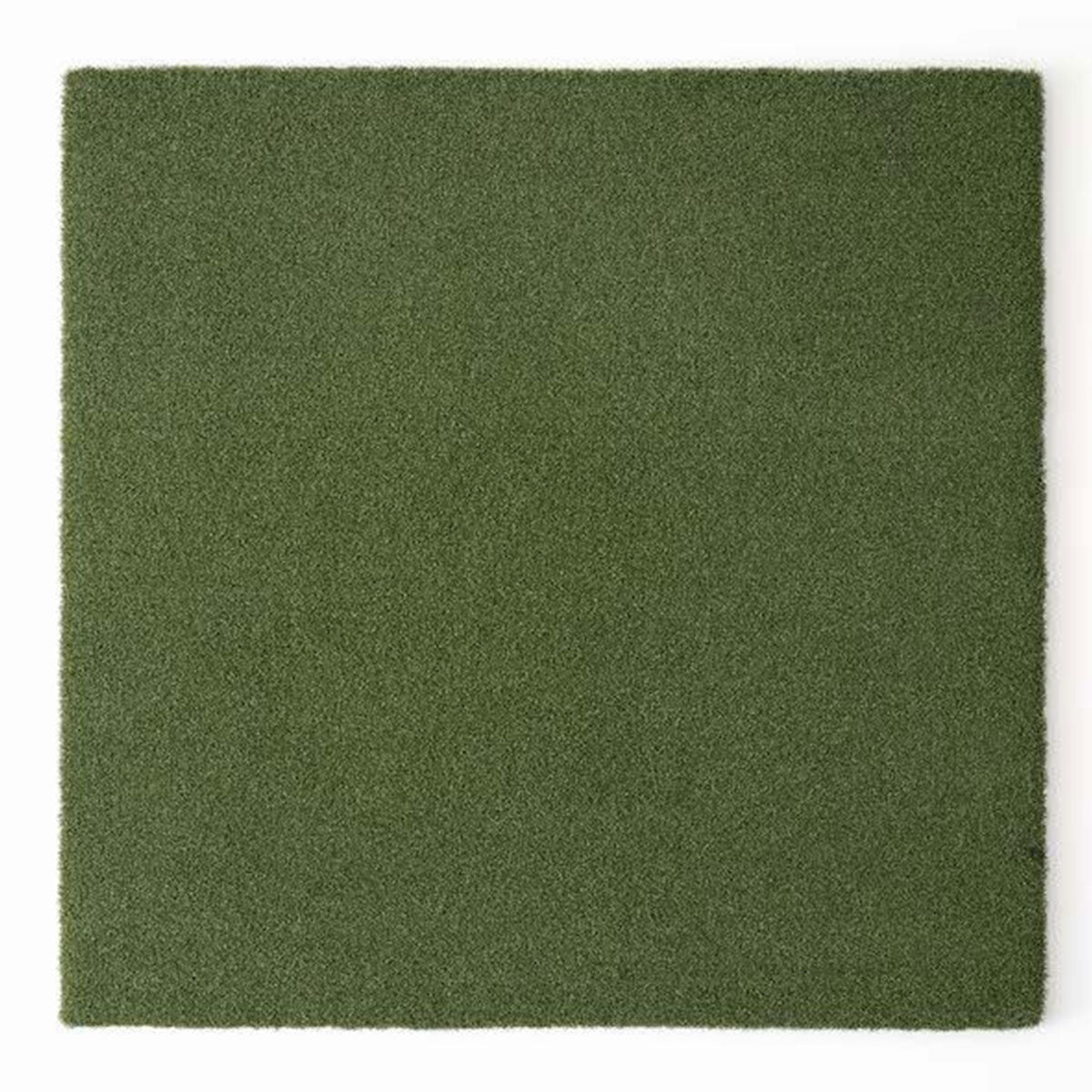
The mat matters for the same unglamorous reason, and people get this wrong by buying a strip. Stand on a garage floor and hit off a small mat and your feet sit an inch or so below the ball — a geometry error that quietly moves your low point and teaches you something you'll have to unlearn on grass. It's also harder on your joints, which becomes its own reason not to go out there in February. A full-size mat like the PlayBetter SimStudio 5x5 puts your stance and the ball on one continuous surface, which fixes both problems at once. Our don't cheap out on the mat piece makes the joint argument at length; the low-point argument is the one I'd emphasise more.
What I'd tell someone building a bay tomorrow
Spend on the two things that decide whether you'll use the room, then buy the technology with what's left. That's roughly the inverse of how everyone actually shops, because the launch monitor is the interesting purchase and the net and mat are the boring ones. But the launch monitor's value is entirely conditional on sessions happening, and the net and mat are what determine whether they do.
If the budget genuinely won't stretch, the FORB practice net is an honest bit of kit and I'd rather you had one than nothing — just go in knowing you're accepting the ball-collecting tax, and consider keeping a bucket of forty balls so you at least batch the bending. And if you're planning the whole room rather than one corner of it, our sim build planner costs it out properly, and the complete home sim guide covers the parts in the order that actually matters.
The uncomfortable bit
The gear industry sells improvement as a data problem, because data is what it has to sell. Most home practice fails at something far more basic than that: a setup that makes hitting balls mildly irritating will not survive contact with a dark Tuesday. Fix the irritation and the practice happens; fix nothing and you'll own a very accurate launch monitor with three hundred lifetime shots on it. I know which mistake is more common, and it isn't buying the wrong sensor.
Products mentioned in this article
The Net Return
The Net Return Premium (Pro Series V2)
Returns the ball to your feet — the whole argument, and worth the money.
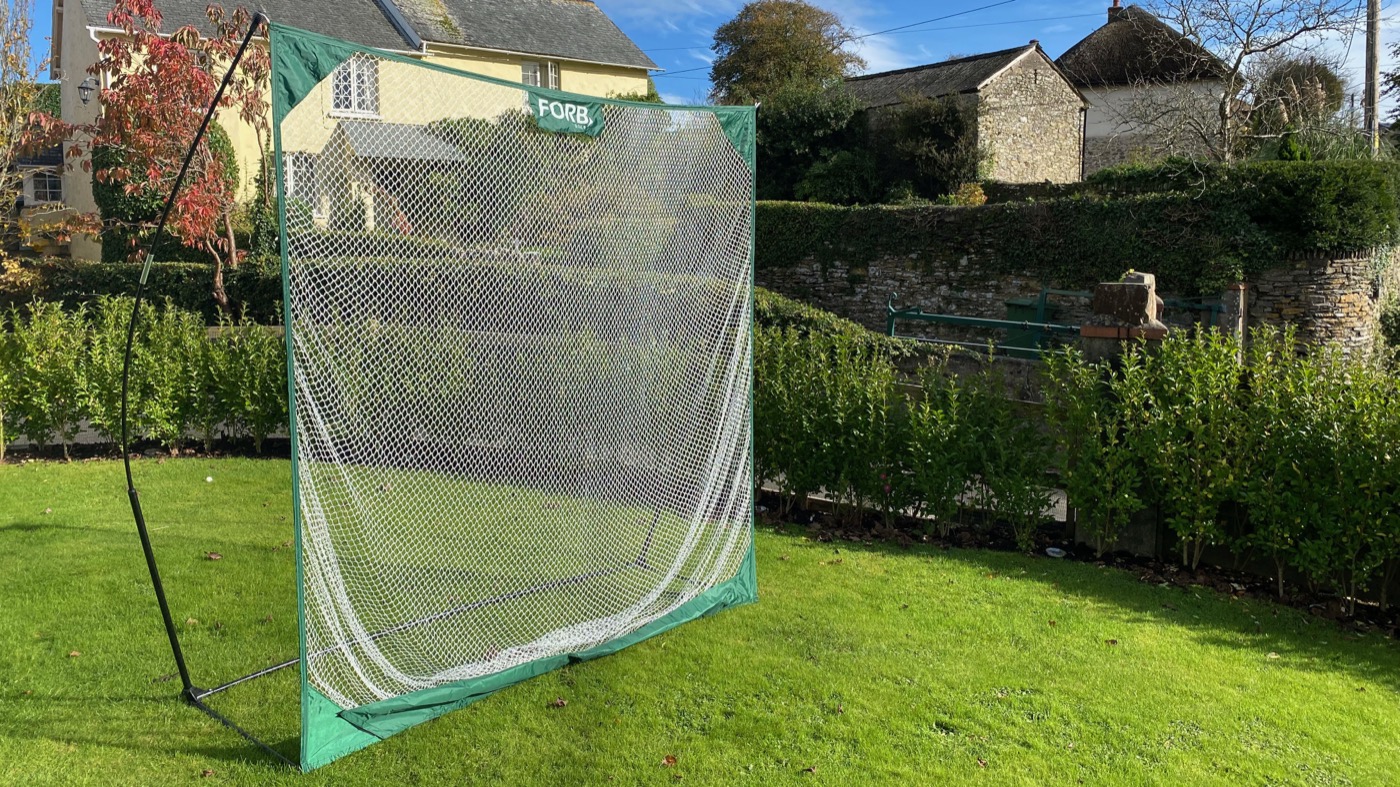
FORB
FORB Golf Practice Net (10x7ft)
The honest budget net if the spend can't stretch — just accept the ball-collecting.
ifrothgolf earns a commission on purchases made through these links, at no extra cost to you. It never changes what I recommend. Full disclosure.
Frequently asked
- Is The Net Return worth the money?
- If you will practise regularly, yes. You are not paying for a better barrier — a cheap net also stops a ball — you are paying for the ball rolling back to your feet, which roughly doubles or triples how many shots you hit in a session and removes the interruption that makes home practice feel like a chore.
- Why do home golf practice setups stop getting used?
- Almost always friction rather than motivation. With a standard net, a twenty-minute session is roughly four minutes of golf and sixteen of collecting balls, with your rhythm broken every six shots. Sessions that feel like admin get skipped, and the habit dies over a winter.
- Does the size of a hitting mat matter?
- Yes, more than people expect. A small strip mat leaves your feet on the floor an inch or so below the ball, which shifts your low point and trains something you will have to unlearn on grass. A full-size mat puts your stance and the ball on one continuous surface and is easier on your joints.
- What should I buy first for a home practice bay?
- The net and the mat. They decide whether the sessions actually happen, and the launch monitor's value depends entirely on that. Most people shop in the opposite order because the technology is the interesting purchase.
- What is a good cheap golf hitting net?
- A budget net is genuinely better than nothing, and fine if the money will not stretch — just accept that you are taking on the ball-collecting time. Keeping a bucket of forty balls at least batches the interruption instead of breaking every six shots.
Read next
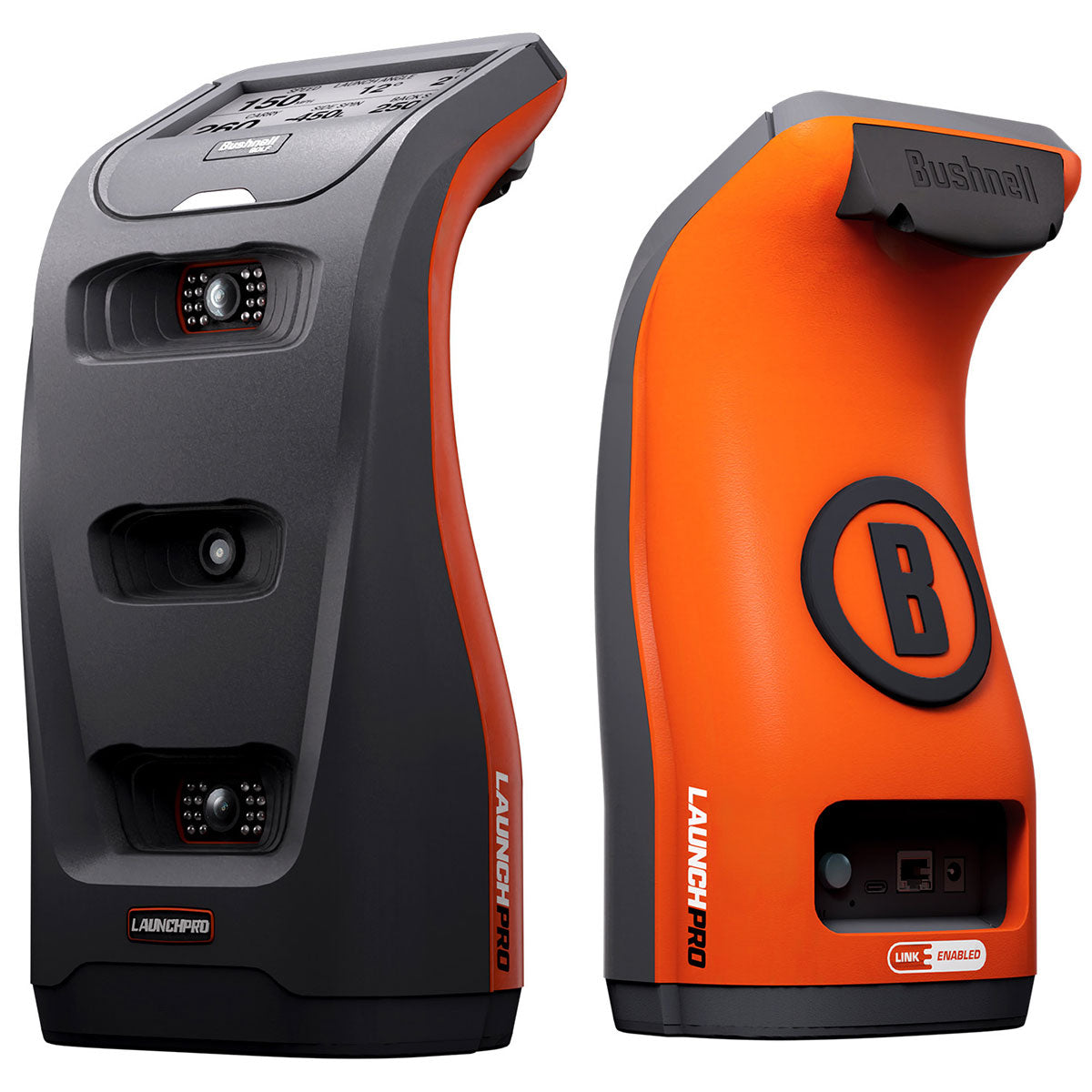
Versus
Launch Pro vs SkyTrak ST MAX: the subscription decides it
Two of the most-recommended home-sim units, about $1,000 apart on the sticker. Run the software costs for three years and the gap gets much wider — in one specific direction.
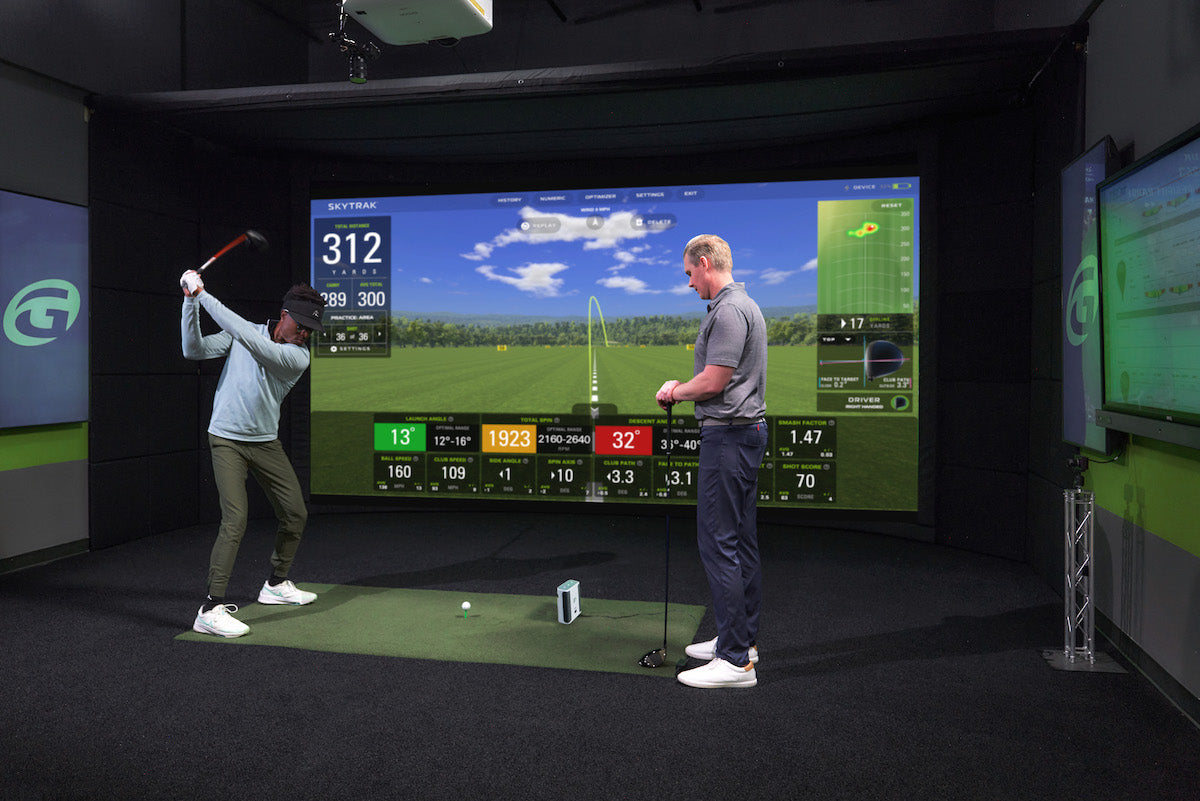
Explained
The four home golf simulators: what each budget threshold actually unlocks
Spend twice as much and you don't get twice the simulator — you cross into a different kind of room. Here's what genuinely changes at each tier, and the exact point where more money stops buying you more golf.
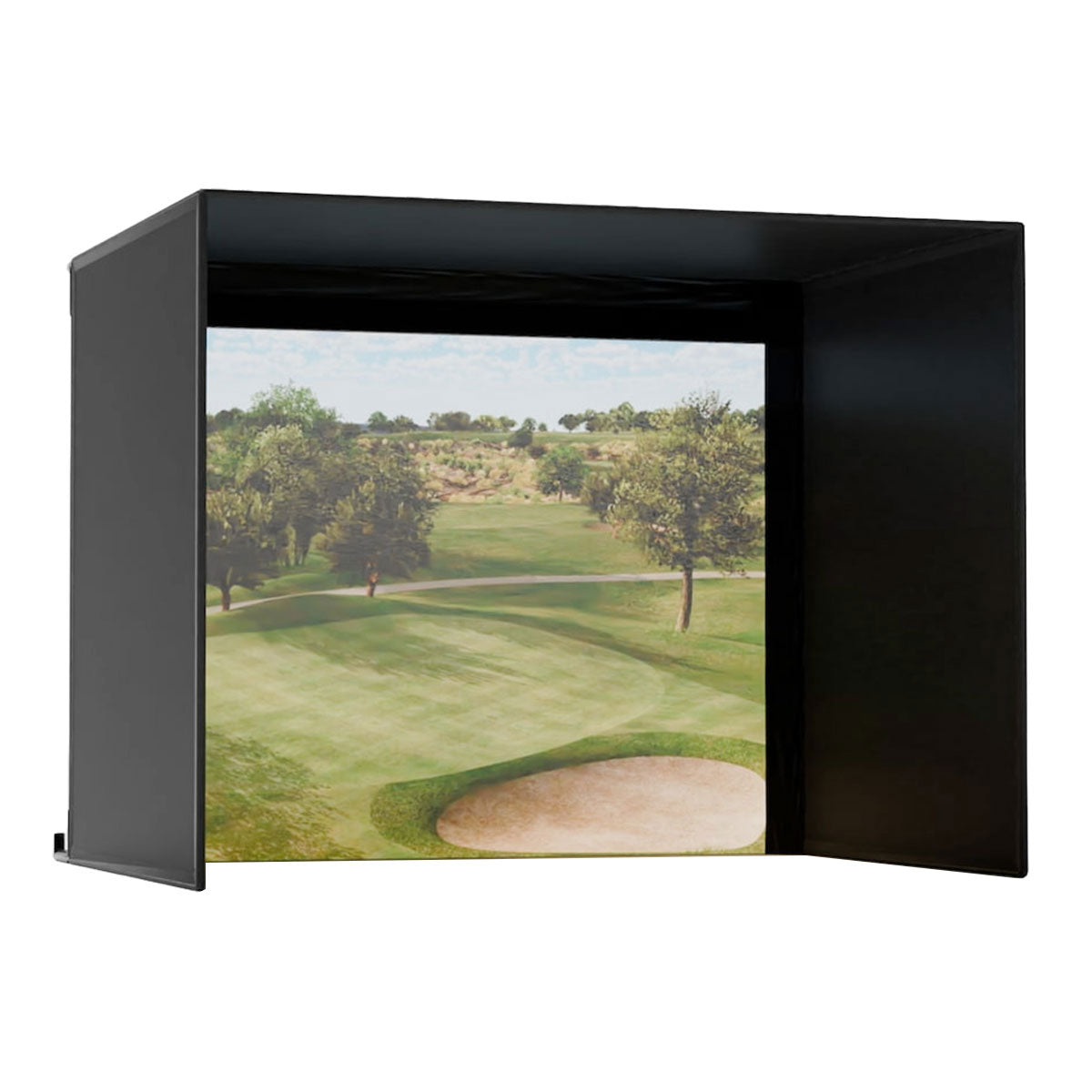
Explained
Your impact screen colour and your projector are one decision, not two
Grey screens absorb around 40% more ambient light, which is why they look so much better in a garage. They also swallow your projector's output — so choosing grey and then buying a mid-brightness projector gives you a worse picture than white would have.