
The four home golf simulators: what each budget threshold actually unlocks
Spend twice as much and you don't get twice the simulator — you cross into a different kind of room. Here's what genuinely changes at each tier, and the exact point where more money stops buying you more golf.
By Marcus Bell · Simulator & Indoor Golf Writer
 Explained
Most home-sim buying advice is a shopping list sorted by price, as if a dear build were just a cheap one with better parts bolted on. It isn't. Home simulators come in four honest tiers, and what separates them isn't how much you spend — it's a threshold you cross each time: from numbers-on-a-tablet, to a projected course you play, to data you'd fit clubs against, to a room you'd happily live in. Know which threshold you actually need and you'll stop overspending on the ones you don't.
One rule before any of it: the room decides your ceiling, not your wallet. A shallow garage caps the technology you can use no matter how big the budget, and a low ceiling ends the conversation before it starts. Our Sim Room Architect reads your exact dimensions and budget and builds the tier your space can actually take — start there, then use the tiers below to understand what each threshold buys.
Tier one — the practice bay ($650–$1,900)
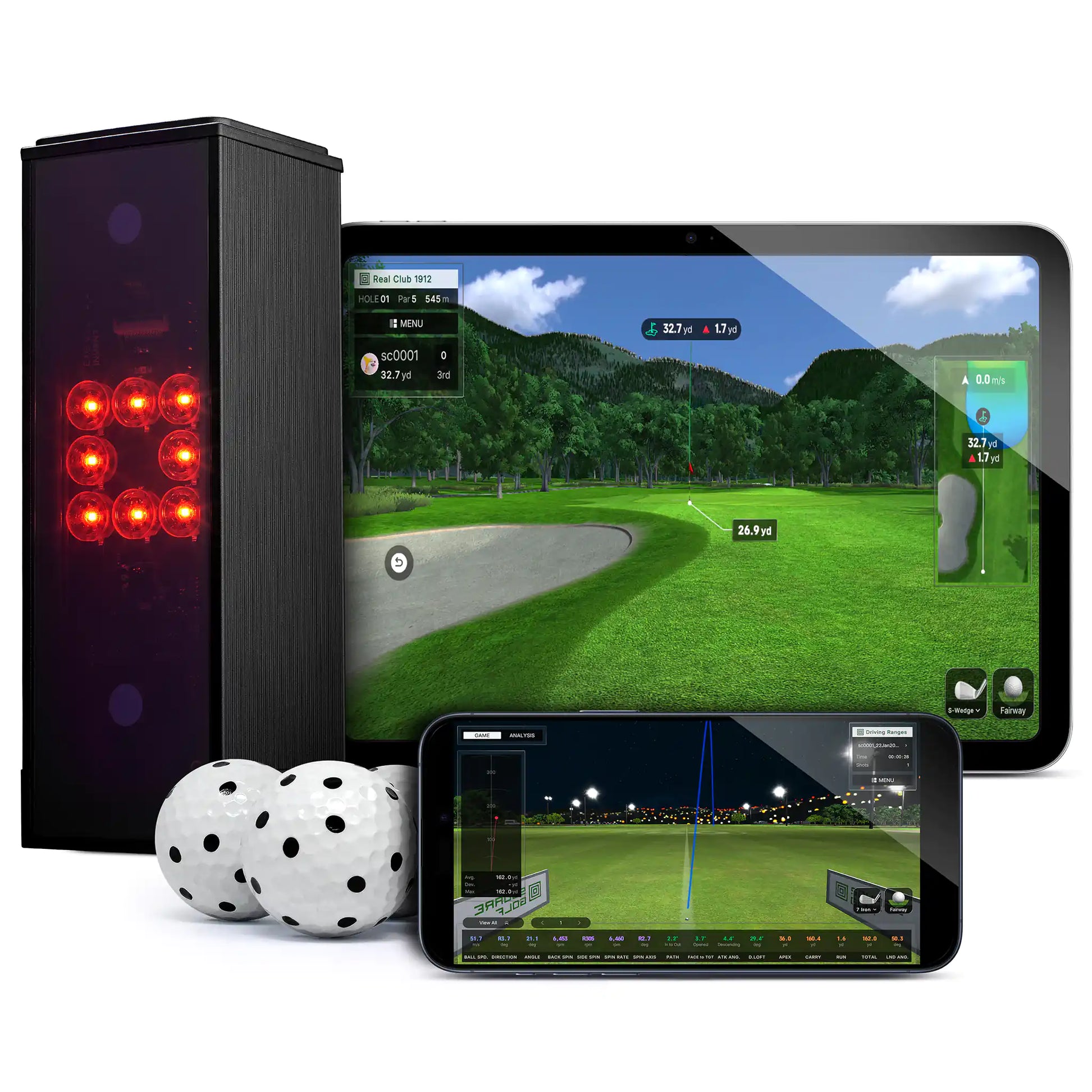
The entry tier isn't a cut-down simulator; it's a different tool with a different job. You get a launch monitor, a mat and a net, and you play off a tablet — no projector, no course on a wall. What it unlocks is the thing that actually improves golf: real numbers and reps on demand. Anchor it on a value camera unit like the Square Golf, which reads the strike from a couple of feet of flight, so it suits the tight rooms most bays live in.
Spend your money in the right order here: the hitting mat is the piece you feel on every swing and the one that protects your joints from a concrete floor, and a practice net makes the whole thing usable tonight. Add a putting mat for the part of winter golf that needs no ceiling at all. This tier is the honest answer for most people who think they want a simulator — and if you're buying against the seasonal rush, do it in summer.
Tier two — the starter sim ($2,550–$5,100)
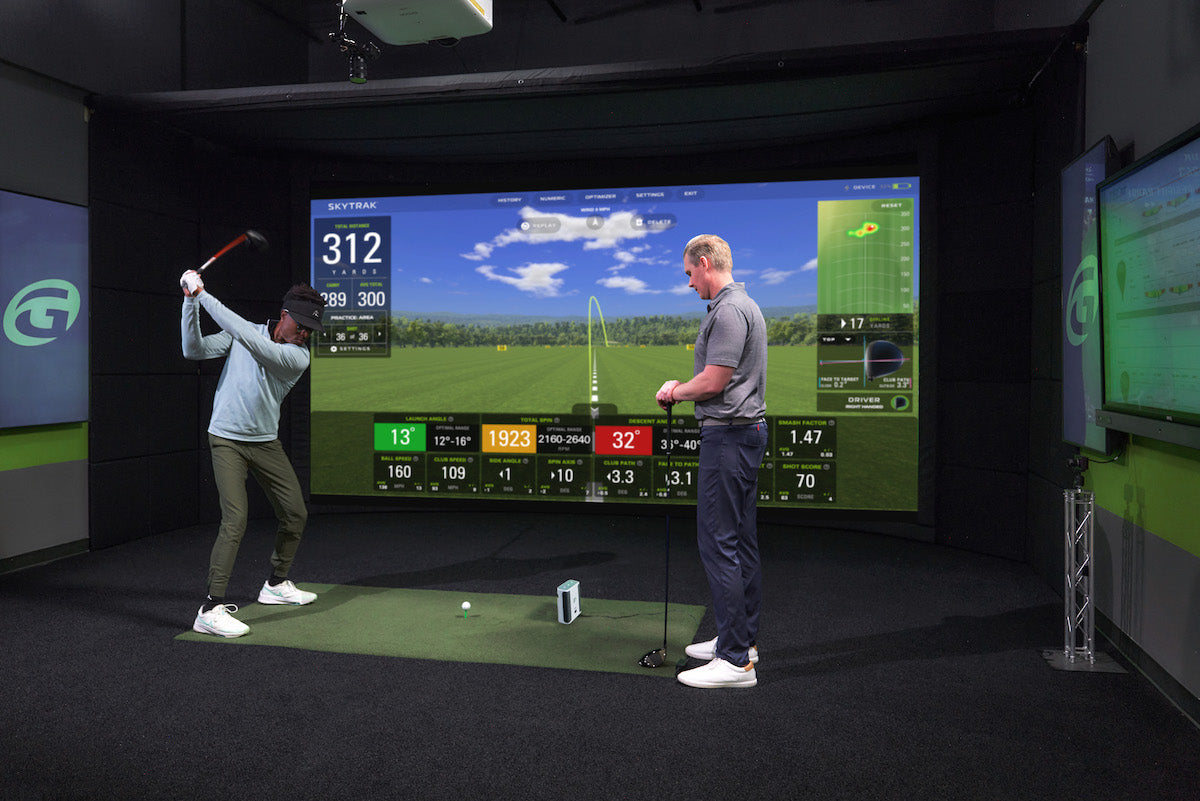
This is the first tier that plays like a simulator, because it crosses the threshold that matters emotionally: a projected course on a screen. Add an impact screen and a short-throw projector to a value build and you're playing Pebble on a Tuesday night, not just reading carry numbers. The launch monitor can stay in the value bracket — the money goes on the picture and the enclosure.
Be clear-eyed about what the screen changes, though: it transforms how the setup feels, not what it teaches. A net-and-numbers bay improves your swing exactly as much as the projected version — the course is worth paying for because it's fun and it keeps you practising, which is no small thing over a dark winter. Just don't buy the photogenic part first and the mat last.
Tier three — the serious sim ($6,350–$11,450)
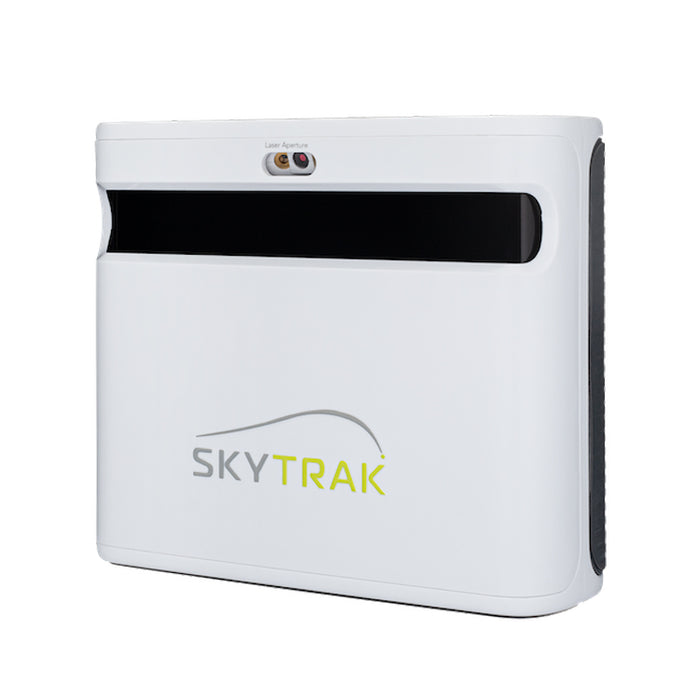
Here the threshold is data you'd trust with your gapping, and a picture that looks the part. A photometric benchmark like the SkyTrak+, now superseded by the ST MAX, reads spin off the ball accurately enough to fit clubs against, a proper enclosure with a premium screen kills the bass-drum bounce of a bare net, and a 4K short-throw projector sharpens the whole room. If your space is shallow, this is also where camera technology earns its keep — the radar-versus-camera decision is the one most serious builders get wrong.
This is the sweet spot for the golfer who genuinely practises with intent — someone chasing distances, dispersion and real improvement, not just winter entertainment. It's also the last tier where every extra pound still buys measurably better golf.
Tier four — the dream room ($15,250+)
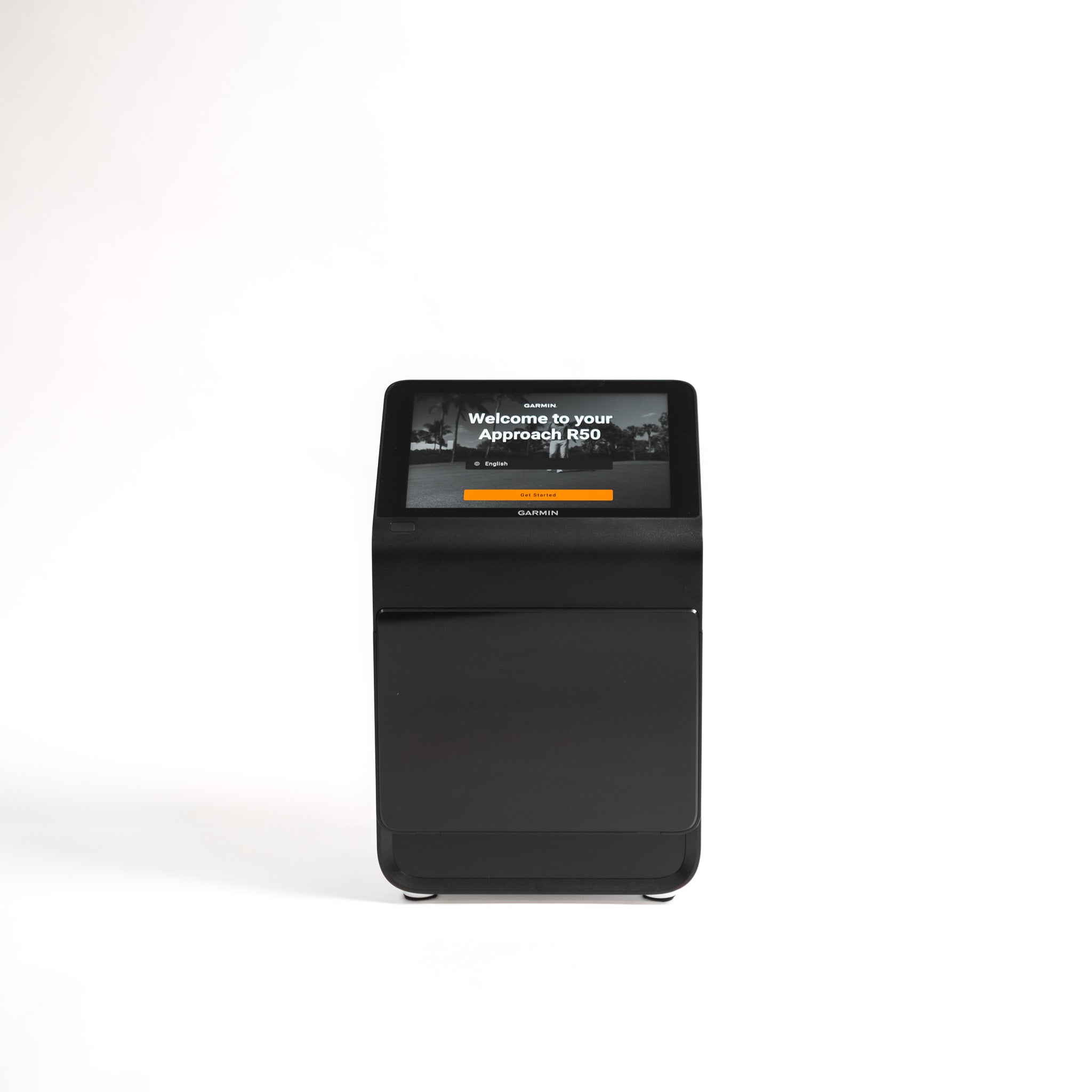
The top tier crosses a threshold that has nothing to do with your swing: it buys a room you'd live in. Wall-to-wall turf with a built-in putting green, premium optics, upholstered acoustic panels, and all-in-one convenience from a unit like the Garmin R50 that runs a full session with nothing to boot up or wire in. It's glorious, and increasingly it's a feature buyers want built into the house.
But be honest about what the money is doing up here. From the serious tier upward you're paying for convenience, immersion and aesthetics — a cleaner room, a bigger picture, a nicer place to spend an evening — not for better feedback on your golf swing. That's a completely valid thing to buy. It's just a different thing from the one the entry tiers sell.
Where more money stops buying more golf
Here's the line the retailers won't draw for you: the curve of improvement-per-pound flattens hard after the serious tier. A $7,600 build and a $31,750 build teach your swing almost the same lessons — the extra $24,150 buys turf underfoot, a wrap-around screen and a room you're proud to show people, all of which are real pleasures and none of which lower your handicap. So decide which you're actually buying: strokes, or a space. Most golfers need less tier than the showrooms imply, and the ones who are happiest years later are the ones who bought the threshold they needed and spent the rest on lessons.
When you're ready to turn that into a real parts list for your own room, the Sim Room Architect does it in a minute — your dimensions and budget in, a fitted, costed build out — and the Launch Monitor Finder narrows the brain of it to a shortlist. Buy the tier your golf needs, not the one the photos sell.
Products mentioned in this article
Square Golf
Square Golf Home Launch Monitor
The value camera brain that anchors a bay or starter build — proper indoor data from a couple of feet of flight.
FORB
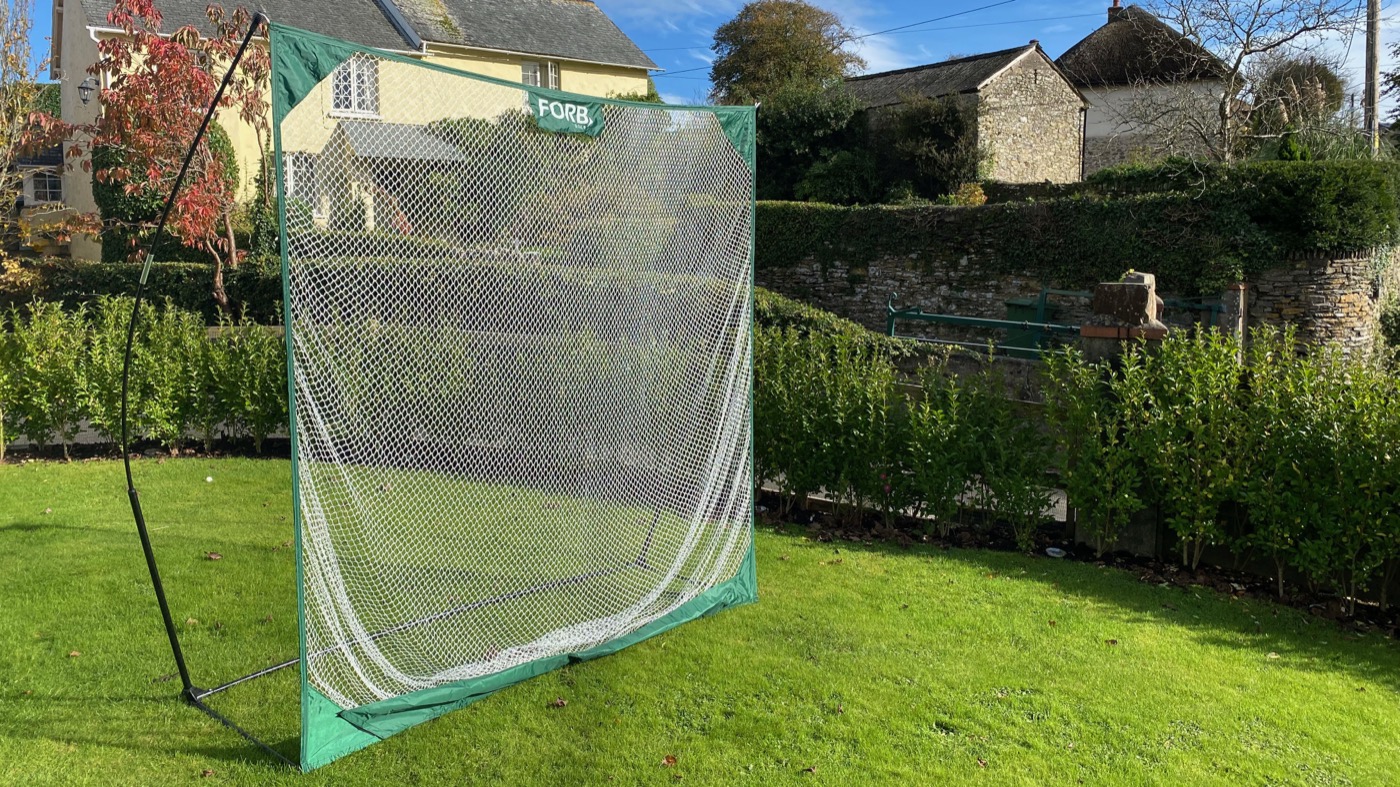
FORB Golf Practice Net (10x7ft)
The cheapest honest catch: full swings tonight, screen upgrade whenever you're ready.
FORB
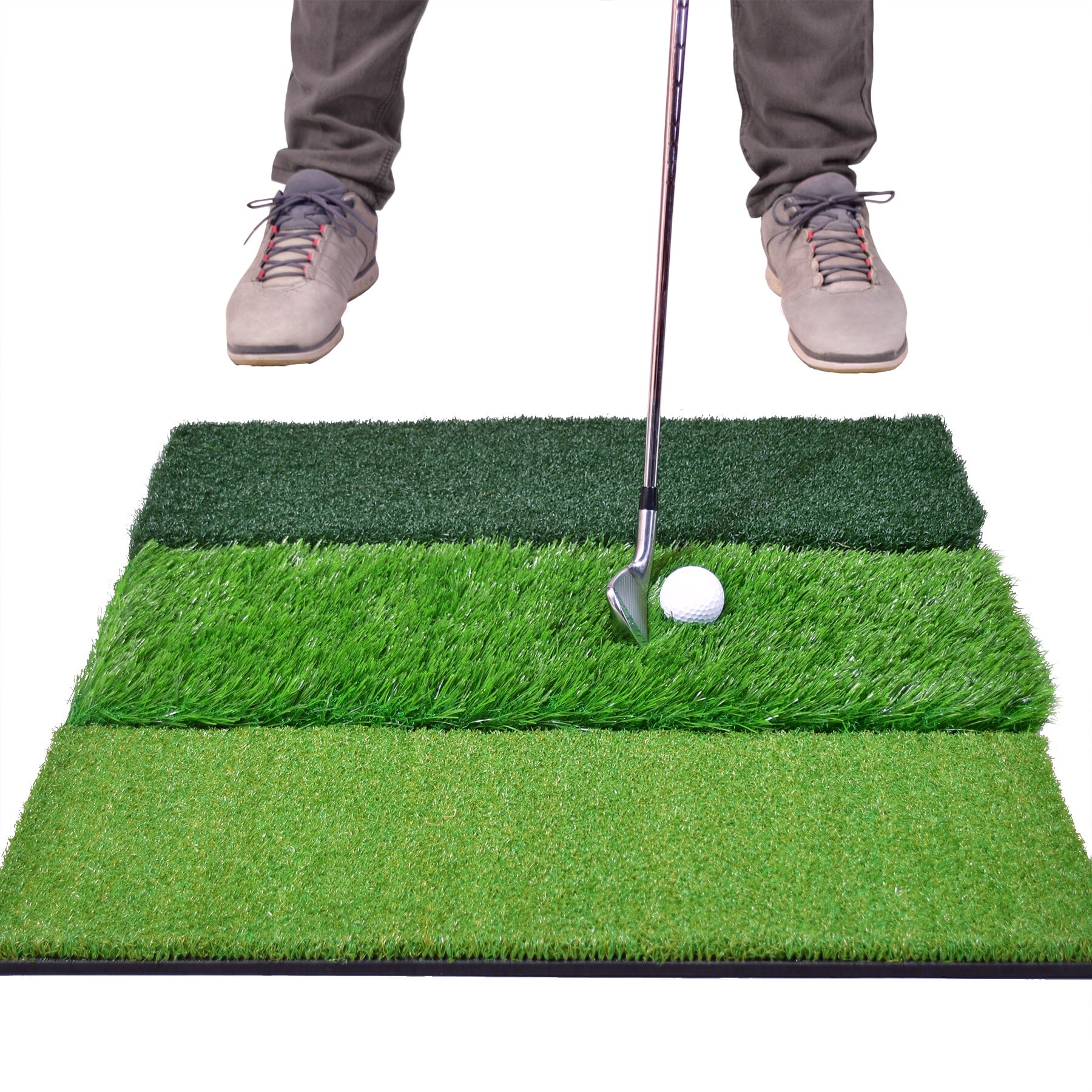
FORB Tri-Turf Golf Hitting Mat
The piece you feel on every swing — the one part of a bay it never pays to cheap out on.
SkyTrak
SkyTrak+ Launch Monitor
The threshold unit: photometric data you'd genuinely fit clubs against, no long room required.
This model is no longer made. The current version is SkyTrak ST MAX. Remaining stock is often discounted, so this can still be the better buy — check both prices.
GoSports
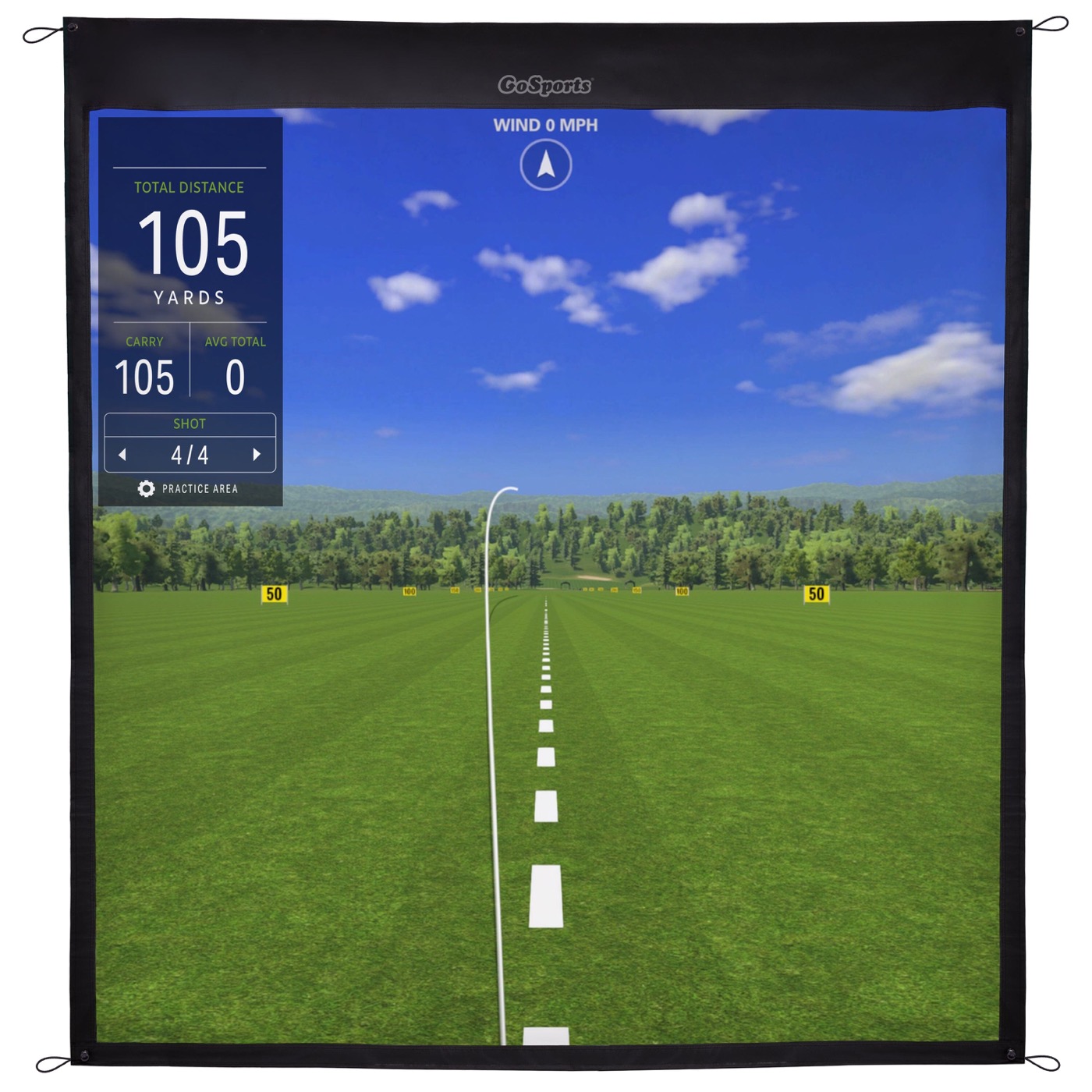
GoSports Golf Simulator Impact Screen
The single upgrade that turns a net into a simulator — the projected course you actually play.
Garmin
Garmin Approach R50 Launch Monitor
All-in-one convenience for the dream tier: screen, software and computer in the unit, nothing to wire in.
Perfect Practice
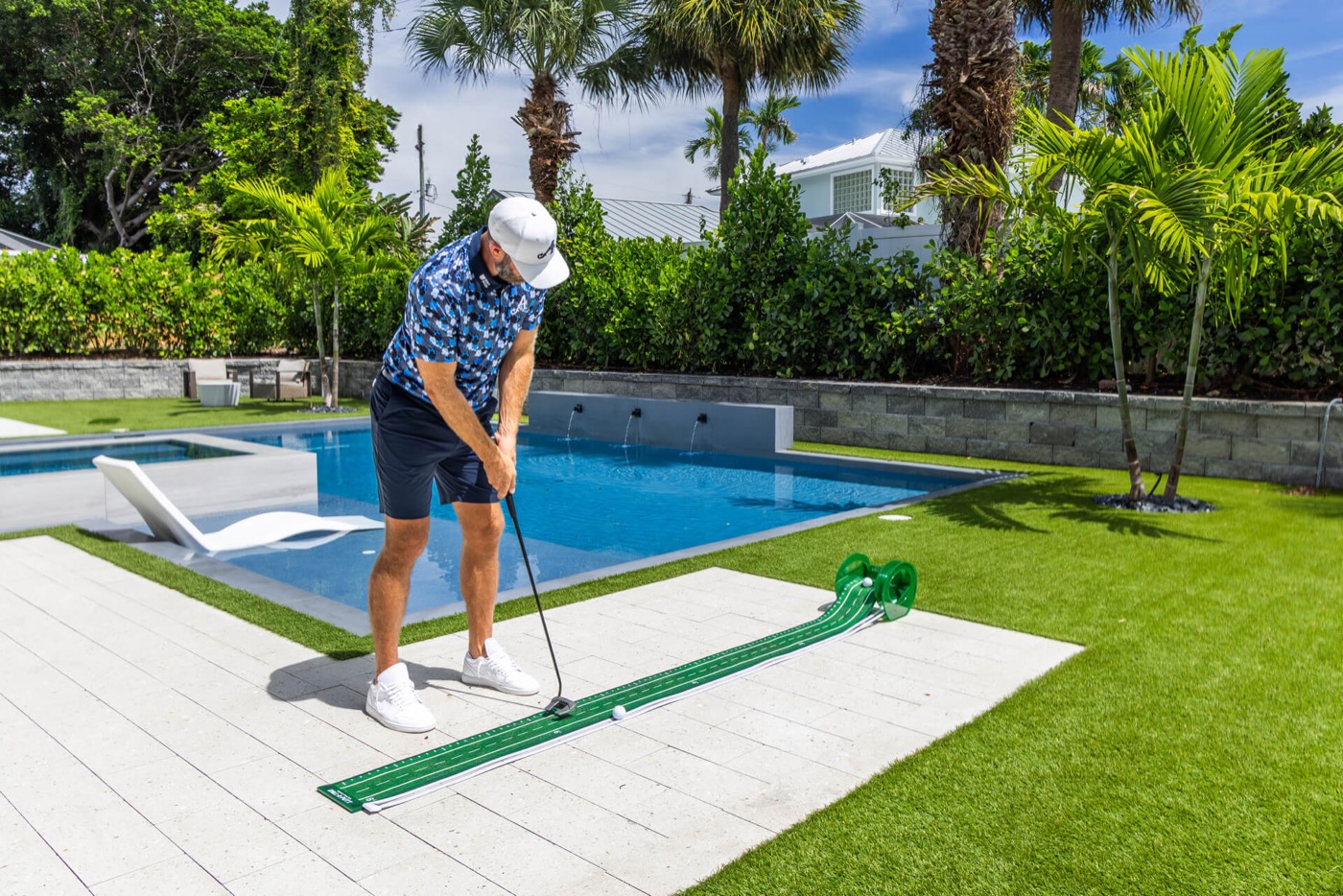
Perfect Practice Putting Mat (Dustin Johnson)
The winter short-game fix that needs no ceiling height and rounds out any tier.
ifrothgolf earns a commission on purchases made through these links, at no extra cost to you. It never changes what I recommend. Full disclosure.
Frequently asked
- How much does a home golf simulator cost?
- It splits into four honest tiers: a practice bay (launch monitor, net, mat, played off a tablet) runs about $650–$1,900; a starter sim that projects a real course is roughly $2,550–$5,100; a serious, fitting-grade room with 4K optics and an enclosure is about $6,350–$11,450; and a dream room with a turf floor and putting green starts around $15,250. Software subscriptions are a separate yearly cost on top.
- What's the cheapest way to get a real home simulator?
- A value camera launch monitor, a net and a good mat gets you real numbers and reps for well under the price of a premium unit — often less than a couple of seasons of green fees. Add an impact screen and short-throw projector later to cross into projected-course play; you don't need it to start improving.
- Is an expensive golf simulator worth it?
- For your swing, improvement-per-pound flattens after the mid tier — a serious sim teaches almost the same lessons as a luxury one. The extra money buys convenience, immersion and a nicer room, which are real pleasures but won't lower your handicap. Buy the top tier because you want the space, not because you think it'll fix your game.
- Does my room limit which tier I can build?
- Yes — the room caps you before the budget does. A shallow room rules out radar launch monitors, and a low ceiling can end a full-swing build entirely. Measure first: our Sim Room Architect reads your dimensions and only builds what your space can actually take.
Read next
Versus
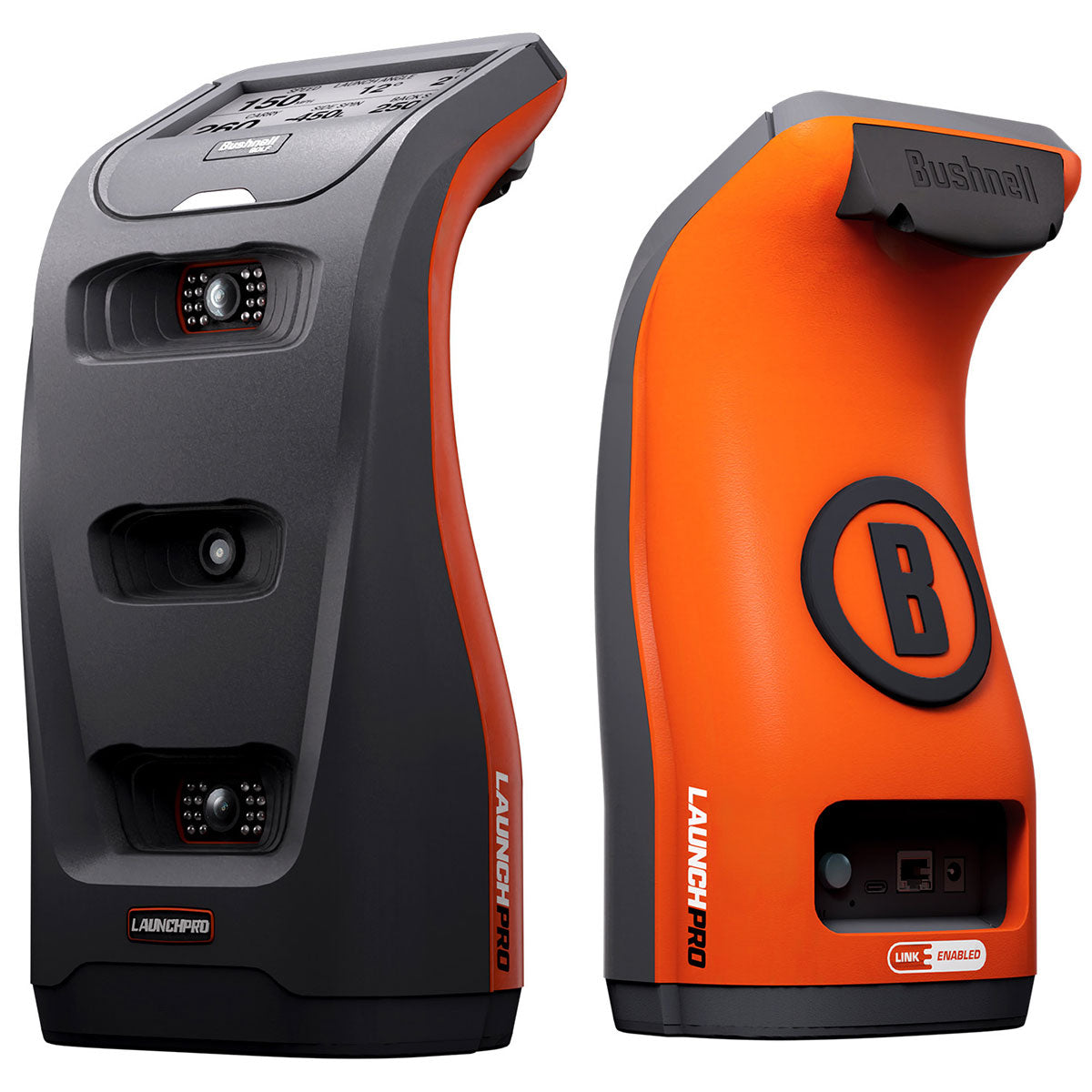
Launch Pro vs SkyTrak ST MAX: the subscription decides it
Two of the most-recommended home-sim units, about $1,000 apart on the sticker. Run the software costs for three years and the gap gets much wider — in one specific direction.
Opinion
Your garage practice doesn't die in February because you lost motivation
It dies because of a small, stupid, entirely fixable thing: bending down. Twenty minutes of home practice contains about four minutes of golf and sixteen of picking balls up — and that ratio, not your willpower, is what kills the habit.
Explained
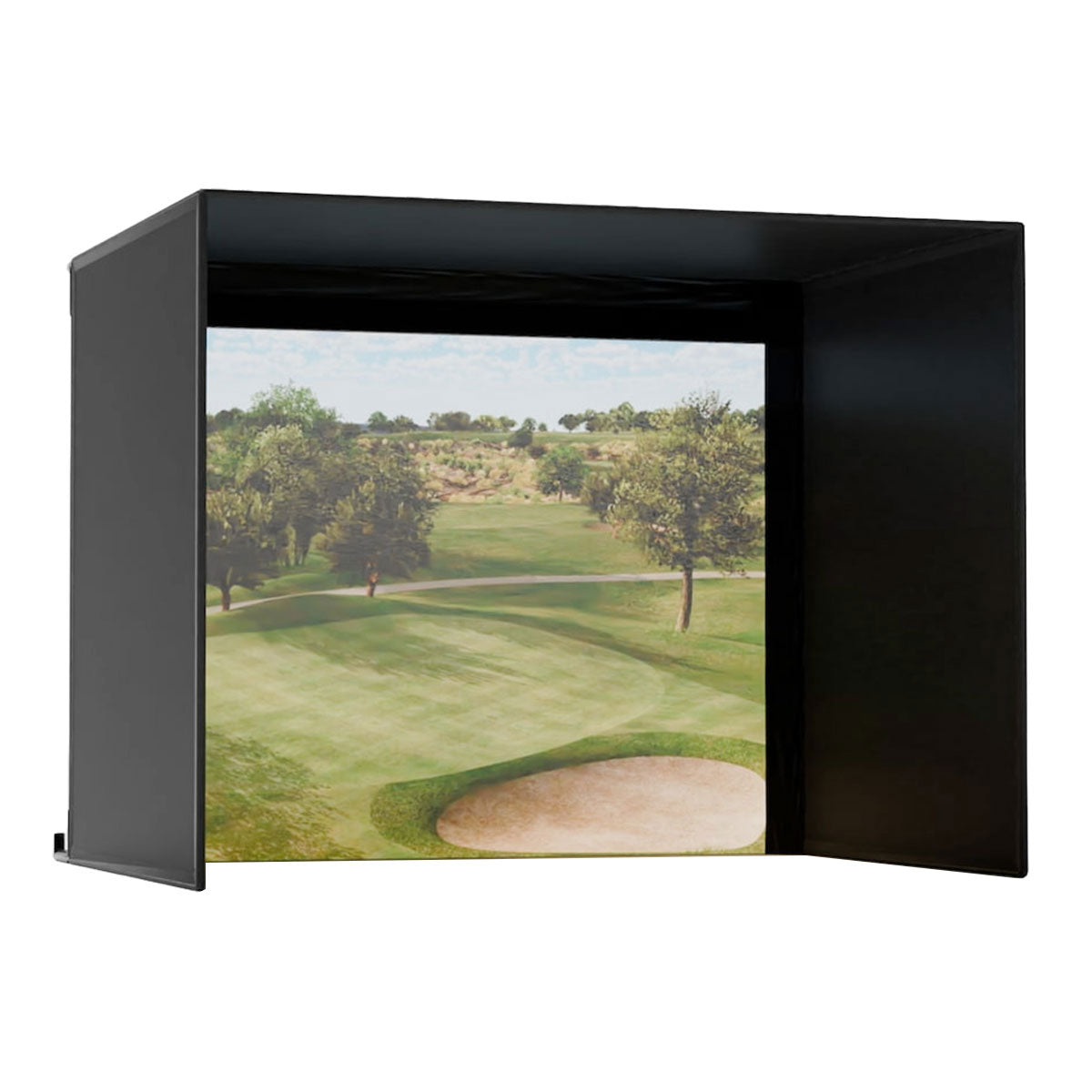
Your impact screen colour and your projector are one decision, not two
Grey screens absorb around 40% more ambient light, which is why they look so much better in a garage. They also swallow your projector's output — so choosing grey and then buying a mid-brightness projector gives you a worse picture than white would have.