
The smartest time to buy a golf simulator is the middle of summer
Nobody is thinking about indoor golf in July — which is exactly why the golfer who builds now plays all winter while everyone else is fighting over stock in November.
By Dan Mercer · Editor
Square Golf
Square Golf Home Launch Monitor
ifrothgolf earns a commission on purchases made through these links, at no extra cost to you. It never changes what I recommend. Full disclosure.
Every year it's the same film. The clocks change, the evenings vanish, and somewhere in late October a few hundred thousand golfers simultaneously decide this is the winter they finally build the home setup. Prices firm up, the popular launch monitors drift out of stock, and the project that needed a free weekend gets squeezed into December. The golfers swinging happily through January? They bought in July, when nobody else was looking.
The logic isn't complicated. Demand for indoor golf gear is brutally seasonal and peaks exactly when the products are hardest to get. Buying against that cycle — in high summer, when retailers are moving outdoor gear and indoor kit sits quiet — is the closest thing golf shopping has to an unfair advantage. The same garage build simply costs less friction in July than in November, and you get autumn to actually learn the thing.
The build, in buying order
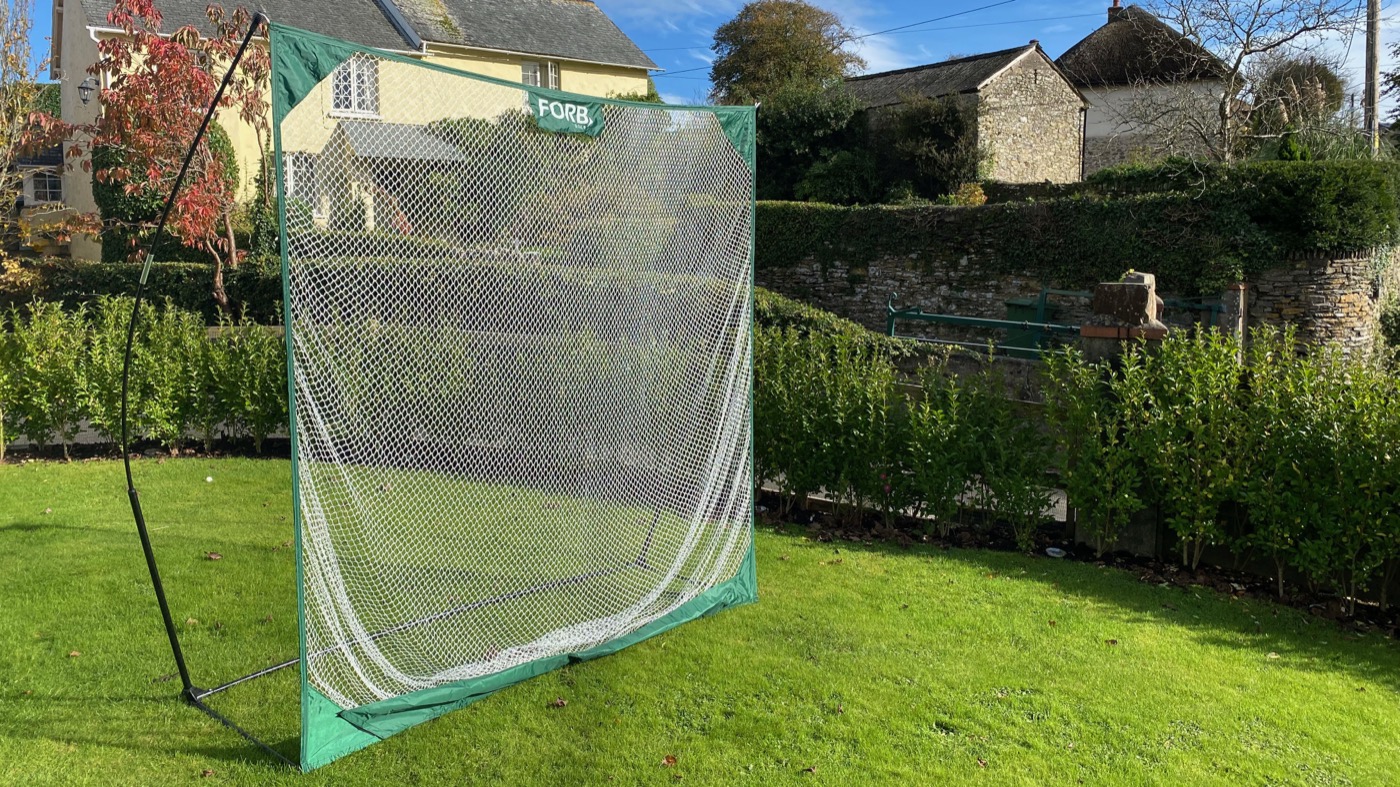
Start with the space, not the shopping — our Home Sim Build Planner will tell you in four questions what your room can honestly support. Then buy in this order. The mat first, because it's the piece you feel on every swing and the piece that protects your joints from a concrete floor: the tri-turf hitting mat is where saving money costs the most. A practice net second, because it makes the whole thing usable immediately — full swings tonight, upgrades later.
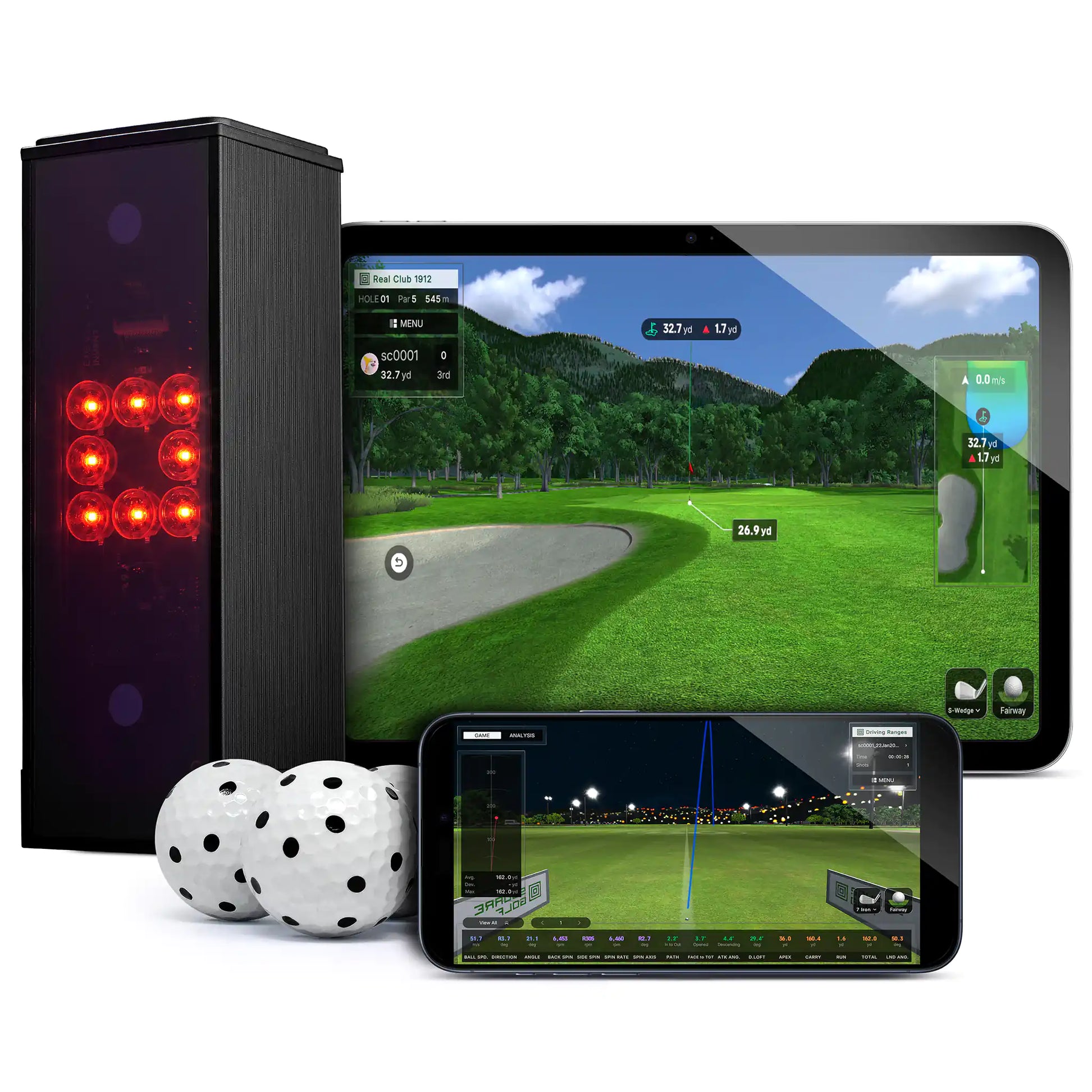
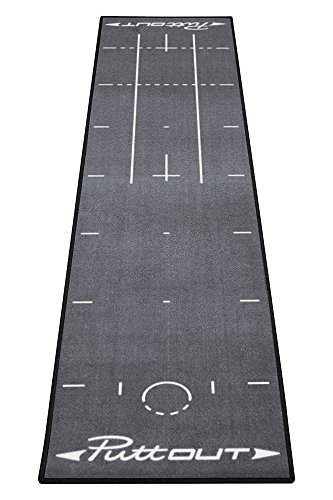
The launch monitor is the considered purchase, and summer gives you the time to consider it properly. For most tight home rooms a photometric unit like the Square Golf is the right technology — it reads the strike rather than needing a long ball flight — and if you're weighing it against radar alternatives, we've explained that whole decision here. Add the impact screen when you're ready to trade the net for the projected-course experience, and a putting mat for the part of winter golf that needs no ceiling height at all.
Use the summer as your test drive
Here's the step almost everyone skips, and July is the only time it's easy: try before you build. Commercial sim lounges have multiplied to the point where most towns have a bay for hire, and a couple of summer-evening sessions will teach you more about what you actually want than a month of spec-sheet reading. Pay attention to what you use: if you spend the hour grinding wedge distances, you're a data buyer and the launch monitor deserves the budget; if you play full simulated rounds with mates, the screen and software matter more than the last degree of spin accuracy. That one distinction re-orders the whole shopping list, and it costs a bay fee to learn instead of a returned parcel.
The other summer advantage is the baseline. Set the build up in September and spend the bright evenings hitting your real yardages outdoors, then bring those numbers inside — our Club Distance and Gapping Calculator turns a trusted 7-iron carry into a full-bag reference you can sanity-check the sim against. Come January you'll know instantly whether that 165-yard reading is your swing improving or the software being generous. Golfers who build in a November panic never get that baseline, and they spend the winter arguing with their own numbers.
Who should ignore this advice
If you'll play outdoors until the last dry weekend and your winter is short, don't build anything — a range membership covers you. If your budget only stretches to one thing this year, make it lessons or a fitting; a simulator measures your game, it doesn't fix it. And if the room fails the planner's four questions, believe the planner. A sim that doesn't fit gets used twice and resold in February — usually to someone who bought in July.
One more honest subtraction: don't buy the screen first because it's the photogenic part. A net-and-mat setup with a good launch monitor improves your golf exactly as much as the projected version — the screen changes how it feels, not what you learn. Feel is worth paying for eventually; it's just the last thing on the list, not the first.
The quiet part
There's a reason golf's off-course boom keeps growing: millions of people now treat the screen as a legitimate way to play, not a substitute for it. Winter is when that stops being a trend piece and becomes your Tuesday night. The gear is sitting there now, in stock, unhurried. Buy it while it's boring.
Products mentioned in this article
Square Golf
Square Golf Home Launch Monitor
The brain of a tight-room build, at the value end of proper photometric data.
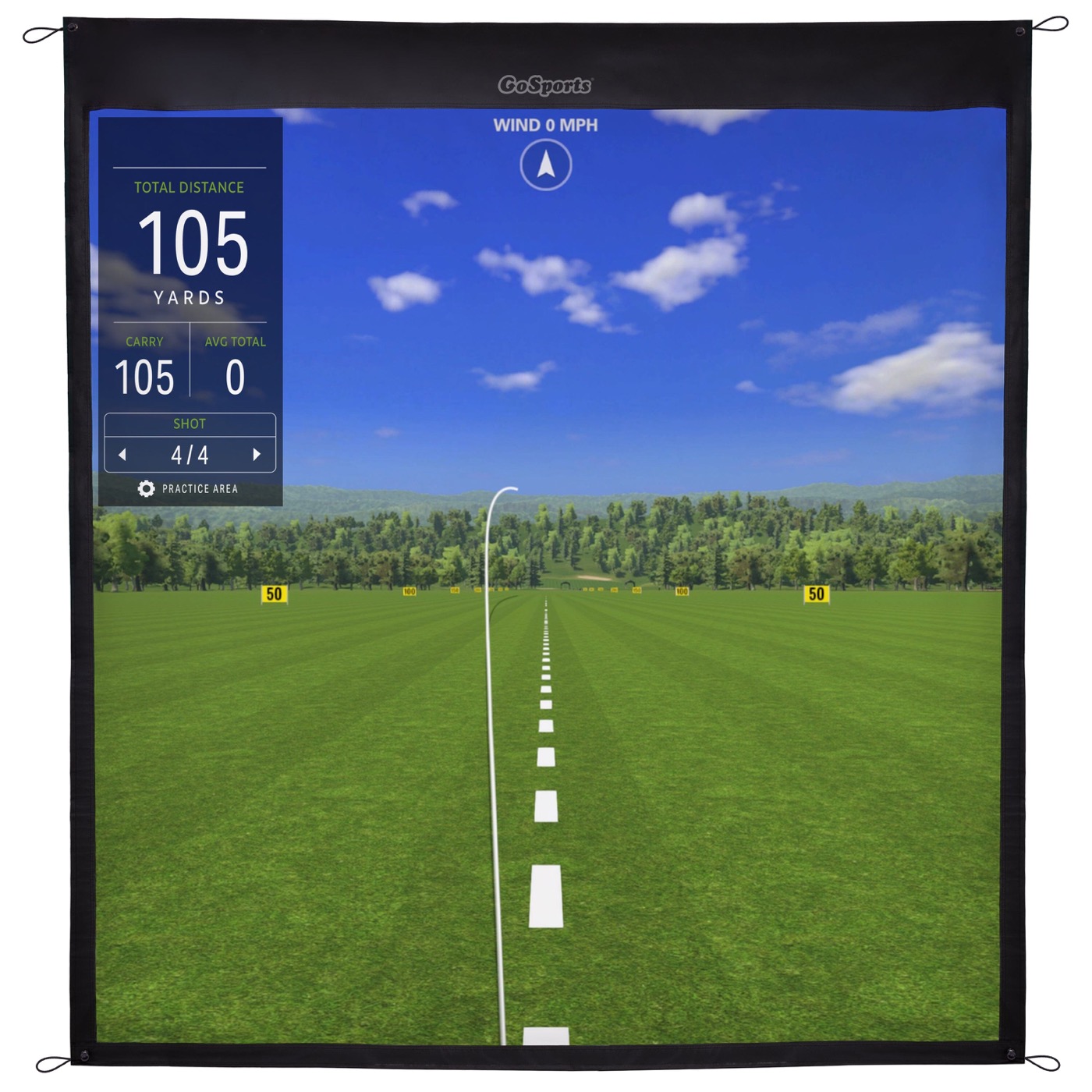
GoSports
GoSports Golf Simulator Impact Screen
The upgrade that turns a net into a simulator — cheaper and easier to fit than most people assume.
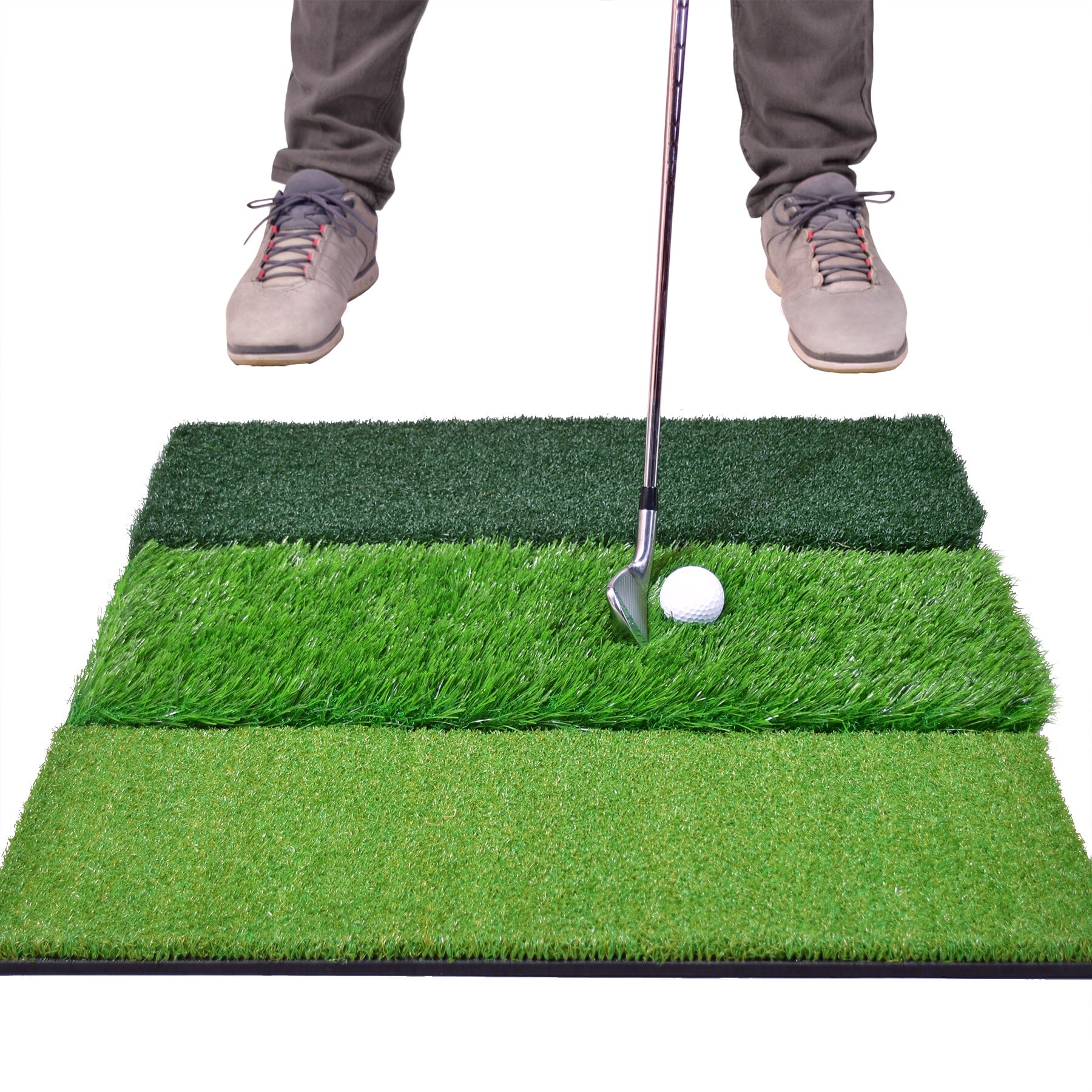
FORB
FORB Tri-Turf Golf Hitting Mat
The piece you feel on every single swing — never the place to save money.
FORB
FORB Golf Practice Net (10x7ft)
The sensible starting point: full-swing practice tonight, screen upgrade later.
ifrothgolf earns a commission on purchases made through these links, at no extra cost to you. It never changes what I recommend. Full disclosure.
Frequently asked
- When is the best time of year to buy a golf simulator?
- Mid-summer. Demand for indoor golf gear peaks from late October onward, when stock tightens and setup time evaporates. Buying in July means better availability, an unhurried build and a full autumn to learn the setup before winter.
- What should I buy first for a home golf simulator?
- A quality hitting mat and a practice net. The mat affects every swing and protects your joints; the net makes the space usable immediately. The launch monitor is the considered third purchase, and an impact screen can come later.
- How much does a basic home sim setup cost to start?
- A solid mat, a full-size net and a value launch monitor come in well under the price of a premium unit alone. Start there, confirm you actually use it, and upgrade the screen and software once the habit is real.
- Is a home simulator worth it if I only play in summer?
- Probably not — a range membership covers a short winter. A home build pays off for golfers who genuinely want reps through the dark months or whose practice time only exists at home in the evenings.
Read next
Explained
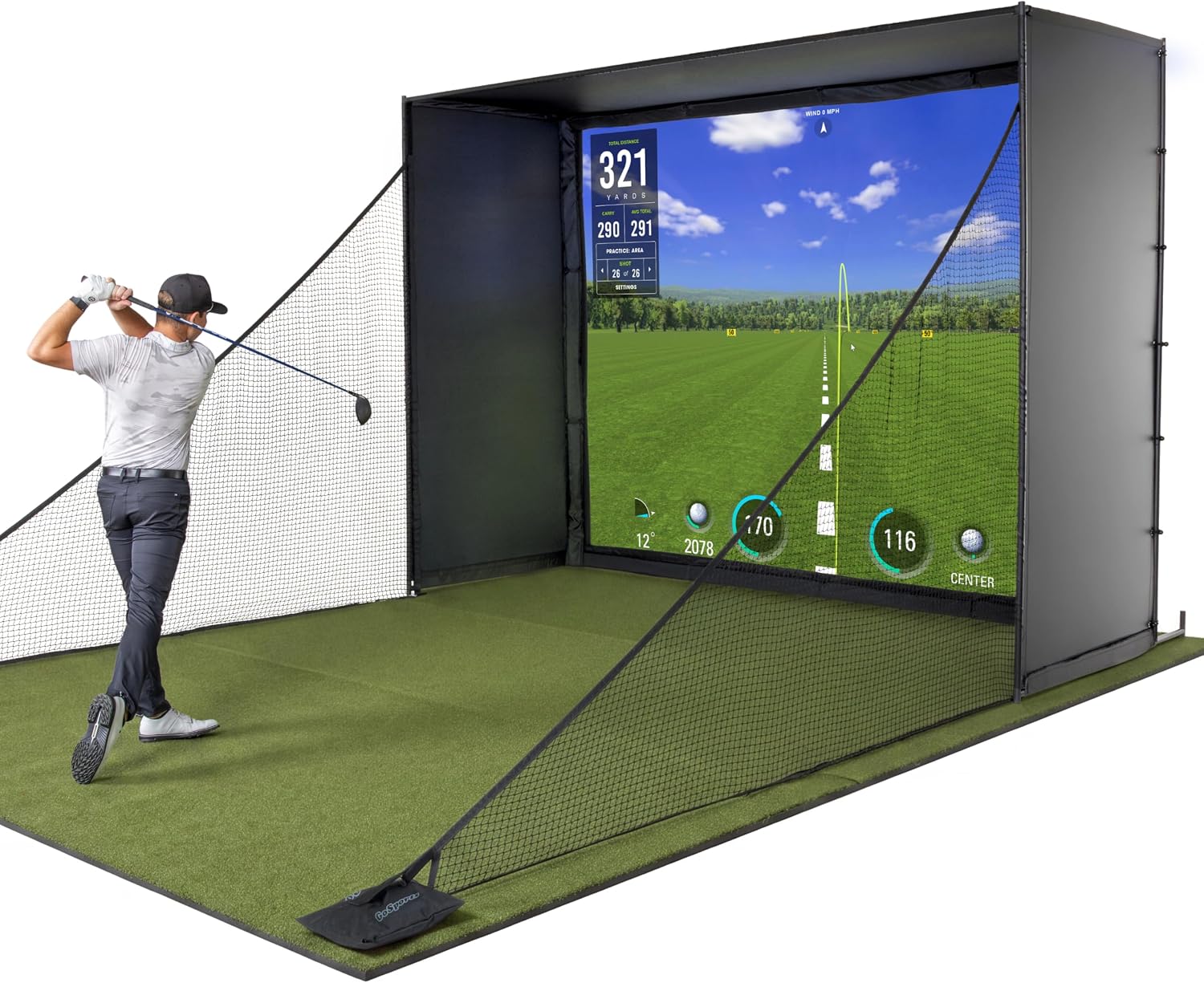
You're upgrading your golf sim in the wrong order
The most common home-sim regret isn't a launch monitor's accuracy. It's a room you flinch in and a picture you can't see in daylight — and both get budgeted last.
Explained
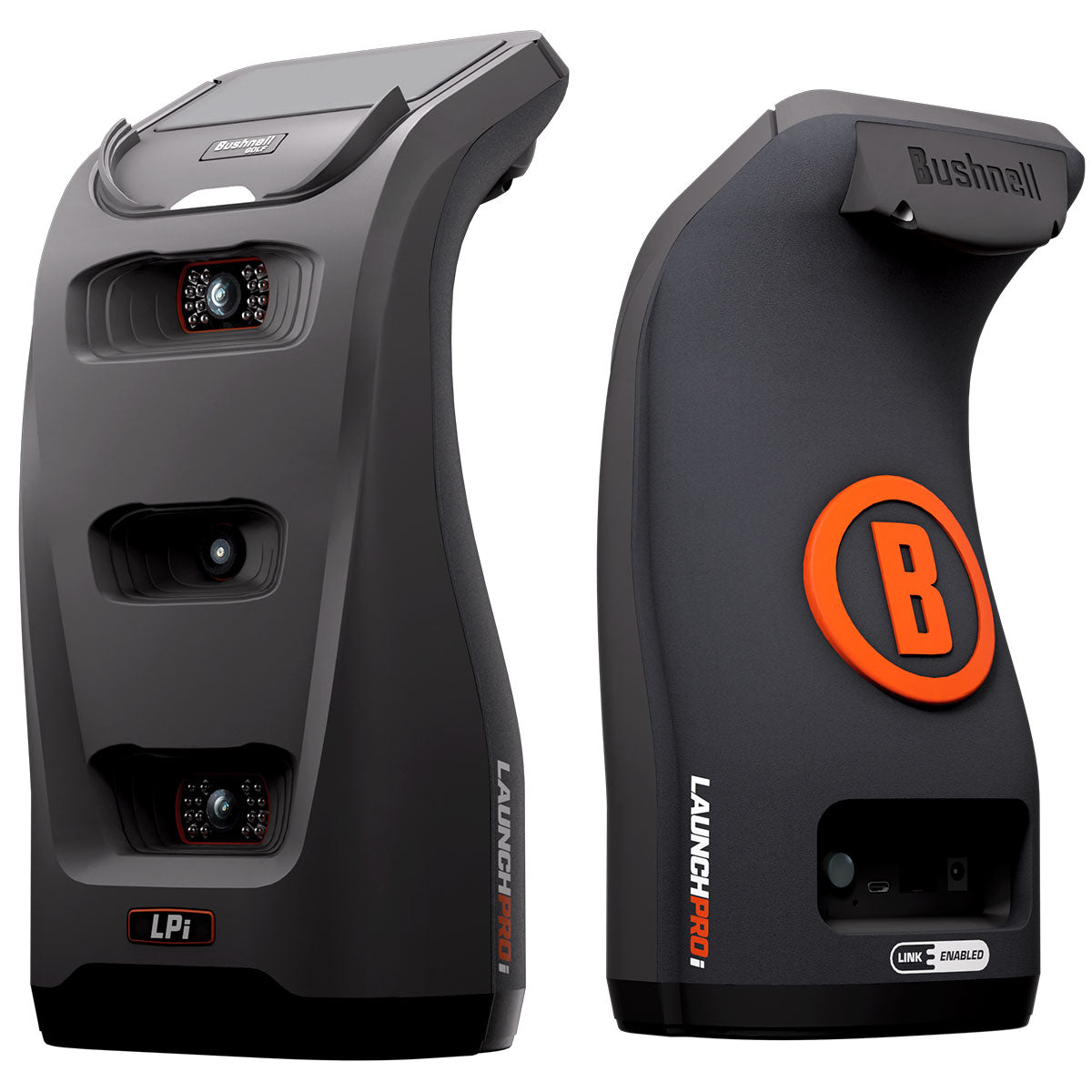
Your launch monitor isn't the most important thing you'll plug in, and the bill nobody budgets for proves it
Every home sim budget on the internet lists the sensor, the screen, the mat and the projector. Two line items decide whether the room is actually good, and neither one is on the list.
Review
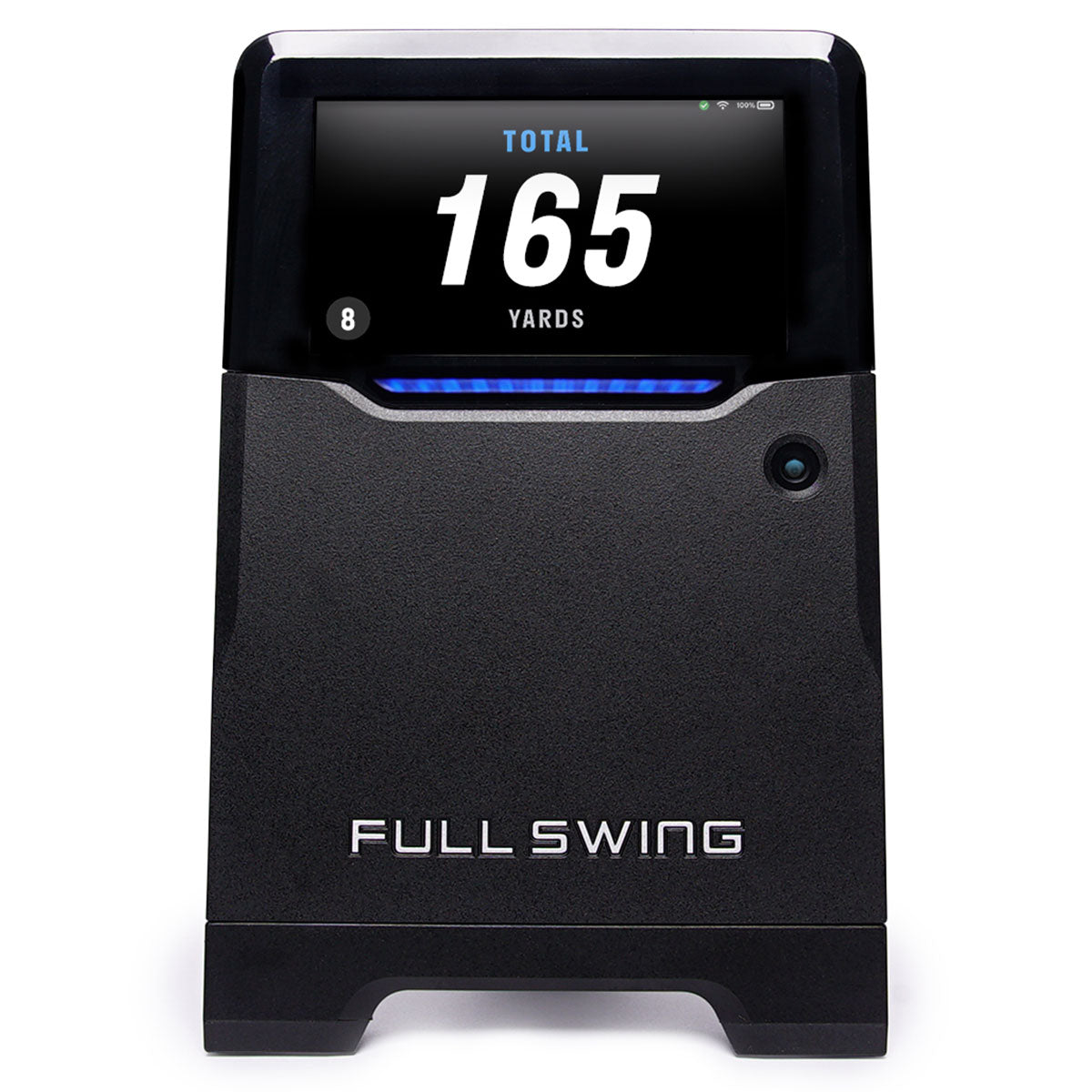
7.9/10Full Swing KIT review: the tape measure decides this, not Tiger
Tour pedigree, TGL on ESPN, and radar good enough to be checked against a Trackman outdoors. It also wants eighteen to twenty feet of room, which rules out most of the garages people buy it for.