
Golf's cult brands aren't selling you better gear. They're selling you a decision somebody actually made
A study this year found small brands scoring favourability alongside companies fifty times their size. That's worth understanding properly, because "cult" is doing a lot of work in that sentence.
By Dan Mercer · Editor
 Opinion
Buffalo Groupe's 2026 marketplace study rated 80 golf brands across 391 complete responses, and one of its more striking findings was that small brands are outperforming their size — Holderness & Bourne in apparel and PAYNTR in footwear posting favourability scores that sit alongside companies with vastly bigger marketing budgets.
That's genuinely unusual in a mature category, and the reflexive explanations are both wrong. It isn't that the gear is secretly better than the majors'. It also isn't pure marketing — these brands mostly can't afford marketing.
It's something more specific, and it's worth naming because it changes what you should look for.
What a small brand can actually do
Make one decision, and commit to it. A major has to serve everyone: every handicap, every price point, every region, every retail partner. That forces hedging, and hedged products are the ones nobody loves. A small brand can build for a narrow golfer and ignore everyone else — which is the only way anything ends up feeling designed rather than assembled.
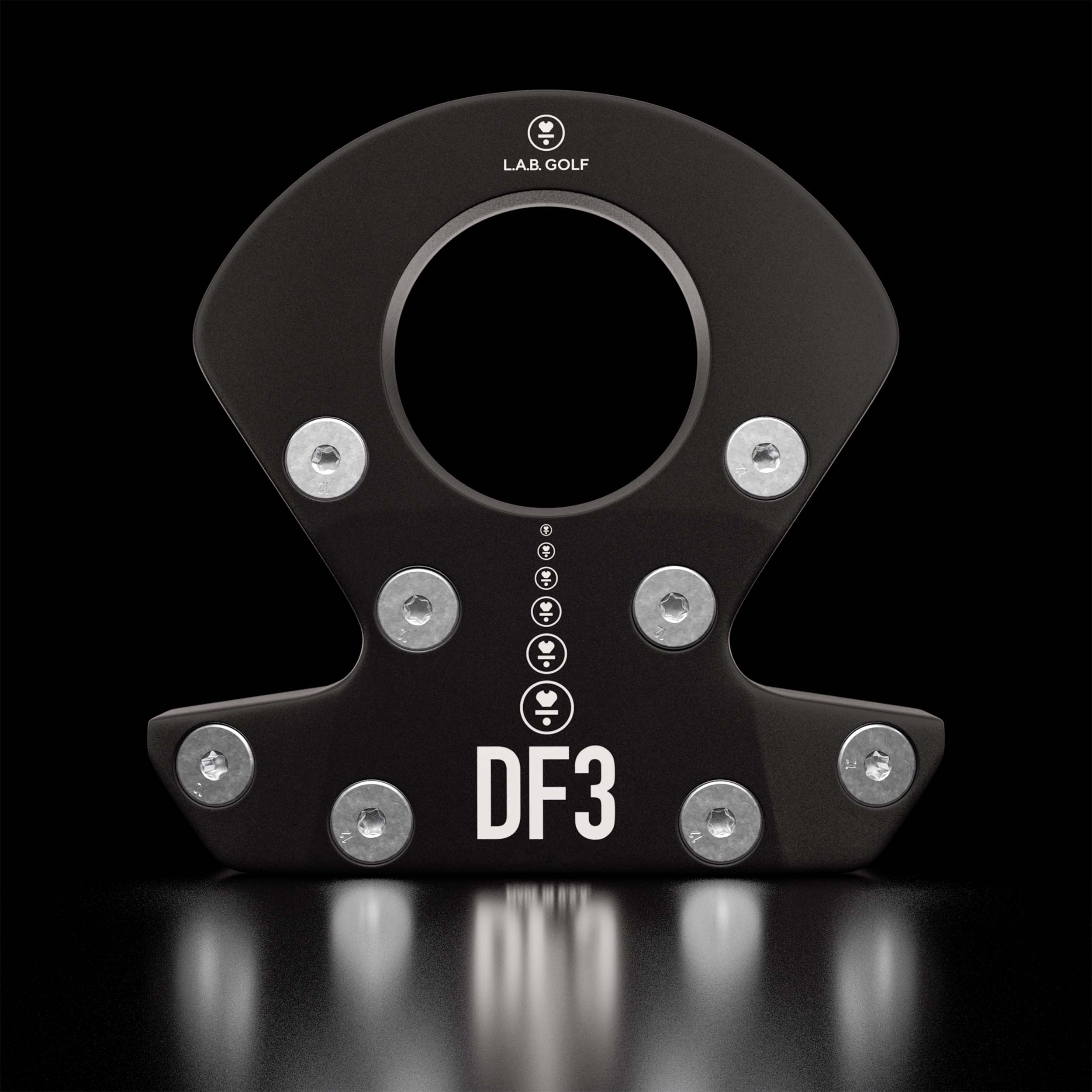
Be wrong in an interesting direction. L.A.B. is the clearest case in modern golf. A putter that looks bizarre, built on a physics argument the majors had considered and passed on, from a company nobody had heard of. It was a genuinely strange bet, it turned out to be right, and it took real share from the biggest names in the category inside two seasons. No major would have shipped that shape — not because they couldn't, but because the internal case for a weird-looking putter never survives a committee.
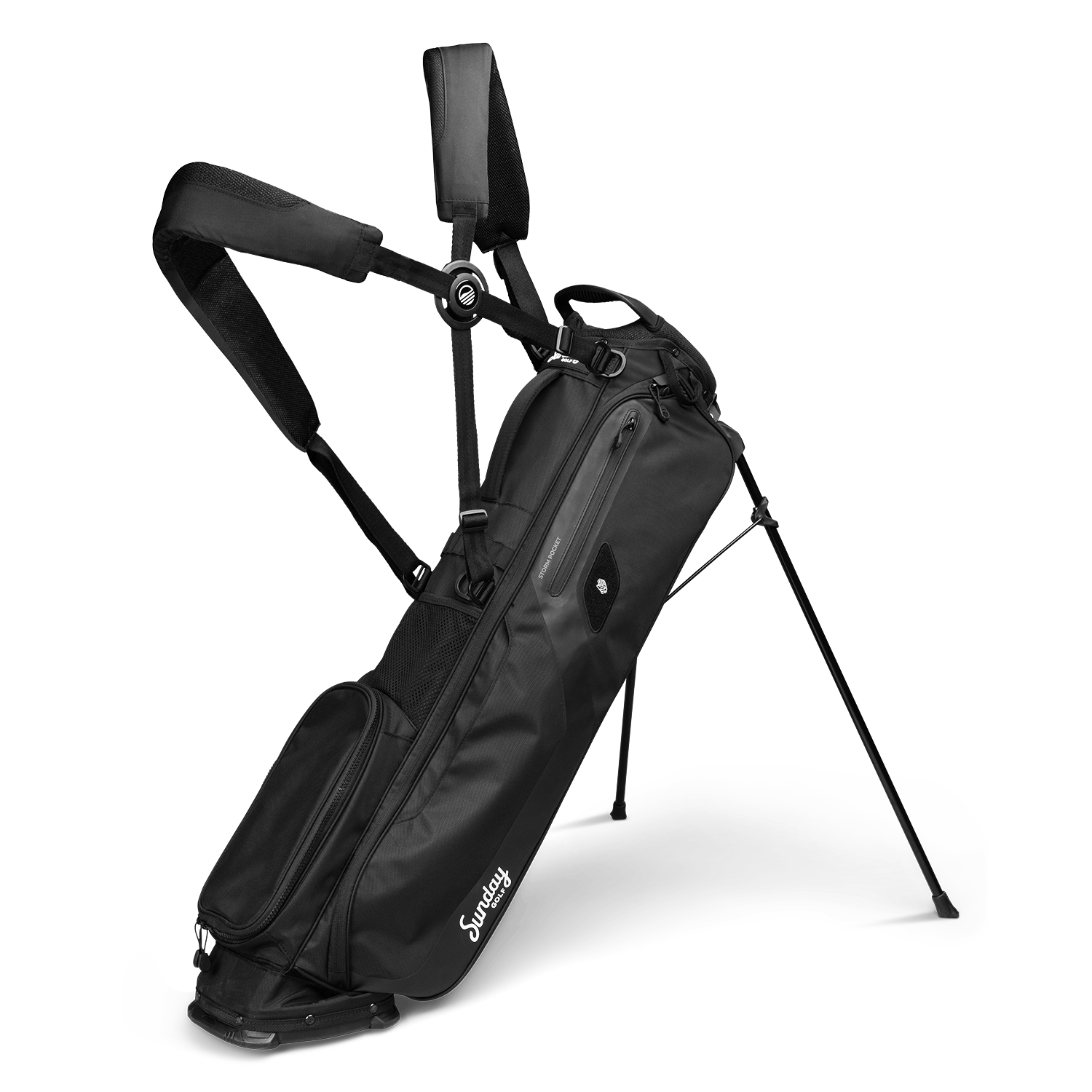
Serve a behaviour before it has a market. Sunday Golf built bags around short-format, walk-up, boot-of-the-car golf while the majors were still building for a full 18-hole round with a trolley. They were early to a behaviour rather than a technology, which is the harder thing to spot and the cheaper thing to build for.
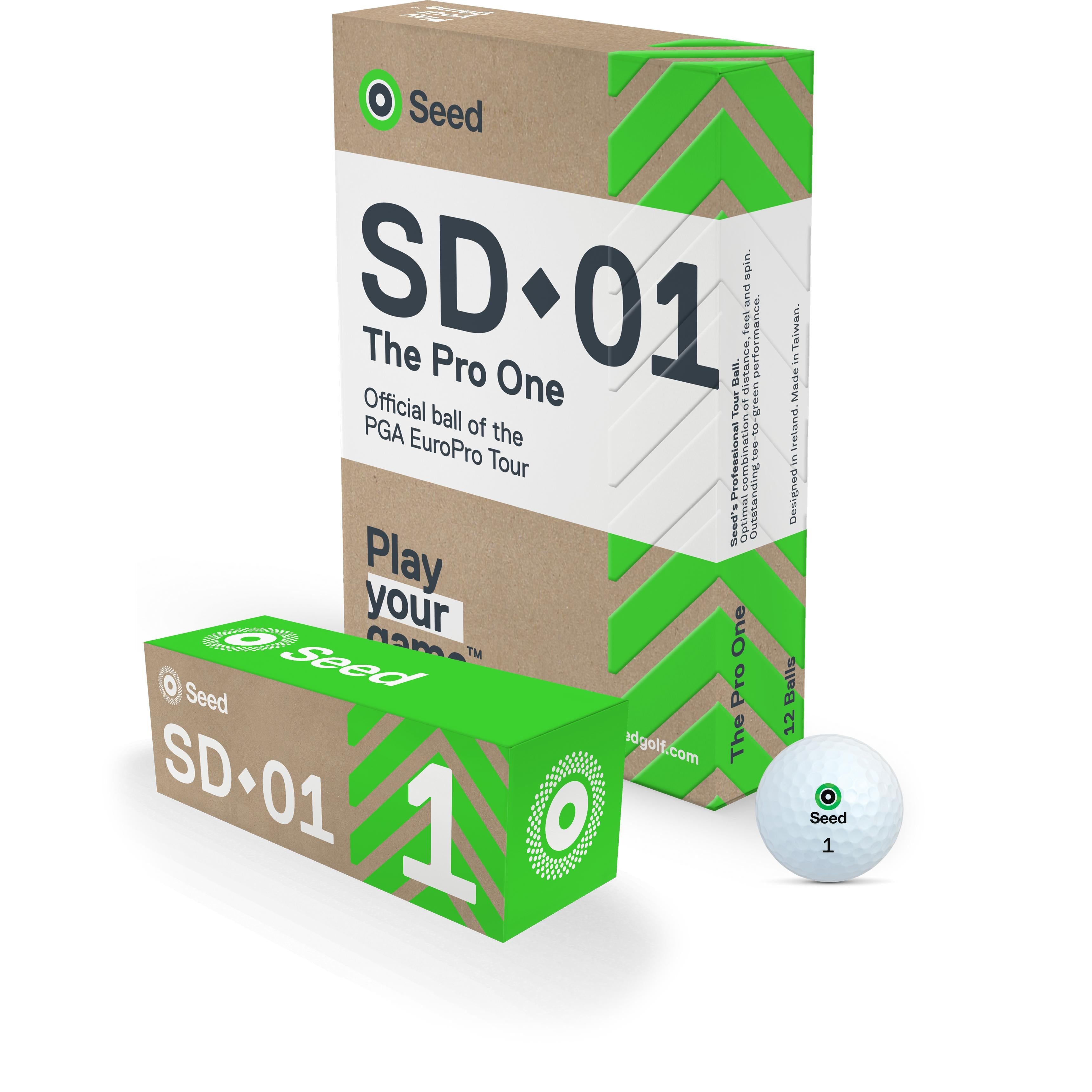
Charge honestly. A small ball maker like Seed doesn't fund tour contracts or television advertising, and can pass that back. That isn't a technological advantage, it's a structural one — and it's the reason the value end of the ball market got good.
What a small brand cannot do
The other half of the ledger, which the enthusiast coverage usually skips.
Fitting infrastructure. This is the big one, and it's why our own bag records show that across 53 tour bags, not one carries a direct-to-consumer club. That's not a quality verdict — it's the absence of a tour truck. The same absence shows up for you as a shorter list of places to be measured.
Range. One good shoe is not a footwear line. If your feet don't suit the one last a small brand makes, there is no second option, and the majors will always win on breadth of fit.
Longevity of support. Warranty terms are only as good as the company. Most of these brands will be fine; some won't be, and a five-year-old product from a company that folded is just a product.
Consistency. Small-batch means small-batch. Specs change between runs more often than at scale, which matters most for balls and shoes and least for a putter.
The rule I'd apply
Buy the cult brand where the product is a decision, and the major where the product is a fit.
A putter is a decision. So is a bag, a headcover, a ball, a small piece of gear where you either like the idea or you don't. In those categories a small brand's willingness to commit is a genuine advantage and the downside of getting it wrong is limited.
Irons and shoes are fits. You need to be measured, you need options in width and lie and length, and you need somewhere to go when it's not right. That's where scale earns its money, and where cult loyalty costs golfers real performance.
Why the favourability numbers make sense
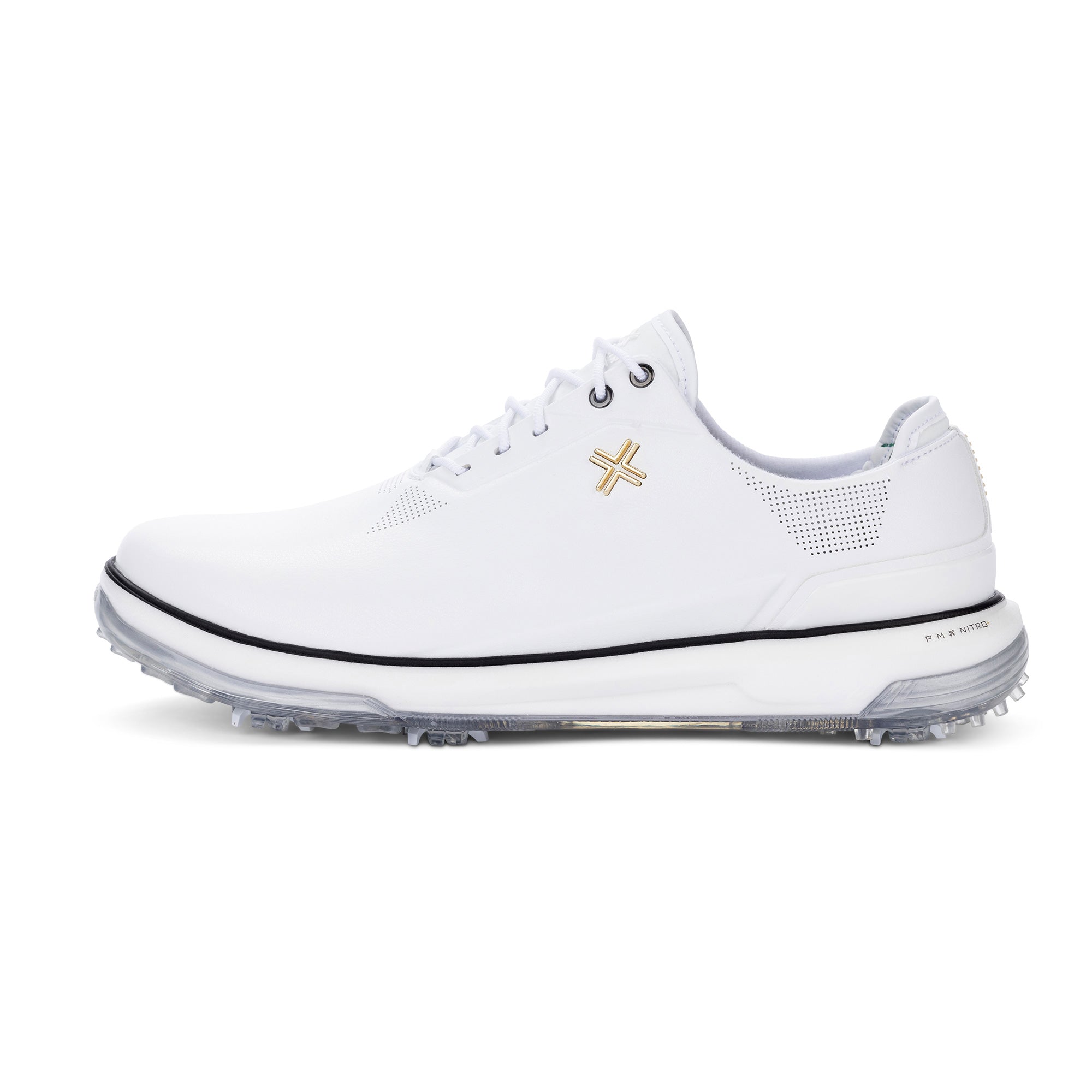
Read the finding again with that split in mind: the two brands named as punching above their weight are in apparel and footwear — categories where a golfer can form a strong personal opinion and where the product either suits them or doesn't. That's exactly where a committed small brand should out-score a hedged big one.
Nobody is reporting that a boutique iron brand is out-favouring Ping among people who've been fitted. That's the tell.
The test that sorts a cult brand from a marketing exercise
Not every small brand is doing the interesting thing. A useful filter is to ask what the company would refuse to make.
A brand with a genuine idea can answer that instantly — L.A.B. won't make a conventional putter, TRUE won't make a stiff, elevated shoe, Sunday won't make a fourteen-divider cart bag. The constraint is the identity, and it's why their products feel decided.
A brand without one makes whatever the category expects in a nicer colourway, and you can usually spot it in the range: a small company selling a full line across every category is almost always a badge on someone else's manufacturing rather than a point of view. That's not fraud, and some of it is decent value. It just isn't what you're paying the premium for.
What to do with all this
Take the small brands seriously — more seriously than the golf press generally does, because they're where the interesting products come from and where the majors get their ideas. L.A.B. changed putters. Sunday changed bags. The value ball makers changed pricing across the whole category.
Just be clear about which purchase you're making. If you're buying a decision, back the people who made one. If you're buying a fit, go where you can be measured — and if you can be measured into something small and interesting, that's the best of both, and worth going out of your way for.
Products mentioned in this article
Seed
Seed SD-01 The Pro One Golf Balls (Dozen)
Small-batch balls that make the majors' pricing look negotiable
ifrothgolf earns a commission on purchases made through these links, at no extra cost to you. It never changes what I recommend. Full disclosure.
Frequently asked
- Are boutique golf brands worth the money?
- In categories where the product is a decision rather than a fitting — putters, bags, balls, accessories — often yes, because a small brand can commit to an idea a major would hedge. In categories that need measurement and range, like irons and shoes, scale usually serves you better.
- Why don't tour pros use small golf brands?
- Mostly distribution rather than quality. Tour players get hand-selected heads and custom builds through a manufacturer's tour operation, and direct-to-consumer brands have no tour truck. Across the 53 bags we maintain, none carries a direct-to-consumer club.
- What's the risk of buying from a small golf brand?
- Limited range if their one product doesn't suit you, specs that can vary between production runs, fewer places to be fitted, and warranty terms that depend on the company still existing. The risk is lowest on items you choose by preference and highest on anything requiring measurement.
- Which golf categories do small brands do best in?
- The ones where a golfer forms a personal opinion and the product either suits them or doesn't — putters, bags, balls, apparel and footwear. That's consistent with 2026 survey data showing small apparel and footwear brands scoring favourability alongside far bigger competitors.
Read next
Review
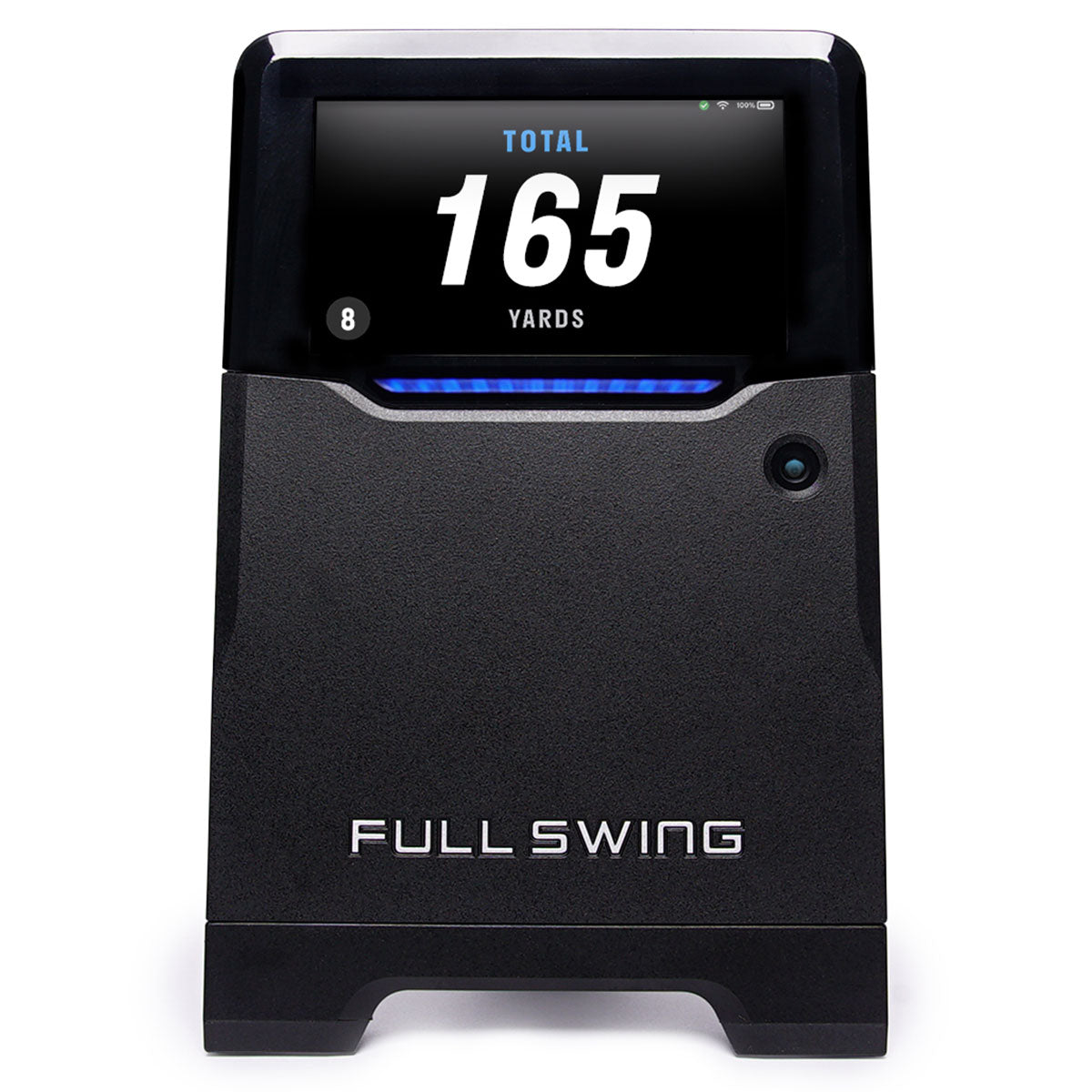
7.9/10Full Swing KIT review: the tape measure decides this, not Tiger
Tour pedigree, TGL on ESPN, and radar good enough to be checked against a Trackman outdoors. It also wants eighteen to twenty feet of room, which rules out most of the garages people buy it for.
Versus
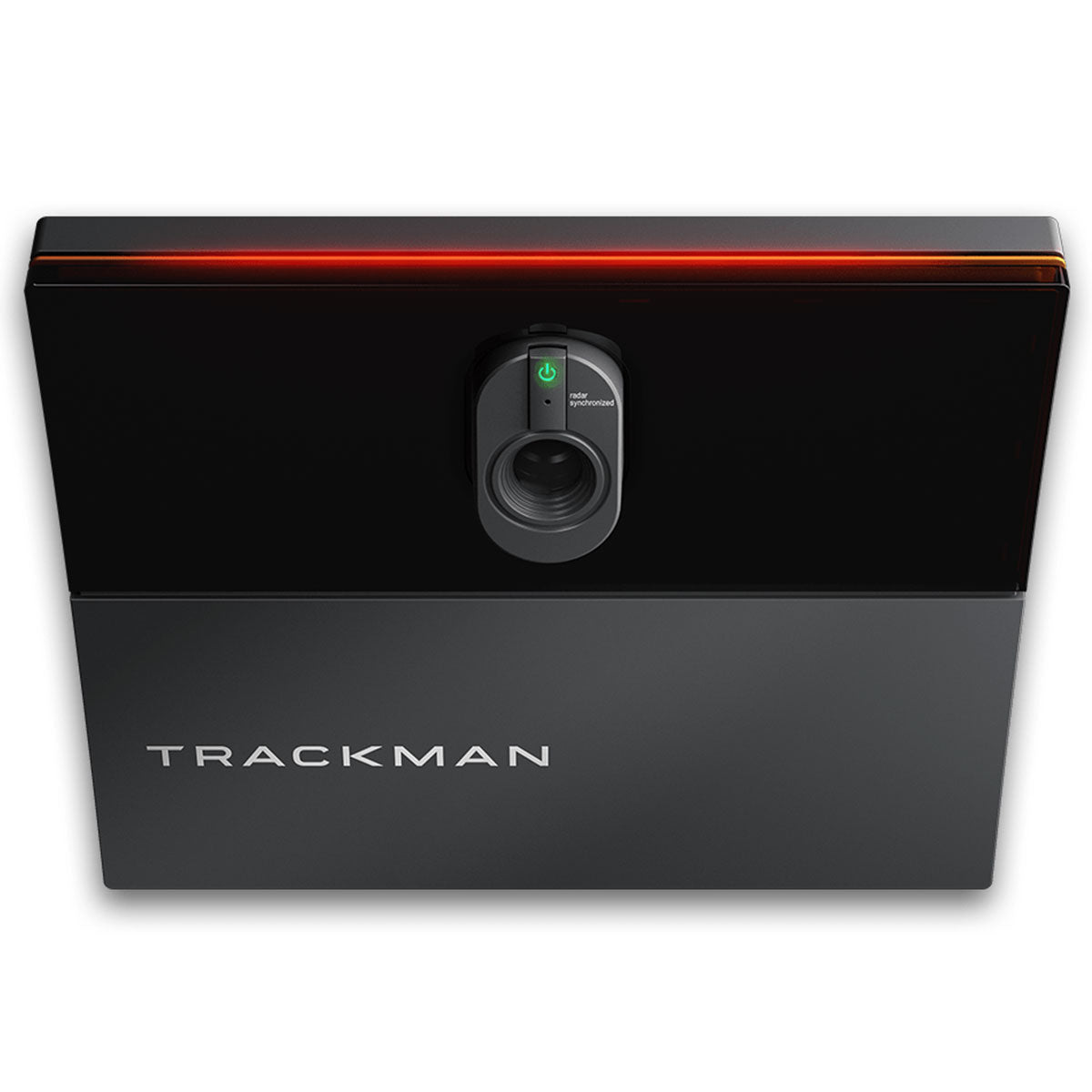
Trackman iO vs Uneekor EYE XO2: the year-one trap
Both mount overhead, both want ten feet of ceiling, and about $3,000 separates them on the shelf. Then Trackman's included first year runs out, and the gap starts growing by $1,100 a year.
Versus
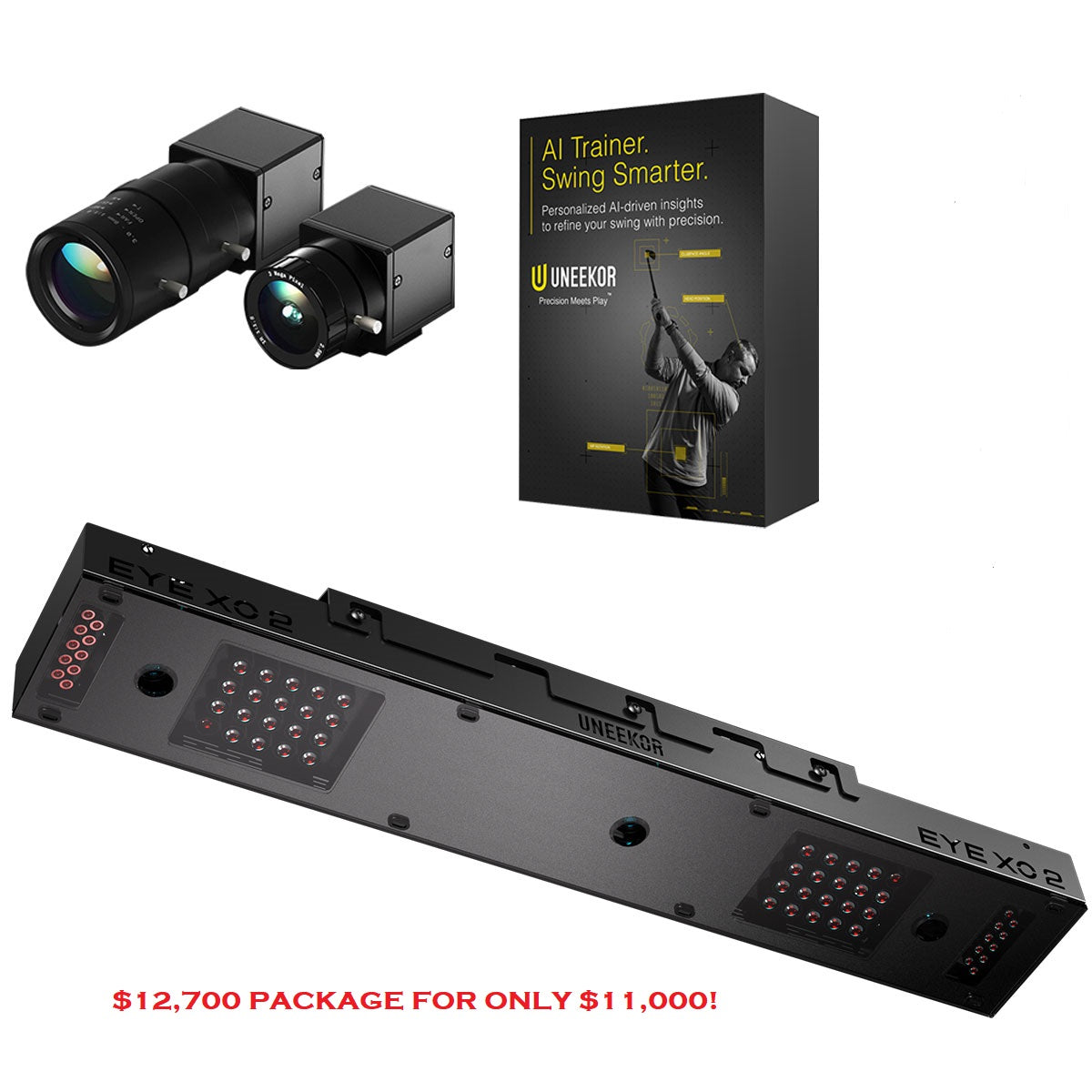
Uneekor EYE XO2 vs Foresight GC3: ceiling or floor?
About $4,000 separates them, but they're not really rivals — one lives in your ceiling forever, the other sits on the floor and travels. The cheaper one is also the one with no subscription.