
14 clubs between two players: the foursomes rules that change what you carry
The Presidents Cup tees off at Medinah on 24 September and club winter foursomes start the week after. Alternate shot and match play run on different rules to the medal you played all summer — including one that lets a pair carry a single composite set between them.
By Tom Whitaker · Staff Writer
Sunday Golf
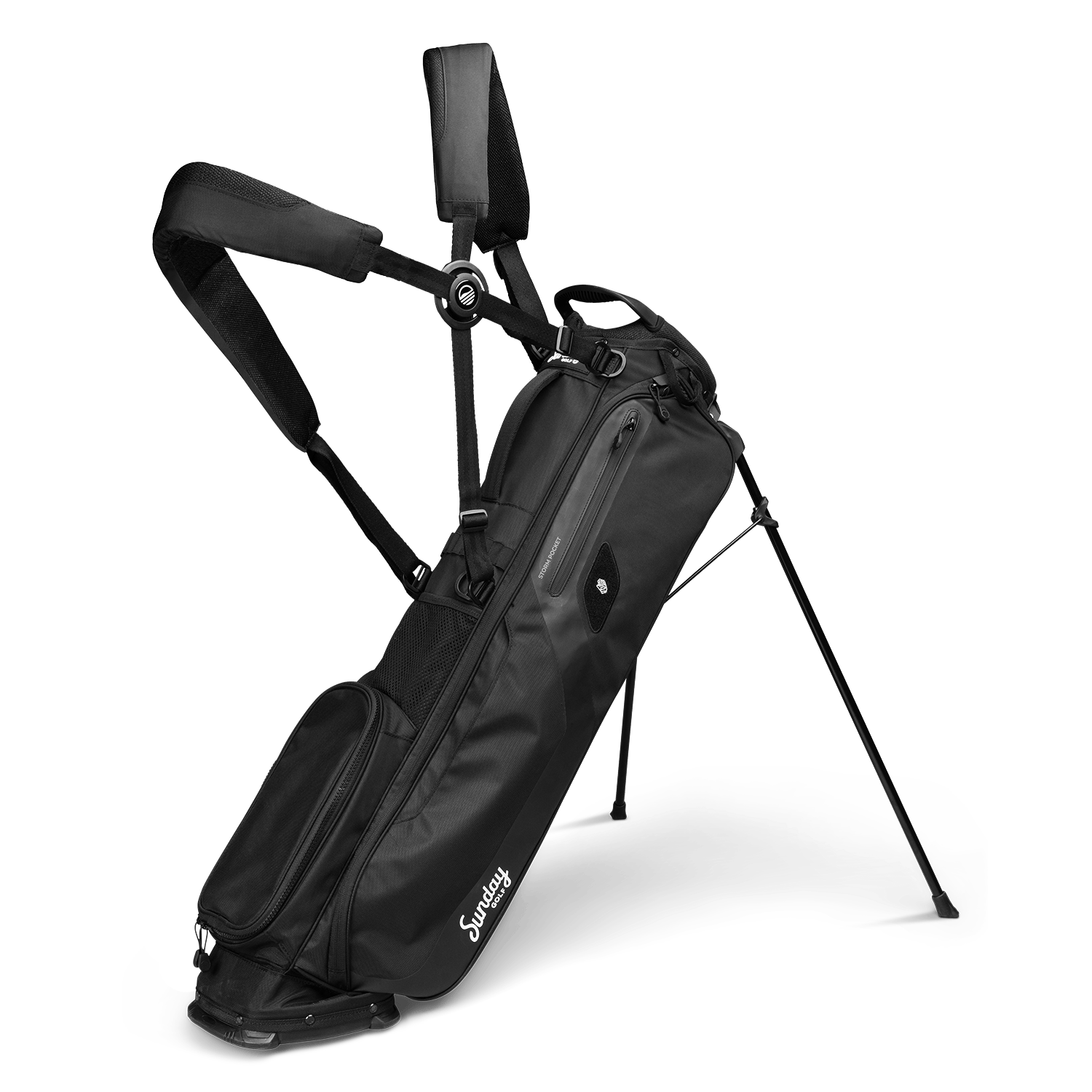
Sunday Golf El Camino Stand Bag
ifrothgolf earns a commission on purchases made through these links, at no extra cost to you. It never changes what I recommend. Full disclosure.
The headline, because it is the one club golfers most often get wrong: in foursomes you and your partner are allowed a combined total of fourteen clubs, and you may share them. Not fourteen each. Fourteen between you, passed back and forth all day. That is Rule 22.5, which modifies the flat ban on sharing that applies everywhere else, and it turns the bag from a personal possession into a joint decision.
Nearly everything else that changes in team match play flows from the same place — the Rules treat a side as one unit playing one ball, and a match as a series of holes rather than a running total. What follows is the short list that actually changes your kit and your decisions, with anything that is your committee's call rather than the Rules' flagged as such.
Rule 22.5: a foursomes pair shares one set of fourteen
Start with the baseline. Rule 4.1b(1) says a player must not start a round with more than fourteen clubs, or have more than fourteen during it. Rule 4.1b(2) then bans sharing outright: you must not make a stroke with a club being used by anyone else playing the course, even someone in a different group or competition. Borrowing a wedge from the fourball behind is a penalty and always has been.
Rule 22.5 modifies that second part for partner formats. Partners may share clubs, so long as the total they have together is not more than fourteen. In four-ball the same allowance exists under Rule 23. In foursomes, where there is only one ball in play, it becomes a tactical option rather than a technicality — walk with one bag, or split a composite fourteen across two light ones and hand clubs over as the ball dictates.
The penalty if you get the arithmetic wrong is worth knowing before you try it. In match play the score is adjusted by deducting a hole for each hole where a breach happened, up to a maximum of two holes in the round. In stroke play it is two strokes per breached hole, to a maximum of four. Two holes is a large amount of a winter foursomes match to hand over because nobody counted the bag on the first tee.
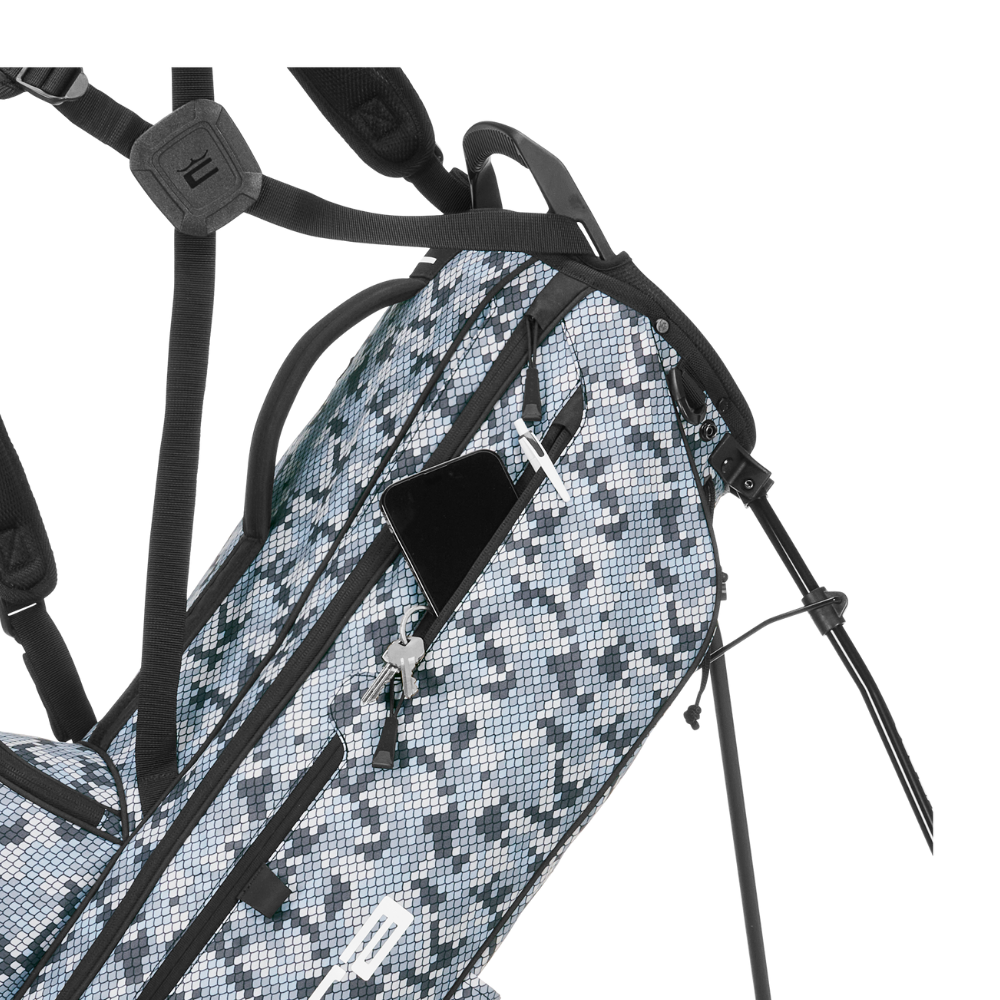
The kit consequence is that the right foursomes bag is a small one. A pair splitting fourteen carries seven or eight clubs each, which is the load something like the Sunday Golf El Camino was built around — a four-way top that gets crowded with a full set in it and sits perfectly happy with ten.
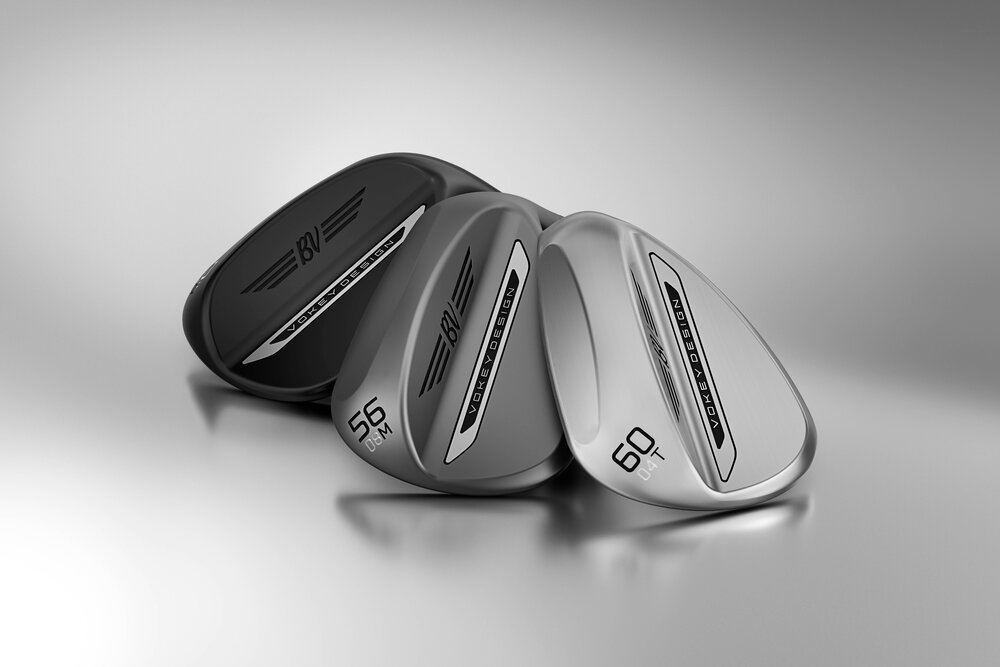
The composite set is the interesting bit. You do not need two putters, two drivers or two sand wedges — you need one of each that both of you can use, plus the long clubs that suit whoever is likelier to be hitting them. Wedges are where it gets real, because they are the clubs most often bought as singles: a Titleist Vokey SM11 is sold by the club and by the grind, which is exactly what a pair building fourteen out of two bags needs. The putter is the argument you will have in the car park, and no rule helps you with it.
The One Ball condition is switched off unless your committee switched it on
This is the one most club golfers assume is a Rule of Golf, and it is not. Under Rule 6.3a you may play any conforming ball when starting a hole from the teeing area and may change balls between two holes. You must hole out with the ball you teed off with, except where it is lost, out of bounds, or you are entitled to substitute — but at the next tee you are free to reach for a different model entirely.
The restriction people are thinking of is Model Local Rule G-4, the One Ball Rule, in Section 8 of the Committee Procedures. It requires every ball played during a round to be the same brand and model, and different colours of the same ball count as different balls. It is a Committee option, not a Rule of Golf, and the guidance is explicit that it is recommended only for competitions limited to highly skilled players — professional and elite amateur events. Your Saturday winter foursomes is almost certainly not one. Check the notice board rather than taking my word for it, because when it is in force it is in force.
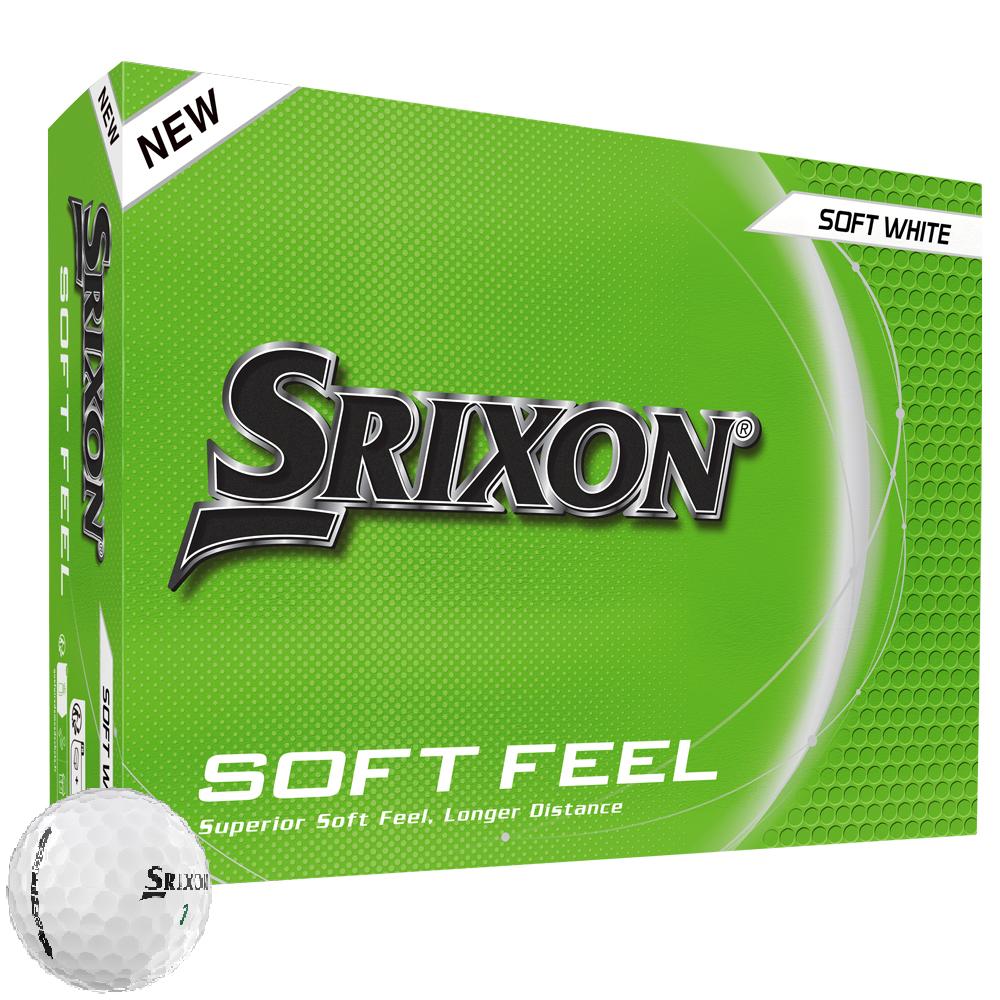
So in ordinary club foursomes a pair may legitimately change ball model hole to hole. I would not. The appeal of alternate shot is that the club arriving in your hands is a known quantity, and swapping between a soft two-piece and a firm urethane mid-round throws away the one variable you control. The sane version is that both of you carry the same dozen — something like the Srixon Soft Feel, cheap enough that nobody is precious about a lost one and identical enough that nobody notices a swap.
A concession is final the second it is said
Match play scoring is its own change of mindset. Rule 3.2a says a hole is won by completing it in fewer strokes than the opponent, by the opponent conceding it, or by the opponent taking the general penalty — which in match play is loss of hole rather than two strokes. A triple bogey and a quadruple cost exactly the same: one hole. That is why sides attack pins in match play they would never look at in a medal.
Concessions sit under Rule 3.2b and the wording is unusually blunt: a concession is made only when it is clearly communicated, and once made it is final and cannot be declined or withdrawn. No taking it back because your opponent then holed theirs, no refusing it because you fancied the putt. The Rules also cover the classic clubhouse row — if an opponent lifts their ball because of a reasonable misunderstanding that something you said or did was a concession, there is no penalty and the ball goes back. In foursomes it matters twice over, because the putt you are conceding is the side's score, not one player's.
Order of play, and the stroke your opponent can cancel
Rule 22.3 sets the alternating requirement: partners must alternate who plays first from the teeing area on each hole, and after the tee shot they keep alternating strokes. Penalty strokes do not affect that order, so a two-shot penalty does not put the same player back over the ball. A breach is the general penalty. Rule 22.4 lets the side choose who starts the round from the first tee unless the terms of the competition say otherwise, which is why teams think hard about who takes the odd holes.
Between opponents it works differently again. Under Rule 6.4a the ball farther from the hole is played first, but 6.4a(2) says there is no penalty for playing out of turn in match play — the opponent may cancel the stroke instead. It must be done promptly and before either player makes another stroke, it cannot be withdrawn, and the stroke is replayed from where it was made when your turn comes. The sensible get-out: invite an opponent to play out of turn to save time and you have given up the right to cancel it.
Advice: your partner is inside the circle, your opponent never is
Rule 10.2a stops you giving advice to anyone in the competition playing the course and stops you asking for it from anyone but your caddie. Partner formats carve out the obvious exception — you may give advice to your partner or their caddie and ask them for it. In foursomes a full conversation about club, line and shot shape is not merely allowed, it is the format.
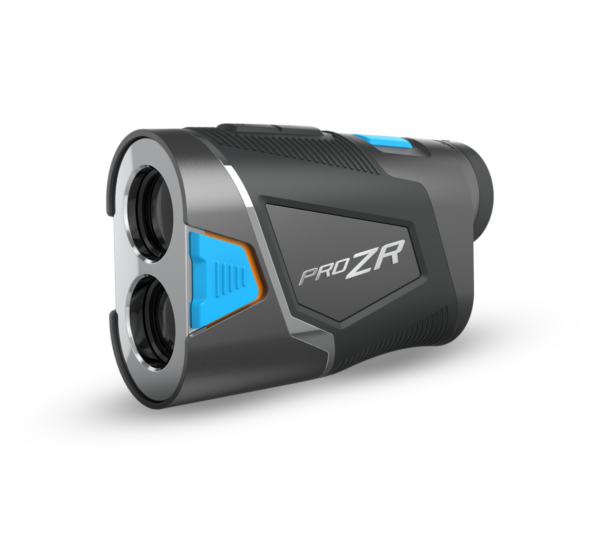
The same conversation with an opponent stays banned, and that is where friendly winter matches trip themselves up. The definition of advice turns on intent to influence a club choice, a stroke or how a hole is played, and it explicitly excludes public information — where things are on the course, the distance from one point to another, and the Rules themselves. Telling an opponent it is 148 to the flag is fine. Telling them it is a seven-iron is not. A laser like the Shot Scope PRO ZR sits on the safe side of that line by design.
What it does to the bag, and what it does not
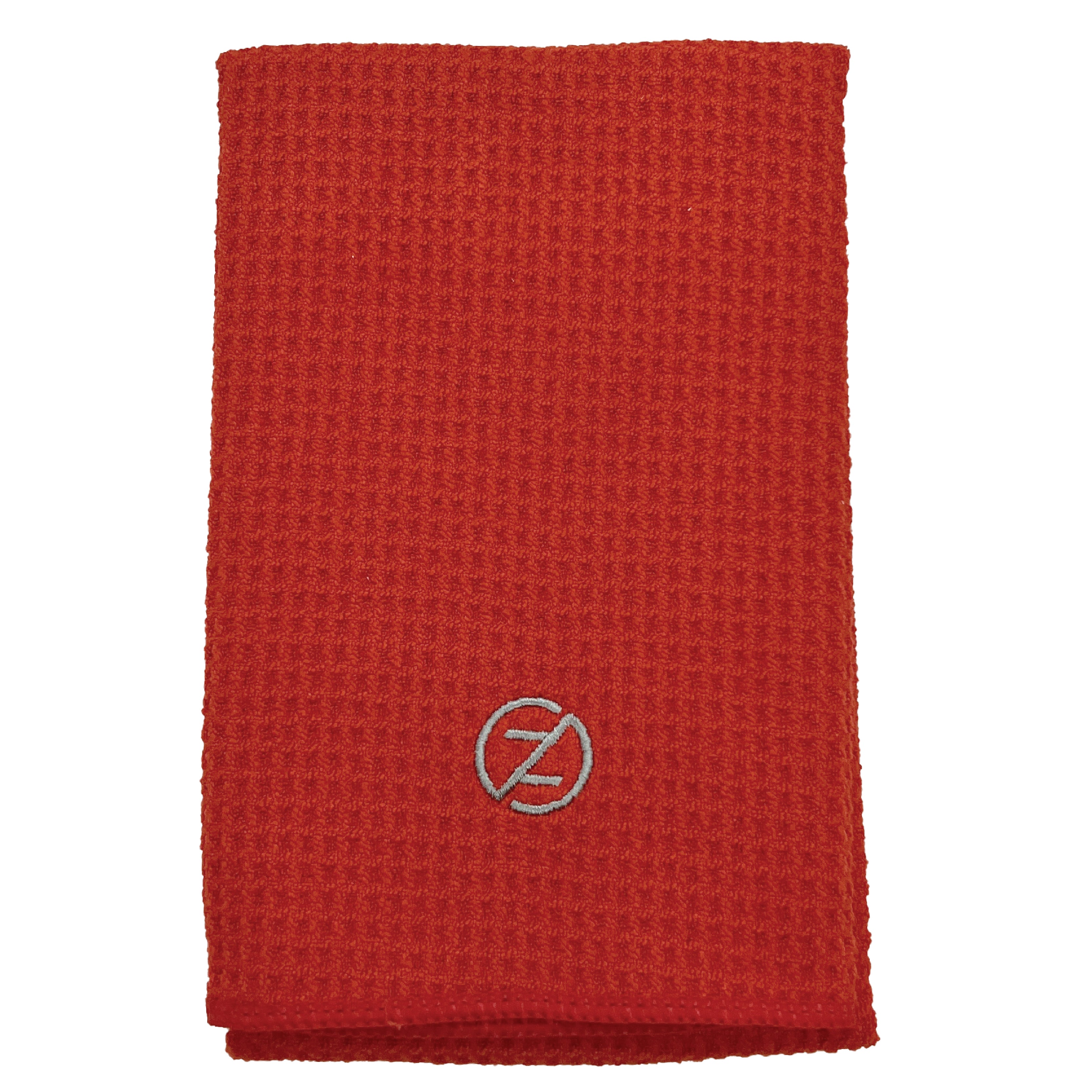
Practically: count the clubs on the first tee, out loud, both bags, and agree the composite fourteen the night before. If you are sharing a bag, one towel now serves two players and a club is being handed over wet every few minutes, which makes something like a Zero Friction waffle microfibre towel less of an accessory than it looks in July. And read the card, because the local rules on it are decisions your club made — we have been through those in autumn local rules and in is a rangefinder legal in competition.
One last piece of housekeeping. The Rules define foursomes at Rule 22 and four-ball at Rule 23. Greensomes — both partners drive, you pick the better ball, then alternate — appears in neither. It is a Committee-defined variation, so the details are whatever your conditions of competition say, including who plays the shot after the drive is chosen. If your winter league runs greensomes, the card is the authority, not the rulebook.
Products mentioned in this article
Sunday Golf
Sunday Golf El Camino Stand Bag
Built around ten to twelve clubs rather than fourteen, which is the number a foursomes partner actually carries.
Titleist
Titleist Vokey SM11 Wedge
Sold by the individual club, so a pair can assemble a composite set instead of duplicating two full ones.
Srixon
Srixon Soft Feel Golf Balls (Dozen)
Cheap enough that both partners can stock the same model and never have to think about the ball mid-round.
Shot Scope
Shot Scope PRO ZR Laser Rangefinder
Distances are public information under the Rules, so a laser is one of the few things you may share with anyone.
Zero Friction
Zero Friction Waffle Microfibre Golf Towel
One shared bag on a wet October morning means one towel, and the club is being handed over between shots.
ifrothgolf earns a commission on purchases made through these links, at no extra cost to you. It never changes what I recommend. Full disclosure.
Frequently asked
- Can two players share clubs in foursomes?
- Yes. Rule 22.5 modifies the normal no-sharing rule for partner formats, so partners may share clubs provided the total number they have between them is not more than fourteen. That is fourteen for the side, not fourteen each. Outside partner formats, Rule 4.1b(2) bans sharing a club with anyone else playing the course.
- Do you have to play the same golf ball in foursomes?
- Not unless the Committee has adopted the One Ball Rule, which is Model Local Rule G-4 in the Committee Procedures and is recommended only for competitions limited to highly skilled players. Without it, Rule 6.3a lets a side play any conforming ball when starting a hole and change models between holes, although you must hole out with the ball you teed off with unless it is lost, out of bounds or you are entitled to substitute.
- Can a conceded putt be taken back in match play?
- No. Under Rule 3.2b a concession is made when it is clearly communicated, and once made it is final and cannot be declined or withdrawn. That applies to conceding a stroke, a hole or the match. If an opponent lifts their ball because of a reasonable misunderstanding that your words or actions were a concession, there is no penalty and the ball is replaced.
- What happens if you play out of turn in match play?
- There is no penalty, but Rule 6.4a(2) lets your opponent cancel the stroke. They must do it promptly and before either player makes another stroke, and once they have cancelled it they cannot change their mind. You then replay from where that stroke was made when it is your turn. If you invited them to play out of turn to save time, you have given up the right to cancel.
Read next
Opinion
Your golf bag is too big
Fourteen clubs is a limit, not a target, and you bought a bag sized for the target. If you walk, weight beats storage. If you ride, ignore every word.
Review
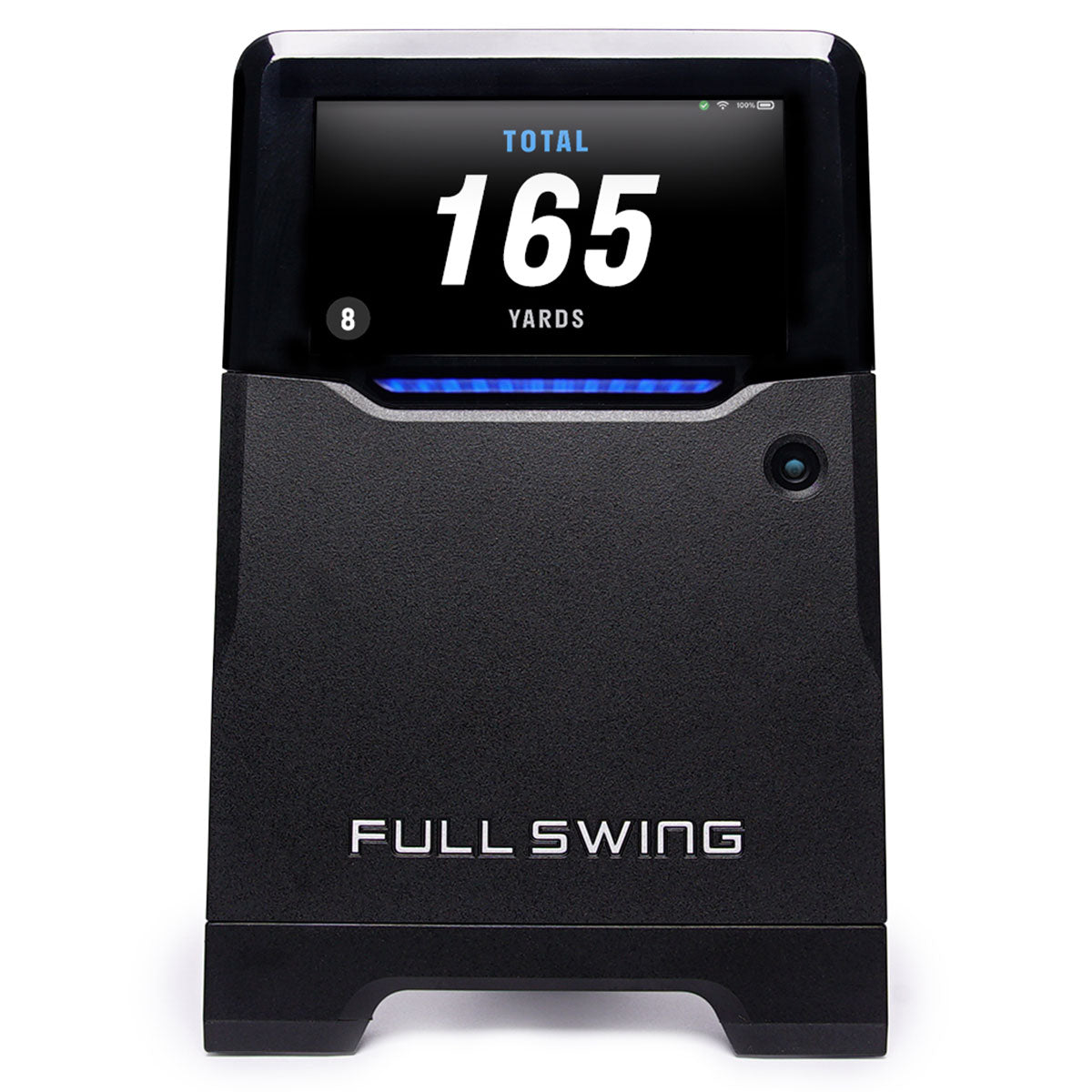
7.9/10Full Swing KIT review: the tape measure decides this, not Tiger
Tour pedigree, TGL on ESPN, and radar good enough to be checked against a Trackman outdoors. It also wants eighteen to twenty feet of room, which rules out most of the garages people buy it for.

Versus
Trackman iO vs Uneekor EYE XO2: the year-one trap
Both mount overhead, both want ten feet of ceiling, and about $3,000 separates them on the shelf. Then Trackman's included first year runs out, and the gap starts growing by $1,100 a year.