
Ireland golf trip guide: links, legends and where to base yourself
An honest Ireland golf trip guide: the great links of the Southwest, North and East, touring versus basing yourself, when to go, and what to pack for the weather.
By Tom Whitaker · Staff Writer
 Explained
An Ireland golf trip pairs some of the finest links on earth with a culture that makes the evenings as memorable as the golf. Concentrate on the Southwest, the North or the East near Dublin, decide early whether to tour or base yourself, go in the warmer half of the year, and pack for changeable coastal weather. The reward is world-class golf wrapped in genuine warmth.
This is the detailed companion to our overview of the best golf trip destinations. Below: the great links regions, the craic and culture angle, how to structure your itinerary, when to go, the kit you'll need, and who an Irish trip really suits.
Ireland's links riches, region by region
Ireland's coastline is studded with classic links, and they cluster into three broad regions that each make a natural trip.
The Southwest — the stretch around Ballybunion, Lahinch and Tralee — is for many the heart of Irish links golf: dramatic dunescapes, big sea views and golf that feels carved from the landscape rather than built on it. It pairs beautifully with the scenery and small towns of the west coast.
The North gives you two of the most celebrated names in the game, Royal County Down and Royal Portrush, within reach of each other — a compact, high-quality base for a links pilgrimage. And the East, near Dublin, offers superb coastal golf at the likes of Portmarnock and The Island within easy reach of the capital, which makes it the simplest region to combine golf with a city break and a short transfer from the airport.
Name-dropping aside, the point is that Ireland gives you genuine world-class links in three distinct corners — so you can build a trip around whichever fits your travel plans and group best.
The craic and the culture
What sets Ireland apart from a pure golf pilgrimage is the social side, and it's no cliché. The towns and villages near the great links tend to be friendly, walkable and built for good evenings — the kind of place where the post-round pint stretches into a proper night out and the locals genuinely want to know how you played. That warmth of welcome is, honestly, half the reason people come back.
Build it into the plan. Choose bases with character within walking distance of somewhere good to eat and drink, and you'll find the trip is remembered as much for the company as the courses.
Touring versus basing yourself
There are two ways to do Ireland, and the right one depends on your group. A touring itinerary — moving along a coast, playing a different links each day — lets you cover more famous courses and see more of the country, at the cost of more driving, more packing and unpacking, and less downtime.
Basing yourself in one or two well-chosen towns and playing courses within range is more relaxed, easier on the group, and leans into that social, settle-in atmosphere Ireland does so well. For most groups — especially mixed-ability ones, or anyone who values the evenings as much as the golf — basing yourself wins. Save the grand tour for the second trip.
When to go to Ireland for golf
The season broadly runs from late spring to early autumn, with the warmest and driest spell around midsummer, which is also the busiest. Late spring and early autumn shoulder periods often give a good balance of acceptable weather, fewer crowds and better value midweek and out of peak.
As with anywhere on this coast, the weather is changeable and the Atlantic delivers wind and squalls at any time of year. This isn't a guaranteed-sun destination; it's a play-what-comes one, and the golfers who pack accordingly are the ones grinning at the end of the round.
Weather and what to pack
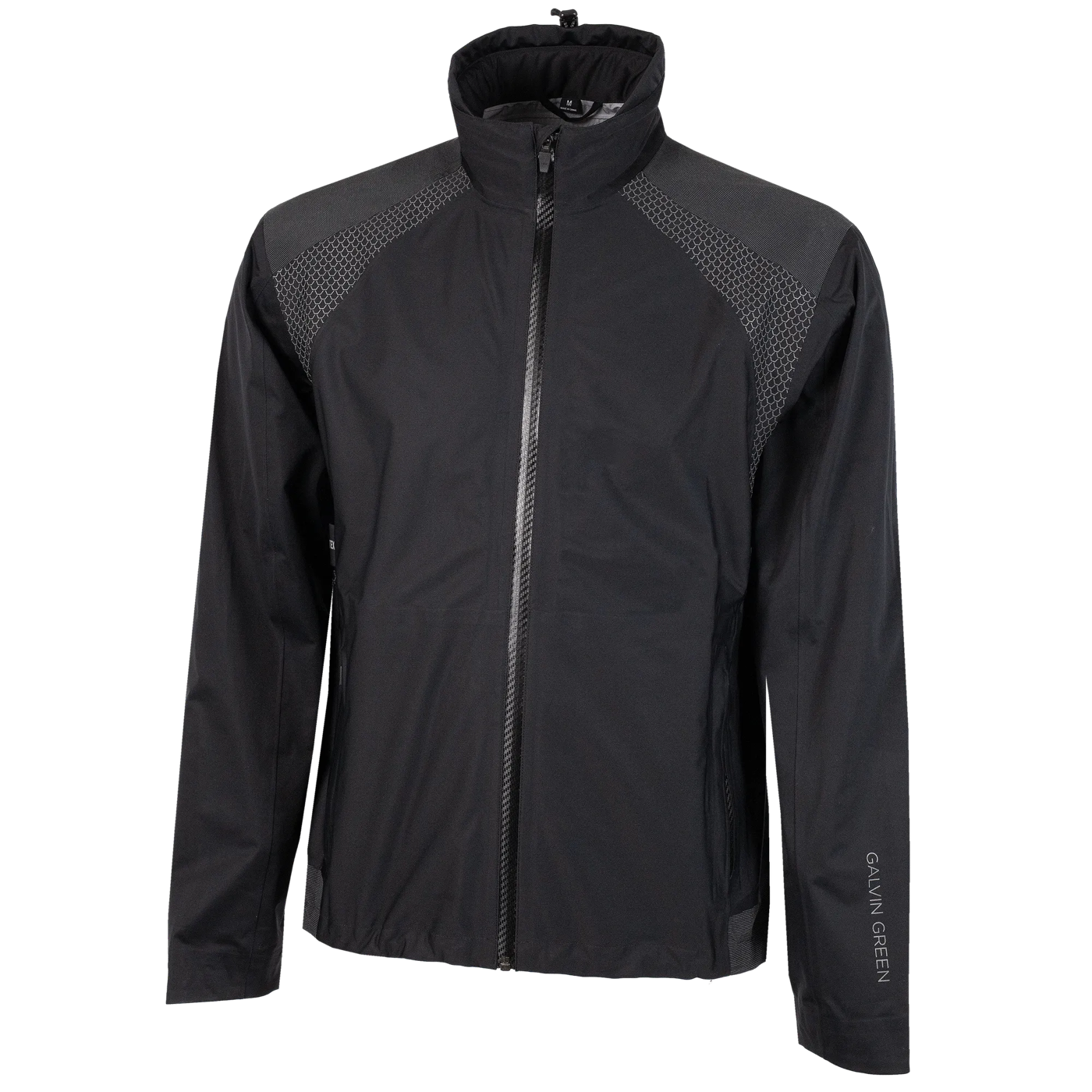
Irish coastal weather turns fast, so a genuinely waterproof shell is the foundation of your packing — the Galvin Green waterproof jacket type of jacket that keeps a full round's worth of rain out, not a shower-resistant top that wets through by the turn.
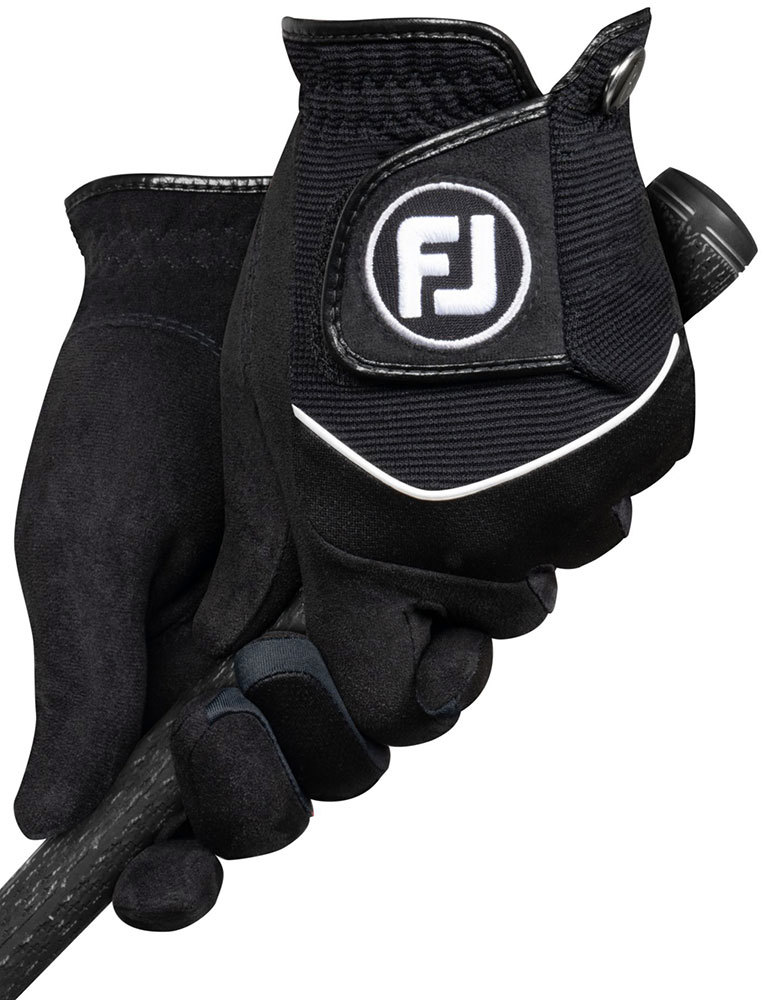
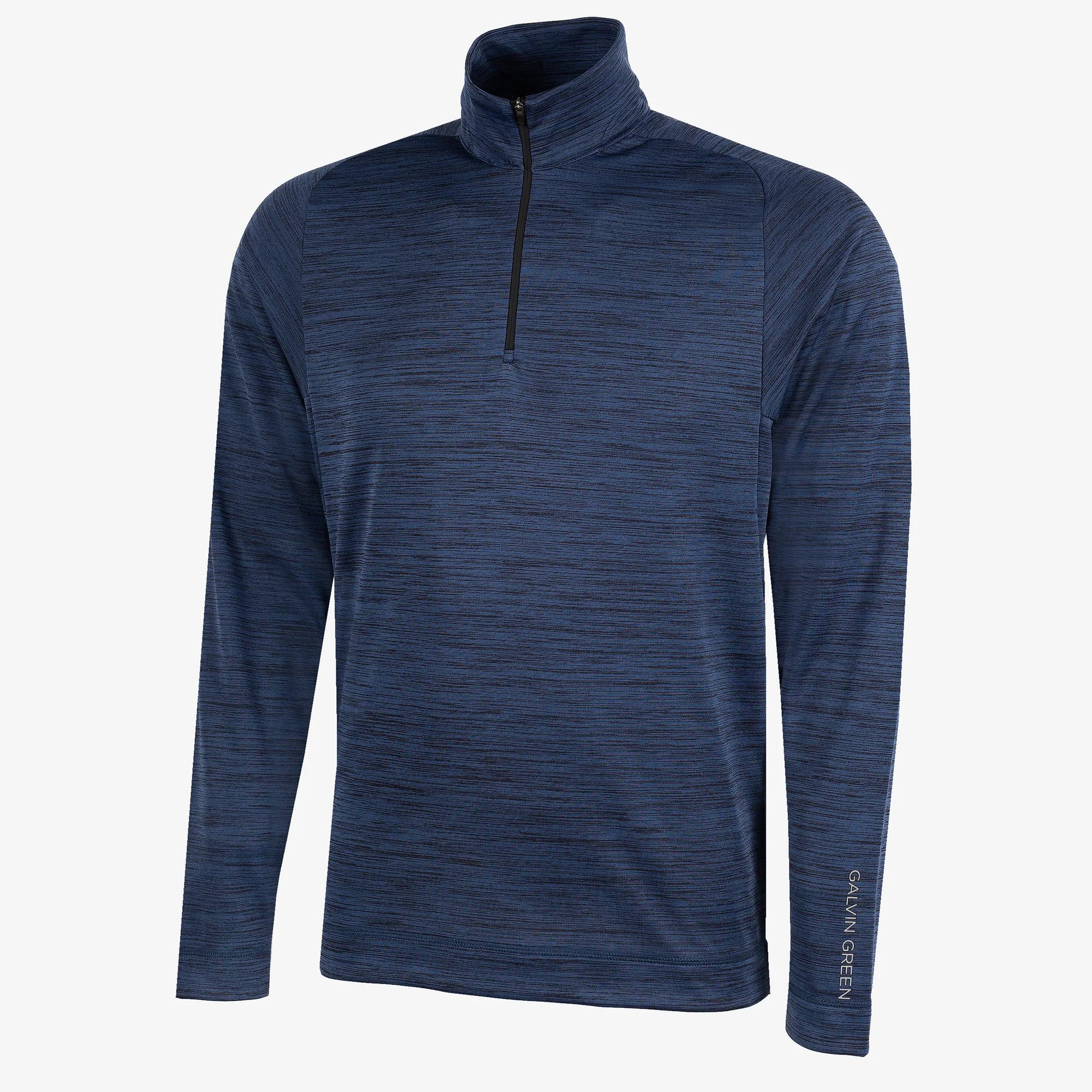
Underneath, a warm, breathable mid-layer such as the Galvin Green Dixon Insula half-zip handles cool, breezy mornings without the bulk of a heavy coat — layering beats one thick jacket every time on this coast. Take rain gloves: the FootJoy RainGrip gloves grip better the wetter they get, which on damp links is exactly the security you want over the ball.
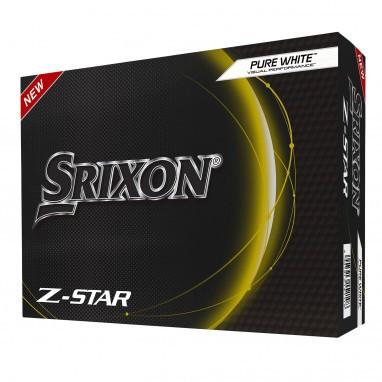
For the golf, commit to a lower, wind-cheating flight and play a ball you can trust to behave — the Srixon Z-Star gives you a consistent flight to lean on when the breeze gets up on exposed holes. Bring more balls than you'd take to a parkland course, pack waterproof shoes and a spare glove or two, and check our links golf trip packing guide for the full list.
Who an Ireland golf trip suits
Ireland suits golfers who want world-class links but also want the trip to be fun off the course — sociable groups, golfers who relish a great evening, and anyone who values welcome and atmosphere as much as the scorecard. The golf is a genuine test, especially in wind, so a group that can take a rough hole on the chin will get the most from it.
If your priority is guaranteed sunshine and gentle resort golf, look to Portugal or Spain instead. But if you want links golf with soul, scenery and the best nineteenth holes in the game, base yourself somewhere with character, pack for the weather, and let Ireland do the rest.
Products mentioned in this article
Galvin Green
Galvin Green GORE-TEX Waterproof Jacket
Ireland's coastal weather turns fast — a proper waterproof shell keeps you playing through the squalls that blow in off the Atlantic.
FootJoy
FootJoy RainGrip Gloves (Pair)
Rain gloves grip better when wet, which on damp Irish links is exactly the security you want over the ball.
Galvin Green
Galvin Green Dixon INSULA Half-Zip Mid-Layer
A warm, breathable mid-layer handles the cool, breezy mornings without the bulk of a heavy jacket.
Srixon
Srixon Z-Star Golf Balls (Dozen)
A consistent ball lets you trust a lower, wind-cheating flight on exposed coastal holes.
ifrothgolf earns a commission on purchases made through these links, at no extra cost to you. It never changes what I recommend. Full disclosure.
Frequently asked
- When is the best time to play golf in Ireland?
- Late spring to early autumn, with midsummer the warmest, driest and busiest. The shoulder periods in late spring and early autumn often balance decent weather, fewer crowds and better value, though Atlantic weather is changeable at any time of year.
- Where should I base myself for an Ireland golf trip?
- Choose a region first: the Southwest around Ballybunion, Lahinch and Tralee for dramatic links; the North for Royal County Down and Royal Portrush; or the East near Dublin for easy access from the airport and a city. Basing yourself in one or two character-filled towns beats constant touring for most groups.
- Should I tour Ireland or stay in one place?
- Touring covers more famous courses and scenery but means more driving and packing. Basing yourself is more relaxed and leans into Ireland's sociable atmosphere. For mixed-ability groups and anyone who values the evenings, basing yourself usually wins; save the grand tour for a return trip.
- Is an Ireland golf trip good for high handicappers?
- Yes, with realistic expectations. The links are a genuine test in wind, so include a few less punishing courses, accept lost balls, and lean into the social side. A group that shrugs off a bad hole will have a brilliant time.
- What should I pack for a golf trip to Ireland?
- A genuinely waterproof jacket, a warm breathable mid-layer, rain gloves, waterproof shoes, spare gloves and plenty of balls. Coastal weather changes fast and wind is common, so layered, properly waterproof kit is the best investment you can make.
Read next
Review
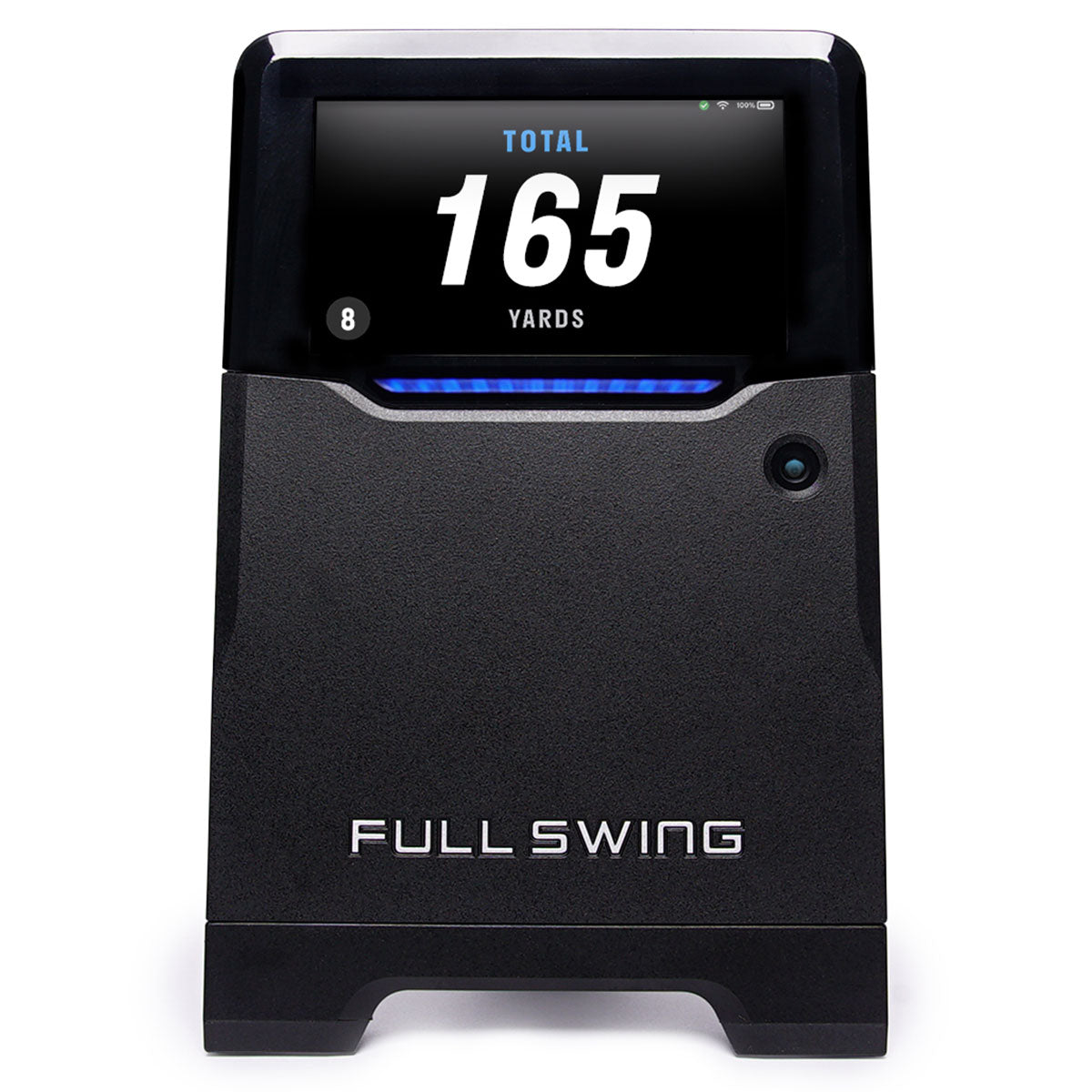
7.9/10Full Swing KIT review: the tape measure decides this, not Tiger
Tour pedigree, TGL on ESPN, and radar good enough to be checked against a Trackman outdoors. It also wants eighteen to twenty feet of room, which rules out most of the garages people buy it for.

Versus
Trackman iO vs Uneekor EYE XO2: the year-one trap
Both mount overhead, both want ten feet of ceiling, and about $3,000 separates them on the shelf. Then Trackman's included first year runs out, and the gap starts growing by $1,100 a year.

Versus
Uneekor EYE XO2 vs Foresight GC3: ceiling or floor?
About $4,000 separates them, but they're not really rivals — one lives in your ceiling forever, the other sits on the floor and travels. The cheaper one is also the one with no subscription.