
Mileseey GenePro G1 vs Bushnell Tour Hybrid: the screen or the viewfinder decides it
Two devices, one idea: put the laser and the GPS in the same hand. One hangs a touchscreen off the side of the barrel, the other hides the yardages inside the eyepiece. They cost about the same, which means this comes down to where you want to be looking.
By Ben Marsden · Reviews Editor
ifrothgolf earns a commission on purchases made through these links, at no extra cost to you. It never changes what I recommend. Full disclosure.
Side by side
| Specification | MileseeyMileseey GenePro G1 Touchscreen GPS Rangefinder | BushnellBushnell Tour Hybrid |
|---|---|---|
| Device type | laser rangefinder + GPS (touchscreen) | laser rangefinder + GPS in one |
| Display | 2.13 inch AMOLED touchscreen with hole maps, green views and front/middle/back numbers; red and green display options | GPS yardages displayed inside the viewfinder alongside the laser reading |
| Slope | yes | yes |
| Magnification | 6x | 6x |
Specs as published by each manufacturer. Rows in grey are where the two match.
There is a short list of golf products that exist because somebody got annoyed. The laser-plus-GPS hybrid is on it. Everyone who cares about yardages ends up owning two devices that refuse to acknowledge each other — a laser that tells you the number to the flag, and a watch or handheld that tells you the shape of the hole — and at some point the obvious question gets asked out loud. Why are these two things.
Two units in our catalogue answer it, and they answer it in almost exactly opposite ways. The Mileseey GenePro G1 bolts a 2.13-inch AMOLED touchscreen onto the side of the barrel and runs full hole maps from 43,000 preloaded courses on it. The Bushnell Tour Hybrid refuses to add a screen at all, and instead prints front, centre and back yardages inside the viewfinder, next to the number you have just shot. Same problem. Same money, near enough. Completely different idea about what a golfer should be doing with their eyes.
Where the yardage lives is the whole argument
Start with the Bushnell, because its answer is the more disciplined one. You raise the unit, you fire at the flag, and in the same eyepiece — without lowering the device, without a second glance anywhere — you get the laser number and the GPS front-centre-back for the green you are aiming at. PinSeeker with Visual JOLT confirms you hit the flag rather than the tree behind it. That is the entire interaction. One look, one posture, done.
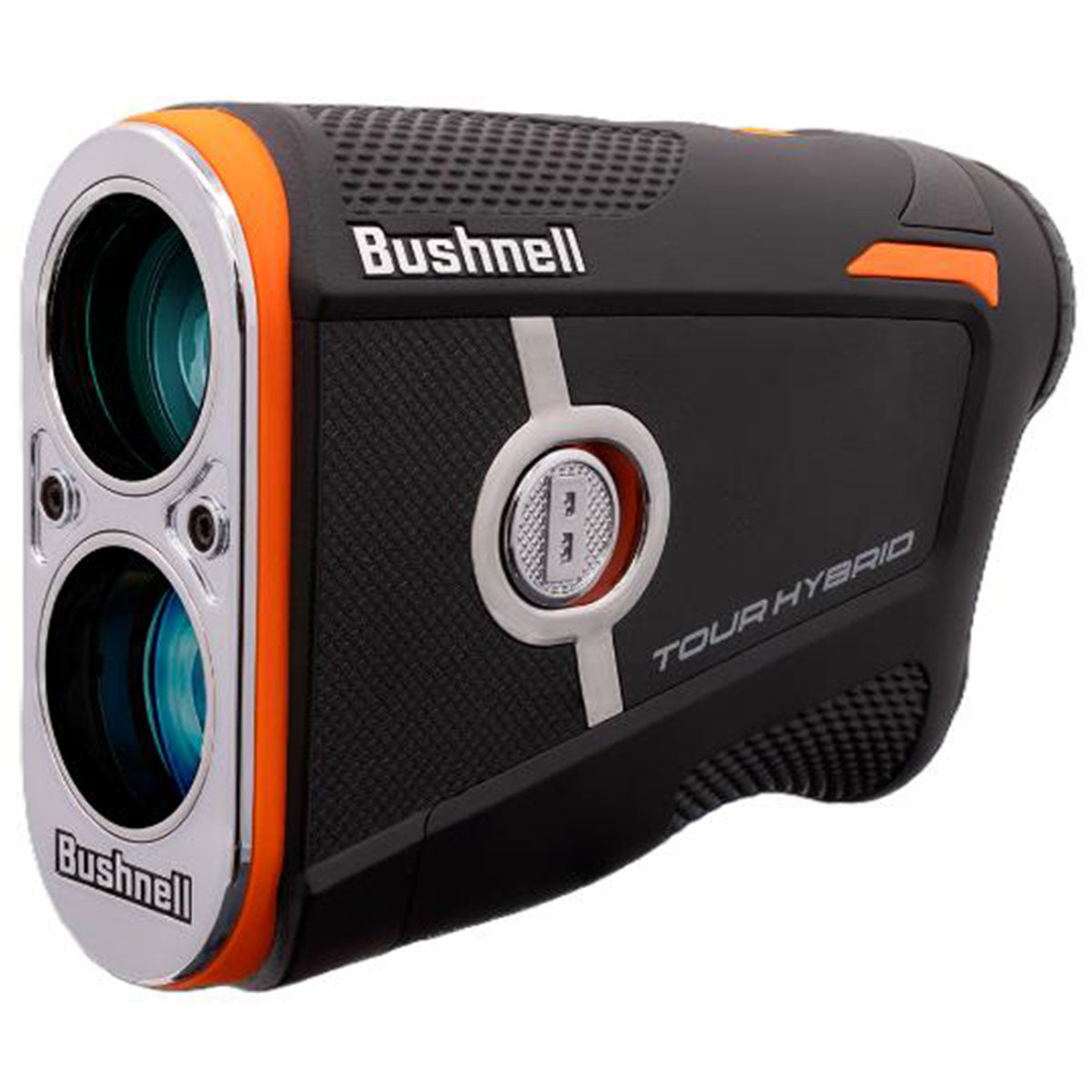
The Mileseey does something genuinely different. Its GPS half is not a supporting number, it is a map you read: hole overviews, green views, a triangulation mode that puts the laser and the satellite data to work together, all on a bright touchscreen you operate with a finger. That is more information than the Bushnell shows you, and it is a better tool for a course you have never seen, where the question is not "how far to that flag" but "what am I even looking at here". The cost is that you are now looking at a screen, and a screen is a thing that asks for attention.
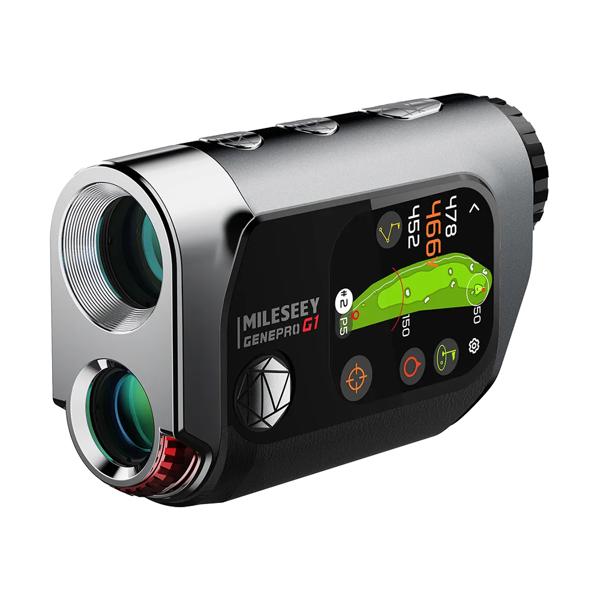
Which is better depends entirely on a question about yourself that is easy to answer honestly and easy to get wrong. Do you want a device that tells you a number, or a device that shows you a hole? If a laser has always been enough and the GPS is there for the blind approach and the carry you cannot range, the Bushnell's answer is the right one and the touchscreen is weight and battery you do not need. If you play unfamiliar tracks often enough that a hole map earns its keep, the Mileseey is doing something the Bushnell cannot do at all.
The budget framing does not survive contact with the price
It is tempting to file this as challenger-brand-versus-incumbent, and the framing falls over as soon as you look at the receipts. In the United States the two land within a dollar of each other — Plugged In Golf's review of the GenePro G1 puts it at roughly five hundred dollars and says outright that it matches the Tour Hybrid's price point. In Britain the gap opens up, and it opens the wrong way for the challenger: the Bushnell lists a clear step below the Mileseey, not above it. Check the number in your own market on the day rather than assuming the unfamiliar brand undercuts the famous one, because in neither of the two markets we watch does it.
So nobody here is the value option. What you are buying with the Mileseey is not a saving, it is a bet on a company most golfers had not heard of three years ago — and that bet has been going well. MyGolfSpy's 2026 rangefinder testing made the GenePro G1 its best overall unit, with full marks for speed and the best optics score in the field, which is not a sentence anyone expected to write about a Mileseey against Bushnell and Garmin. Our own GenePro G1 review landed in the same place on the hardware.
What you are buying with Bushnell is the thing that does not appear on a spec sheet: a service record, a dealer network, a resale value, and the quiet fact that every second player in your club knows what the device in your hand is. Whether that is worth anything is a personal question, and we have argued the general version of it in what the rangefinder premium still buys. It is not free, and it is not nothing.
The magnet, and the other small things
Here is the specific, unglamorous detail that will decide this for more golfers than any of the above. The Bushnell has a magnetic cart mount. The Mileseey does not have a cart magnet at all — Plugged In Golf flags its absence as one of the unit's few real misses.
If you ride, that is not a footnote. A rangefinder that sticks to the cart rail gets used on every shot; a rangefinder that lives in a pocket gets used on the ones you remember to use it on. Anybody who has switched from a magnetised unit to a non-magnetised one knows the behaviour change is real and happens within a round. For a walker it is irrelevant. For a rider it is close to disqualifying, and it is the sort of thing that never makes a comparison table.
The other asymmetry is software. Both units give you slope with a competition switch and 6x magnification, so on the optics-and-lock fundamentals there is nothing in it. But the Mileseey's companion app is the weakest part of its package — clunky, thin on data, and outclassed by anything Garmin or Shot Scope ship. If you want rounds logged and charted afterwards, neither of these is your device, but the Mileseey is the one that will annoy you about it.
The slope question, and the partner who can see it
Both are slope-capable, and both switch it off for competition. The difference is how obvious that is to the three people standing next to you. On the Bushnell, the slope state is part of a physical, well-known interface that a playing partner can recognise at a glance because they have almost certainly seen one before. On the Mileseey it is a setting on a touchscreen, and the person you are playing with has no idea what they are looking at.
That matters less than it sounds for the rules — a switched-off device is a switched-off device, and we have made the case for leaving slope off entirely — but it matters socially, and anybody who plays county or club competition golf will recognise the feeling of not wanting to have the conversation. It is a genuine, if slightly undignified, argument for the familiar unit.
Who should buy which
Buy the Bushnell Tour Hybrid if you ride, if you play most of your golf on courses you know, and if what you want from a GPS is a supporting number rather than a picture. It is the more focused product, the cart magnet is worth more than it looks, and in Britain it currently costs less. Our full review of it goes deeper on why the category has never sold as well as it deserves to.
Buy the Mileseey GenePro G1 if you walk, if you play a lot of courses for the first time, and if the idea of a hole map in your hand genuinely appeals rather than merely sounding clever. It is the more ambitious device, the hardware is excellent, and it is the only one of the two that replaces a GPS watch outright. Wait for one of its frequent discounts, because at list you are in premium territory without the premium safety net.
Who should buy neither
Most golfers, honestly. If you already own a laser you like and a watch you like, the itch these scratch is one you do not have, and you would be spending five hundred to consolidate two devices that are working fine. If you only ever want a number to the flag, a good pure laser costs considerably less than either of these and does that job identically — the field is in our best rangefinders guide. And if you want your golf logged, sliced and charted, buy a system built for that and a cheap laser alongside it.
The hybrid category is for a specific golfer: one who was about to buy both halves anyway. Judged against a laser alone, both of these look expensive. Judged against a laser plus the GPS you were going to carry regardless, they look like sense. I would take the Bushnell, because I ride more than I walk and the magnet decides it — but I would not argue with anyone who took the Mileseey, which is a far stranger sentence than it would have been two years ago.
Frequently asked
- What is the difference between the Mileseey GenePro G1 and the Bushnell Tour Hybrid?
- Both combine a laser rangefinder with GPS, but they display the GPS differently. The Bushnell Tour Hybrid shows front, centre and back yardages inside the viewfinder alongside the laser reading, so you never lower the device. The Mileseey GenePro G1 has a 2.13-inch AMOLED touchscreen on the side of the unit running full hole maps and green views from 43,000 preloaded courses, which is more information but requires looking at a screen. Both offer slope with a competition switch and 6x magnification.
- Is the Mileseey GenePro G1 cheaper than the Bushnell Tour Hybrid?
- No. In the United States the two sit at essentially the same price, around five hundred dollars, which Plugged In Golf noted in its GenePro G1 review. In the United Kingdom the Bushnell Tour Hybrid lists lower than the Mileseey, so the challenger brand is not the budget choice in either market. The Mileseey is discounted frequently, which is when it becomes the better value of the two.
- Does the Mileseey GenePro G1 have a cart magnet?
- No, and it is the unit's most practical omission. The Bushnell Tour Hybrid has a magnetic cart mount that holds it on the buggy rail between shots. If you ride rather than walk, that single feature changes how often the device actually gets used during a round, and it is the strongest argument for the Bushnell.
- Do I need a laser and GPS hybrid at all?
- Only if you were genuinely going to buy both a laser and a GPS device. Judged against a laser on its own, a hybrid looks expensive for a feature set you may not use. Judged against the cost of a laser plus a GPS watch or handheld, it is straightforward value and one less thing to charge. If you already own a laser you like and a watch you like, neither of these is worth the money.
Read next
Versus
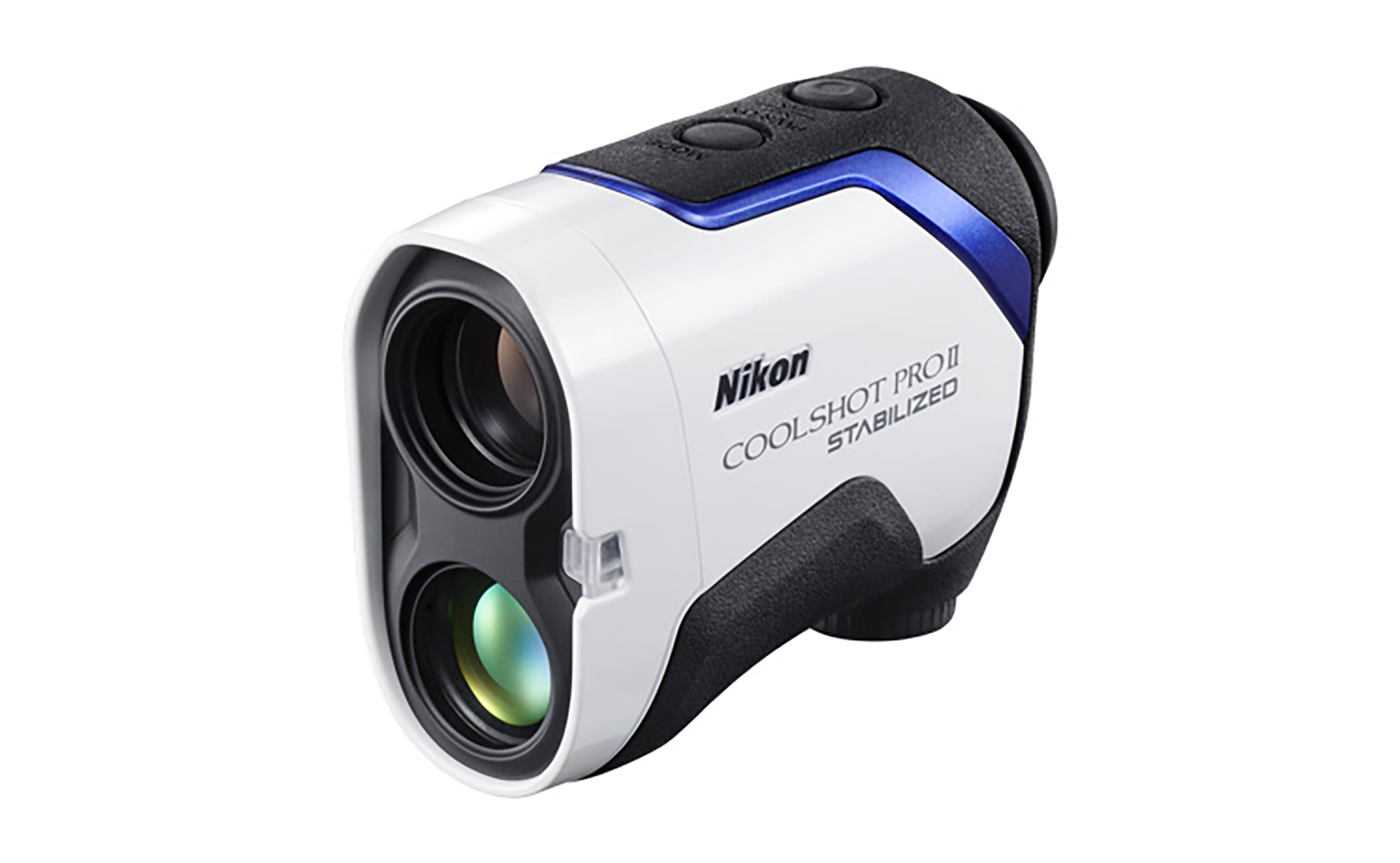
Nikon Coolshot Pro II vs Precision Pro NX10: how much rangefinder do you need?
One buys you the best optics and a gyro-stabilised picture; the other gives you most of the experience for a little over half the outlay. Which is the smarter buy?
Versus
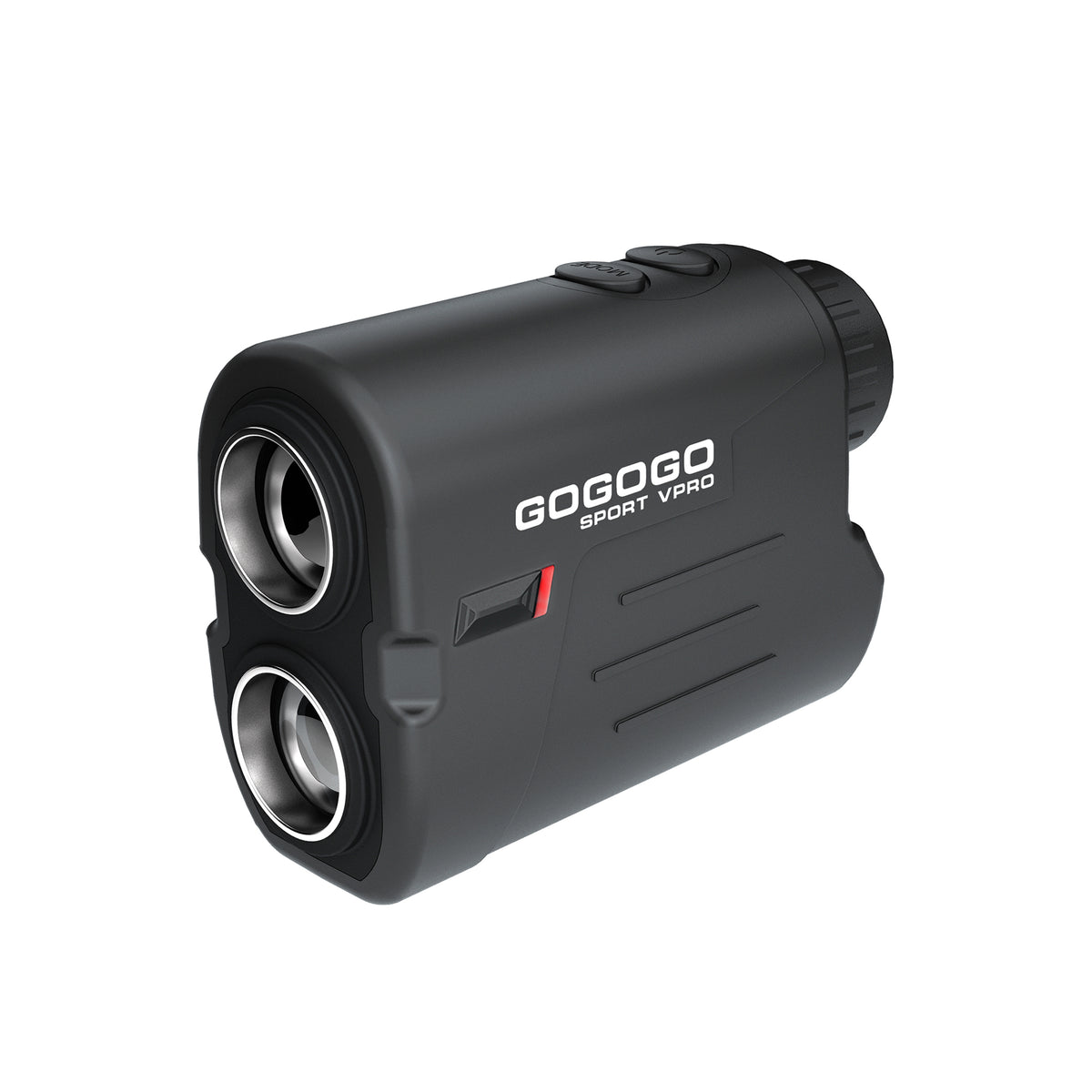
GoGoGo Vpro vs Bushnell Tour V7 Shift: do you really need to spend 5x?
A budget-laser icon against the tour-caddie standard — one costs roughly five times the other, and only one specific golfer actually needs the expensive one.
Review
8.7/10Garmin Approach S50 review: the golf watch most people should actually buy
The S50 takes nearly everything that made Garmin's flagship special — the gorgeous AMOLED screen, slope-adjusted distances, shot tracking, wrist heart rate and Garmin Pay — and sells it for a lot less than double. For most golfers, this is the sweet spot.