
Mizuno Wave Hazard Pro Boa review: the grown-up waterproof I'd buy, and it isn't the one on the FootJoy wall
Full-grain leather, a Boa dial and the same Enerzy foam Mizuno puts in its running shoes. It undercuts the classic leather waterproofs by a long way, and there is one line in the small print that explains most of the gap.
By Ben Marsden · Reviews Editor
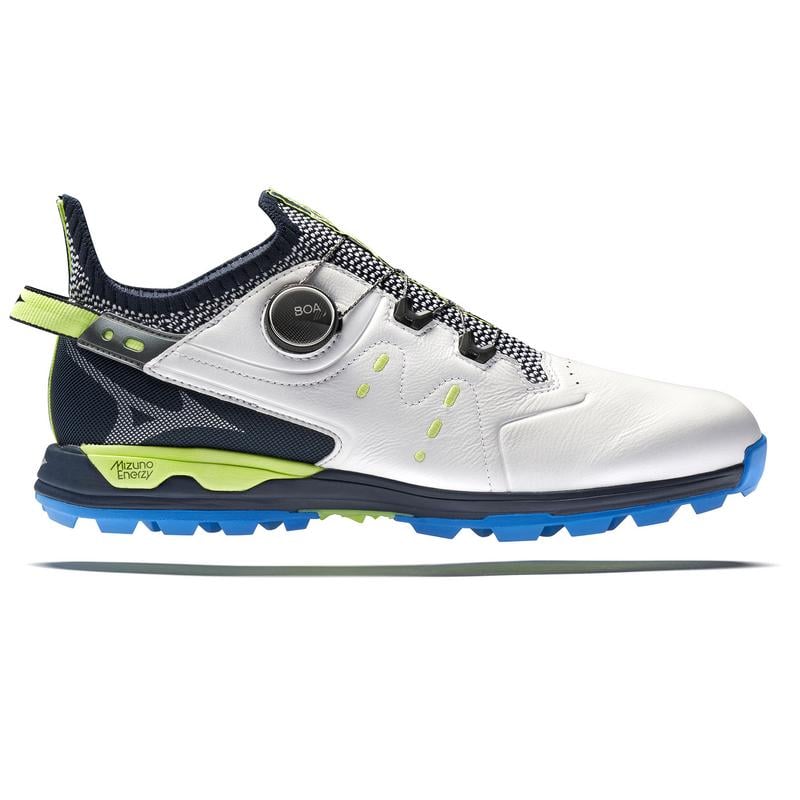
Mizuno
Mizuno Wave Hazard Pro Boa
First properly wet Saturday of the autumn and the car park tells you everything. Half the field is standing on the tailgate swapping out summer shoes, and a good number of them are about to spend the next four hours discovering that last winter's pair stopped being waterproof somewhere around March without ever announcing it.
The shoe I would be putting on is the Mizuno Wave Hazard Pro Boa, and the reason has almost nothing to do with the waterproofing, which is table stakes at this money. It has to do with what Mizuno put in the middle of it.
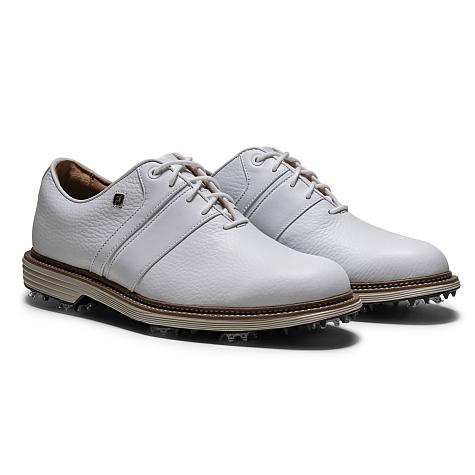
At $150 this is a full-grain leather golf shoe with an integrated tongue, a Boa dial instead of laces, a spikeless outsole and a one-year waterproof guarantee. The shoe it is aimed at — the smart leather saddle that lives on the wall in every pro shop in the country — is the FootJoy Premiere Series Packard, and that is $250. That gap is not a rounding error on a golf shoe, so the interesting question is what you give up.
The foam is the actual story
Golf shoe brands have spent a decade telling us their midsoles borrow from running. Mostly what that has meant is a running-shoe adjective attached to a golf-shoe midsole. Mizuno is in a different position, because it genuinely makes running shoes that people who run choose to buy, and Enerzy is the foam out of that line rather than a name invented for a golf catalogue.
Mizuno's own figures put it at around 17 per cent softer and 15 per cent higher in energy return than the foam it replaced. Treat manufacturer percentages with the scepticism they deserve, but the direction is the point and it is aimed at one specific golfer: the one who walks. If you ride a cart, midsole foam is close to irrelevant to you and you should buy on looks and grip. If you walk 18 twice a week from now until March, the midsole is the component doing the most work in the shoe and the one you will still be thinking about on the sixteenth.
The leather upper is the other half of that proposition, and it is a proper full-grain one rather than a coated synthetic pretending. That matters for a slightly unglamorous reason: leather is what stops a golf shoe looking secondhand by February. Synthetic uppers at this price crease into a permanent grimace. Leather ages.
The Boa dial, and the small commitment it asks for
A dial is not a gimmick on a winter shoe. Micro-adjusting your fit one-handed with cold, wet fingers on the fourth tee is a far nicer experience than trying to retie a soaked lace, and being able to snug the shoe as your foot settles is worth more than it sounds over four hours.
The honest catch is that a dial is a mechanism and a lace is not. Laces fail by fraying, visibly, in your own time, and are replaced for the price of a coffee. A dial fails suddenly, and while Boa's replacement programme exists and is decent, the practical version of using it is posting a shoe somewhere and playing in something else for a fortnight. That is not a reason to avoid it. It is a reason to know that you are choosing convenience with a small tail risk, rather than getting convenience for free.
Spikeless in October is a fair question
Mizuno quotes its GM and Wgrip outsole at around 33 per cent more grip than the sole it replaced. Read that carefully, because it is a comparison against its own predecessor, not against a set of cleats. It tells you Mizuno improved the sole. It does not tell you the shoe grips like a spiked one, and no spikeless shoe does on a wet sidehill lie in January.
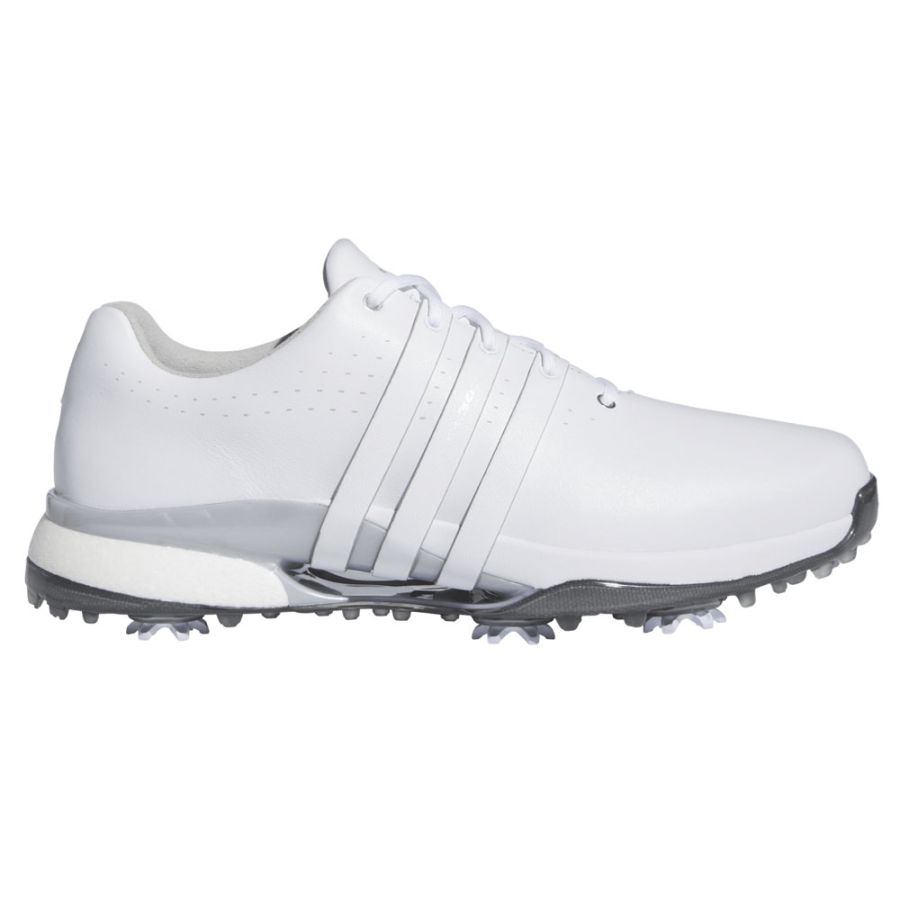
Whether that matters is a question about your golf course rather than about the shoe. On firm, sand-based, well-drained ground, or if you are mostly riding, spikeless through the autumn is completely fine and has been for years. On heavy clay that turns to soup in November, it is not, and the pretence that it is has cost people more shots than any equipment decision I can think of. That is where I would send you to the adidas Tour360 24 at $200 instead — waterproof leather, a seven-spike THINTECH outsole with removable cleats and a one-year waterproof guarantee of its own. It is the less fashionable answer and the more correct one for a muddy course. We worked through where the line sits in the shoe that was perfect in July.
The line in the small print
The Mizuno carries a one-year waterproof guarantee. The Packard carries two. That is the clearest single explanation of the price gap on offer, and it is worth sitting with for a second, because waterproof warranties are the only part of this category where a brand puts a number against its own claim.
It does not mean the Mizuno leaks in month thirteen. It means FootJoy is willing to underwrite a second year and Mizuno is not, and if you are the kind of buyer who keeps a pair of golf shoes for four seasons, that difference in stated confidence is a legitimate thing to pay for. If you replace shoes every couple of years anyway — which most golfers who walk probably should, because the outsole gives up long before the upper does and you will not notice it going — then you are being asked to fund cover you will never claim.
Who should skip it
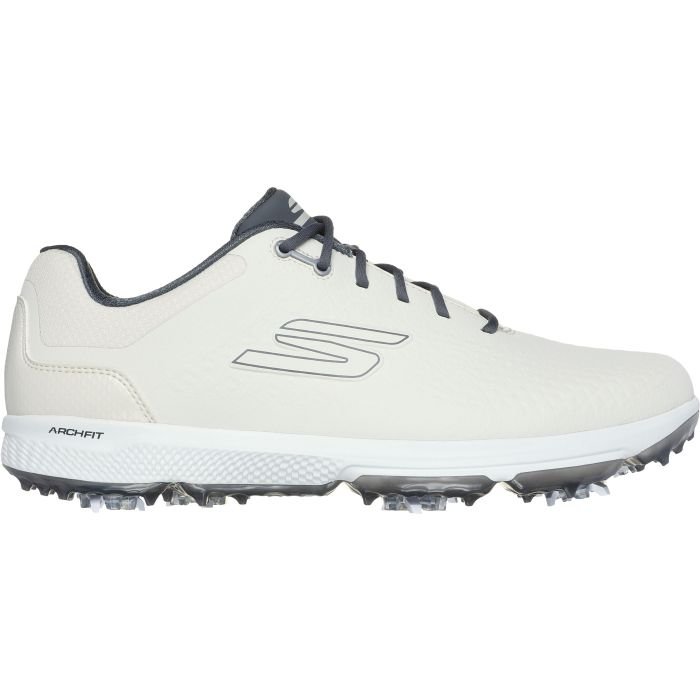
Anyone who needs a wide fitting. Mizuno lists this in a single width across roughly a 6.5 to 12 range with half sizes, and a Boa dial cinching a leather upper across a broad foot is a specific kind of unpleasant. The Skechers GO GOLF Pro 6 at around $110 is the sensible pivot there — replaceable Softspikes, a podiatrist-designed Arch Fit insole and the same one-year waterproof cover, at a price that lets you treat shoes as consumable.
Skip it too if your winter golf is played in real mud, per the outsole point above. And skip it if you are a diehard lace user who has never got on with a dial, because nothing in this shoe is going to convert you and there are excellent laced leather waterproofs at the same money.
What I'd do
I would buy it, and I would buy it as a walking shoe for a well-drained course rather than as a do-everything winter boot. The value case is straightforward: you are getting real leather, a real running-brand midsole and a Boa dial for meaningfully less than the classic leather shoes it is styled against, and the thing you surrender is a year of warranty cover you probably would not have used.
Size it carefully and expect a short break-in — that is the consistent note on this shoe, and leather uppers with a dial are less forgiving of a half-size guess than a knit trainer is. Buy it in September rather than December, because the one thing certain about waterproof golf shoes is that nobody thinks about them until the morning they need them.
Products mentioned in this article
Mizuno
Mizuno Wave Hazard Pro Boa
Full-grain leather, a Boa dial and Mizuno's running-shoe foam, at well under the usual leather-waterproof ask.
FootJoy
FootJoy Premiere Series Packard
The classic leather benchmark, and the one with the longer waterproof warranty.
adidas
adidas Tour360 24 Golf Shoes
Where to go instead if your winter course is genuinely muddy and you want removable cleats.
Skechers
GO GOLF Pro 6
The value alternative, with replaceable spikes and the same one-year waterproof cover.
ifrothgolf earns a commission on purchases made through these links, at no extra cost to you. It never changes what I recommend. Full disclosure.
Frequently asked
- Is the Mizuno Wave Hazard Pro Boa fully waterproof?
- Yes, and it carries a one-year waterproof guarantee. That is shorter than the two years FootJoy puts on its Premiere Series leather shoes, which is the clearest single explanation of the price difference between them. A shorter stated warranty is not evidence a shoe leaks sooner, but it is the brand's own confidence expressed as a number.
- Is a spikeless shoe enough for autumn and winter golf?
- On firm, sand-based or well-drained courses, and for anyone riding a cart, yes. On heavy clay in mid-winter, no. Mizuno's quoted 33 per cent grip improvement is measured against its own previous outsole, not against cleats, and no spikeless sole matches removable spikes on a wet sidehill lie. If your course goes soft, buy something spiked.
- Is a Boa dial better than laces on a golf shoe?
- It is more convenient, particularly in cold or wet weather, because you can micro-adjust the fit one-handed without retying a soaked lace. The trade-off is that a dial is a mechanism that can fail suddenly, where a lace frays visibly and costs almost nothing to replace. Boa runs a replacement programme, but using it means sending a shoe away.
- Does the Mizuno Wave Hazard Pro Boa come in wide fittings?
- No. It is listed in a single width across roughly UK 6.5 to 12 with half sizes, so broader feet are better served elsewhere — the Skechers GO GOLF Pro 6 or a FootJoy line that offers multiple widths. Size with care either way, as leather uppers need a short break-in and a dial is less forgiving of a half-size guess than a knit upper.
Read next
Review
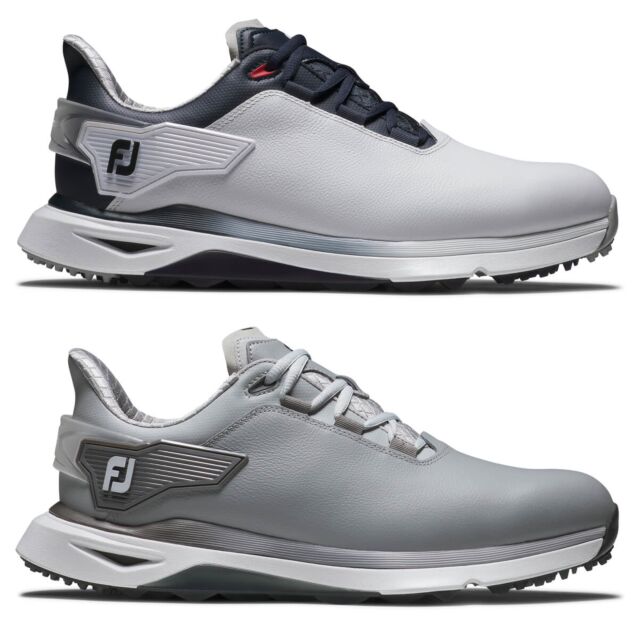
8.4/10FootJoy Pro/SLX review: the chassis is what you are paying for, not the waterproofing
It looks like the wet-weather version of the shoe more tour pros wear than any other. It is not, because that shoe is already warrantied waterproof. What the extra money buys is structure, and the trade is weight.
Review
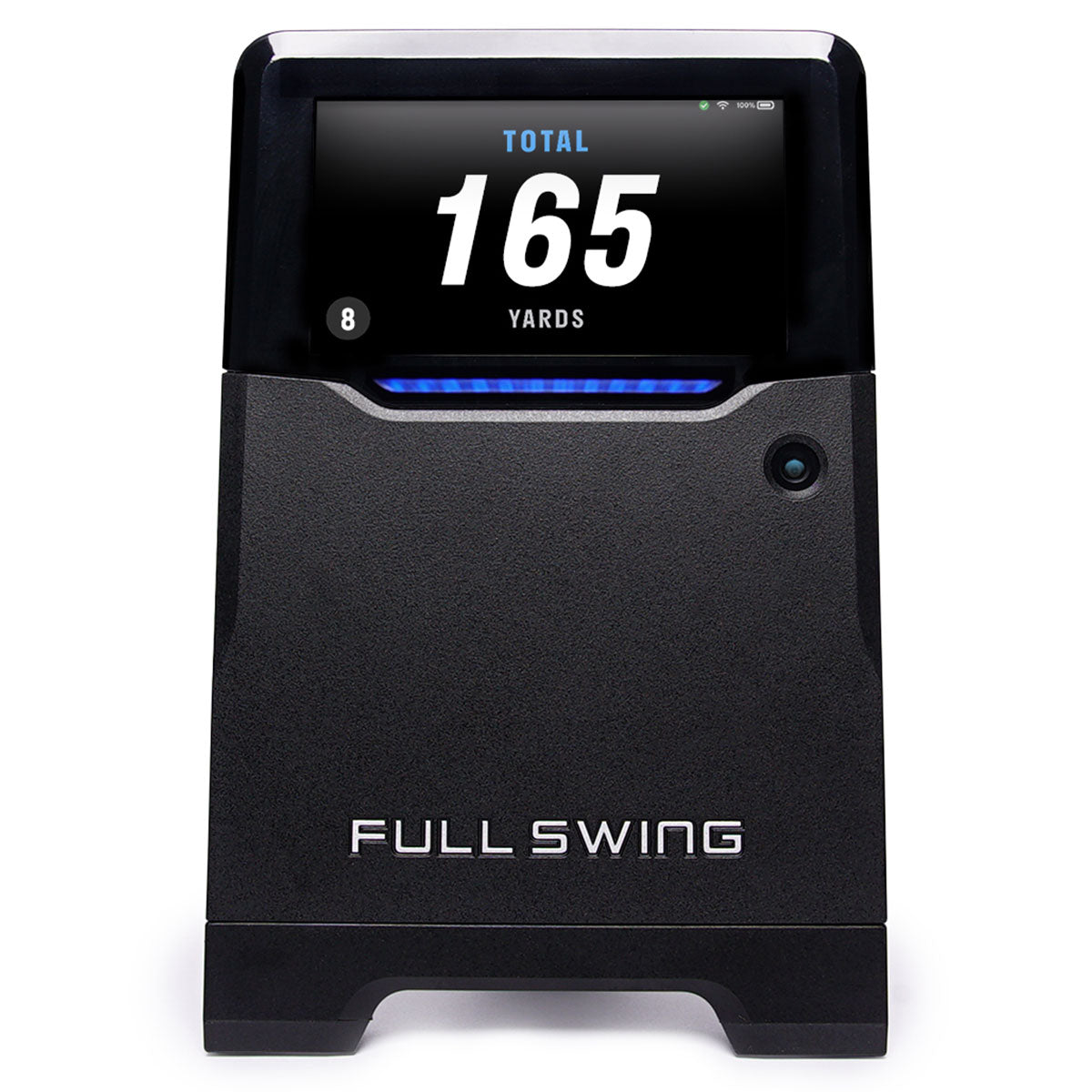
7.9/10Full Swing KIT review: the tape measure decides this, not Tiger
Tour pedigree, TGL on ESPN, and radar good enough to be checked against a Trackman outdoors. It also wants eighteen to twenty feet of room, which rules out most of the garages people buy it for.
Versus
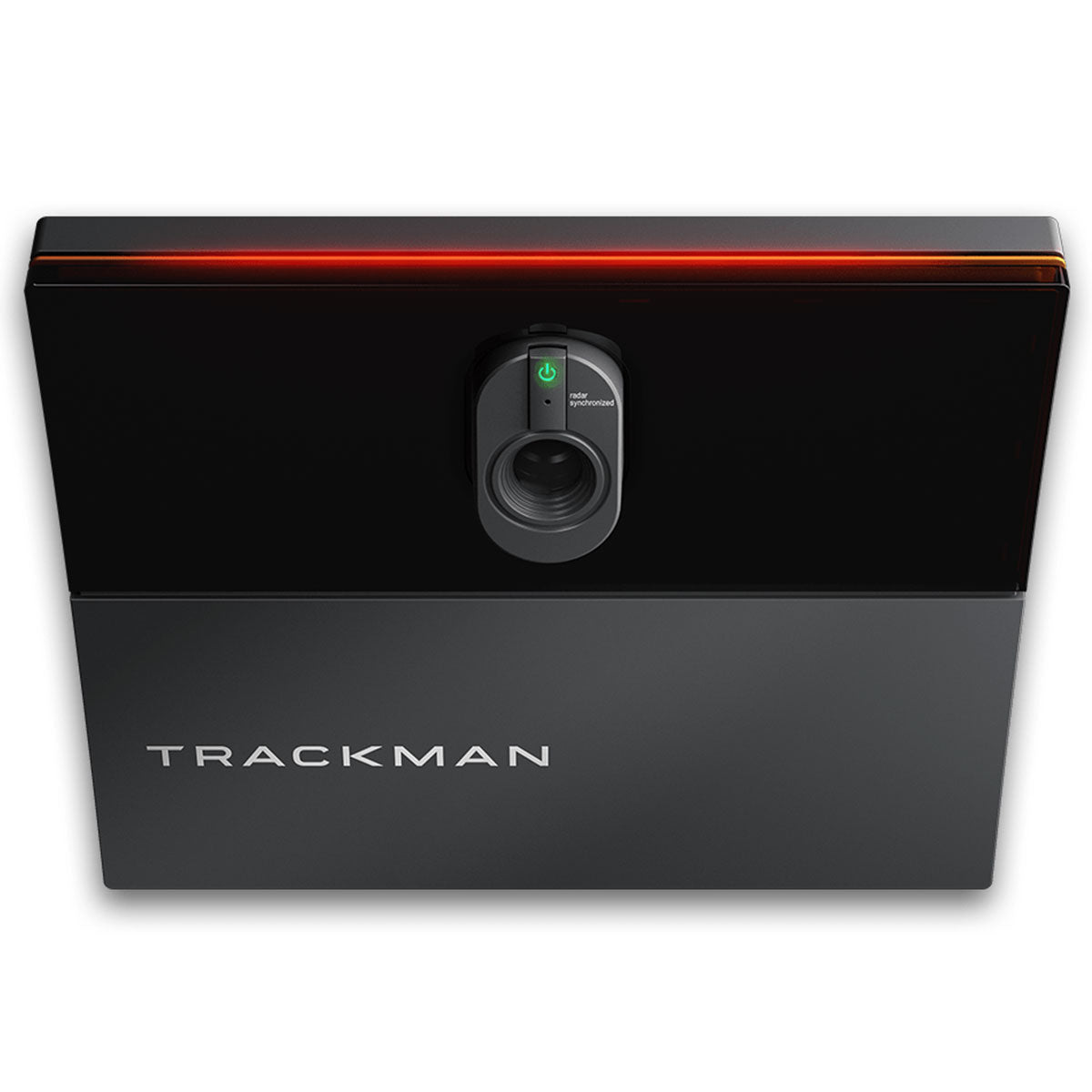
Trackman iO vs Uneekor EYE XO2: the year-one trap
Both mount overhead, both want ten feet of ceiling, and about $3,000 separates them on the shelf. Then Trackman's included first year runs out, and the gap starts growing by $1,100 a year.