
Most of an enclosure's price is the screen. Most buyers don't realise that, and it settles this argument
The SIG10 arrives at well under half the Carl's Place Pro's ask with a screen that has already beaten the category favourite in independent testing. The Pro is answering a different question, and it is a question about your walls.
By Marcus Bell · Simulator & Indoor Golf Writer
Shop Indoor Golf
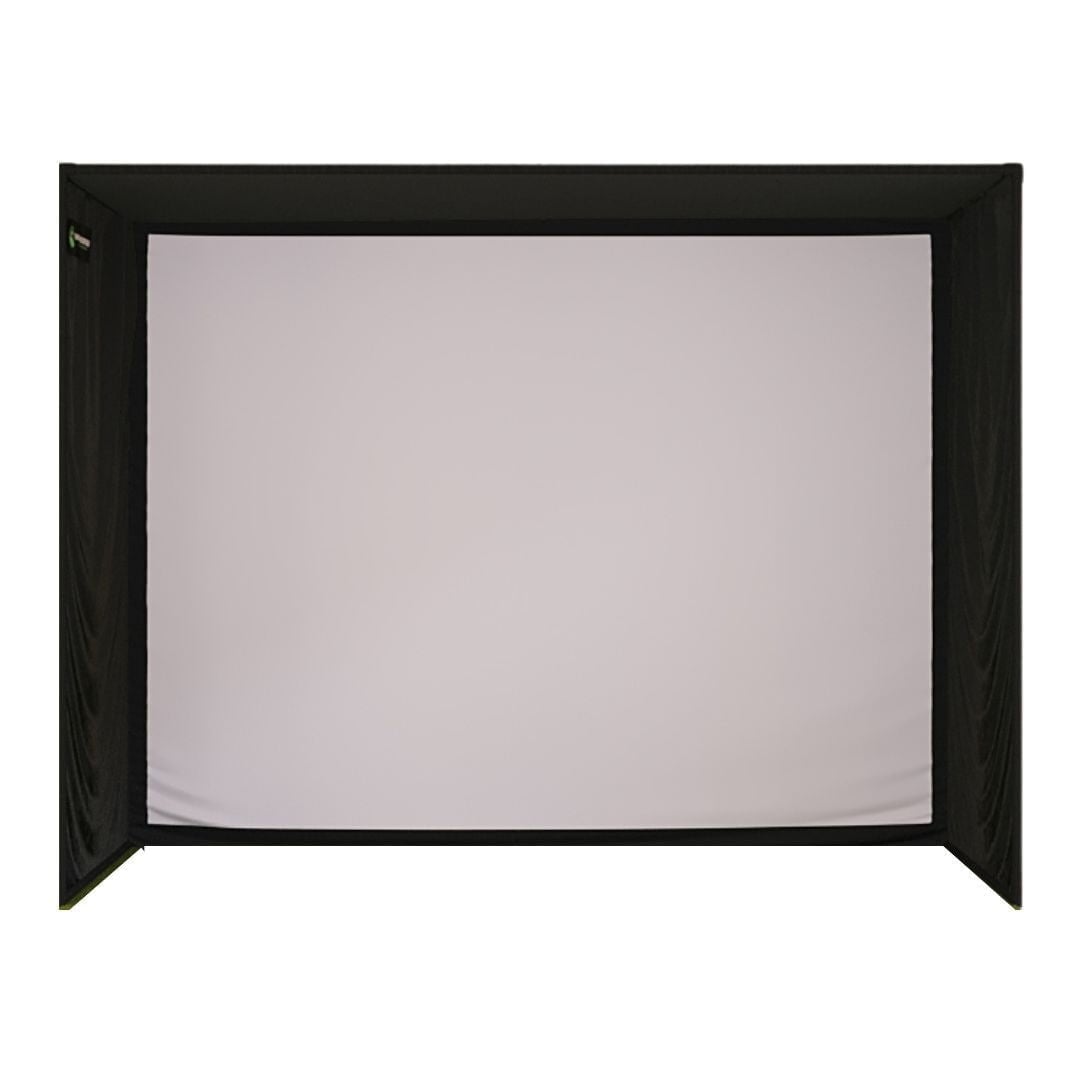
SIG10 Golf Simulator Enclosure
One size, a premium screen included, and the frame most likely to fit a garage bay.
Carl's Place
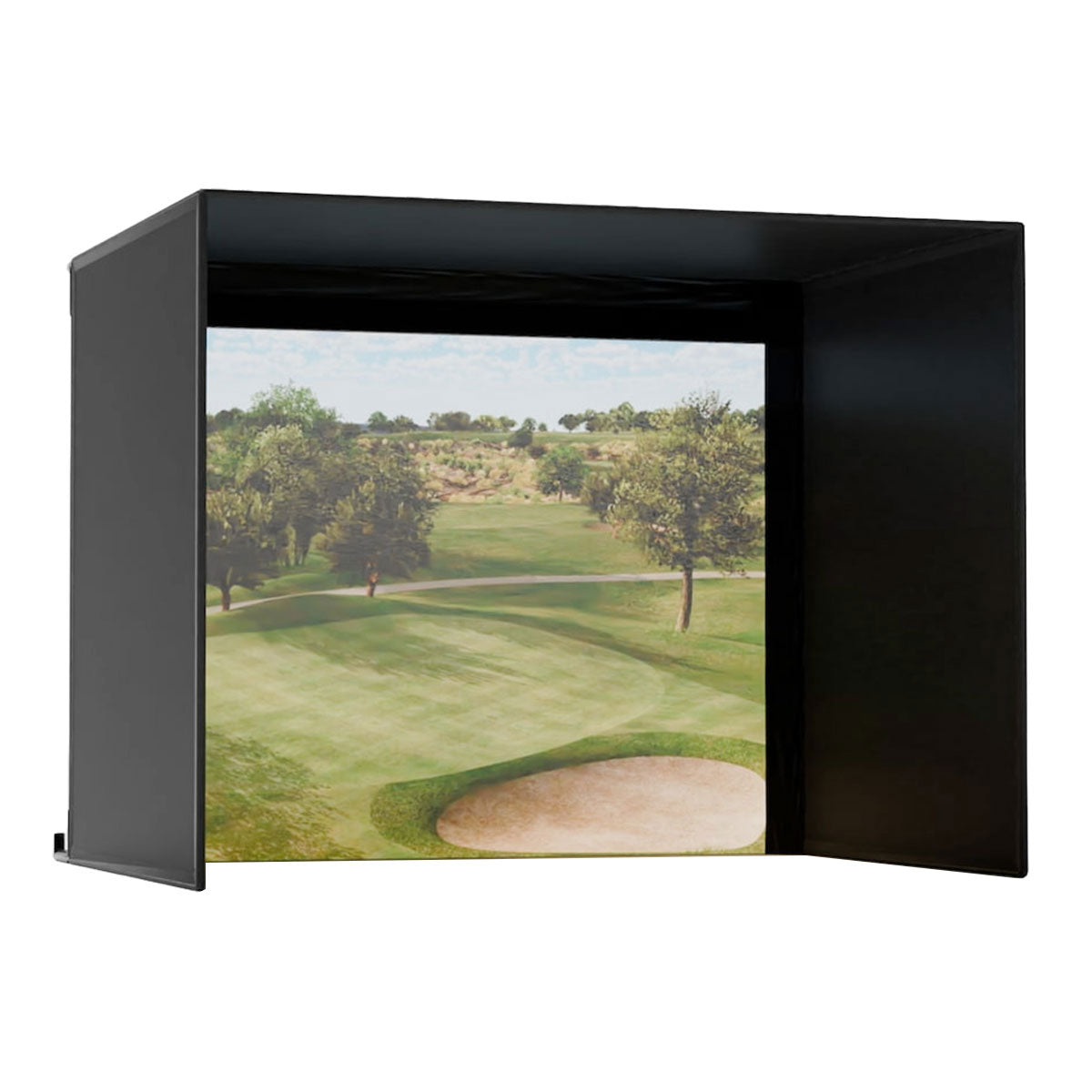
Carl's Place Pro Enclosure Kit
You are paying for size options, a screen matched to your room's light and padded framing.
ifrothgolf earns a commission on purchases made through these links, at no extra cost to you. It never changes what I recommend. Full disclosure.
Part of our guide toThe Complete Home Golf Simulator SetupBuy the SIG10 if your room is a garage bay, your ceiling gives you a fraction over eight and a half feet of usable height, and you want the screen to be the expensive part. Buy the Carl's Place Pro if you have a dedicated room, light you cannot black out, and a wall the SIG10 simply does not fit. The gap between these two is not really quality. It is fit, and fit gets measured before it gets priced.
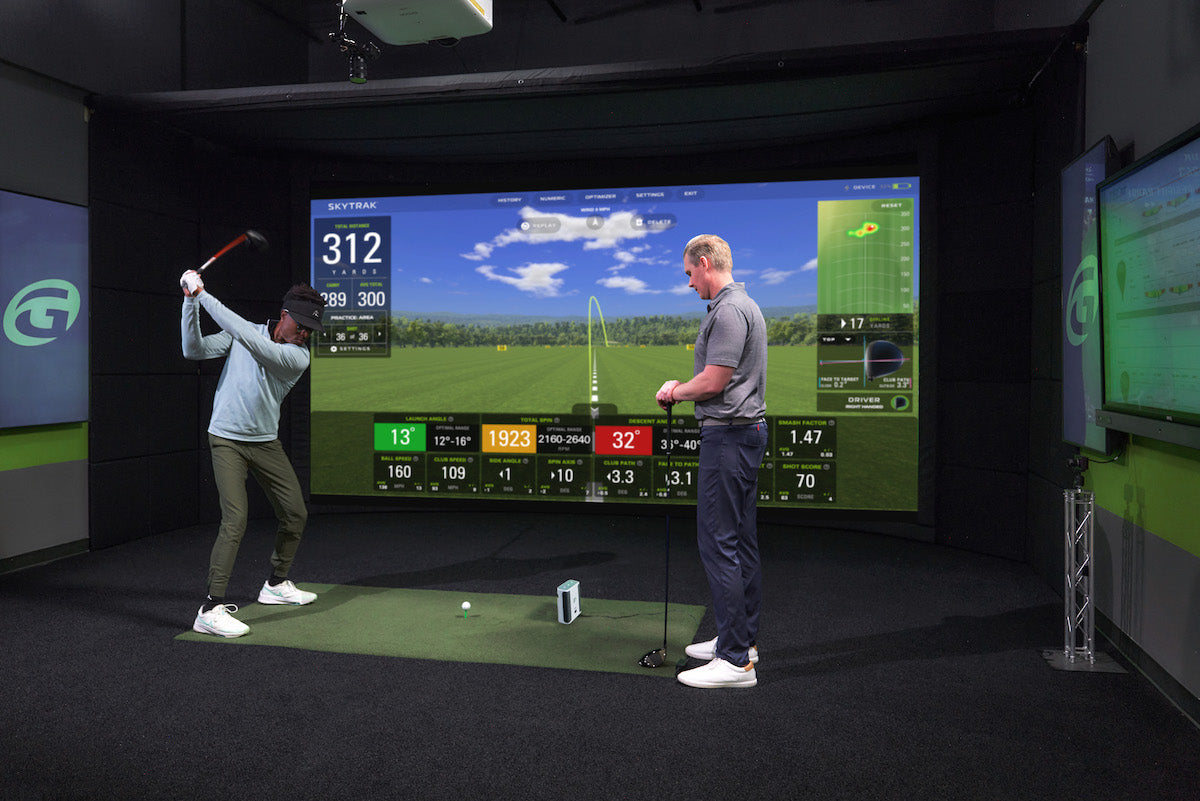
The SIG10 Golf Simulator Enclosure and the Carl's Place Pro Enclosure Kit are the realistic shortlist at the two ends of this category. They are also the component home sim builders budget last and regret first. The launch monitor gets researched for months. The projector gets a spreadsheet. The enclosure gets whatever is left, which is how people end up with a bay that plays beautifully and looks like scaffolding.
Measure the room, then look at the price
The SIG10 is one size, and it is a well-chosen one. Shop Indoor Golf's own listing puts the full enclosure at 10 feet 10 inches wide, 8 feet 4 inches tall and 5 feet deep, with a screen of 10 feet 1 inch by 7 feet 7 inches for a 12 foot 7 inch diagonal. Read the height figure twice. Eight feet four inches is the frame, not the room. Garage ceilings that measure nine feet on paper routinely have a joist, a strip light or a door track hanging into the first few inches of it, and none of that shows up until the poles are already out of the box.
Carl's sells sizes rather than a size. Its published standard configurations run from 8 feet by 10 and a half feet up to 10 feet by 15 and a half feet in height by width, with depth options of 5, 8, 10 or 15 feet, and it will cut to a custom size on request. A meaningful slice of the premium is exactly that: the ability to buy an enclosure that matches the wall you have instead of the wall the product assumes you have. If the SIG10's single size lands inside your room with clearance to spare, that slice is money you do not need to spend.
Most of what you are buying is the screen
Both of these ship with a screen that is a real part of the value, which is not a given at either end of this market. The SIG10 comes with the SIGPRO Premium, the screen that beat the category's most popular impact screen in MyGolfSpy's head-to-head on durability, bounce-back and noise. The Pro makes you choose: a Premium white, described as a triple-layer polyester with noise damping, or a High-Contrast Gray aimed squarely at rooms with ambient light.
That grey-or-white decision is not a cosmetic preference, and it interacts with your projector in a way that catches almost everybody out the first time. We have worked the whole thing through in impact screen colour versus projector lumens, and it is worth reading before you configure either kit. For this comparison the short version is simple enough: the SIG10 arrives with the screen already decided, and the Pro puts the decision in front of you at checkout. If your room goes properly dark at eight in the evening in January, having it decided for you is one fewer thing to get wrong. If it does not, the Pro is the only one of the two that sells you a fix.
What each one does with a thinned shot
Ball speed is the easy part. The SIG10 is rated for strikes up to 250 mph and the projected image fills the whole screen rather than leaving white bars top and bottom, which does more for immersion than the spec sheet suggests. Neither of these screens is going to lose an argument with a golf ball hit by a human being.
The frame is the part that gets hurt. A thin one climbs low into the bottom hem. A toe-shank leaves the screen entirely and finds a pole. Carl's answer is a wraparound BlackStop cover with foam inserts sitting behind the flaps to stop stray shots pinging back off the framing, which is a specific fix for a specific failure and the sort of detail that only appears in a product's third revision. The SIG10 uses colour-coded push-pin poles and connectors, and the poles are the part to be honest with yourself about if your miss is genuinely wild. Padding a pole after the fact is a cheap Saturday job. Explaining the hole in the plasterboard behind it is not.
Assembly is an afternoon, not an evening
Carl's rebuilt the Pro around a single wraparound piece that combines the ceiling and sidewalls, and states that the change cut setup from roughly three hours to two. One thing worth checking before you order: on Carl's own listing the kit supplies the fittings, the cover, the foam and the screen, with the two-inch pipe framing offered as a separate framing kit, and plenty of retailer bundles fold that kit into the package. Look at the line item rather than assuming the frame is in the box, because that assumption is where a lot of surprised sim builders come from.
The SIG10's push-pin system is the more forgiving build for someone who has never assembled anything more structural than a bookshelf, and Shop Indoor Golf publishes the manual and the assembly videos on the product page. Small thing, and it saves a bad evening.
If the build itself is what is putting you off, the comparison you actually want is Carl's own DIY kit against the Pro, which turns on a different question altogether. We have taken that one apart in DIY versus Pro, and the honest summary is that it depends on whether you own a mitre saw.
Does the cheaper one end up costing more
It is a real pattern in this category. You buy a frame with a budget screen, the seams start to go and the bounce-back gets loud inside two seasons, and the cheap route quietly overtakes the expensive one on total spend. That is not what is happening here. The reason the SIG10 sits at $2,000 rather than half of it is that the screen is not the cheap tier; it is the screen the frame was designed around. There is no replacement bill built into the plan.
Which means the money between $2,000 and $4,100 is not buying you out of a future screen. It is buying size options, a screen grade matched to your room's light, padded framing and a bay that reads as a finished room rather than a rig in a garage. Decide whether you want those four things before you decide whether they are worth it.
The verdict, by room and by budget
Garage bay, eight and a half feet of true clearance once the lights and the door track are counted, hard budget: the SIG10, and put what you save into the projector. Dedicated room, ambient light you cannot kill, a wall wider or taller than the SIG10's single size, and a finish that has to look deliberate: the Carl's Place Pro, with the High-Contrast Gray screen if the space never goes fully dark. Confident with tools and the picture matters more than the finish: neither, build the DIY frame and spend the difference on the screen grade.
And nobody should be buying either one until the projector throw distance is settled, because enclosure depth and projector position are a single measurement wearing two hats.
Frequently asked
- How much ceiling height do I need for the SIG10 enclosure?
- The full enclosure is listed at 8 feet 4 inches tall, so you want more than that in genuinely clear height. Measure to the lowest obstruction rather than the ceiling itself, because joists, strip lights and garage door tracks all eat into the first few inches. Around eight and a half feet of unobstructed height is a sensible minimum.
- Is the impact screen included with both enclosures?
- Yes. The SIG10 includes the SIGPRO Premium screen, and the Carl's Place Pro includes a screen with a choice between a Premium white and a High-Contrast Gray. That matters because a screen bought separately is one of the biggest single line items in a sim build.
- Should I choose a grey or white impact screen?
- Grey holds contrast and colour in a room with ambient light, white gives you maximum brightness in a room you can black out. The catch is that grey absorbs some of your projector's output, so choosing grey and then buying a mid-brightness projector can leave you worse off than white would have. Pick the screen and the projector as one decision.
- Is the pipe framing included in the Carl's Place Pro kit?
- Carl's own listing supplies the fittings, the wraparound cover, the foam inserts and the screen, with the two-inch pipe framing offered as a separate framing kit. Several retailers bundle the framing kit in with the enclosure, so check the exact line items on the listing you are buying from before you order.
Read next
Versus
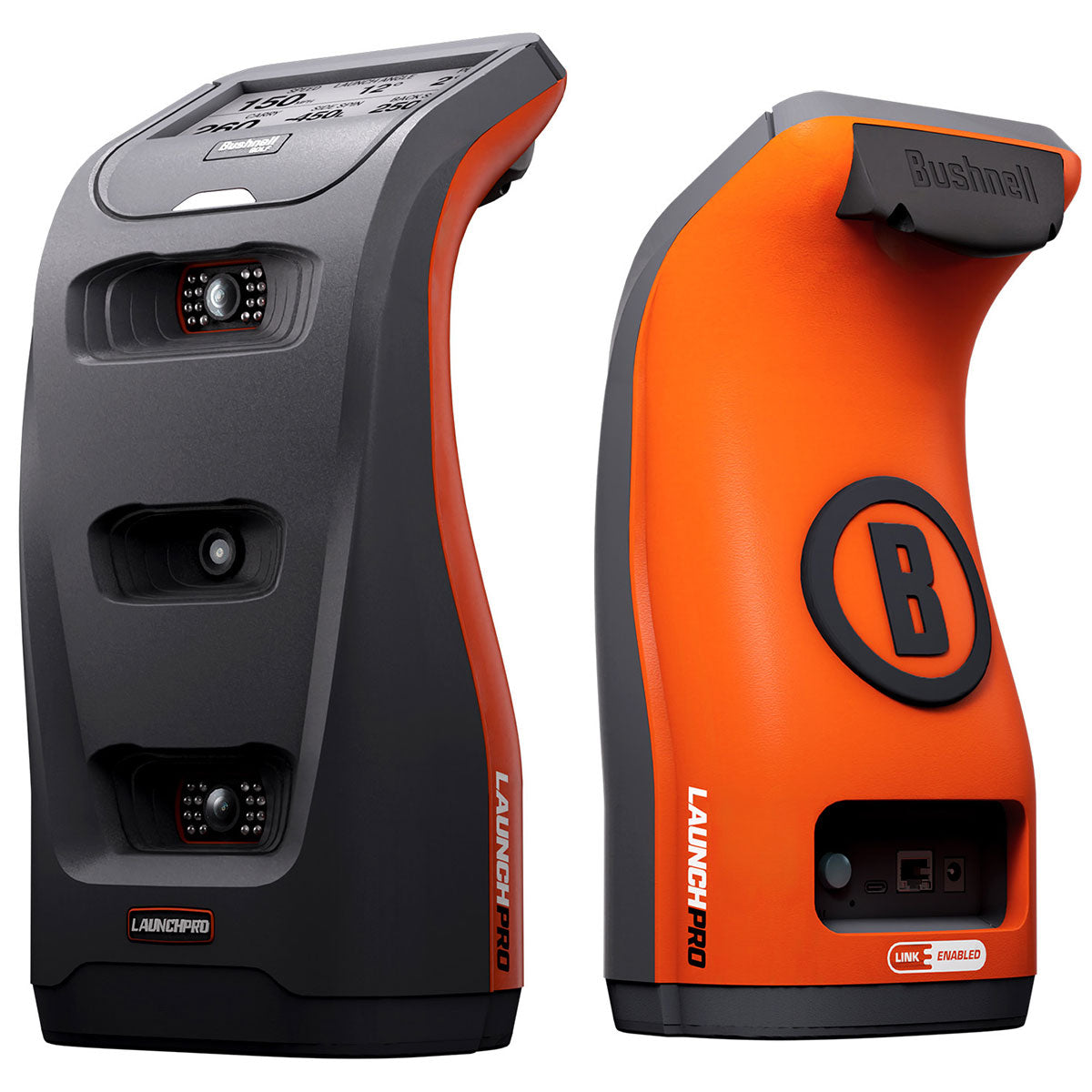
Launch Pro vs SkyTrak ST MAX: the subscription decides it
Two of the most-recommended home-sim units, about $1,000 apart on the sticker. Run the software costs for three years and the gap gets much wider — in one specific direction.
Explained
The four home golf simulators: what each budget threshold actually unlocks
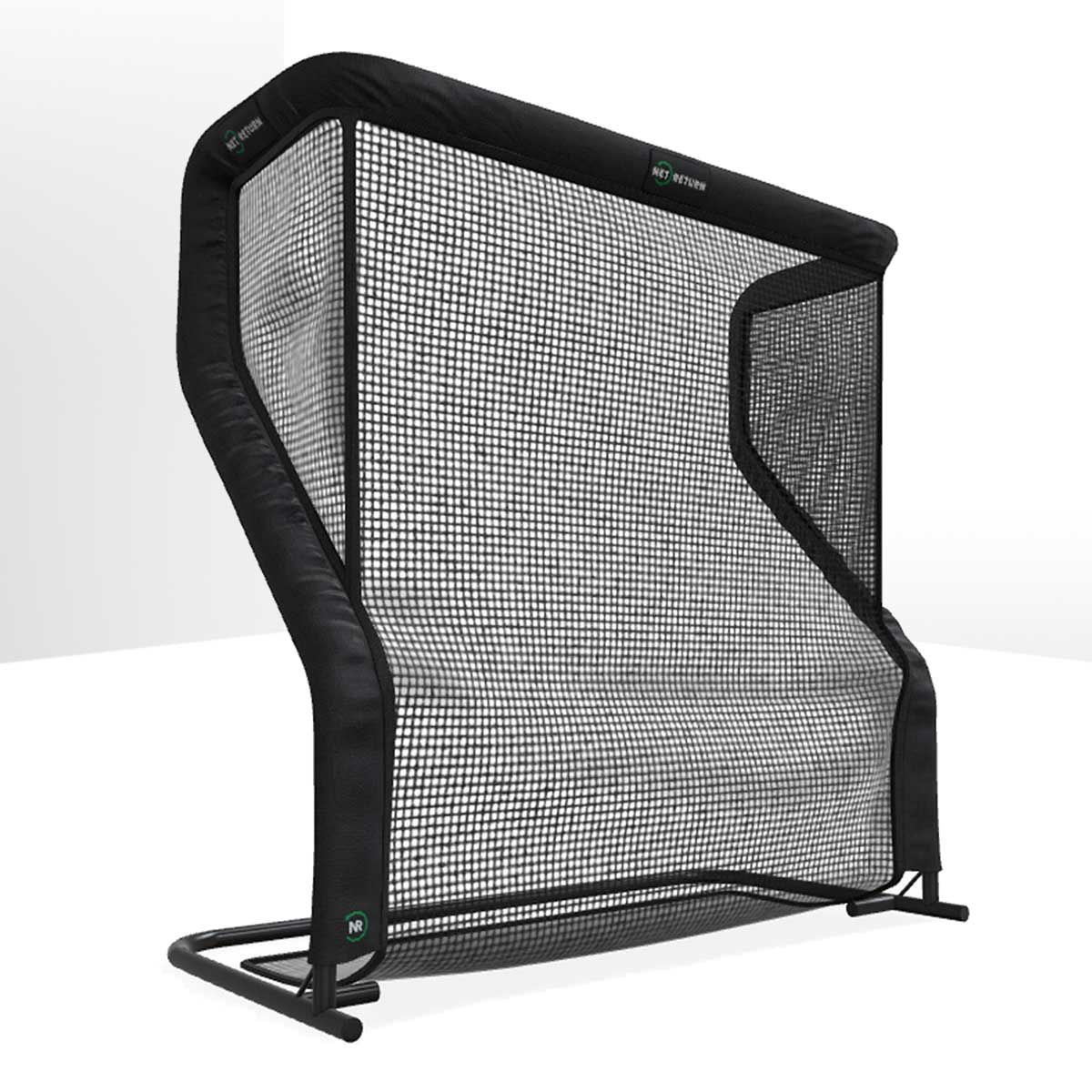
Spend twice as much and you don't get twice the simulator — you cross into a different kind of room. Here's what genuinely changes at each tier, and the exact point where more money stops buying you more golf.
Opinion
Your garage practice doesn't die in February because you lost motivation
It dies because of a small, stupid, entirely fixable thing: bending down. Twenty minutes of home practice contains about four minutes of golf and sixteen of picking balls up — and that ratio, not your willpower, is what kills the habit.