
You learned golf on a simulator. Here's where the grass disagrees
Roughly half the people swinging in sim bays have never played a hole outdoors. If you're about to change that, your numbers, your ball and your feet are in for some news.
By Jordan Hale · Equipment Writer
Srixon
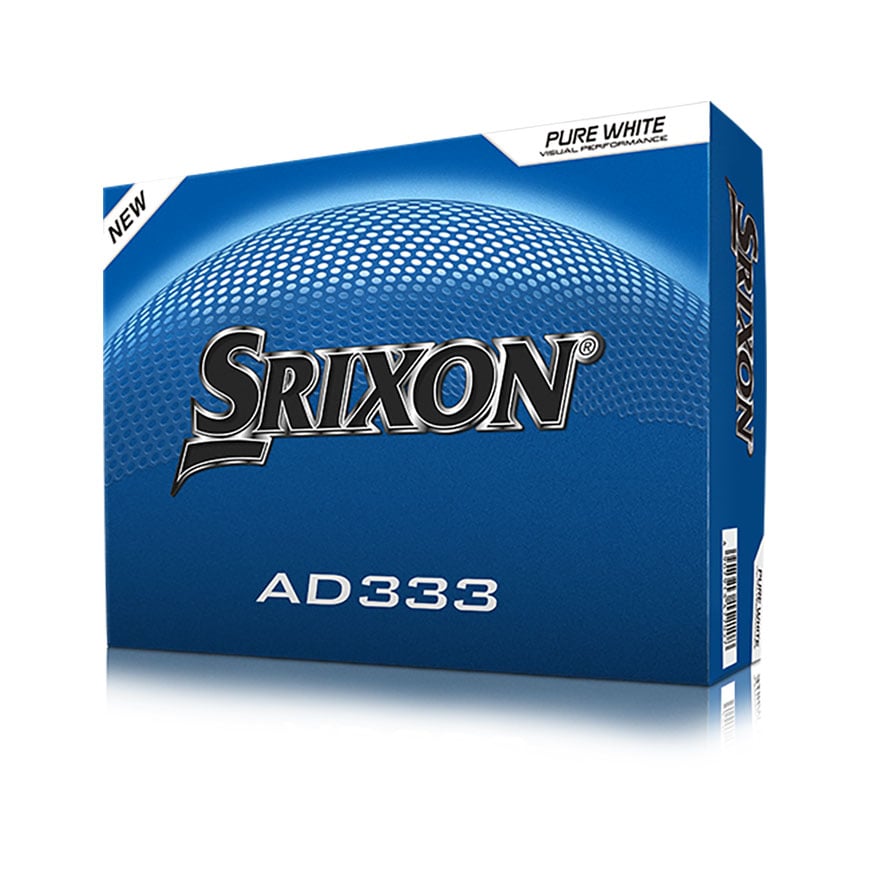
Srixon AD333
ifrothgolf earns a commission on purchases made through these links, at no extra cost to you. It never changes what I recommend. Full disclosure.
There is a moment coming for every simulator-raised golfer, and it usually arrives on the first tee: the drive you've hit 240 on the screen all winter climbs into an actual breeze, lands soft on wet grass and stops 210 from where you're standing. Nothing is wrong with you, and nothing was wrong with the sim. You've just met the variables the software politely smoothed over — and the good news is that every one of them is predictable once you know it's coming.
This piece is for the fastest-growing golfer in the game: the one who started indoors. Industry surveys keep finding that around half of simulator players have never played the traditional game at all, and every year a slice of them decide to try grass. Almost everything written for beginners assumes you've never swung a club. You have — thousands of times, with launch data. What you're missing isn't a swing. It's the field conditions.
Why your carry numbers won't transfer
Start with the number you trust most. A simulator reads the ball for a few feet and models the rest of the flight, usually in still, room-temperature air off a perfectly flat lie. Outdoors, air is denser on cold mornings, wind does its own arithmetic, and the strike you get from a fluffy or bare lie is not the strike you get from a forgiving mat — mats let the club skid into the ball on shots grass would punish. Stack those up and it's completely normal for real-world carries to come in ten to twenty yards shorter than your bay numbers, and shorter again in winter air.
Don't relearn your distances by feel; translate them. Take your sim carries as a starting point, knock a club's worth off, and rebuild the gaps from what actually happens outside — our Club Distance and Gapping Calculator will project a full bag from a single trusted 7-iron number and show you where your coverage holes are. Ego distances are the number one way sim-raised players come up short-sided all day.
The ball is about to become a running cost
In a bay, one ball lasts forever and nothing you do loses it. Outdoors, water and long grass collect golf balls at a rate that genuinely shocks new players — three or four gone in a round is unremarkable while you're learning. So don't take the premium urethane ball your sim data says you deserve. Take something durable, forgiving and cheap enough to lose without wincing, like the Srixon AD333, and bank the difference until your dispersion tightens. The performance gap between a good two-piece ball and a tour ball is real but small at beginner speeds; the price gap is not.
The kit the bay never asked you for
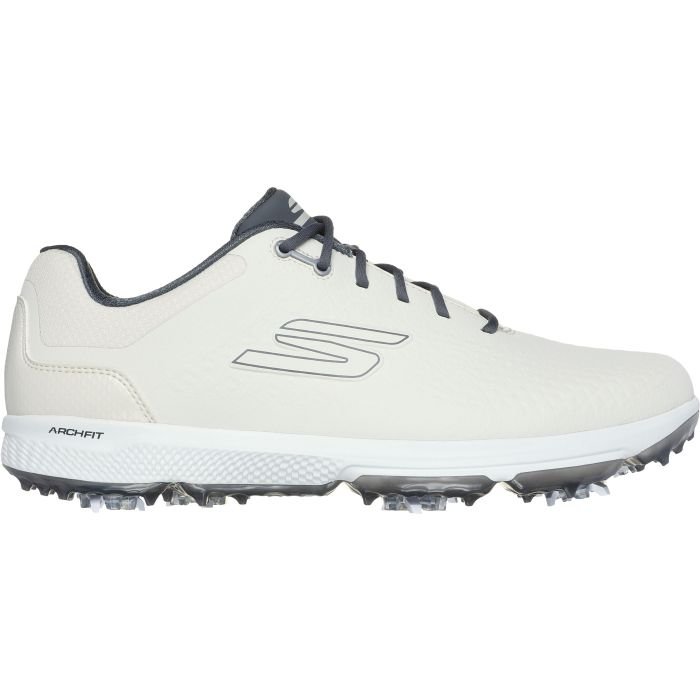
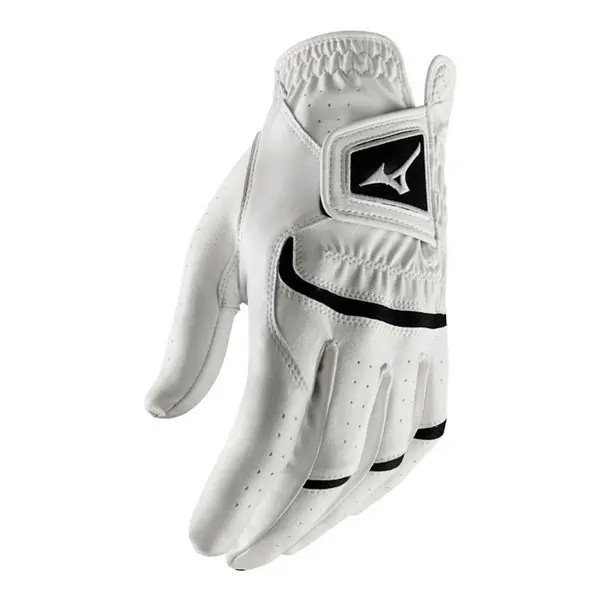
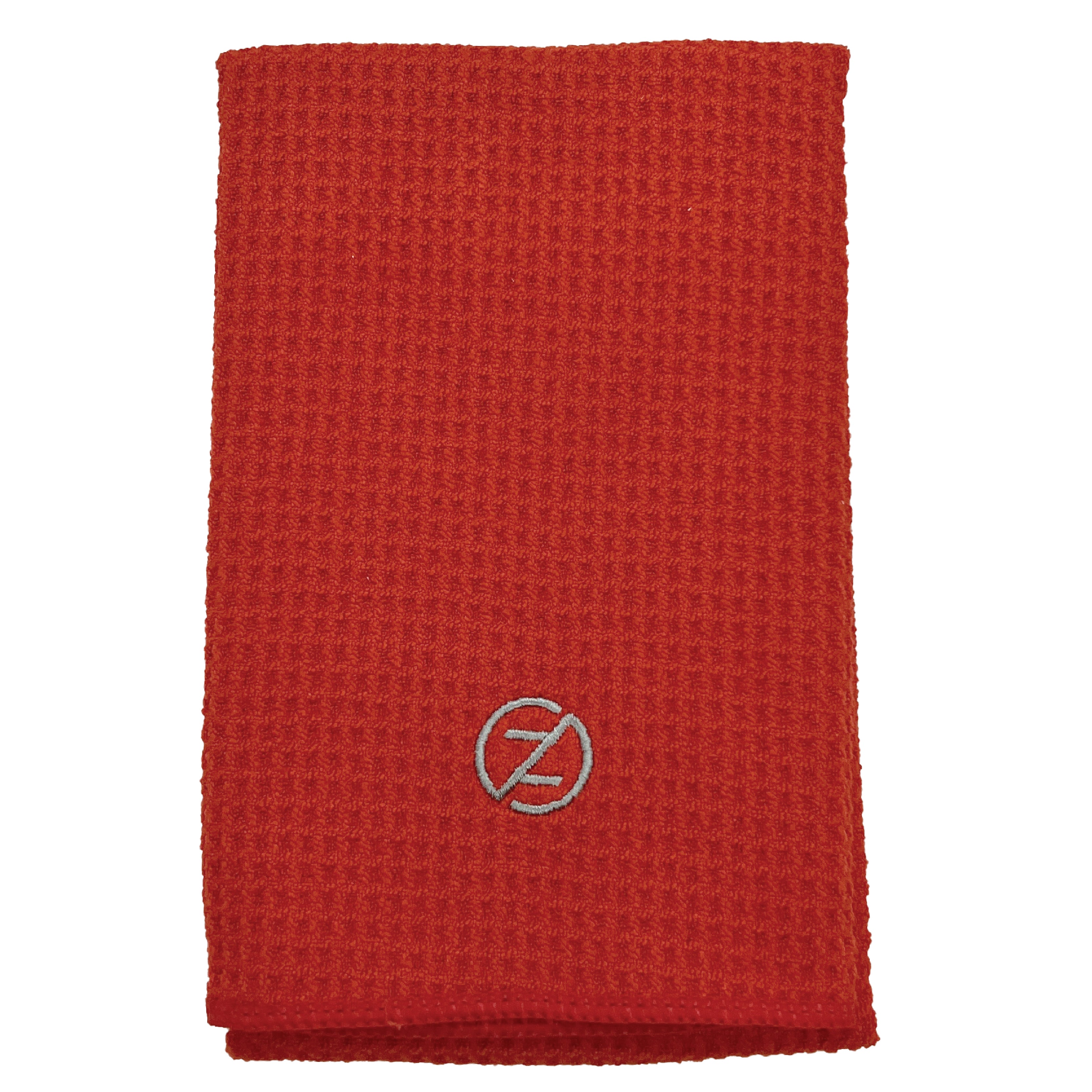
You don't need a full pro-shop haul for a first round, but four things earn their place immediately. Grass is wet in the morning even in July, so trainers become skates on the third hole — a waterproof spikeless shoe like the Skechers GO GOLF Pro 6 fixes traction and survives five hours of walking. A glove such as the Mizuno Elite matters more outdoors than in, because grips get damp and hands get cold. You'll need actual tees — the adjustable rubber one that lived in your mat doesn't exist out here, and different clubs want different heights. And a towel goes from optional to essential the first time you pick your ball out of a pitch mark.
The stuff nobody warns you about
The strangest adjustment isn't distance — it's the ground. In a sim, every lie is the same lie. Outdoors, the ball sits down in rough, perches on slopes, and settles above or below your feet, and each of those changes what the clubface wants to do. Give yourself permission to take the easy option for the first few rounds: punch out sideways, putt from off the green, take one more club and swing smooth. Greens are the other shock — no grid overlay, just your eyes and the speed of the day. Nobody reads them well at first; aim to two-putt and move on.
One more thing the bay never taught you: pace. You don't need to play well to be welcome on a golf course, but you do need to keep moving. Be ready when it's your turn, pick up if a hole has gone properly wrong, and wave faster groups through. That's the whole social contract, and it buys you all the goodwill in the world as a new player.
Who should just stay indoors
Honestly? Some of you — and that's fine. If what you love is the data, the reps and the social bay with mates, the screen is a complete version of golf and it's where a huge share of the game now lives. But if the outdoor itch is there, scratch it. Your thousands of sim reps are a genuine head start — better than most first-timers have ever had — and once you've got a few real scores, our Handicap Calculator will turn them into the number that lets you compete anywhere. And if you arrived here the other way around and want the screen setup too, we've covered building one on a budget.
Products mentioned in this article
Srixon
Srixon AD333
A durable, forgiving two-piece ball cheap enough that losing three of them in a round stings the scorecard, not the wallet.
Mizuno
Mizuno Elite Golf Glove
A proper leather-feel glove at a starter price — grip you can trust once the club is dew-damp, which it will be.
Skechers
GO GOLF Pro 6
Waterproof, spikeless and comfortable enough to walk five hours in — the single biggest comfort upgrade over trainers.

Generic
Bamboo Golf Tees Bulk Pack (100, Mixed Heights)
A hundred tees in mixed heights, because the rubber tee that never moved in your sim bay doesn't exist out here.
Zero Friction
Zero Friction Waffle Microfibre Golf Towel
Snaps onto the bag and keeps grooves clean — the sim never made your ball muddy; the course will by the second hole.
ifrothgolf earns a commission on purchases made through these links, at no extra cost to you. It never changes what I recommend. Full disclosure.
Frequently asked
- Why do I hit the ball shorter on a real course than on a simulator?
- Simulators model flight in still, warm air off a flat mat that flatters your strike. Outdoors you add wind, denser air, uneven lies and honest turf contact, so ten to twenty yards less carry than your bay numbers is normal — more in cold weather.
- What golf balls should I use for my first real rounds?
- Cheap, durable two-piece balls. New players lose several balls a round, and at beginner swing speeds the performance difference between a value ball and a premium tour ball is far smaller than the price difference.
- Do I need golf shoes for a first round, or will trainers do?
- Trainers work on a dry summer afternoon, but morning dew or any rain makes grass slopes genuinely slippery. Waterproof spikeless golf shoes are the single most worthwhile early purchase, and modern ones look and feel like everyday sneakers.
- Is simulator practice actually good preparation for real golf?
- Yes — thousands of data-rich repetitions build a more reliable swing than most beginners ever start with. What sims can't teach is judgment in real conditions: wind, lies, green reading and pace. Those come quickly once you expect them.
Read next
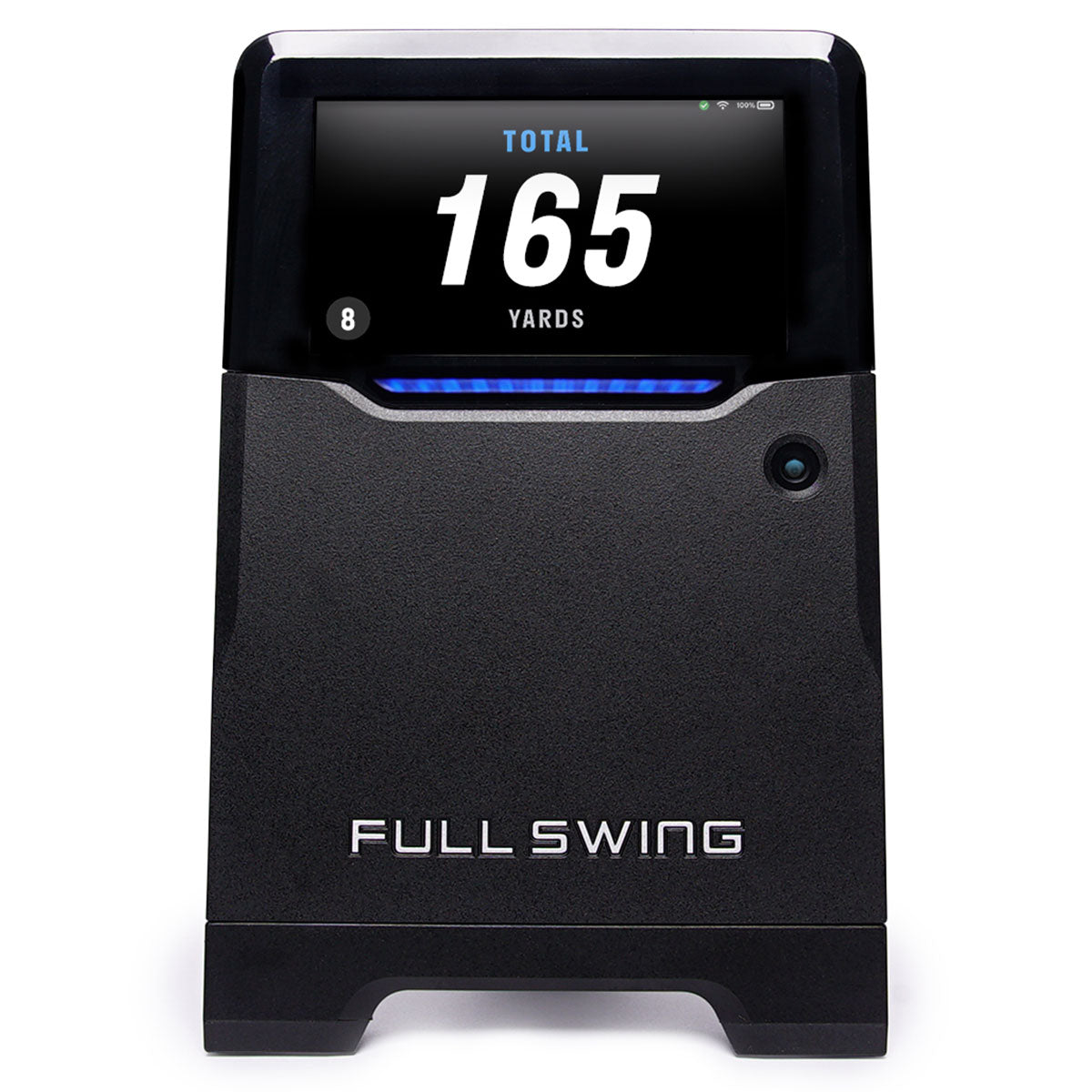
Review
7.9/10Full Swing KIT review: the tape measure decides this, not Tiger
Tour pedigree, TGL on ESPN, and radar good enough to be checked against a Trackman outdoors. It also wants eighteen to twenty feet of room, which rules out most of the garages people buy it for.
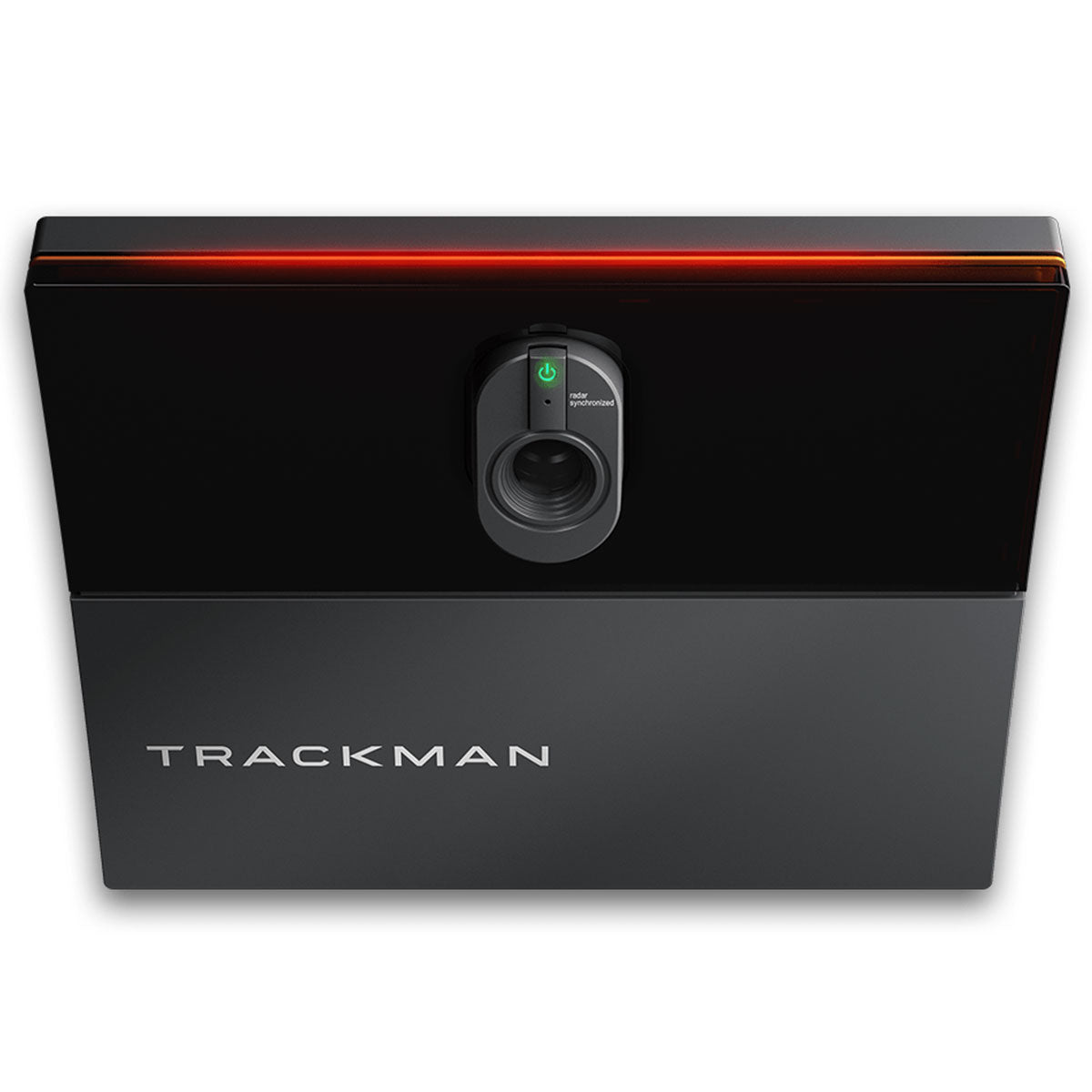
Versus
Trackman iO vs Uneekor EYE XO2: the year-one trap
Both mount overhead, both want ten feet of ceiling, and about $3,000 separates them on the shelf. Then Trackman's included first year runs out, and the gap starts growing by $1,100 a year.
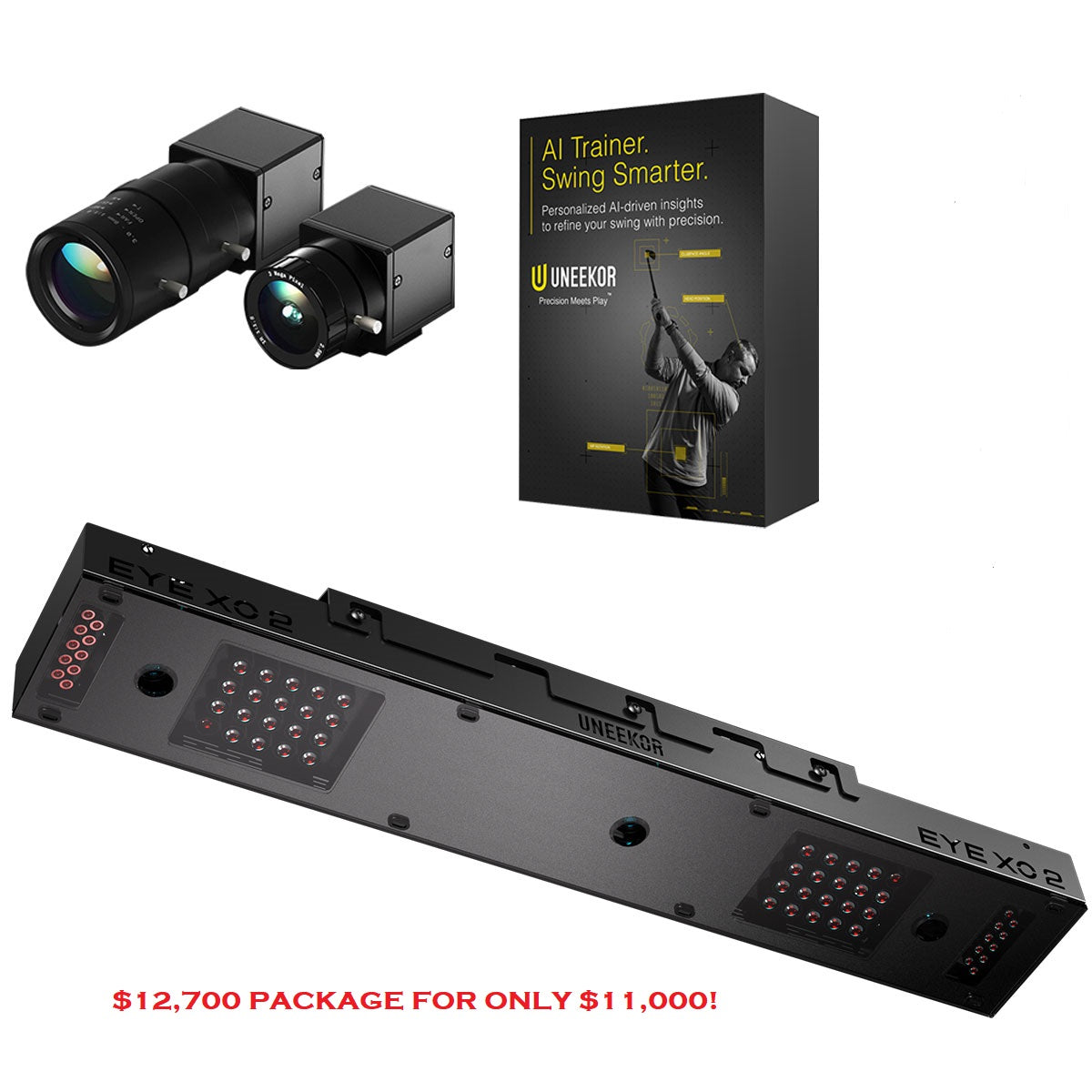
Versus
Uneekor EYE XO2 vs Foresight GC3: ceiling or floor?
About $4,000 separates them, but they're not really rivals — one lives in your ceiling forever, the other sits on the floor and travels. The cheaper one is also the one with no subscription.